
Spa
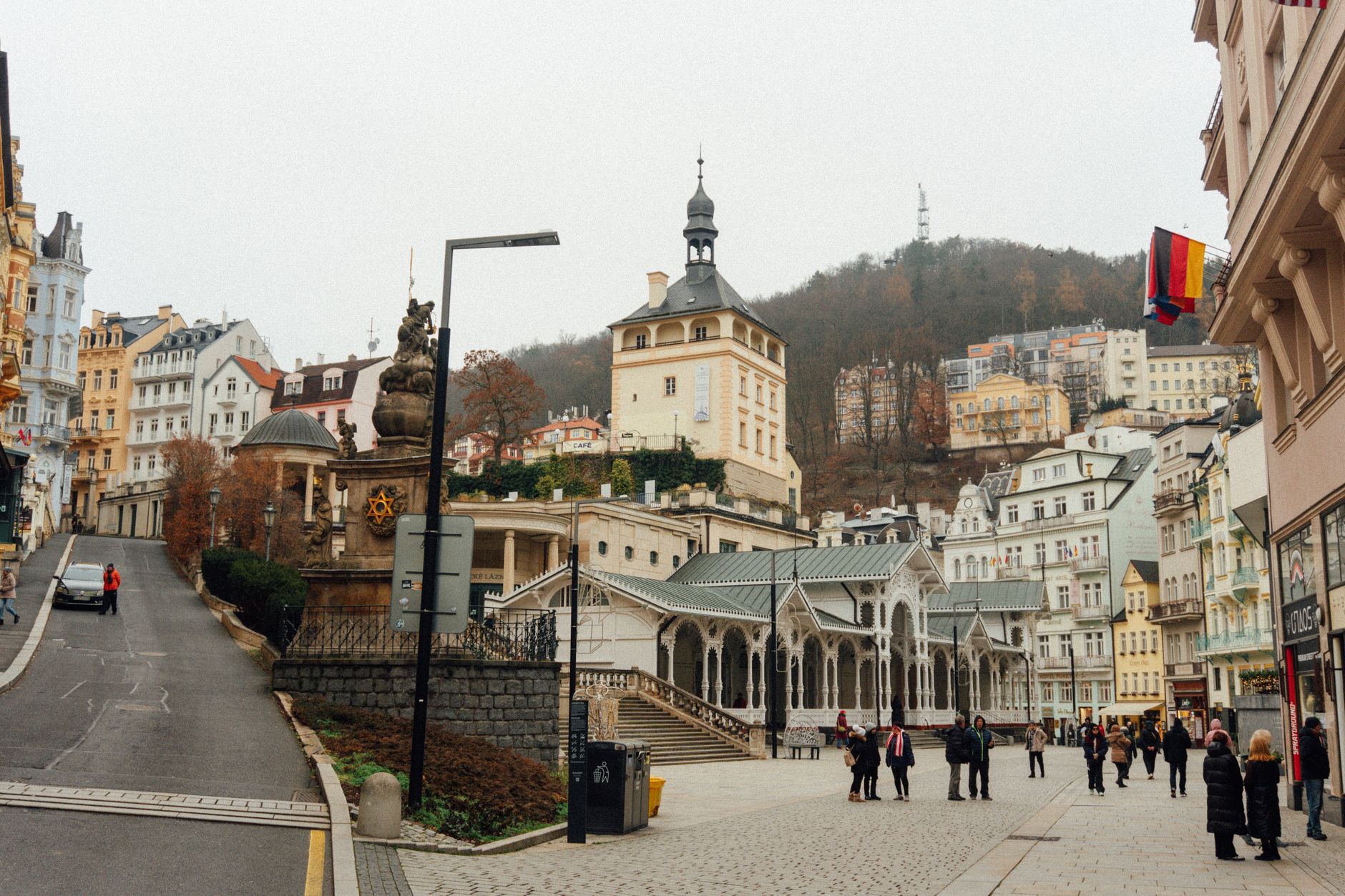
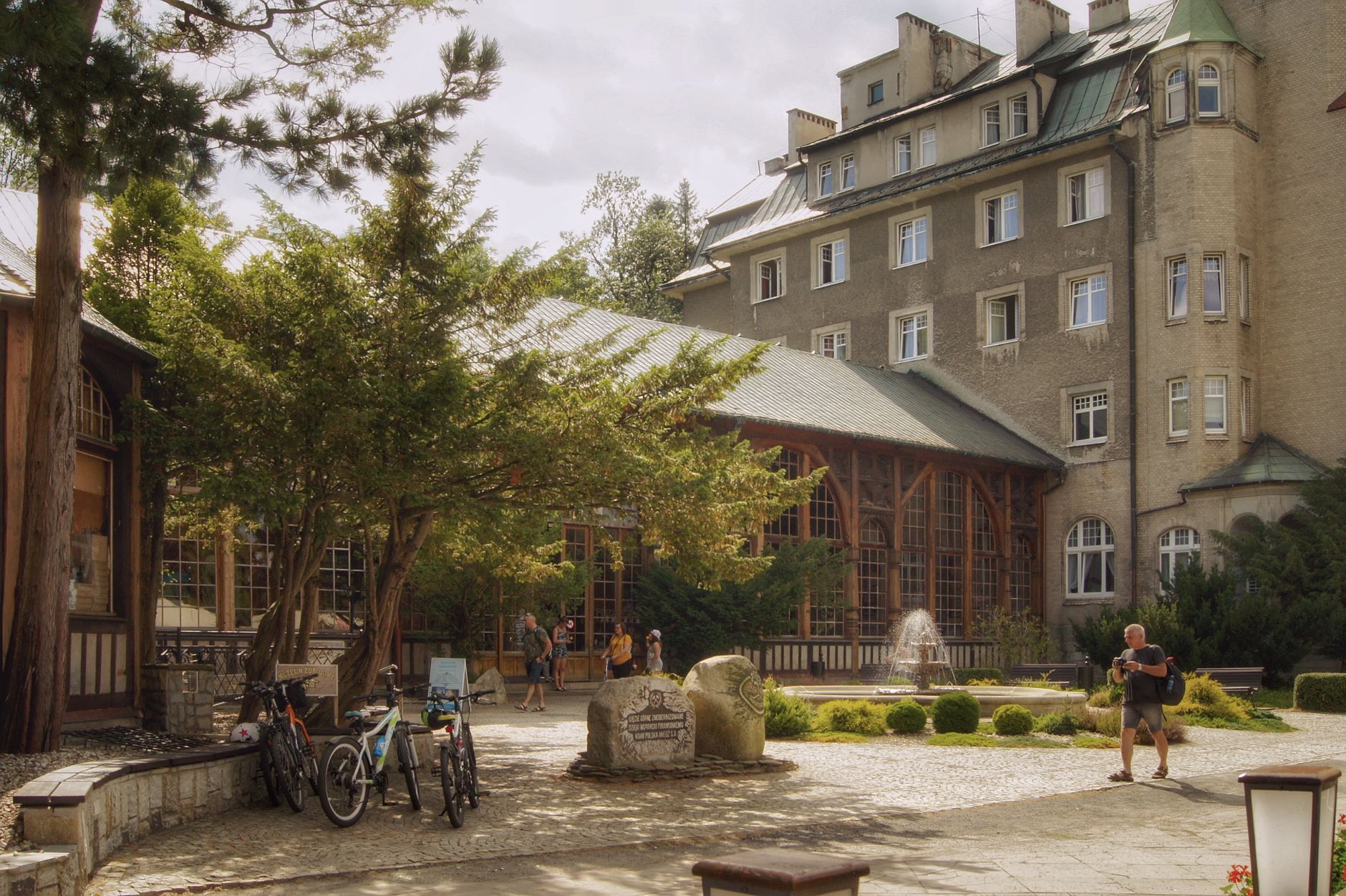
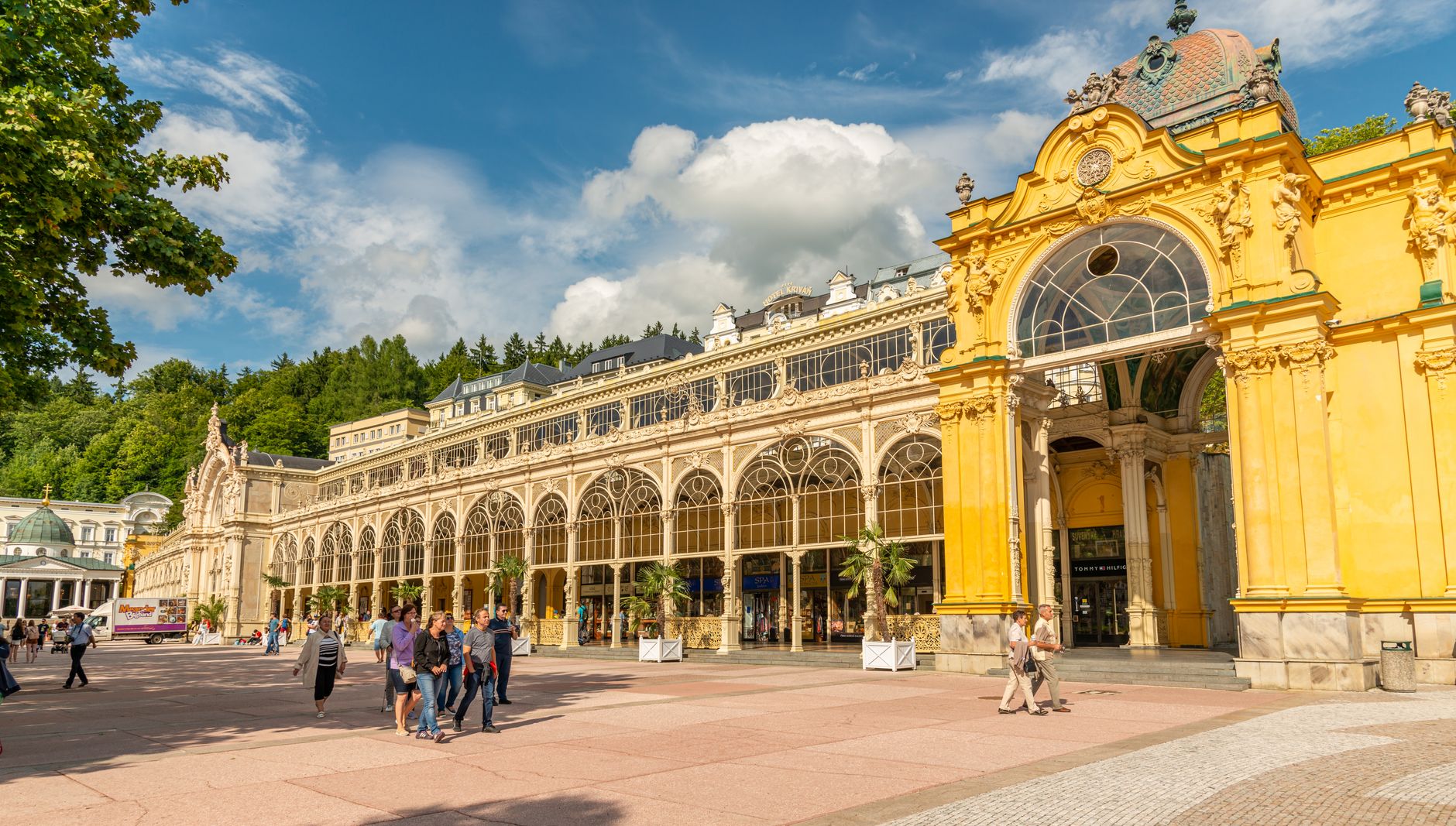
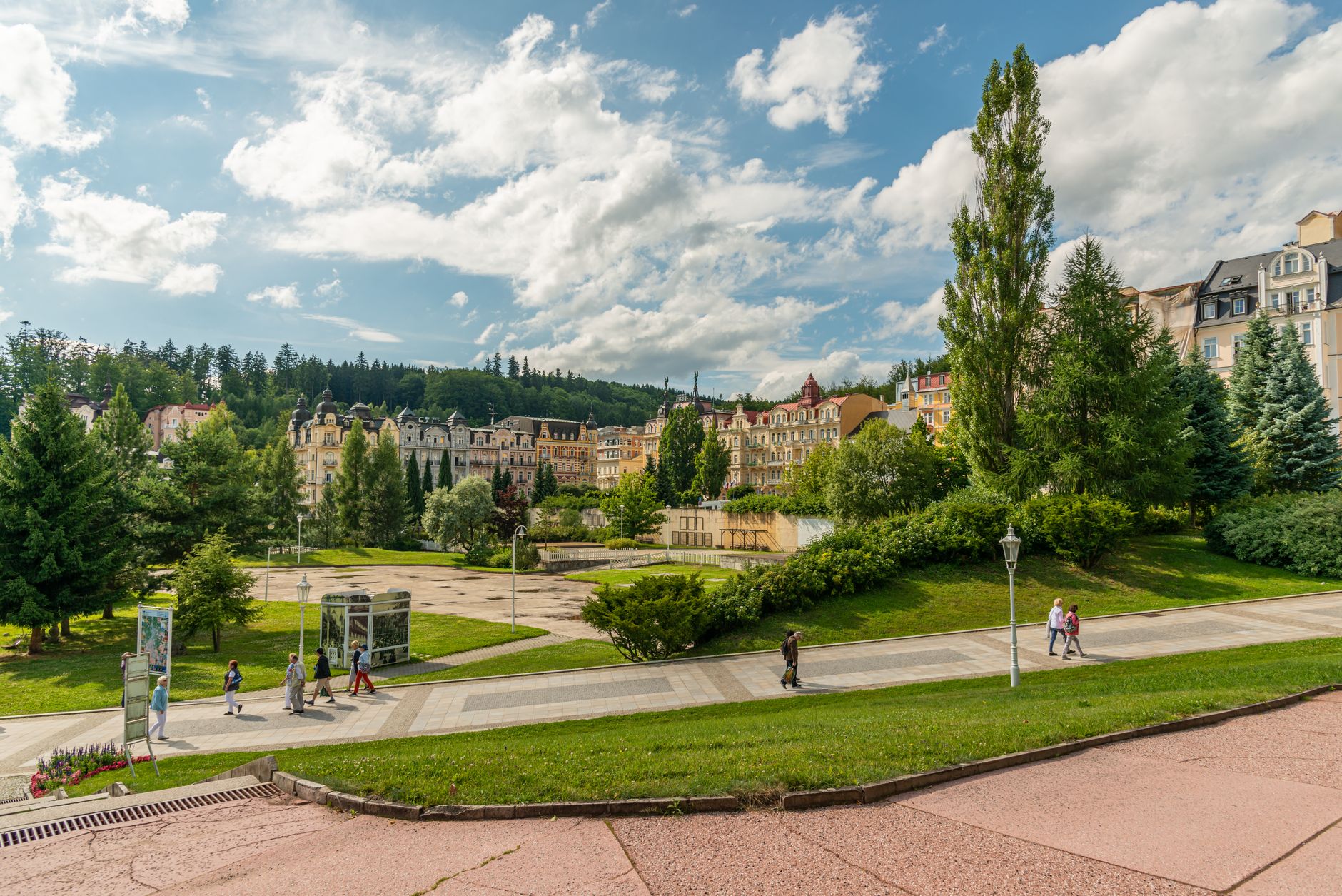
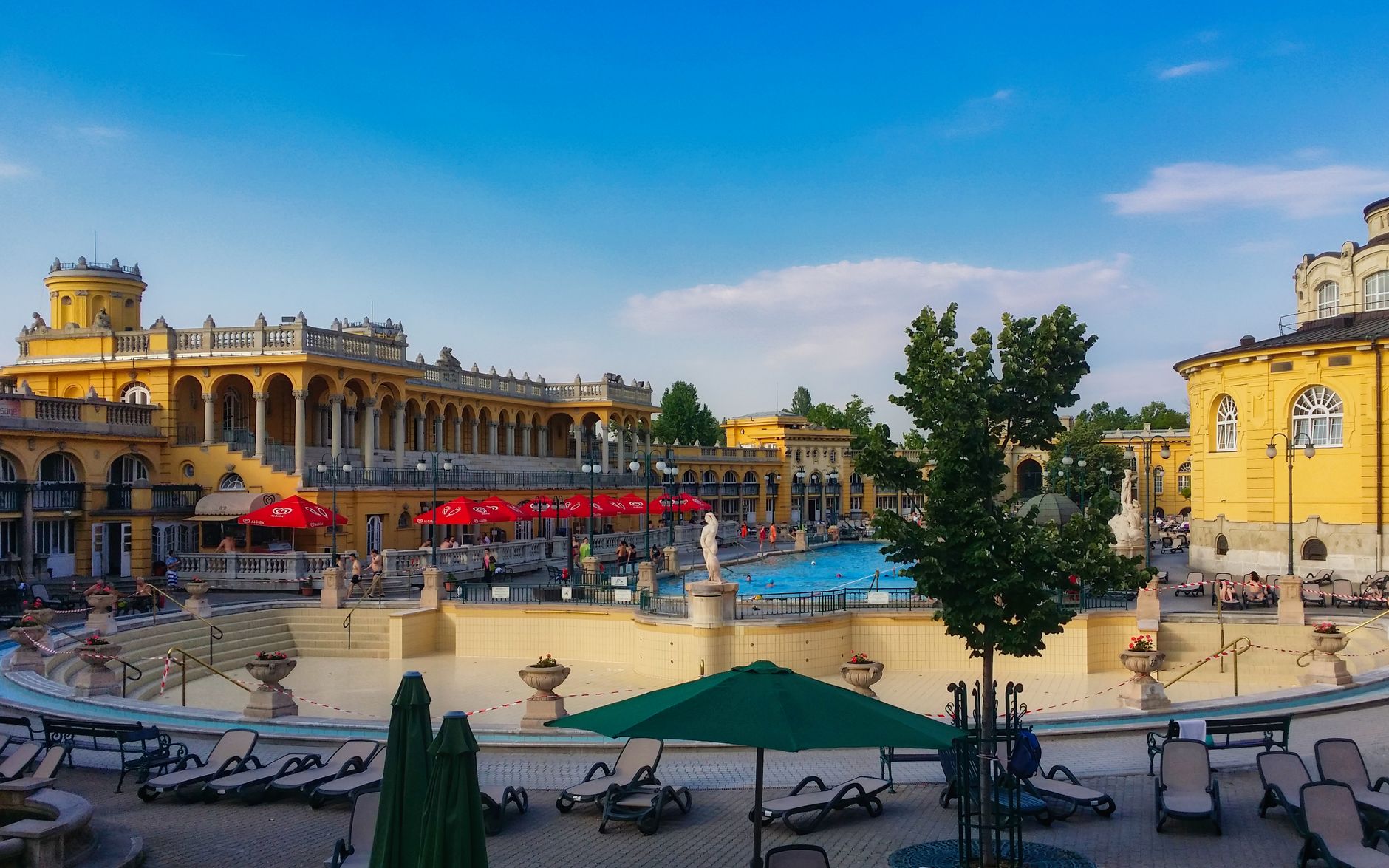
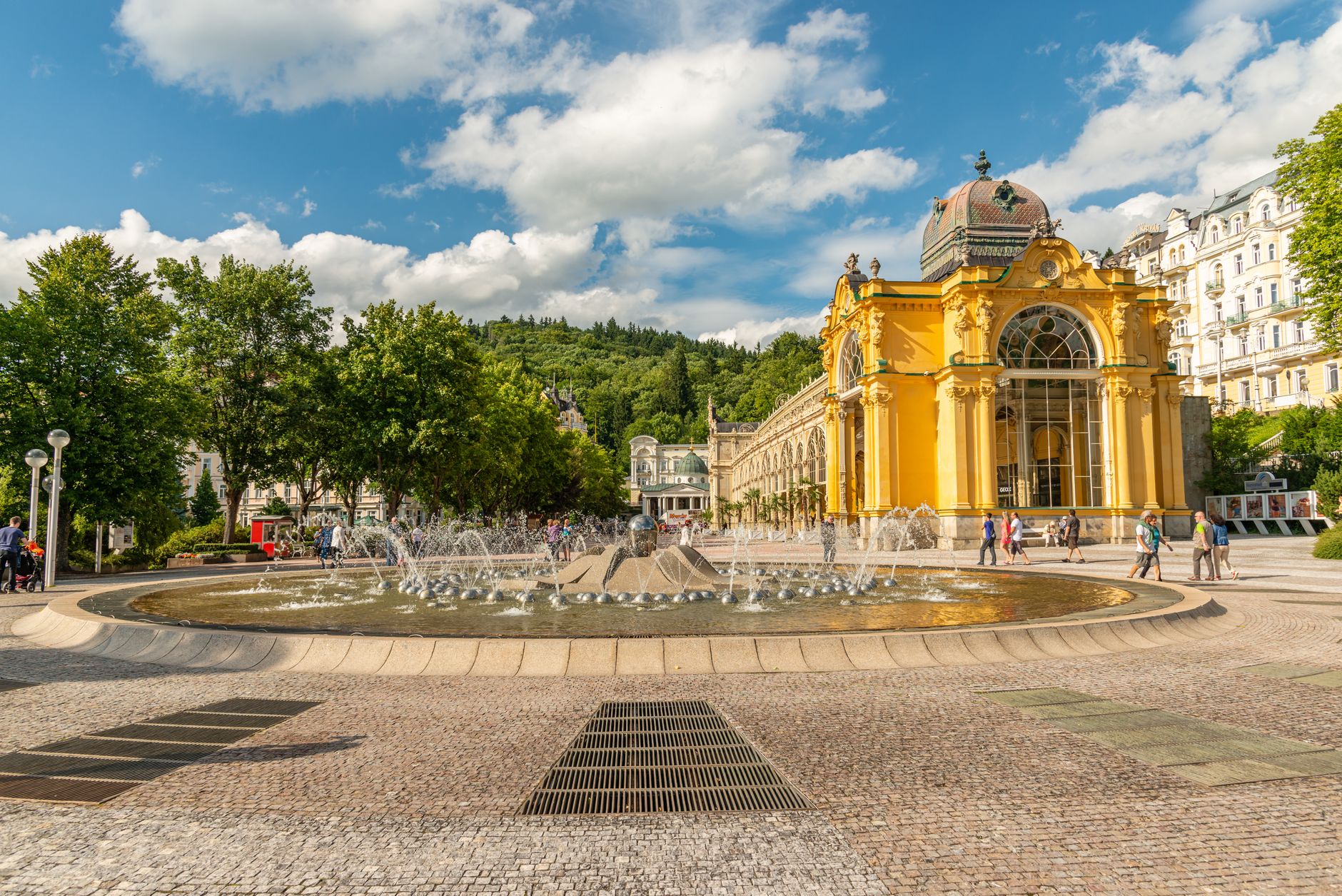
Every spa town in Europe owes something to this one. The word itself — spa — comes from this small Ardennes town in the hills above Liège, where iron-rich springs have been drawing the ailing and the fashionable since the 14th century. Tsar Peter the Great came in 1717 and went home talking about it; the Casino de Spa, opened in 1763, is widely credited as the model for every gambling house that followed.
Today the town holds its history lightly. You can drink mineral water straight from the Pouhon Pierre-le-Grand, walk the lime-tree-lined Parc de Sept Heures at dusk, or take the funicular up to Les Thermes de Spa for a copper bath fed by a spring that has been flowing for four centuries. The pace here is deliberately unhurried.
💛 What travellers fall for
Regulars tend to time a visit around the Circuit de Spa-Francorchamps race calendar, then stay a day longer than planned. The Galerie Léopold II — 130 metres of coffered wooden ceiling and cast-iron columns — is where locals shelter when the Ardennes rain arrives without warning, which it does.
How Spa came to be
The springs were known locally long before anyone wrote them down — the earliest document placing people here dates to 1302, and a 1335 charter names the town of Spas outright. By the 16th century the waters were being exported across Europe, and in 1559 a physician named Gilbert Lymborh published a treatise on the Ardennes acid springs that was translated into Latin, Italian and Spanish. A 1547 visit by Agustino, physician to Henry VIII, had already begun spreading the word to England.
The 18th century was the town's high-water mark — royalty, writers and the merely wealthy filled its assembly rooms — before an 1807 fire gutted the centre. It rebuilt carefully: the thermal baths in 1868, the Pouhon pavilion in 1880, the casino reconstructed after fires in 1909 and 1917. In July 1920 the town hosted the Spa Conference on post-war reparations. In 2021, UNESCO inscribed Spa as part of the Great Spas of Europe World Heritage Site.
Who and what shaped it
People who shaped it
Landmark buildings
See Spa in motion
Plan your visit
On the map
When to go
The Ardennes hills bring cool, damp conditions year-round — summers are mild rather than warm, and rain can arrive on any afternoon without much notice. Winter is cold and atmospheric, which is precisely when a copper bath fed by a four-century-old spring makes the most sense.
Right now
Background & history adapted from Wikipedia (CC BY-SA) · specs from Wikidata (CC0) · weather from Open-Meteo · map data © OpenStreetMap contributors · photos from Wikimedia Commons / Unsplash with per-image credit. No third-party reviews or social posts reproduced.