
Ypres (Ieper)
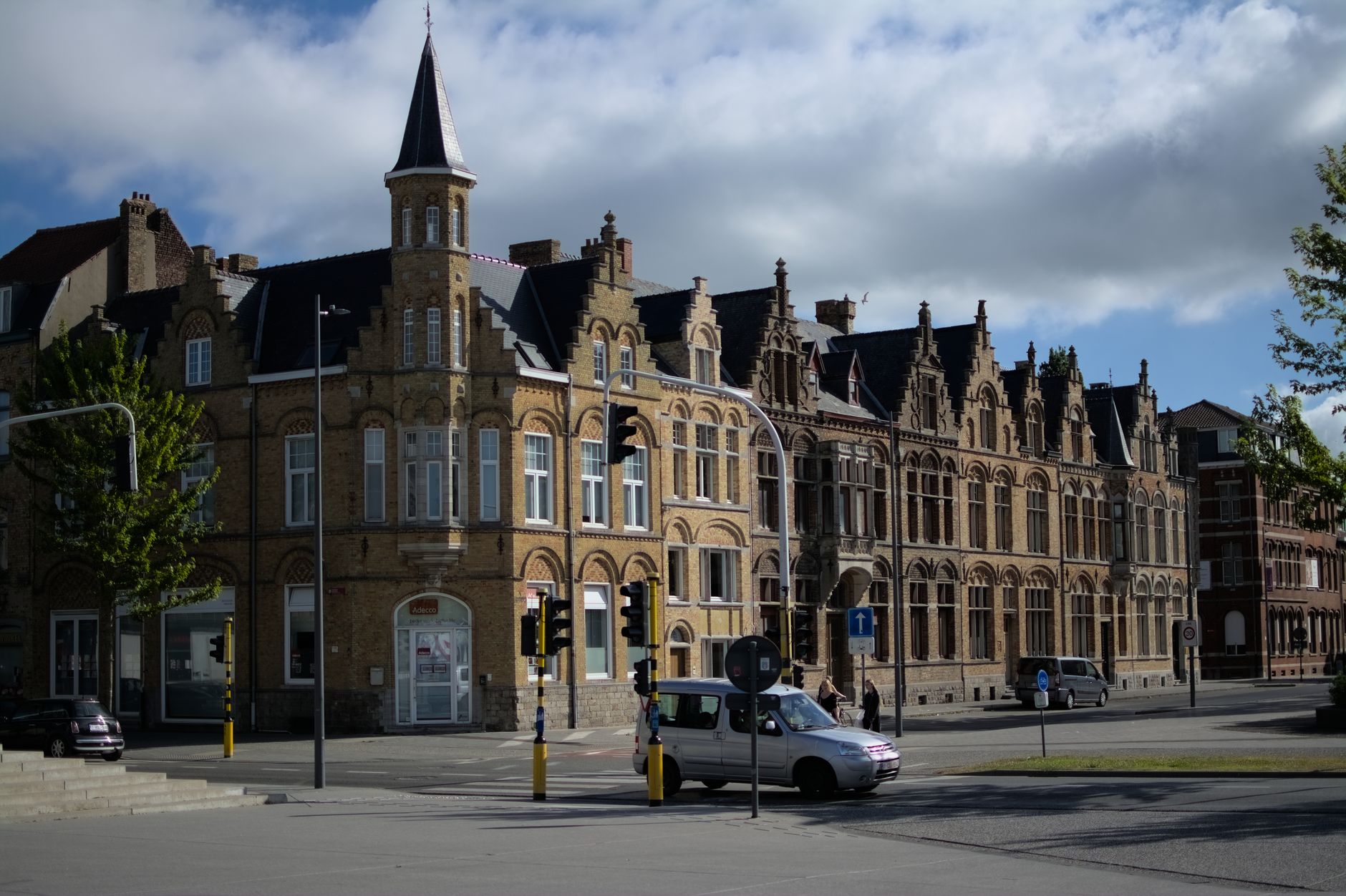
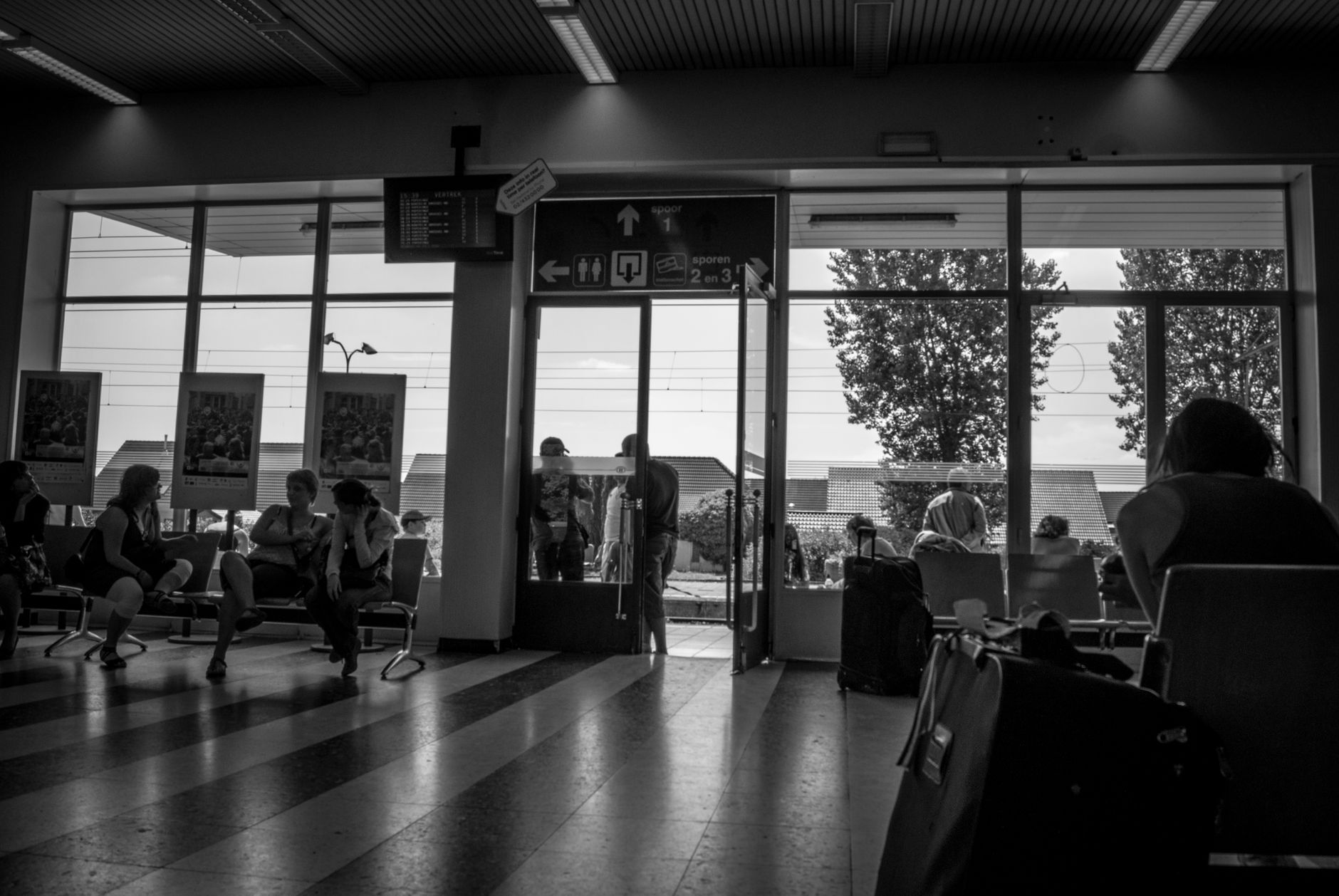
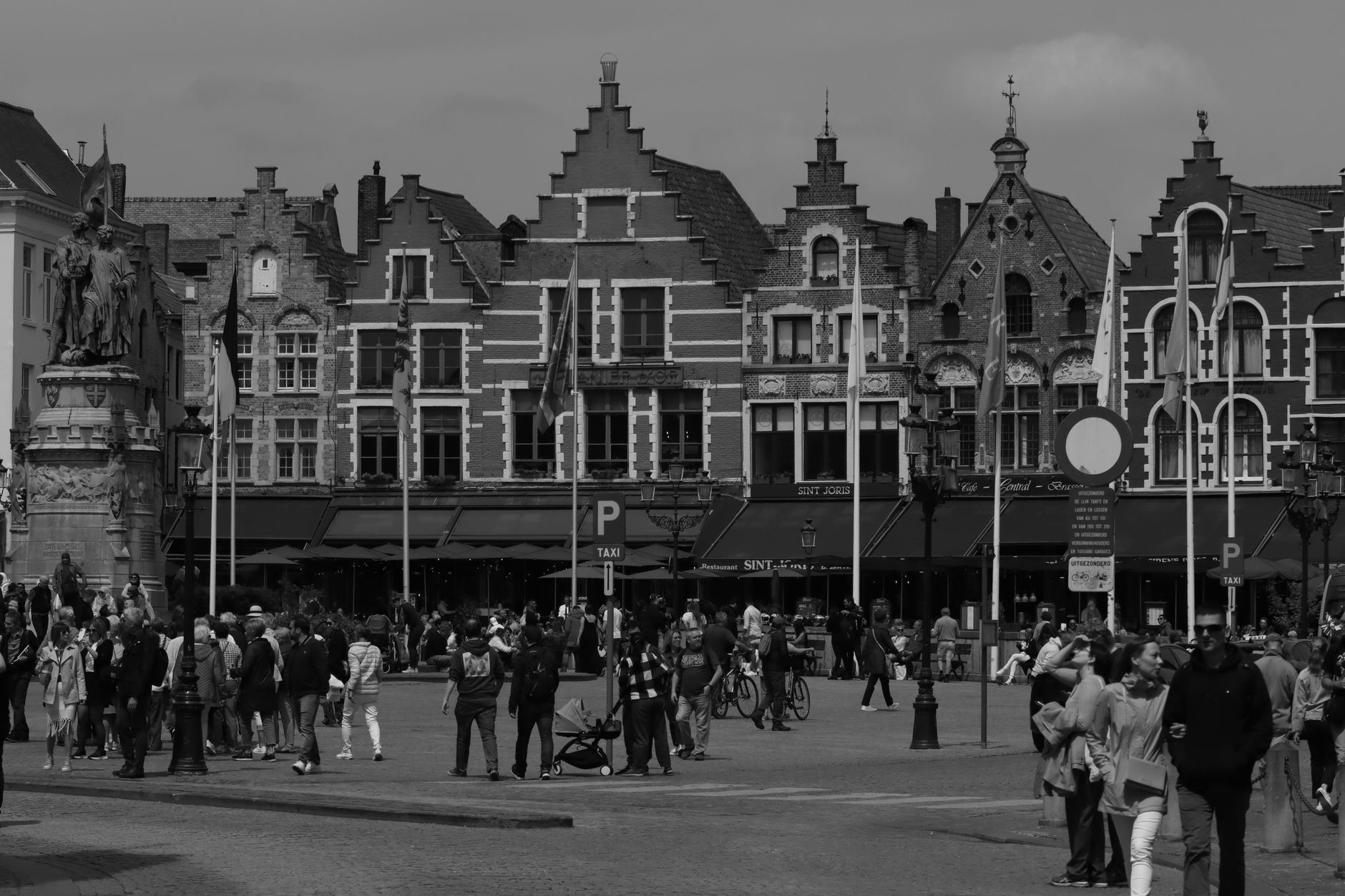
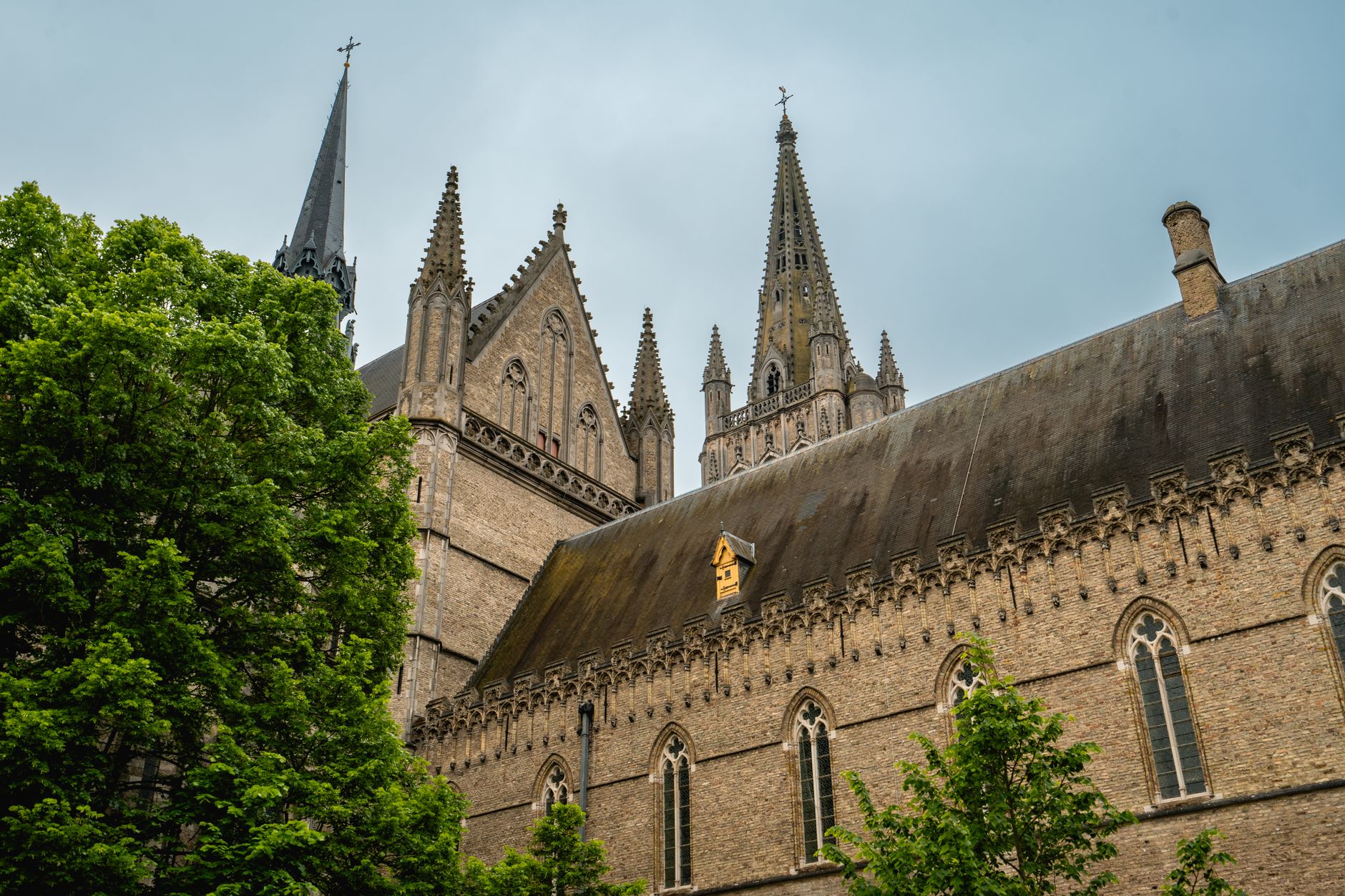
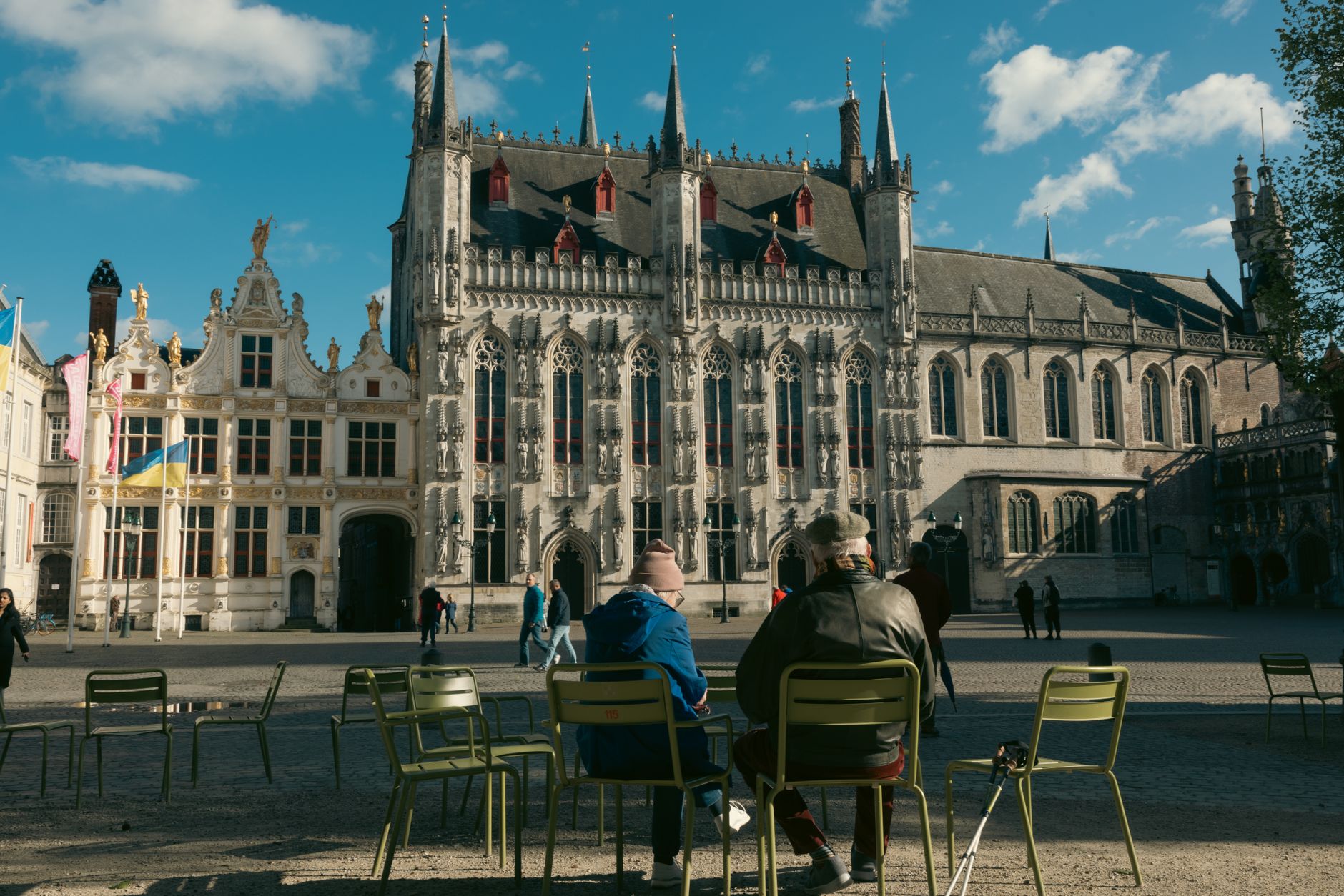
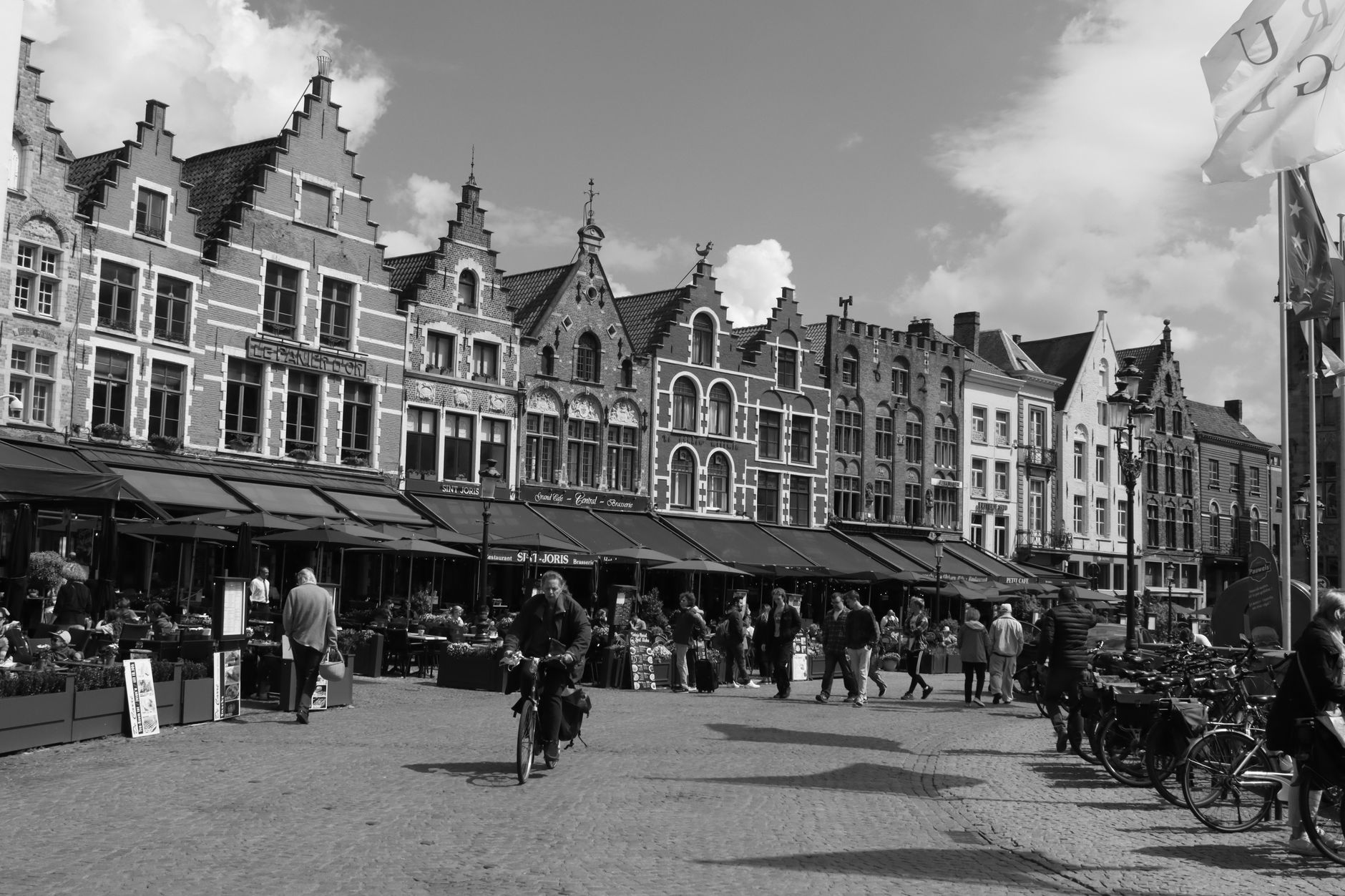
The first thing you notice in Ypres is the scale of the Cloth Hall — 125 metres of medieval façade rising above the Grote Markt, its belfry carrying 49 bells. Then you notice that almost none of it is original. By 1918 the entire city lay in ruins, and what you are walking through is a painstaking act of collective will, rebuilt stone by stone between 1933 and 1967.
Ypres sits in the flat agricultural west of Belgium, close to the French border, and its story is inseparable from the First World War. Every evening at eight o'clock, traffic stops at the Menin Gate and buglers play the Last Post — a ritual that has run almost unbroken since 1929. The city holds that weight without making a performance of grief.
How Ypres (Ieper) came to be
Ypres takes its name from the river Ieperlee and appears in the record as early as 1066. By 1200 it held a population of around 40,000 and ranked as the third city of Flanders, its wealth built on linen traded as far as England — the cloth of Ypres earns a mention in Chaucer's Canterbury Tales. A great fire in 1241 tore through the old city, and the Cloth Hall that replaced it took a full century to complete, finished in 1304. The military engineer Vauban redesigned the town's star-shaped fortifications in 1682; the moat he reinforced still rings the centre today, one of the last of its kind in the world.
The twentieth century remade everything. Four years of attritional warfare on the Ypres Salient — including the first large-scale use of poison gas on 22 April 1915 — left the city almost entirely levelled. In 1920, King George V awarded Ypres the Military Cross, one of only two such awards ever made to a municipality. The reconstruction that followed was meticulous enough that the Cloth Hall earned UNESCO World Heritage status in 1999.
Who and what shaped it
People who shaped it
Landmark buildings
See Ypres (Ieper) in motion
Plan your visit
On the map
When to go
West Flanders is mild but reliably damp; expect grey skies and occasional rain in any season. Spring and early autumn offer the most comfortable walking weather, while summer brings longer evenings that suit the outdoor ceremony at the Menin Gate well. Winters are cold and quiet, with short days, but the crowds thin considerably.
Right now
Background & history adapted from Wikipedia (CC BY-SA) · specs from Wikidata (CC0) · weather from Open-Meteo · map data © OpenStreetMap contributors · photos from Wikimedia Commons / Unsplash with per-image credit. No third-party reviews or social posts reproduced.