
Region

Ghent

Ghent
Photo by Мik on Pexels
Ghent
Photo by Marc Peeters on Pexels
Ghent
Photo by Zhenning SHI on Pexels
Ghent
Photo by Ivan Dražić on Pexels
Ghent
Photo by Viktor Mogilat on Pexels
Ghent
Photo by Marcelo Benzuca on Pexels
City break Culture & history Food & drink

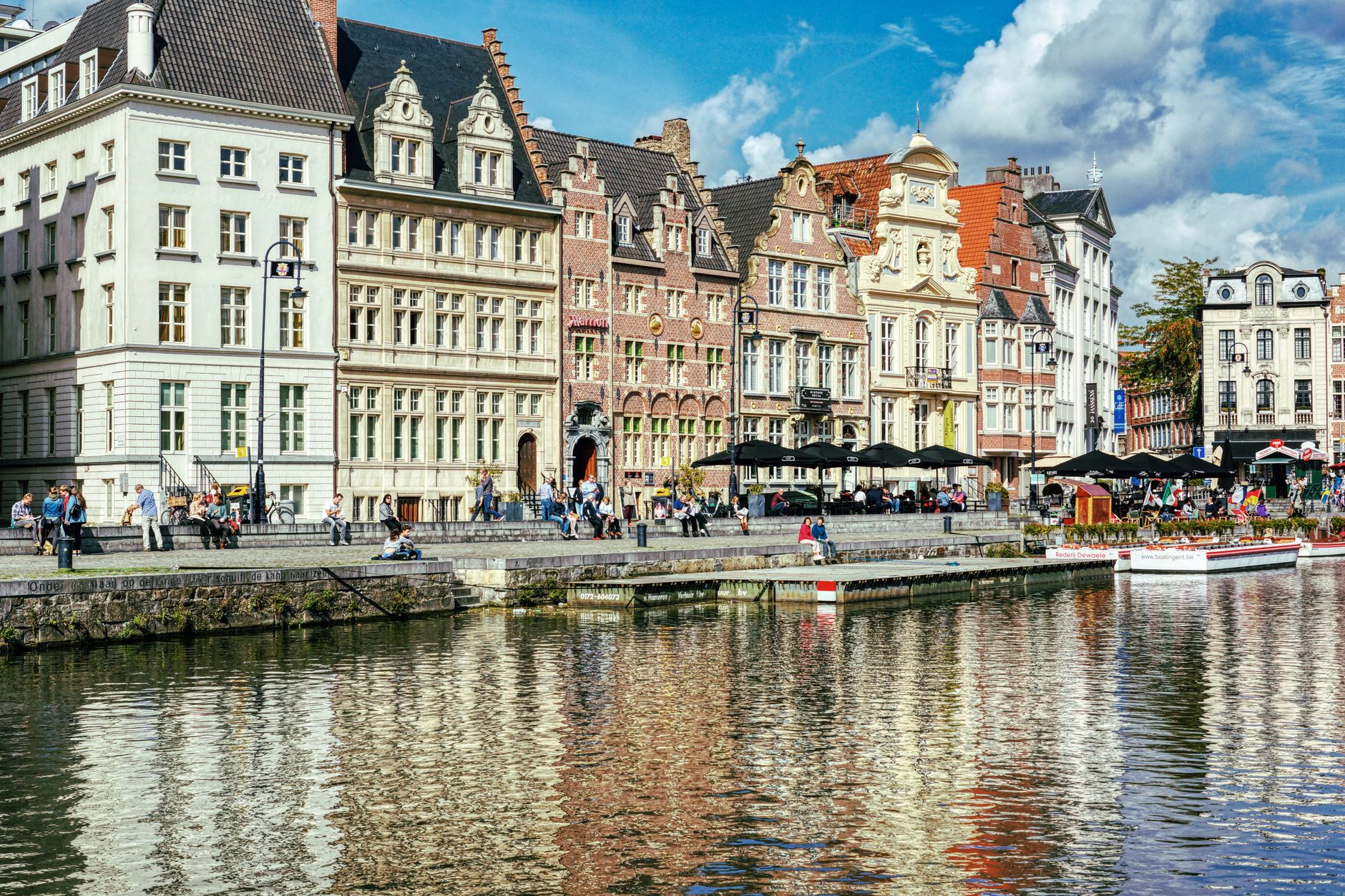
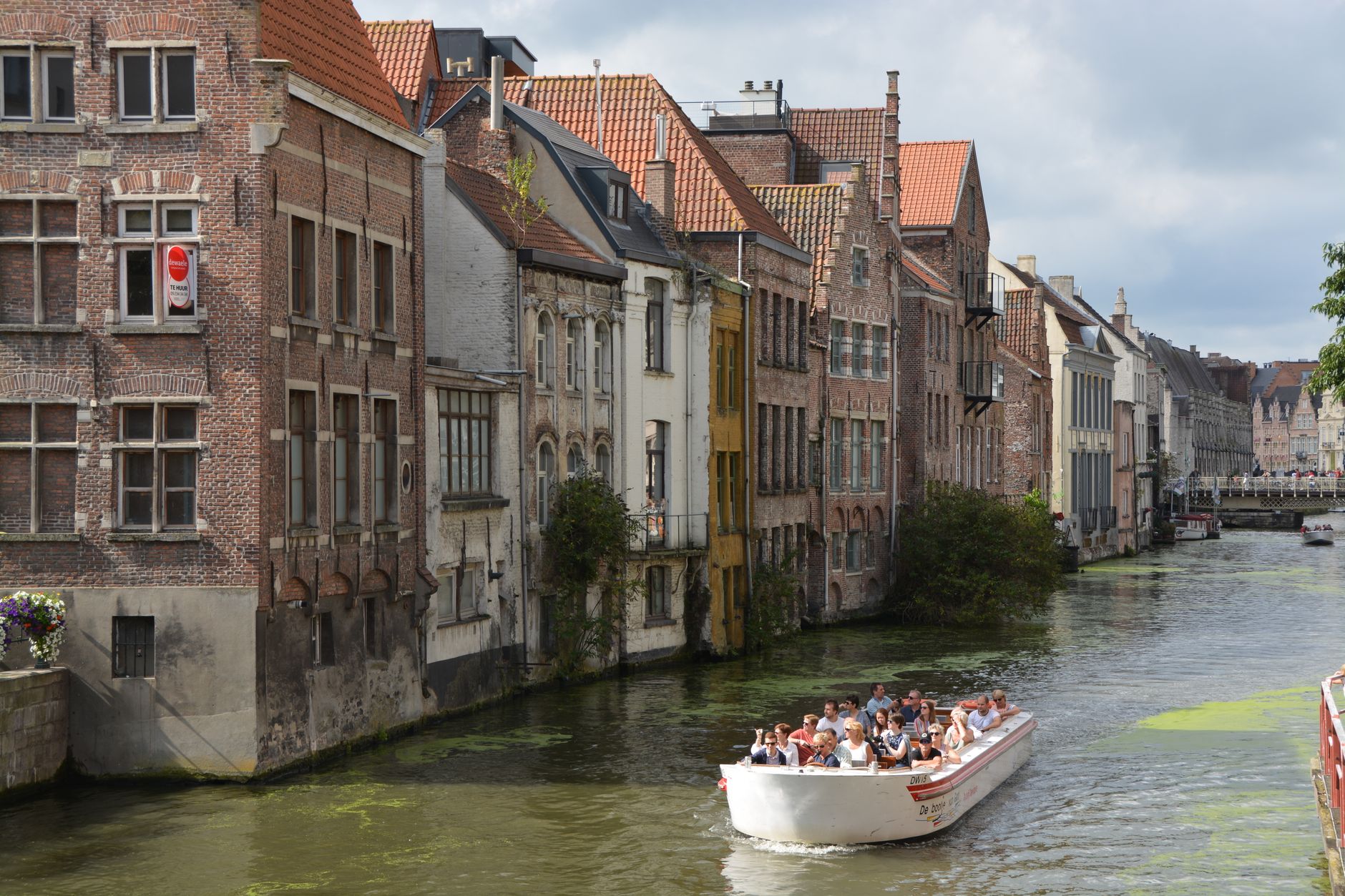
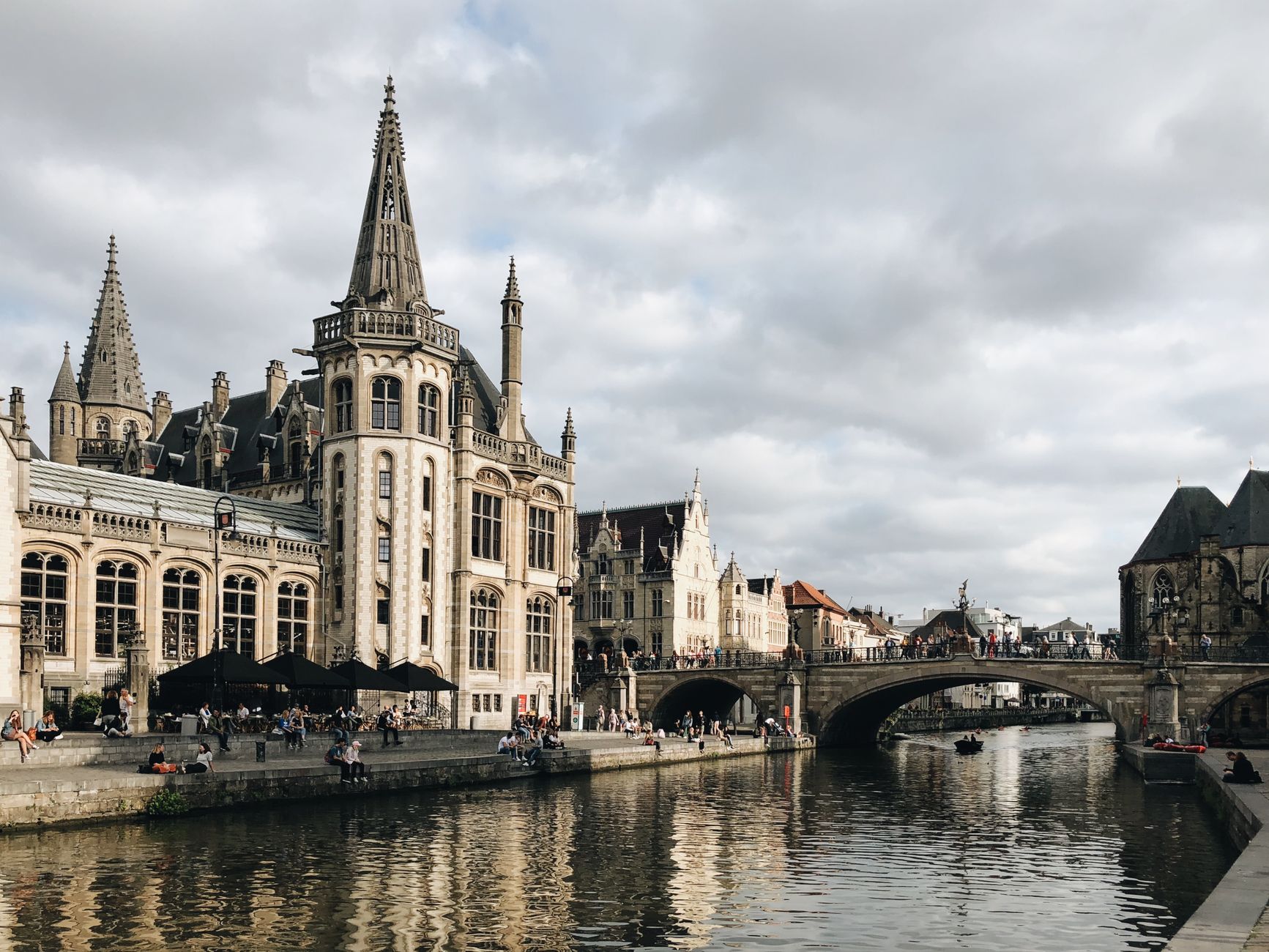
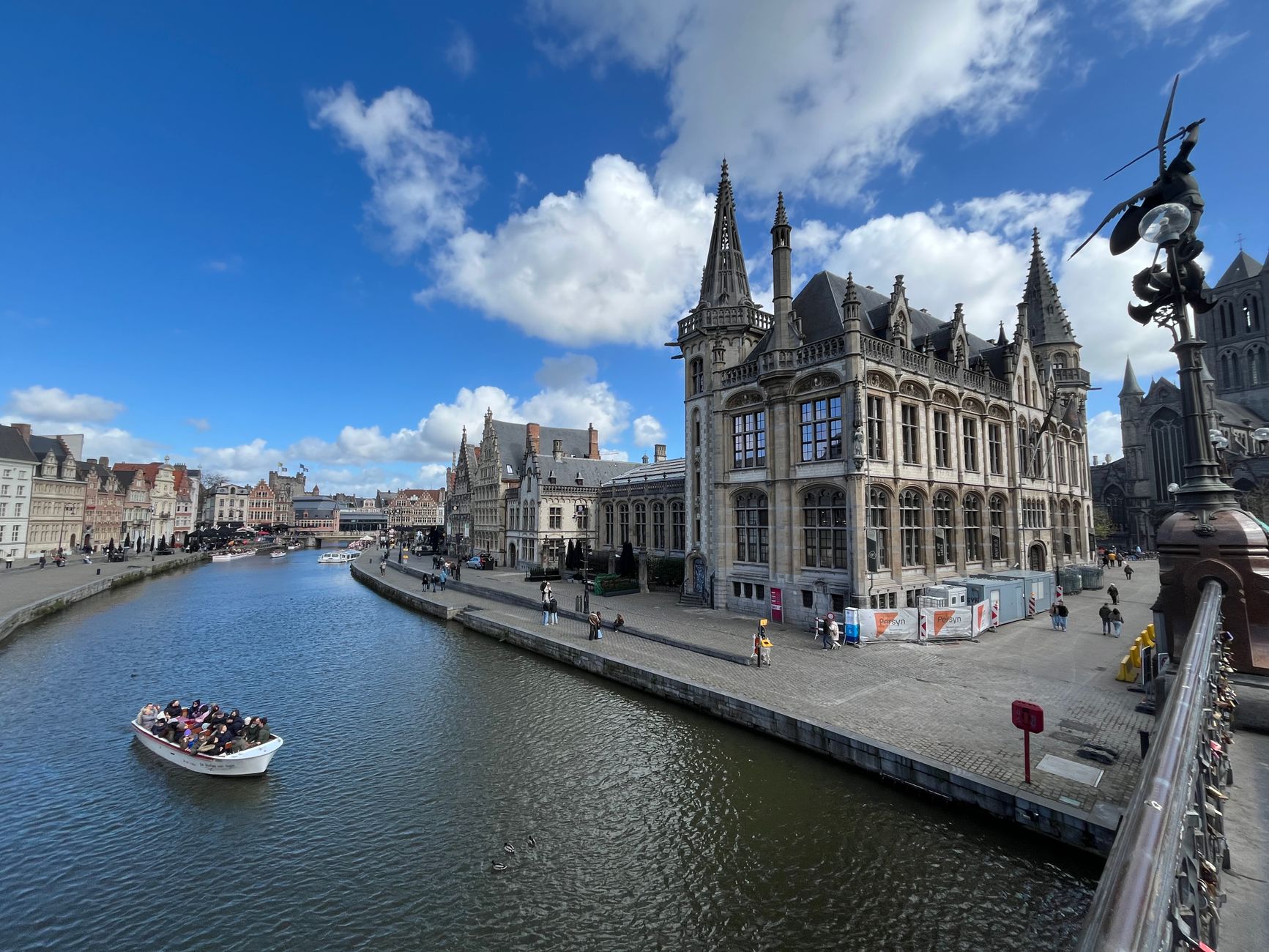
Ghent announces itself with stone. Three medieval towers rise above the Leie and Scheldt rivers where they meet, and the guild houses along the Graslei quay have barely shifted since grain merchants unloaded barges there in the 13th century. This was once a city larger than London, a cloth-trading powerhouse that punched hard enough to sign international treaties and produce an emperor — Charles V was born here in 1500.

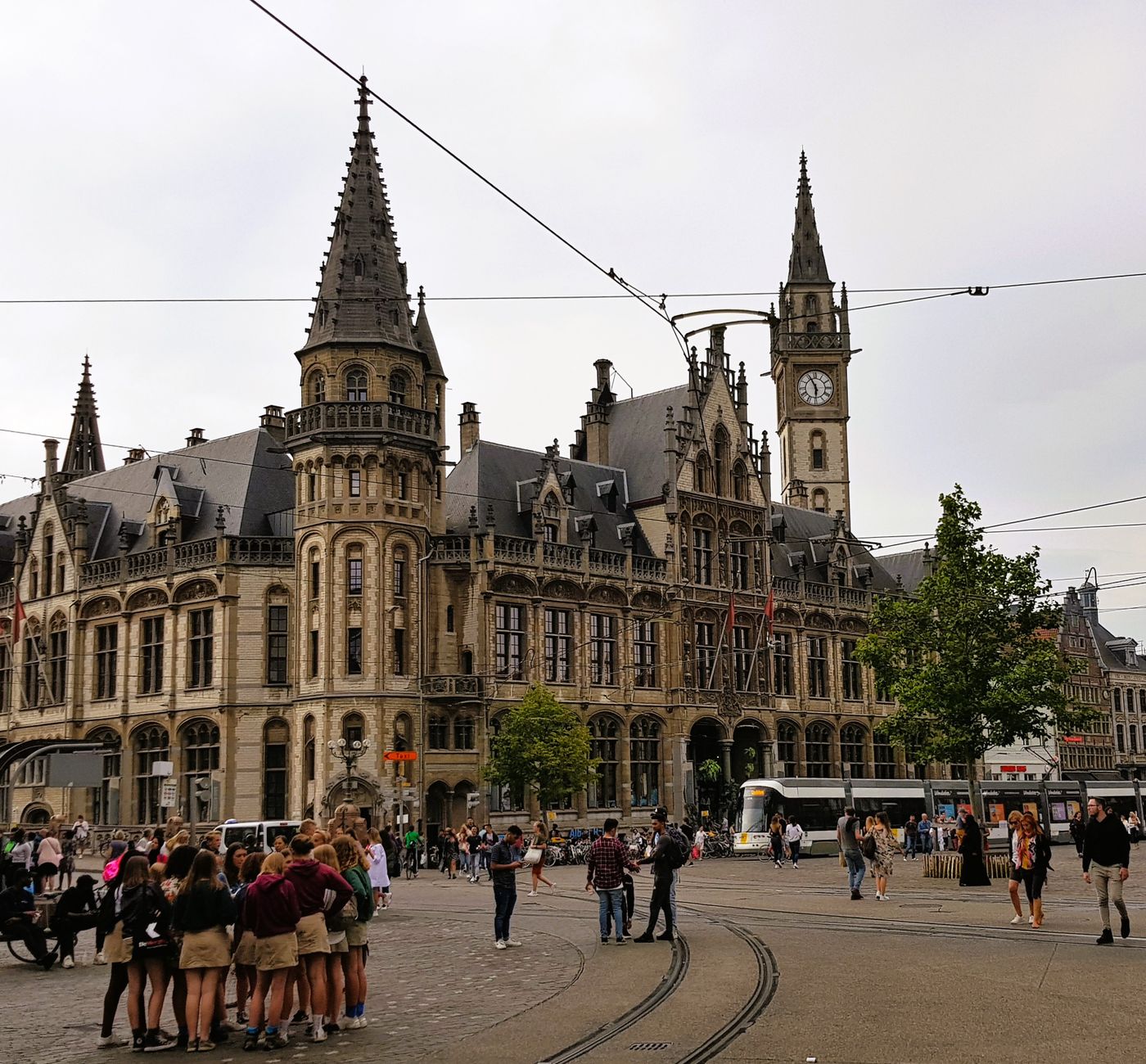
What you get today is a university city of about 260,000 that wears its history without making a performance of it. The streets between Gravensteen and Saint Bavo's Cathedral fill with students on bikes, and the architecture moves without warning from Scheldt Gothic to 19th-century industrial to a 21st-century library with 1,400 windows.

Good to know
Ghent-Sint-Pieters station sits on direct rail lines from Brussels (37 minutes), Bruges, and Antwerp. From there, trams T1 and T3 reach the centre every ten minutes. A single tram ticket costs €3 (August 2025). Two full days covers the main medieval core comfortably; a third day rewards slower walking.
The story

How Ghent came to be

The city's origin point is 630, when Saint Amand founded an abbey at the confluence of the Scheldt and Lys rivers. By the 13th century Ghent had grown to 65,000 people — the fourth-largest city in Europe — built almost entirely on the cloth trade. That wealth produced political muscle: in 1338 the merchant Jacob van Artevelde led a popular uprising that effectively ran the city for seven years before he was killed by his own citizens in 1345. The cloth trade faded in the 15th century, but the rivers kept the economy moving through shipping.

The Pacification of Ghent in 1576 attempted to unite the Lowland provinces against Spanish rule. Then the 19th century brought cotton mills and sugar refineries under French imperial rule, and the founding of Ghent University in 1817 — the institution that still defines the city's character today.

People & landmarks

Who and what shaped it

People who shaped it

Charles V
Holy Roman Emperor and King of Spain; born in Ghent in 1500
Jacob van Artevelde
Cloth merchant who led a popular uprising (1338–1345) and effectively governed the city until his murder by fellow citizens
Maurice Maeterlinck
Ghent author and only Belgian to win the Nobel Prize in Literature
Jan van Eyck
Painter of the Ghent Altarpiece, completed 1432 for Saint Bavo's Cathedral
Lieven Bauwels
Smuggled spinning mule components from the UK and introduced Belgium's first mechanical weaving machine

Landmark buildings

Gravensteen (Castle of the Counts)
Built 1180 by Count Philip of Alsace; features thick stone walls, 24 watchtowers, and a moat fed by the River Lys
Belfry of Ghent
91 metres tall; Belgium's highest belfry (1313–1380); UNESCO World Heritage site with 52-bell carillon and gilded dragon forged 1377
Saint Bavo's Cathedral
Crypt from 941, choir from 1274/1300; houses the Ghent Altarpiece by Jan van Eyck
Saint Nicholas' Church
13th-century Gothic landmark built in Scheldt Gothic style with blue-gray stone from Tournai
Graslei & Korenlei Quays
Medieval guild houses on both banks of the Scheldt; served as the medieval port for grain trade from the 13th century onward
De Vooruit
Built 1913 by socialist cooperative as a banquet hall for workers; recognized as a monument in 1983
De Krook (City Library)
Six-story modern library designed by Coussée & Goris and RCR Arquitectes; features 1,400 windows and wood panelling
Stadshal (Town Hall)
Modern covered hall designed 2012 by Robbrecht and Daem and Marie-José Van Hee; hosts concerts and events
Zebrastraat (Zebra Street)
19th-century zoo converted to Belgium's first worker housing building in 1906; rebuilt 2013 with striking bent facade
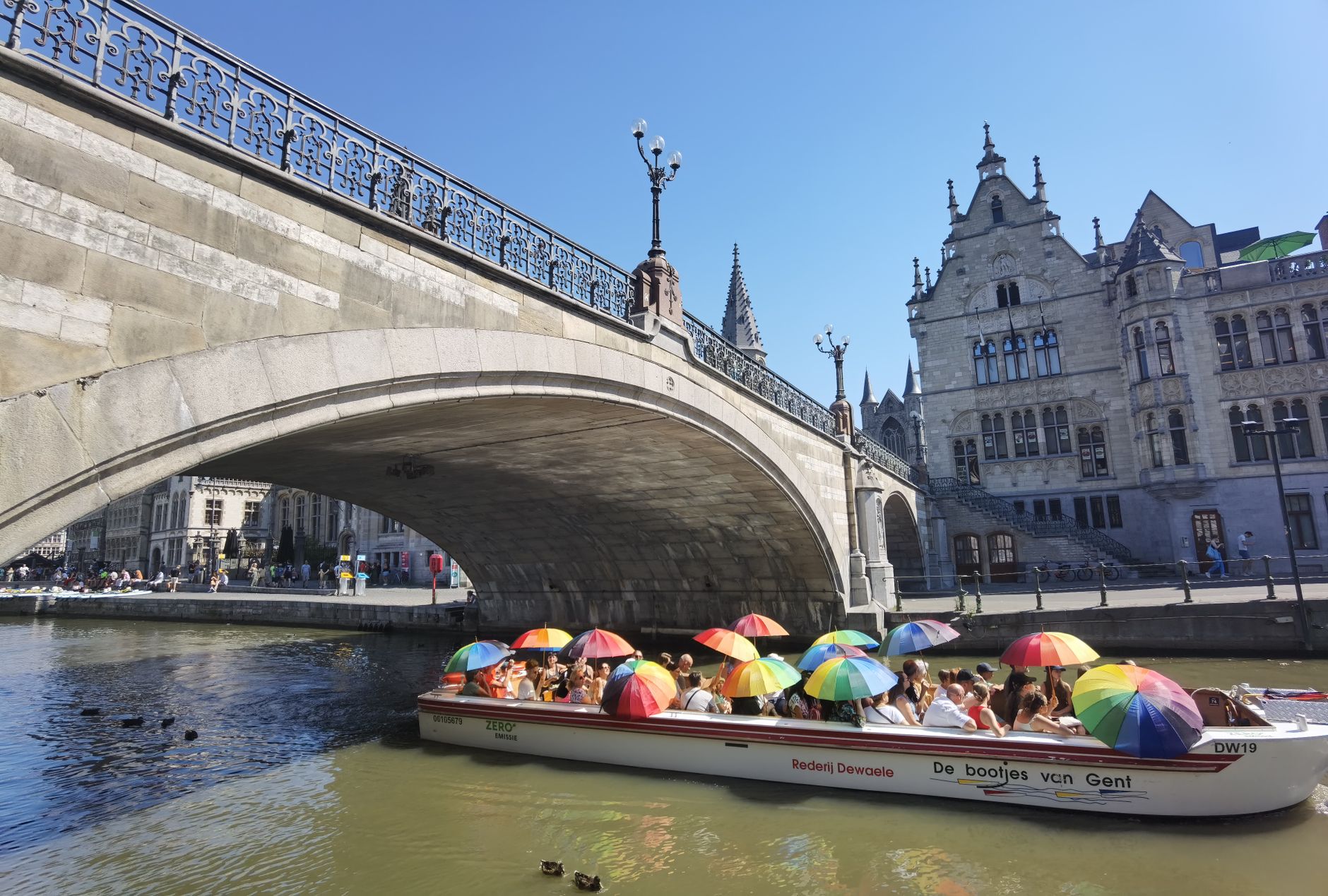
Sint-Michiel Bridge
Stone arch bridge designed 1905–1909 by Louis Curauquet
Ghent City Hall
Built over several centuries with oldest parts from early 14th century and most recent additions in 1881
Watch

See Ghent in motion

Practical

Plan your visit

On the map

When to go

Ghent's weather follows a mild Atlantic pattern: cool, often grey winters and warm but rarely hot summers. Spring and early autumn — roughly April to May and September to October — offer the most comfortable walking weather, with long evenings in summer a genuine bonus if you visit in July or August.

Right now

☀️
19°C
Clear
Sat
22°
18°
Sun
🌧️
23°
16°
Mon
22°
16°
Tue
22°
13°
Weather data: Open-Meteo

Background & history adapted from Wikipedia (CC BY-SA) · specs from Wikidata (CC0) · weather from Open-Meteo · map data © OpenStreetMap contributors · photos from Wikimedia Commons / Unsplash with per-image credit. No third-party reviews or social posts reproduced.

Top