
Liège
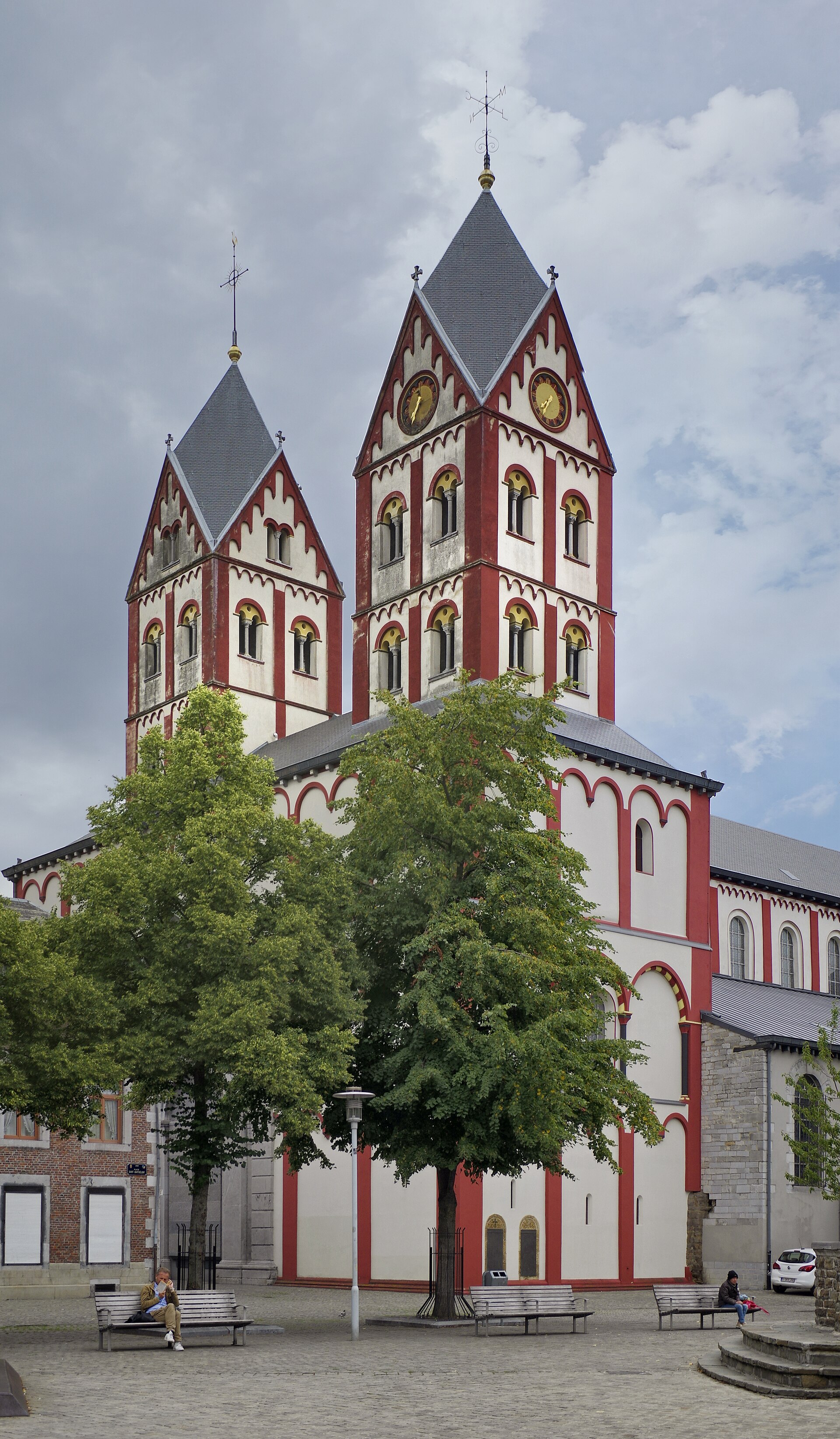
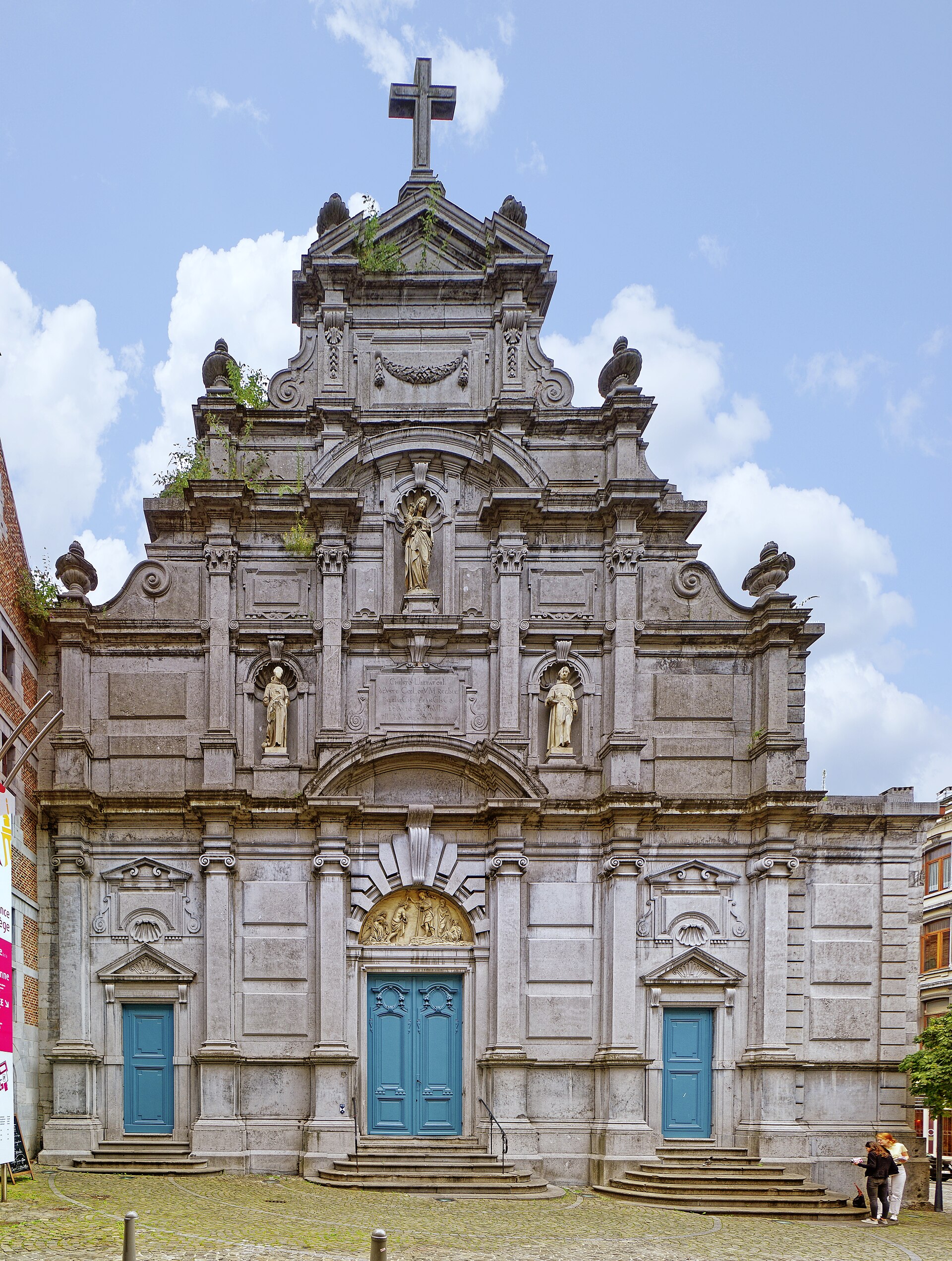
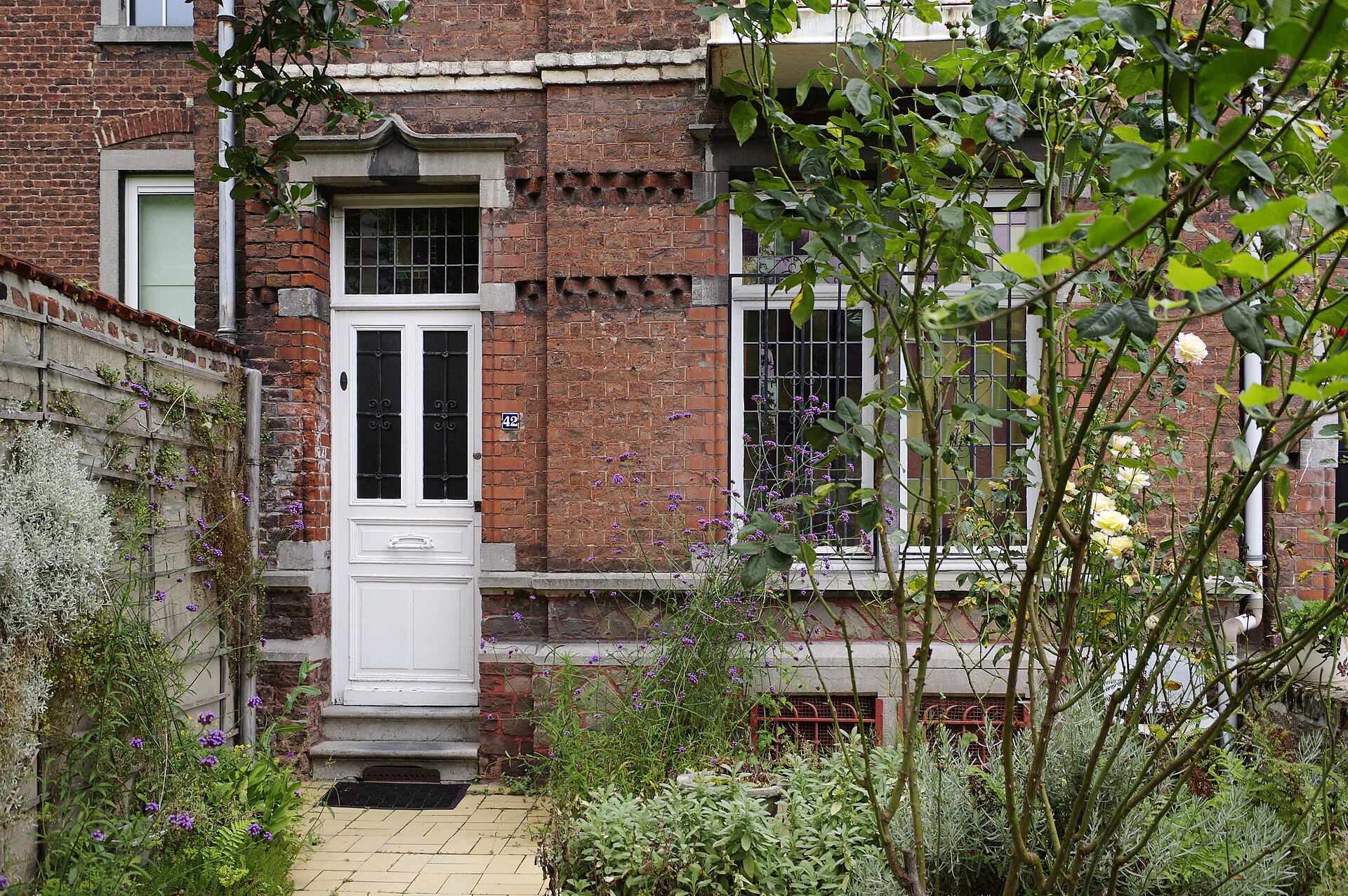
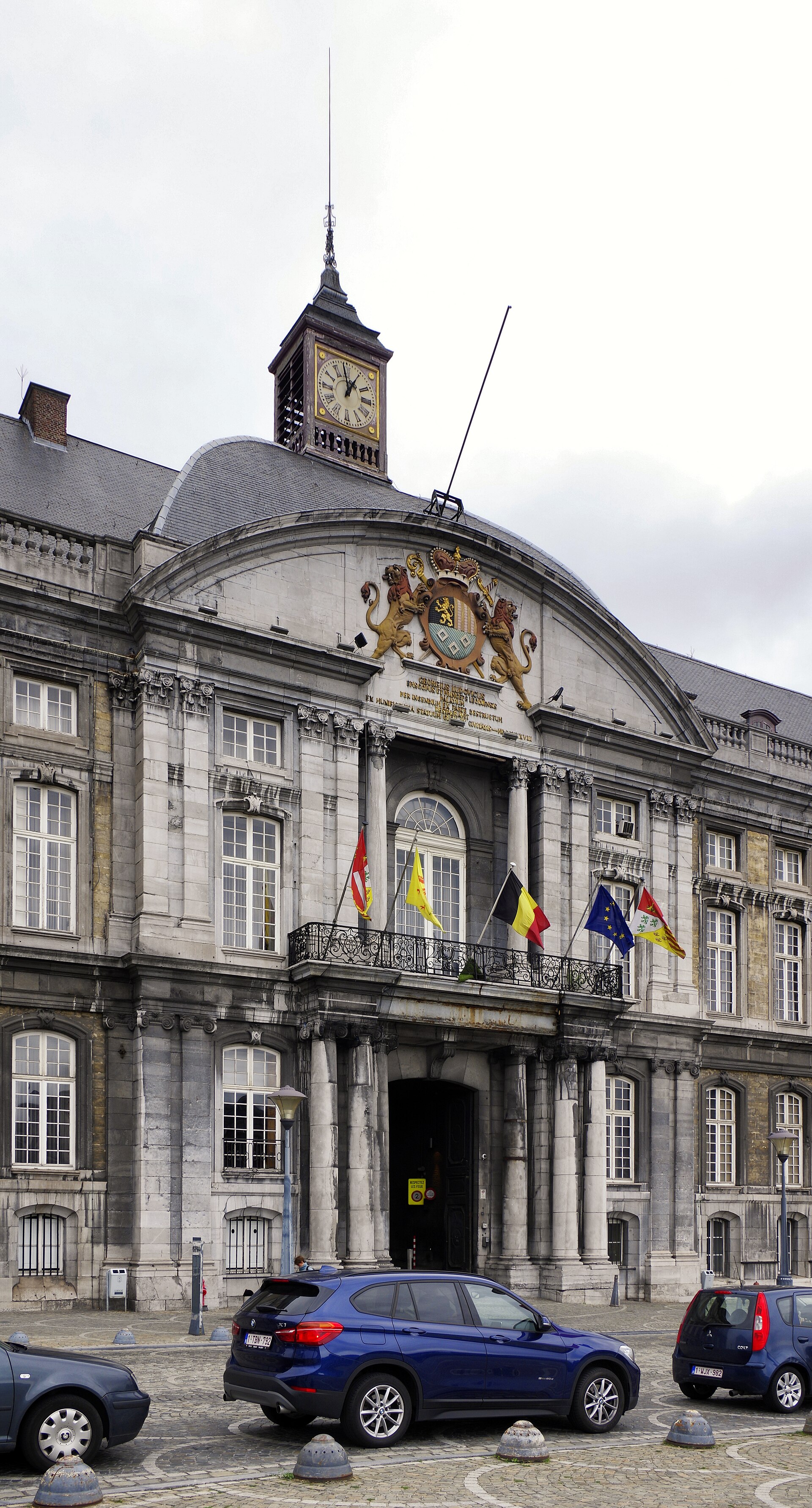
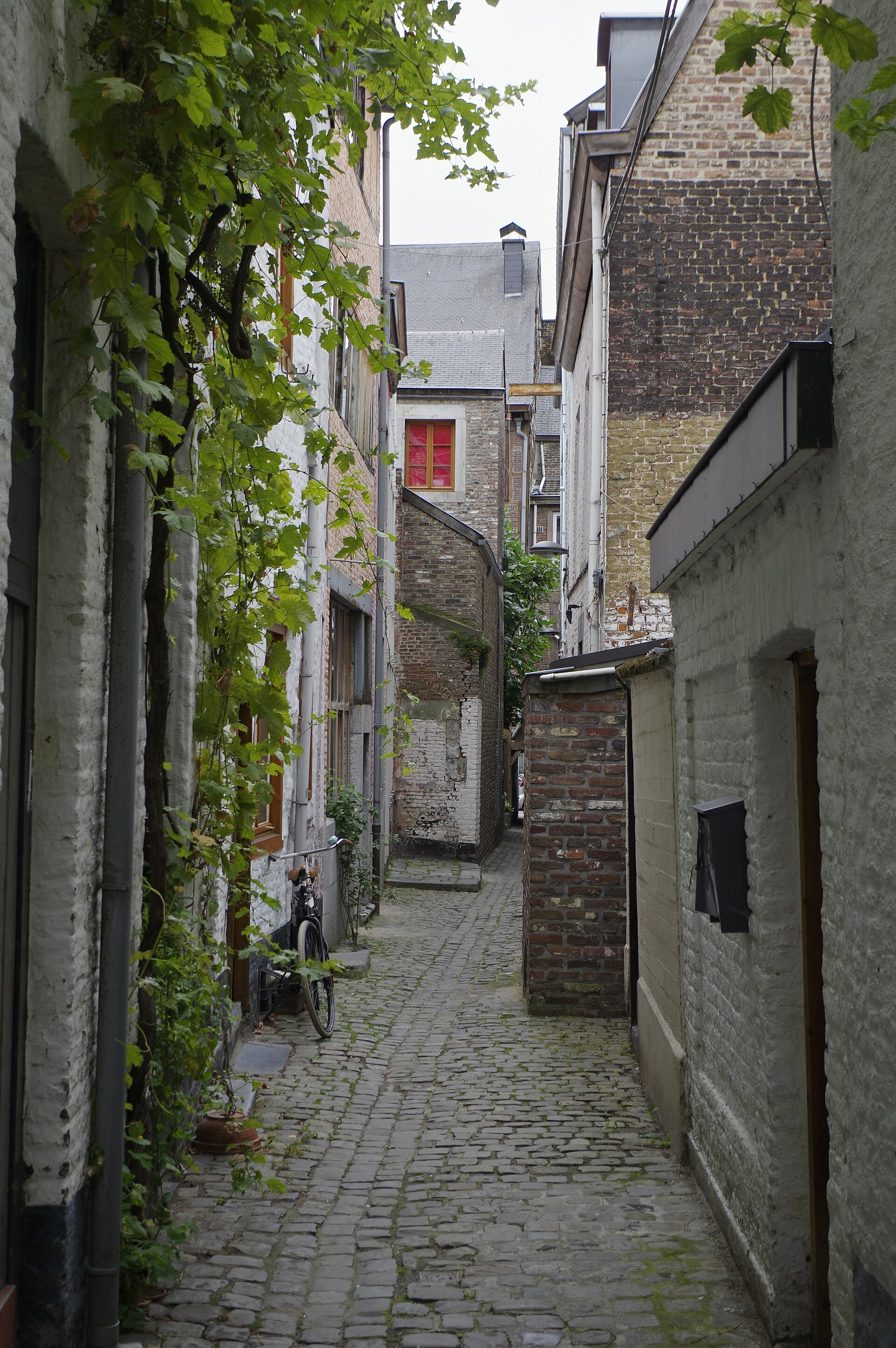
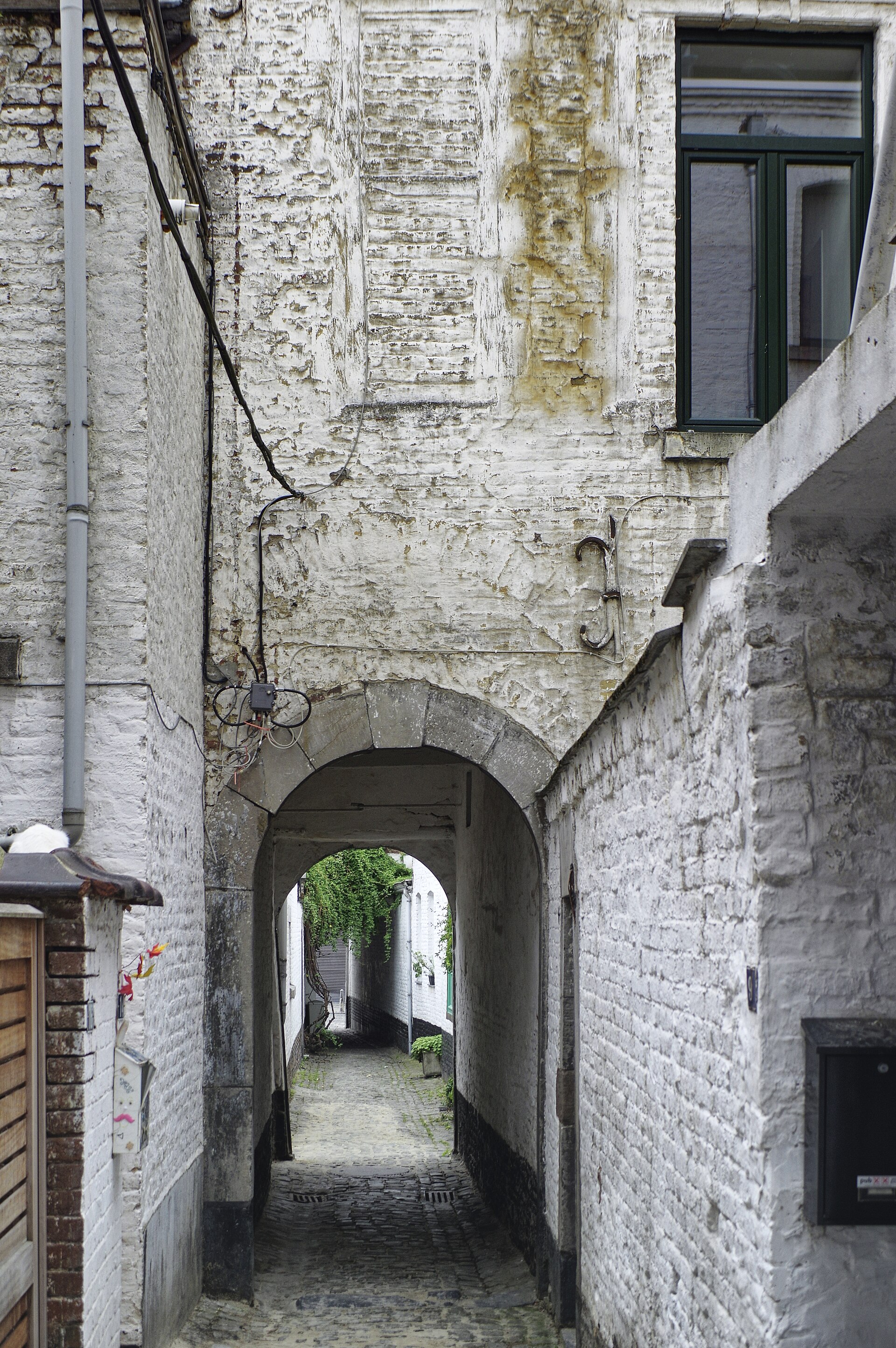
Liège announces itself through contradiction. Santiago Calatrava's railway station — a sweeping white arch of steel and glass that cost €312 million — deposits you into a city that spent centuries governed by prince-bishops and still carries the weight of that peculiar arrangement in its stones. The Meuse runs through the middle of it all, and the 374 steps of the Montagne de Bueren climb steeply above the old streets toward a citadel that once held the city's fate.
This is a Walloon city with a long memory and a reputation for stubbornness — it rebelled against Burgundy twice in the 1460s, launched its own revolution in 1789, and became one of the first large-scale steelmaking centres on the continent. Georges Simenon grew up here. So did César Franck. The place earns its complexity.
How Liège came to be
A settlement on the Meuse since at least the 6th century, Liège found its defining shape after Bishop Lambert was assassinated here around 705 and the Catholic see transferred from Maastricht in 721. The real consolidation came under Bishop Notger (972–1008), who secured feudal authority over the region and created the Prince-Bishopric of Liège — an ecclesiastical state that would govern the territory for nearly eight centuries. The 1316 Peace of Fexhe imposed the city's first constitutional limits on episcopal power.
The French Revolution ended the Prince-Bishopric decisively: revolutionary troops entered in 1794, destroyed St. Lambert's Cathedral, and the Concordat of 1801 between Napoleon and Pope Pius VII confirmed the old order was gone. After the Congress of Vienna and Belgian independence in 1830, Liège pivoted to industry, hosting the World Fair in 1905 at the height of its industrial prominence.
Who and what shaped it
People who shaped it
Landmark buildings
See Liège in motion
Plan your visit
On the map
When to go
Liège has a temperate maritime climate: mild, often grey, with rain distributed fairly evenly across the year. Summers are warm enough for outdoor café life along the Meuse; winters are damp and cool, though rarely severe.
Right now
Background & history adapted from Wikipedia (CC BY-SA) · specs from Wikidata (CC0) · weather from Open-Meteo · map data © OpenStreetMap contributors · photos from Wikimedia Commons / Unsplash with per-image credit. No third-party reviews or social posts reproduced.