
Leuven
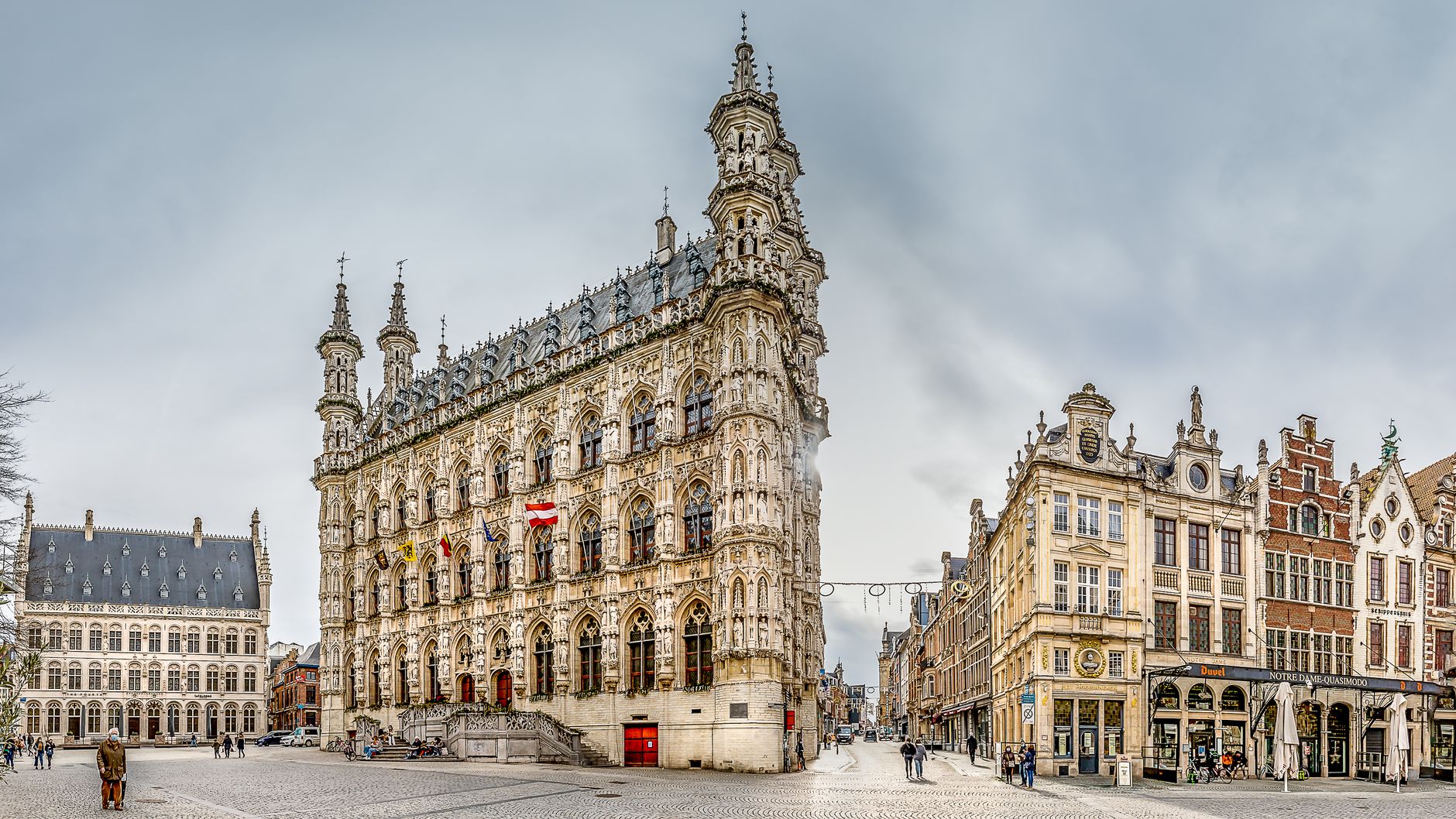
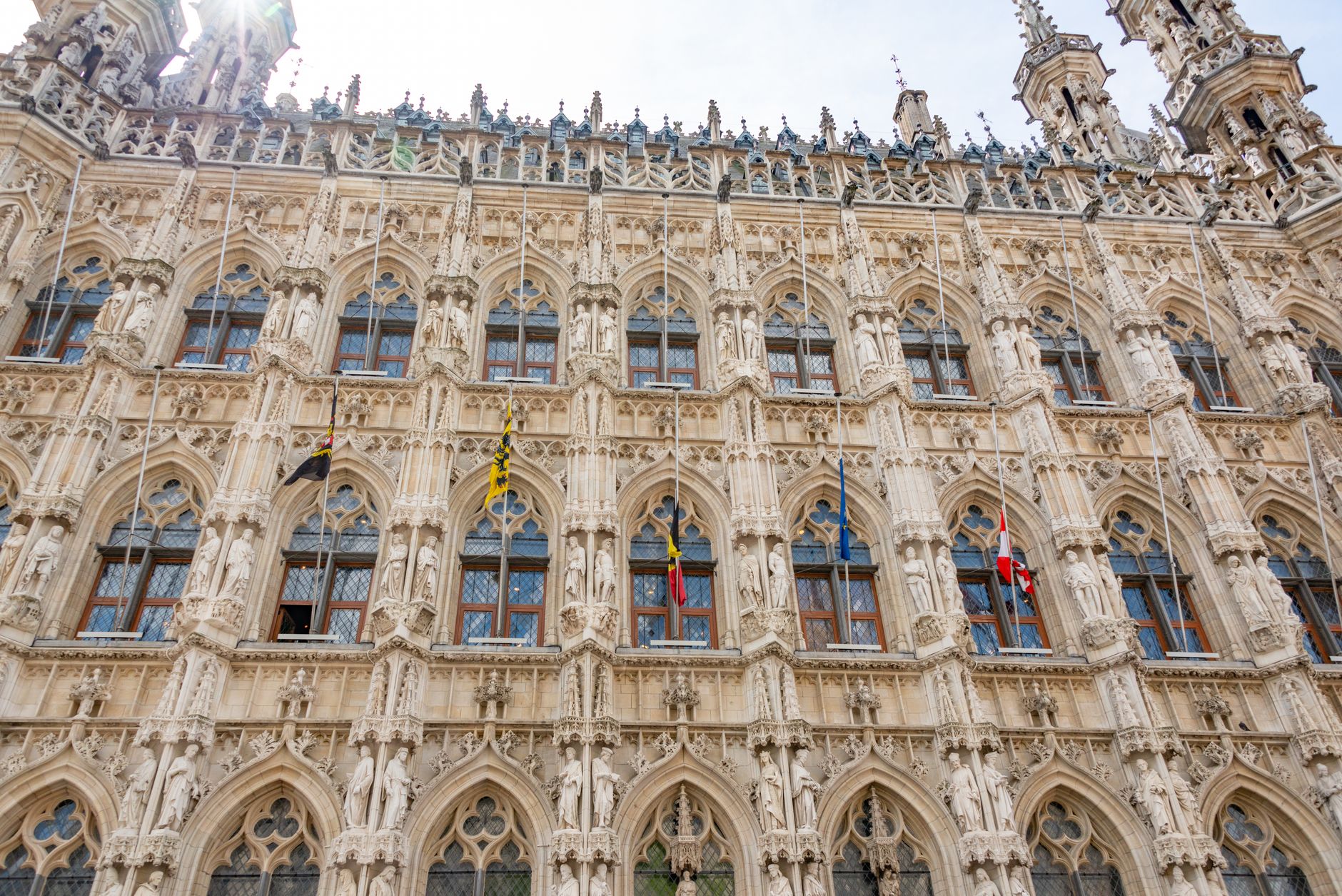
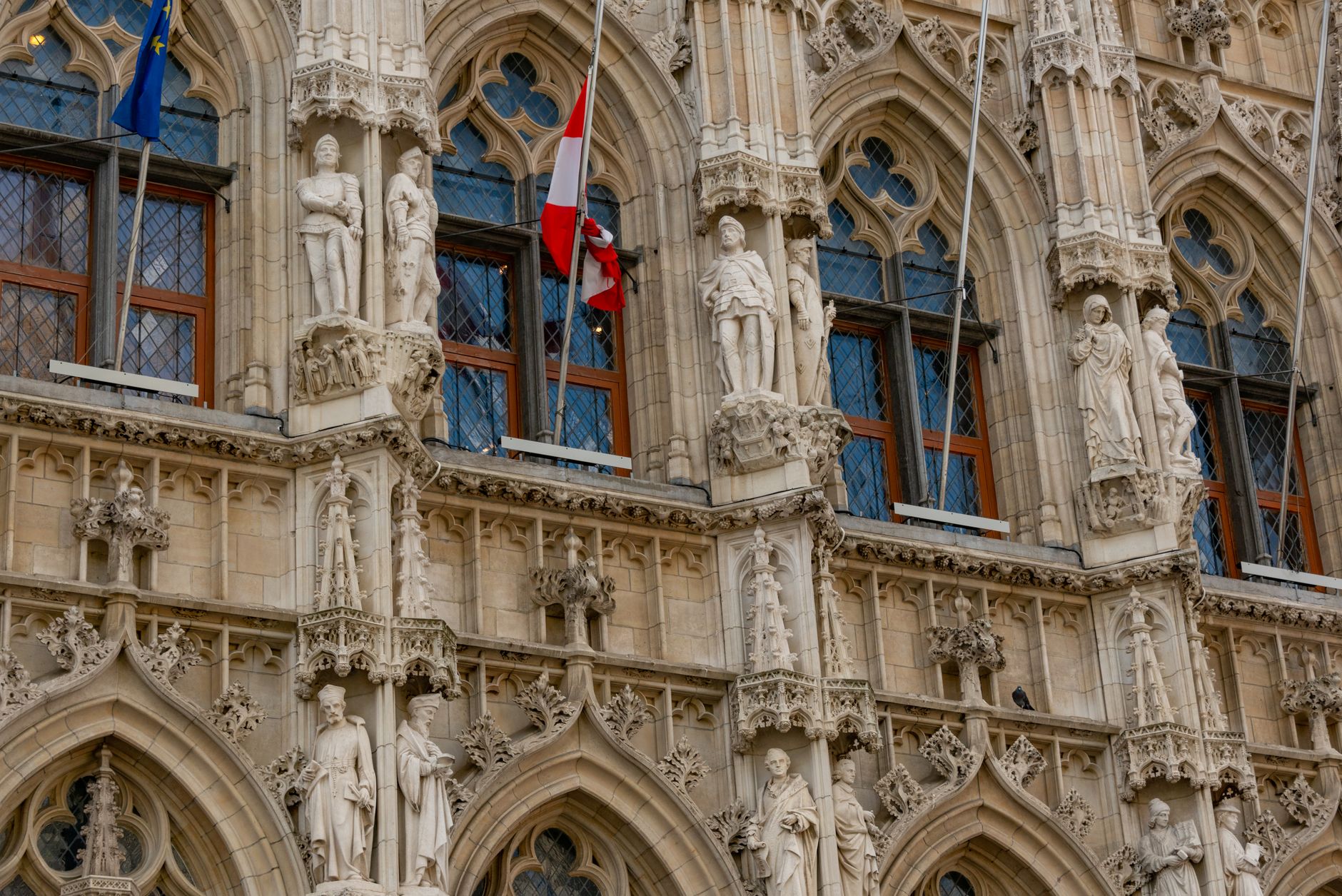
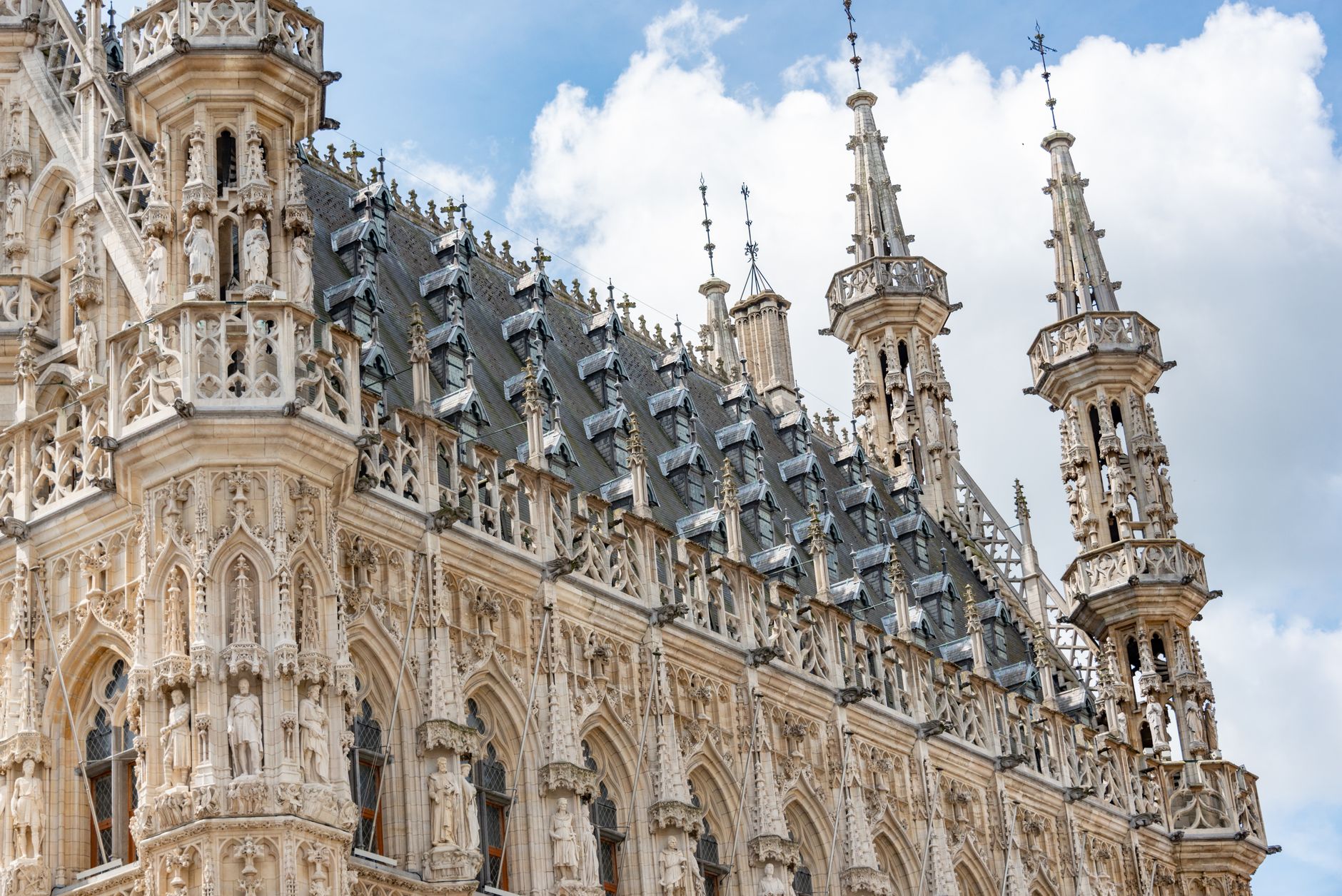
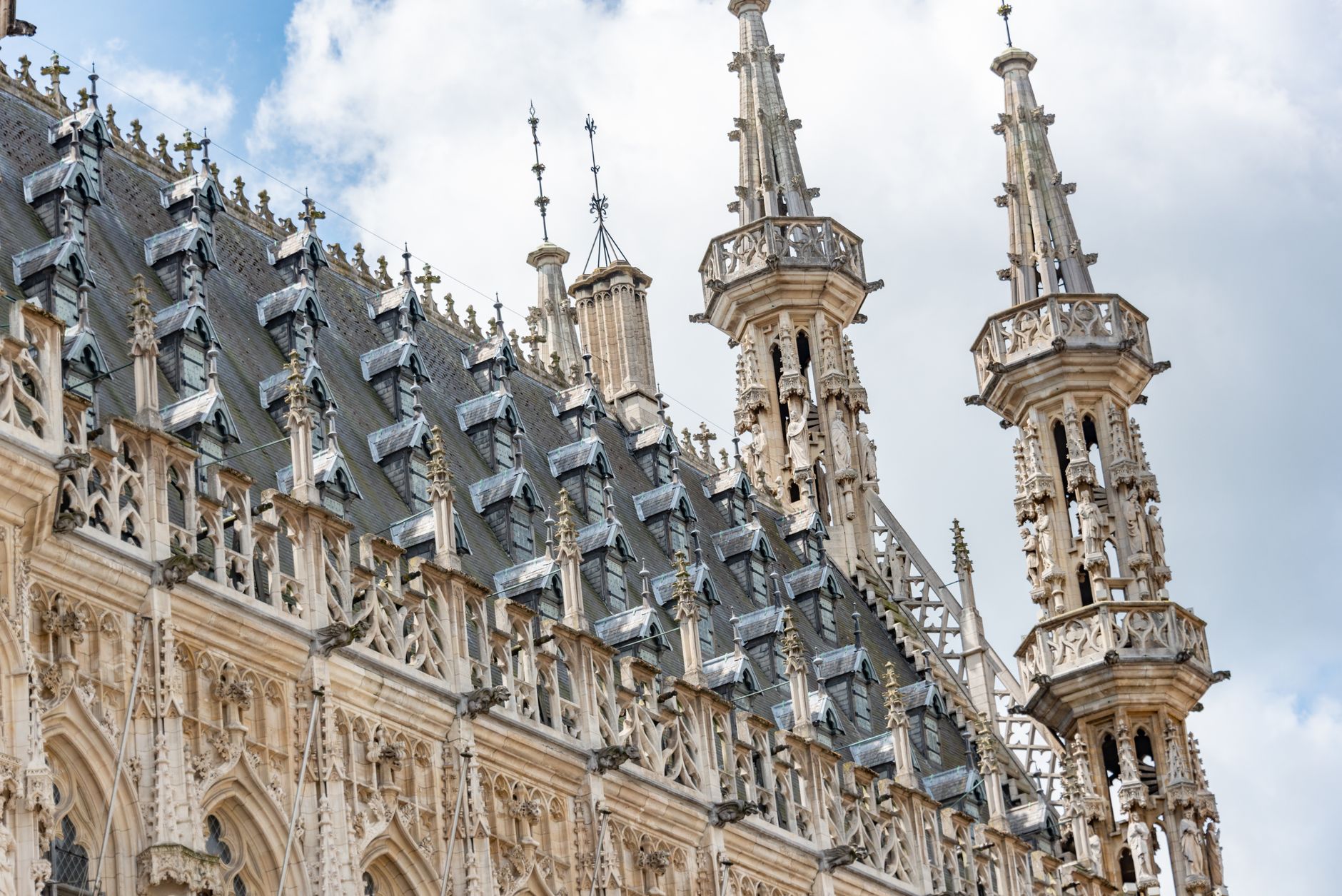
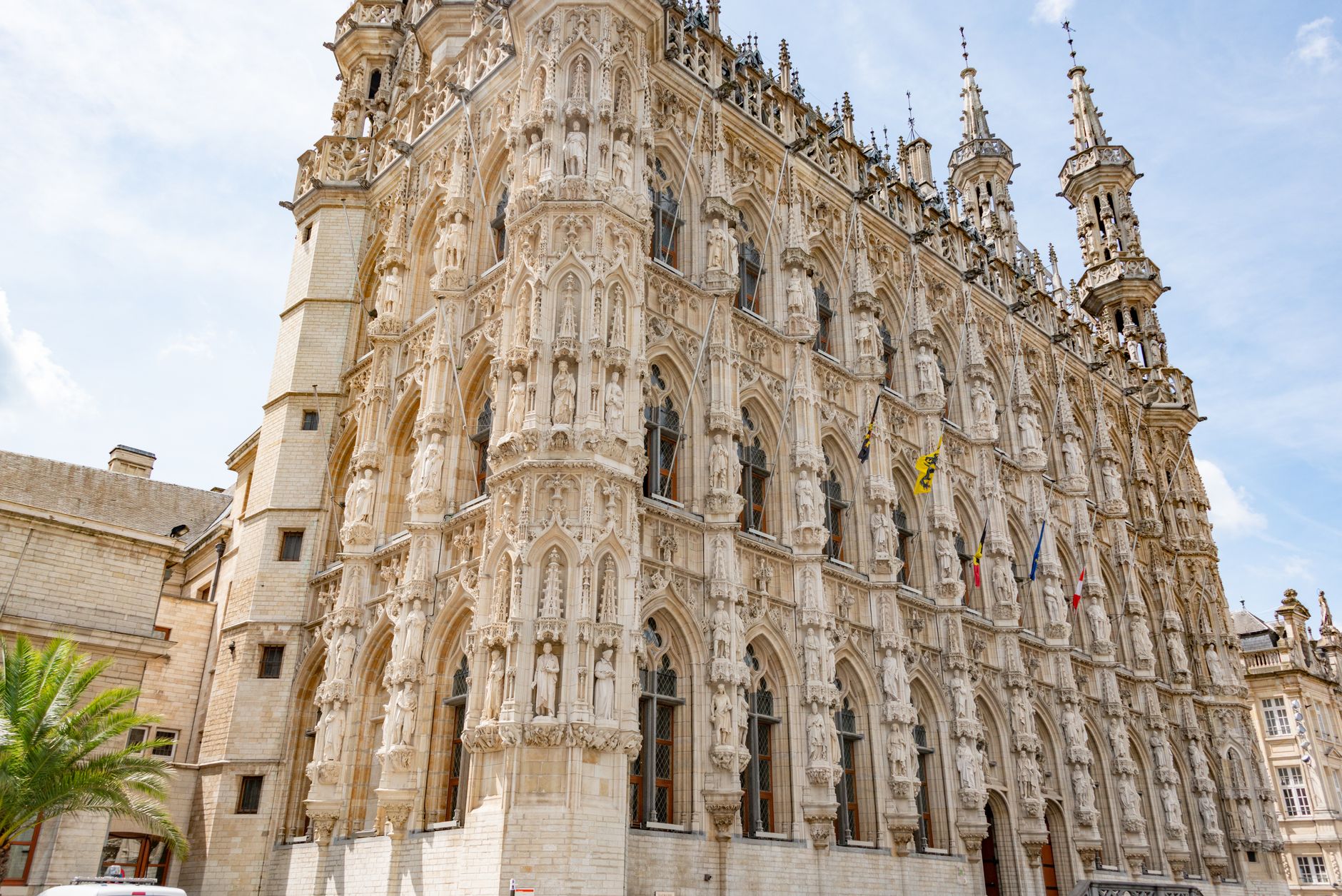
Leuven announces itself through stone: a town hall so encrusted with Gothic tracery and 236 niched statues that it looks less like a civic building than a reliquary scaled up to civic ambition. The city grew around a medieval fortress, became one of Europe's major cloth-weaving centres, then reinvented itself after the weavers left — quietly, through learning. The Catholic University, founded in 1425, has shaped the city ever since, and the student population still sets the rhythm of daily life, filling the Oude Markt's café terraces long into the evening.
Leuven is compact enough to read in a long weekend but dense enough to reward slower attention. A UNESCO-listed béguinage, a carillon tower, a Dieric Bouts altarpiece, a working Benedictine abbey — these sit within easy walking distance of each other, and of the railway station.
How Leuven came to be
A German emperor's fortress against Norman raids in the 9th century; a seat of the counts and later dukes of Brabant from the 11th century onward. By the 14th century Leuven ranked among Europe's larger cities, its wealth built on the cloth trade. That prosperity unravelled when the weavers decamped to Flanders and England, and Brussels absorbed the role of Brabant's capital.
Recovery came through scholarship. Pope Martin V granted the Catholic University its charter in 1425, and Erasmus and Andreas Vesalius — the anatomist who rewrote how Europeans understood the human body — both worked here. The university library was burned in 1914; rebuilt, it was damaged again in the Second World War. In 1970, student protests over the language of instruction split the institution into separate Flemish and French-speaking universities. In 2025, Leuven was named European Capital of Culture for 2030.
Who and what shaped it
People who shaped it
Landmark buildings
See Leuven in motion
Plan your visit
On the map
When to go
Leuven has a temperate maritime climate: mild, overcast, and prone to rain in any season. Summers are warm but rarely hot; winters are grey and damp rather than severe. A packable rain layer is useful year-round.
Right now
Background & history adapted from Wikipedia (CC BY-SA) · specs from Wikidata (CC0) · weather from Open-Meteo · map data © OpenStreetMap contributors · photos from Wikimedia Commons / Unsplash with per-image credit. No third-party reviews or social posts reproduced.