
Santiago
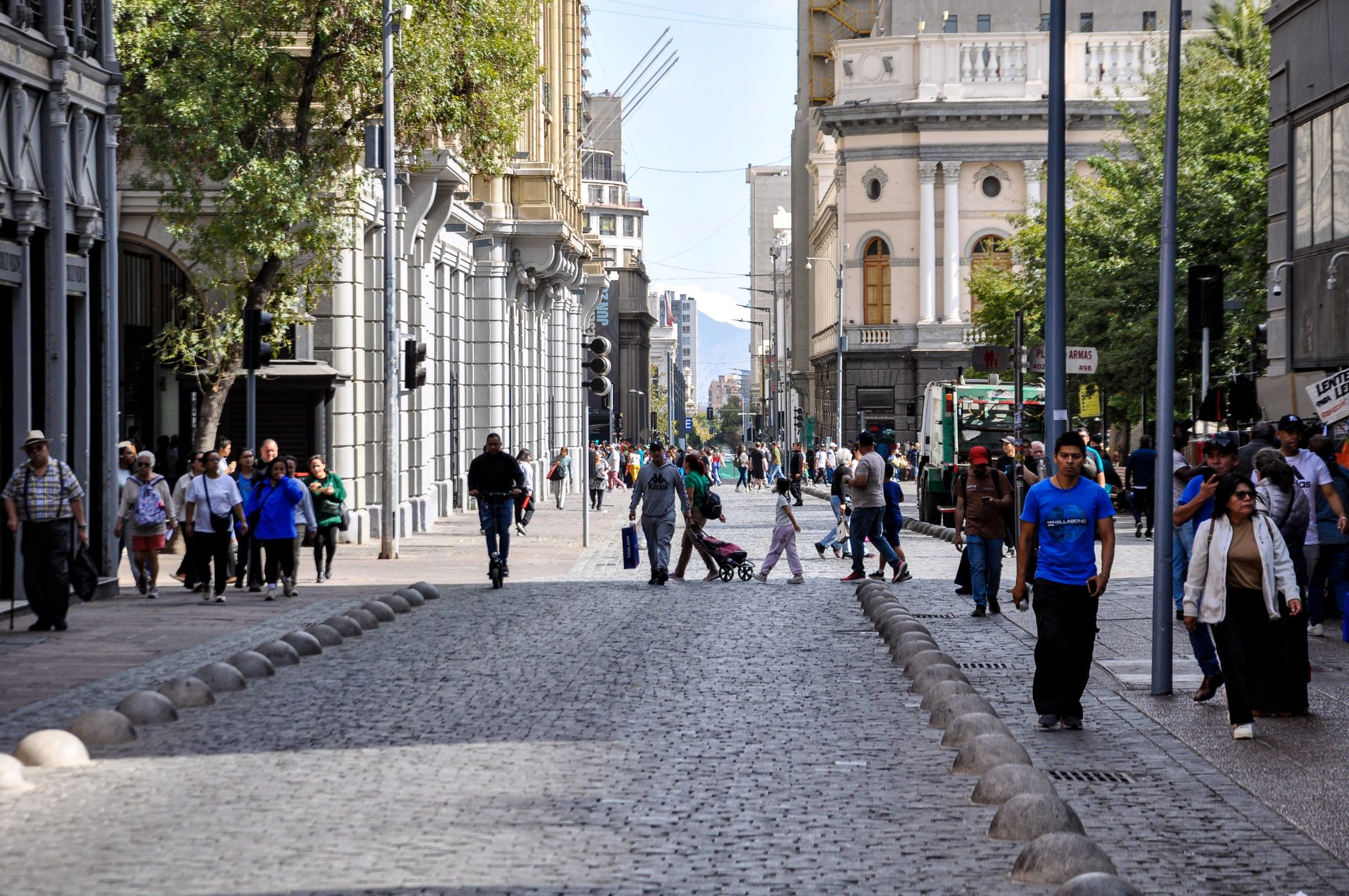
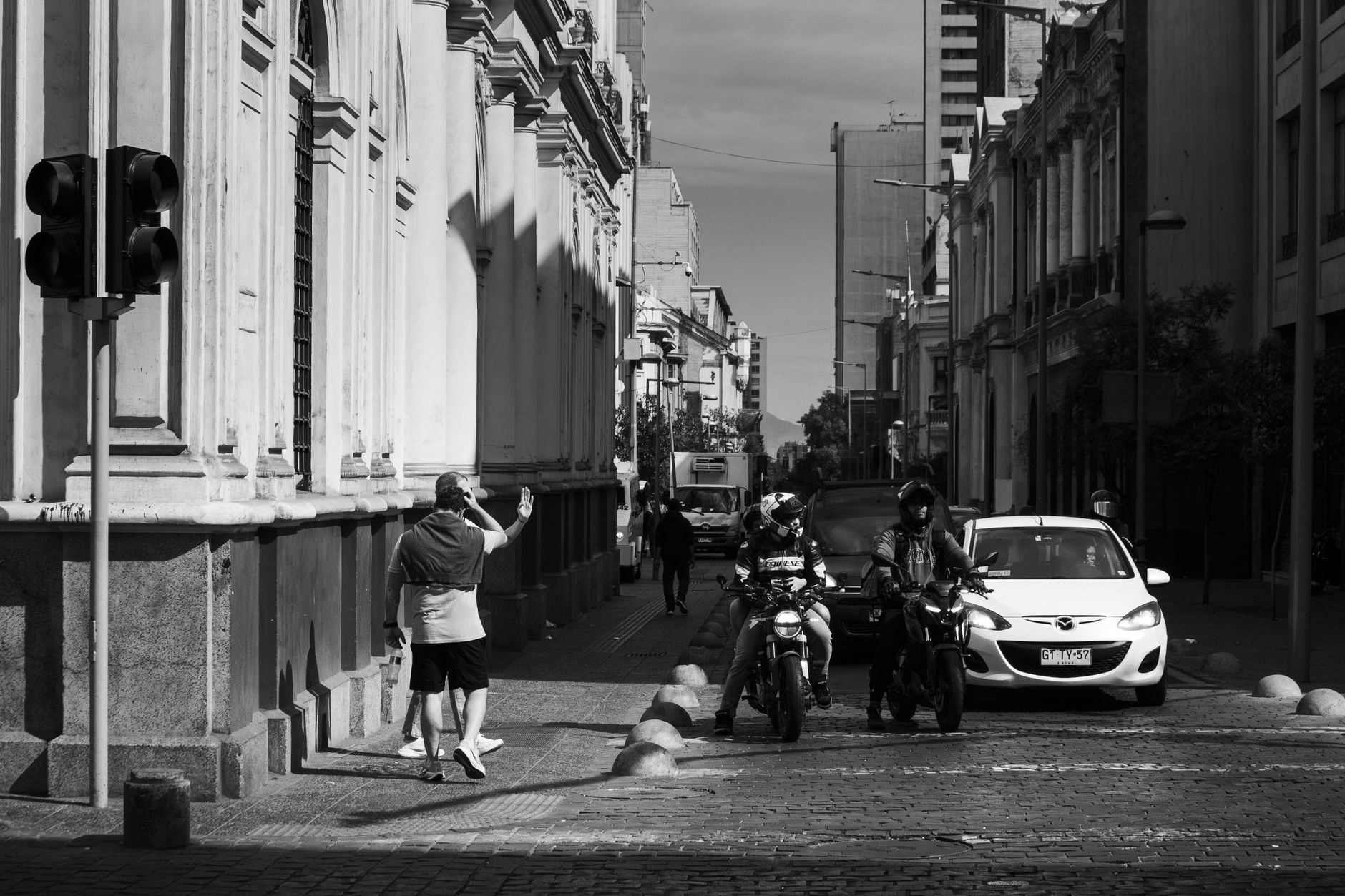
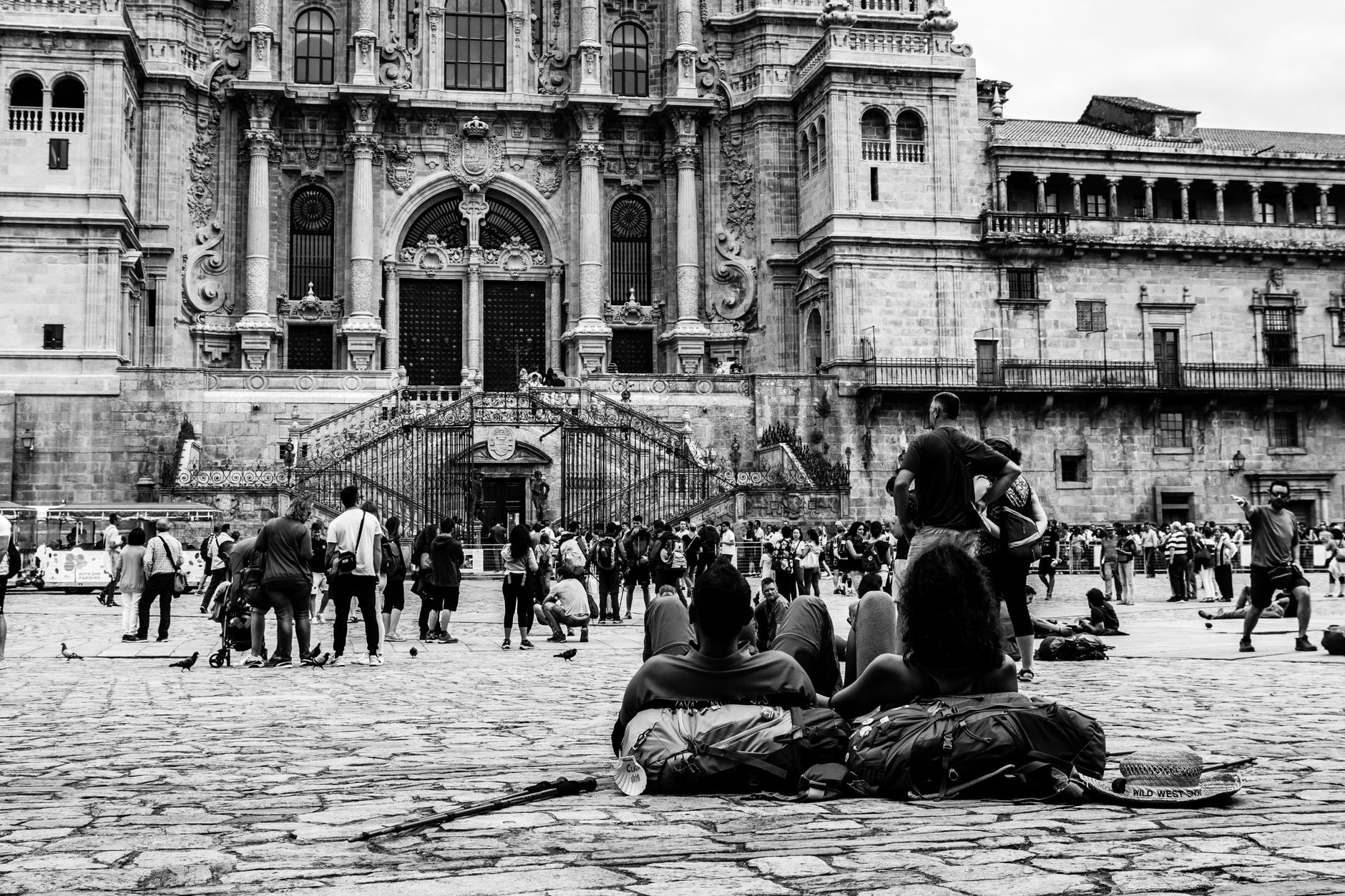
Santiago sits in a bowl of land ringed by the Andes, and on a clear winter morning those peaks — snow-covered and closer than you expect — look like a painted backdrop someone forgot to take down. The city was founded in 1541 on a rocky hill beside the Mapocho River, destroyed by the Araucanians within six months, and rebuilt. It has been doing that ever since: earthquakes in 1647 and 1730 left almost nothing standing, and the presidential palace was bombed in living memory.
What you find now is a city of real layers — colonial plazas giving way to Neoclassical libraries, Andean viewpoints, a metro system that opened in 1975 and still runs with quiet efficiency. Santiago rewards the kind of walking that has no fixed agenda.
💛 What travellers fall for
People who come back tend to arrive with a Bip card already in their wallet and a preference for Line 1, which strings together La Moneda, Santa Lucía Hill and Providencia without you having to think too hard. They also know to look up at the Andes first thing in the morning, before the afternoon haze settles in.
Deals in Santiago
Book directly at the provider


How Santiago came to be
Pedro de Valdivia founded Santiago on 12 February 1541, choosing the site for its defensible terrain and fertile valley. The Araucanians burned it to the ground that same year. Valdivia himself was captured and executed in 1553. The city was rebuilt, then levelled again by earthquakes in 1647 and 1730. Each time, it came back with more stone and less wood.
In 1810 Santiago declared independence, though Spain reasserted control until a series of decisive battles in 1817. The following year, Bernardo O'Higgins — the city's first Supreme Director — signed the formal Declaration of Independence here and set about building a state from scratch, including the public schools. In 1842, the Venezuelan-born humanist Andrés Bello founded the University of Chile in the city, anchoring Santiago as the country's intellectual centre. The twentieth century brought its own upheavals: the world's first elected socialist government, led by Salvador Allende, ended with the 1973 military coup and nearly two decades of Pinochet's dictatorship — events whose weight the city still carries in its streets and buildings.
Who and what shaped it
People who shaped it
Landmark buildings
See Santiago in motion
Plan your visit
On the map
When to go
Santiago has four distinct seasons. Winter (June–August) is cool and dry, with the best air clarity for Andes views; summer (December–February) is hot and can turn hazy by afternoon. Spring and autumn offer the most comfortable temperatures for extended walking.
Right now
Background & history adapted from Wikipedia (CC BY-SA) · specs from Wikidata (CC0) · weather from Open-Meteo · map data © OpenStreetMap contributors · photos from Wikimedia Commons / Unsplash with per-image credit. No third-party reviews or social posts reproduced.