
Óbidos
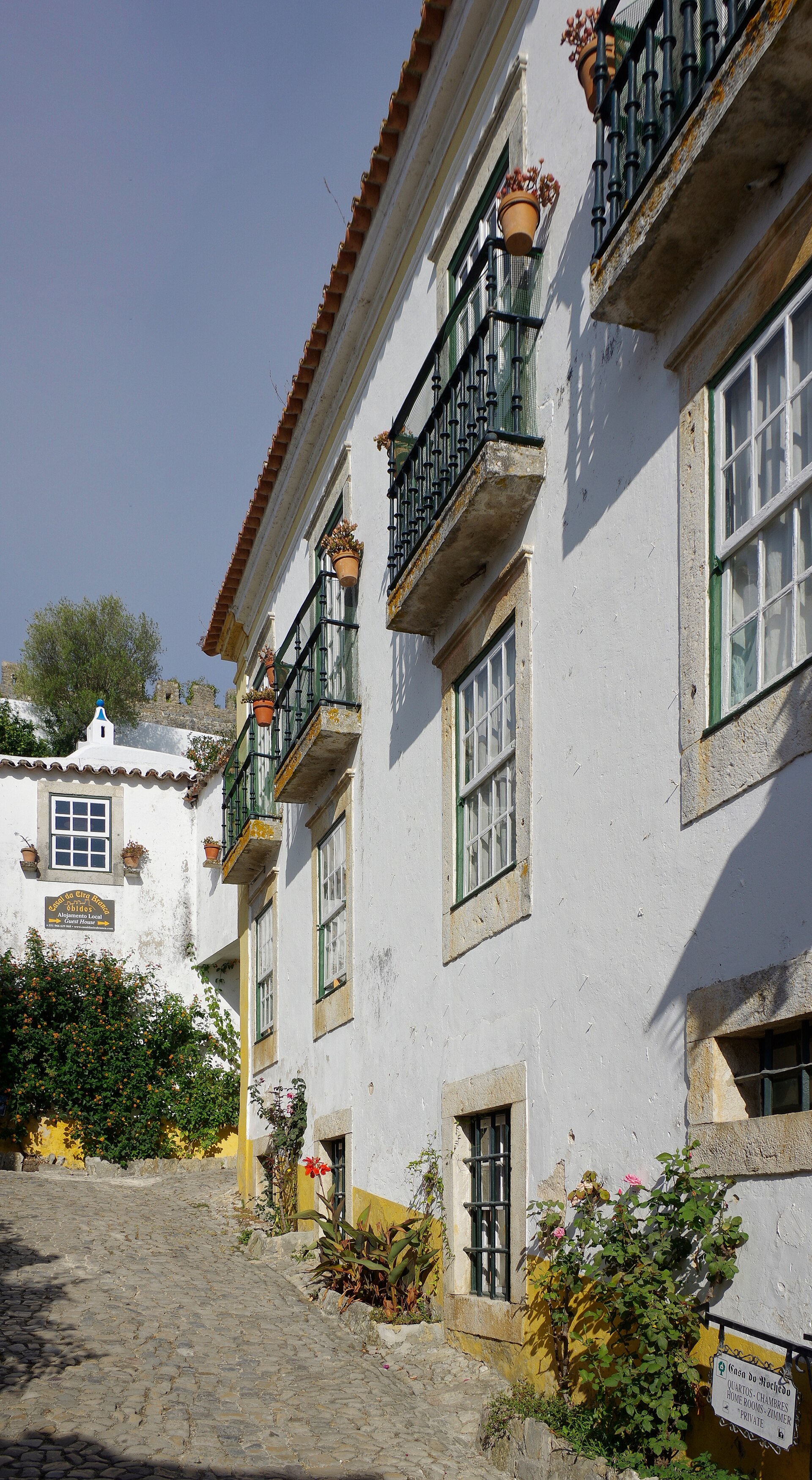
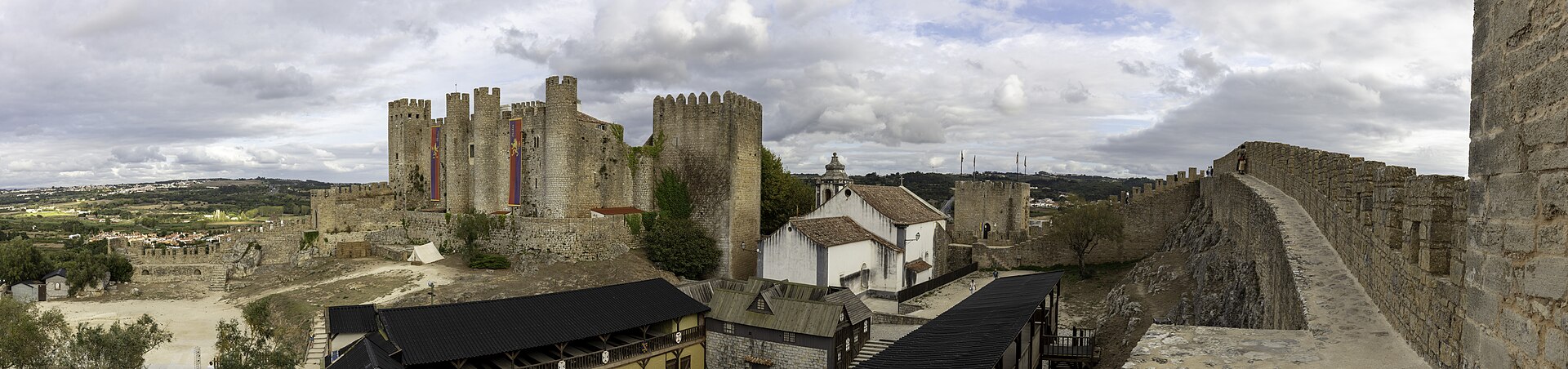
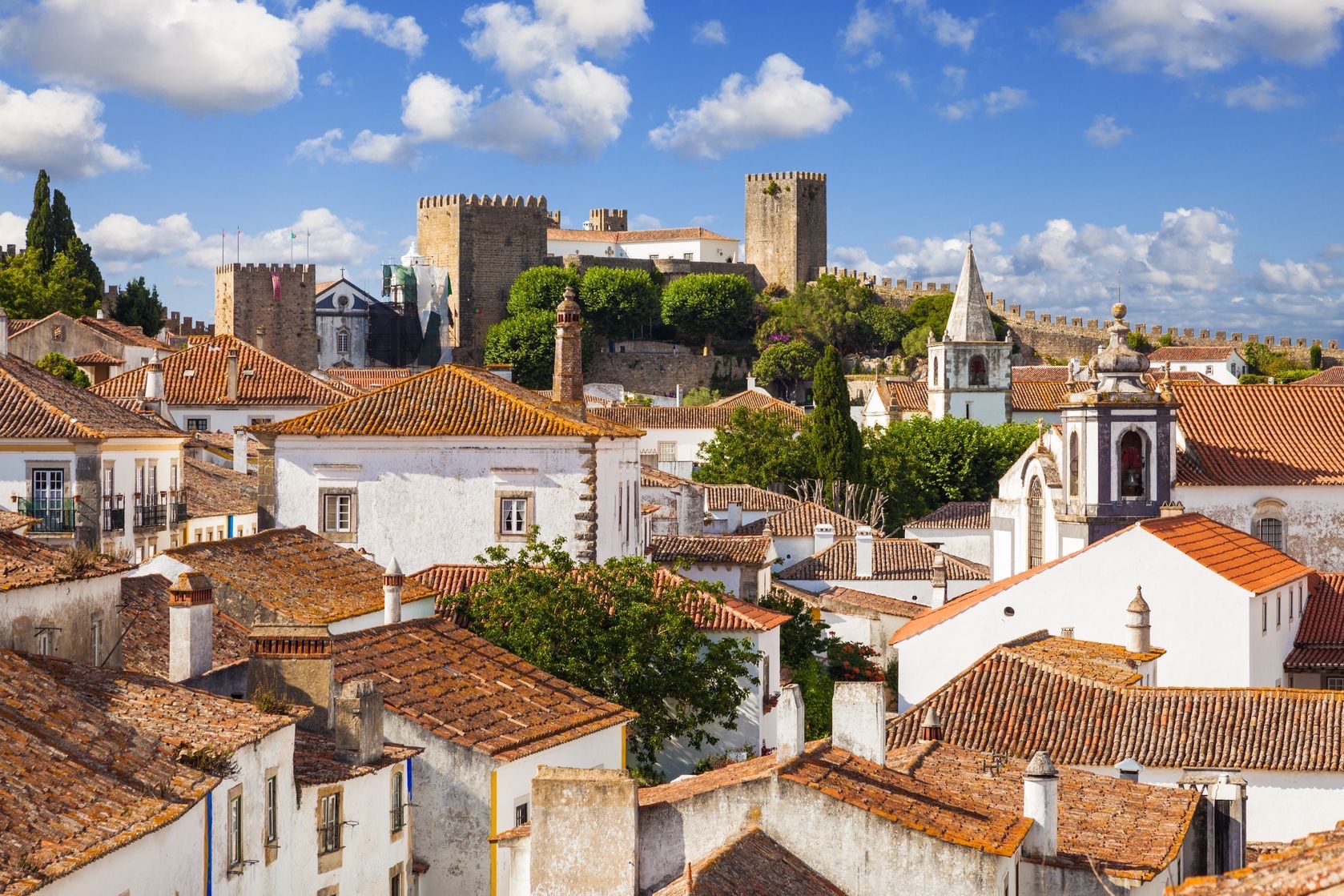
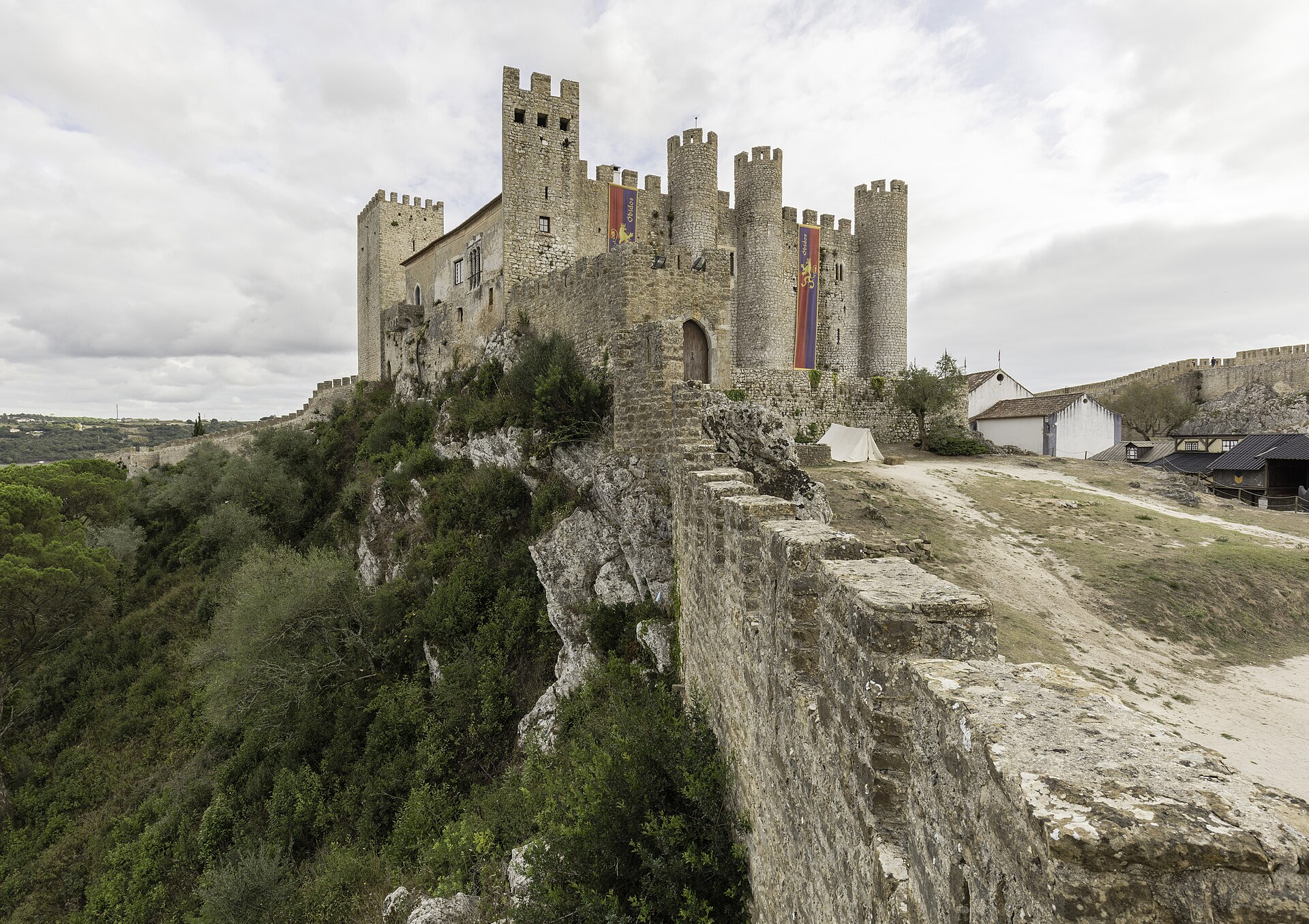
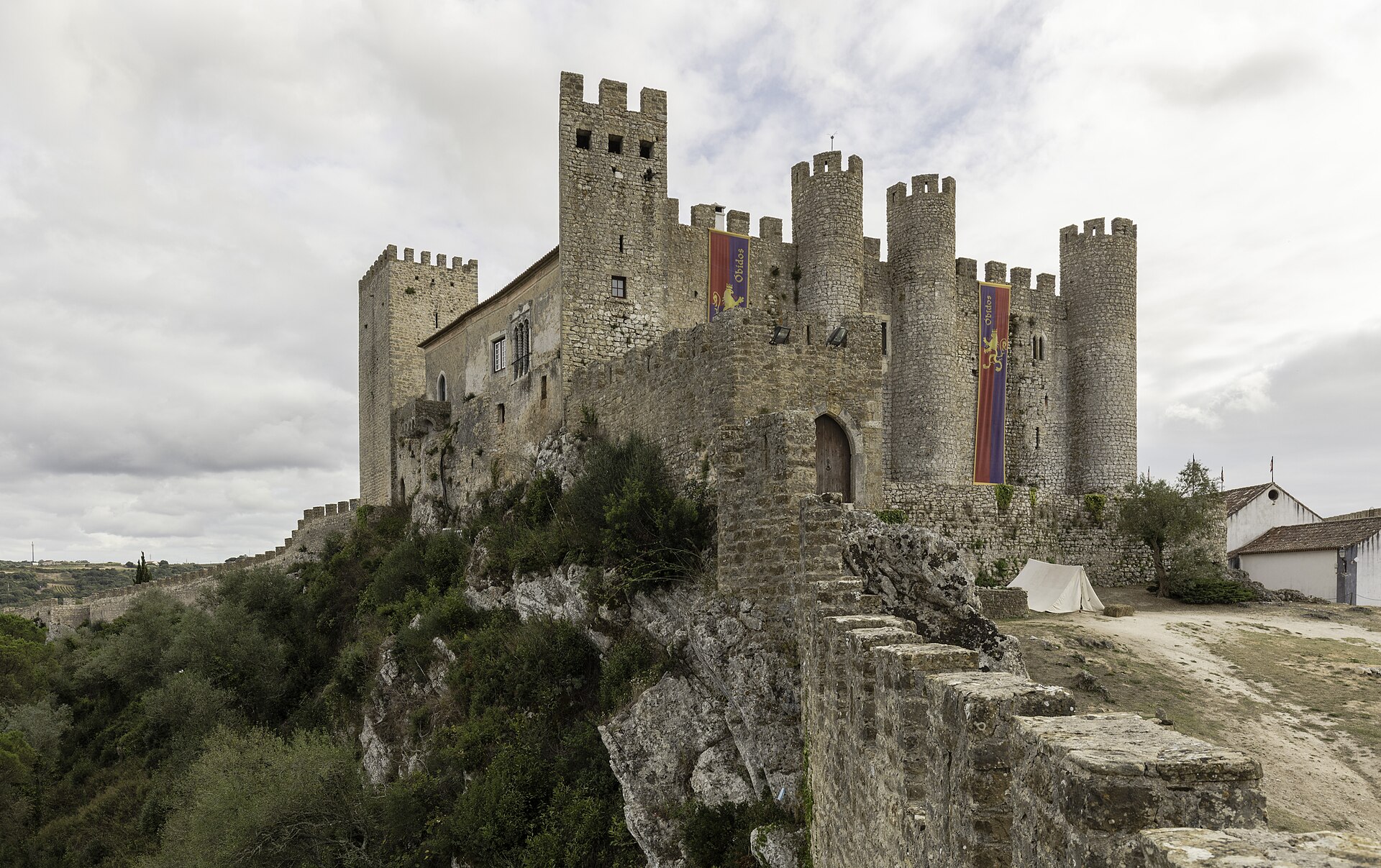
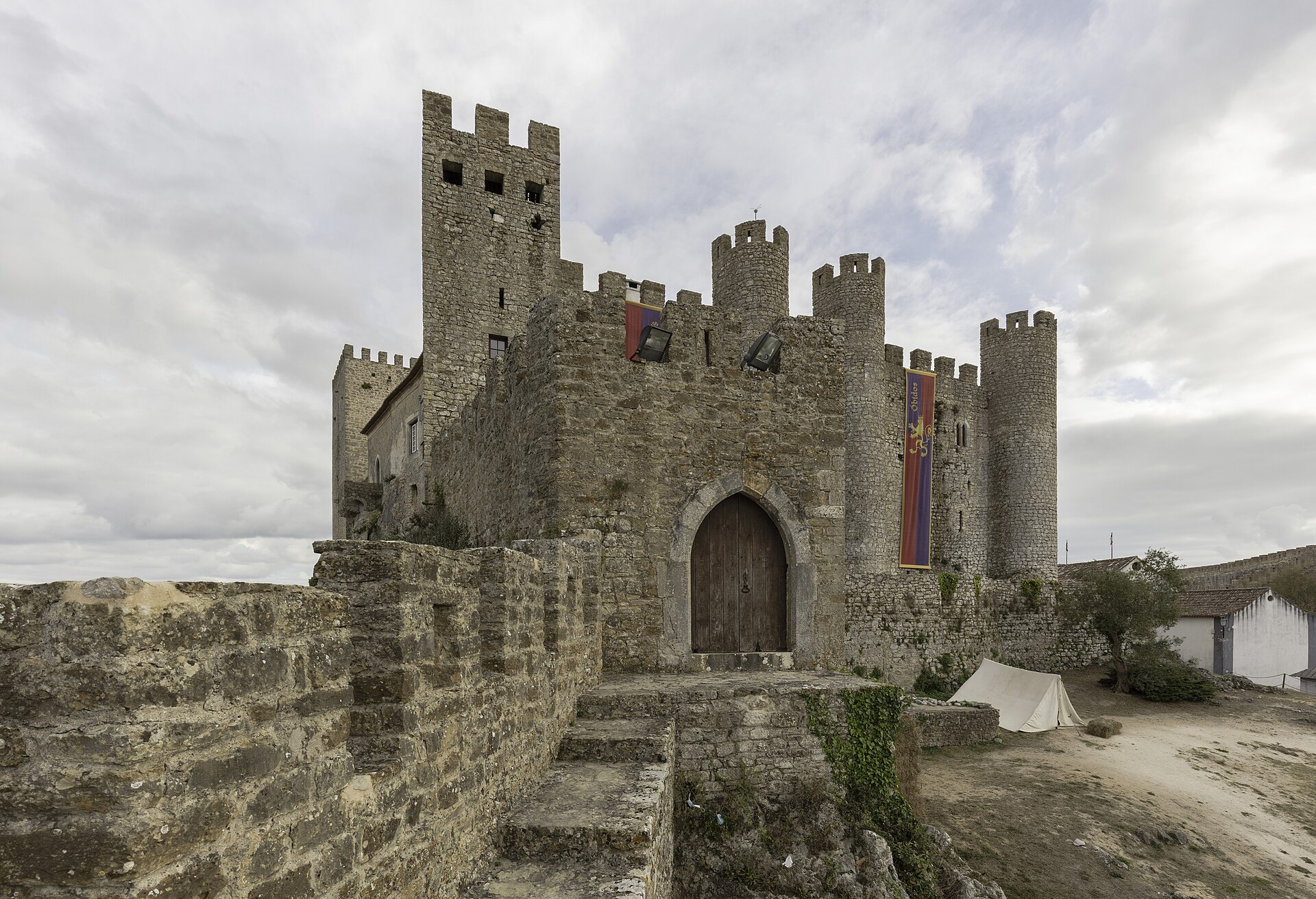
Óbidos sits on a long limestone ridge in central Portugal, its whitewashed houses trimmed in blue and gold, the whole town still contained within medieval walls that you can walk end to end in under half an hour. It was a royal gift — King Dinis presented it to Queen Isabel as a wedding present in 1282 — and the queens of Portugal held it, shaped it, and enriched it for six centuries. What remains is something rare: a small town that has stayed small, with a castle converted into a hotel, a church that became a bookshop, and a main street where the flower boxes and banner flags feel genuinely lived-in rather than staged.
The painter Josefa de Óbidos worked here in the 17th century, and her canvases still hang in local churches and the municipal museum. Her father, Baltazar Gomes Figueira, founded a school of painting in the town. That layering — royal patronage, artistic legacy, earthquake damage absorbed and rebuilt — gives Óbidos a texture that outlasts a single afternoon visit.
💛 What travellers fall for
People who come back tend to walk the walls early, before the day-trippers arrive from Lisbon. The stretch above the Porta da Vila, looking west toward the aqueduct, is the one worth lingering on. Most also find their way to the Livraria de Santiago — the old church-turned-bookshop on the square — where the shelves fill the nave and the light comes through high windows.
How Óbidos came to be
The ridge was settled long before Portugal existed as a country — Celtic, then Phoenician, then Roman, the hilltop civitas of Eburobrittium sitting above the surrounding plain. The Moors fortified it in 713; Alfonso Henriques took it from them in 1148, with a knight named Gonçalo Mendes da Maia credited with storming the castle. A royal charter followed in 1195 under King Sancho I, and in 1210 the town passed to Queen Urraca as a personal holding. When King Dinis gave it to Queen Isabel as a wedding gift in 1282, a pattern was set: for the next six centuries Óbidos belonged to Portugal's queens.
Each left a mark. Queen Leonor, grieving the death of her son at the end of the 15th century, donated the pillory that still stands in the square — one face carved with her coat of arms, the other with the fishing net in which her son's body was recovered. Queen Catherine of Austria commissioned the 3-kilometre aqueduct from the Usseira mountains in the 16th century. The 1755 earthquake cracked the walls and toppled churches, but the town rebuilt; the Igreja de São Tiago, destroyed in the earthquake, reopened in 1772 and is now a bookshop. The town held exclusive royal status until 1883.
Who and what shaped it
People who shaped it
Landmark buildings
See Óbidos in motion
Plan your visit
On the map
When to go
Spring and early autumn are the most comfortable seasons — warm and clear without the heat that settles over inland Portugal in July and August. Winters are mild by northern European standards but can be wet; the walls and streets are almost empty, which has its own appeal.
Right now
Background & history adapted from Wikipedia (CC BY-SA) · specs from Wikidata (CC0) · weather from Open-Meteo · map data © OpenStreetMap contributors · photos from Wikimedia Commons / Unsplash with per-image credit. No third-party reviews or social posts reproduced.