
Setúbal Peninsula / Arrábida
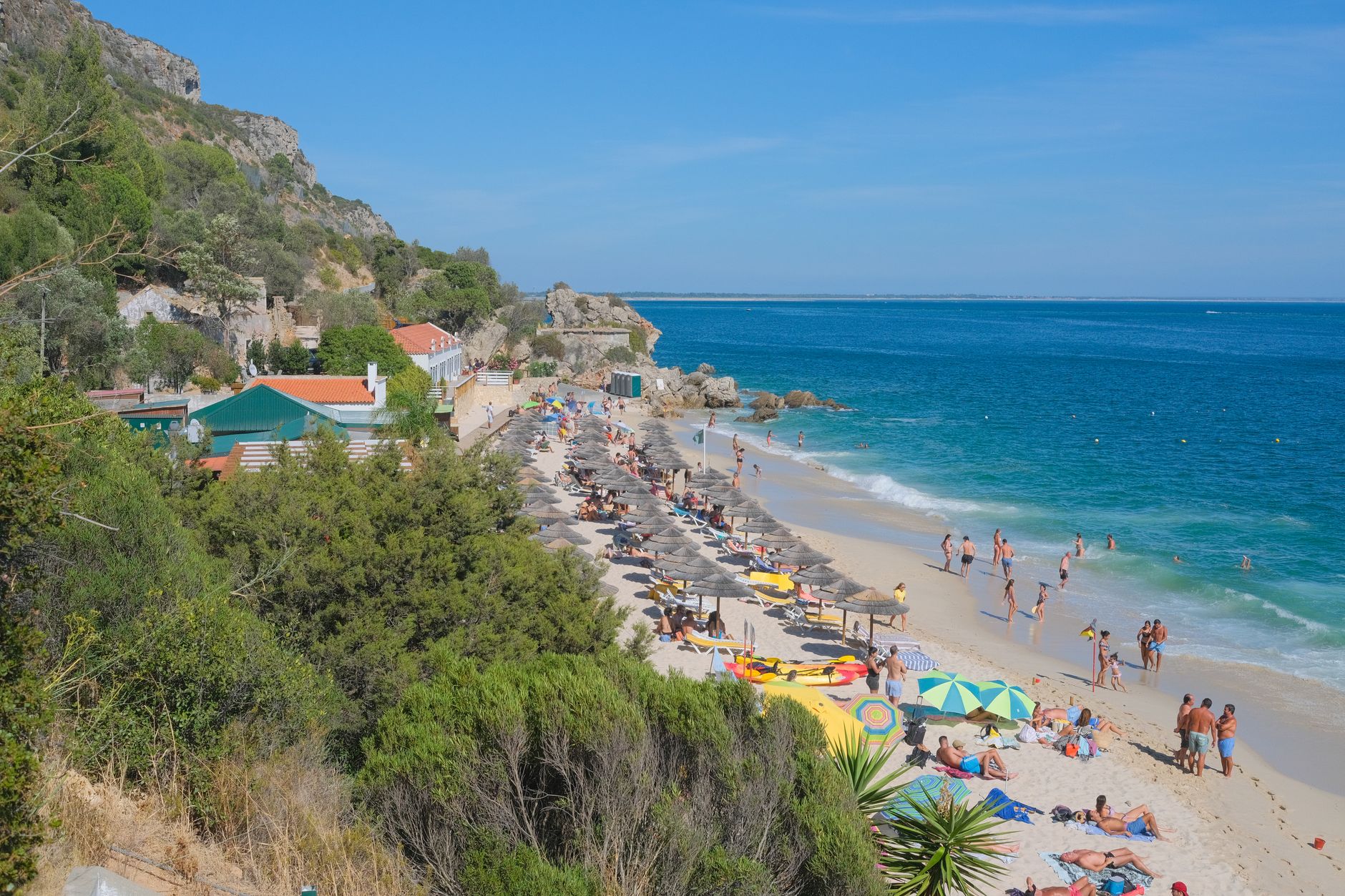
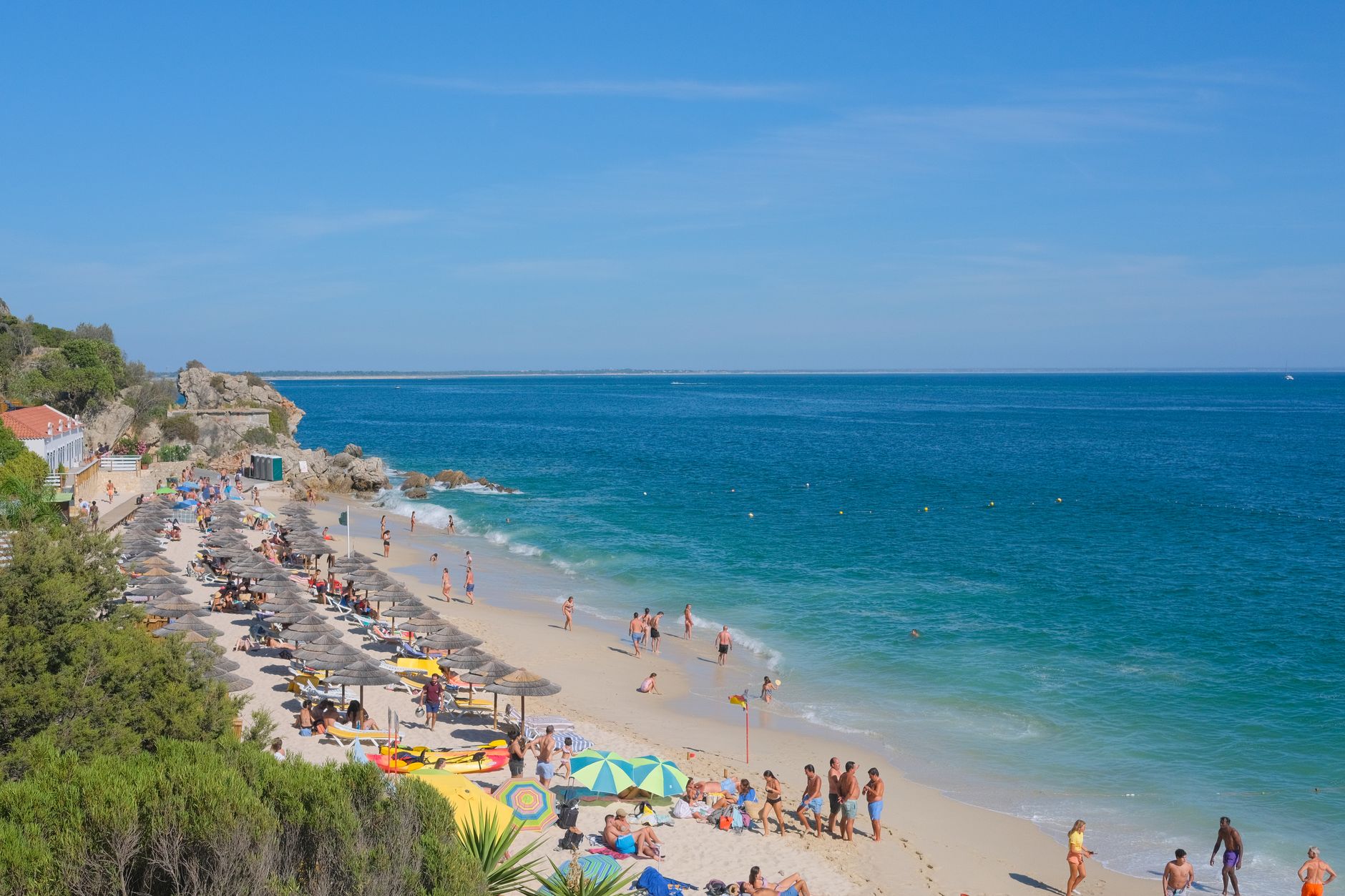
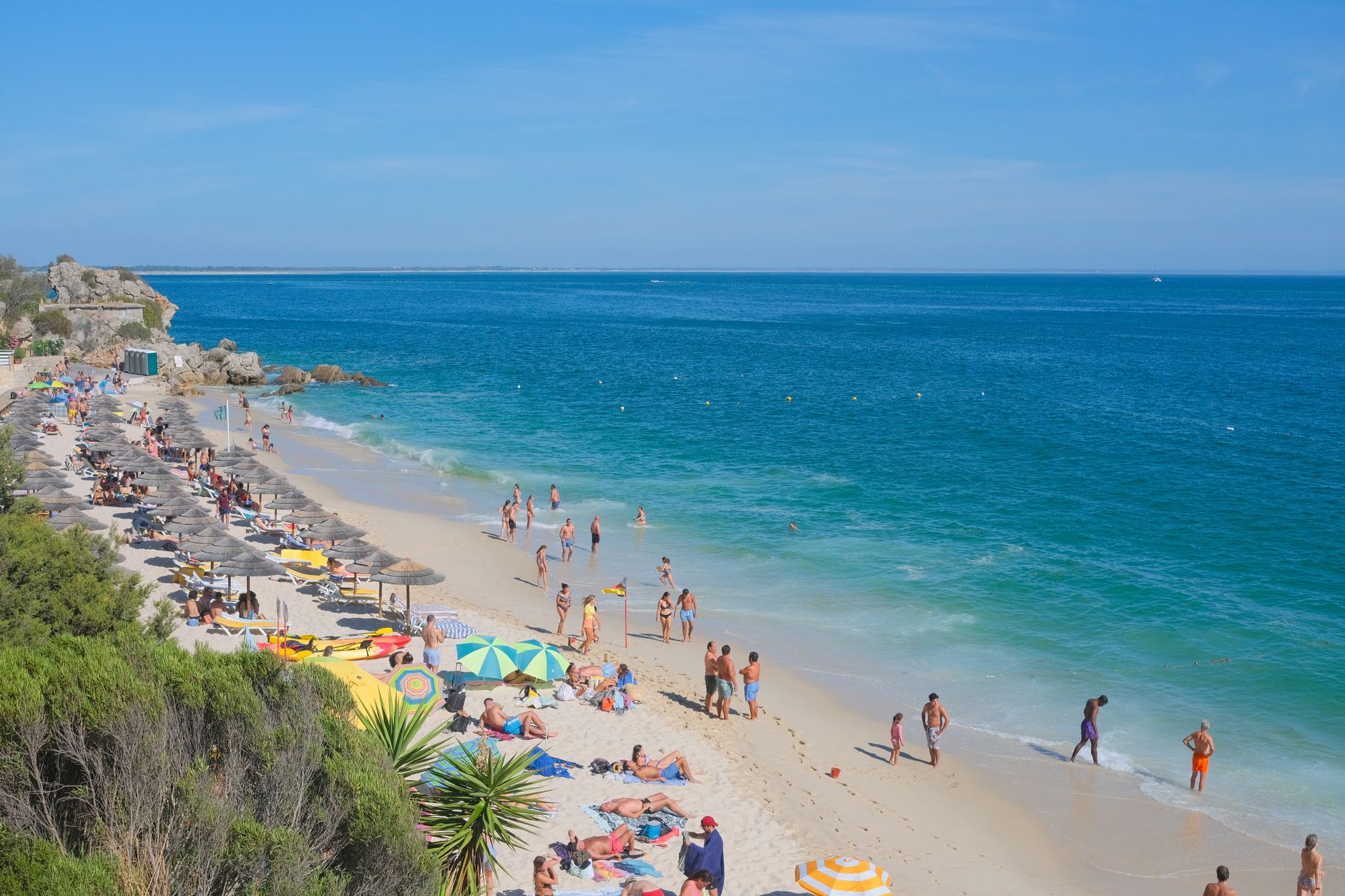
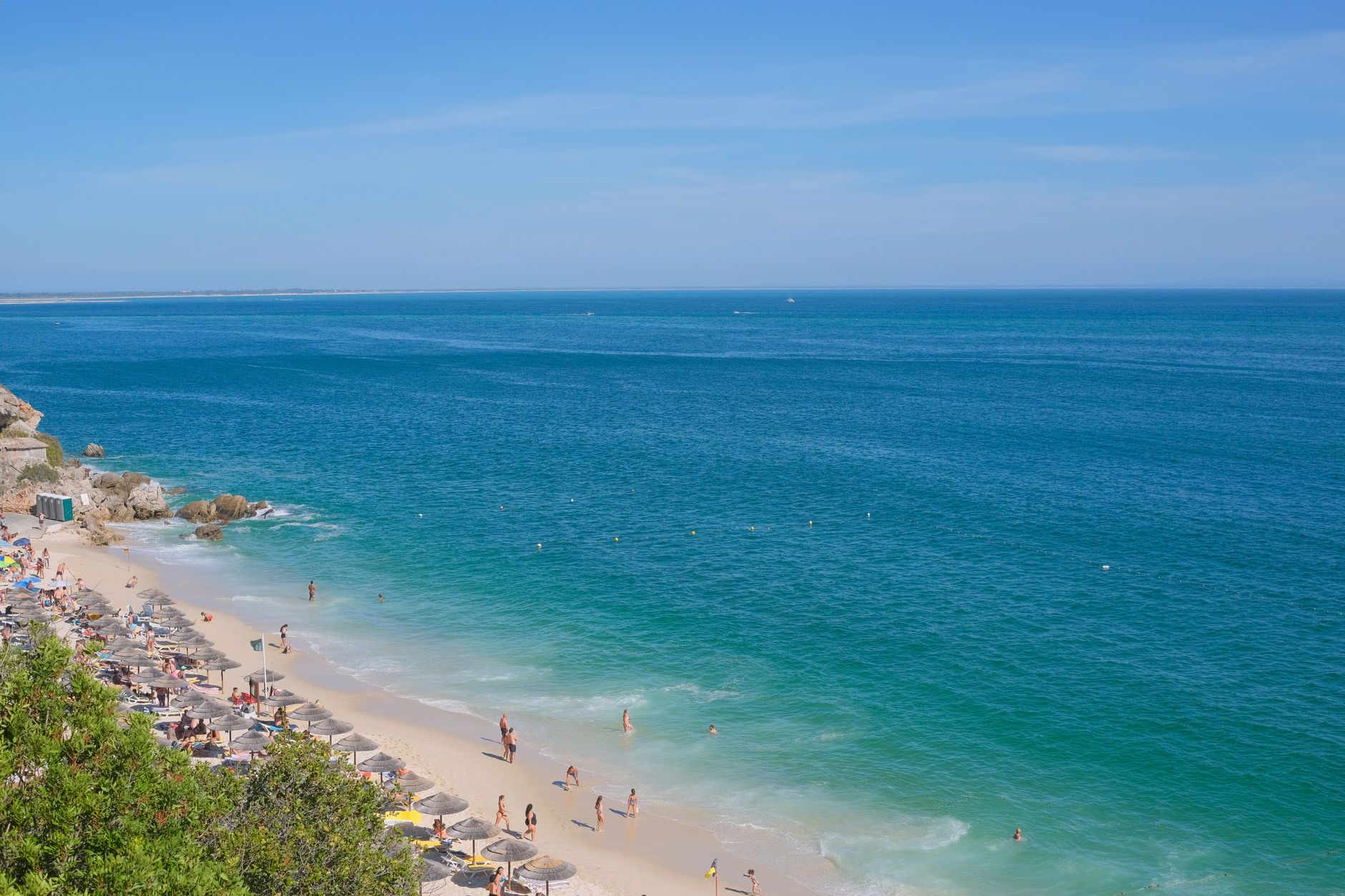
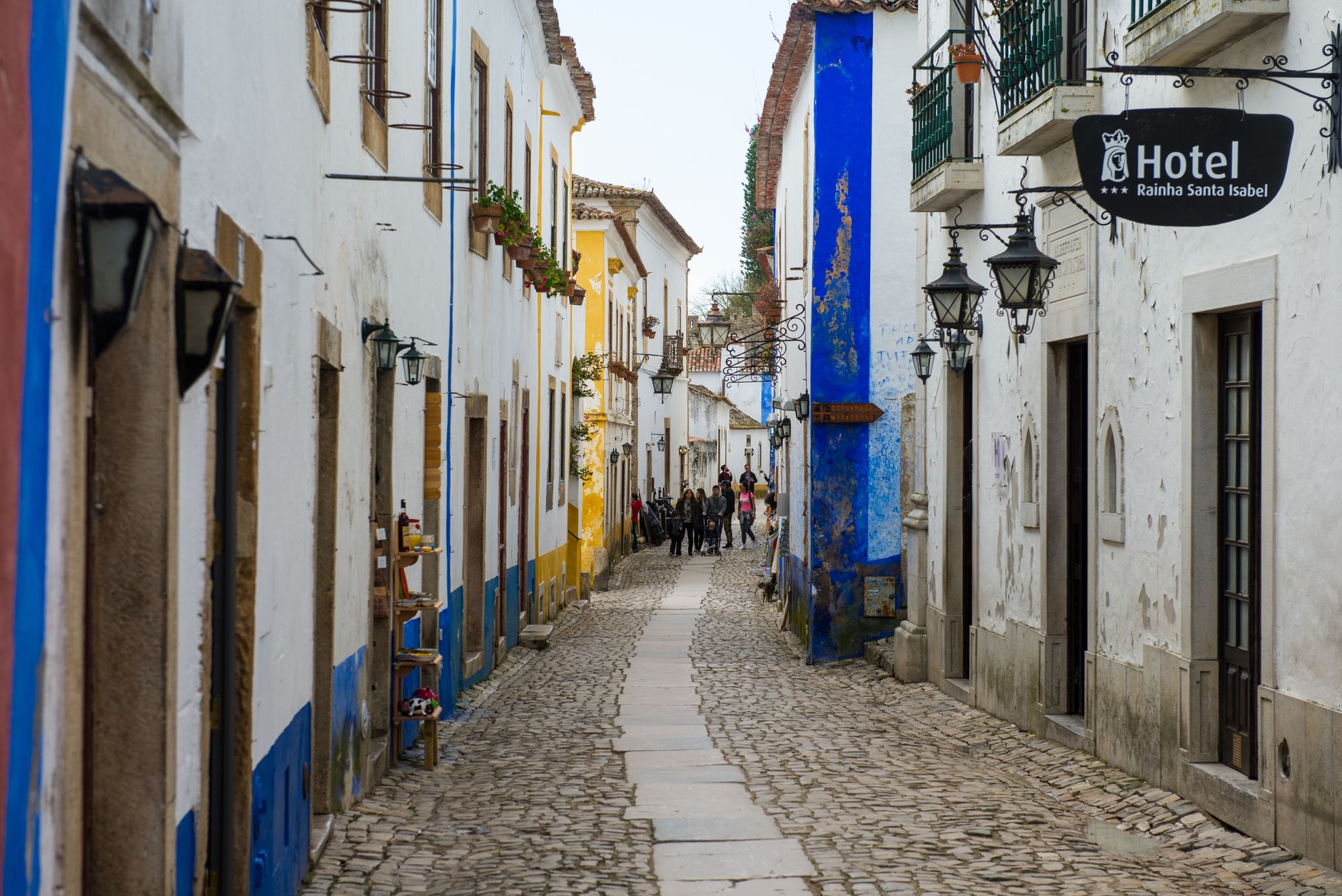
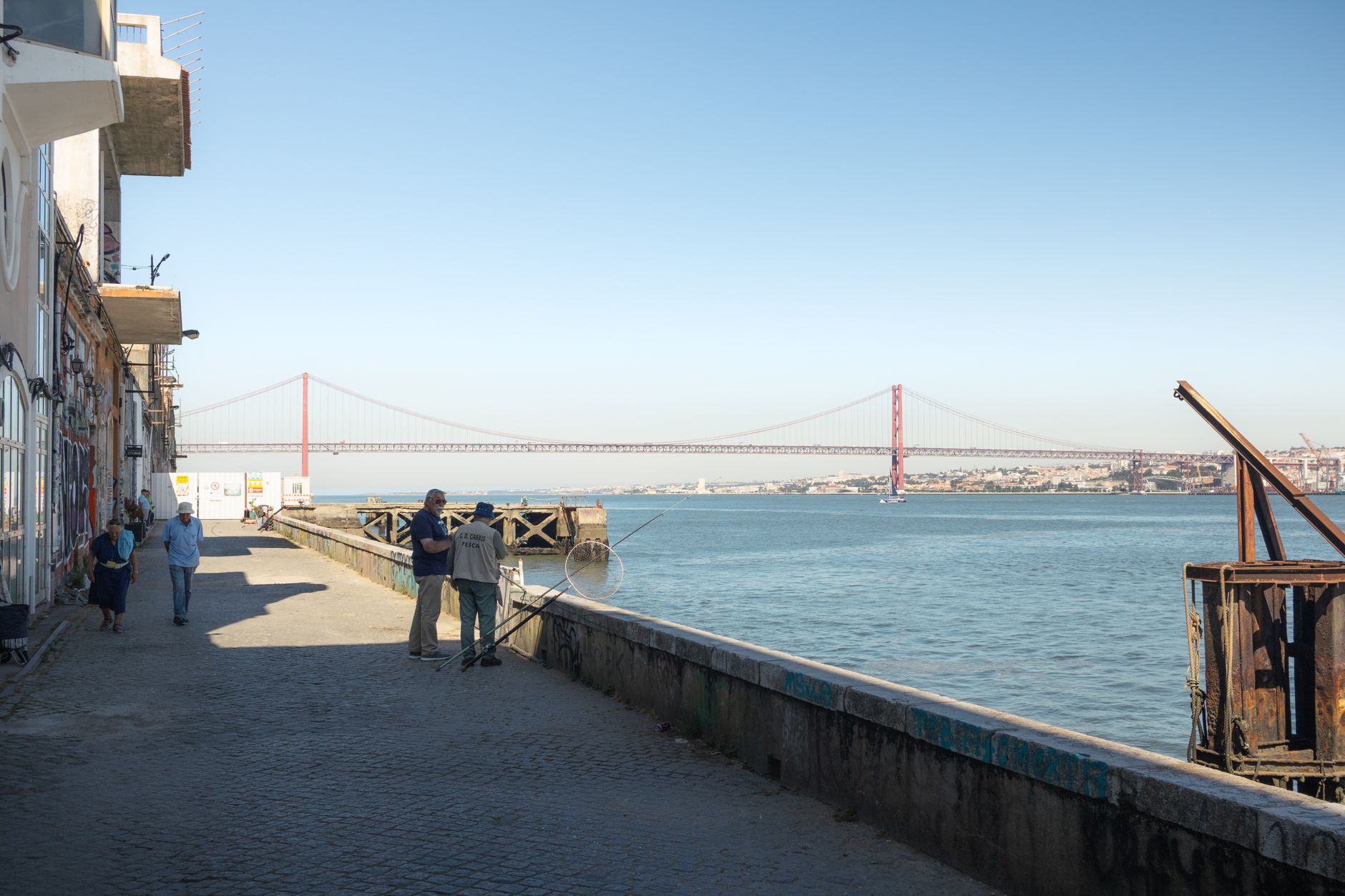
The water here is the first thing you notice — an improbable blue-green that belongs more to the Caribbean than to Atlantic Europe, held in place by limestone cliffs that drop straight into the sea. The Setúbal Peninsula and the Arrábida range stretching along its southern edge form a coastal corridor roughly an hour south of Lisbon where the Serra da Arrábida acts as a windbreak, keeping temperatures mild and the sea unusually calm.
Setúbal town anchors the peninsula from the north, a working port city that once canned more sardines than anywhere else in Portugal. The natural park runs west along the coast, past beaches accessible mainly by narrow road, to Cabo Espichel at the tip. The marble quarried from these hills has been laying floors across Europe for two millennia.
💛 What travellers fall for
People who've been more than once tend to arrive early at Portinho da Arrábida — before ten, before the road fills — and leave the afternoon to the Convento da Arrábida itself, when most day-trippers have gone. The fort at São Filipe rewards the short walk up for its chapel tiles alone, and the view over the estuary at dusk is quietly hard to beat.
How Setúbal Peninsula / Arrábida came to be
People have lived along these cliffs for an almost disorienting stretch of time — Neanderthal remains were found in the Gruta da Figueira-brava, and the Romans ran a fish-salting industry here under the name Cetobriga. By the 15th century the port town had grown prosperous enough that royalty took up summer residence, and King Afonso V sailed from its harbour in 1458 bound for Morocco.
In 1542 a Castilian friar, Frei Martinho de Santa Maria, founded the Convento da Arrábida on land given by the Duke of Aveiro, carving cells into the rock face in search of genuine solitude. The Spanish king Filipe II raised Fort São Filipe on the hill above the estuary in 1582, the year he annexed Portugal. By the early 20th century Setúbal had become the country's sardine capital; the park designation came in 1976, and a 1998 decree extended protection to the marine area offshore.
Who and what shaped it
People who shaped it
Landmark buildings
See Setúbal Peninsula / Arrábida in motion
Plan your visit
On the map
When to go
The Serra da Arrábida shields the coastline from northerly winds, so even in spring and autumn the air sits warmer here than much of Portugal. Summers are dry and hot with sea temperatures that peak in August; winter brings some rain but rarely cold, and the cliffs and convent are at their most uncrowded between November and March.
Right now
Background & history adapted from Wikipedia (CC BY-SA) · specs from Wikidata (CC0) · weather from Open-Meteo · map data © OpenStreetMap contributors · photos from Wikimedia Commons / Unsplash with per-image credit. No third-party reviews or social posts reproduced.