
Madeira
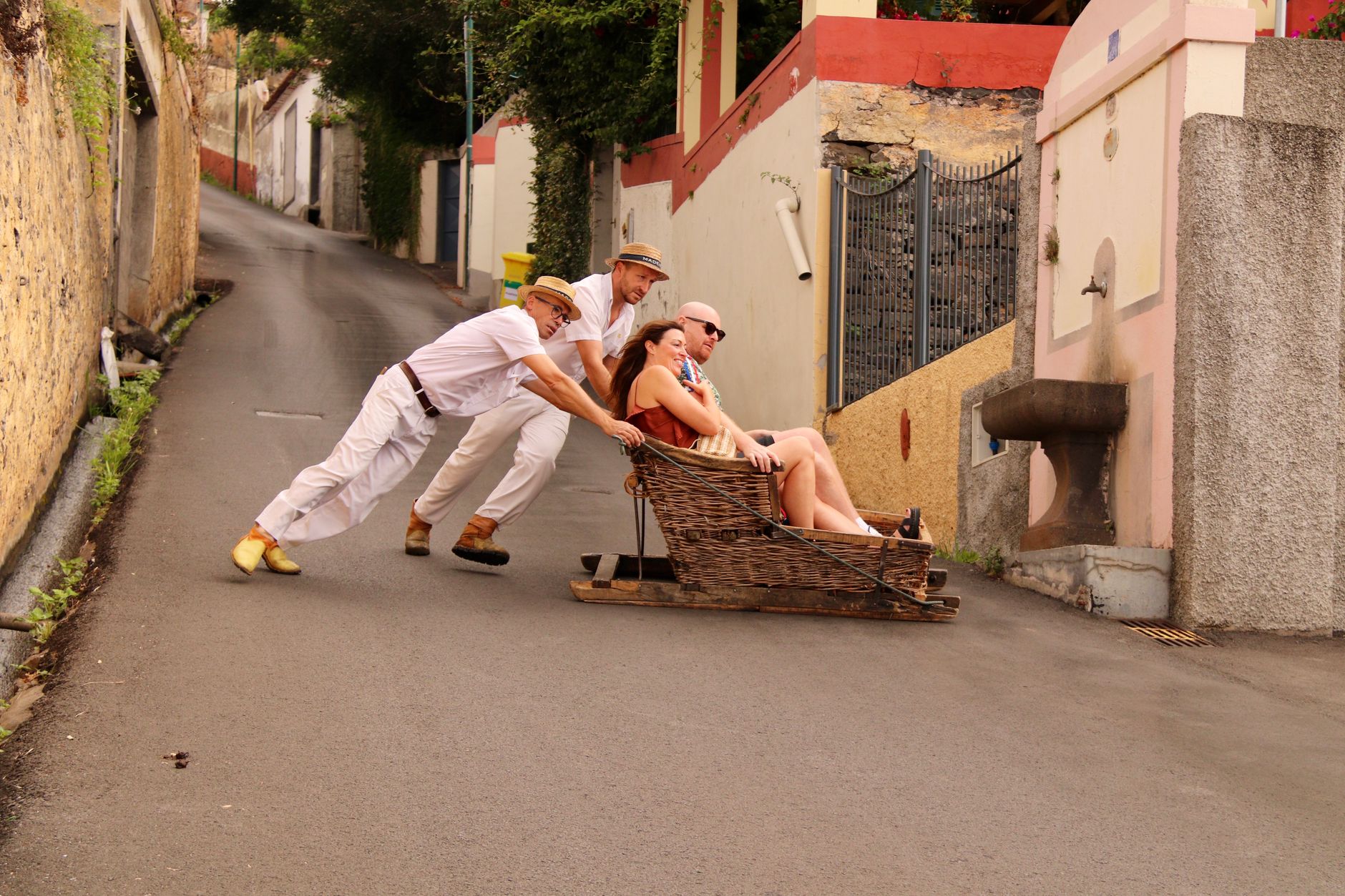
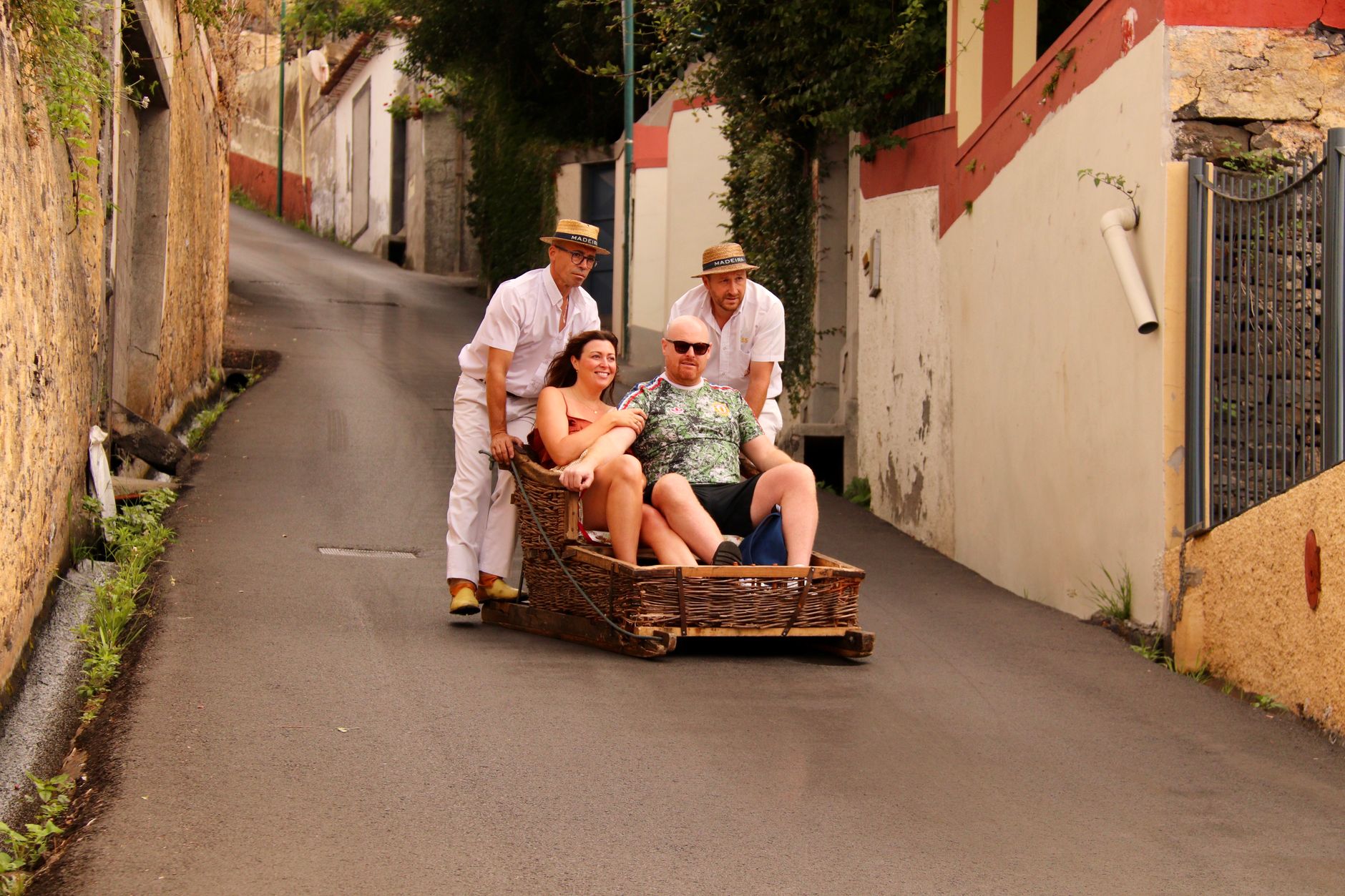
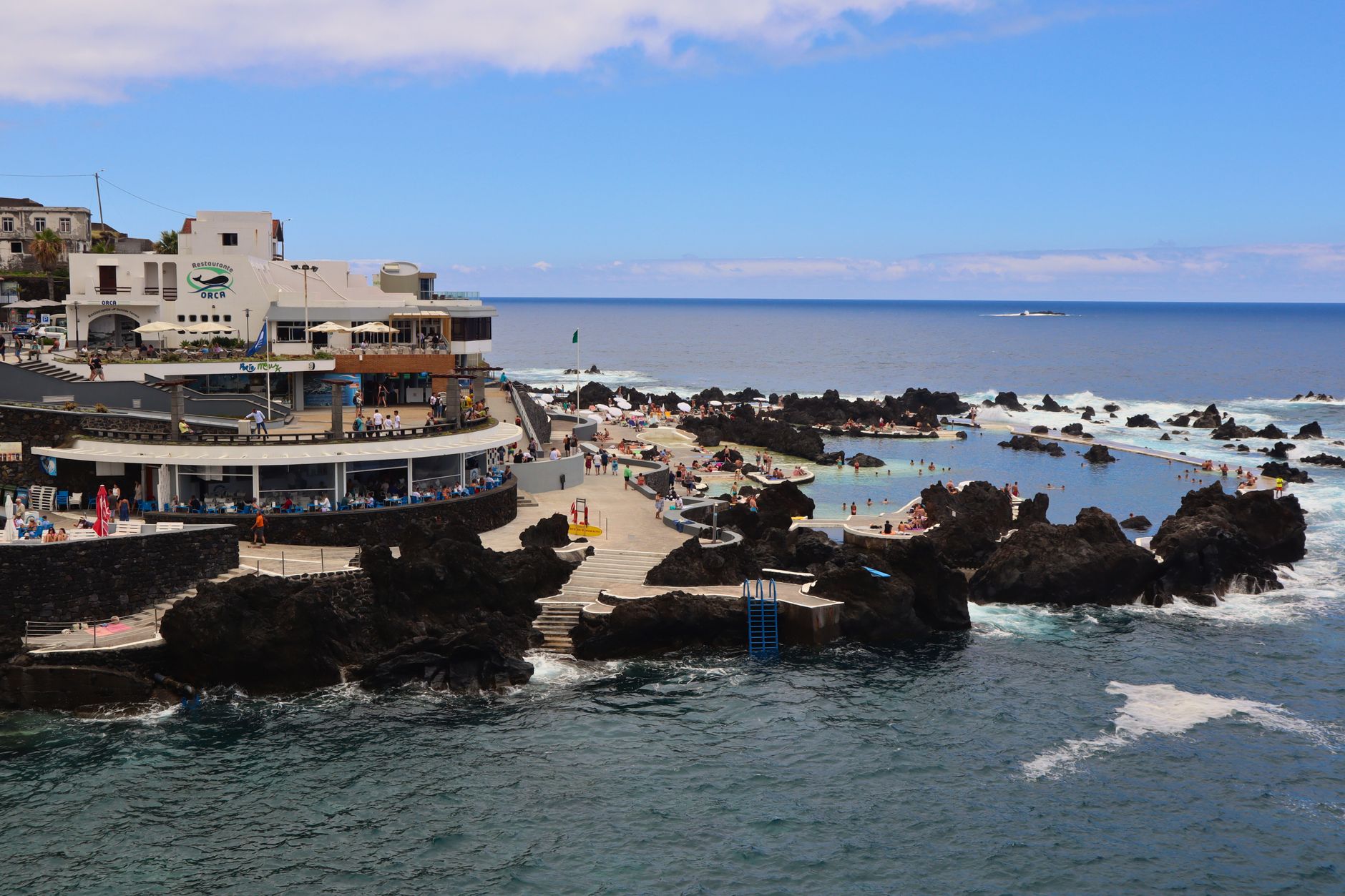
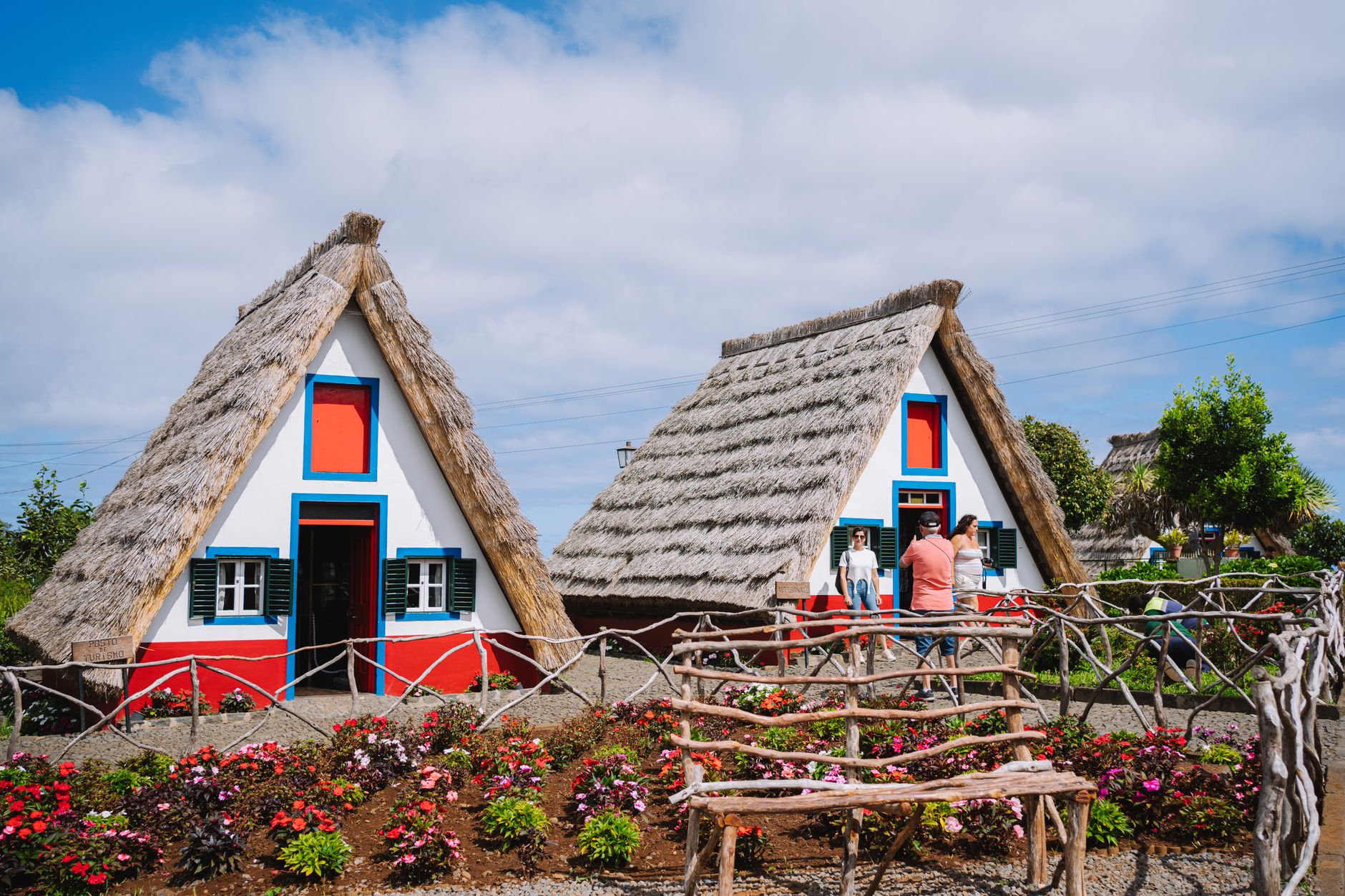
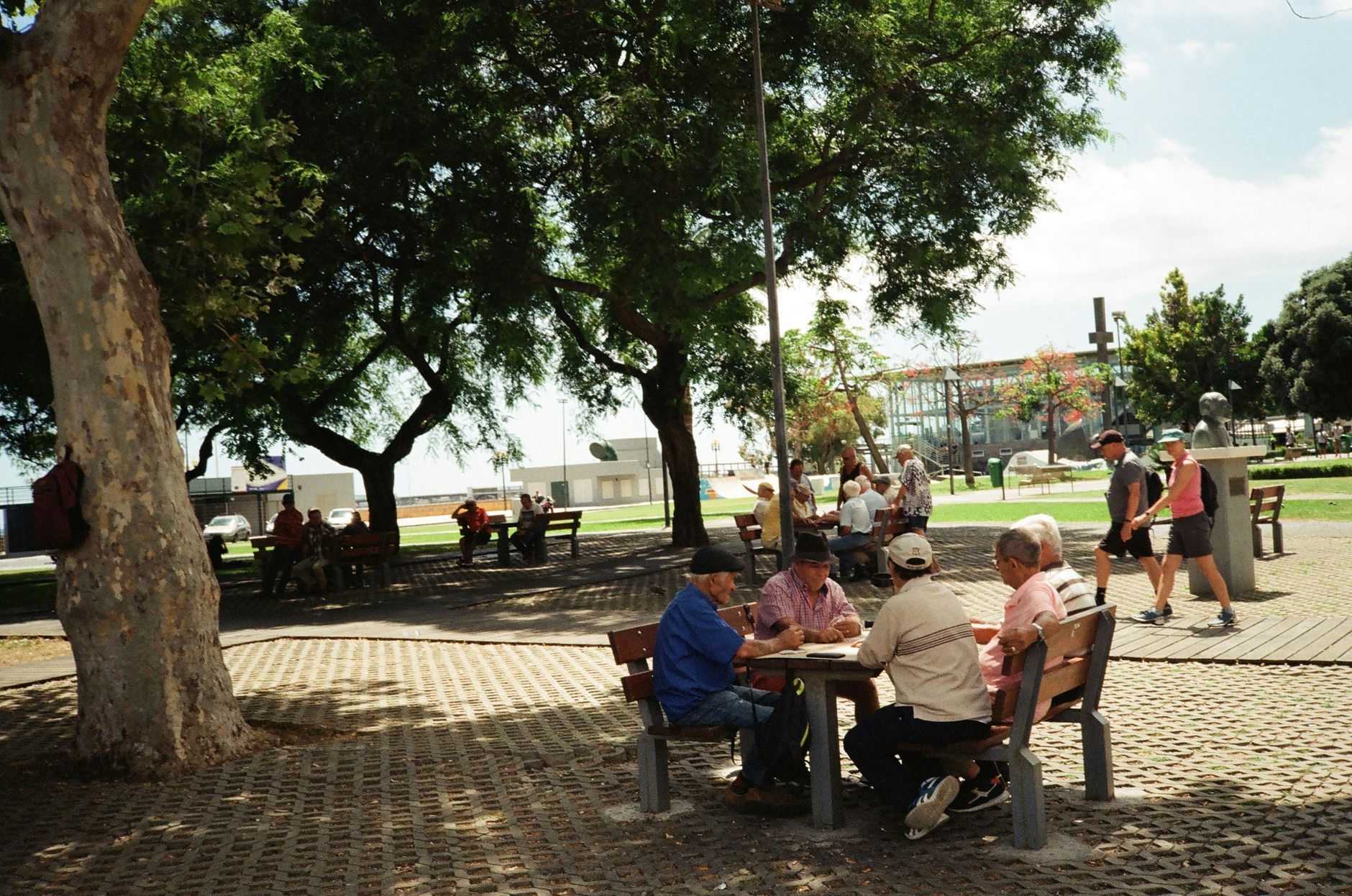
Madeira rises from the Atlantic like a dark volcanic ridge draped in forest — an island where the interior climbs steeply into cloud and the coast drops in sheer cliffs to the sea. The Portuguese have been shaping it since 1420, first with sugar cane, then with vineyards, and the layered result is a place that feels genuinely old and genuinely alive at the same time.
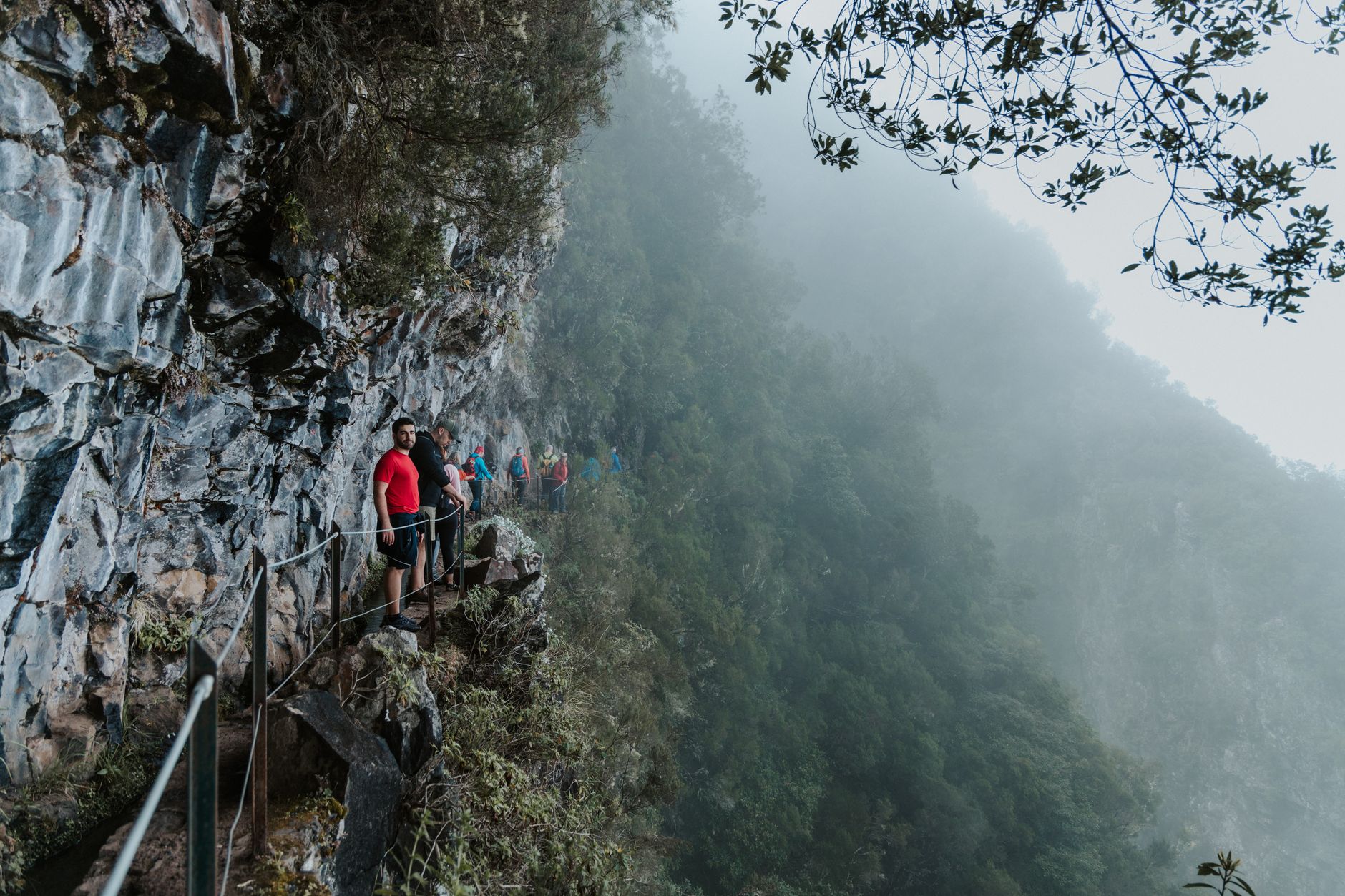
Funchal is the anchor, a city of terraced streets and tile-fronted houses that slopes down to a working harbour. Beyond it, levada walking trails thread through laurisilva forest that has survived since before the last ice age, and the road to the north coast reveals a different island entirely — wilder, quieter, soaked in spray.
💛 What travellers fall for
People who come back tend to pick a different base each time — Funchal for the markets and Painted Doors of Rua de Santa Maria, Machico for the quieter pace and closer access to the eastern trails. The Lobo Marinho ferry to Porto Santo on a clear morning, with the island shrinking behind you, is worth the early start.
How Madeira came to be
Before 1419, Madeira had no people. Portuguese sailors João Gonçalves Zarco and Tristão Vaz Teixeira, sailing under Prince Henry the Navigator, first made landfall on Porto Santo in 1418 after storms drove them off course. Settlement of Madeira itself began in 1420, with the first families arriving from the Algarve and the northern mainland. By 1440, the archipelago was divided into three captaincies: Zarco took Funchal, Teixeira took Machico, and Bartolomeu Perestrelo was given Porto Santo.
For a brief period around 1500–1520, Madeira was the world's largest exporter of sugar. As that trade declined, English merchants moved in to dominate a wine trade that would define the island's identity for centuries. During the Napoleonic Wars, Britain occupied Madeira — a friendly arrangement, as occupations go — withdrawing in 1814. In 1976, Madeira became an autonomous region of Portugal, with its own government and legislative assembly.
Who and what shaped it
People who shaped it
Landmark buildings
See Madeira in motion
Plan your visit
On the map
When to go
Madeira's subtropical climate keeps temperatures mild year-round — rarely below 16°C in winter, rarely above 26°C in summer — but the island's terrain creates its own microclimates: the south coast can be sunny while the north is in cloud. Winter brings the most rain; summer is dry and warm, with the interior staying cooler than the coast.
Right now
Background & history adapted from Wikipedia (CC BY-SA) · specs from Wikidata (CC0) · weather from Open-Meteo · map data © OpenStreetMap contributors · photos from Wikimedia Commons / Unsplash with per-image credit. No third-party reviews or social posts reproduced.