
Braga
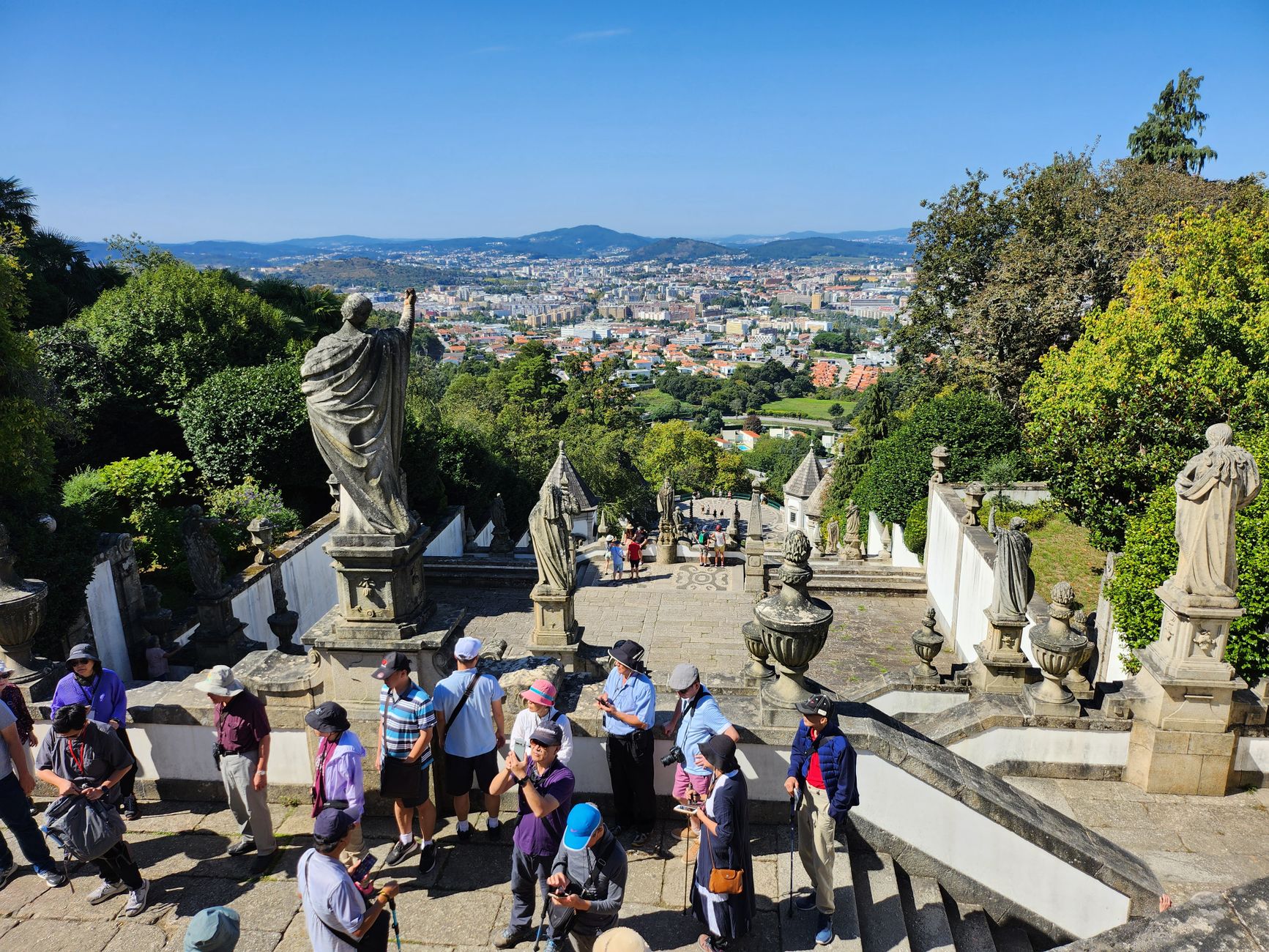
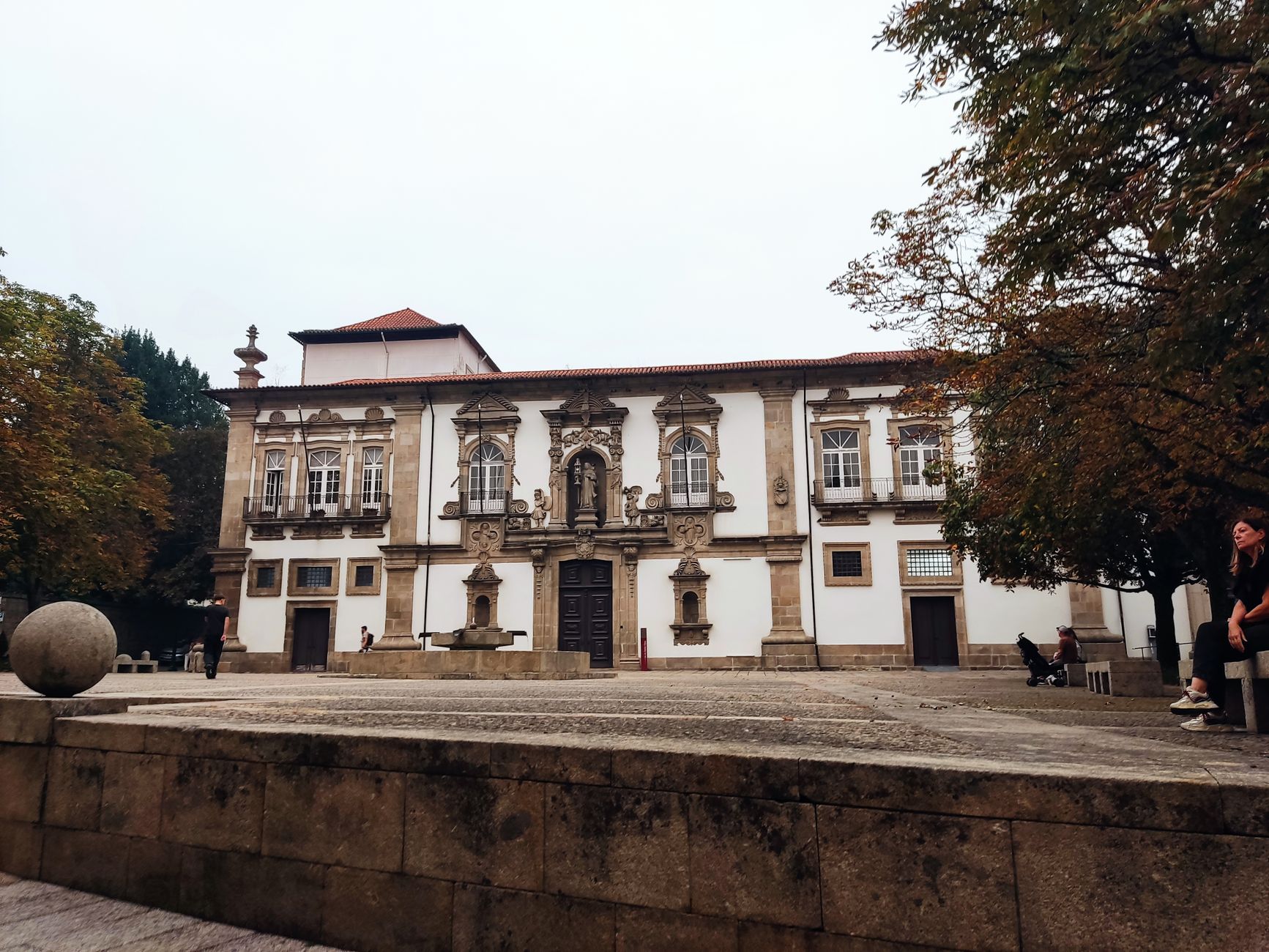
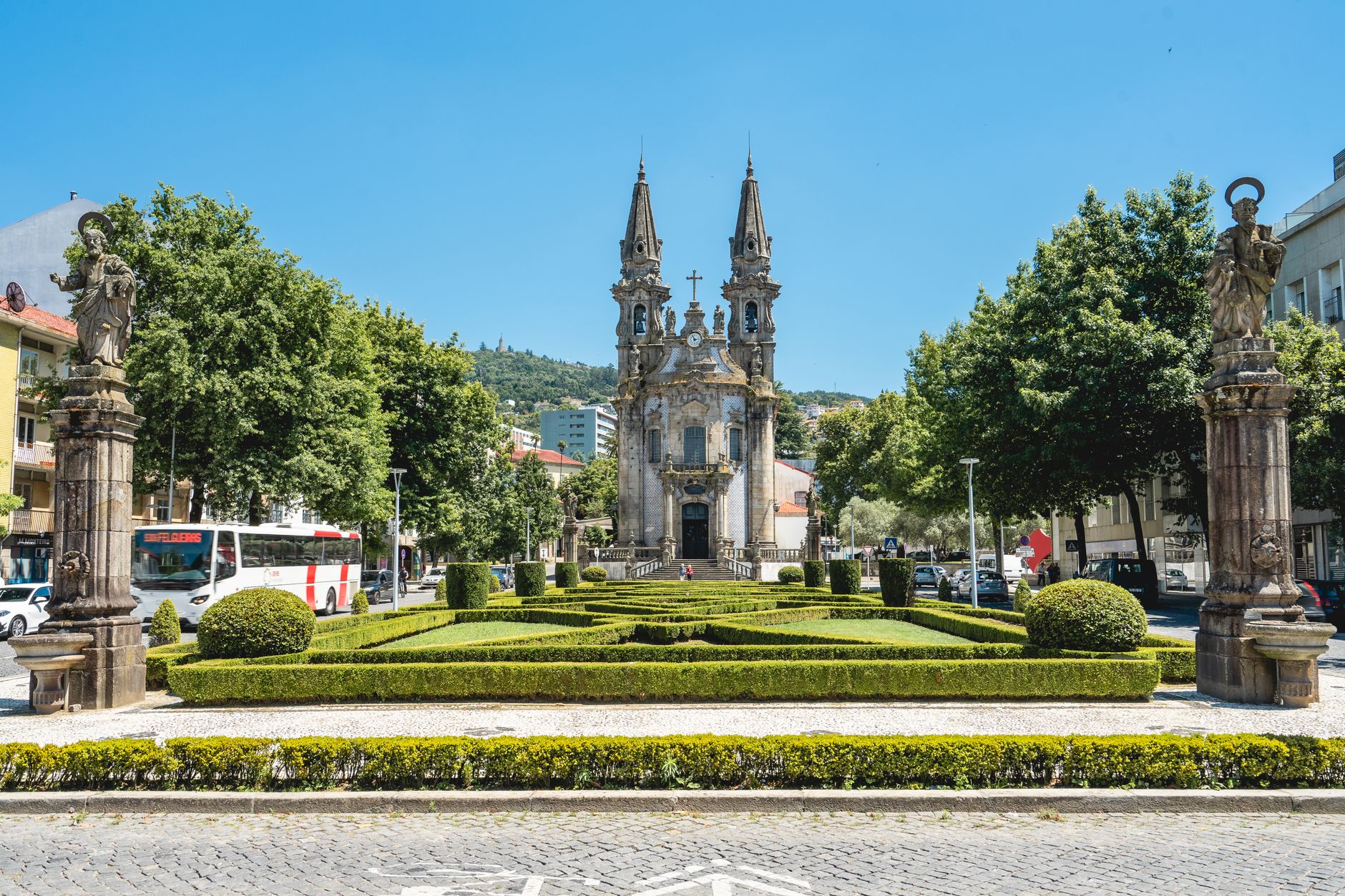
Braga earns its reputation as Portugal's most devout city through sheer accumulation of stone: cathedrals, chapels, baroque staircases climbing forested hillsides, Roman foundations surfacing beneath modern pavements. The Sé — consecrated in 1089, its Romanesque bones long since layered with Gothic, Manueline and Baroque additions — stands near a granite arch still carved with the royal coat of arms, and a palace whose façade is sheeted in blue-and-white azulejo tiles.
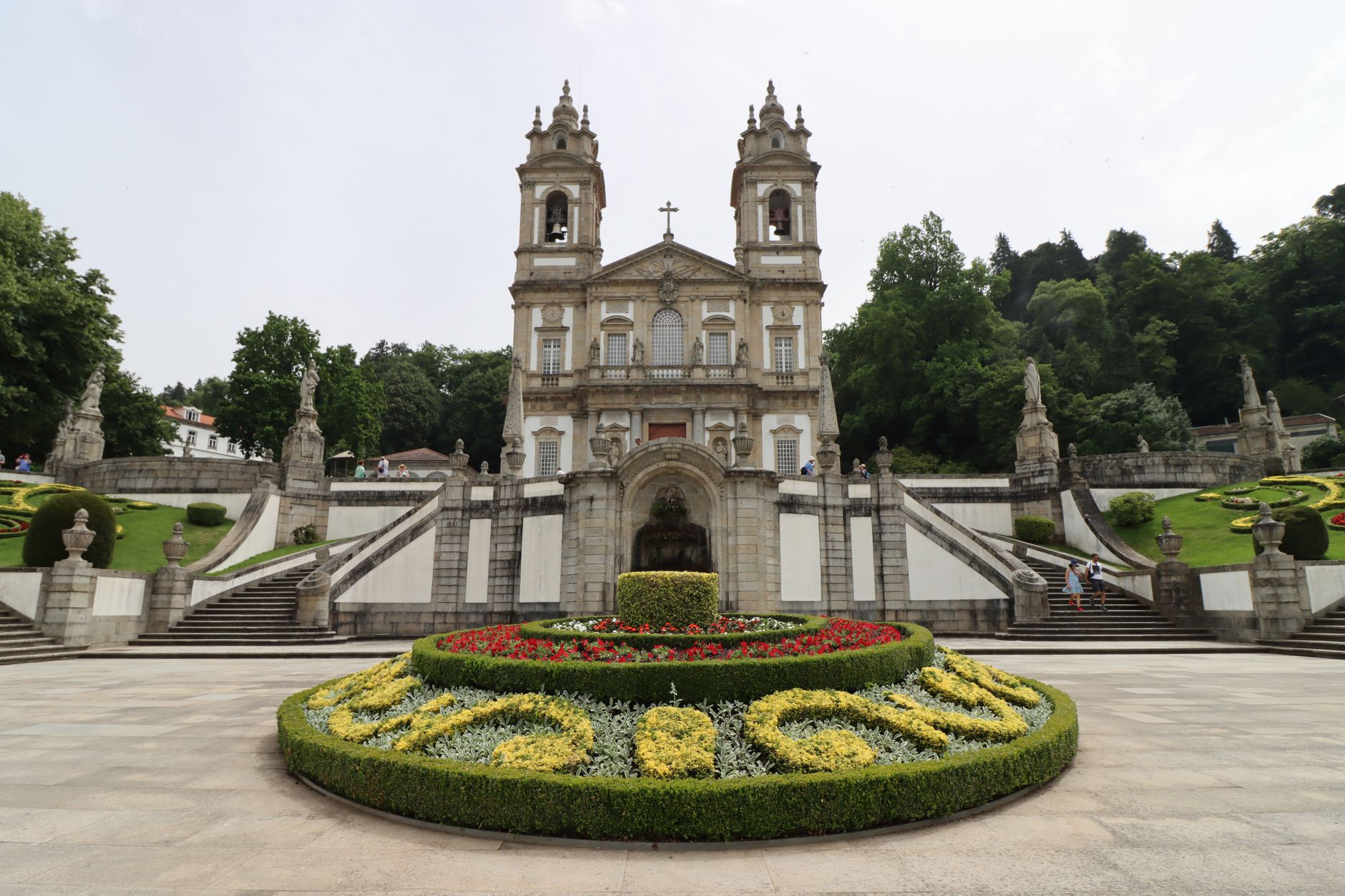
What sets Braga apart from Porto or Lisbon is pace and density. The old centre is compact enough to cover on foot in a morning, yet deep enough to hold a first-century water sanctuary, a gravity-powered funicular from 1882, and a 577-step baroque stairway that zigzags up through fountains to a hilltop sanctuary with UNESCO status.
💛 What travellers fall for
Return visitors tend to sort themselves into two camps: those who make straight for Bom Jesus at dawn, before the tour groups arrive, and those who spend an extra hour at Praça da República with a coffee under the arcades. Both camps agree on the funicular — three minutes, spring-water powered, built in 1882, and still the best way up the hill.
How Braga came to be
Romans founded Bracara Augusta here around 16 BCE, and the city's bones still show it: public baths uncovered in 1977, a first-century fountain sanctuary carved into granite, a forum whose outlines survive beneath the modern streets. After Rome's withdrawal, the Suebi made Bracara their capital; Moorish rule followed in 716, ending when Ferdinand I retook it in 1040. For a period between 1093 and 1147, it served as the seat of the Portuguese court.
Two figures shaped the city's face most visibly. Archbishop Diogo de Sousa reorganised the street plan and raised new churches between 1505 and 1532. Then the 18th century arrived and Braga became Portugal's baroque laboratory — the Bom Jesus sanctuary begun in 1722, the Palácio do Raio completed in 1754, the Arco da Porta Nova redesigned in 1772, all of them the work of architect André Soares.
Who and what shaped it
People who shaped it
Landmark buildings
See Braga in motion
Plan your visit
On the map
When to go
Spring and early autumn are the most comfortable seasons — warm enough for the outdoor staircases and gardens, without the heat that can press down on the city in July and August. Winters are mild but genuinely wet; the green hills around Bom Jesus are at their most lush in February and March.
Right now
Background & history adapted from Wikipedia (CC BY-SA) · specs from Wikidata (CC0) · weather from Open-Meteo · map data © OpenStreetMap contributors · photos from Wikimedia Commons / Unsplash with per-image credit. No third-party reviews or social posts reproduced.