
Alentejo
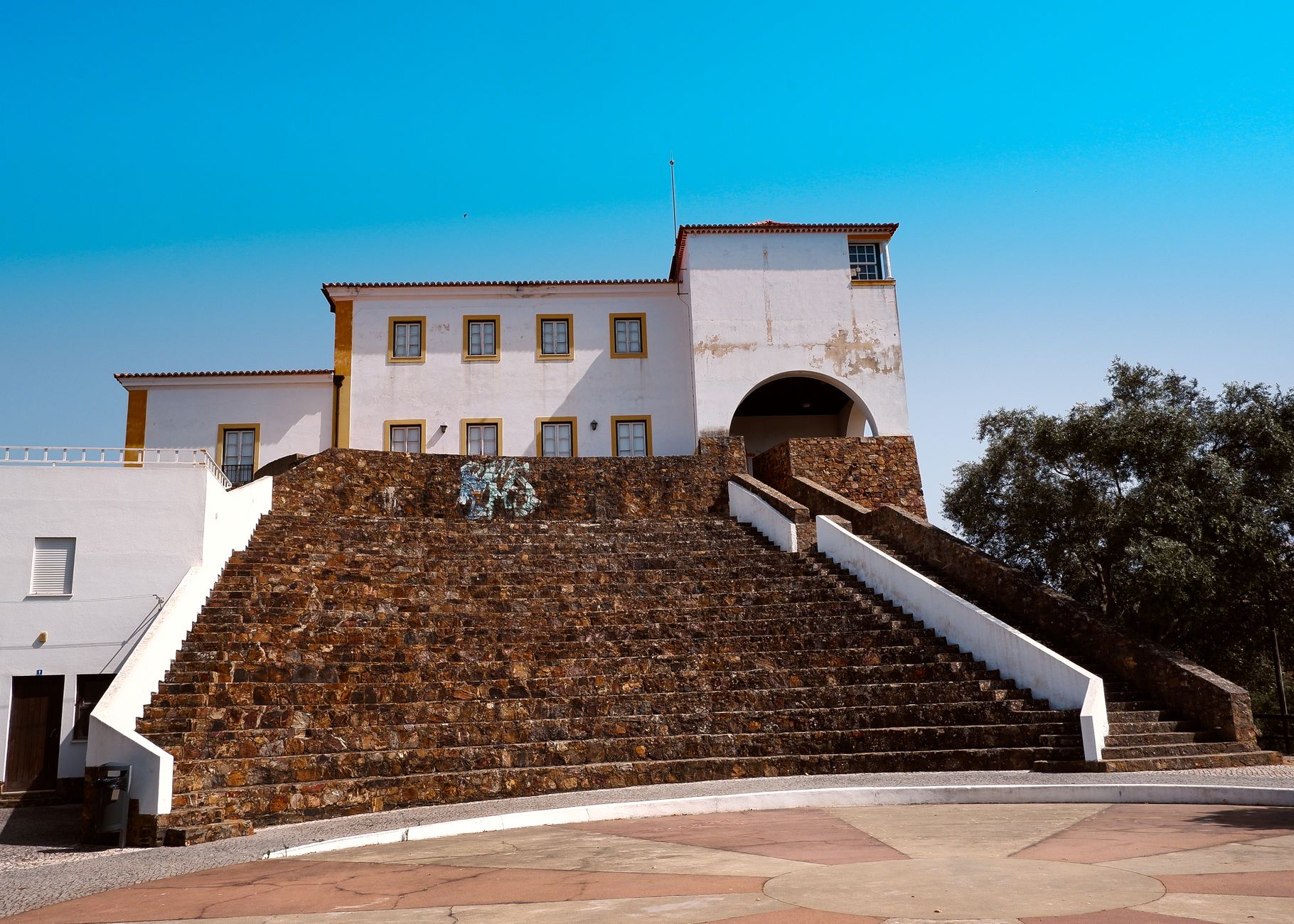
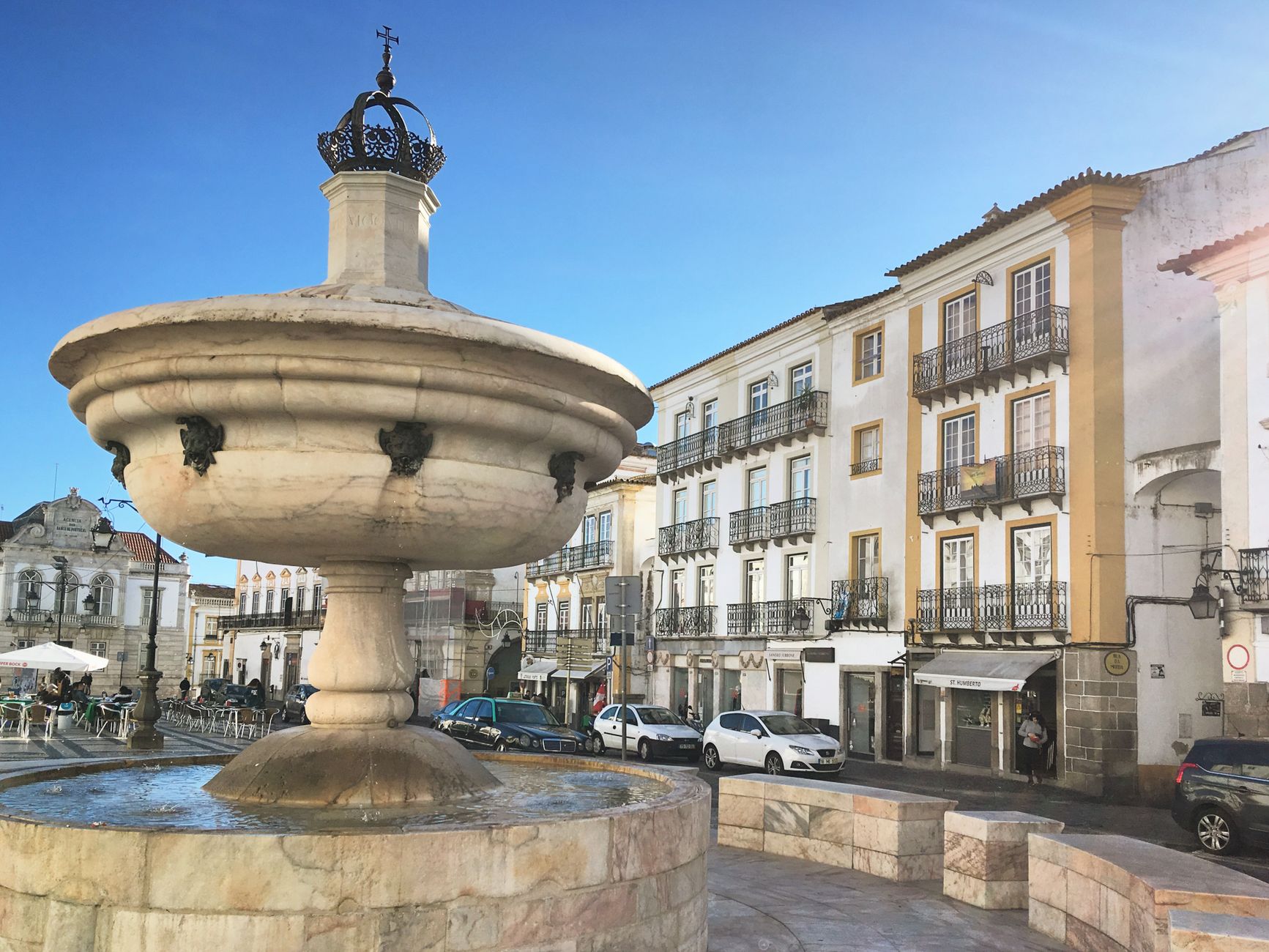
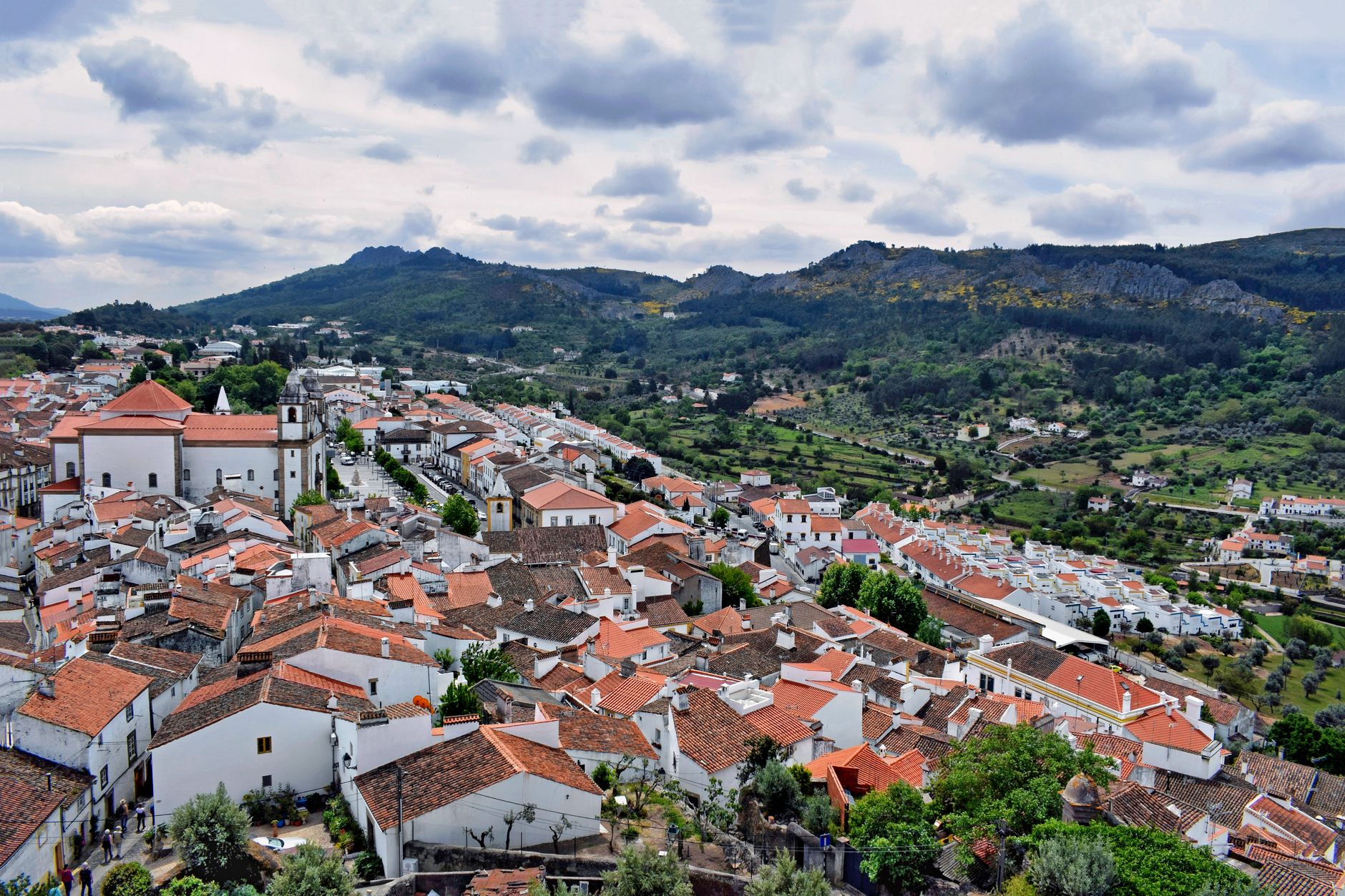
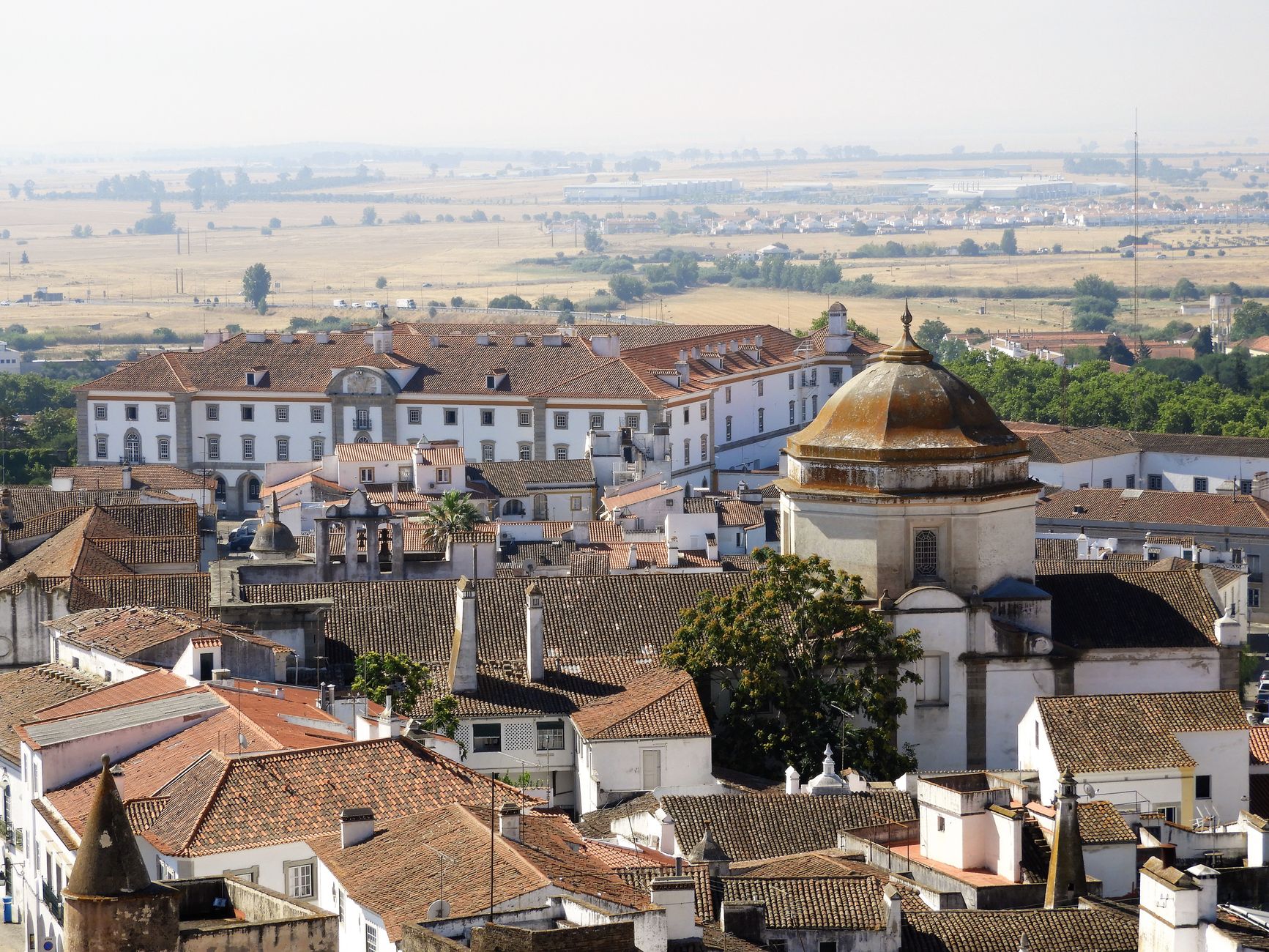
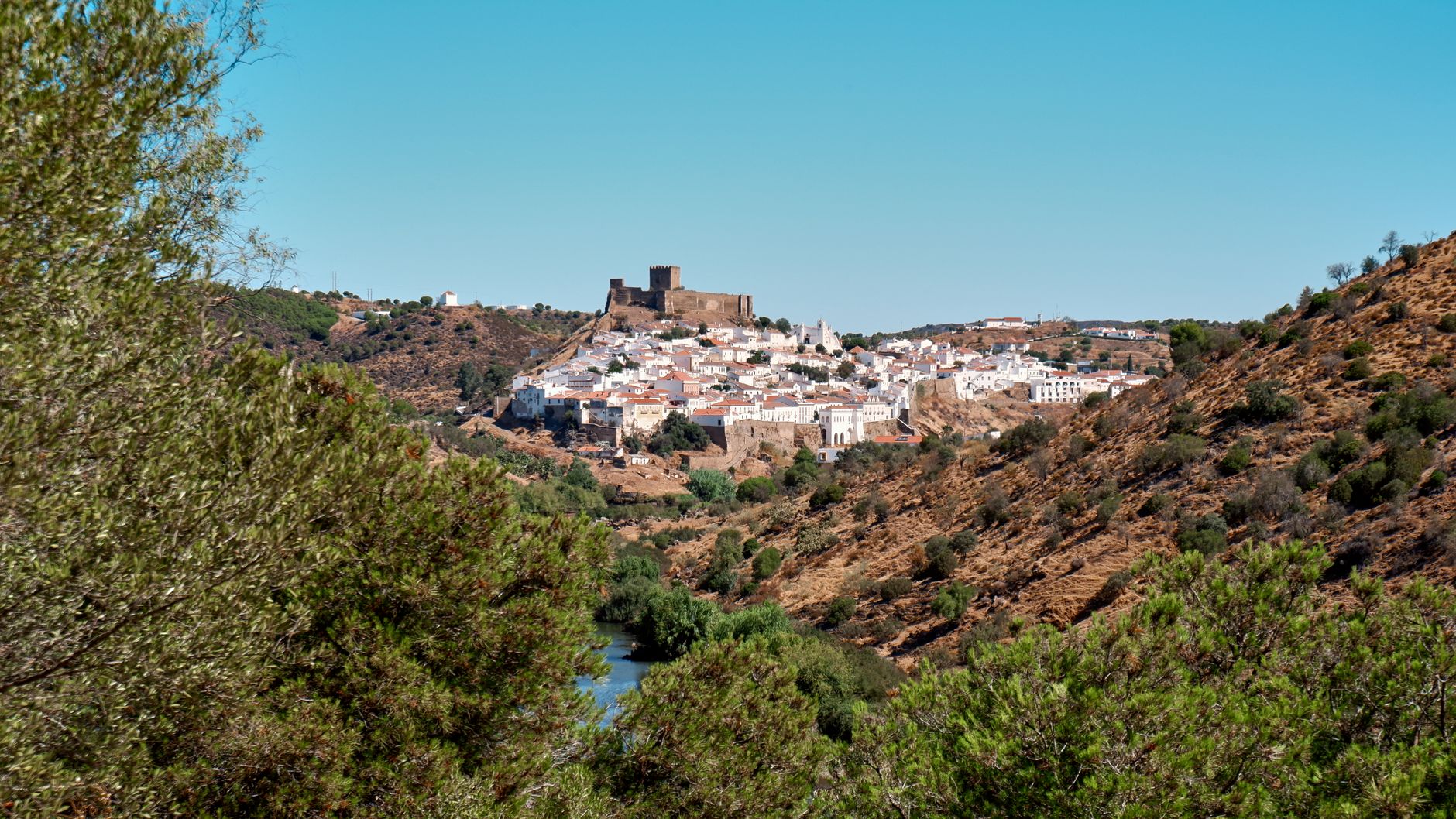
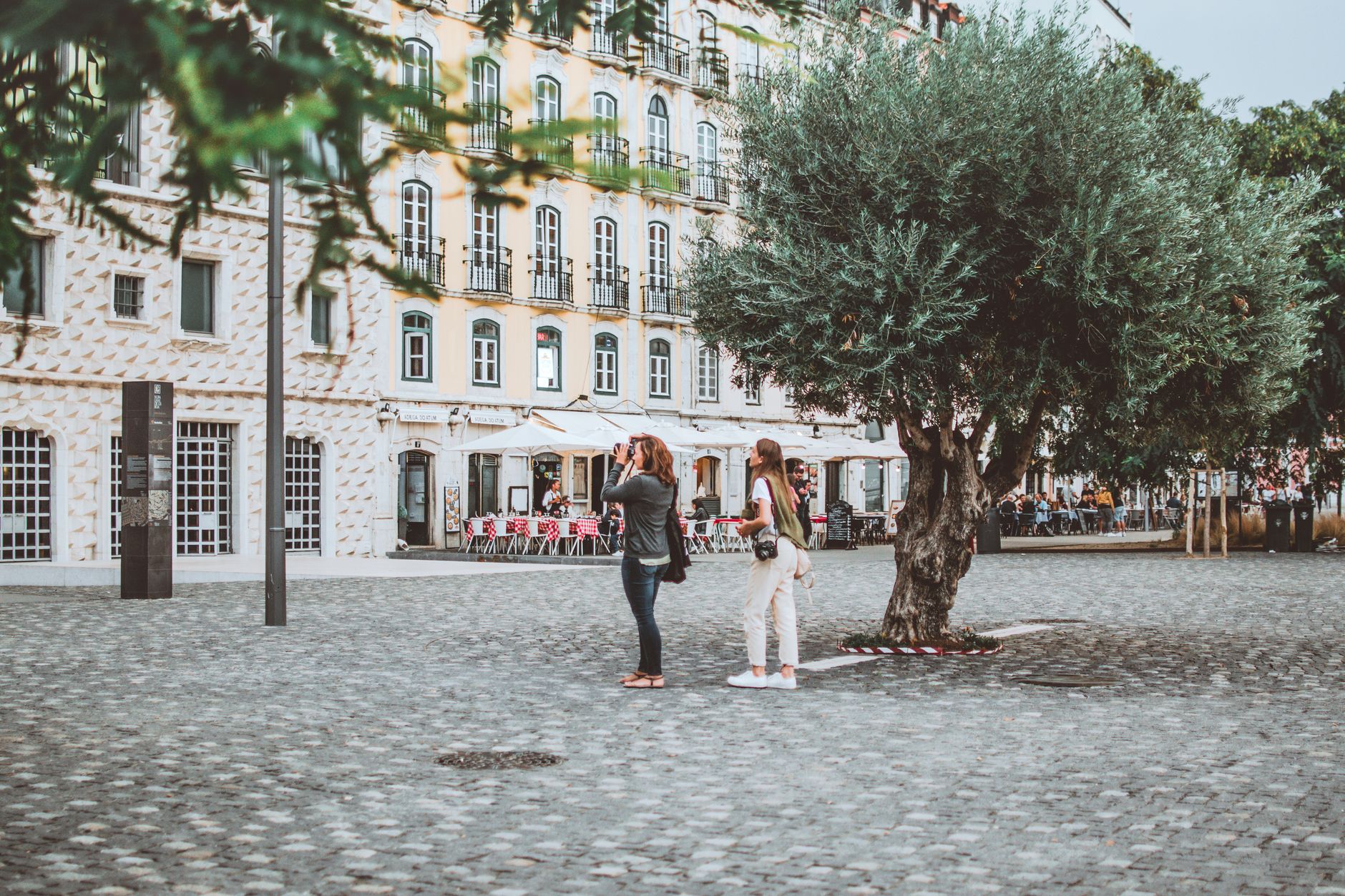
The name gives it away: Alentejo means 'beyond the Tagus,' and that sense of crossing into somewhere apart stays with you. The landscape opens up almost immediately — cork oaks casting thin shade over red-ochre earth, wheat fields that run to the horizon, white villages stacked on hilltops as if placed there by someone who understood the view. Two of its towns, Évora and Elvas, carry UNESCO World Heritage status, and the region accounts for roughly a third of Portugal's land area while holding a fraction of its people.
This is where you go when Lisbon starts to feel like a performance. The pace is different here — meals are long, marble is everywhere (Estremoz alone produces 90% of Portugal's supply), and the roads between towns are quiet enough that you'll want a car to follow them properly.
💛 What travellers fall for
People who return tend to do it slowly. They base themselves in Évora for a few nights, drive out to Monsaraz in the late afternoon when the light hits the castle walls, and make a point of stopping in Estremoz on a Saturday, when the market brings the town's famous clay figures — over 300 years of craft, still made by hand — out into the square.
How Alentejo came to be
The Romans understood this territory early. They founded Beja as Pax Julia in the first century BC — a name marking peace between Julius Caesar and the local tribes — and built a temple at what would become Évora, then called Liberalitas Julia, in the first century AD. That temple still stands on the old acropolis. Medieval kings added their own layers: King Dinis raised the castle at Beja in the 13th century and fortified Marvão with walls nearly four metres thick against Spanish incursion.
The name Alentejo itself, meaning 'beyond the Tagus,' reflects how Lisbon long thought of this territory — something over the river, peripheral. In the 19th century it was formalised into Alto and Baixo Alentejo provinces. The administrative boundaries have shifted since, but the sense of a place with its own logic, running at its own speed, has not.
Who and what shaped it
People who shaped it
Landmark buildings
See Alentejo in motion
Plan your visit
On the map
When to go
Spring (March to May) and autumn (September to October) are the most comfortable seasons — warm, clear, and without the ferocity of summer. Inland temperatures regularly hit 40°C in July and August, which makes sightseeing genuinely punishing; if you visit then, move early and rest through midday. Winters are mild but wet, with January highs barely reaching 10°C.
Right now
Background & history adapted from Wikipedia (CC BY-SA) · specs from Wikidata (CC0) · weather from Open-Meteo · map data © OpenStreetMap contributors · photos from Wikimedia Commons / Unsplash with per-image credit. No third-party reviews or social posts reproduced.