
Cascais
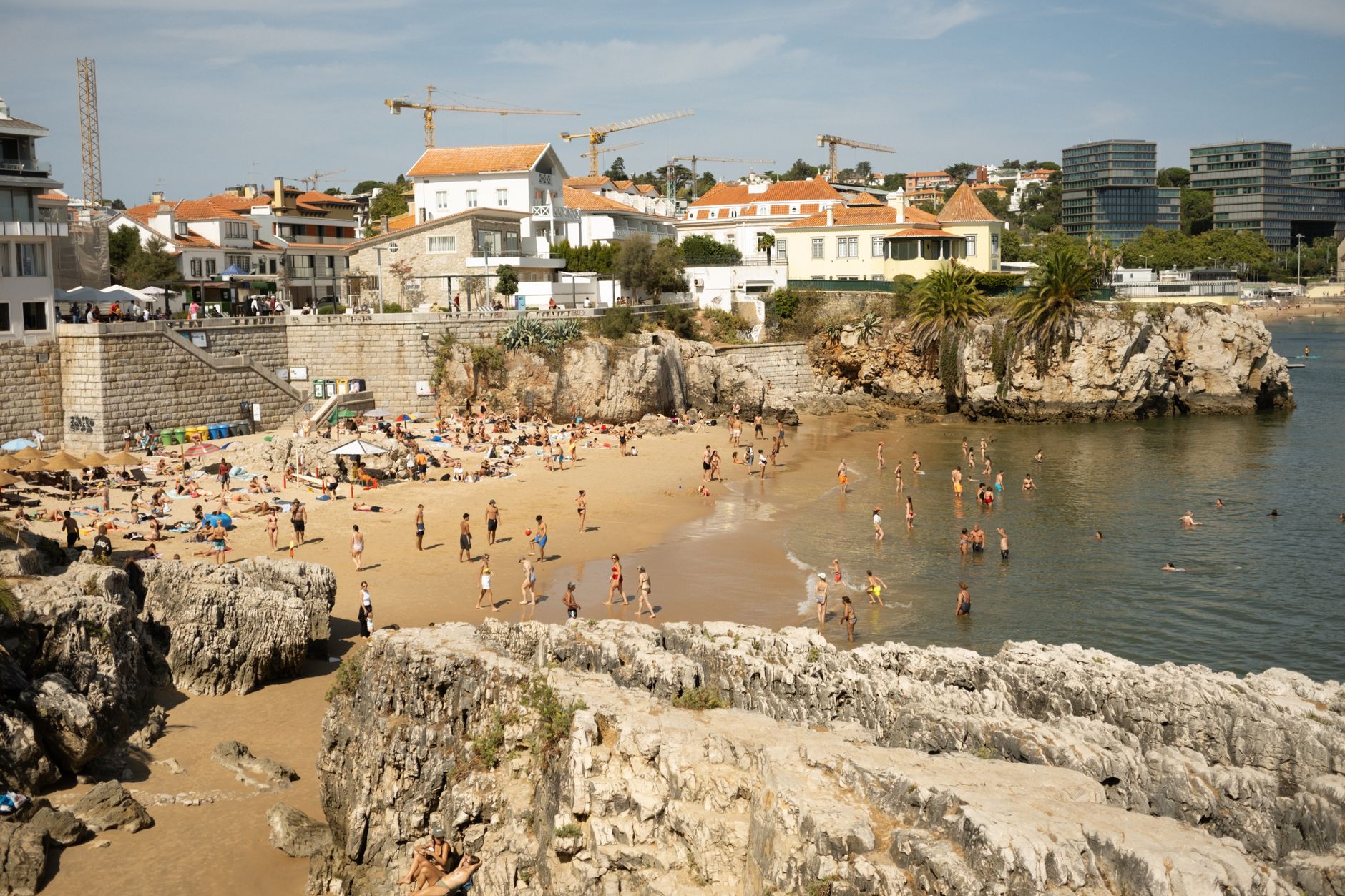
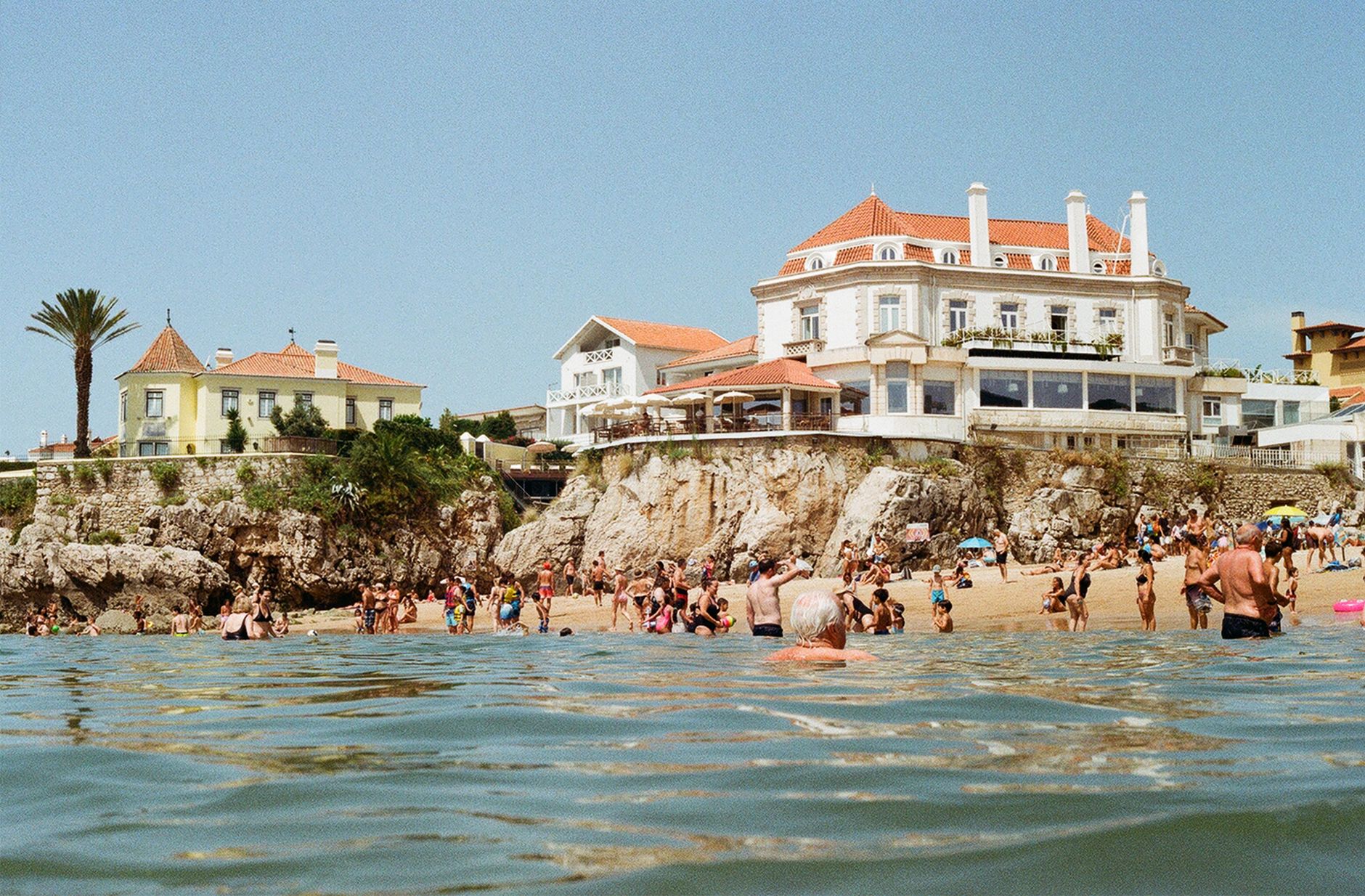
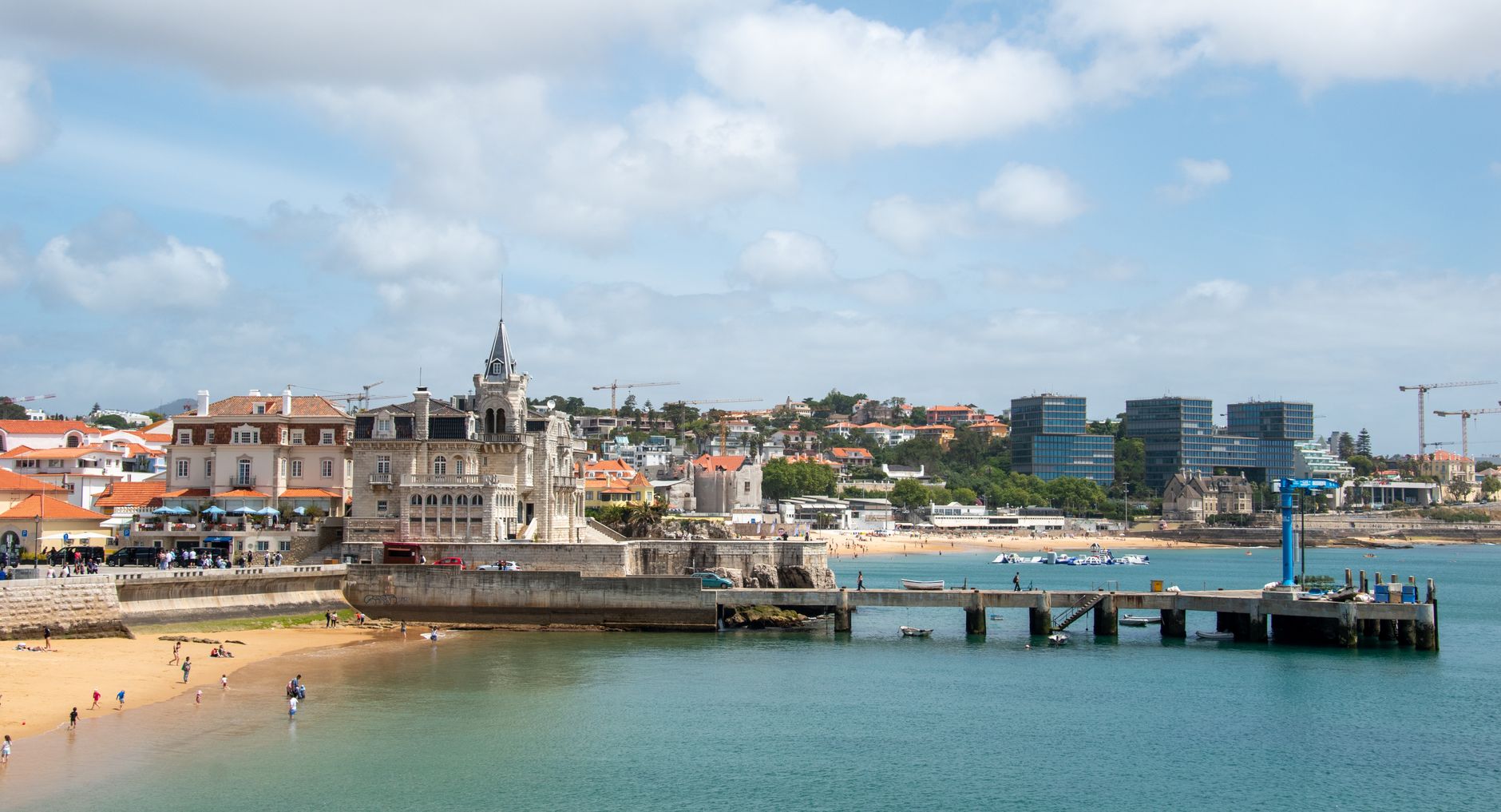
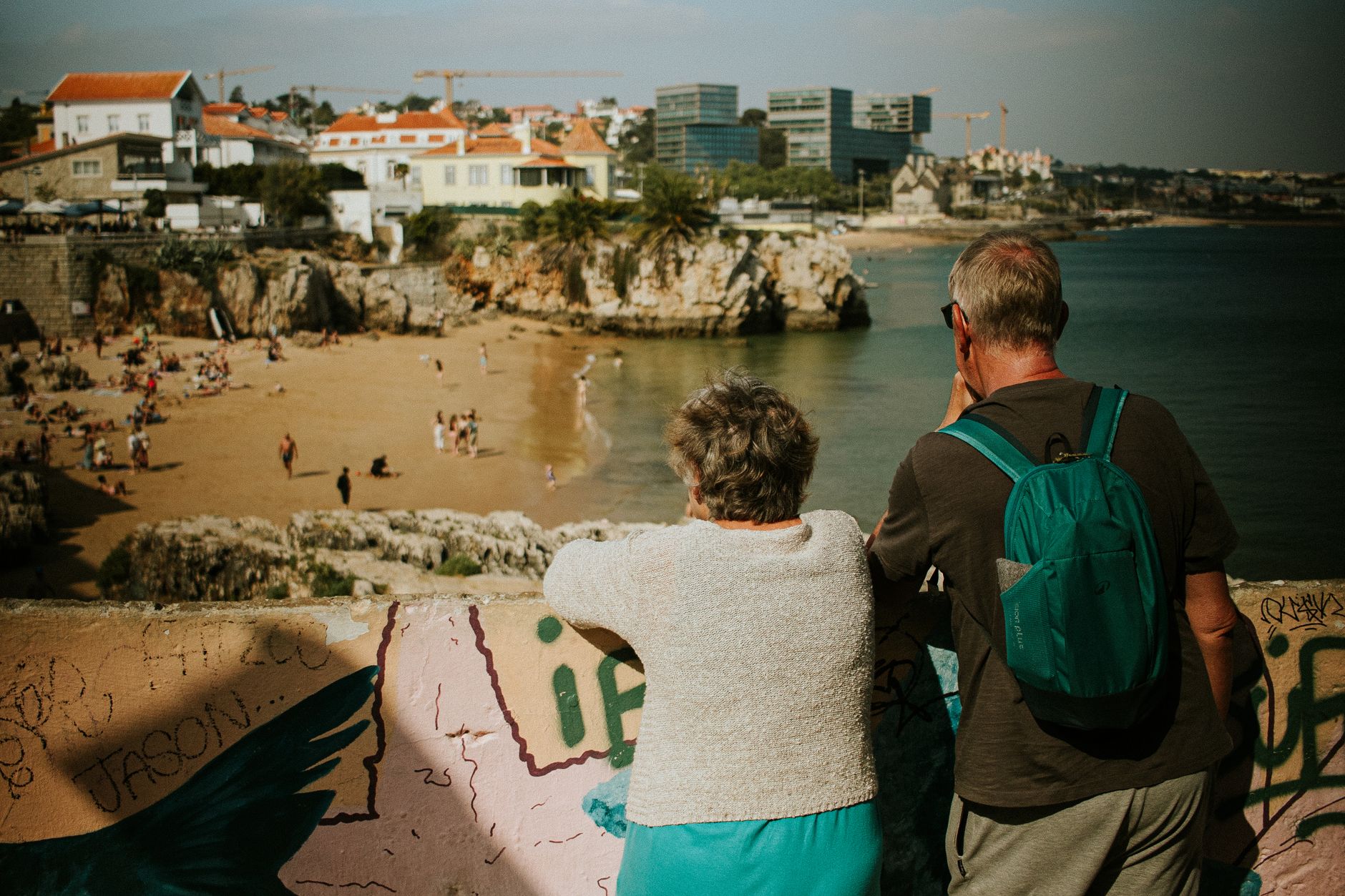
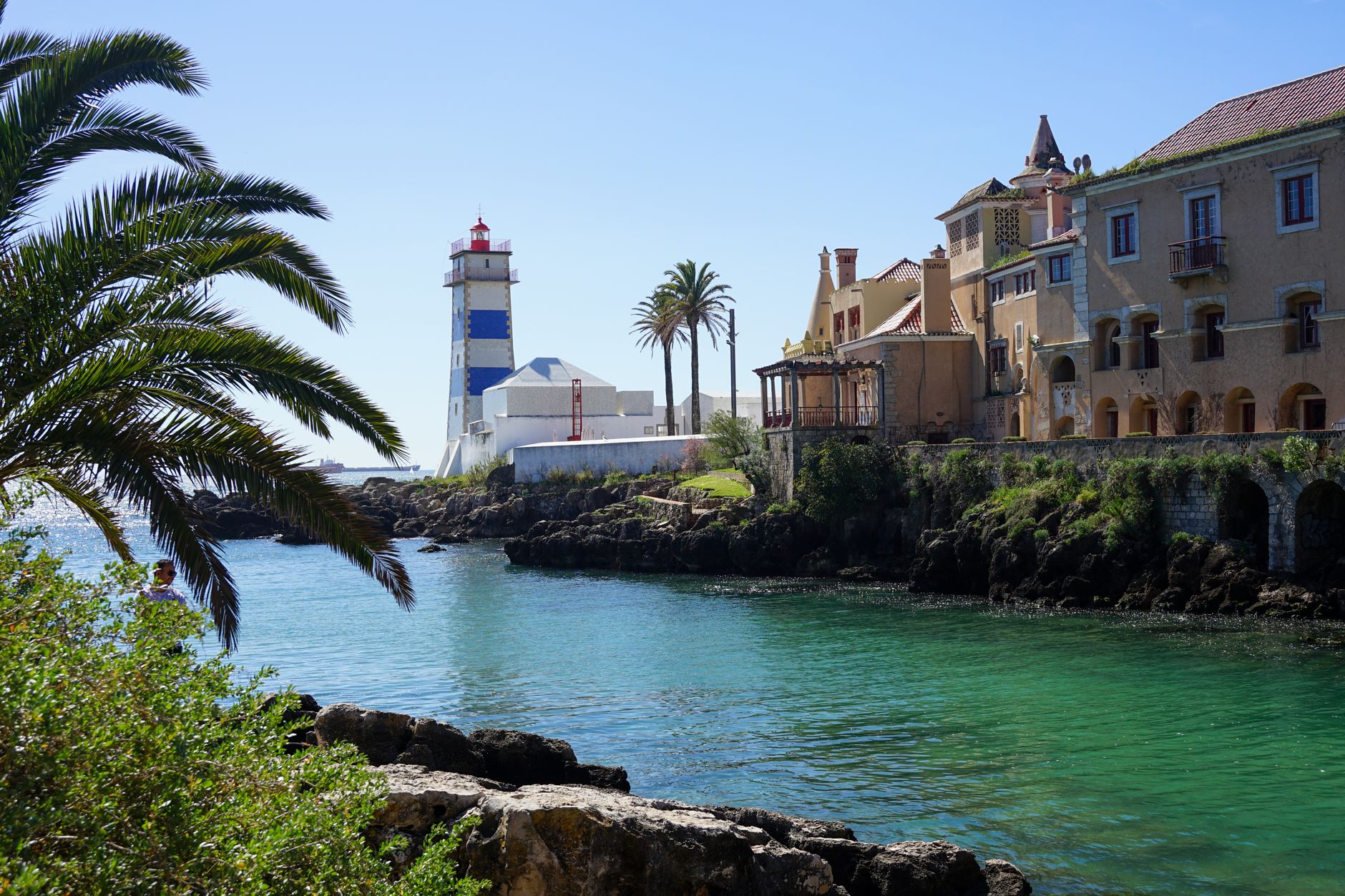
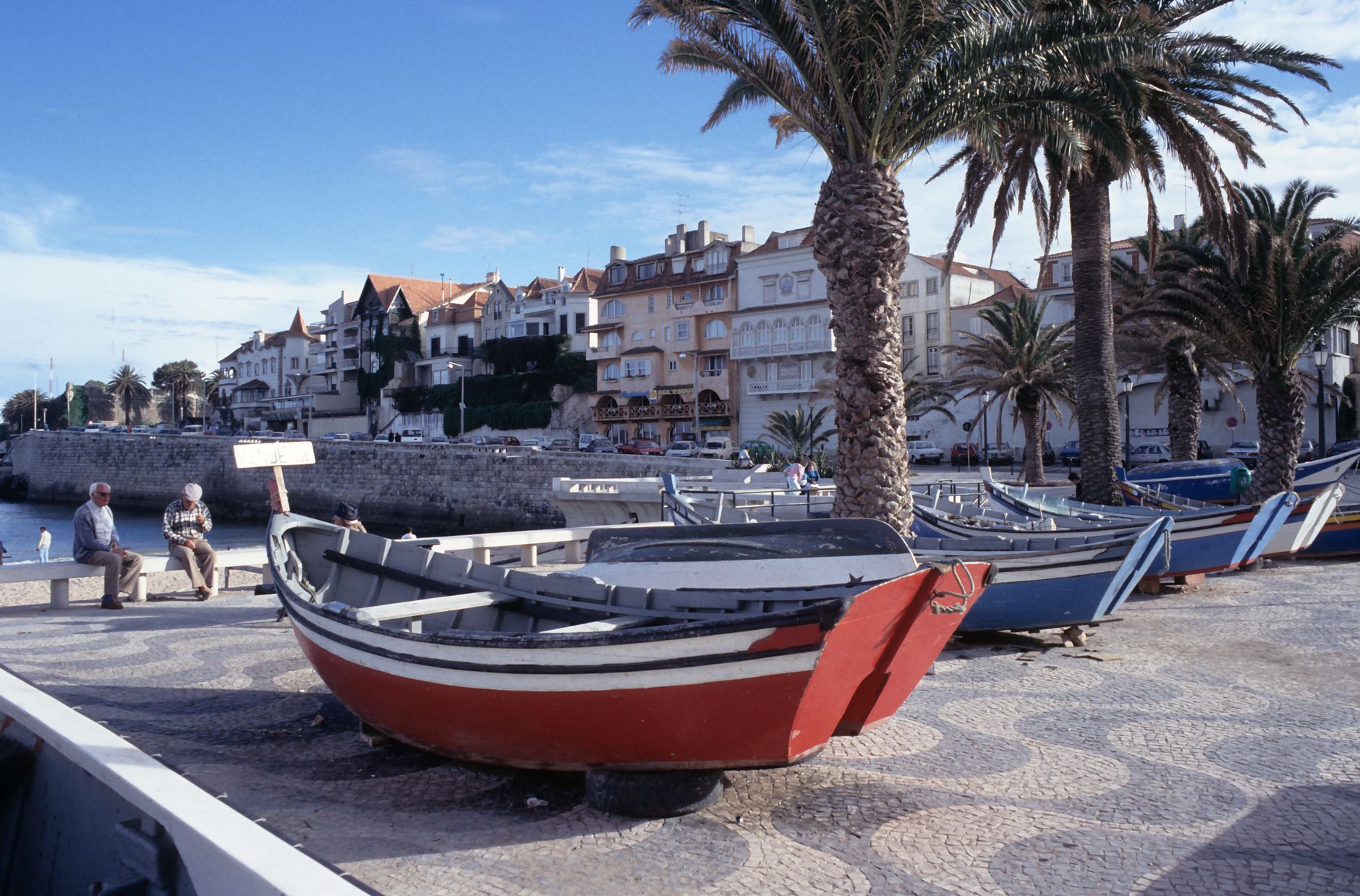
Thirty-five minutes on the train from Lisbon and the air changes — saltier, slower, carrying the particular quality of a place that has always understood leisure. Cascais sits at the end of the Linha de Cascais, where the Tagus estuary gives way to the open Atlantic, and it has been drawing people who want to stop for a while since King Luís turned up in 1870 and decided the citadel governor's quarters would do nicely as a summer palace.
The town is compact enough to cover on foot: a 16th-century citadel, a canary-yellow neo-Gothic mansion, a red-and-white lighthouse that has been operational since 1772, and a natural limestone arch the local fishermen called Hell's Mouth. Between them, the streets fill with the low-key rhythm of a resort that has been at this long enough not to try too hard.
💛 What travellers fall for
Return visitors tend to arrive on the early train to beat the afternoon crowds. The Tuesday market near the old town is worth timing your trip around. Many skip the central beaches in favour of walking the coastal path toward Boca do Inferno — the light is better in the morning, and the thunder of the waves through the chasm is loudest after a night of swell.
How Cascais came to be
Settlement here stretches back to the Lower Palaeolithic, though Cascais only began to take its modern shape in the 12th century, at first under the authority of Sintra. It gained town status in 1364. The fortifications that still define the waterfront — the Citadel, the São Jorge de Oitavos and Santa Marta forts — were built or expanded after 1640, as Portugal reasserted independence from Spain and needed to control its coast. The earthquake of 1 November 1755 devastated much of what had accumulated before.
Recovery came slowly, and then suddenly: when King Luís chose Cascais as his summer base in 1870, the town's character shifted. The royal family of the House of Braganza-Saxe-Coburg and Gotha returned each summer until 1908. The first railway arrived in 1889, and the citadel received Portugal's first electric lights in 1878 — a royal novelty that tells you something about the pace of change the town was moving at.
Who and what shaped it
People who shaped it
Landmark buildings
See Cascais in motion
Plan your visit
On the map
When to go
Cascais has a mild Atlantic climate year-round — warm and mostly dry from June through September, with sea breezes keeping the heat from becoming oppressive. Winters are cool and occasionally wet but rarely harsh, making it a reasonable destination in any season.
Right now
Background & history adapted from Wikipedia (CC BY-SA) · specs from Wikidata (CC0) · weather from Open-Meteo · map data © OpenStreetMap contributors · photos from Wikimedia Commons / Unsplash with per-image credit. No third-party reviews or social posts reproduced.