
Évora
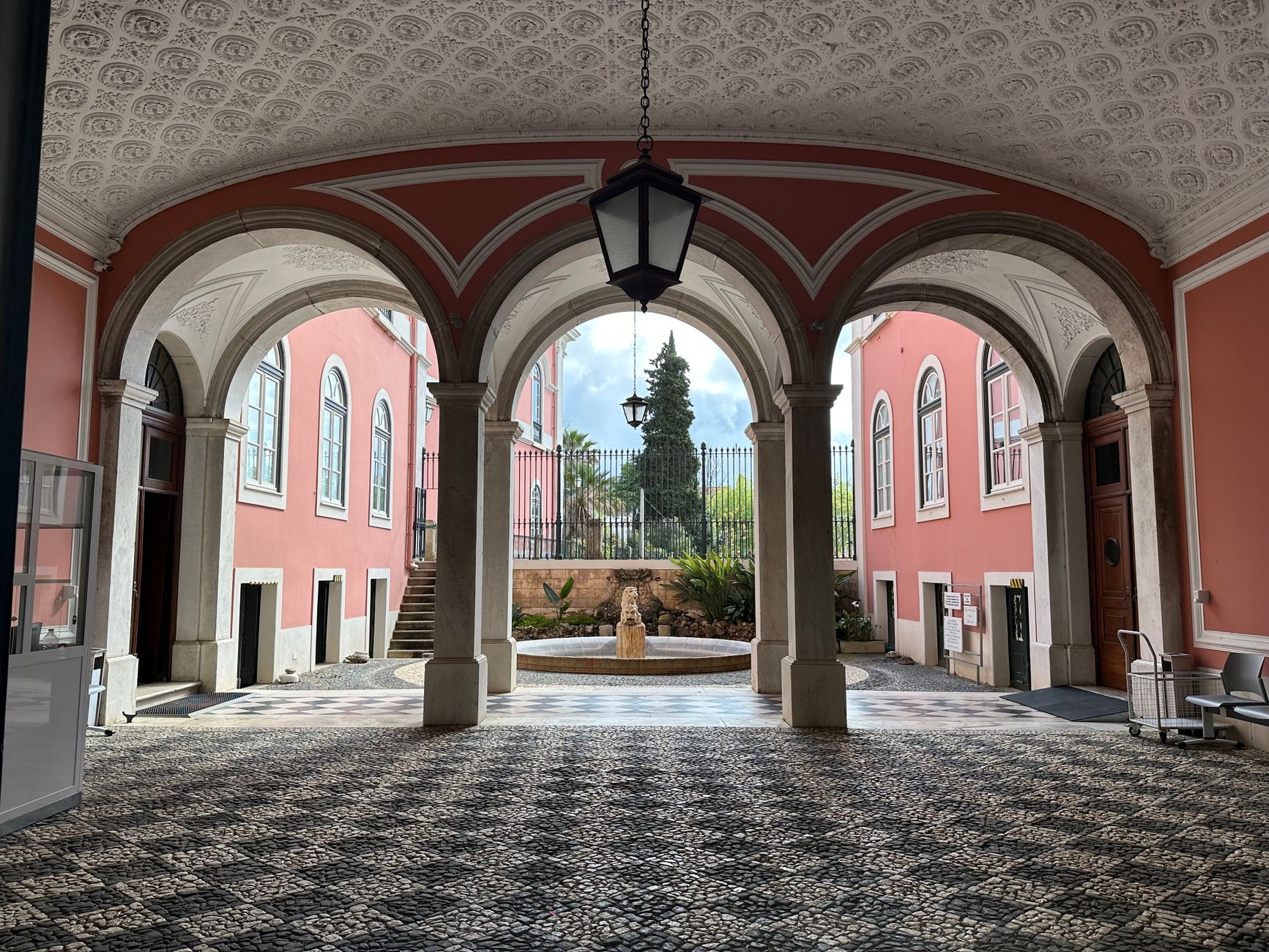
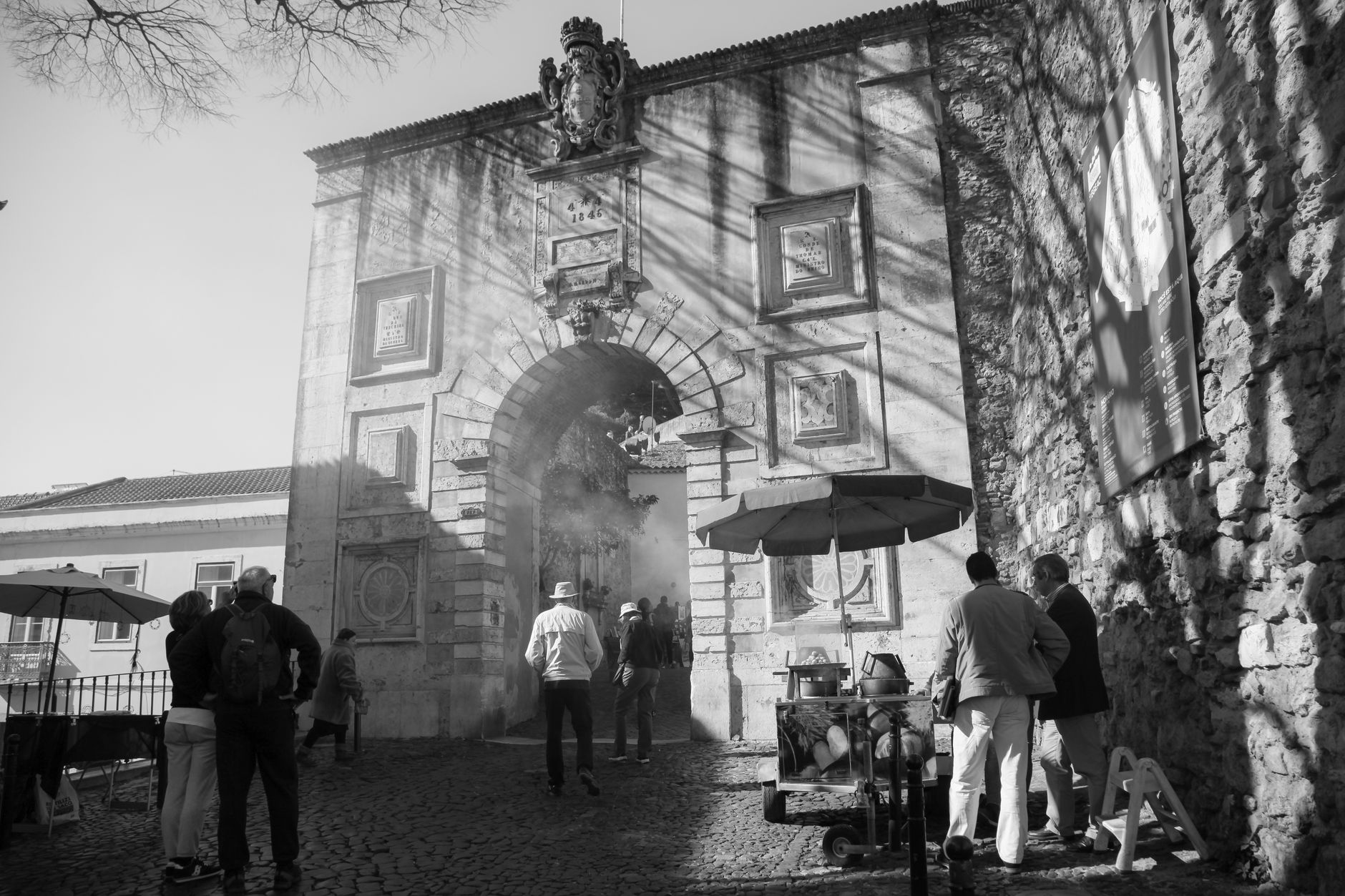
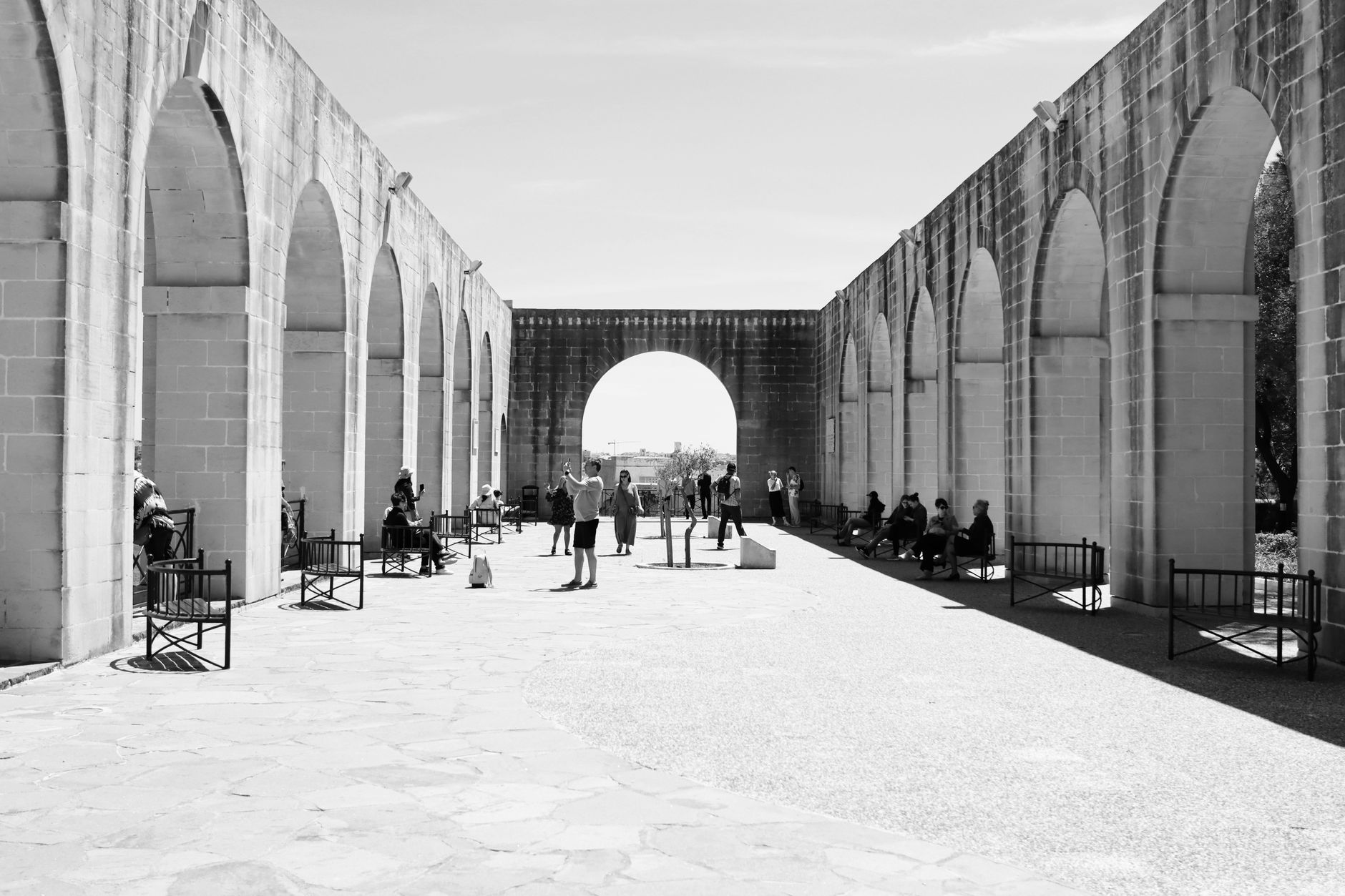
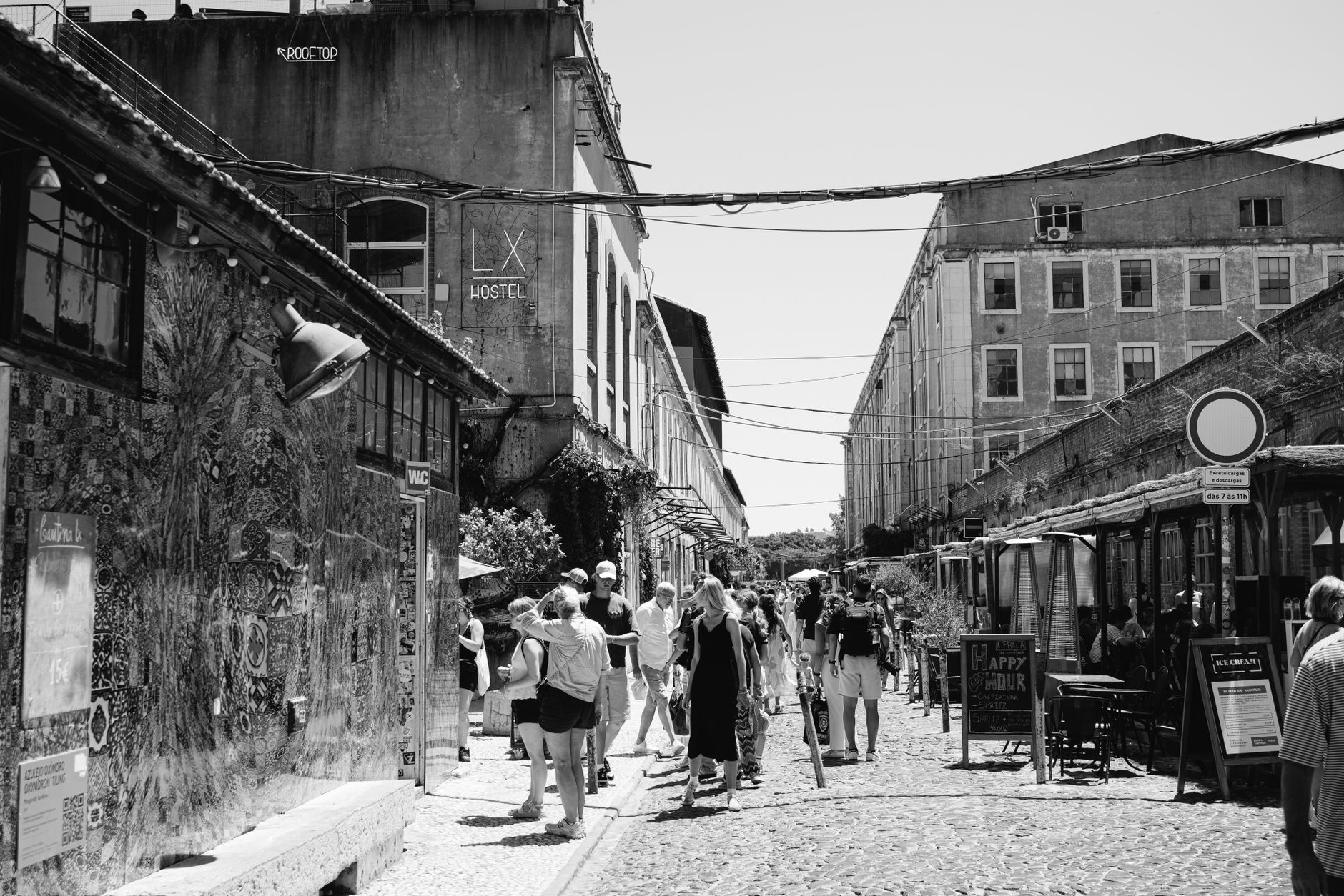
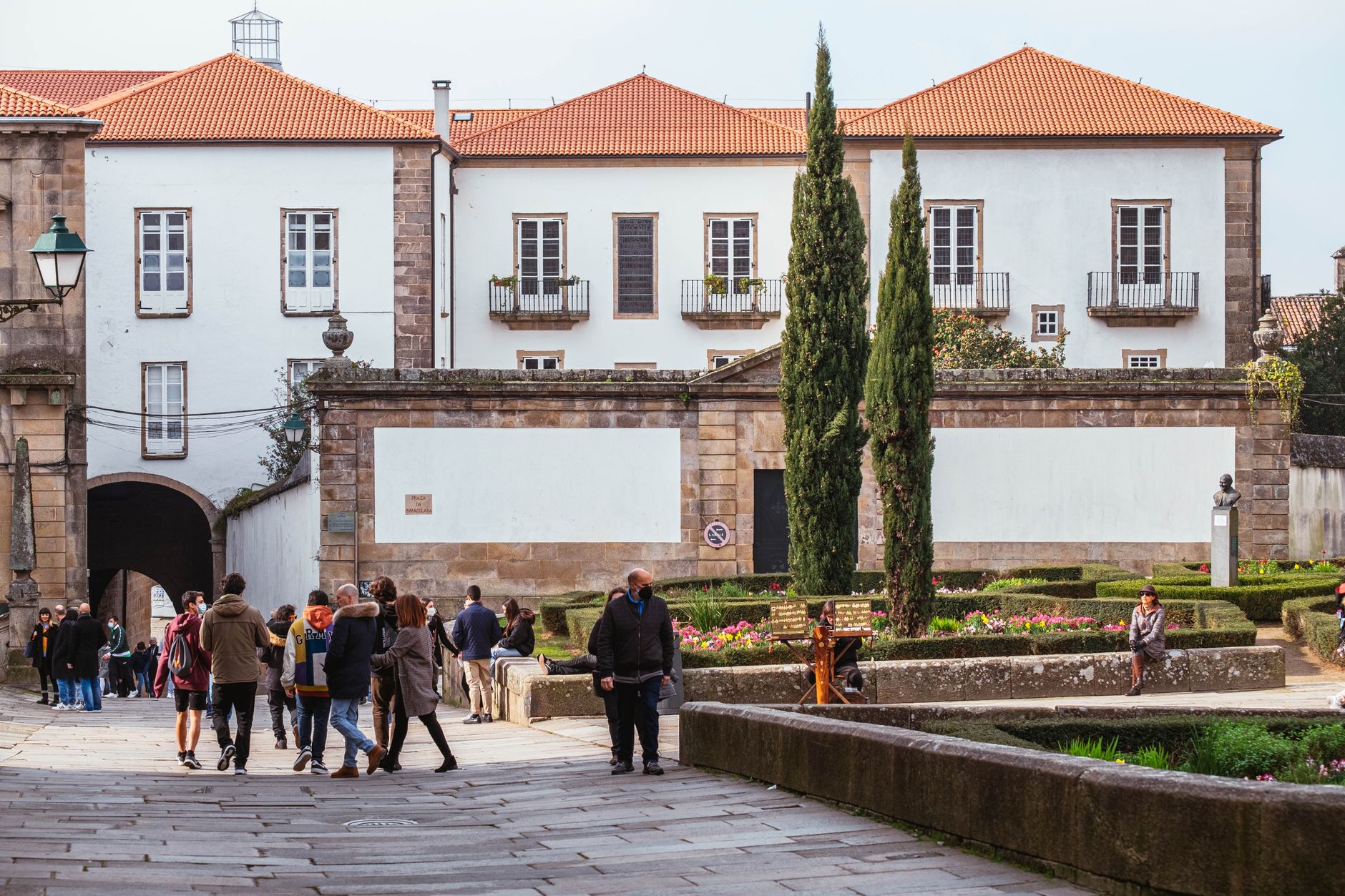
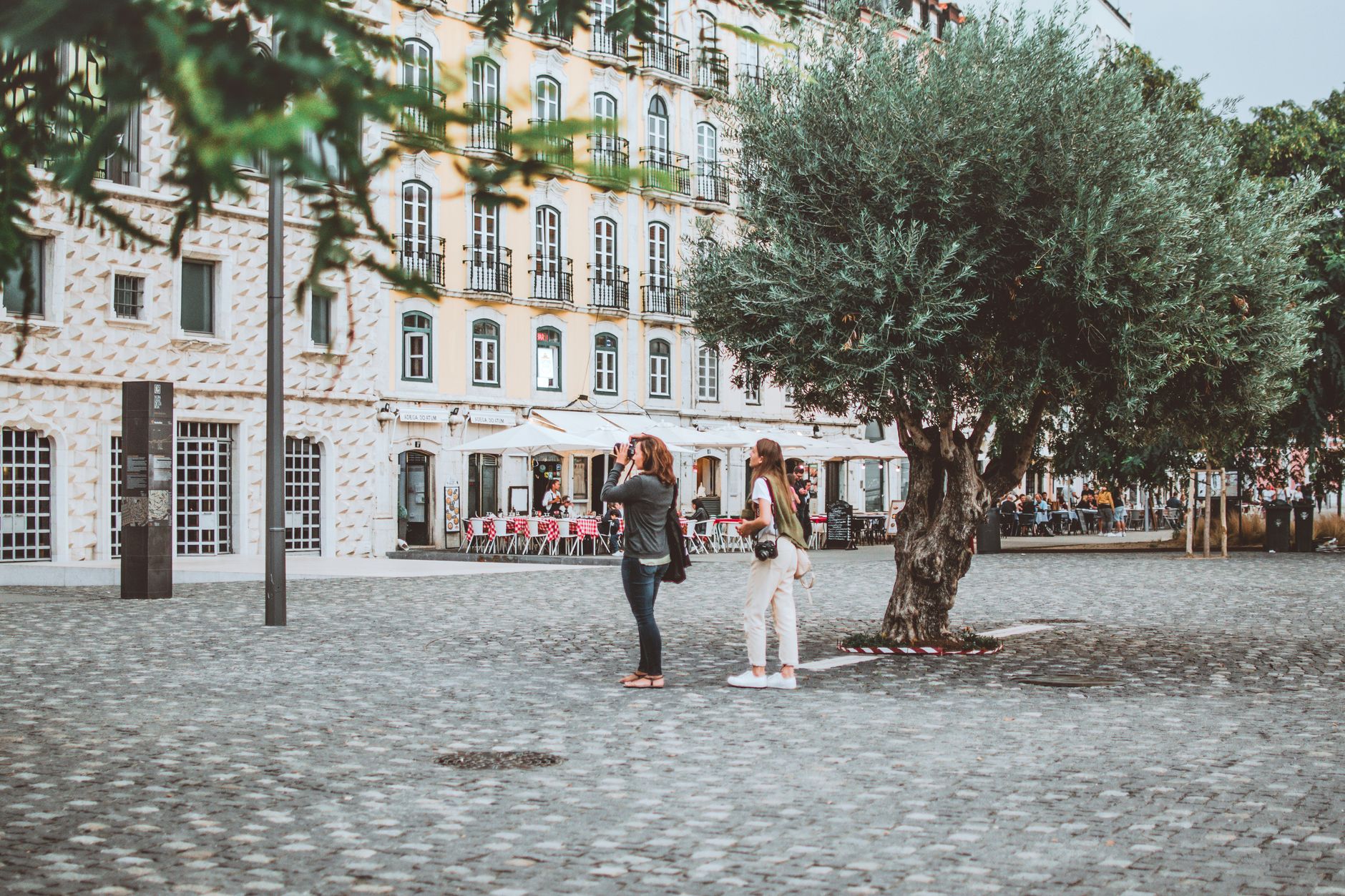
Stand in front of the Roman Temple of Évora on a clear morning and you are looking at fourteen Corinthian columns of Estremoz marble that have been standing since the first century CE — used at various points as a medieval tower, a butcher shop, and now simply themselves, open to the sky. Évora earns its UNESCO designation honestly. The walled historic centre of Portugal's Alentejo capital layers Roman, Moorish, medieval and Renaissance on top of each other with unusual density, and the city is compact enough to walk all of it in a day, though most visitors find reasons to stay longer.
This is a university town, too — the institution founded in 1559, closed by political decree in 1759, and reopened in 1973 — which gives the streets a lived-in rhythm that pure heritage sites often lack. The central Praça do Giraldo, with its eight converging streets and marble fountain, functions as a genuine gathering place rather than a set piece.
💛 What travellers fall for
People who return tend to time it around the slower parts of the week, when the Cathedral's Museu de Arte Sacra is nearly empty and you can spend real time with the 13th-century Virgin and the reliquary cross without a group at your shoulder. The Prata Aqueduct, threading through the city with houses built into its arches, rewards a slow walk from the inside.
How Évora came to be
Évora's origins run deeper than its Roman monuments suggest. The Celtici, a tribal confederacy, held it as a regional capital, and the name itself derives from an ancient Celtic word for yew tree. Rome formalized it — Quintus Sertorius used the city as a military headquarters in the first century BCE, and Julius Caesar later granted it municipal privileges under the name Liberalitas Julia. The Moors held it from around 712 CE until 1165, when the knight Giraldo Sem Pavor — Giraldo Without Fear — took the city, and King Afonso Henriques granted it a charter the following year.
The 15th and 16th centuries brought the Portuguese royal court to Évora regularly, and with it institutions: the Jesuit College of the Holy Spirit in 1551, the University in 1559. The Marquis of Pombal closed the university in 1759 following the Jesuit expulsion; it did not reopen until 1973. The historic centre was designated a UNESCO World Heritage Site in 1986.
Who and what shaped it
People who shaped it
Landmark buildings
See Évora in motion
Plan your visit
On the map
When to go
Alentejo summers are genuinely hot — Évora regularly sees temperatures above 35°C from June through August, and the stone city radiates heat in the afternoon. Spring (March to May) and autumn (September to October) offer mild days ideal for walking; winters are cool and quiet, with occasional rain but rarely cold enough to deter a visit.
Right now
Background & history adapted from Wikipedia (CC BY-SA) · specs from Wikidata (CC0) · weather from Open-Meteo · map data © OpenStreetMap contributors · photos from Wikimedia Commons / Unsplash with per-image credit. No third-party reviews or social posts reproduced.