
Sintra
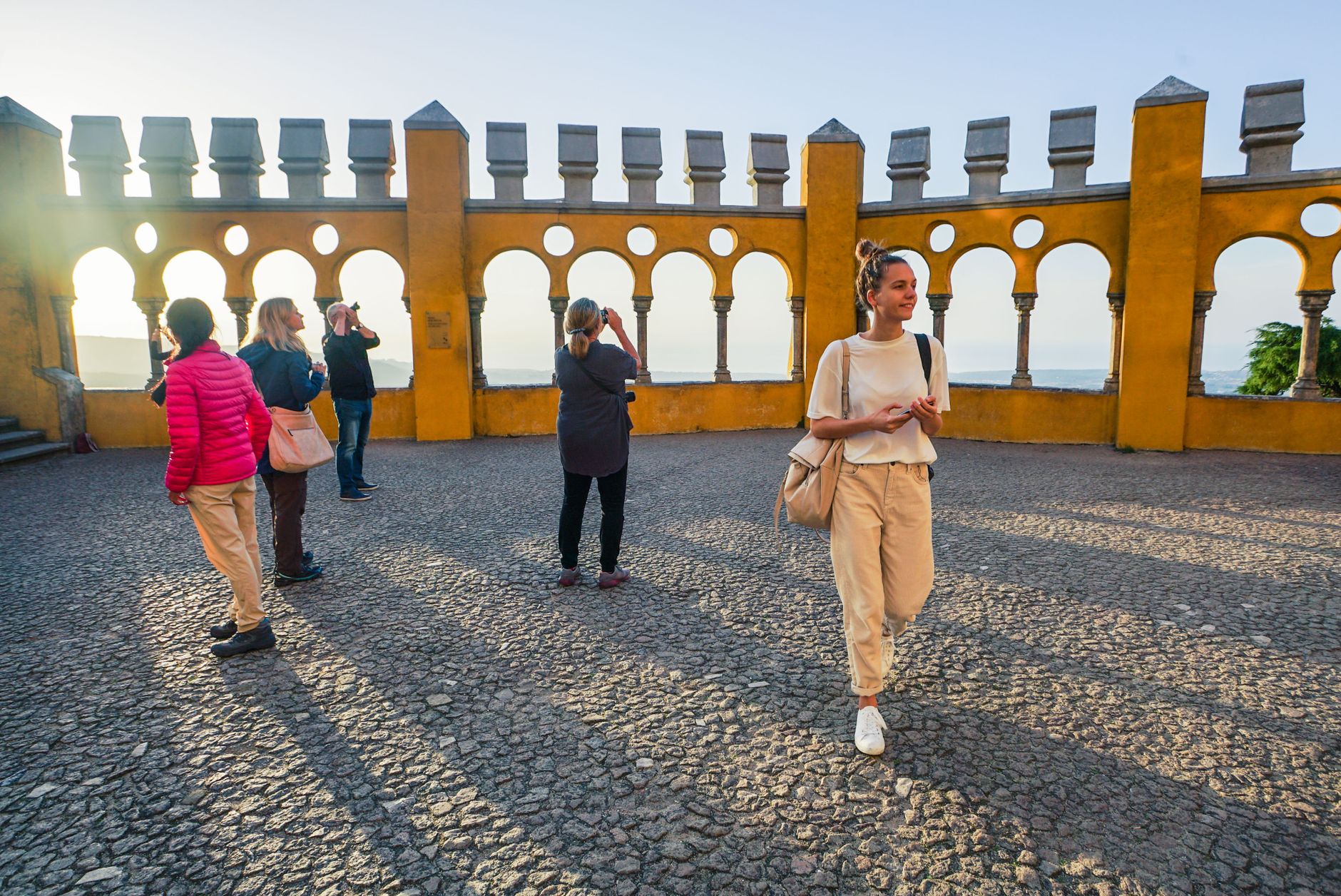
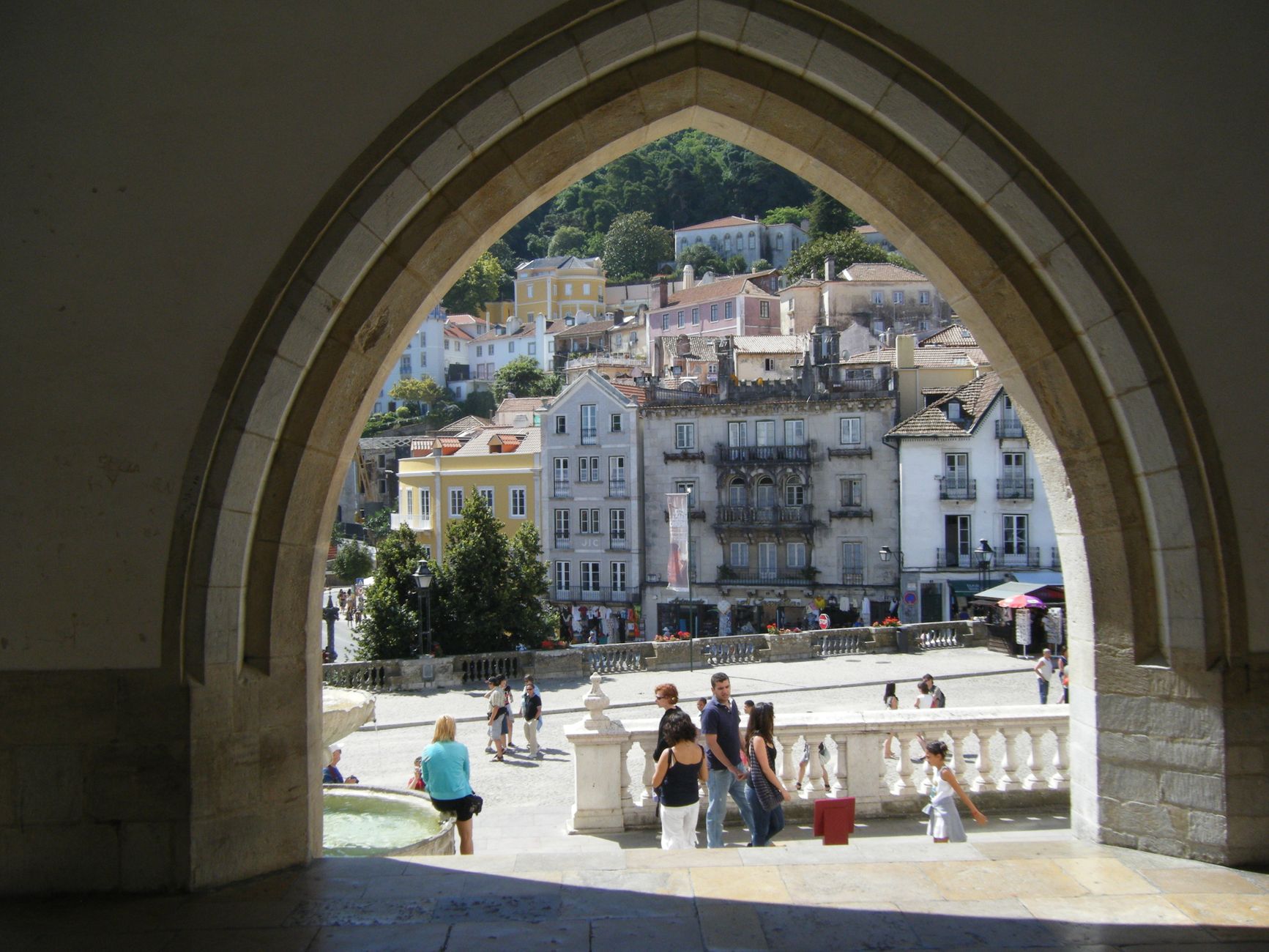
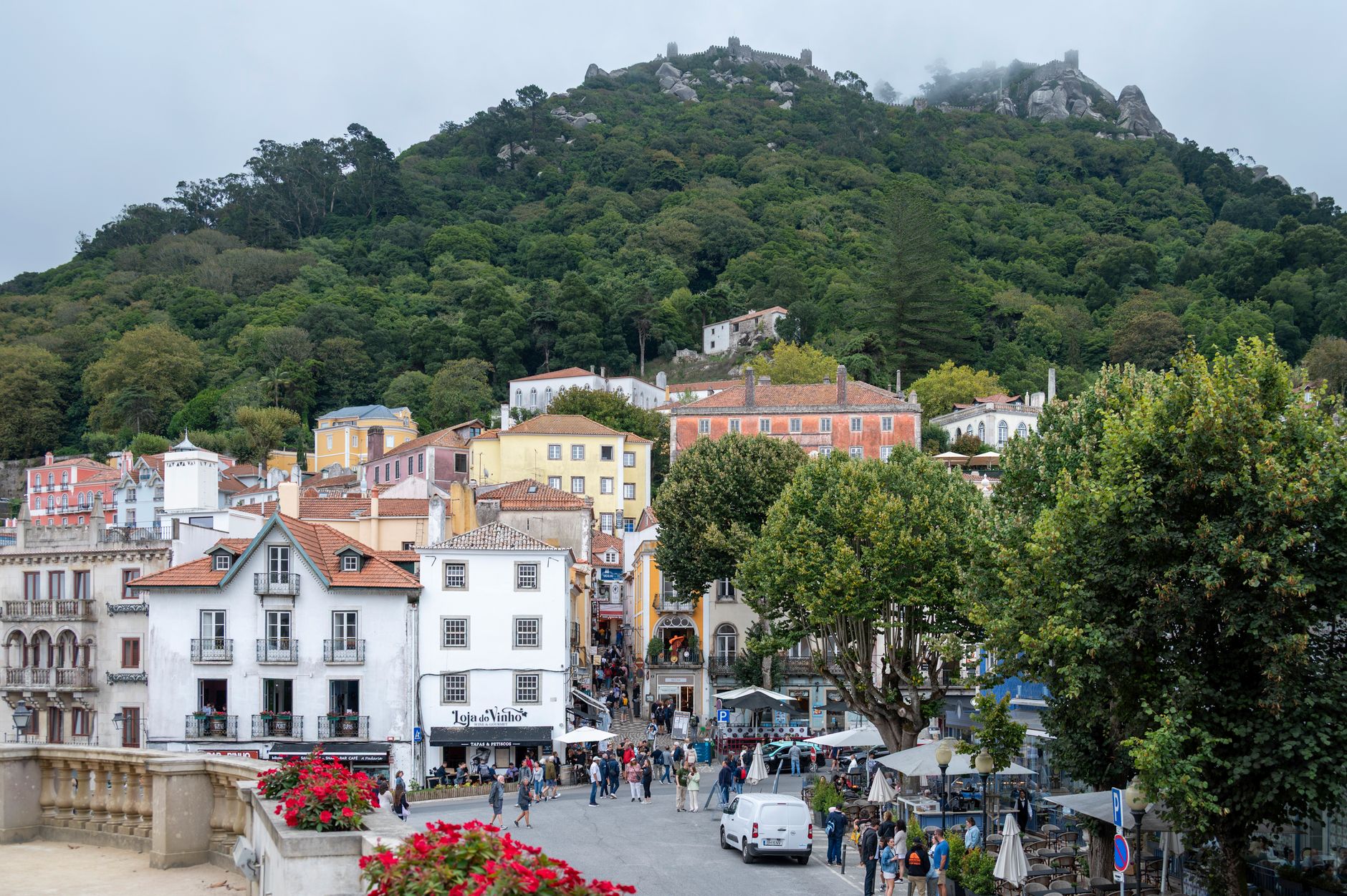
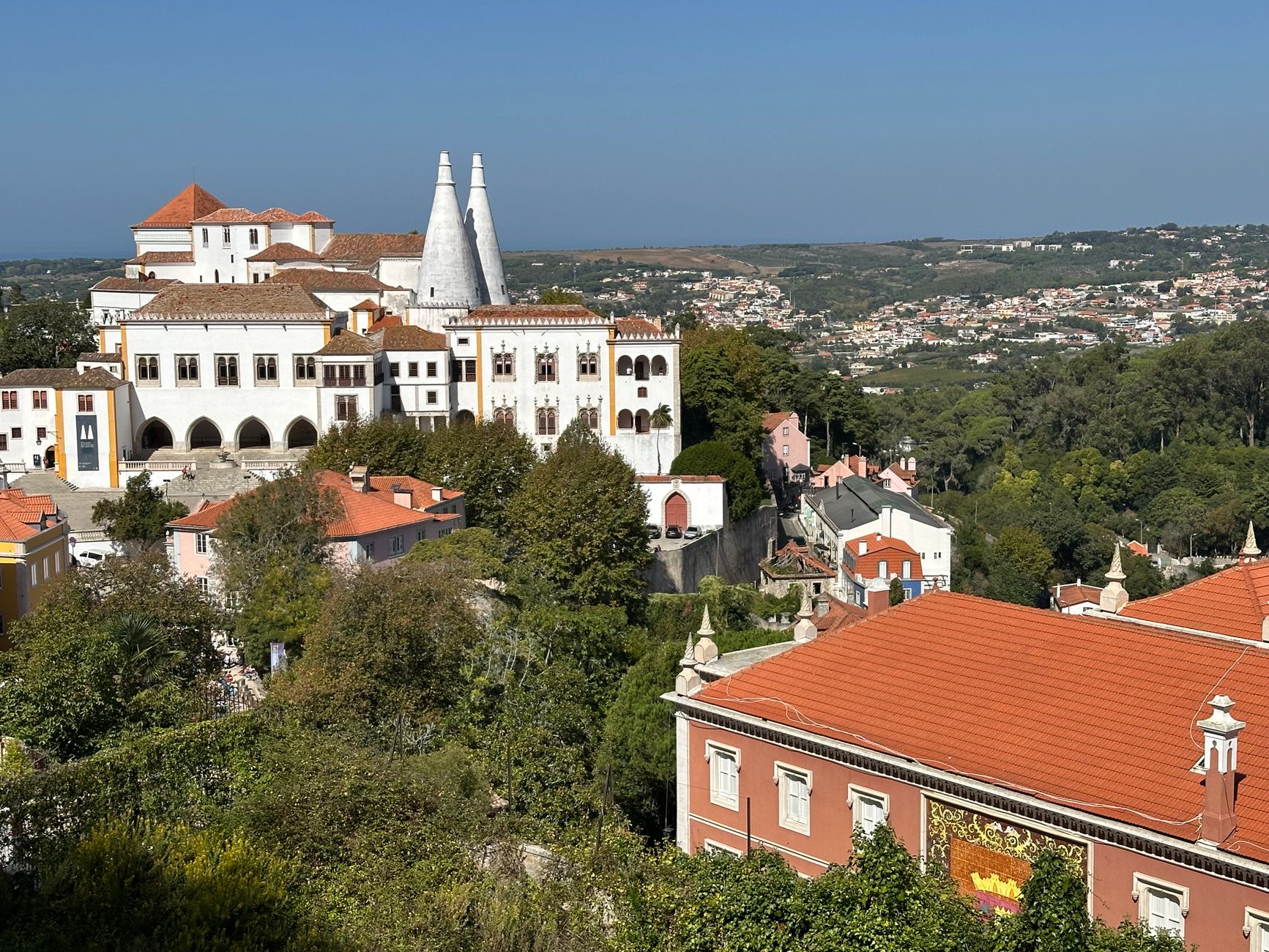
The twin chimneys of the National Palace rise above the old town like something from a fever dream — conical, white, enormous — and they set the tone for everything else Sintra does. This is a place where the landscape itself seems to have encouraged excess: forested hills above the Atlantic, mist that lingers into late morning, a microclimate cool enough that Portuguese kings came here to escape Lisbon summers for centuries.
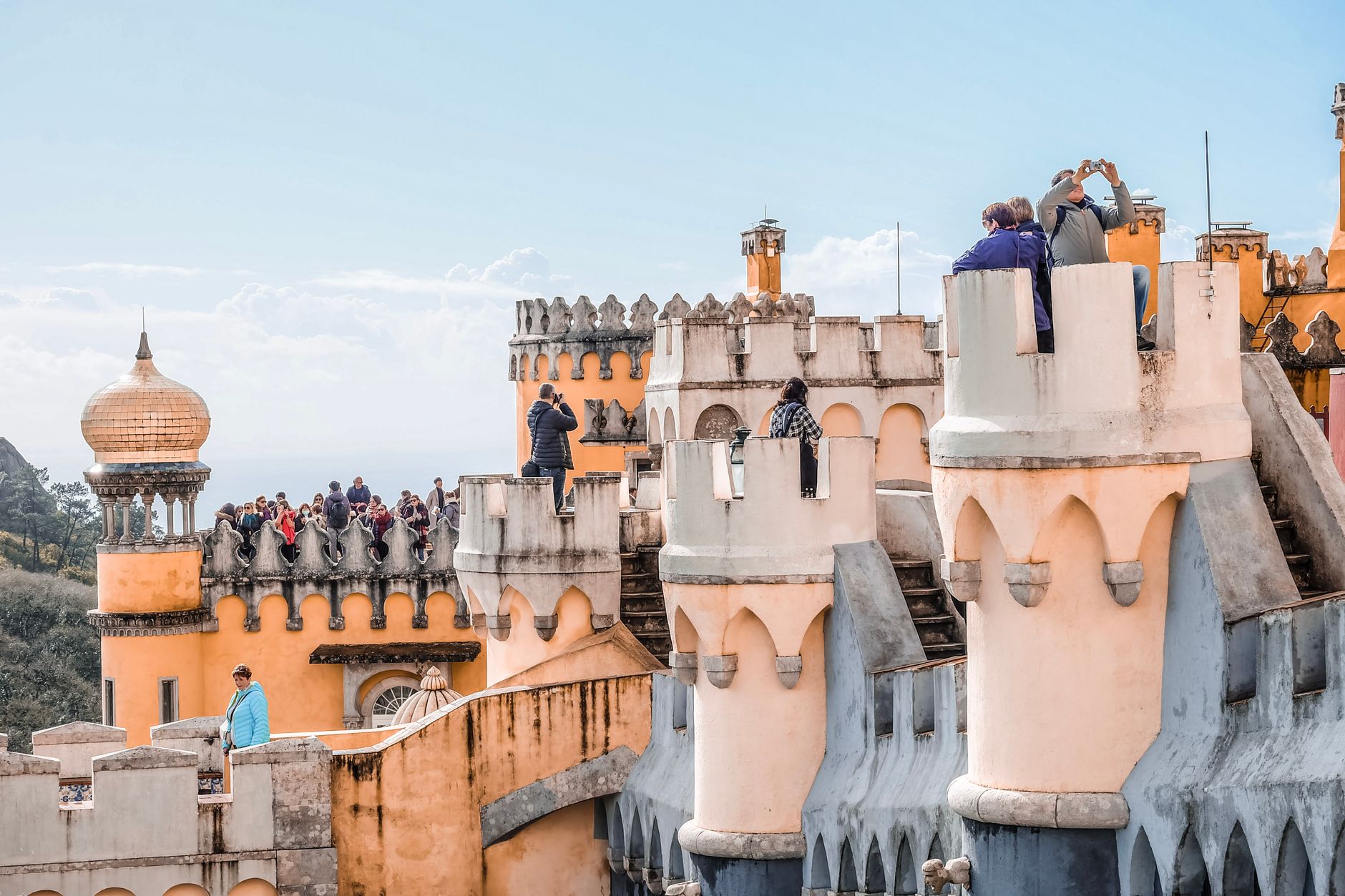
What followed was an accumulation of palaces, convents, and follies unlike anywhere else on the Iberian Peninsula. Moorish battlements, a candy-coloured Romantic palace, a neo-Gothic mansion with cork-lined monks' cells cut into rock — Sintra rewards slow, attentive walking more than ticking off a checklist.
💛 What travellers fall for
People who come back tend to skip Bus 434 after the first visit and hire a tuk-tuk or taxi to pace themselves between the main sites. The Convent of Capuchos — founded 1560, its cells literally carved from rock and lined with cork — consistently surprises those who make the effort, partly because the crowds thin out considerably once you're past Pena.
How Sintra came to be
People have been moving through these hills since the Paleolithic. The Moors built their castle here in the 8th and 9th centuries; in 1147, King Afonso I took it. The National Palace began under Moorish rule and was continuously inhabited by Portuguese royalty from at least the early 15th century, when John I launched a major building campaign, through to the late 19th century.
The chapter that shaped modern Sintra most decisively opened in 1836, when Ferdinand II — an artist-king of the Saxe-Coburg-Gotha line — acquired the ruins of a monastery on the heights above town and began transforming them into Pena Palace, a collage of Gothic, Moorish, Renaissance, and Manueline elements that became the defining statement of European Romantic architecture. The UNESCO World Heritage designation the historic centre holds today is largely a consequence of that single, extravagant vision.
Who and what shaped it
People who shaped it
Landmark buildings
See Sintra in motion
Plan your visit
On the map
When to go
Sintra sits in a microclimate noticeably cooler and wetter than Lisbon, with Atlantic mist frequent even in summer — bring a layer regardless of the season. Spring and early autumn offer the most comfortable walking weather; July and August are busy and can still be overcast in the mornings.
Right now
Background & history adapted from Wikipedia (CC BY-SA) · specs from Wikidata (CC0) · weather from Open-Meteo · map data © OpenStreetMap contributors · photos from Wikimedia Commons / Unsplash with per-image credit. No third-party reviews or social posts reproduced.