
Porto
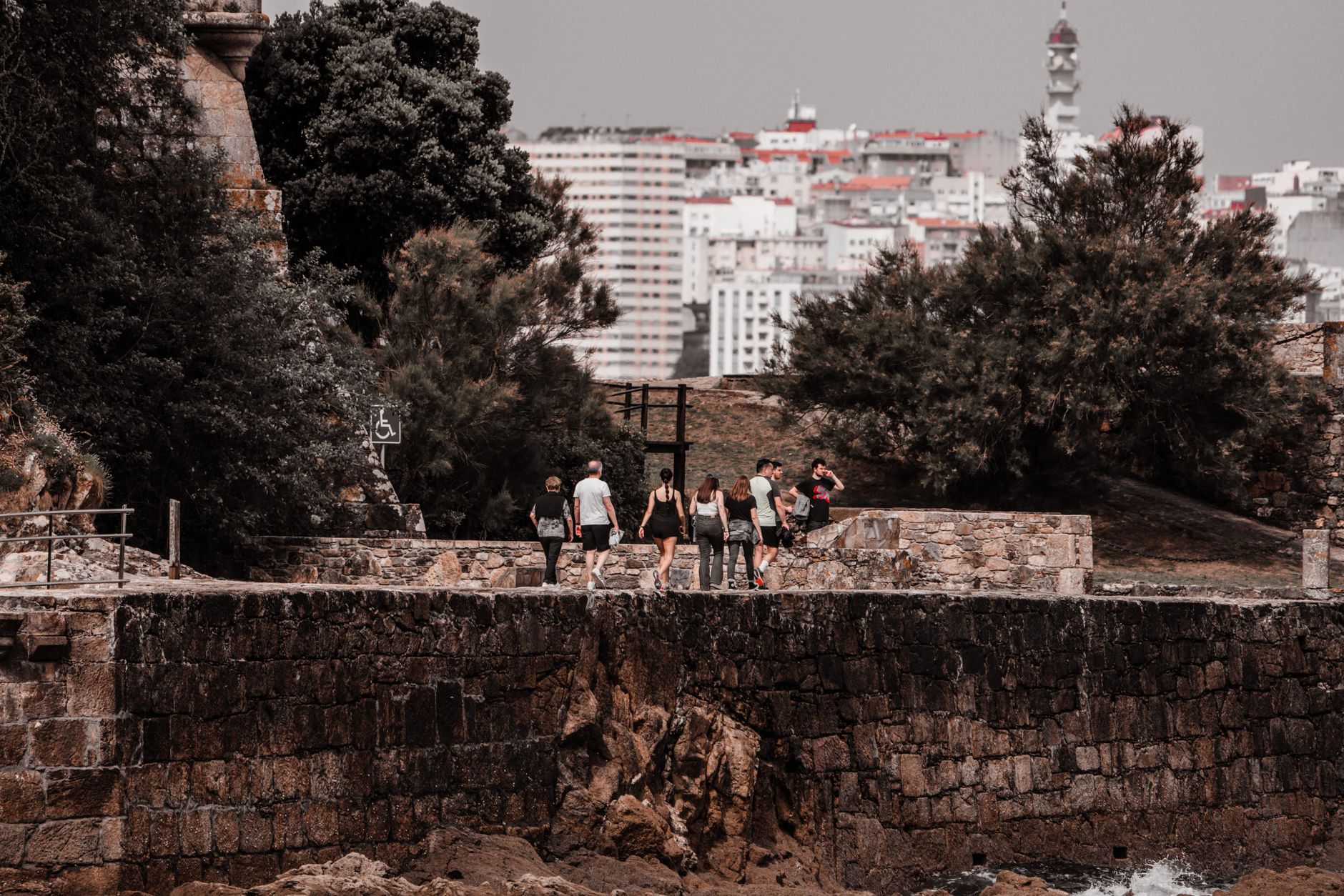
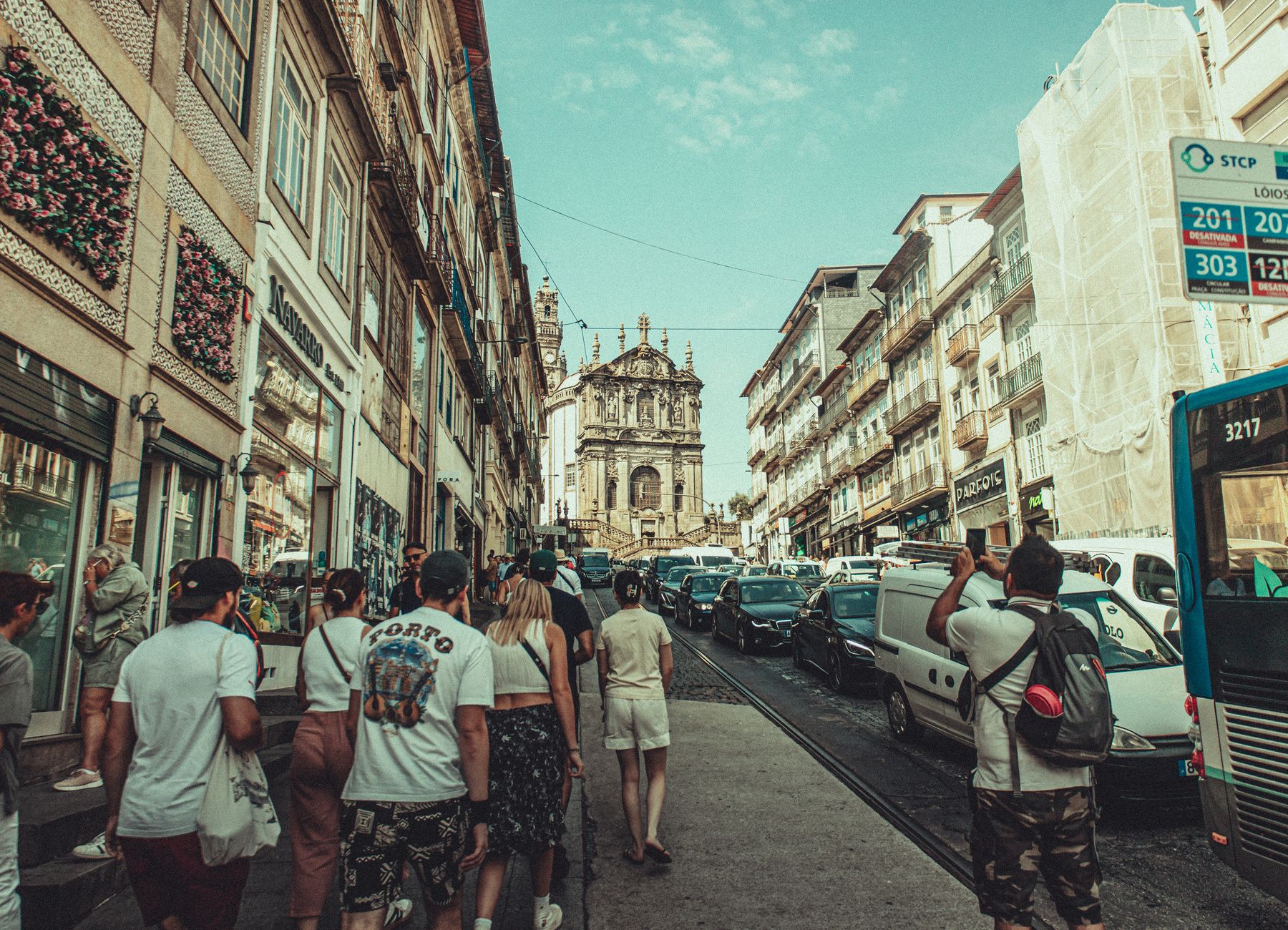
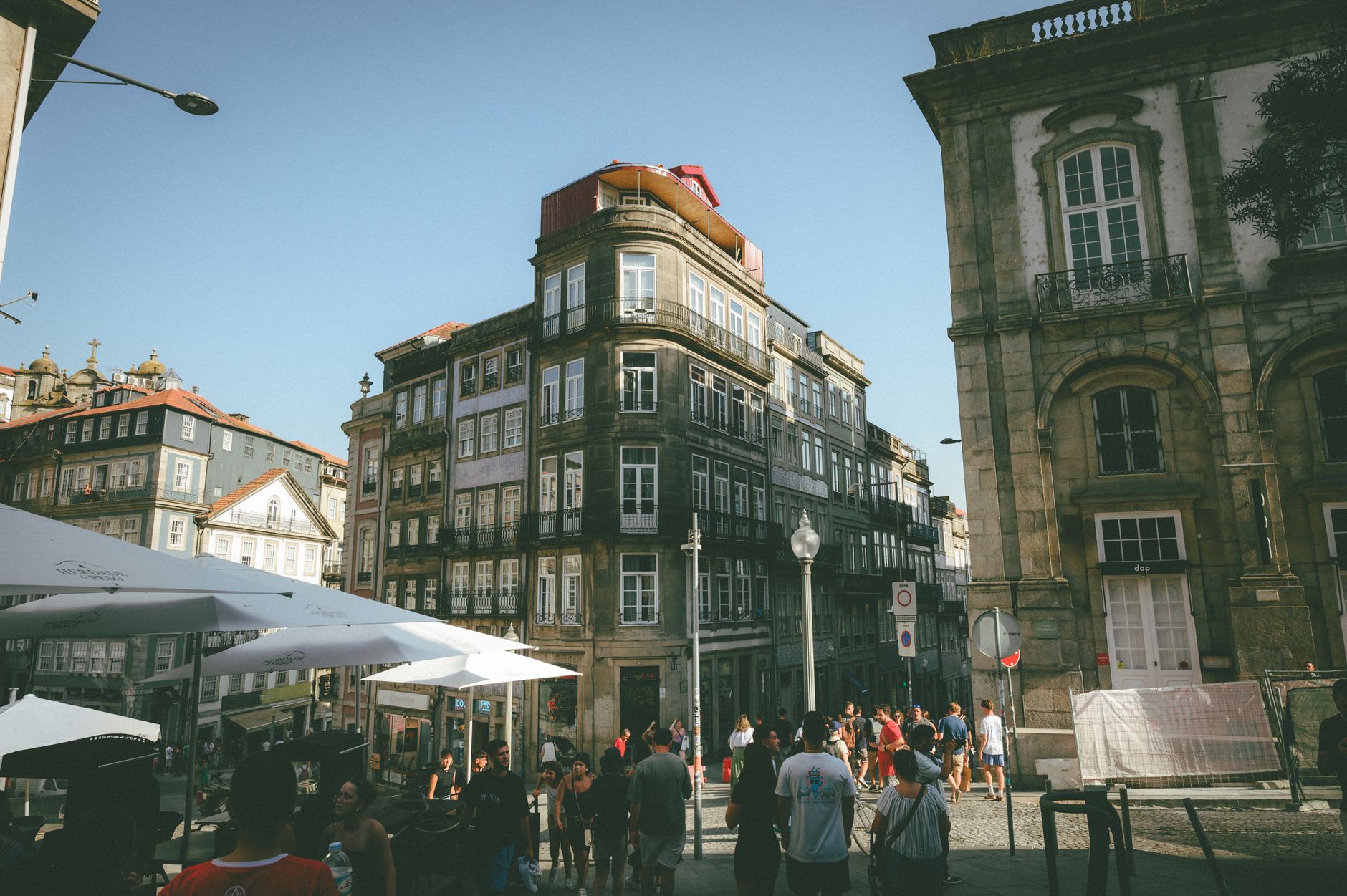
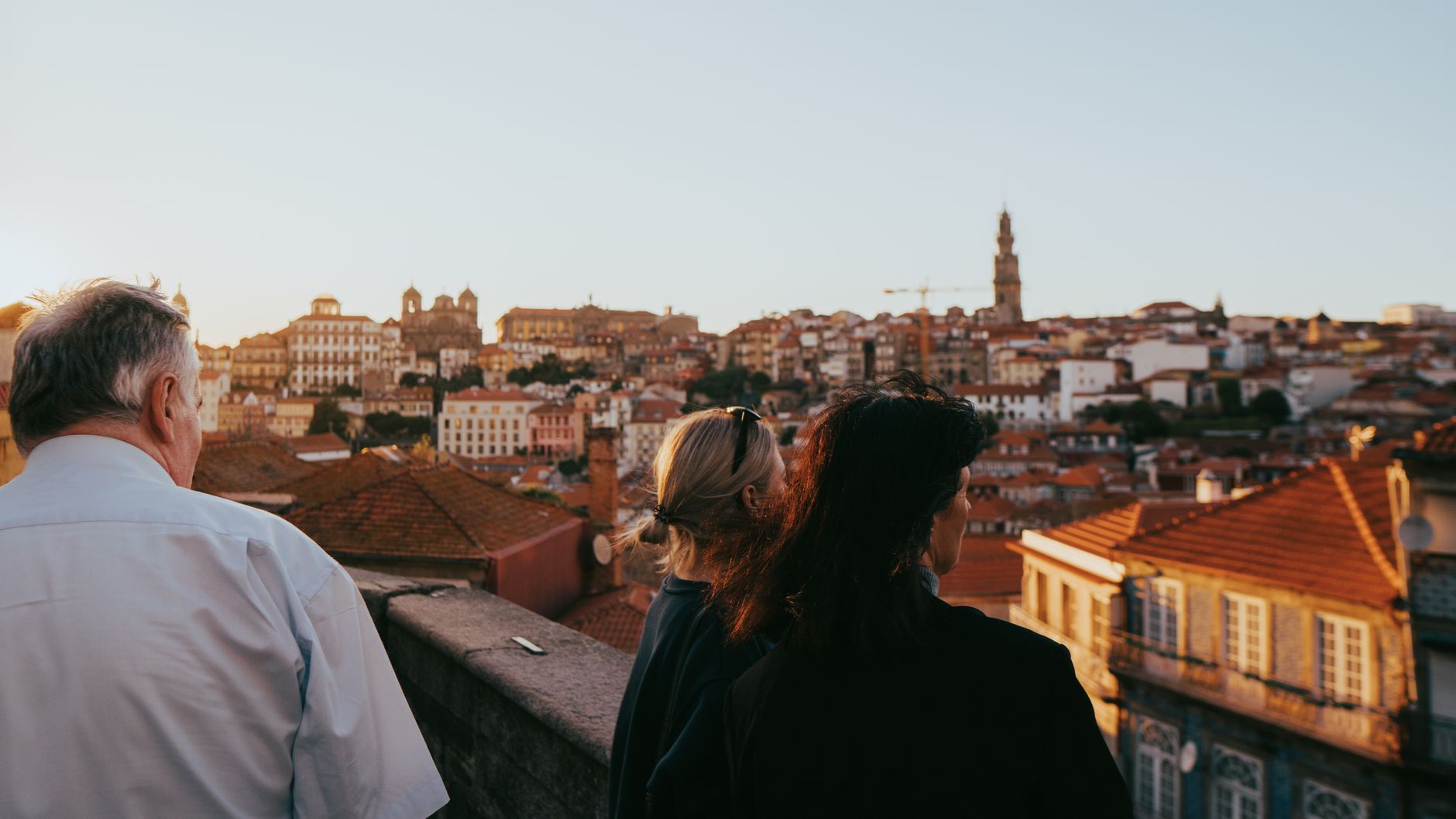
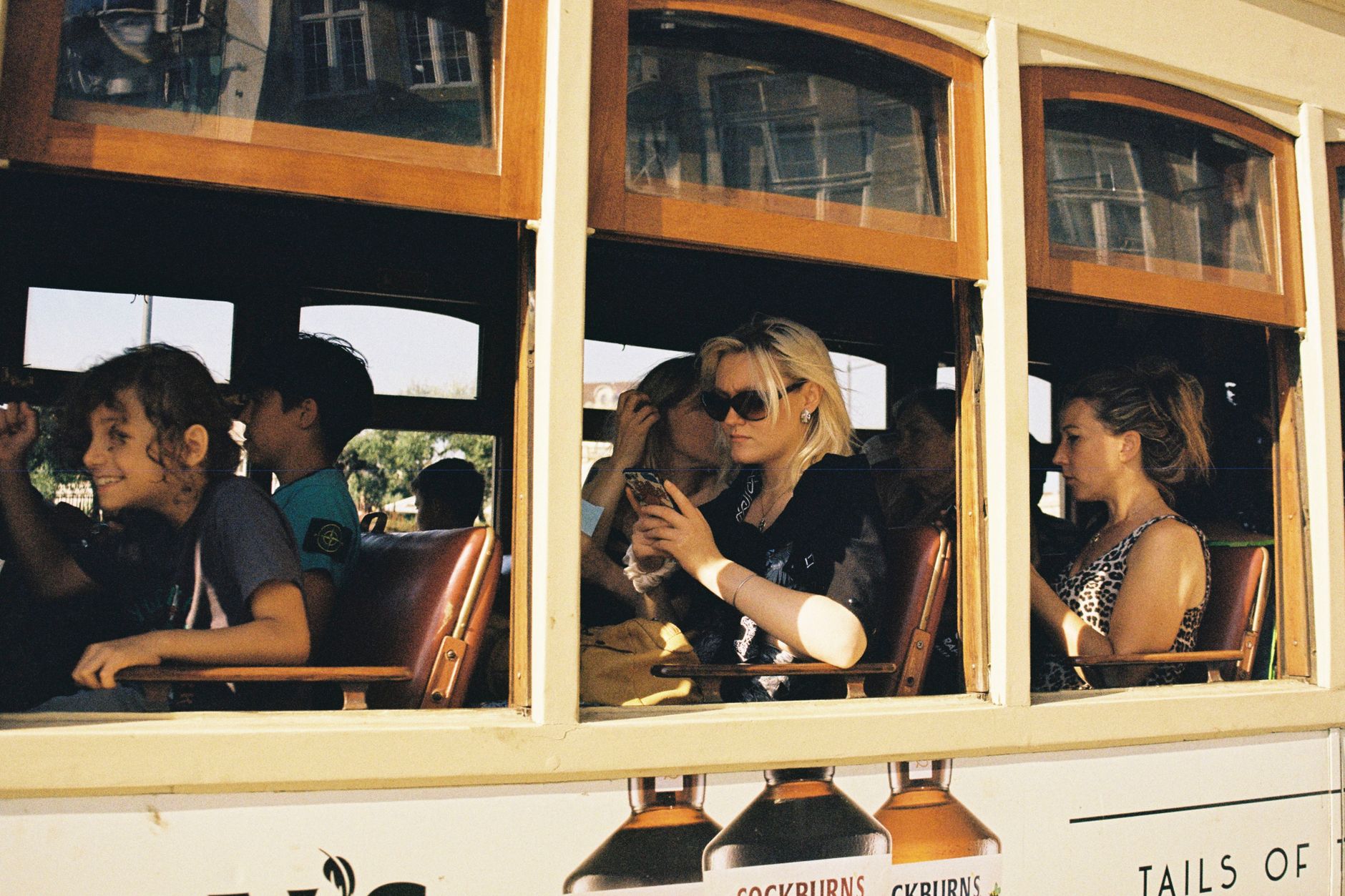
Porto sits where the Douro meets the Atlantic, a city of granite and azulejos that has been trading, shipbuilding and arguing with Lisbon for centuries. The two cities share a country but almost nothing else — Porto is steeper, more weathered, more likely to hand you a glass of wine at eleven in the morning without ceremony.
At its core is the Ribeira waterfront, the medieval cathedral district climbing above it, and a tangle of neighbourhoods where Baroque churches shoulder up against contemporary architecture. Two Pritzker Prize-winning architects have left their mark here. So did Gustave Eiffel.
💛 What travellers fall for
People who come back tend to establish routines quickly — a particular café near Mercado do Bolhão, a favourite spot on the upper deck of the Dom Luís I Bridge at dusk. The metro from the airport is genuinely straightforward on the purple line, and most of the city's weight is walkable from Trindade once you accept that almost every walk involves a hill.
How Porto came to be
The name of an entire nation traces back to this single riverbank. When Roman general Decimus Junius Brutus Callaicus arrived at a Celtic settlement called Cale around 136 BC, he established a port — Portus Cale — whose name would eventually become both Porto and Portugal. The city passed through Moorish control between 714 and 741, when Alfonso I of Asturias reconquered it, and in 868 the Galician nobleman Vímara Peres fortified the region between the Minho and Douro, founding the County of Portucale.
In 1387, the marriage of John I and Philippa of Lancaster here sealed the Anglo-Portuguese alliance — still the oldest active military alliance in the world. Porto's citizens carry the nickname tripeiros, tripe eaters, because the best cuts of meat were given to the sailors of Henry the Navigator's voyages, leaving residents with the offal. The city earned its other epithet, Cidade Invicta — Unvanquished — after holding out through an eighteen-month absolutist siege in 1832–1833.
Who and what shaped it
People who shaped it
Landmark buildings
See Porto in motion
Plan your visit
On the map
When to go
Summers are warm and mostly dry, with Atlantic breezes keeping temperatures manageable through July and August. Winter brings rain and mild cold — the city stays open and navigable, but pack accordingly from November through February.
Right now
Background & history adapted from Wikipedia (CC BY-SA) · specs from Wikidata (CC0) · weather from Open-Meteo · map data © OpenStreetMap contributors · photos from Wikimedia Commons / Unsplash with per-image credit. No third-party reviews or social posts reproduced.