
Azores
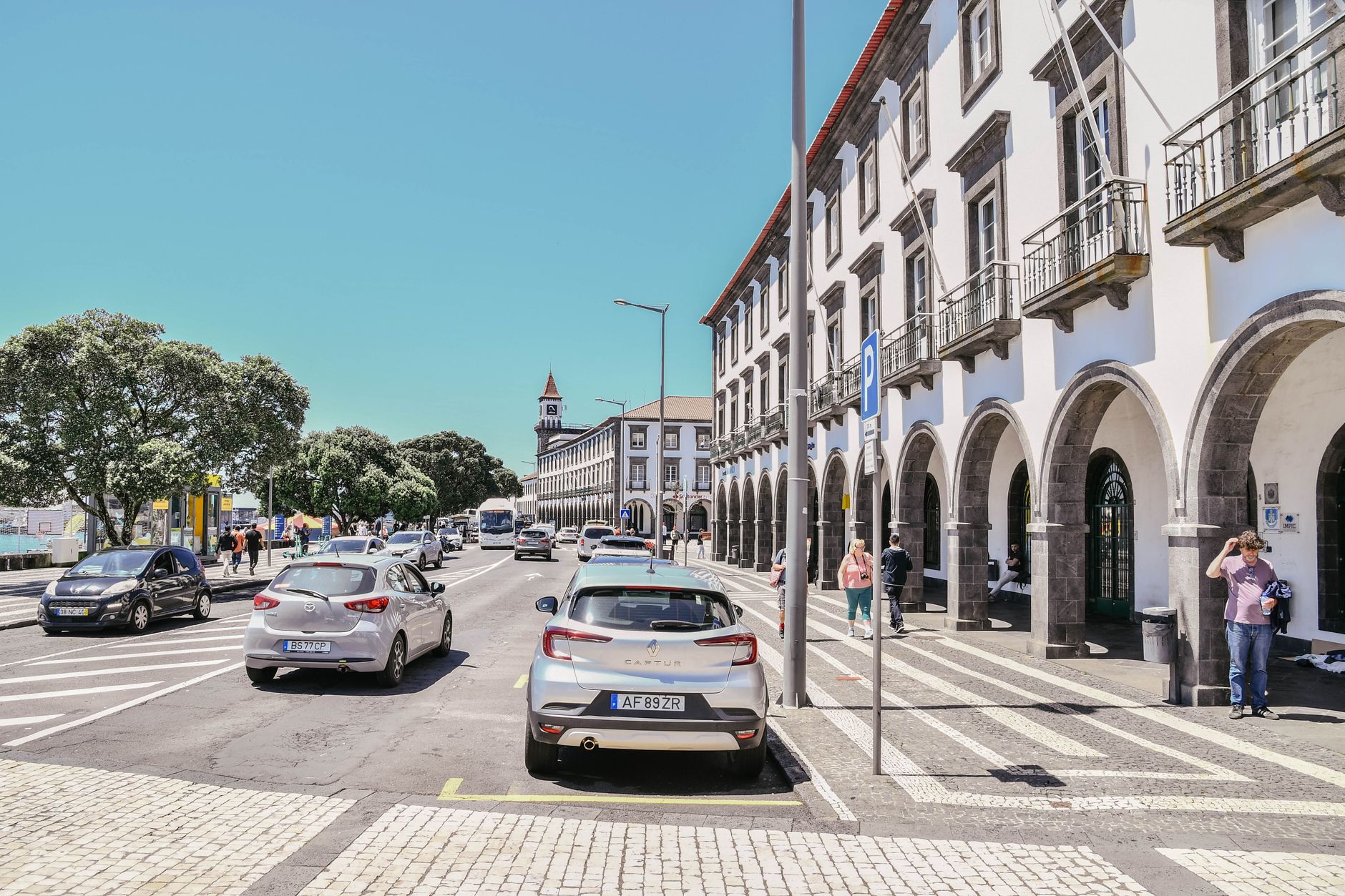
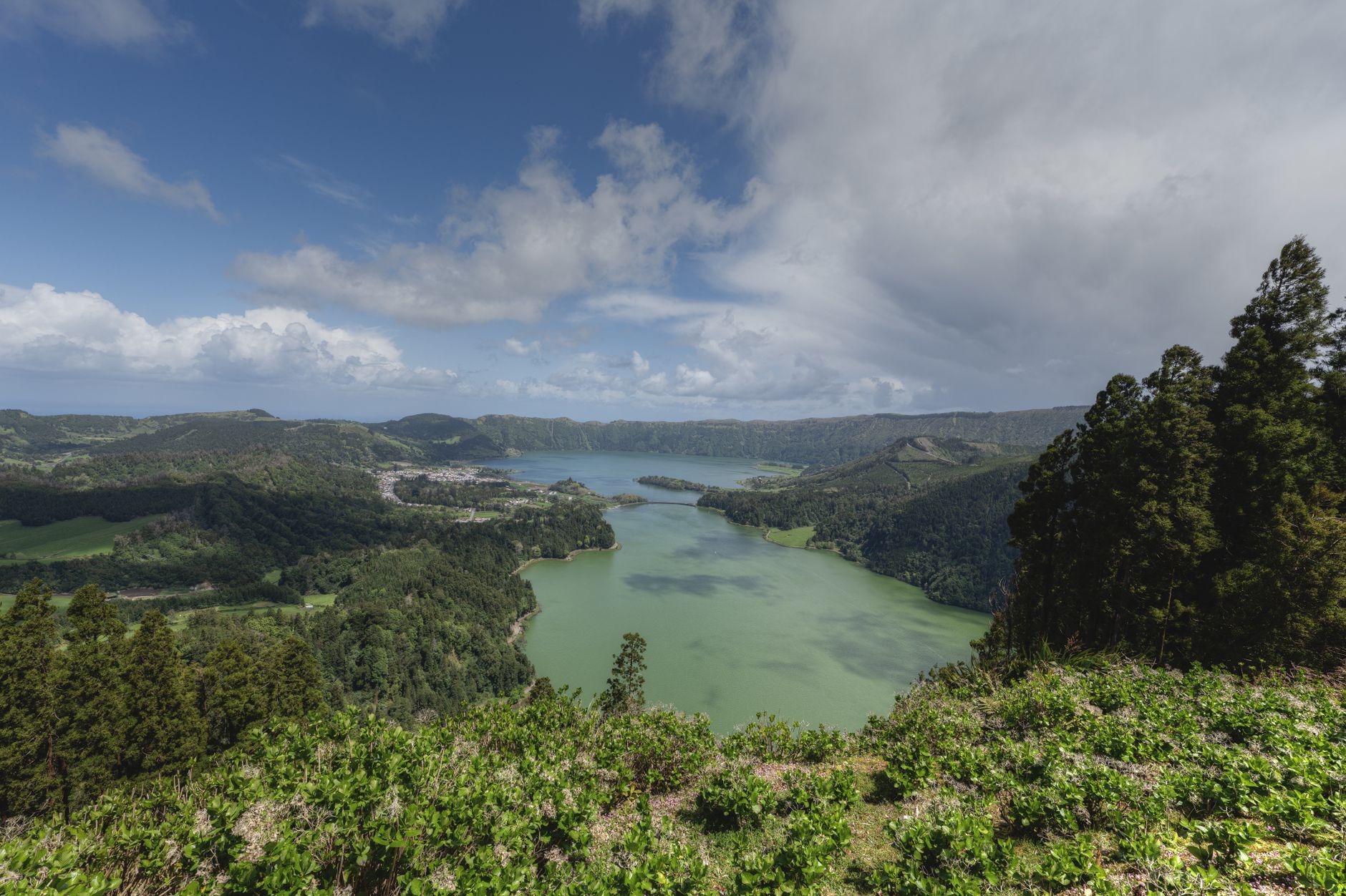
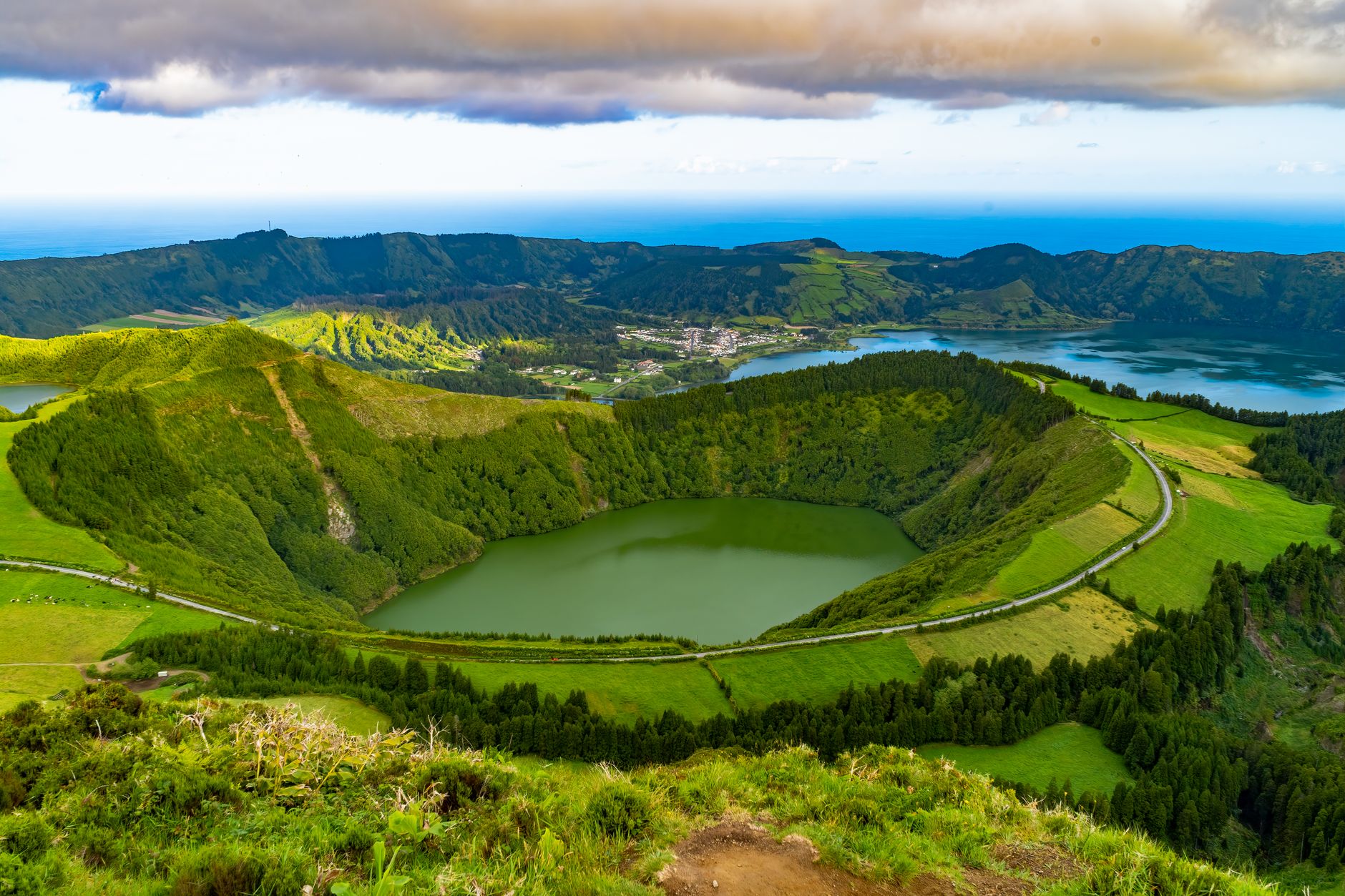
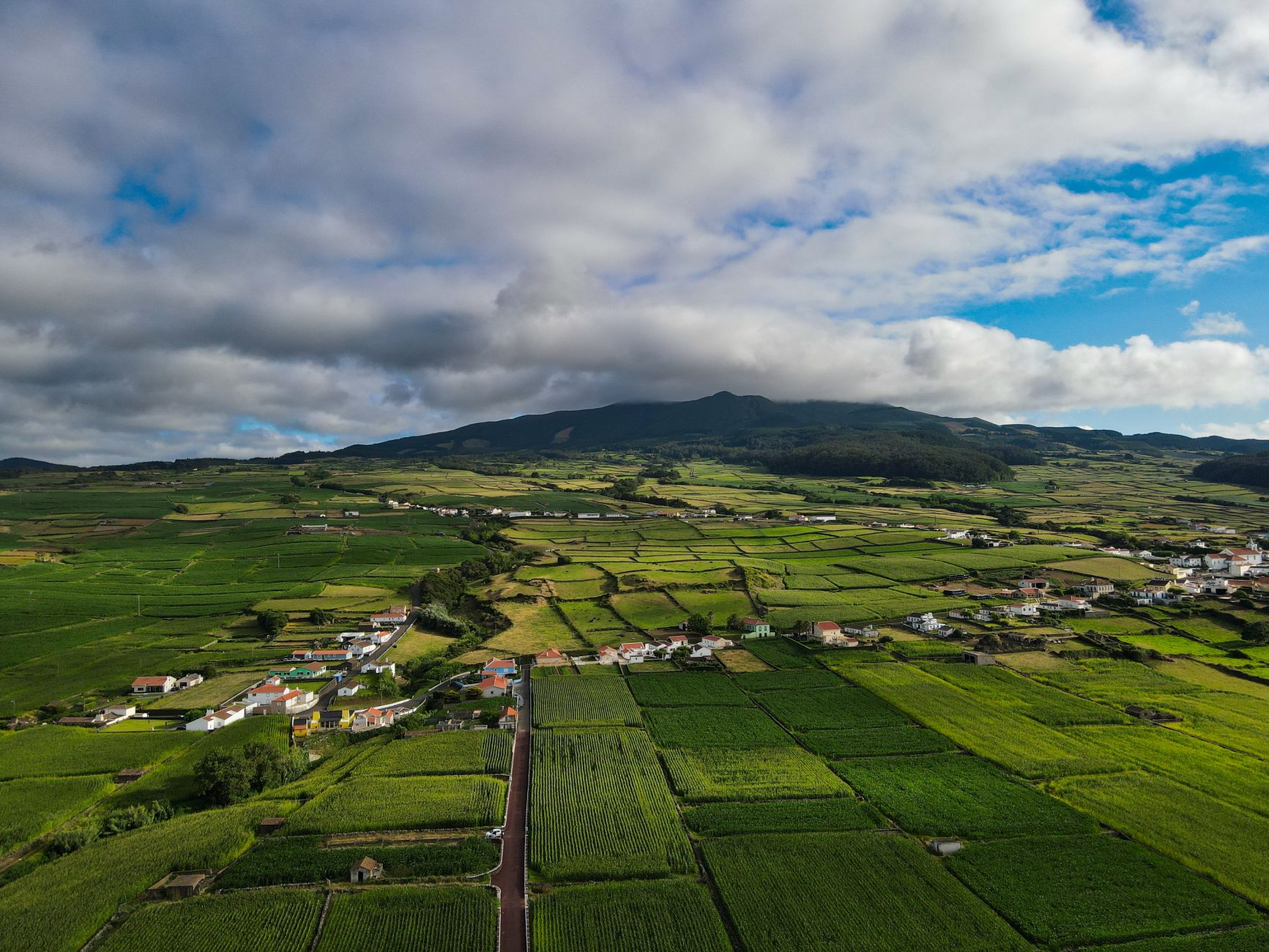
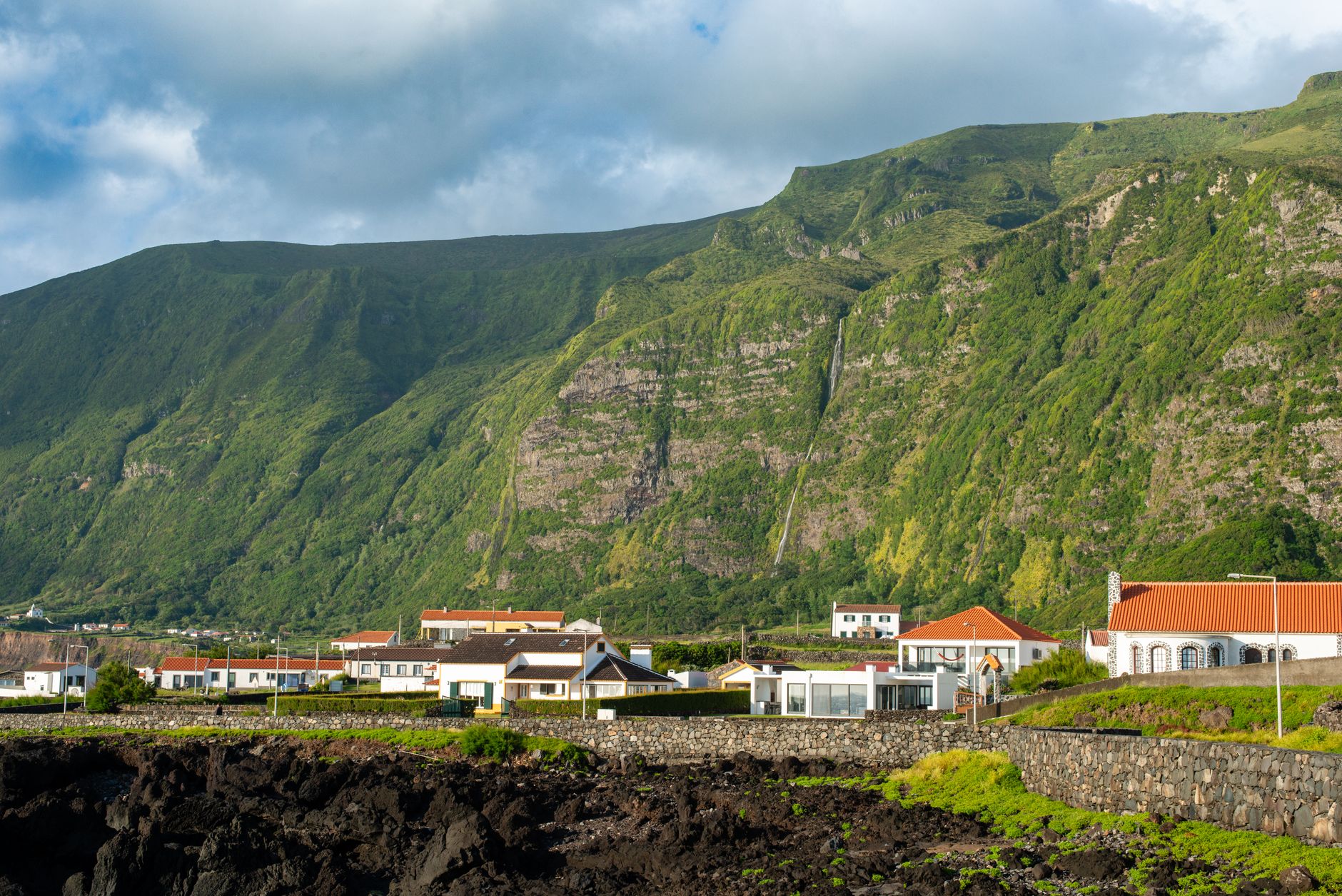
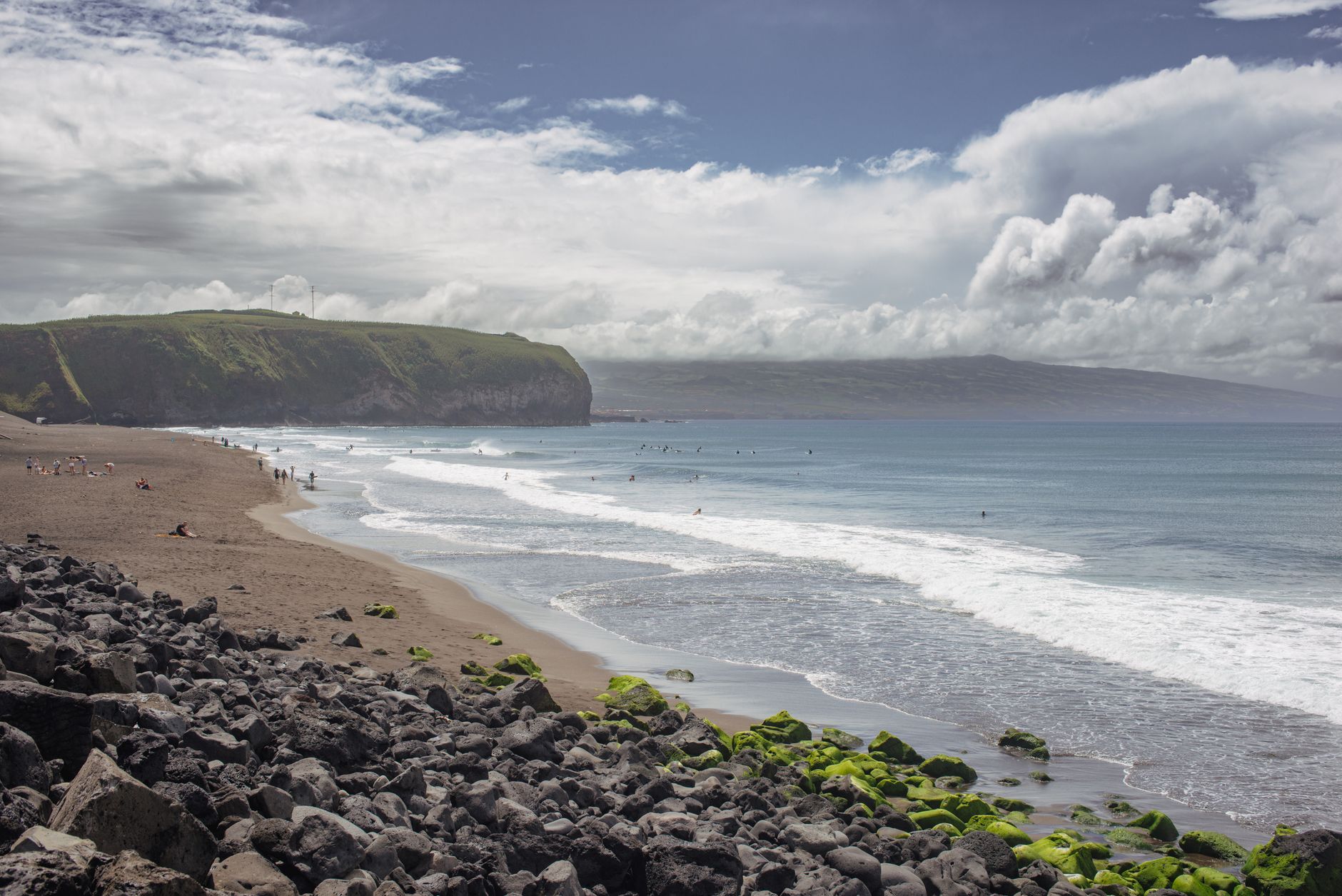
Nine volcanic islands scattered across the mid-Atlantic, roughly 1,500 kilometres west of Lisbon — the Azores sit on their own, answerable to no continent. The landscape reads like geology made visible: calderas filled with cold green water, vineyards grown inside lava-stone walls low enough to cut the wind, a volcano that is the highest point in all of Portugal. Each island has its own character, and moving between them — by a 30-minute ferry crossing or a short prop-plane hop — is part of the experience itself.
São Miguel is where most visitors land and many stay longest, but the archipelago rewards those who push further. Terceira carries a UNESCO-listed city still bearing earthquake scars from 1980. Pico's silhouette is a near-perfect cone. Flores and Corvo, at the western edge, feel genuinely remote. Come with time to spare, and an appetite for rain.
💛 What travellers fall for
People who return tend to island-hop differently each trip — one visit built around São Miguel and Terceira, the next around Pico, Faial and the 30-minute ferry crossing between them. Book your rental car two or three months out for summer; the agencies genuinely run dry. And bring layers whatever the season.
How Azores came to be
Portuguese navigator Diogo de Silves reached Santa Maria and São Miguel around 1427, and colonisation began in earnest by 1439 under the overlordship of Prince Henry and regent Prince Pedro. The first settlement took hold on Santa Maria; São Miguel followed in 1444 under Gonçalo Velho Cabral. Flores and Corvo were reached around 1452. Settlers came from across the Iberian peninsula and beyond — Flemings, French, Italians, English, Moorish and Jewish communities among them — giving the islands a more mixed founding population than is often assumed.
There are older traces still. Sediment cores from the islands show signs of livestock and land-clearing fires dating to 700–850 CE, centuries before the Portuguese arrived, and genetic evidence in the island mice points toward Northern Europe — possibly Norse sailors, though no settlement has been confirmed. Since 1976, the Azores has governed itself as an autonomous region within Portugal.
Who and what shaped it
People who shaped it
Landmark buildings
See Azores in motion
Plan your visit
On the map
When to go
The Azores have a subtropical oceanic climate: summers are warm and relatively settled, winters cool, wet and prone to wind. Rain can arrive in any month, and the western islands — Flores especially — see more of it than most. Pack a light waterproof regardless of when you travel.
Right now
Background & history adapted from Wikipedia (CC BY-SA) · specs from Wikidata (CC0) · weather from Open-Meteo · map data © OpenStreetMap contributors · photos from Wikimedia Commons / Unsplash with per-image credit. No third-party reviews or social posts reproduced.