
Region

Coimbra

Coimbra
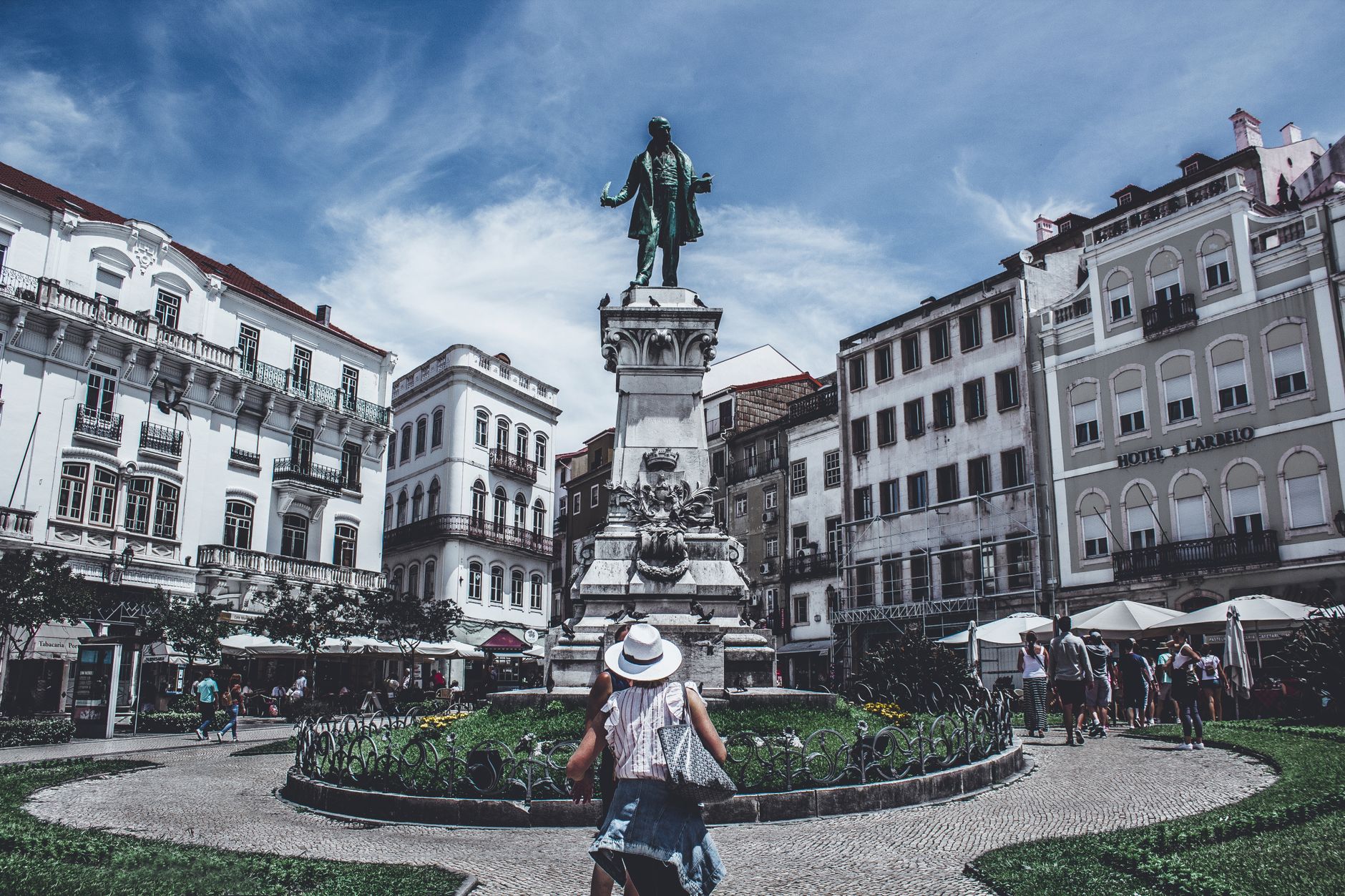
Photo by Alexjo on Pexels
Coimbra
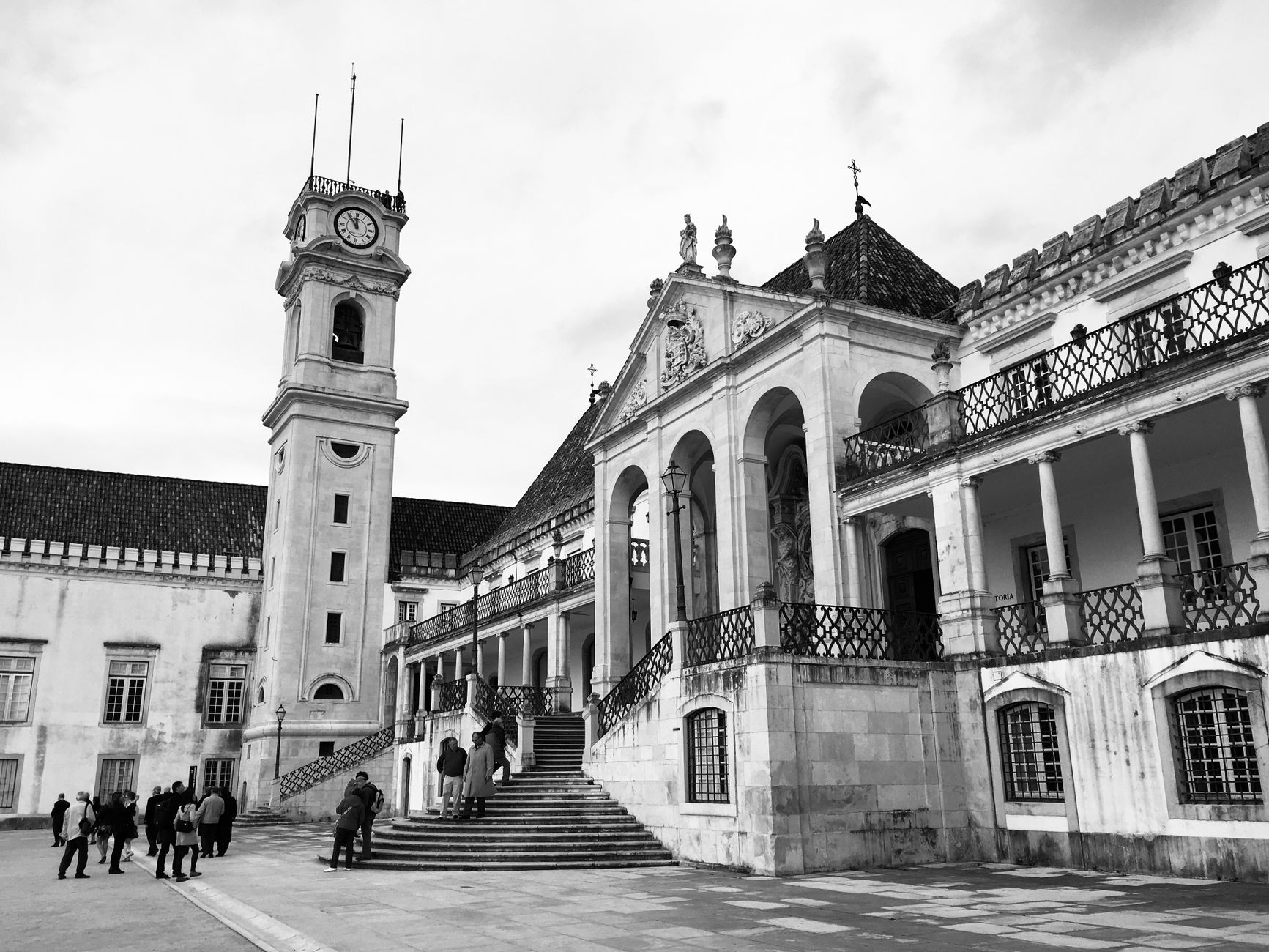
Photo by FILIPE SAMUEL BALTAZAR FERNANDES on Pexels
Coimbra
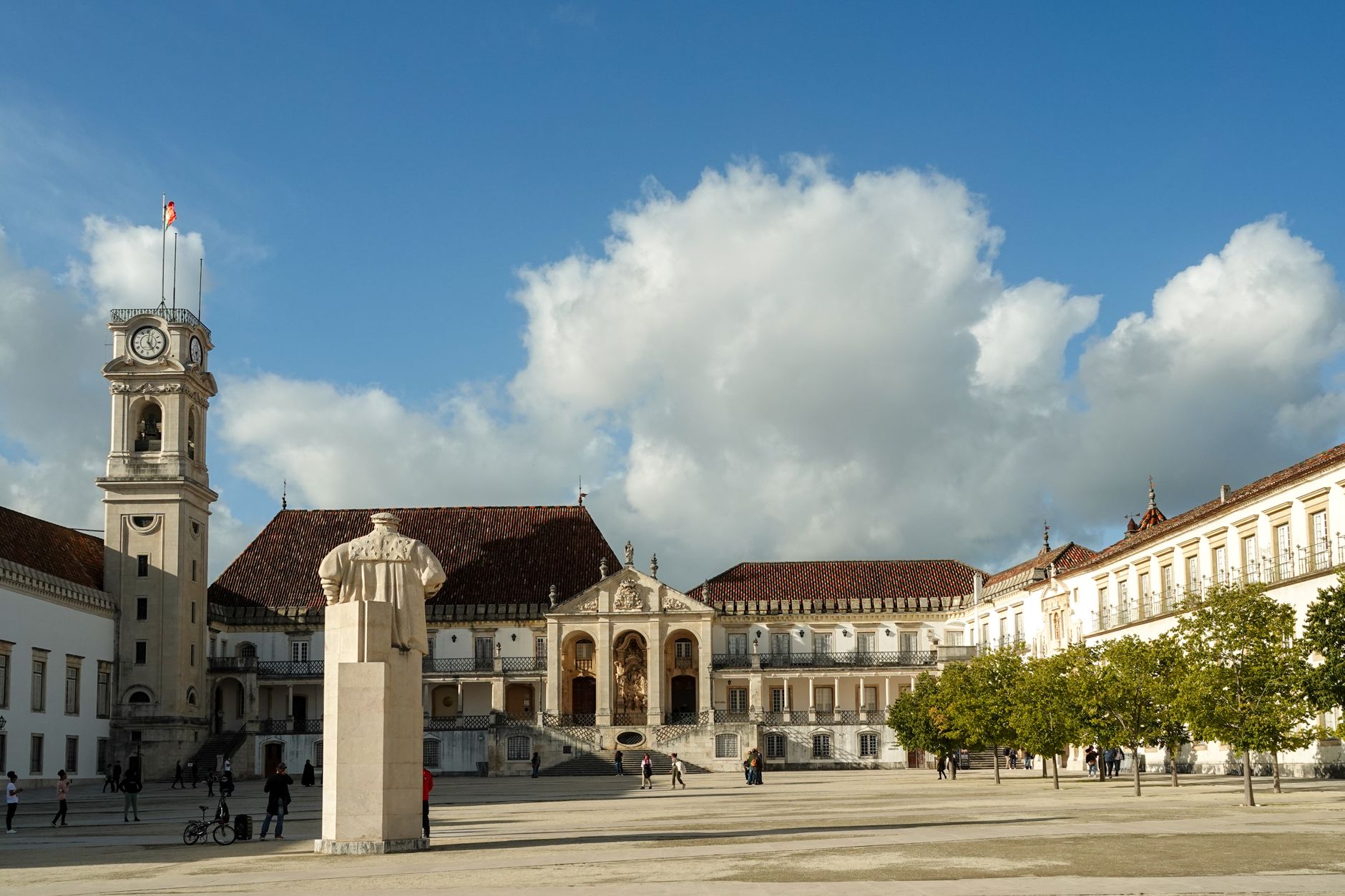
Photo by Carlos Machado on Pexels
Coimbra
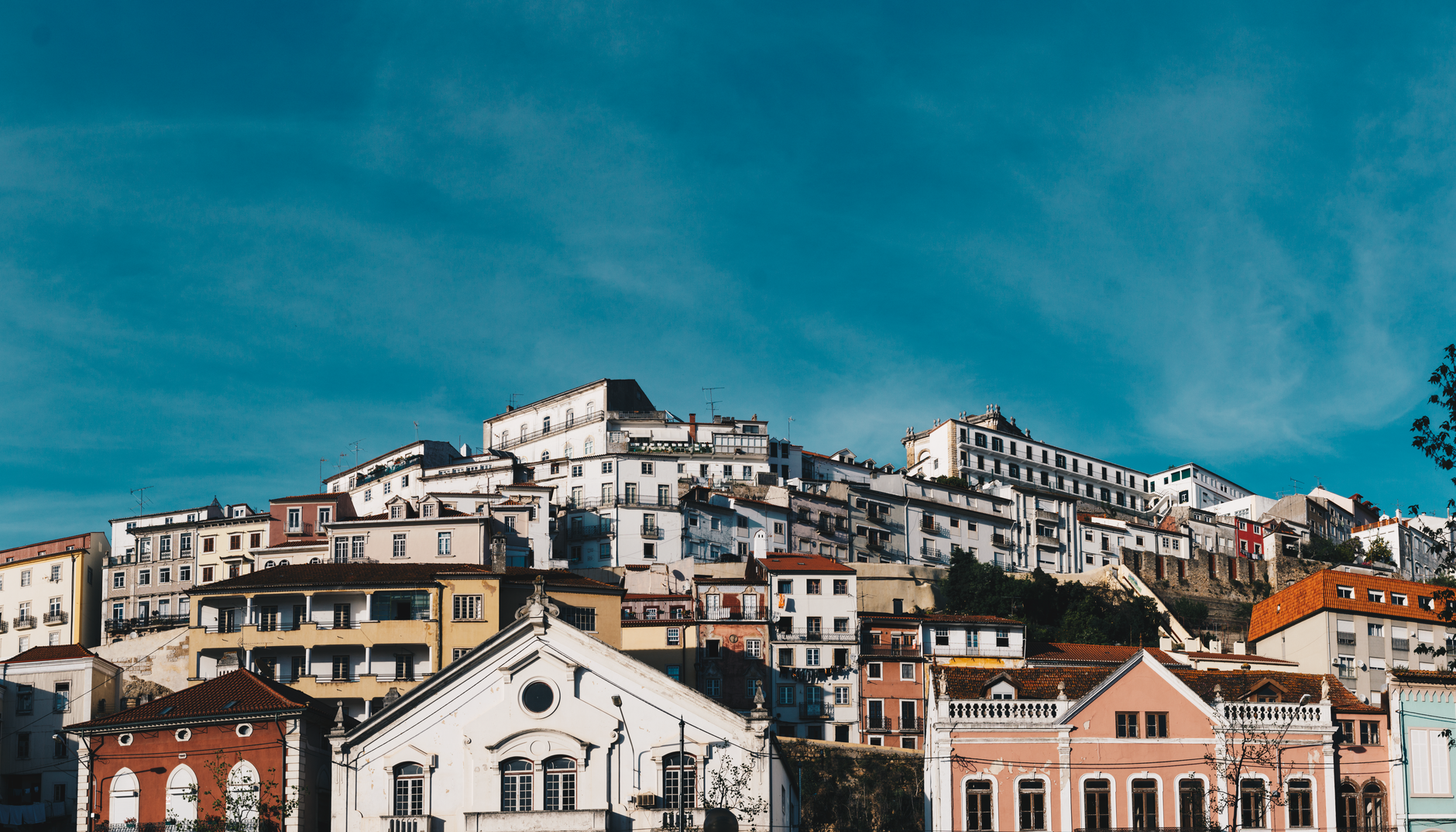
Photo by João Jesus on Pexels
Coimbra
Photo by Sergey Guk on Pexels
Coimbra
Photo by Egor Kunovsky on Pexels
City break Culture & history

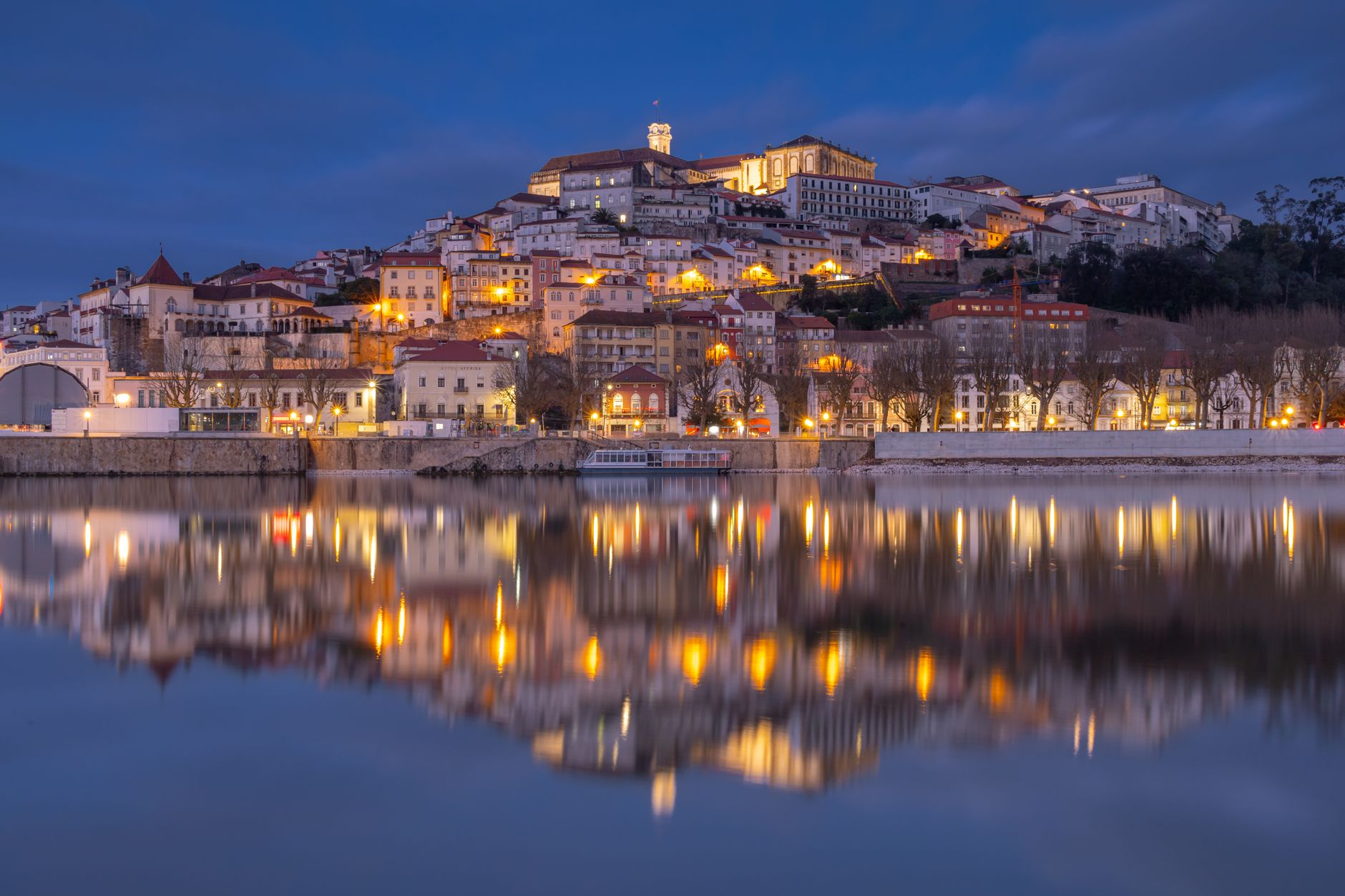
Coimbra runs up a hill above the Mondego River, and at the top sits a university that has been shaping Portuguese thought since 1290. The tower's bells still regulate the academic day, the Baroque library inside still relies on a colony of bats to keep the manuscripts free of insects, and the old city below still orients itself around student life in ways that feel less like heritage and more like habit.

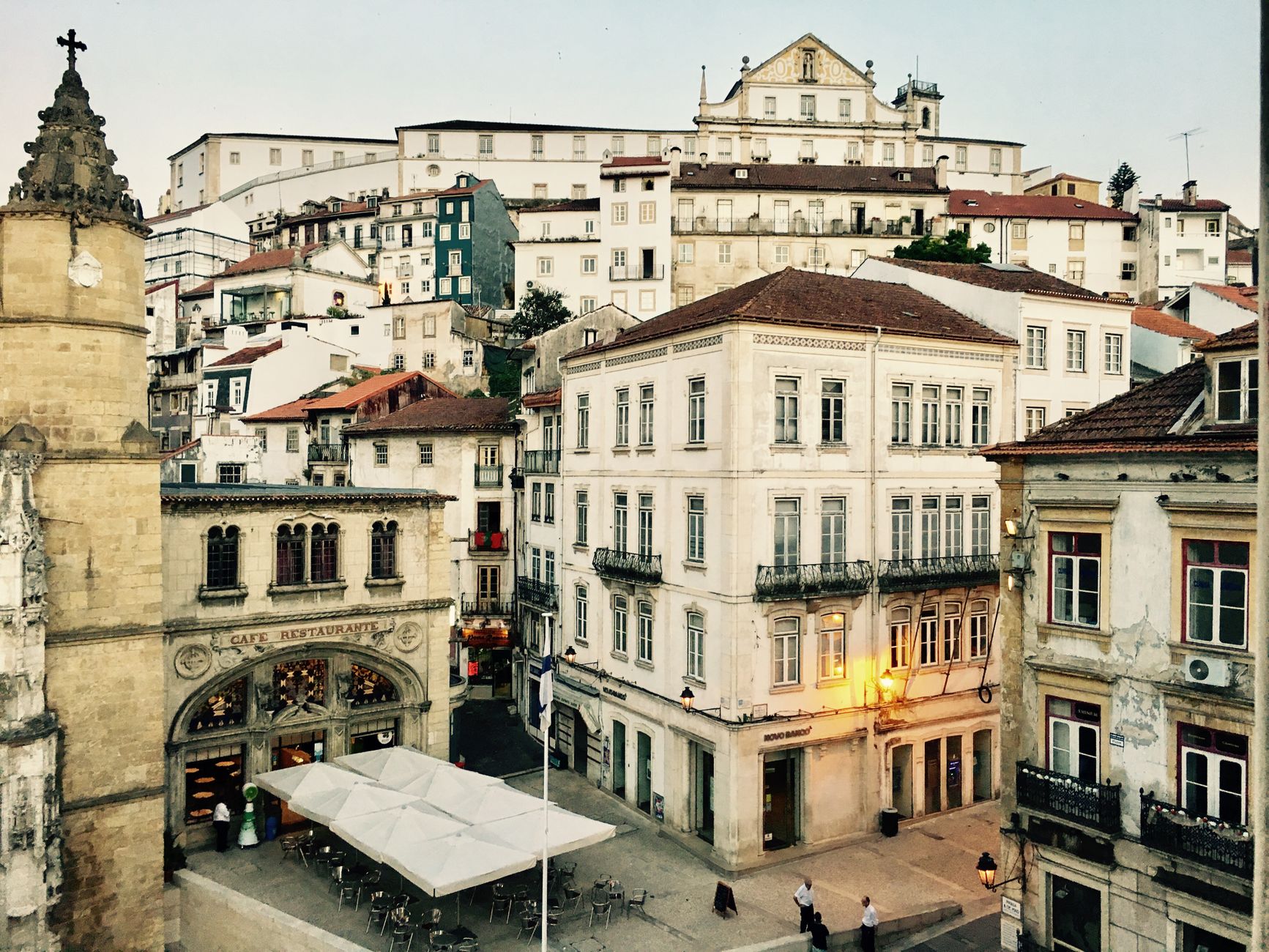
It was Portugal's first capital, and that weight shows — in the Romanesque cathedral built during the reign of the country's founding king, in the Gothic ruins of a convent that kept flooding until it was abandoned entirely, in streets that climb and turn and open onto views you didn't expect.

Good to know
Every Lisbon–Porto train stops here, and the Alfa Pendular from Porto takes just over an hour. Book your Joanina Library ticket at least two days ahead — timed entry only. The first week of May brings mild weather and a city at its most alive. Two full days covers the essentials comfortably; three lets you slow down.
The story

How Coimbra came to be

The Romans founded a settlement here called Aeminium under Augustus, and by the 6th century the city had absorbed the role of episcopal seat from the nearby ruins of Conimbriga. It became Portugal's first capital in 1139 under Afonso Henriques, the country's founding monarch, and held that status until 1255.

The university arrived in 1290 — founded in Lisbon, moved to Coimbra in 1308, then shuttled back and forth until King John III permanently installed it here in 1537, granting the institution a royal palace on the hill. The campus, along with the city's historic core, was designated a UNESCO World Heritage site in 2013. Saint Anthony of Padua studied at the Monastery of Santa Cruz here as an Augustinian monk; Padre António Vieira was held at the Jesuit College awaiting an Inquisition trial.

People & landmarks

Who and what shaped it

People who shaped it

Saint Anthony of Padua
Studied at the Monastery of Santa Cruz as an Augustinian monk.
Padre António Vieira
Portuguese Jesuit, missionary, orator and philosopher who lived at the Jesuit College awaiting Inquisition trial.
King Afonso Henriques
Portugal's first monarch; made Coimbra the nation's capital in 1139.
King John III
Granted a royal palace to the University of Coimbra in 1537, establishing its permanent home.

Landmark buildings

University of Coimbra
Founded 1290, permanently settled 1537 at a palace on the Mondego River; UNESCO World Heritage site (2013).
Joanina Library
Baroque library with ornate woodwork; maintains a resident bat colony to protect manuscripts.
Paço das Escolas
17th-century tower built 1537 with clock and bells that regulate academic life.
Old Cathedral (Sé Velha)
Built 12th century during reign of Afonso Henriques; one of Portugal's finest Romanesque structures.
Sé Nova
Became Coimbra's cathedral in 1772; built in Mannerist and Baroque style.
Santa Cruz Church
Manueline and Renaissance elements; ribbed ceilings in Chapter House, carved choir stalls installed 1580.
Monastery of Santa Clara-a-Velha
Built 14th century on Mondego River banks; founded by Queen Saint Isabel, abandoned 17th century due to flooding.
Monastery of Celas
Founded 13th century by Queen Saint Isabel; Gothic architecture.
Almedina Arch
Only surviving medieval gate with Almadina Tower; conquered by Arabs in 11th century.
Porta Ferrea (Iron Gate)
Built 10th century during Muslim era.
Aqueduto de São Sebastião
Only remaining Roman aqueduct in Portugal.
Coimbra Train Station
Opened October 18, 1885; main station called 'Coimbra B'.
Botanical Garden
Founded 1772; one of the oldest botanical gardens in Europe.
Watch

See Coimbra in motion

Practical

Plan your visit

On the map

When to go

Coimbra has a Mediterranean climate: winters are mild but genuinely rainy, summers are hot and reliably sunny. Spring — particularly May — offers the most comfortable conditions for walking the steep upper city.

Right now

19°C
Partly cloudy
Fri
🌫️
27°
19°
Sat
28°
19°
Sun
29°
19°
Mon
29°
18°
Weather data: Open-Meteo

Background & history adapted from Wikipedia (CC BY-SA) · specs from Wikidata (CC0) · weather from Open-Meteo · map data © OpenStreetMap contributors · photos from Wikimedia Commons / Unsplash with per-image credit. No third-party reviews or social posts reproduced.

Top