
Llanes
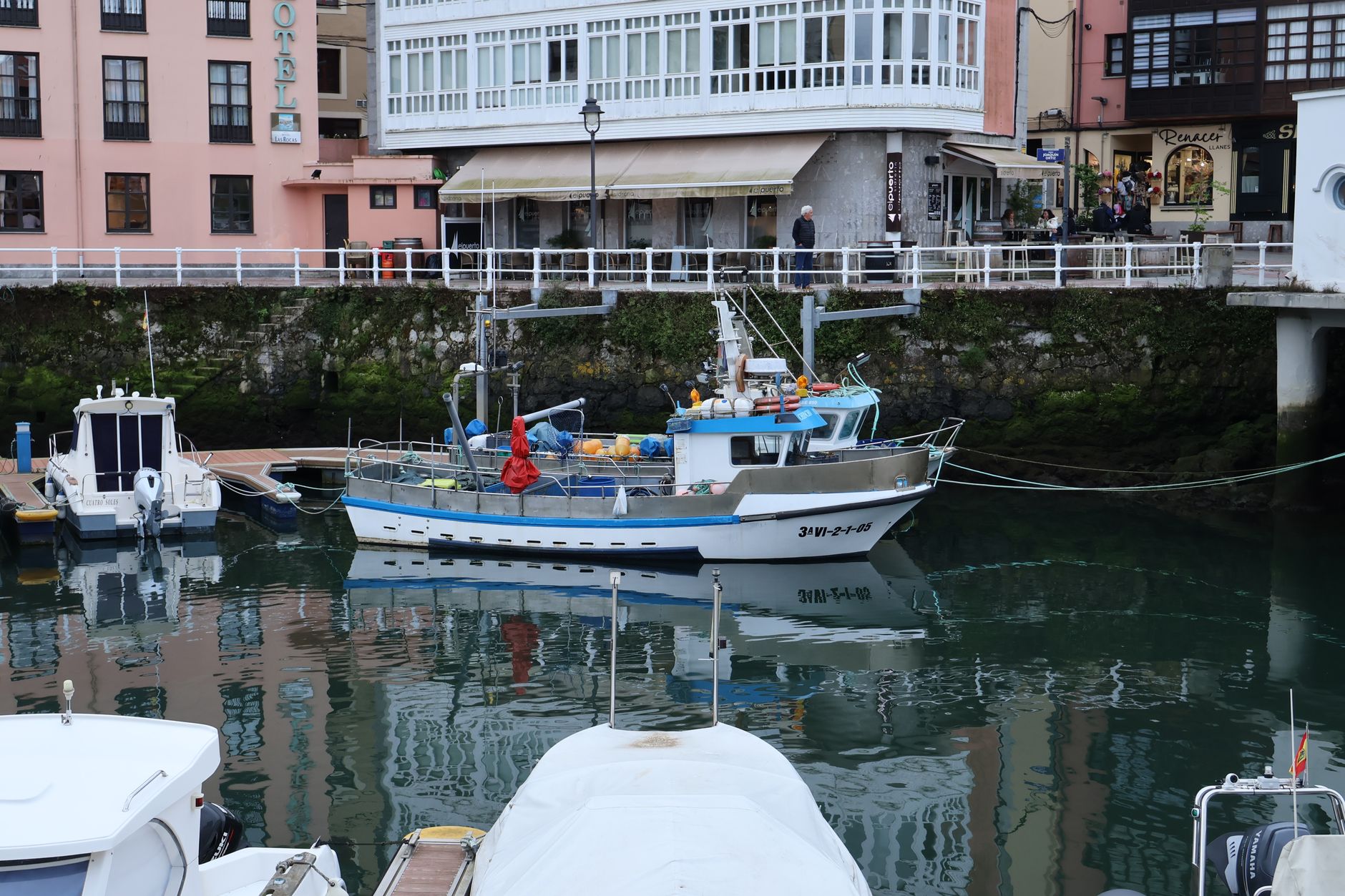
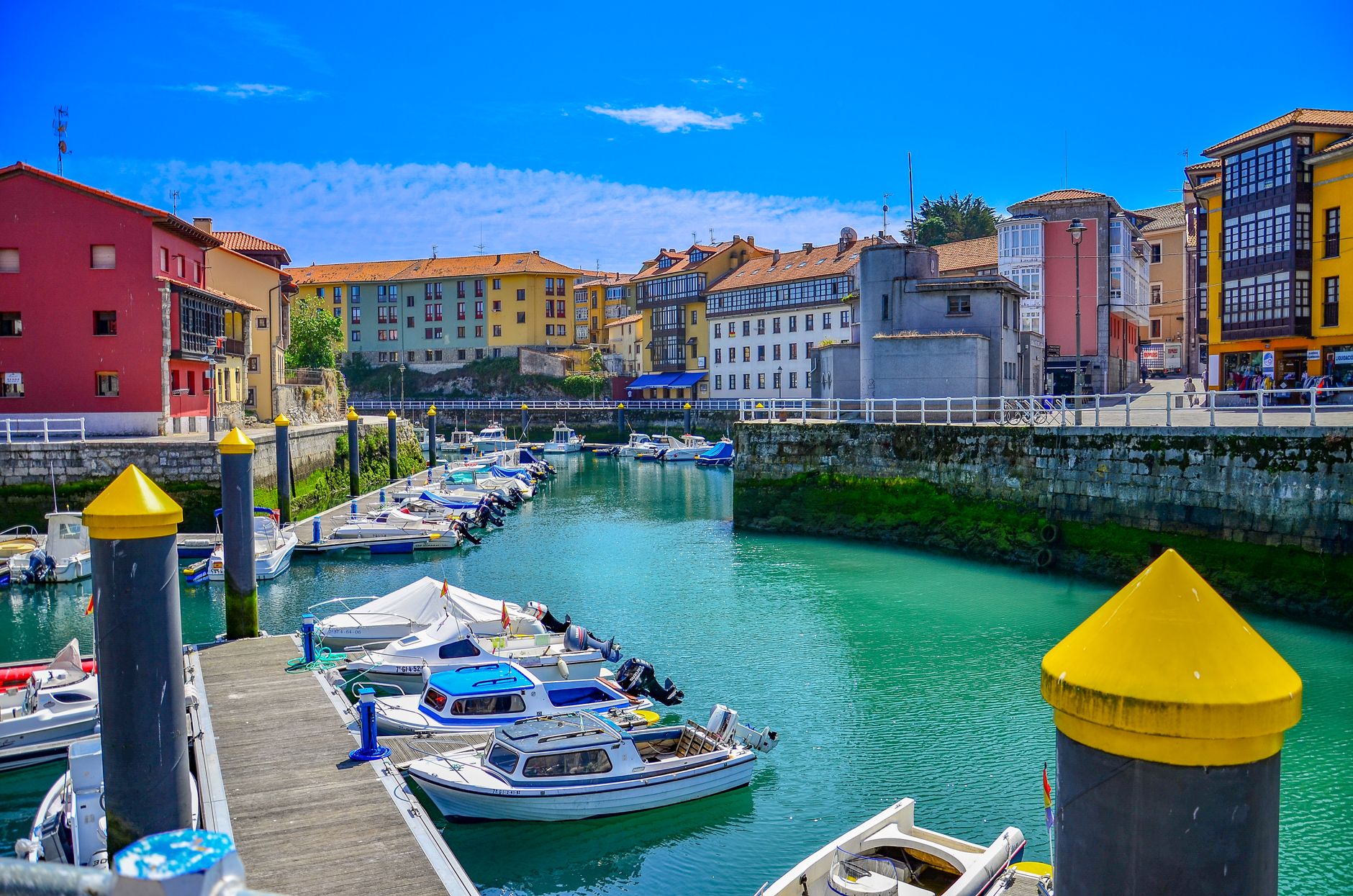
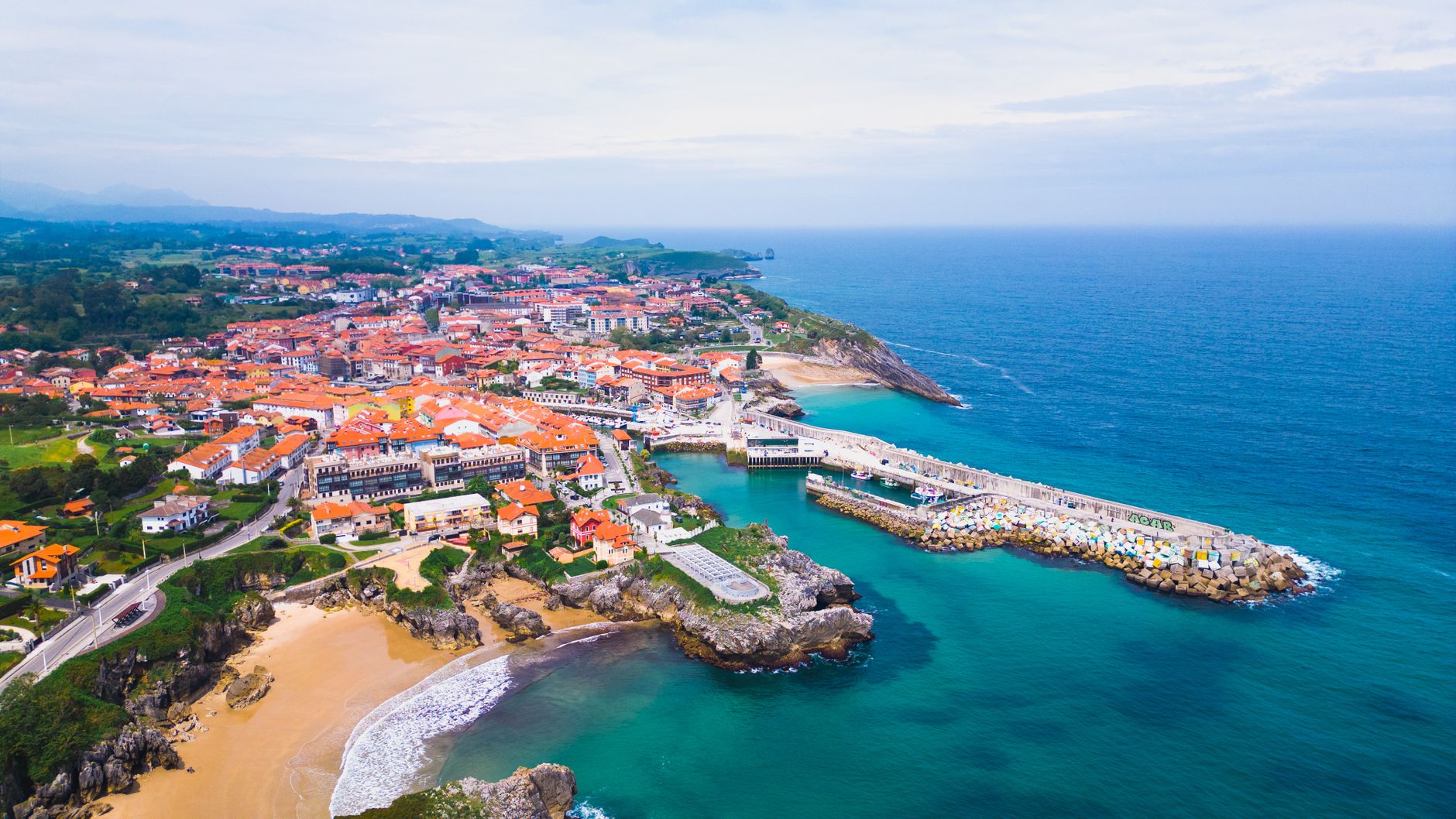
Stand at the port in Llanes and you'll see two things at once: medieval limestone walls rising from the 13th century, and Agustín Ibarrola's concrete Cubes of Memory painted in bold blocks of colour right at the water's edge. That collision — old stone and contemporary art, fishing boats and returning wealth — is what Llanes is actually about.
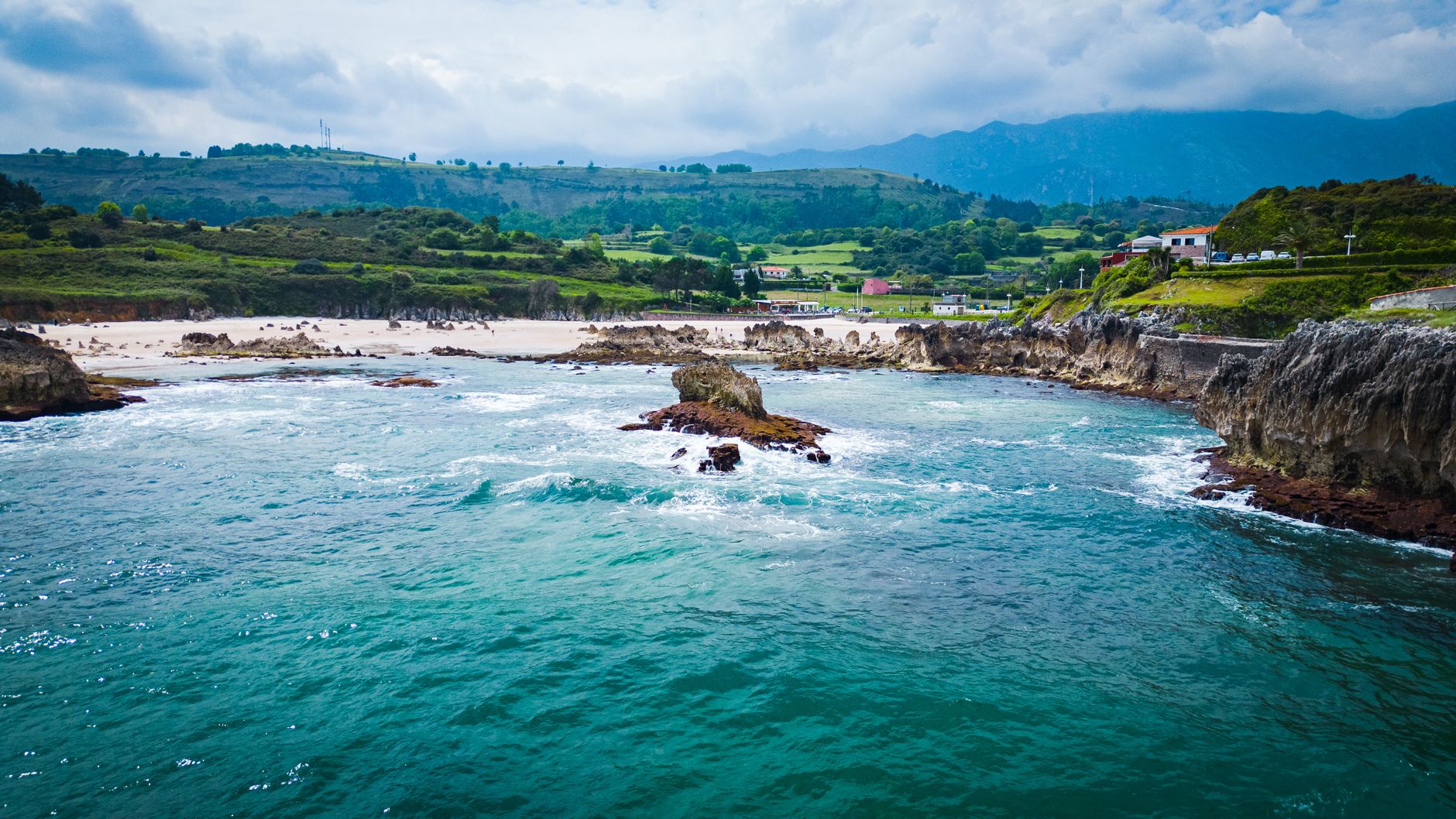
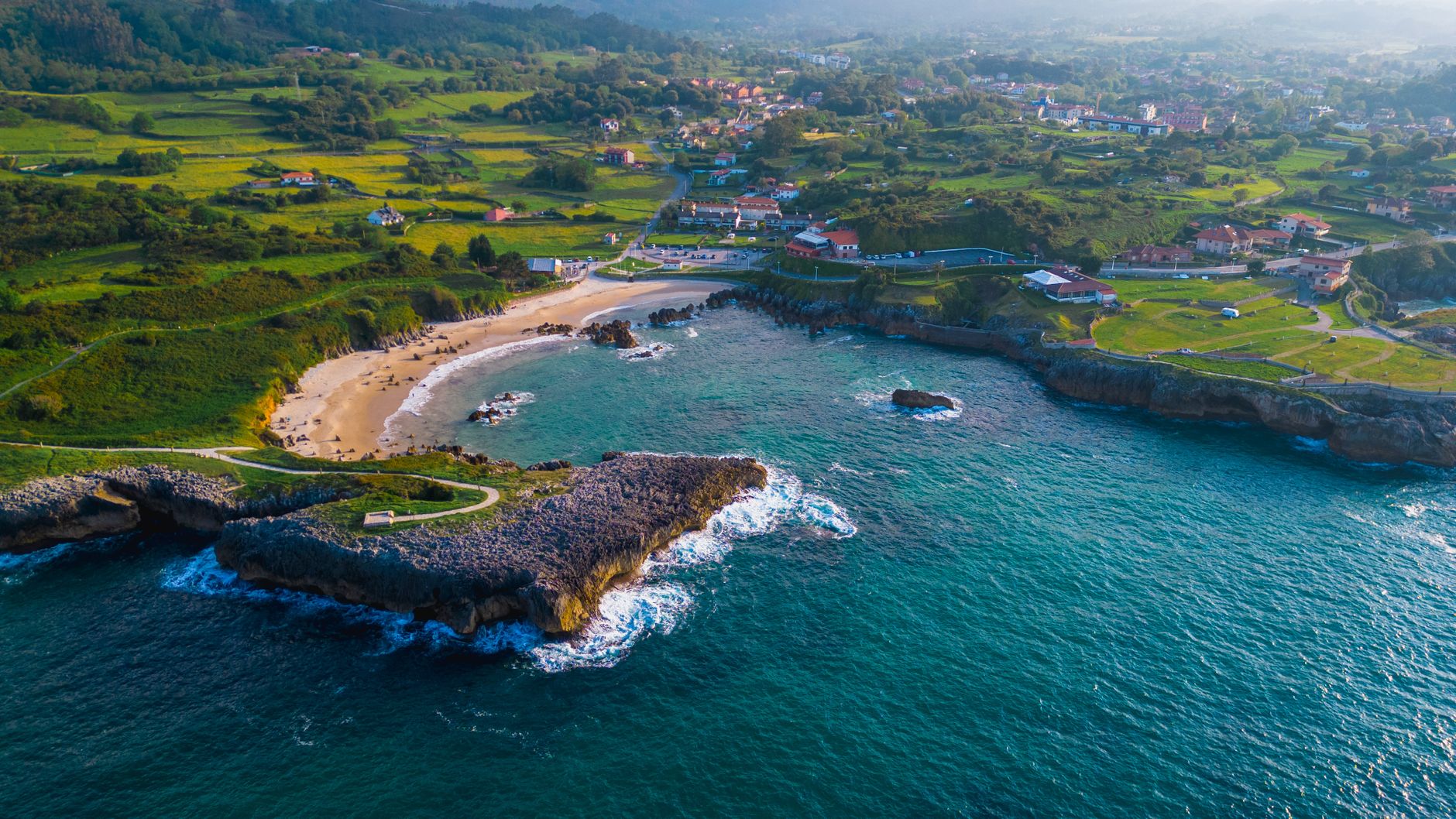
This small Asturian town of around 4,000 people sits on a coastline dramatic enough to have swallowed ships and carved natural sea geysers through the cliffs. The Bufones, holes eroded near the shore, shoot plumes of seawater skyward when a wave hits right. Inland, a beach called Gulpiyuri sits entirely surrounded by grass.
💛 What travellers fall for
People who come back tend to mention the Paseo de San Pedro — the cliff-top walk built in 1847 — as the thing they do first, before anything else. They also look down at the pavement in the old town, where lines from local poet Celso Amieva's Poemas de Llanes are set into the stone. Worth reading slowly.
Experiences you don't want to miss




Deals in Llanes
Book directly at the providerHow Llanes came to be
Llanes earned its status as a villa in the first third of the 13th century, when Alfonso XII granted it a Puebla Charter — the legal trigger for building the defensive walls, 300 metres of which still stand. The Basilica of Santa María del Concejo went up across the same two centuries, its architecture shifting from Romanesque to Gothic as construction continued into the 1400s.
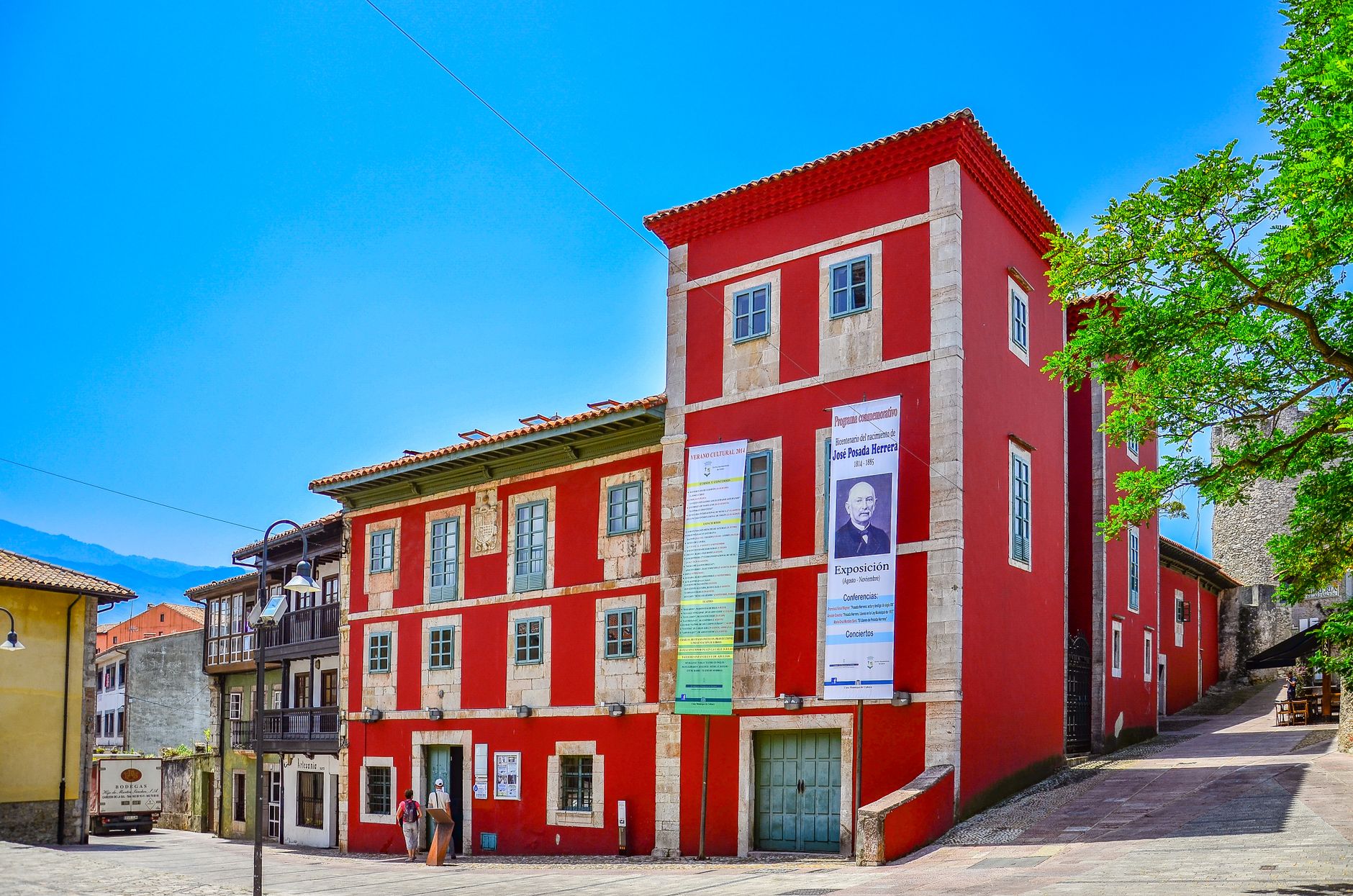
The town's second defining period came from the other side of the Atlantic. Emigrants who made fortunes in the Americas — the Indianos — returned in the 19th and early 20th centuries and lined Avenida de la Concepción with palatial villas. The Casino followed in 1910. Their money reshaped a fishing port into something with marble staircases and tropical garden ambitions.
Who and what shaped it
People who shaped it
Landmark buildings
See Llanes in motion
Plan your visit
On the map
When to go
Llanes is genuinely wet — over 1,500 mm of rain a year, with November the worst month and up to 15 rainy days. July and August are the driest, with sea temperatures reaching 21°C; winters are mild but damp, rarely dropping below 12°C.
Right now
Background & history adapted from Wikipedia (CC BY-SA) · specs from Wikidata (CC0) · weather from Open-Meteo · map data © OpenStreetMap contributors · photos from Wikimedia Commons / Unsplash with per-image credit. No third-party reviews or social posts reproduced.