
Cudillero
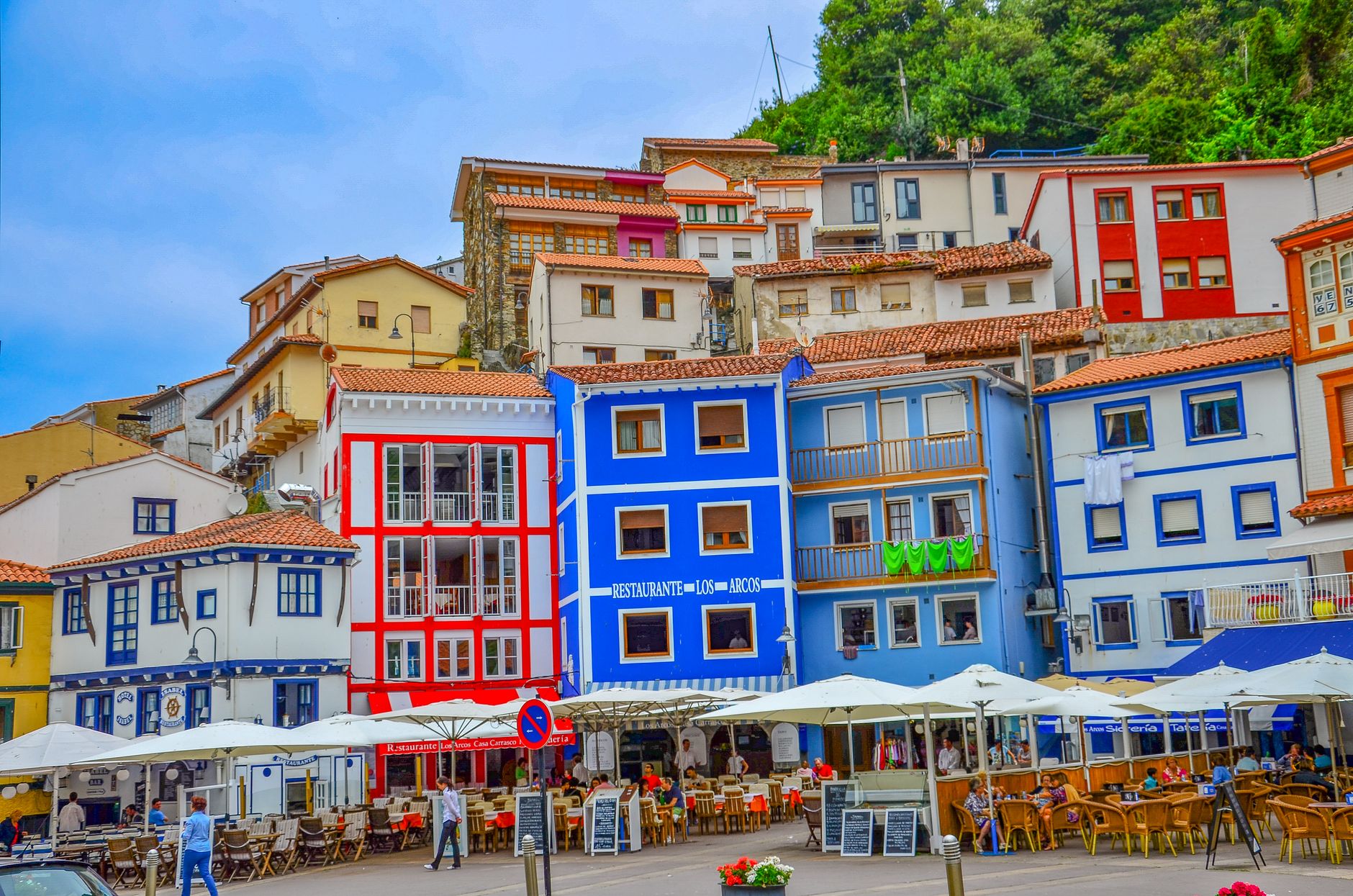
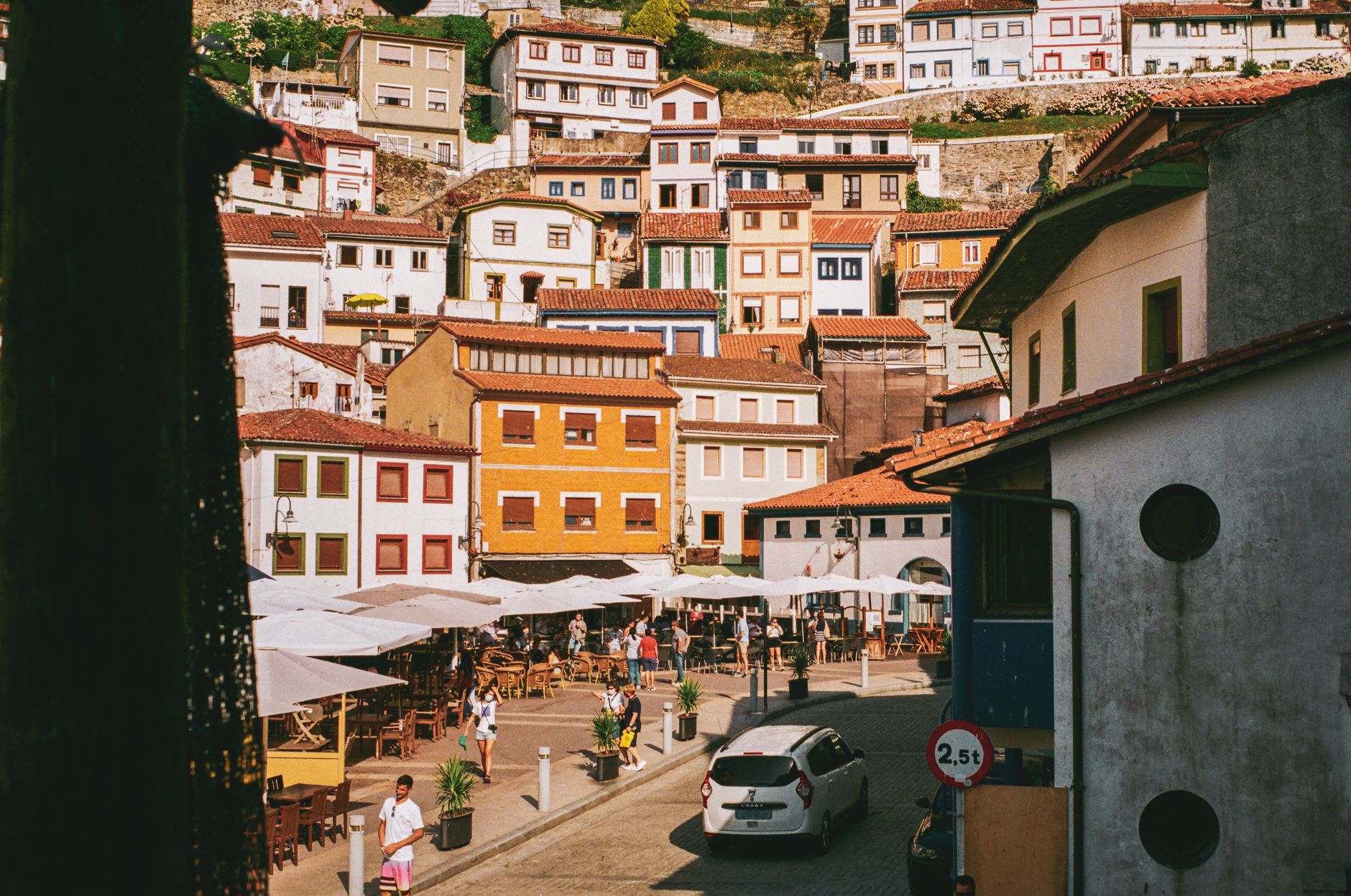
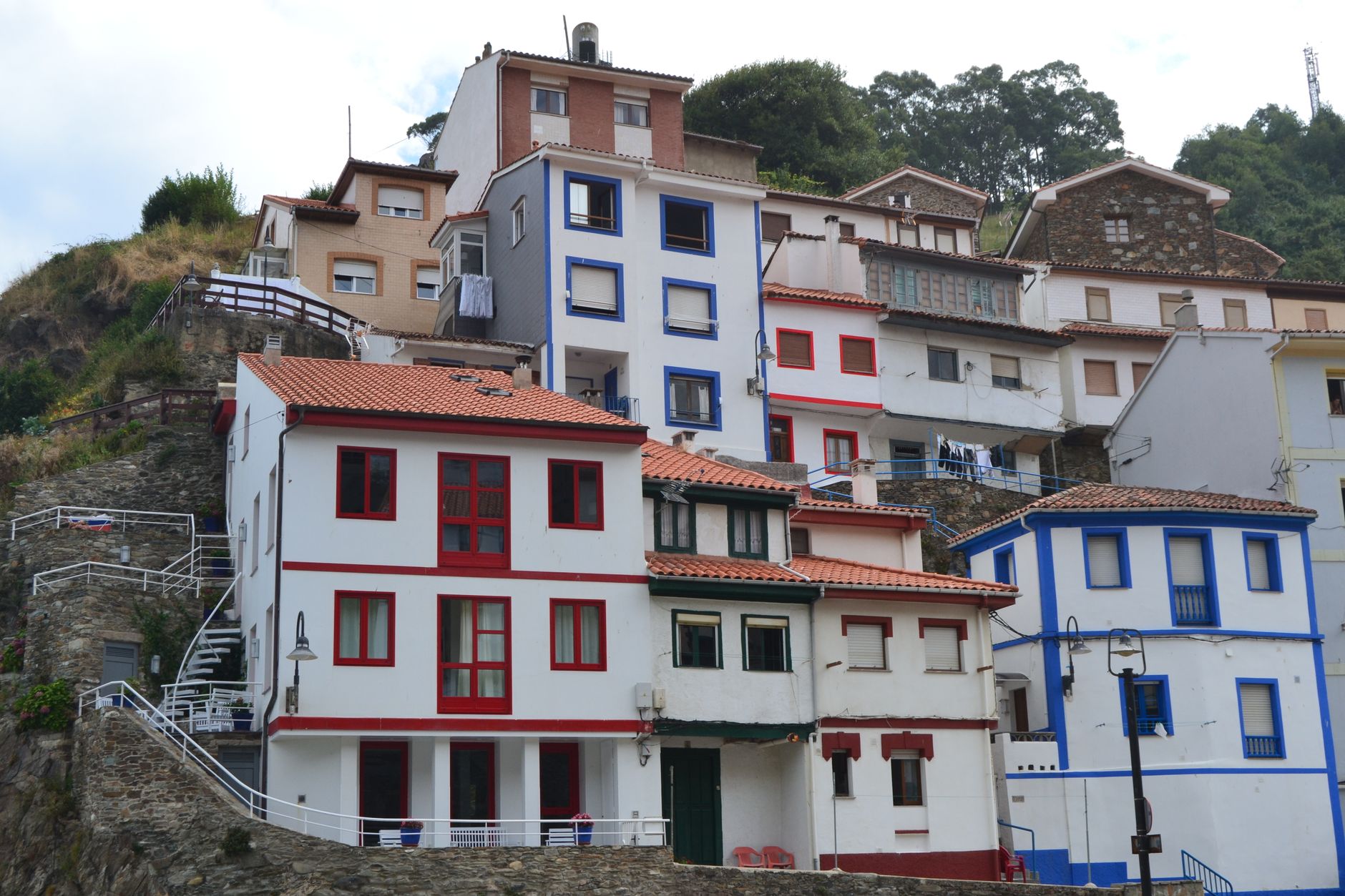
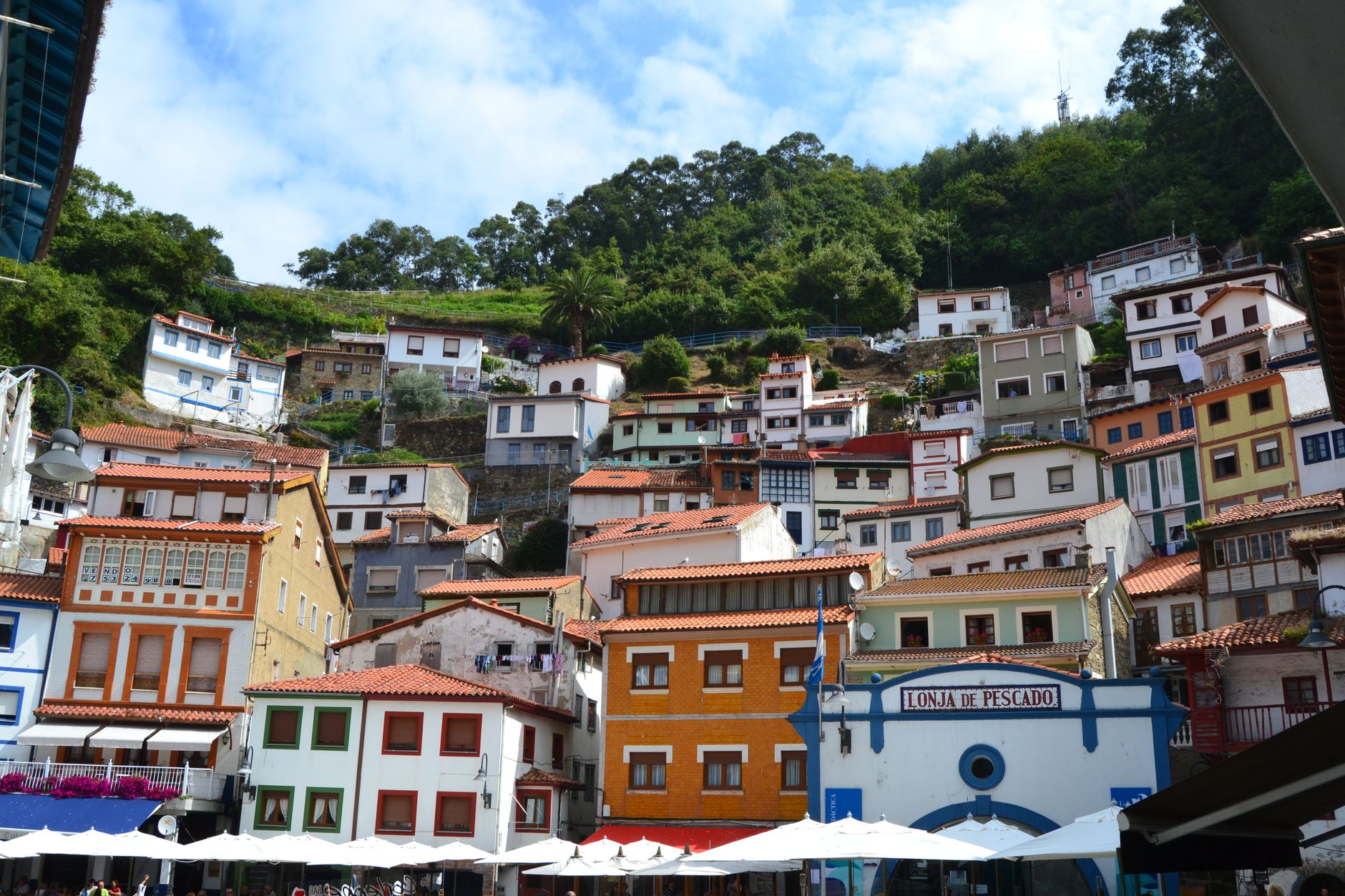
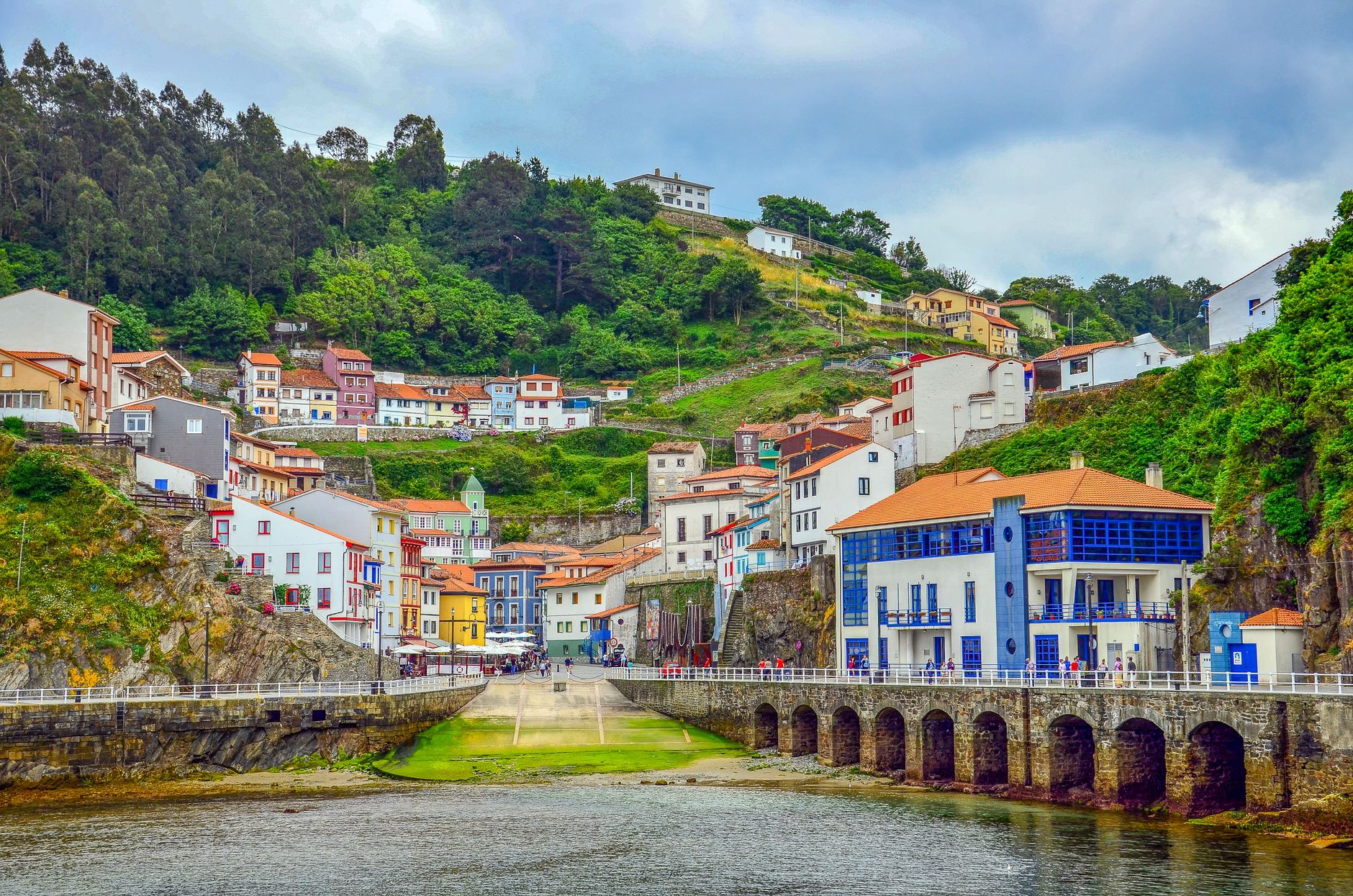
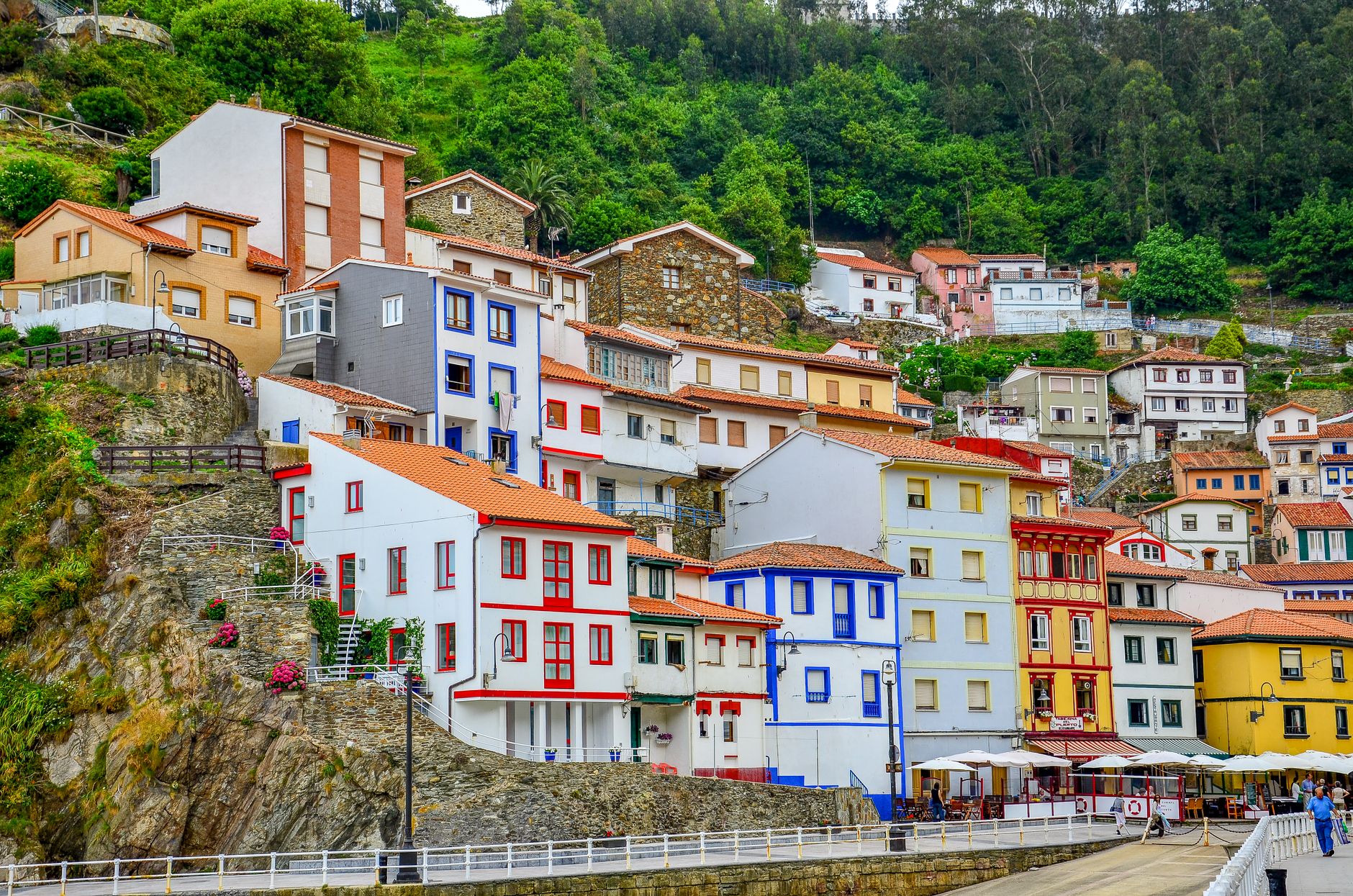
Stand at the edge of Plaza de la Marina and the whole town reveals itself at once — a tight crescent of painted houses climbing the cliffs in stacked rows, each one appearing to lean on the shoulder of the one above it. The port sits at the bottom of a natural amphitheater, and the fishing boats that still work out of it give the place a purpose that outlasts any postcard.
Cudillero is small enough to walk end to end in twenty minutes, but the vertical dimension changes everything. The three miradores — Cimadevilla, La Garita, Picu — reward the climb with views that reframe the village entirely, and the path connecting them makes a satisfying loop before lunch.
💛 What travellers fall for
People who come back tend to time their return for late June, when the San Pedro fiestas run from the 29th through July 1st — the patron saint of the village, and the occasion when the port feels most like itself. The walk out to the lighthouse along the breakwater, flat and windswept, is the one locals recommend doing first, before you've formed any other opinion of the place.
Experiences you don't want to miss


Deals in Cudillero
Book directly at the provider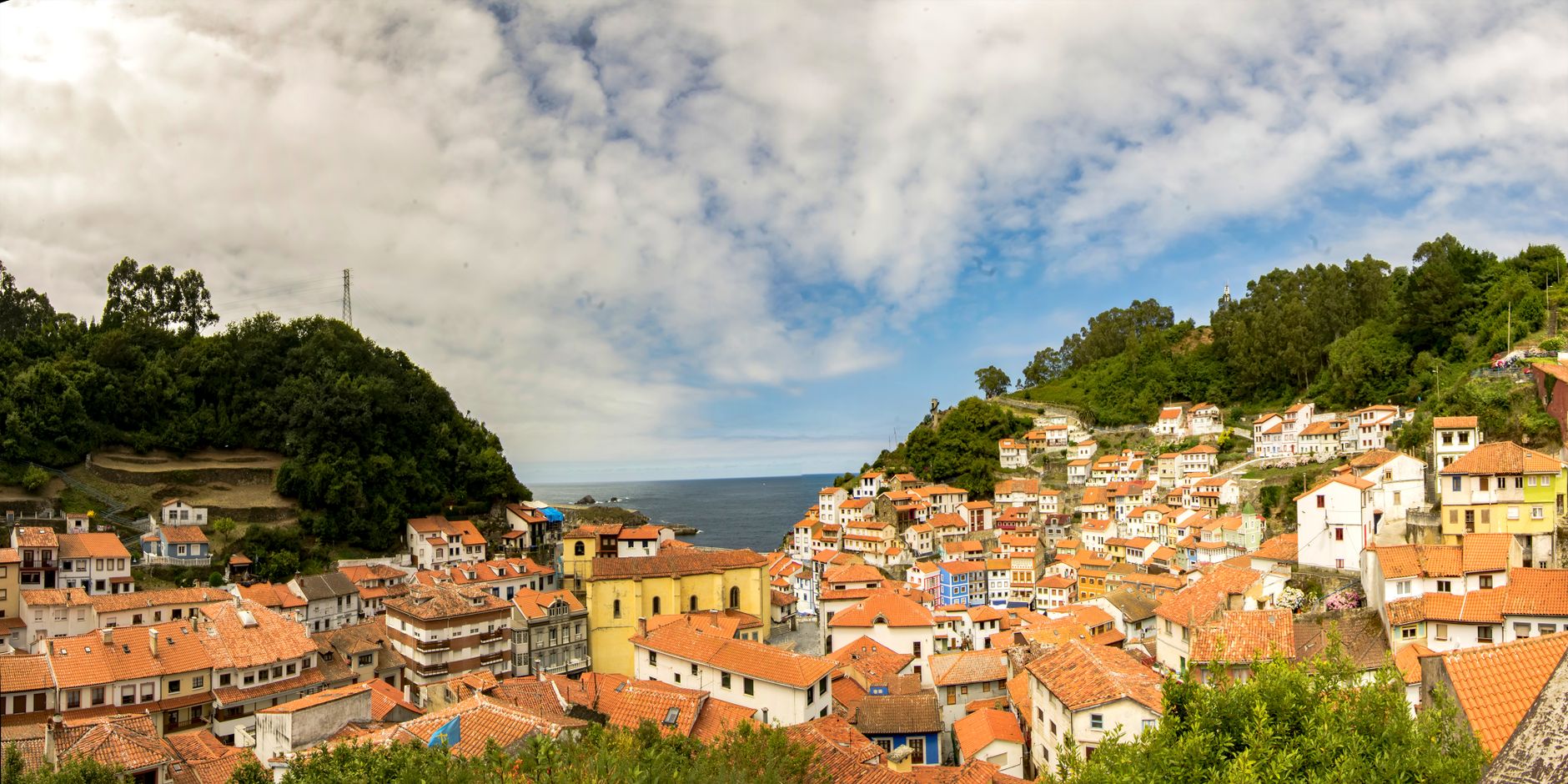

How Cudillero came to be
The earliest written record of Cudillero is a 1285 deed in which Arias González de Valdés donated a plot at the port — for selling bread and a sea-access hut — to the Monastery of Obona. From that transaction forward, the town's story is essentially the story of its harbor: it grew through the Early Modern period into Asturias' central fishing port, building the Church of San Pedro with residents' own funds and constructing the Castle of San Juan to defend against English raids.
For centuries the town answered administratively to Pravia. In the 18th century its residents offered 1,000 doubloons to buy their independence; they didn't get it for another hundred years. Municipal autonomy came in the 19th century, and the expanded port that the town had long planned was finally completed in the 1980s.
Who and what shaped it
People who shaped it
Landmark buildings
See Cudillero in motion
Plan your visit
On the map
When to go
Asturias is genuinely green for a reason — expect overcast skies and light rain in any season, with summer (July–August) offering the most reliable warmth and the longest evenings. Spring and early autumn bring quieter roads and softer light, though a jacket is always worth carrying.
Right now
Background & history adapted from Wikipedia (CC BY-SA) · specs from Wikidata (CC0) · weather from Open-Meteo · map data © OpenStreetMap contributors · photos from Wikimedia Commons / Unsplash with per-image credit. No third-party reviews or social posts reproduced.