
Gijón
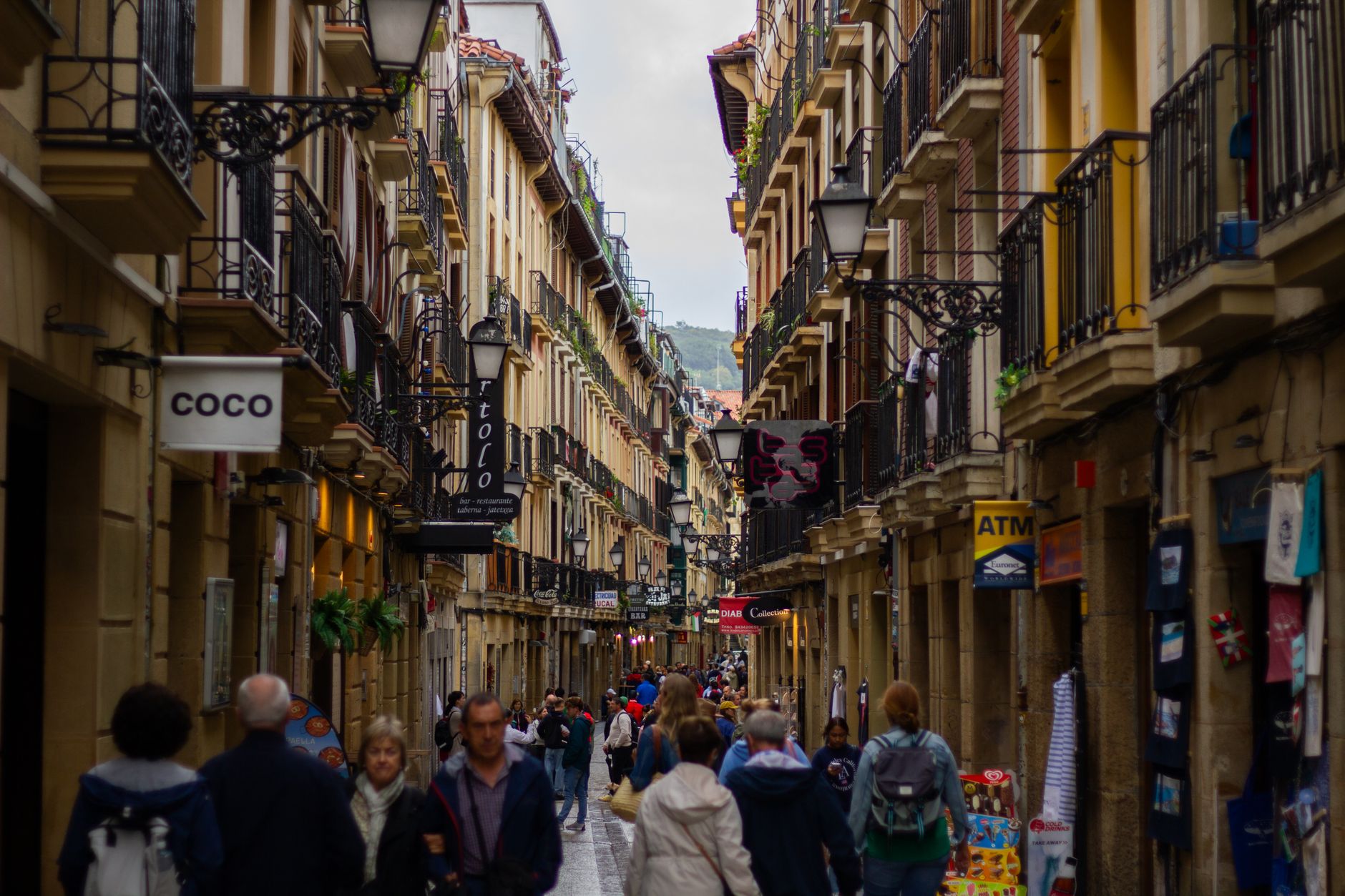
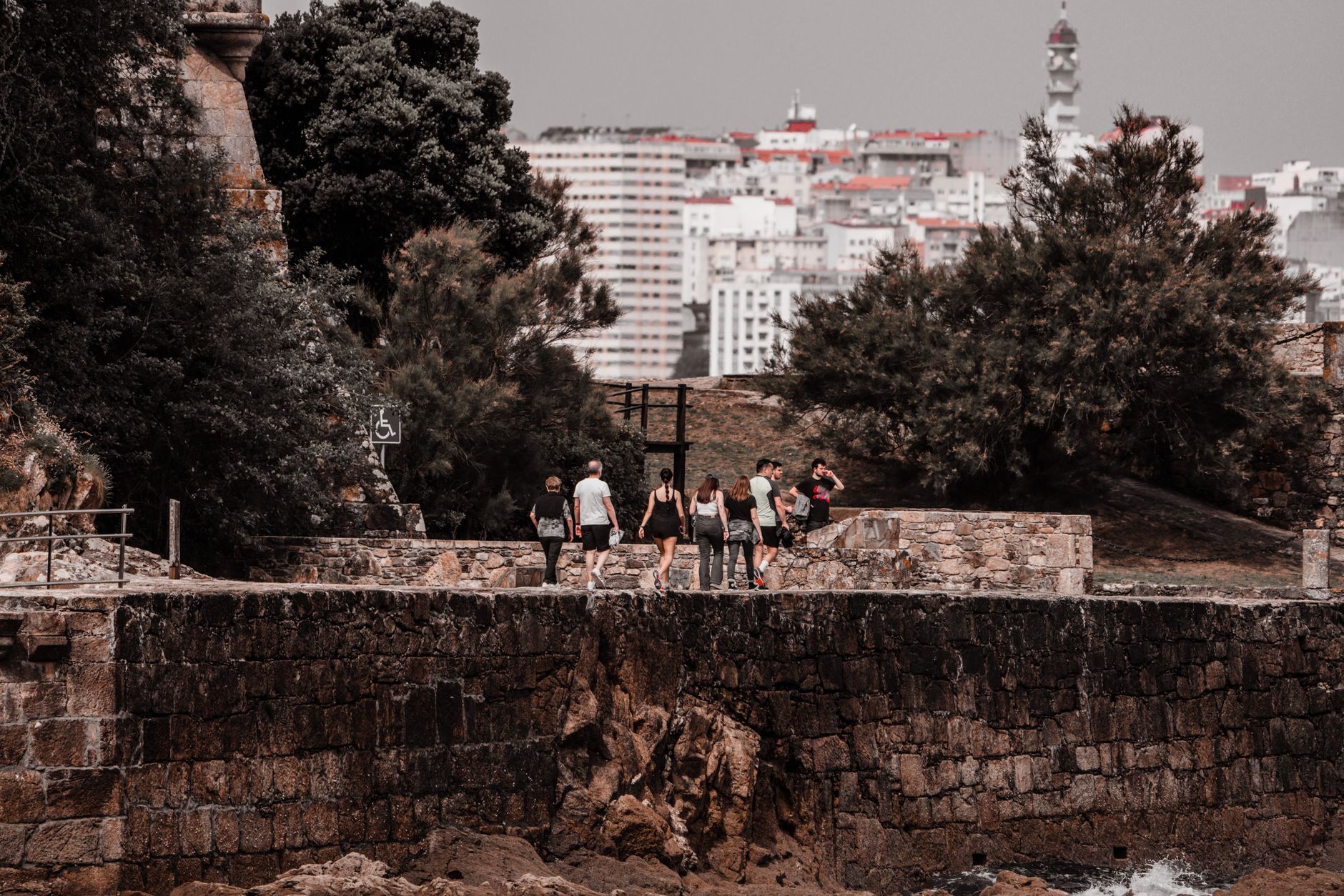
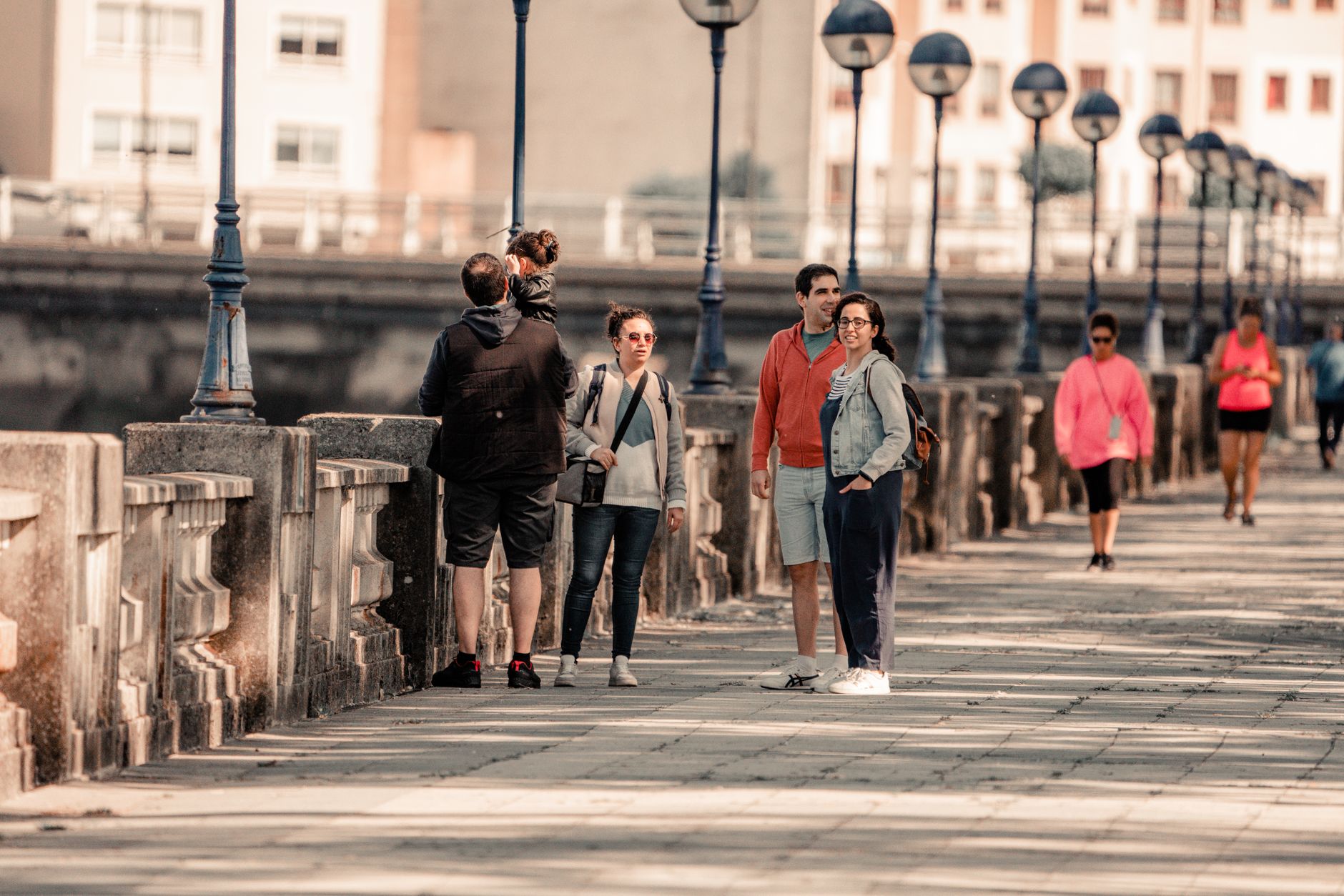
Stand on the Santa Catalina headland at dusk and you'll find Eduardo Chillida's concrete sculpture, Elogio del Horizonte, framing the Cantabrian Sea in a rough stone arch — the city's most honest self-portrait. Gijón is a place that worked hard for a long time, in steel and shipyards, and is now working hard at something else: university life, research, a long sandy beach that locals actually use.
The old quarter, Cimadevilla, sits on a small promontory where Romans once built baths in the 2nd century and where the stones of a medieval palace still stand above the harbour. The industrial past hasn't been erased so much as absorbed, giving the city a texture that newer resort towns simply can't manufacture.
💛 What travellers fall for
People who come back tend to mention the same things: walking the Roman baths at Campo Valdés early, before the school groups arrive; taking a bus out to the Universidad Laboral just to stand inside Spain's largest building and try to make sense of its scale; and eating whatever the market has that morning, somewhere near the port.
Experiences you don't want to miss


Deals in Gijón
Book directly at the provider

How Gijón came to be
The ground under Gijón has been occupied for a long time. Dolmens on Monte Areo date to around 5000 BC, and a Celtic hillfort at Campa Torres was established in the 5th century BC. Roman forces arrived in the 1st century, shifted the settlement to Cimadevilla and called it Gigia — the baths they built there in the 2nd century are still visible today. The town held off a Norman raid in 844, received royal town status from Alfonso X in 1270, and got its port authorised by the Catholic Monarchs in 1480.
The Enlightenment left a mark through Gaspar Melchor de Jovellanos, whose ideas shaped the city's civic development. The 20th century brought steel and naval industry, and the enormous Universidad Laboral — built between 1946 and 1956, designed by Luis Moya, covering 270,000 square metres — stands as the physical monument to that era. When manufacturing declined, Gijón redirected itself toward education and commerce without demolishing what came before.
Who and what shaped it
People who shaped it
Landmark buildings
See Gijón in motion
Plan your visit
On the map
When to go
Gijón has a temperate oceanic climate: summers are mild rather than hot, with August averaging around 23°C, and July offering the most reliable sunshine. Winters are wet and grey — November alone can bring over 160 mm of rain — so the window from June to mid-September is when the city is most liveable for visitors.
Right now
Background & history adapted from Wikipedia (CC BY-SA) · specs from Wikidata (CC0) · weather from Open-Meteo · map data © OpenStreetMap contributors · photos from Wikimedia Commons / Unsplash with per-image credit. No third-party reviews or social posts reproduced.