
Cangas de Onís
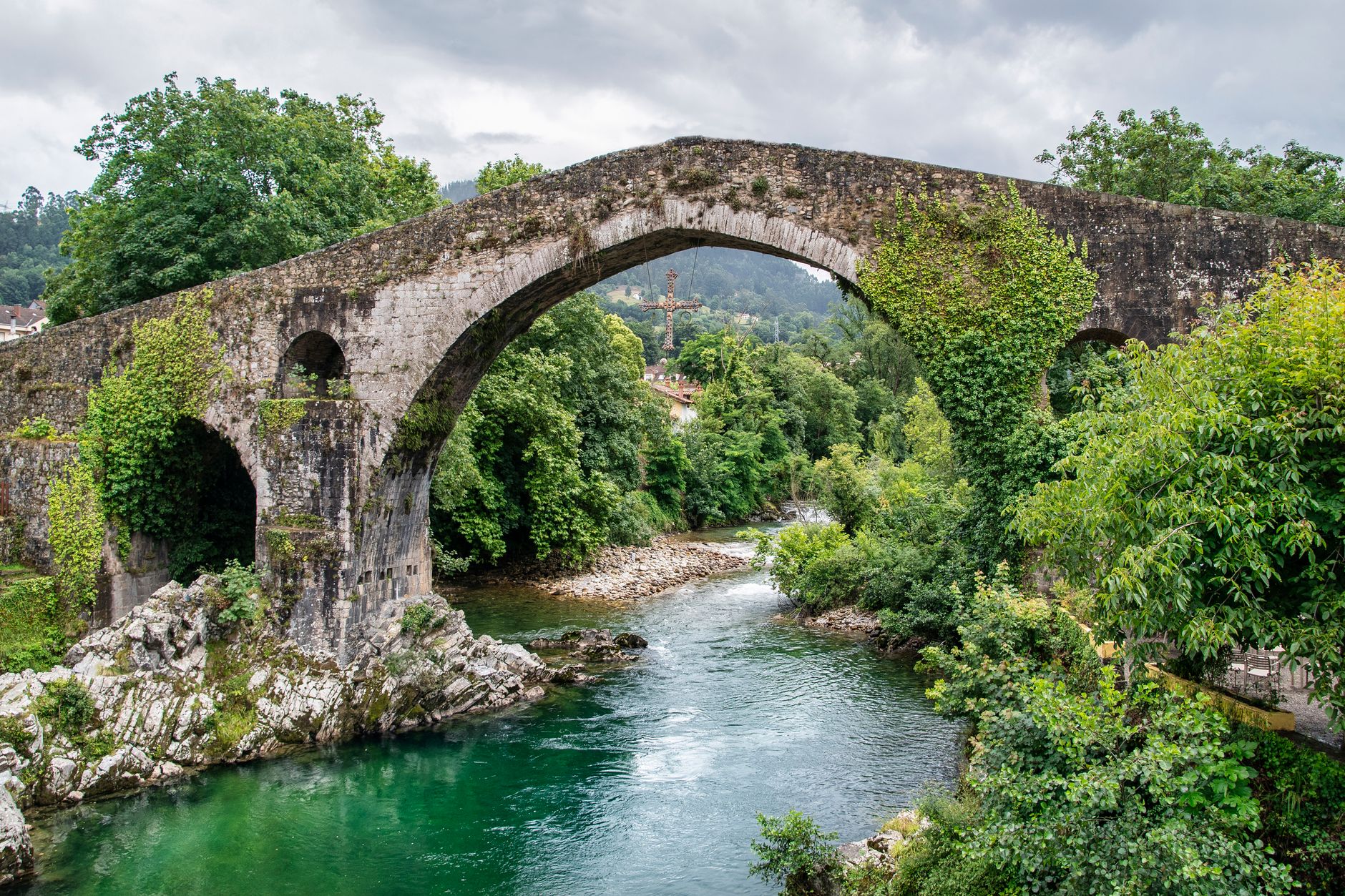
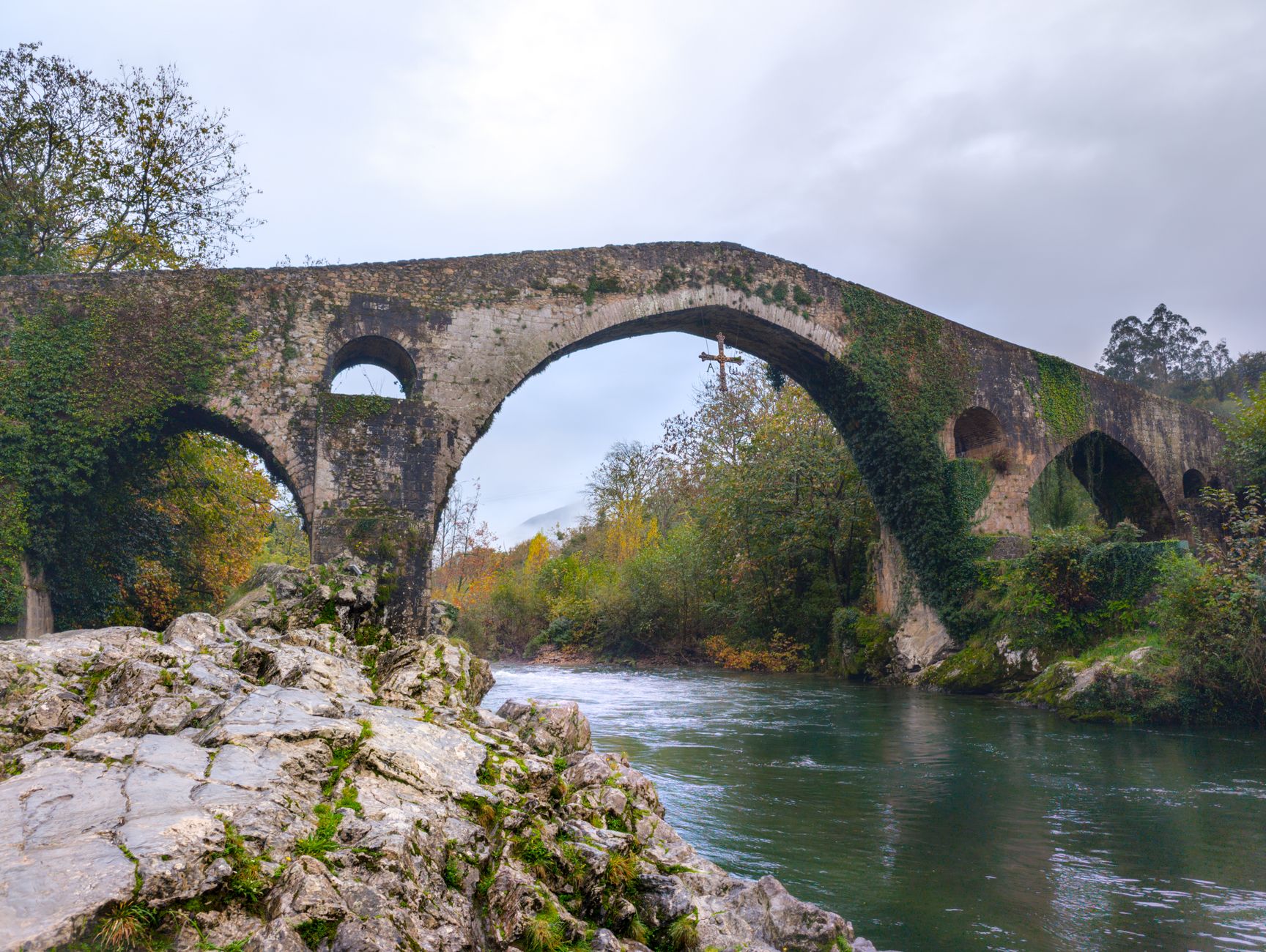
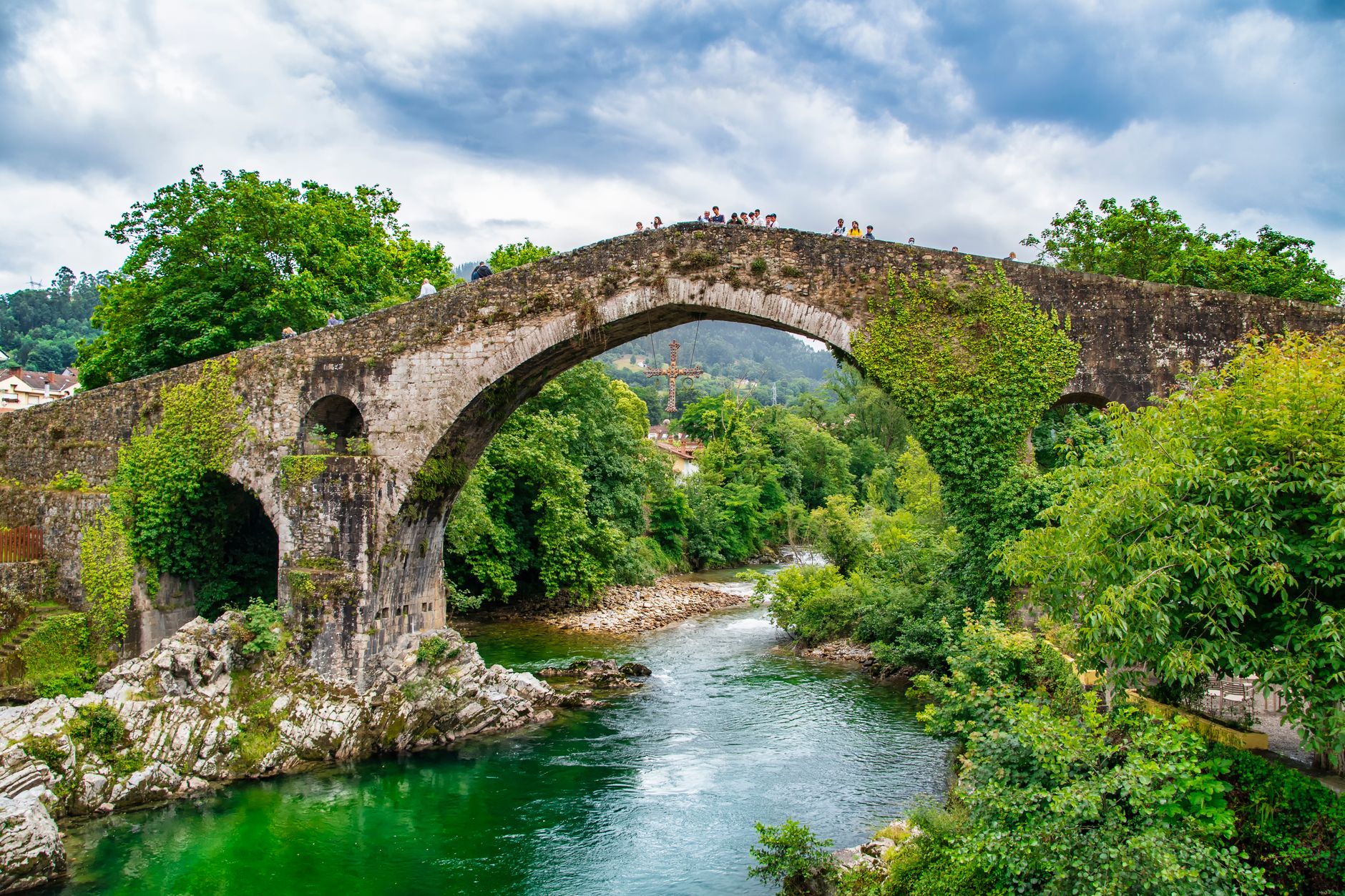
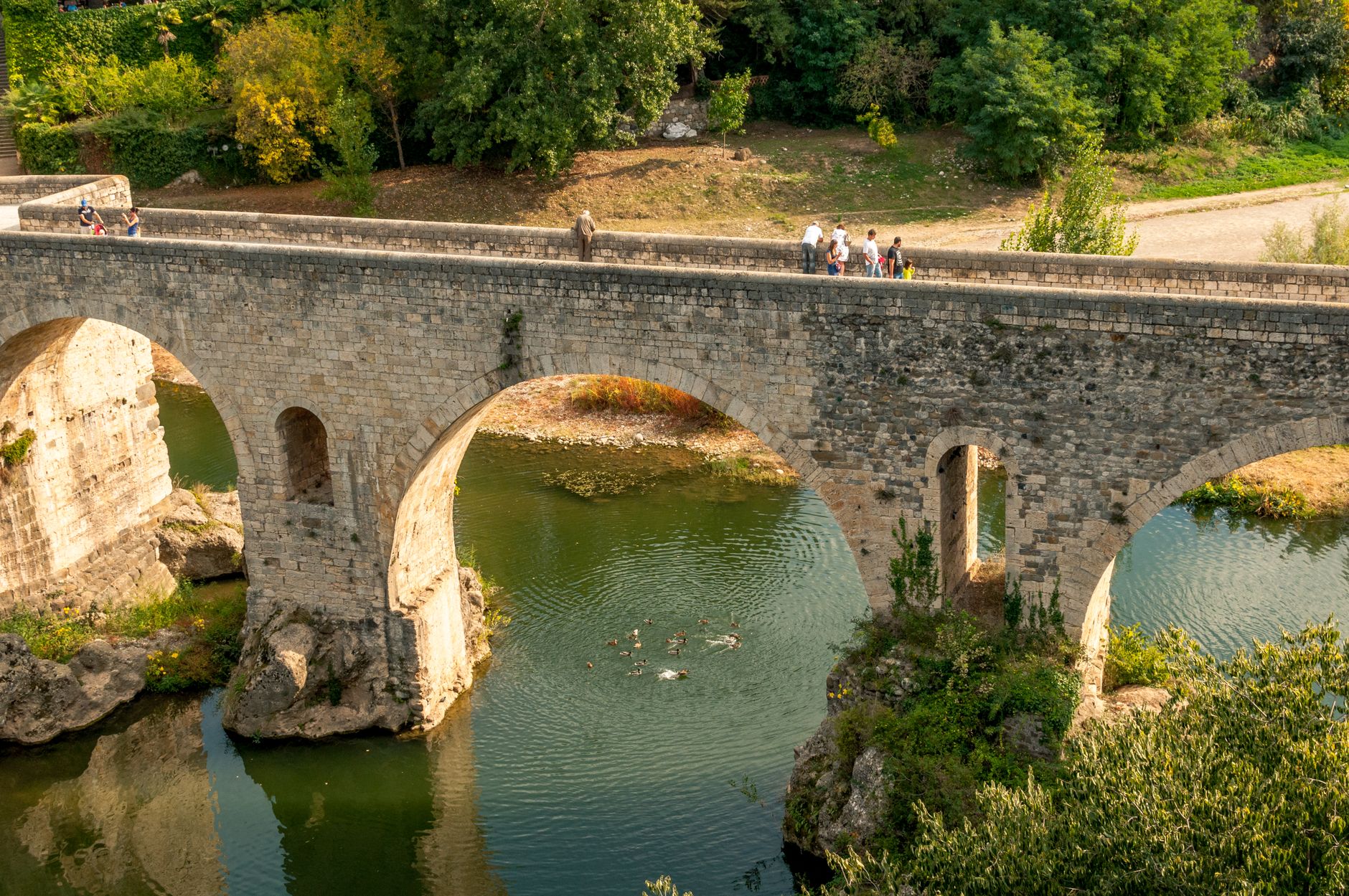
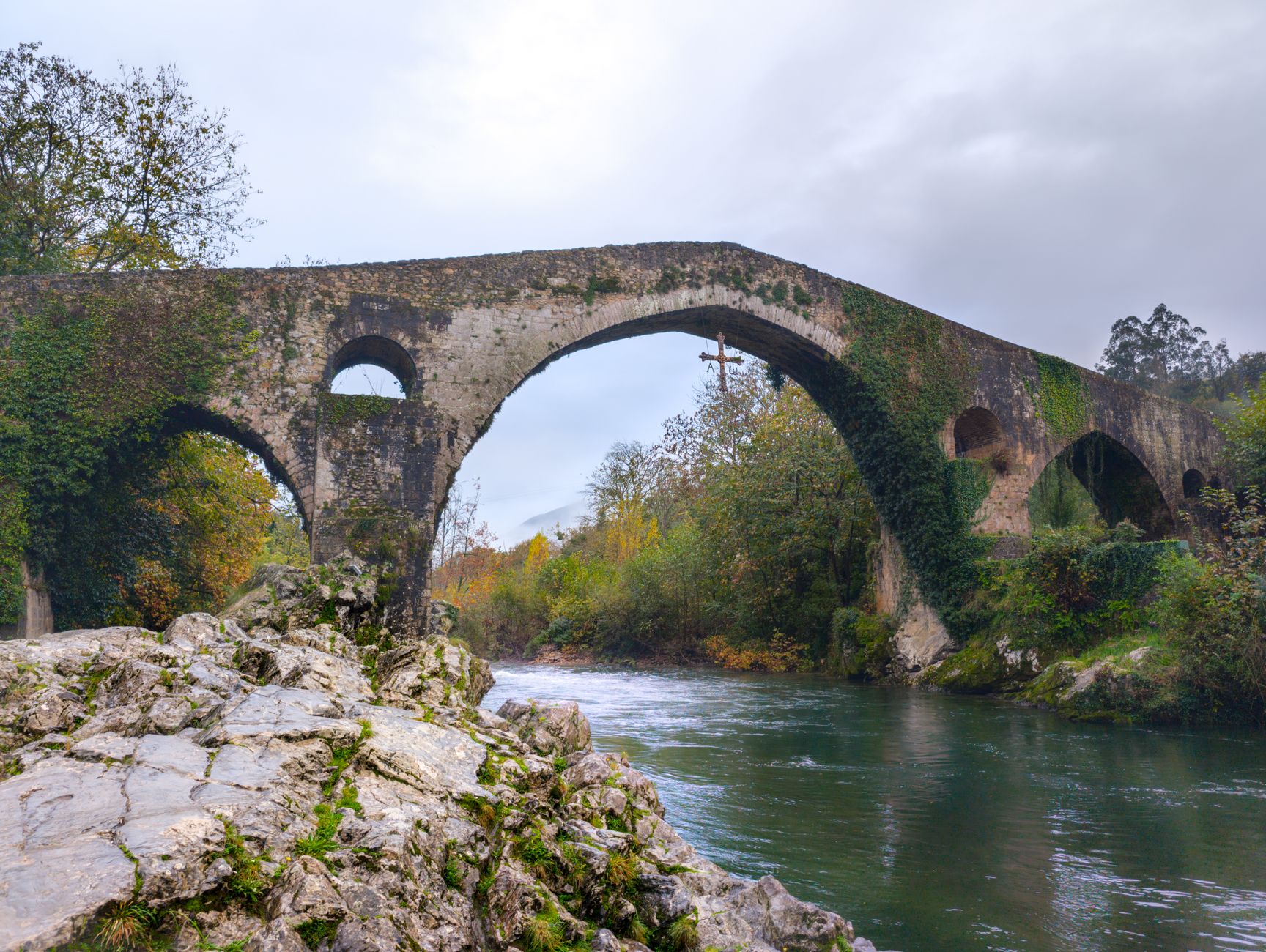
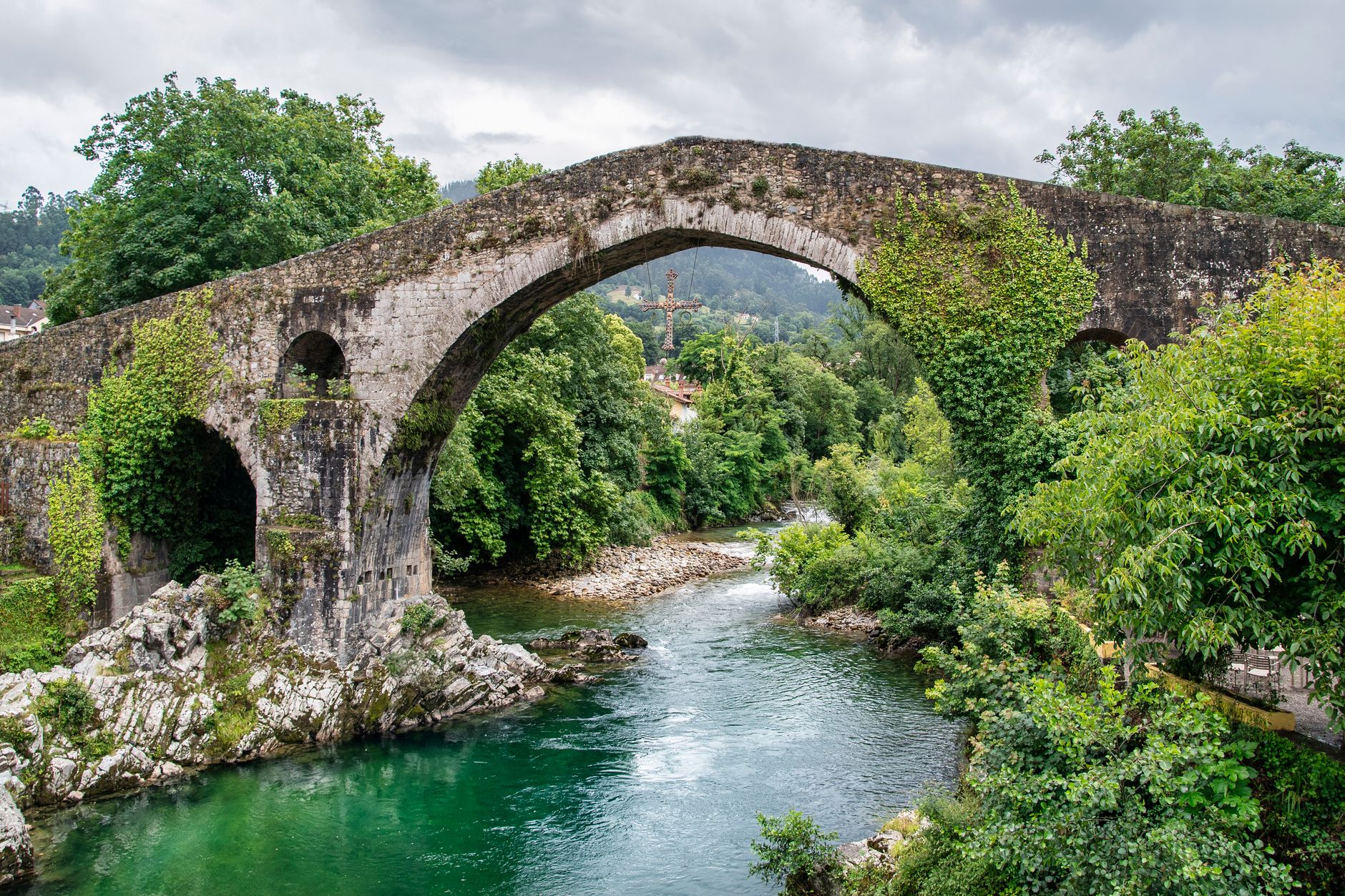
Cangas de Onís is where the Reconquista began — or so the story goes. In 722, a Visigothic nobleman named Pelayo chose this riverside town in the foothills of the Picos de Europa as the capital of his fledgling Asturian kingdom, and the whole arc of medieval Iberian history pivoted on that decision. The medieval bridge over the Sella — its central arch cambered and wide, a replica of the Victory Cross hanging from it — is the image most people carry away.
The town itself is compact and unhurried, useful as a base for the Picos and Covadonga but worth a morning in its own right. The Sunday market turns up local cheeses and medicinal herbs, and the streets around the Palacio Cortés give you the quiet, stone-built substance of a place that was once a royal seat.
💛 What travellers fall for
People who come back tend to time a visit around the Sunday market for the aged local cheeses, and they catch the €1.55 shuttle to Covadonga rather than driving. The bridge at dusk, when the day-trippers have thinned, is a different thing entirely from the midday version.
Experiences you don't want to miss



Deals in Cangas de Onís
Book directly at the provider
How Cangas de Onís came to be
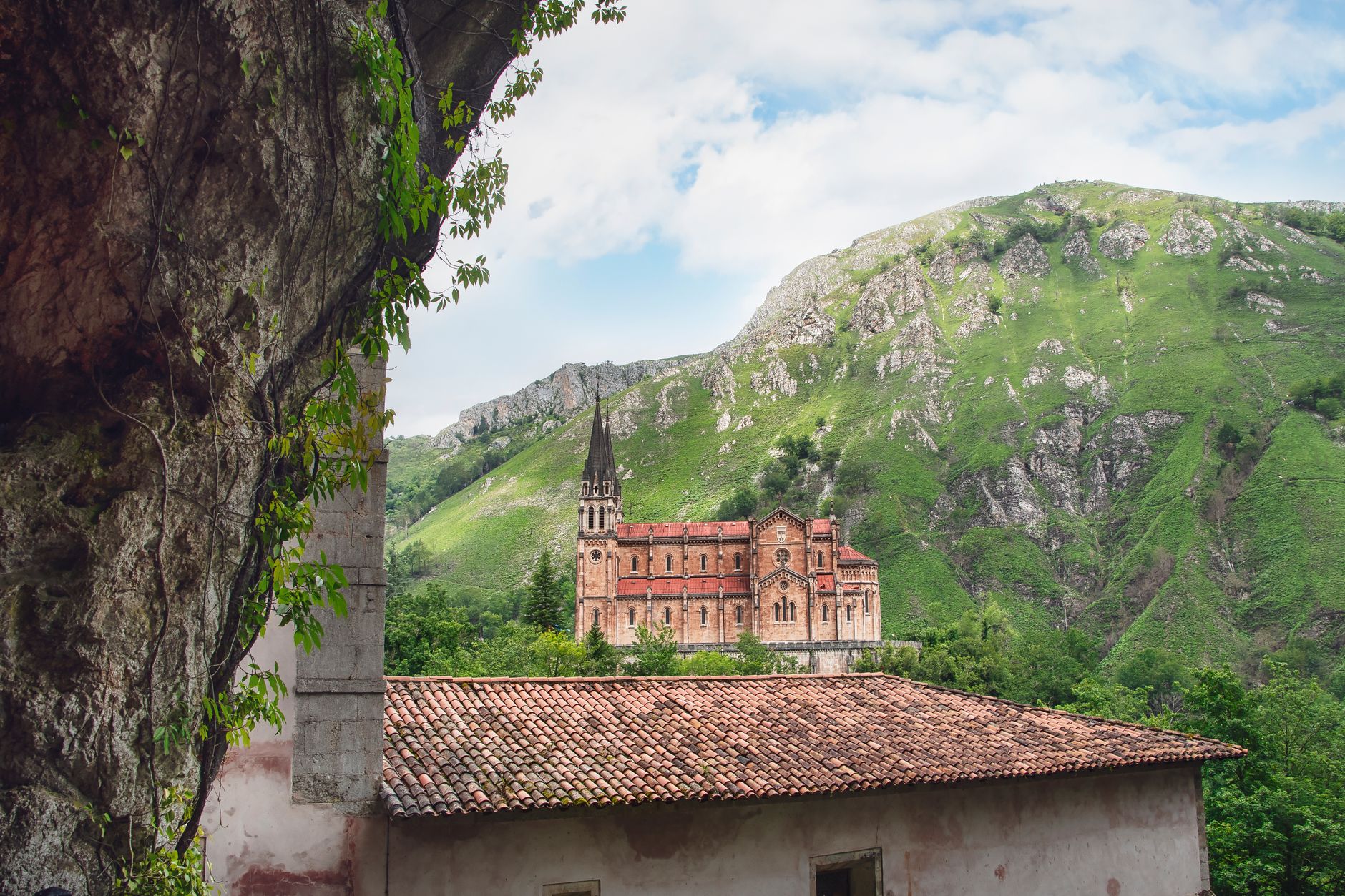
When Islamic forces swept across Iberia in the early 8th century, Pelayo rallied a Christian force and won a decisive engagement at Covadonga around 722. He made Cangas de Onís the capital of the Asturian kingdom — the first foothold of what would eventually become modern Spain. Three more kings ruled from here: Favila, Alfonso I and Fruela, before the court moved on in 768. Favila built the Chapel of Santa Cruz in 737 on top of a dolmen dating to 3,000 BC; Alfonso I later founded the Monastery of San Pedro de Villanueva in his predecessor's memory.
For more than a millennium the town's founding role was remembered rather than built upon. Alfonso XIII formally granted it the title of city in 1907, in recognition of those eight foundational decades. More recently, between 1978 and 1981, Cangas de Onís served as the seat of the Regional Council during Asturias's pre-autonomous period — a last echo of its old administrative significance.
Who and what shaped it
People who shaped it
Landmark buildings
See Cangas de Onís in motion
Plan your visit
On the map
When to go
Cangas de Onís is genuinely wet — nearly 1,500 mm of rain a year — so expect damp at almost any time of year. Summer (June to August) brings the most comfortable conditions, with temperatures in the low twenties and July the driest month, though even then a waterproof is not a bad idea in the mountains.
Right now
Background & history adapted from Wikipedia (CC BY-SA) · specs from Wikidata (CC0) · weather from Open-Meteo · map data © OpenStreetMap contributors · photos from Wikimedia Commons / Unsplash with per-image credit. No third-party reviews or social posts reproduced.