
Villaviciosa
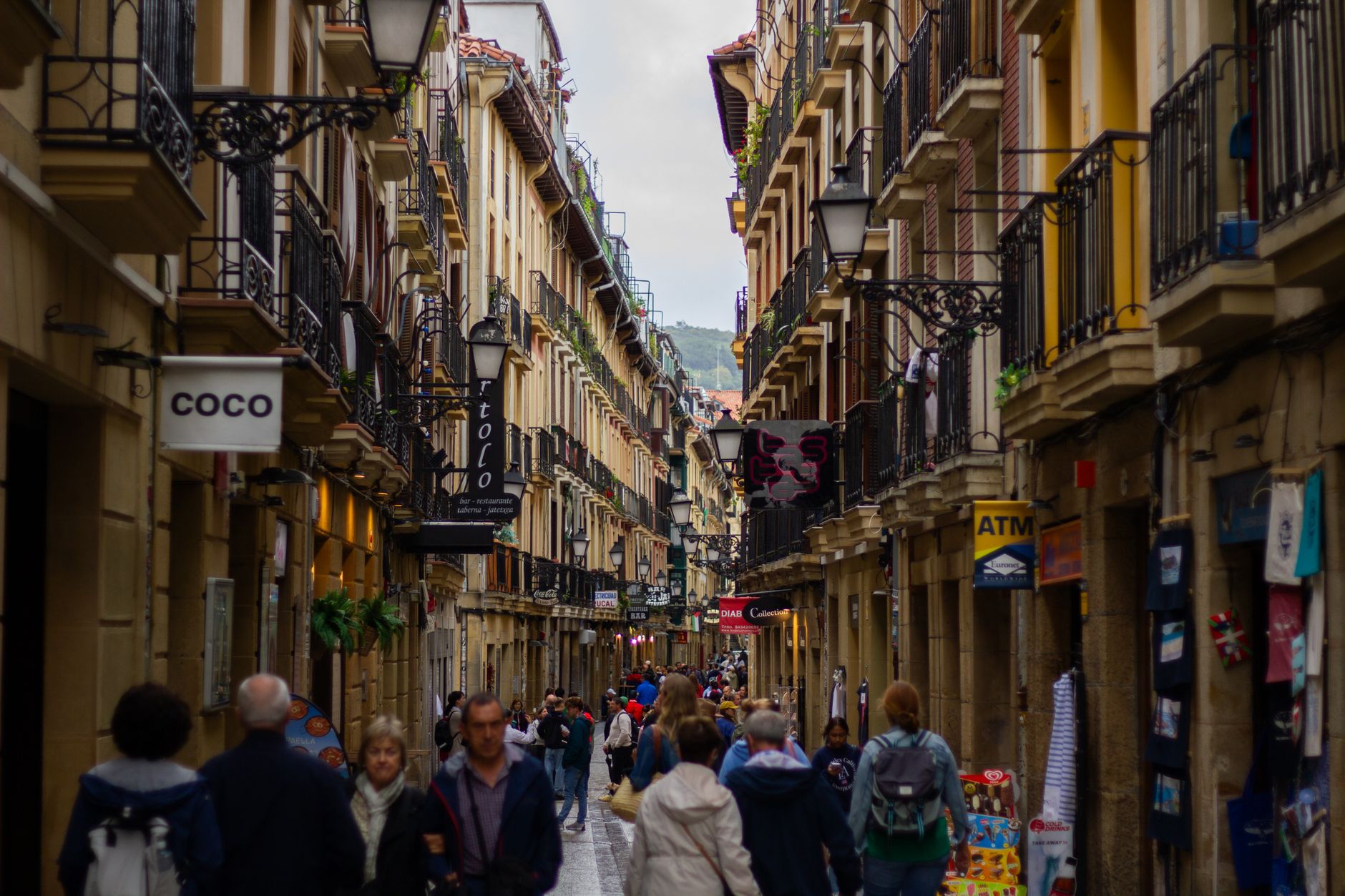
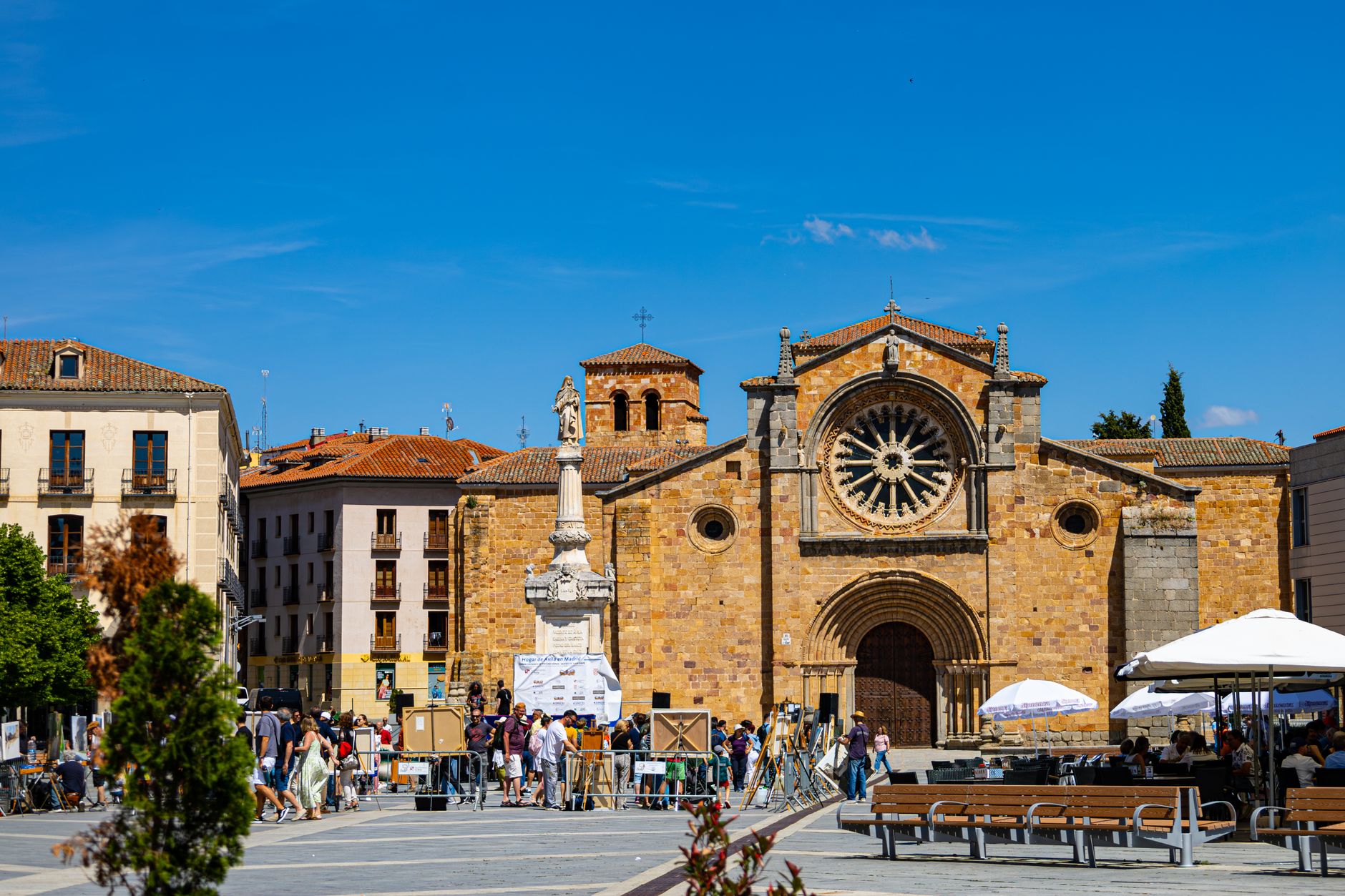
Villaviciosa smells like cider. Not metaphorically — the El Gaitero cidery sits a kilometre outside town, and on certain mornings the fermentation drifts in over the estuary. The town itself is compact and stone-serious: 17th-century manor houses line Calle del Agua and Calle del Sol, the town hall square is known locally as 'el Güevu' (the egg, for reasons that become obvious when you see it), and the surrounding countryside holds more Romanesque churches per square kilometre than almost anywhere else in Spain.
What makes Villaviciosa worth a full day rather than a detour is the layering. Alfonso X founded the place in 1270. A Habsburg king stepped ashore at its coastal village of Tazones in 1517. The apple orchards that funded all those manor houses are still producing.
💛 What travellers fall for
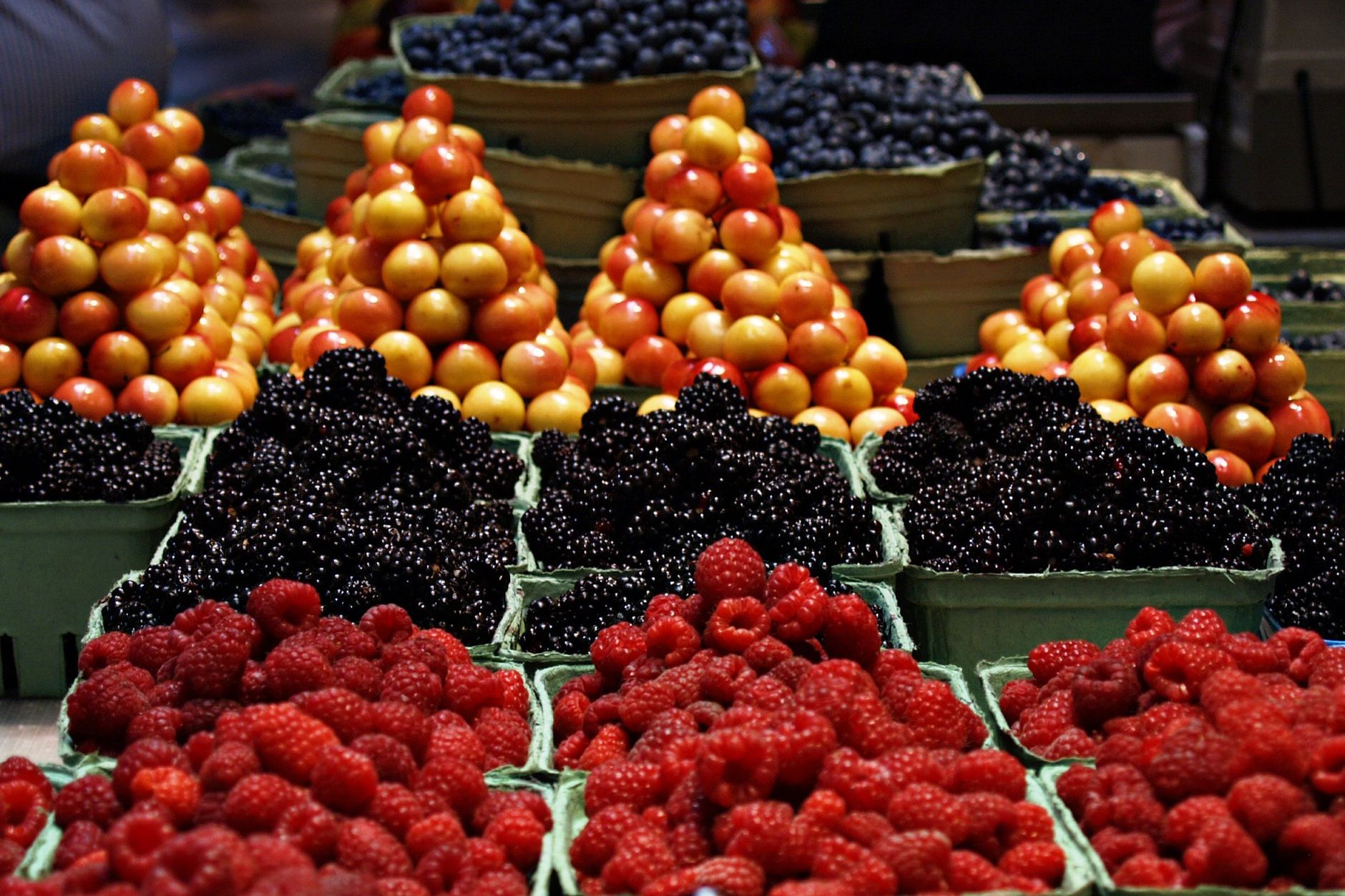
People who come back tend to time a visit around the Monastery of Santa María de Valdediós — a UNESCO site with free organ concerts, first-come seating. They also book the El Gaitero cidery tour in advance (free, but fills up), and they eat wherever the cider is poured in the old Asturian way: from height, without ceremony.
Experiences you don't want to miss




Deals in Villaviciosa
Book directly at the provider

How Villaviciosa came to be
Alfonso X chartered the Puebla de Maliayo in 1270, granting it the fuero of Benavente, a Wednesday market, and permission to build walls — fragments of which still stand. A fire destroyed the villa in 1484, and then in 1517 the future Charles I of Spain landed at Tazones, the small harbour within Villaviciosa's jurisdiction, beginning his reign on Asturian soil. The House of Hevia, dating to the 15th century, is said to be where he took shelter.
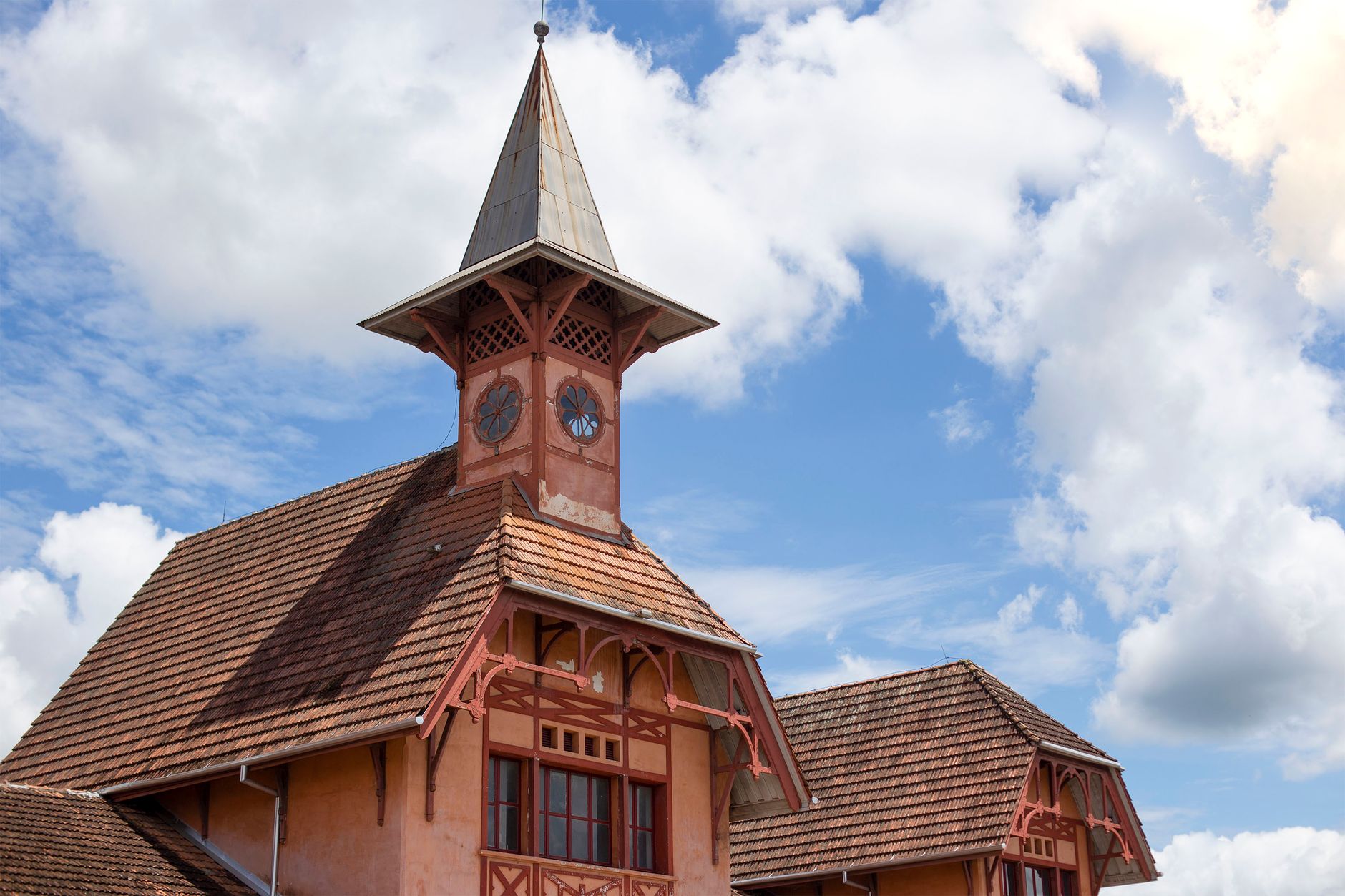
The 17th century brought sustained prosperity: plazas, noble palaces, and the manor houses that still define the streetscape. The town was declared an Artistic Historical Site on the strength of that civil architecture alone. During the Spanish Civil War, Villaviciosa spent fifteen months under Republican control before falling to Nationalist forces on 19 October 1937.
Who and what shaped it
People who shaped it
Landmark buildings
See Villaviciosa in motion
Plan your visit
On the map
When to go
Villaviciosa has a true oceanic climate — mild and damp year-round, rarely below 9°C in winter or above 19°C in summer, with the wettest stretch running October through December. A light waterproof is sensible in any season; July through September gives you the best odds of dry afternoons for church-hopping.
Right now
Background & history adapted from Wikipedia (CC BY-SA) · specs from Wikidata (CC0) · weather from Open-Meteo · map data © OpenStreetMap contributors · photos from Wikimedia Commons / Unsplash with per-image credit. No third-party reviews or social posts reproduced.