
Avilés
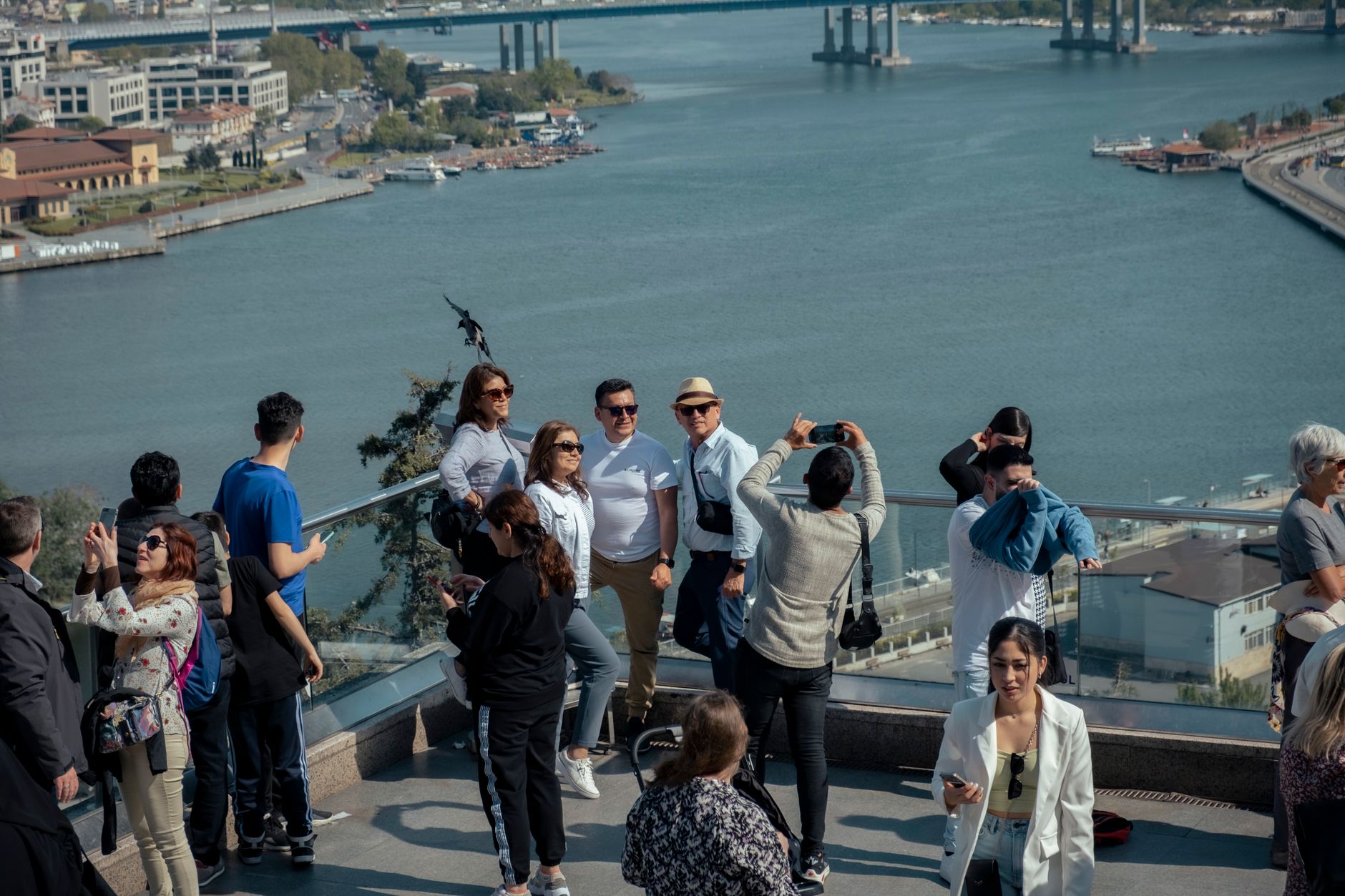
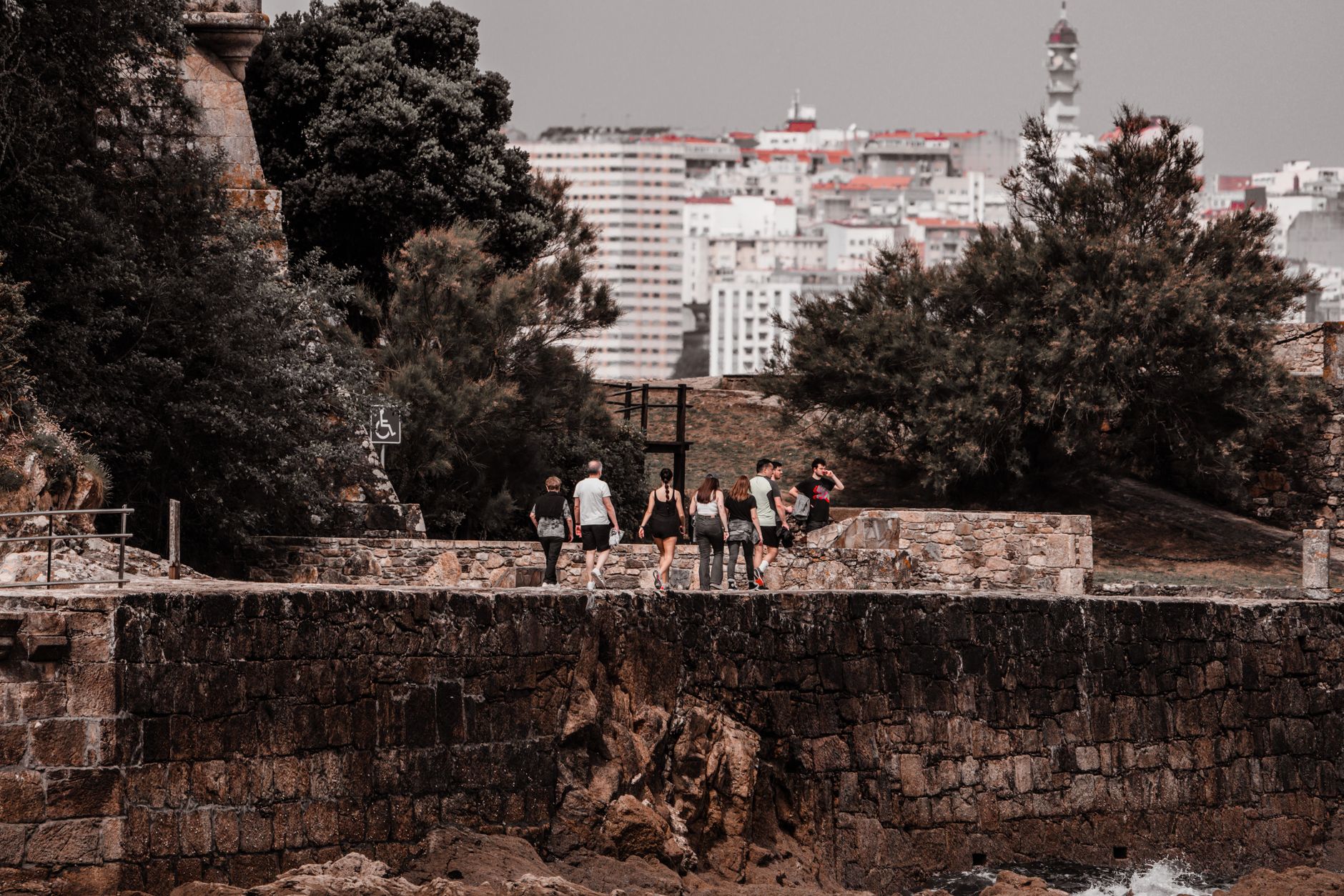
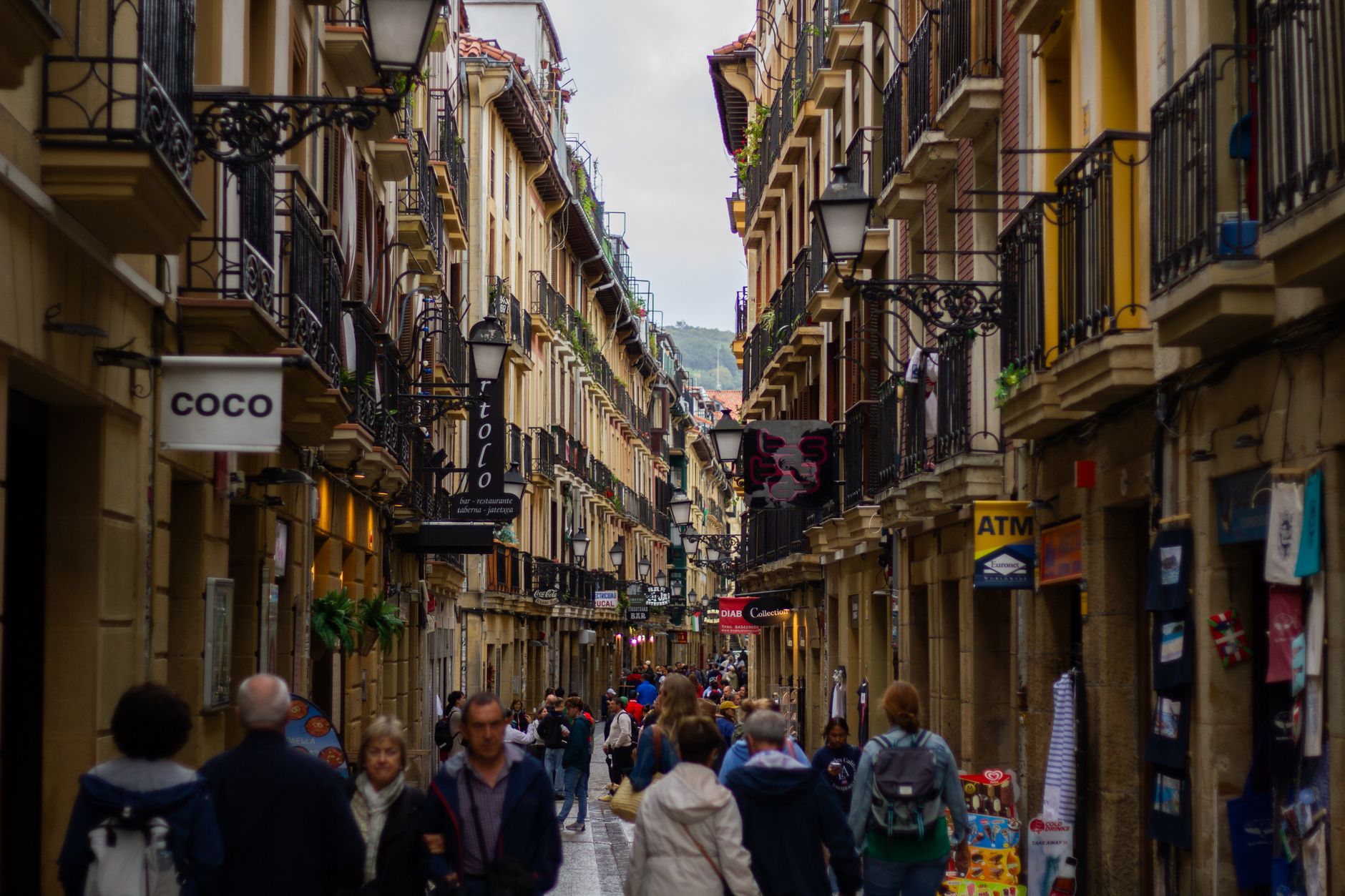
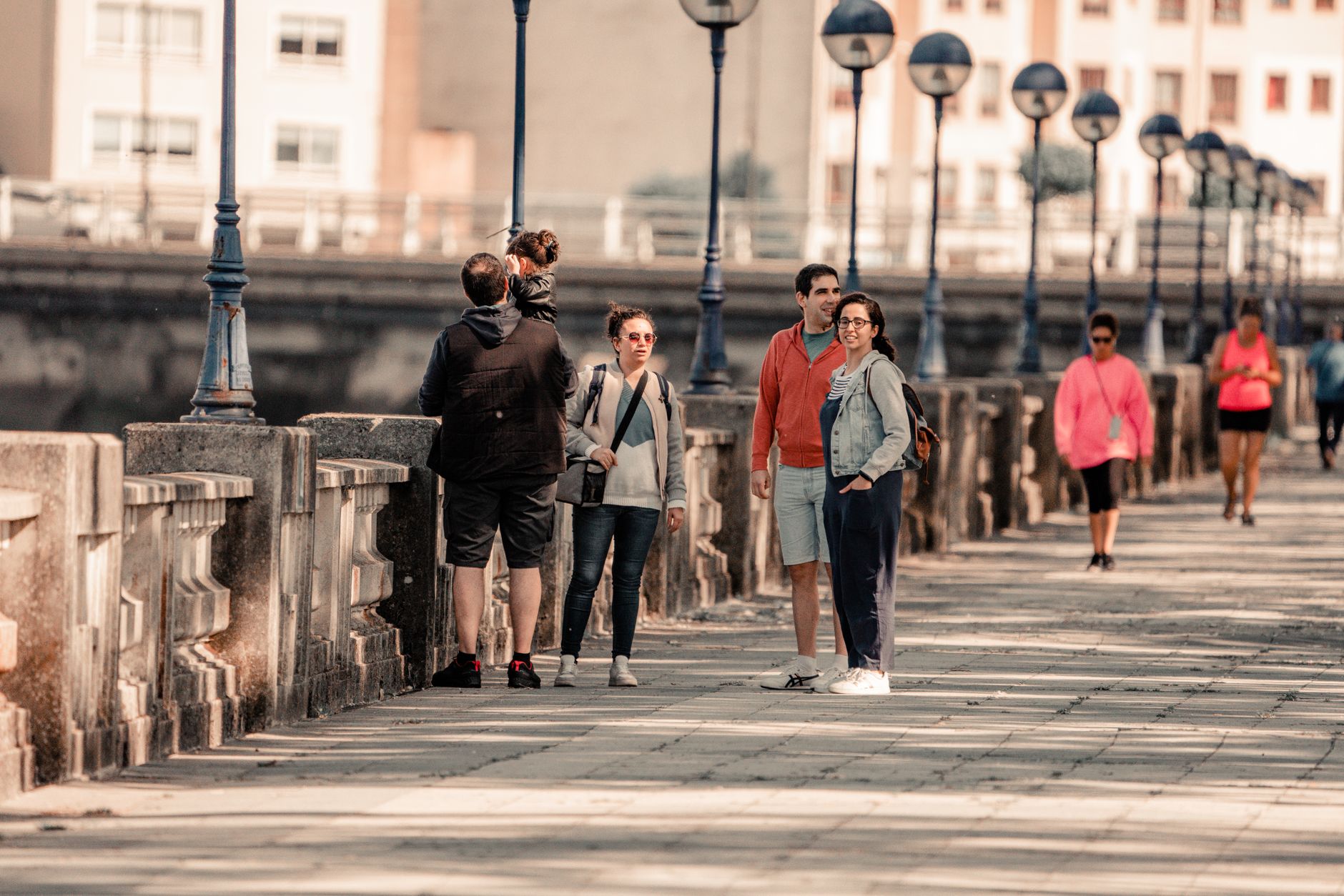
Avilés earns your attention at street level, where the arcaded walkways — the most extensive in all of Asturias — run block after block like open-air cloisters, keeping the rain off your shoulders while you find a sidería and watch someone pour cider from arm's length above the glass in one clean arc.
The city holds two distinct weights: a medieval core of Romanesque churches and Gothic palaces around Plaza de España, and, on the estuary's edge, the stark white curves of the Oscar Niemeyer International Cultural Centre — a gift from the Brazilian architect to the region that gave him its prize. Between those two poles is a city that built itself on salt, then steel, and is still working out what comes next.
💛 What travellers fall for
People who come back tend to linger in the Sabugo quarter rather than the main square — it's older, quieter, and the bars are less self-conscious. The Niemeyer auditorium is worth checking for evening programming before you arrive; the stage opens to the outside, and on the right night that matters.
Experiences you don't want to miss



Deals in Avilés
Book directly at the provider
How Avilés came to be
The name likely traces to a Roman-era landowner, and there is archaeological evidence of Paleolithic settlement, but Avilés enters written history in 905 when King Alfonso III endowed two of its churches. Its medieval growth was decisive: a charter from Count Suero Vermúdez in the early 12th century established it as a town, and the Fuero de Avilés of 1155 — granted by Alfonso VII of Castile — freed it from feudal obligations, making it one of the more significant legal documents of medieval Spain. For centuries the estuary made Avilés one of the busiest ports on the Bay of Biscay, trading primarily in salt.
The estuary eventually closed to navigation. The medieval wall came down in 1818. Then, in 1953, earthworks began for the ENSIDESA steel mill — now part of ArcelorMittal — and four years later its first blast furnace was lit. The industrial era reshaped the city's edges even as the arcaded streets of the old town remained largely intact.
Who and what shaped it
People who shaped it
Landmark buildings
See Avilés in motion
Plan your visit
On the map
When to go
Avilés runs mild all year — winters rarely drop below 8°C, summers rarely exceed 31°C — but expect cloud and passing showers in any season. June to mid-September is the driest and most comfortable window; November is the wettest month by some margin.
Right now
Background & history adapted from Wikipedia (CC BY-SA) · specs from Wikidata (CC0) · weather from Open-Meteo · map data © OpenStreetMap contributors · photos from Wikimedia Commons / Unsplash with per-image credit. No third-party reviews or social posts reproduced.