
Luarca
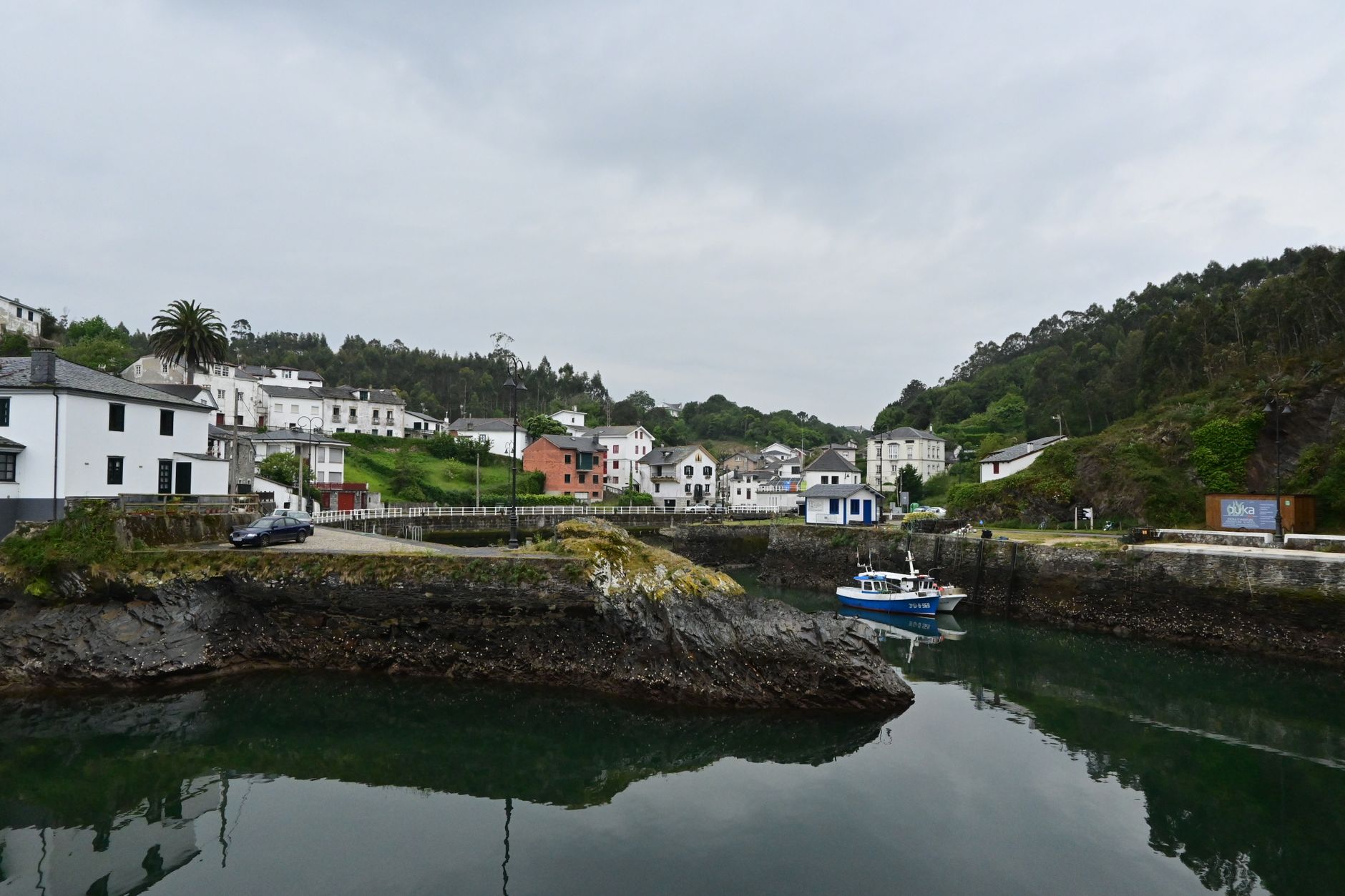
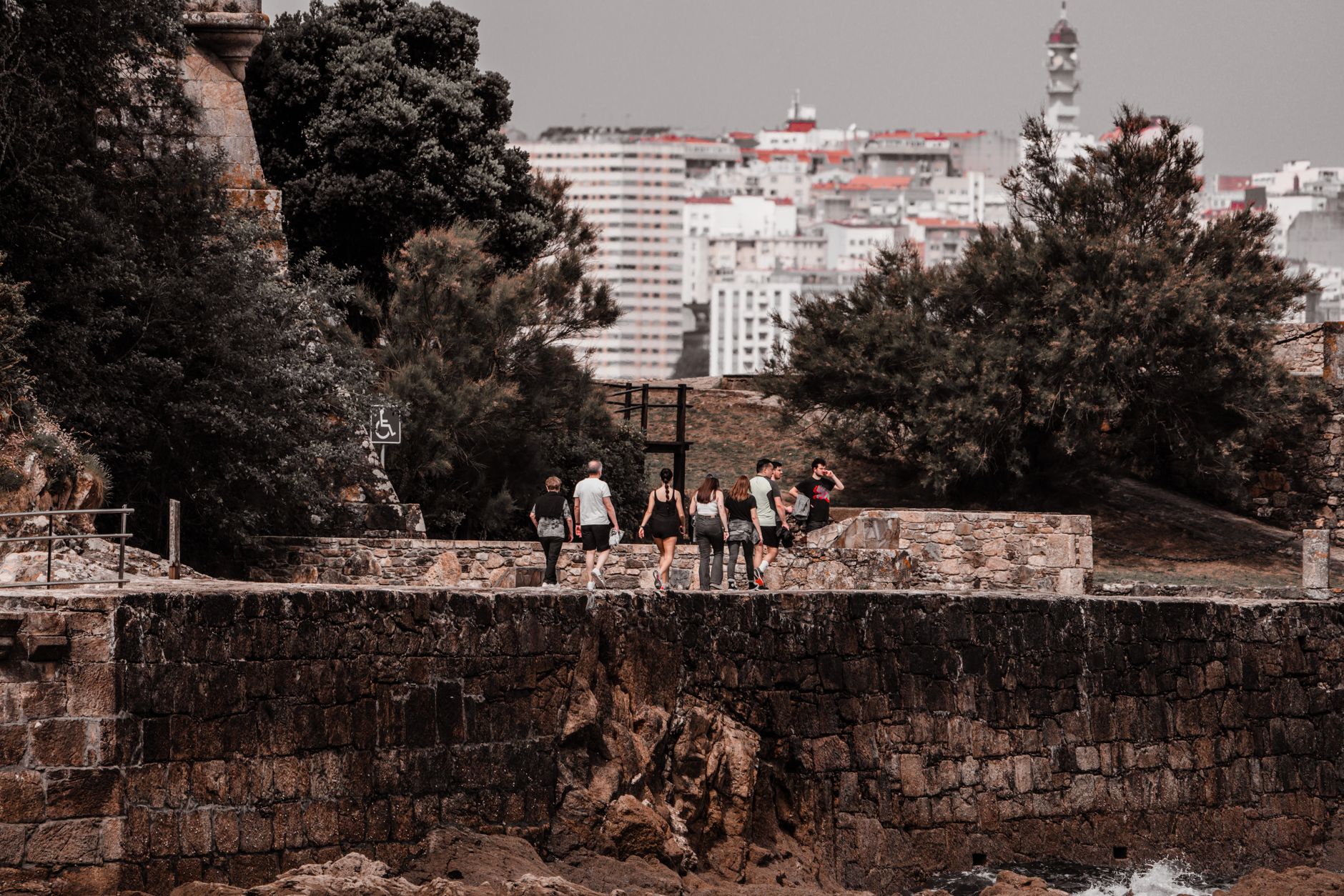
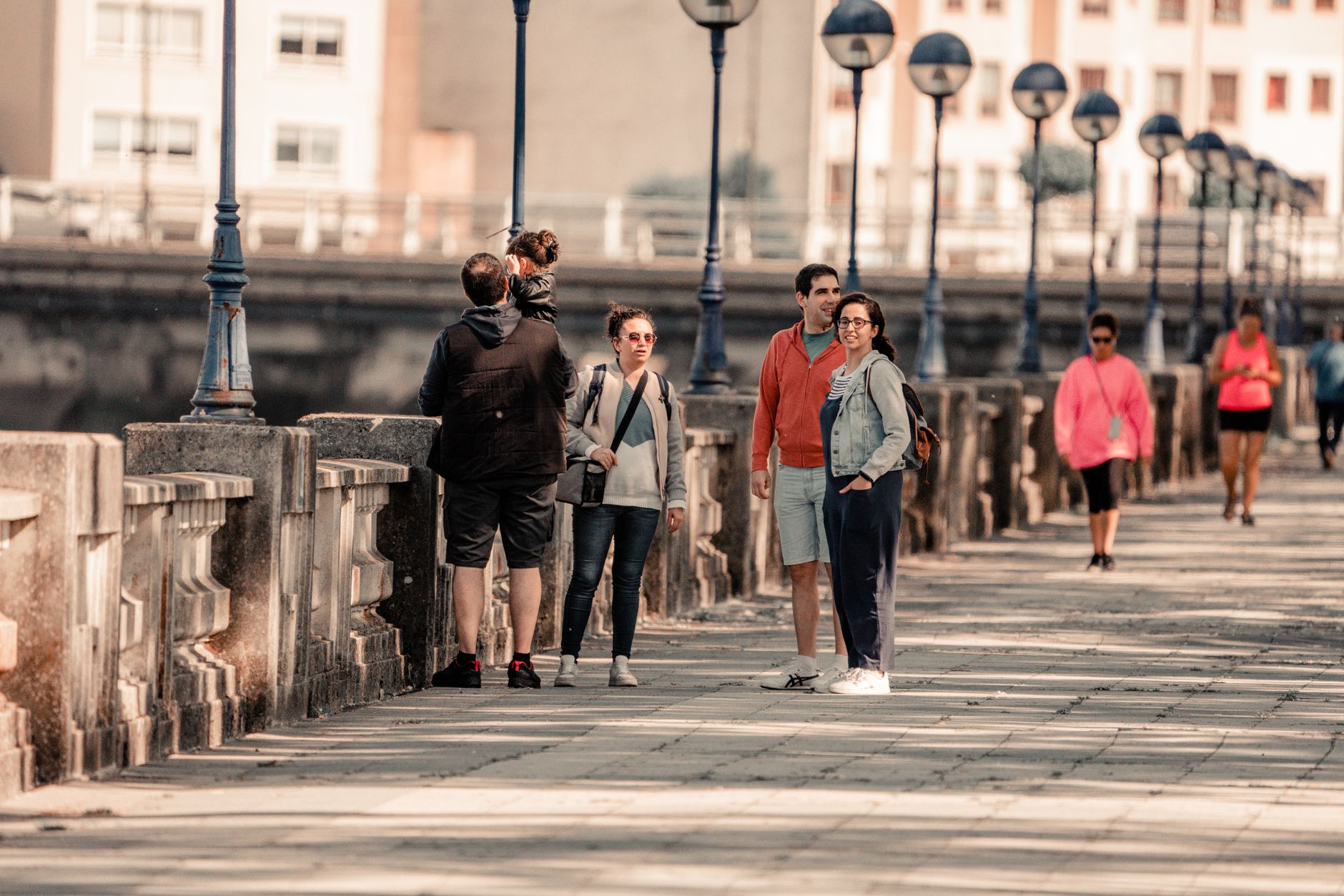
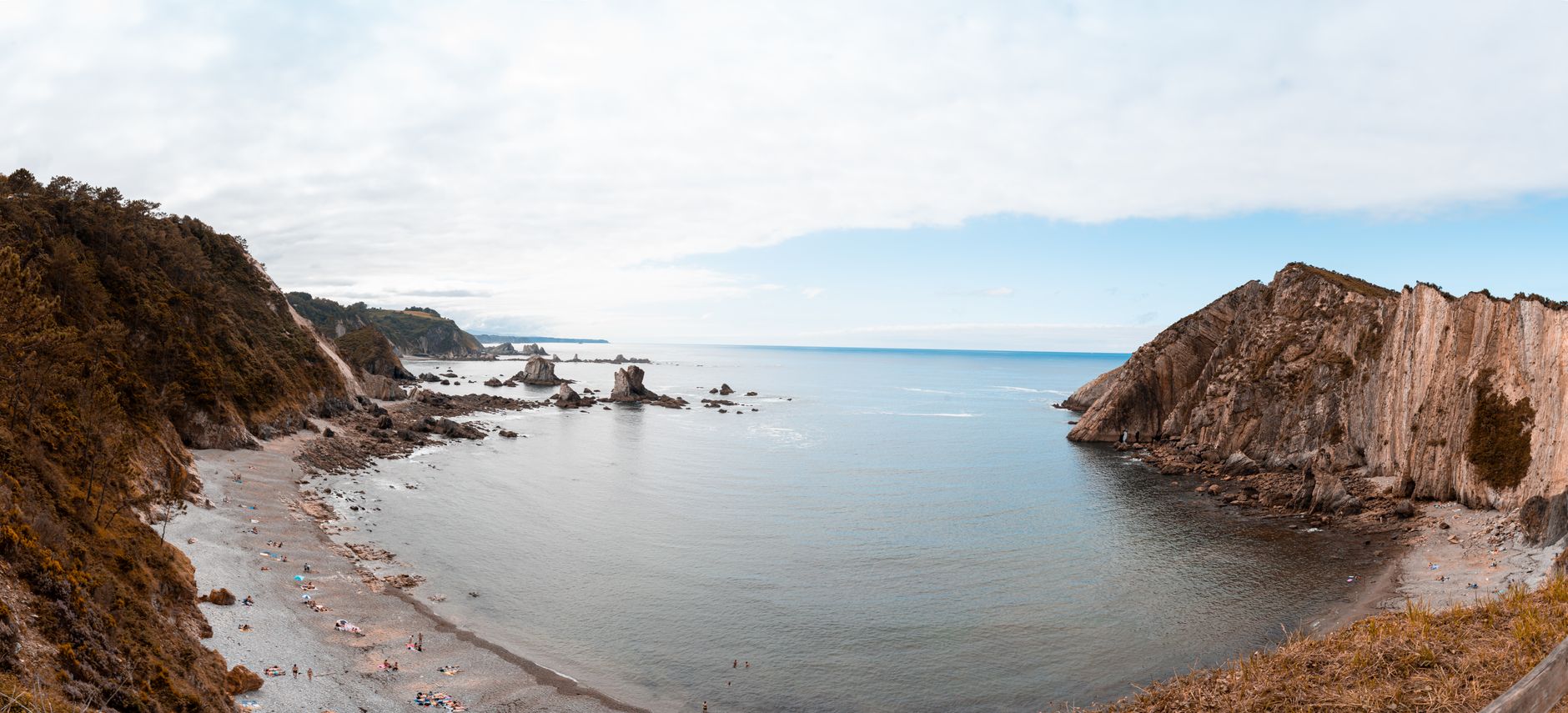
Luarca sits inside an S-shaped cove carved between sheer cliffs on the Asturian coast, with a small river — the Negro — splitting the town in two and seven bridges stitching it back together. The one called Puente del Beso, the Bridge of the Kiss, tells you something about the scale of the place and the mood of its people.
The harbor is working, not decorative. Stone stairs climb through El Cambaral, the old fishermen's quarter, past cottages that have weathered a lot of Atlantic weather. Up on the hill, a Neo-Gothic church looks out to sea, and somewhere in town a museum dedicated entirely to the giant squid has, against considerable odds, reopened after being destroyed by a storm.
💛 What travellers fall for
People who come back tend to mention the Mesa de Mareantes — the stone table where the mariners' guild once met to read the weather, now covered in Talavera ceramic tiles painted after watercolours by Goico Aguirre. They also mention the chigres, the old Asturian cider taverns, and the Mirador del Chano viewpoint, which frames the harbor, the cemetery, and the river in a single look.
Experiences you don't want to miss


Deals in Luarca
Book directly at the providerHow Luarca came to be
The name Luarca appears in a medieval Latin document as early as 912, but the town's formal foundation came with a charter granted by King Alfonso X El Sabio in 1270. It grew quickly as a port: by 1338 it had authorization to import and trade salt, and by 1486 a guild of merchants had drawn up its own ordinances. The prosperity that followed brought risk — between the 15th and 16th centuries the town built defensive walls against corsair raids off the Cantabrian coast.
Luarca also has the kind of history that arrives in the form of returning emigrants. The so-called Indian houses in the Villar area — grand residences built by Asturians who left for the Americas and came back with money — stand as a particular kind of record. In July 1936, during the opening days of the Spanish Civil War, Nationalist forces took the town.
Who and what shaped it
People who shaped it
Landmark buildings
See Luarca in motion
Plan your visit
On the map
When to go
Summers are warm and relatively dry by Asturian standards — August averages around 23°C, and July is the least rainy month, though ten days of rain in a month still counts as the dry season here. Winters are mild rather than cold, with snow rare; autumn is when the Atlantic asserts itself most forcefully, with November regularly delivering heavy storms.
Background & history adapted from Wikipedia (CC BY-SA) · specs from Wikidata (CC0) · weather from Open-Meteo · map data © OpenStreetMap contributors · photos from Wikimedia Commons / Unsplash with per-image credit. No third-party reviews or social posts reproduced.