
Oviedo
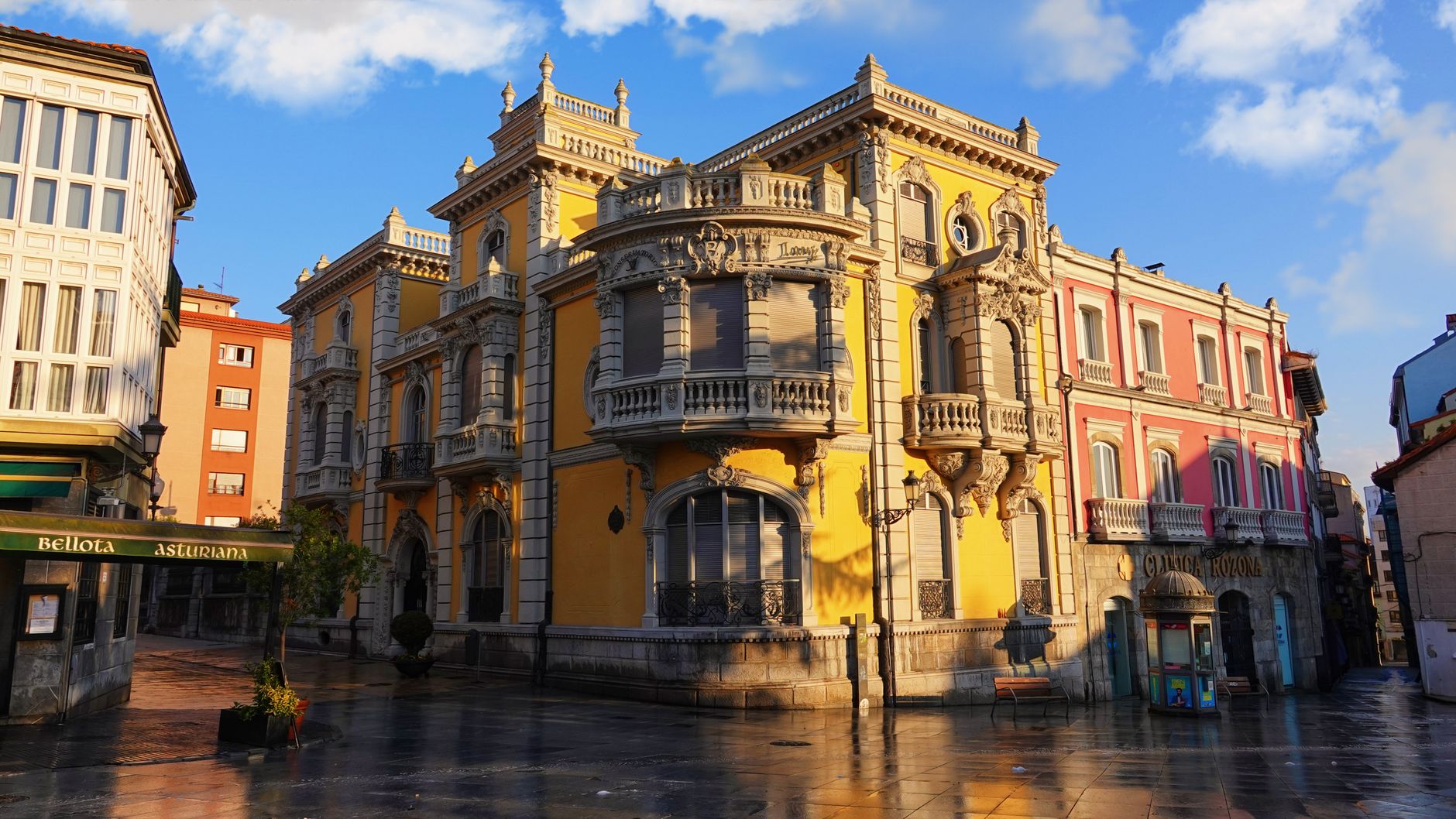
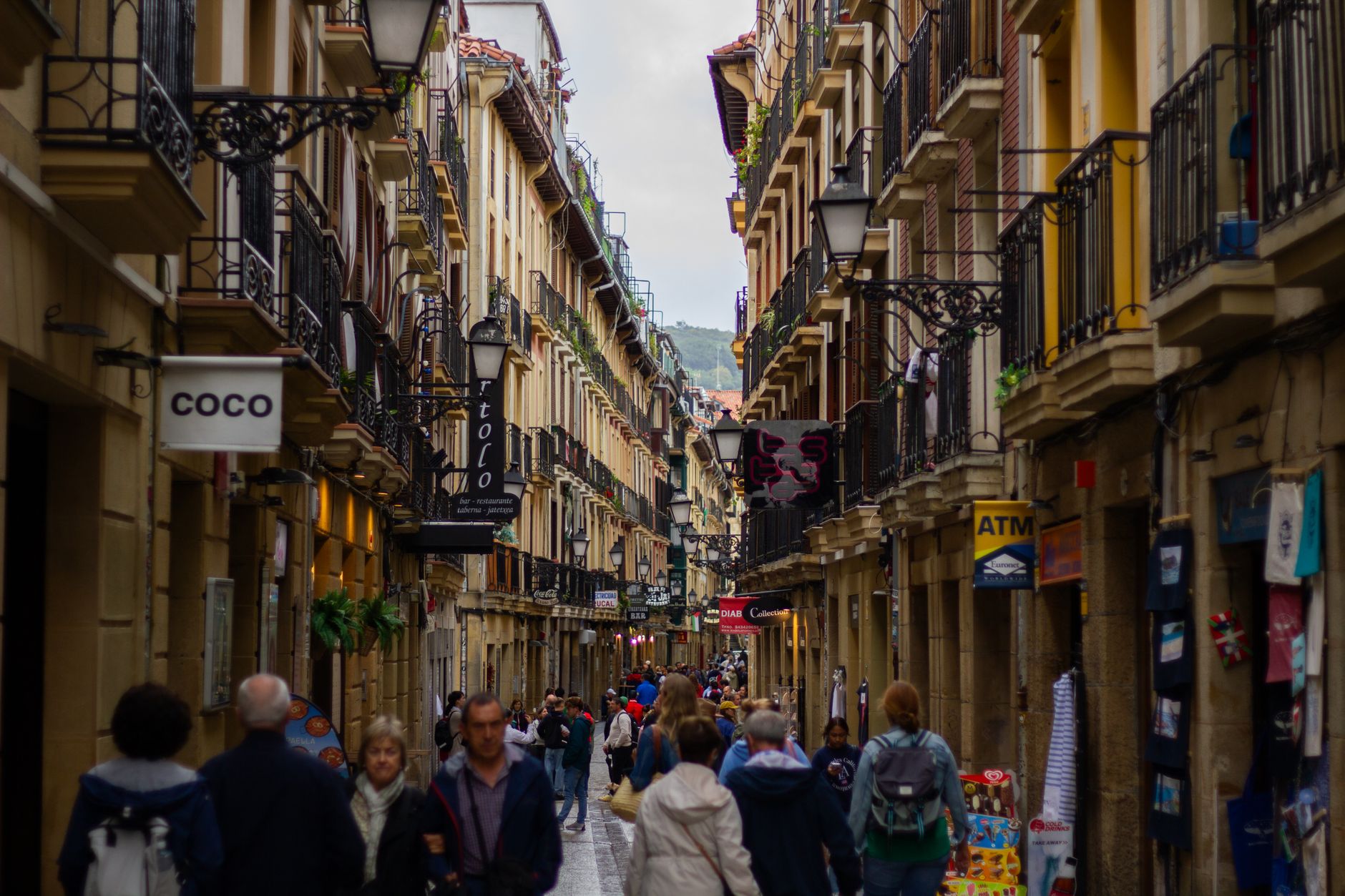
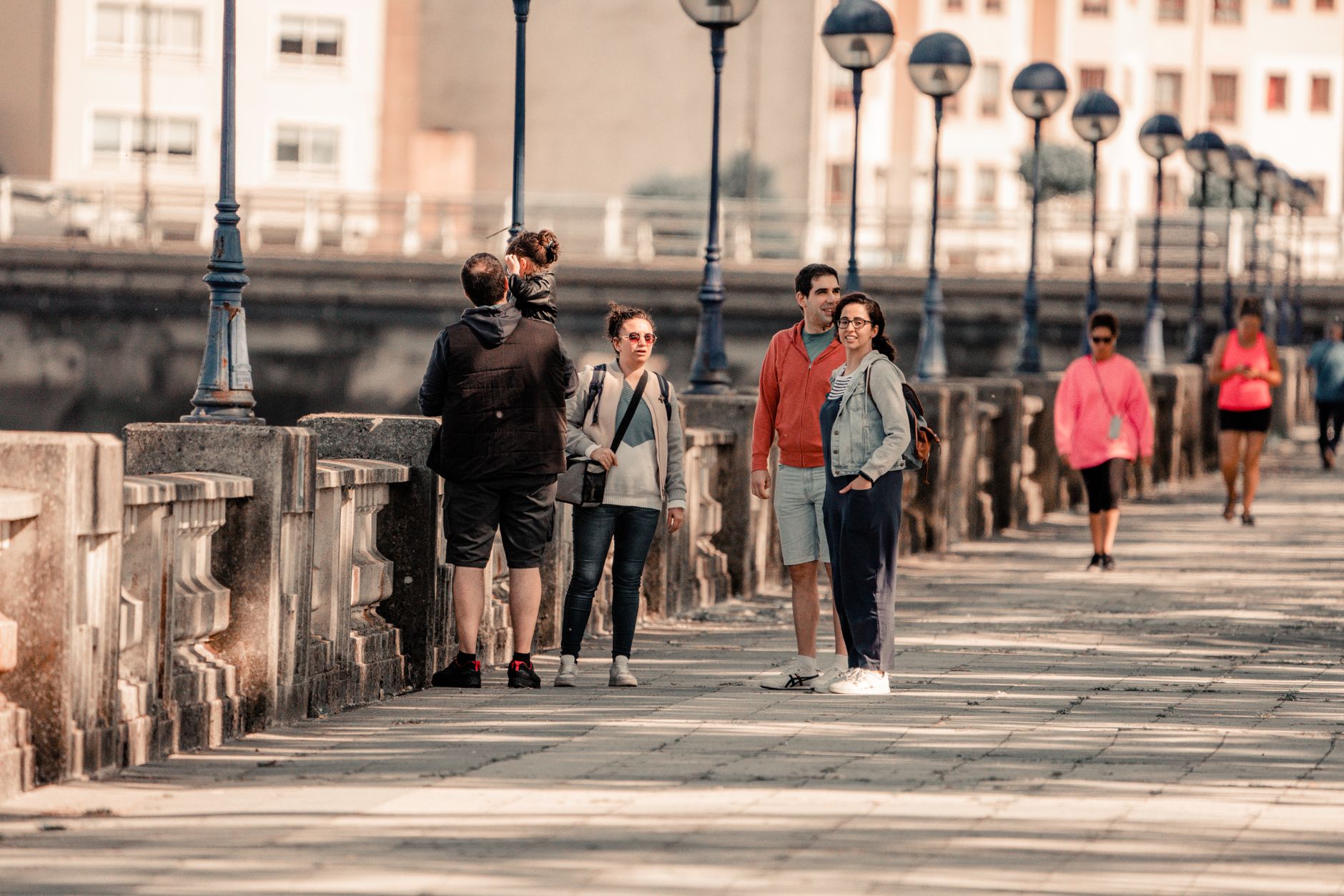
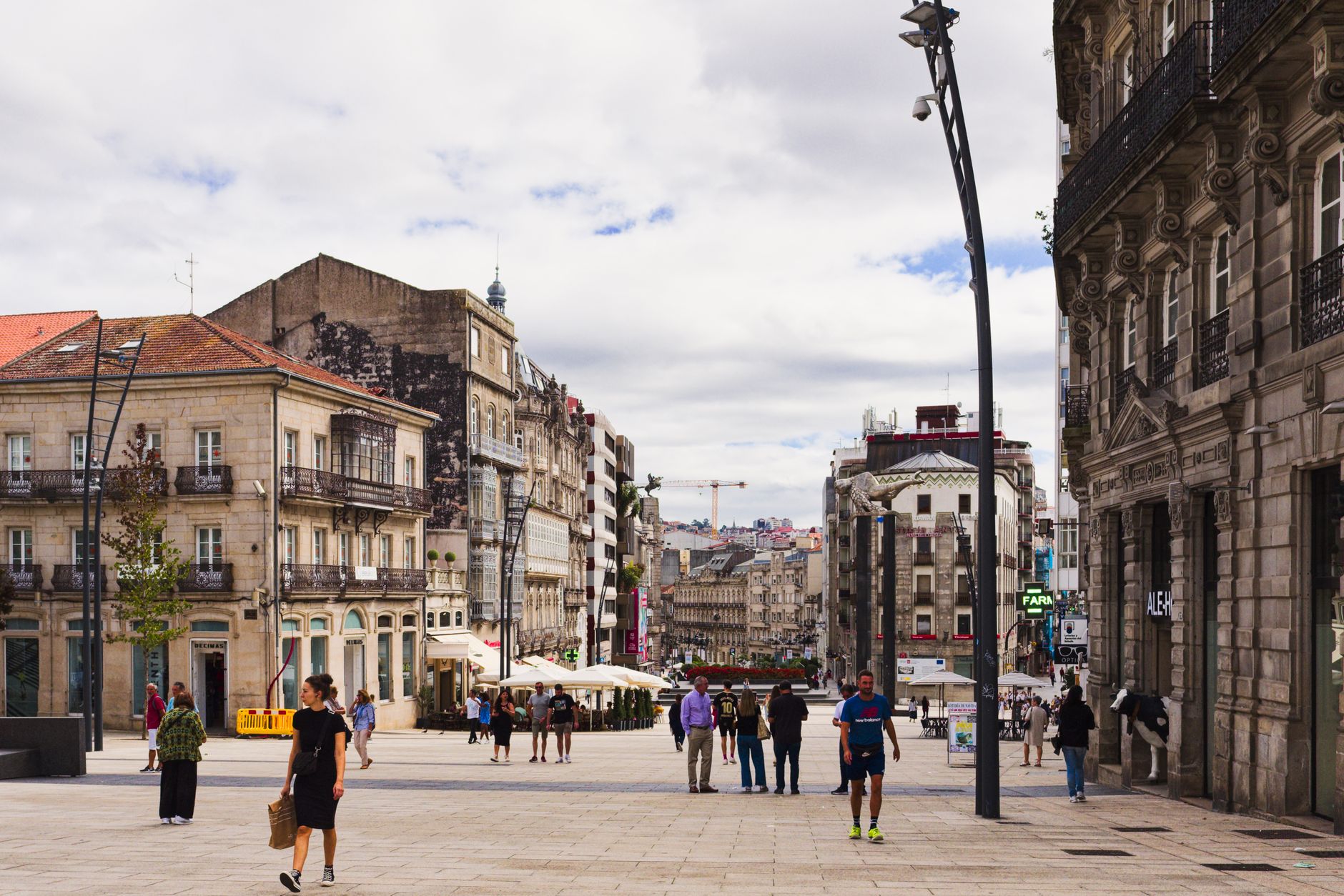
Oviedo is a city that earns its age quietly. Walk the old quarter and you'll find pre-Romanesque churches older than most European capitals, built when this was the seat of Christian Spain and the rest of the peninsula was still being negotiated. The Cathedral of San Salvador took three centuries to finish; La Foncalada, a ninth-century fountain tucked into the city fabric, is the only surviving pre-Romanesque civil structure in all of Europe.
Seventy-five percent of the city was destroyed in the Civil War, so what remains from those early centuries carries particular weight. Oviedo rebuilt itself around its surviving monuments — and around a university that has been running since 1608.
💛 What travellers fall for
People who come back tend to time a visit around the Teatro Campoamor in the evening, then walk the casco antiguo afterward when the tour groups have gone. The CONECTA card makes the bus network genuinely cheap — €0.45 a ride — worth picking up if you're staying more than a couple of days.
Experiences you don't want to miss



Deals in Oviedo
Book directly at the provider

How Oviedo came to be
Oviedo began as a monastery on Monte Ovetão, founded in 757 by Fruela I and formally established in 761 by monks Máximo and Fromestano. Its real transformation came under Alfonso II the Chaste, who moved the capital of the Kingdom of Asturias here around 791 and set about building — the Cámara Santa, San Julián de los Prados, and the foundations of what would become a cathedral. For over a century, Oviedo was the political and spiritual centre of Christian Spain, until the capital shifted south to León in 924.
The city absorbed a great deal of violence across the centuries: sacked by Emir Hisham I in 794, gutted by fire in 1521, and largely destroyed during the Civil War. The UNESCO recognition of two of its pre-Romanesque churches in 1985 was, among other things, an acknowledgment of what had survived all of that.
Who and what shaped it
People who shaped it
Landmark buildings
See Oviedo in motion
Plan your visit
On the map
When to go
Asturias is green for a reason — Oviedo gets rain year-round, with the wettest months running from October through January. Summer is mild and rarely oppressive, making July and August genuinely pleasant; spring brings cool, changeable days that clear into bright afternoons.
Right now
Background & history adapted from Wikipedia (CC BY-SA) · specs from Wikidata (CC0) · weather from Open-Meteo · map data © OpenStreetMap contributors · photos from Wikimedia Commons / Unsplash with per-image credit. No third-party reviews or social posts reproduced.