
San Sebastián
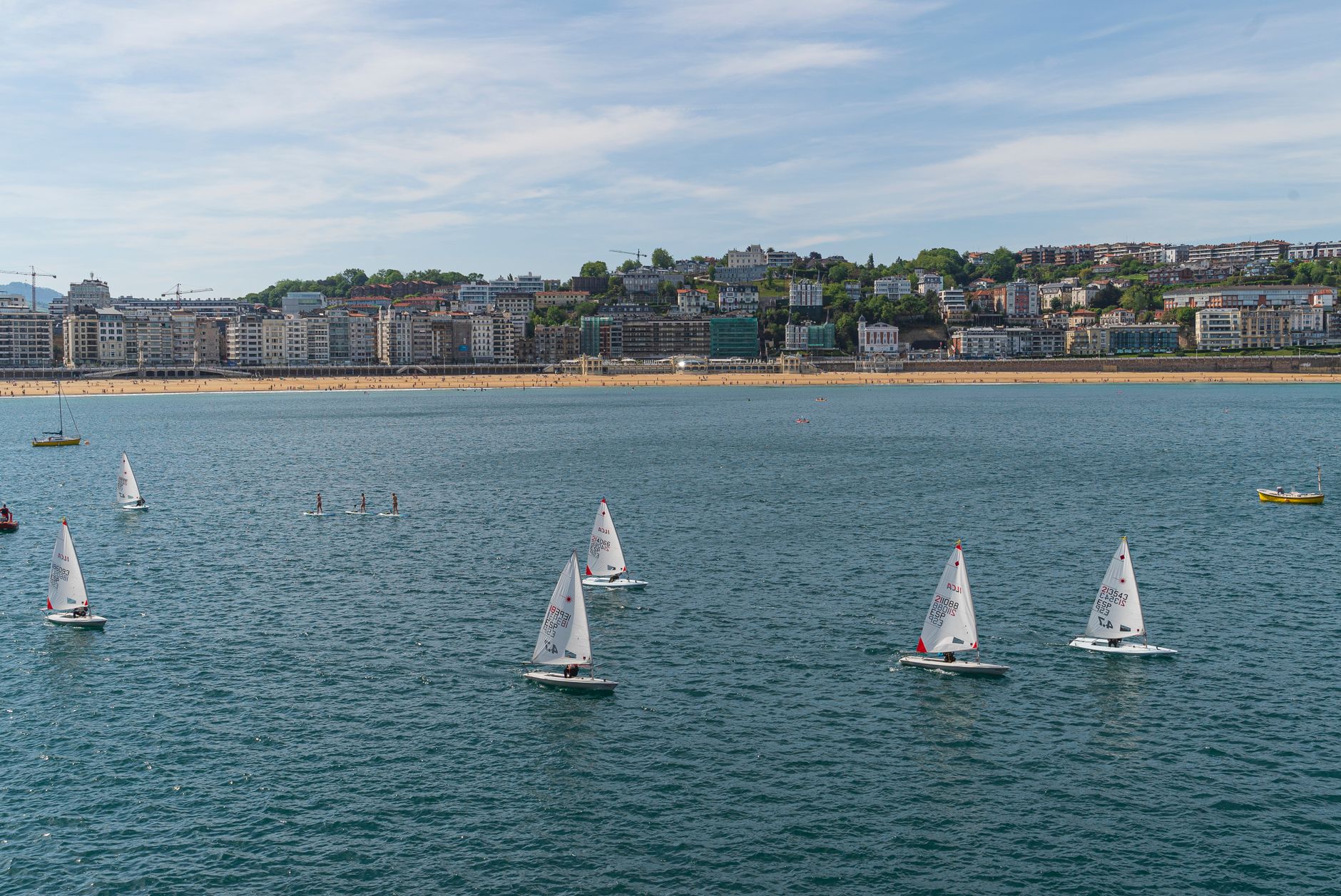
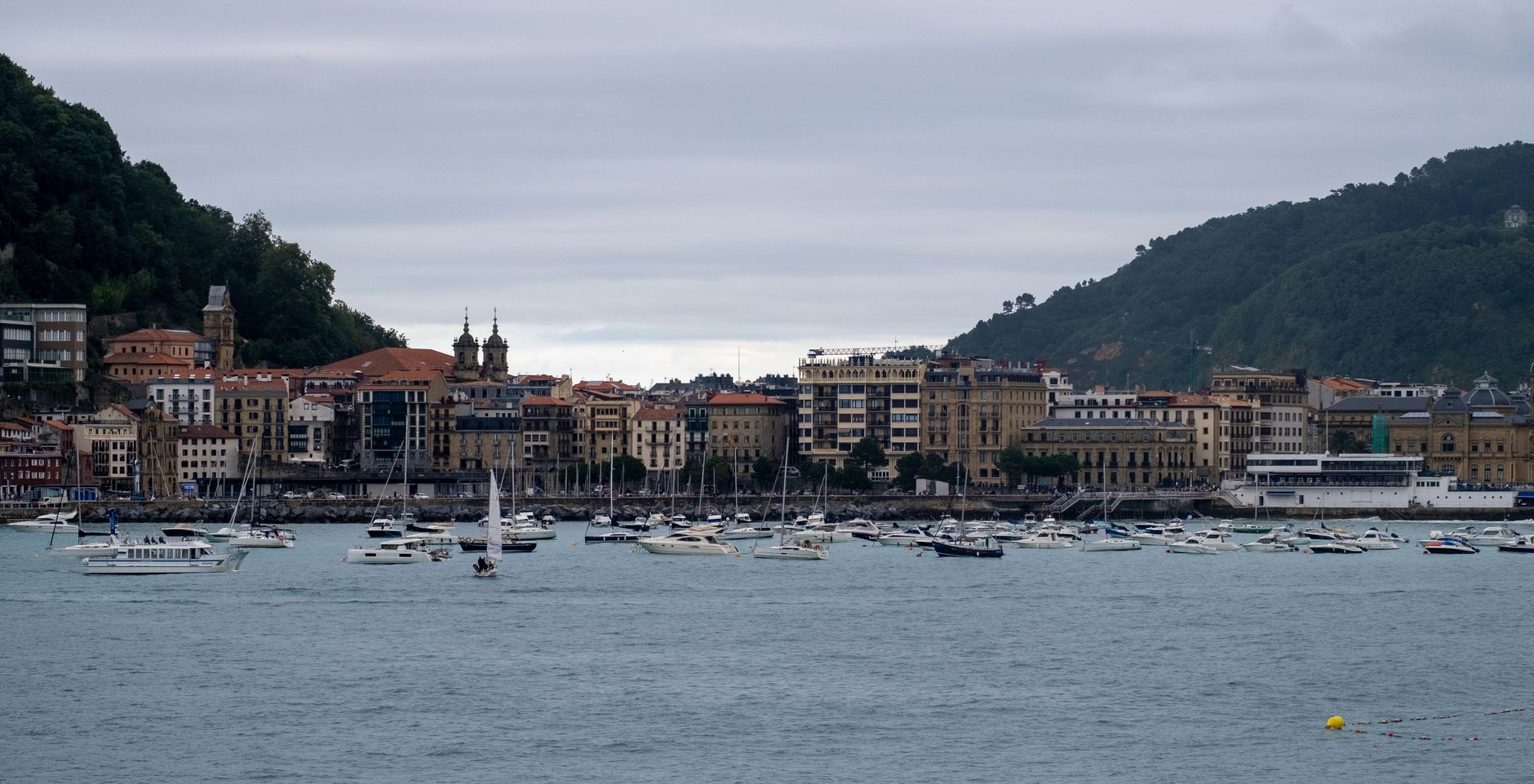
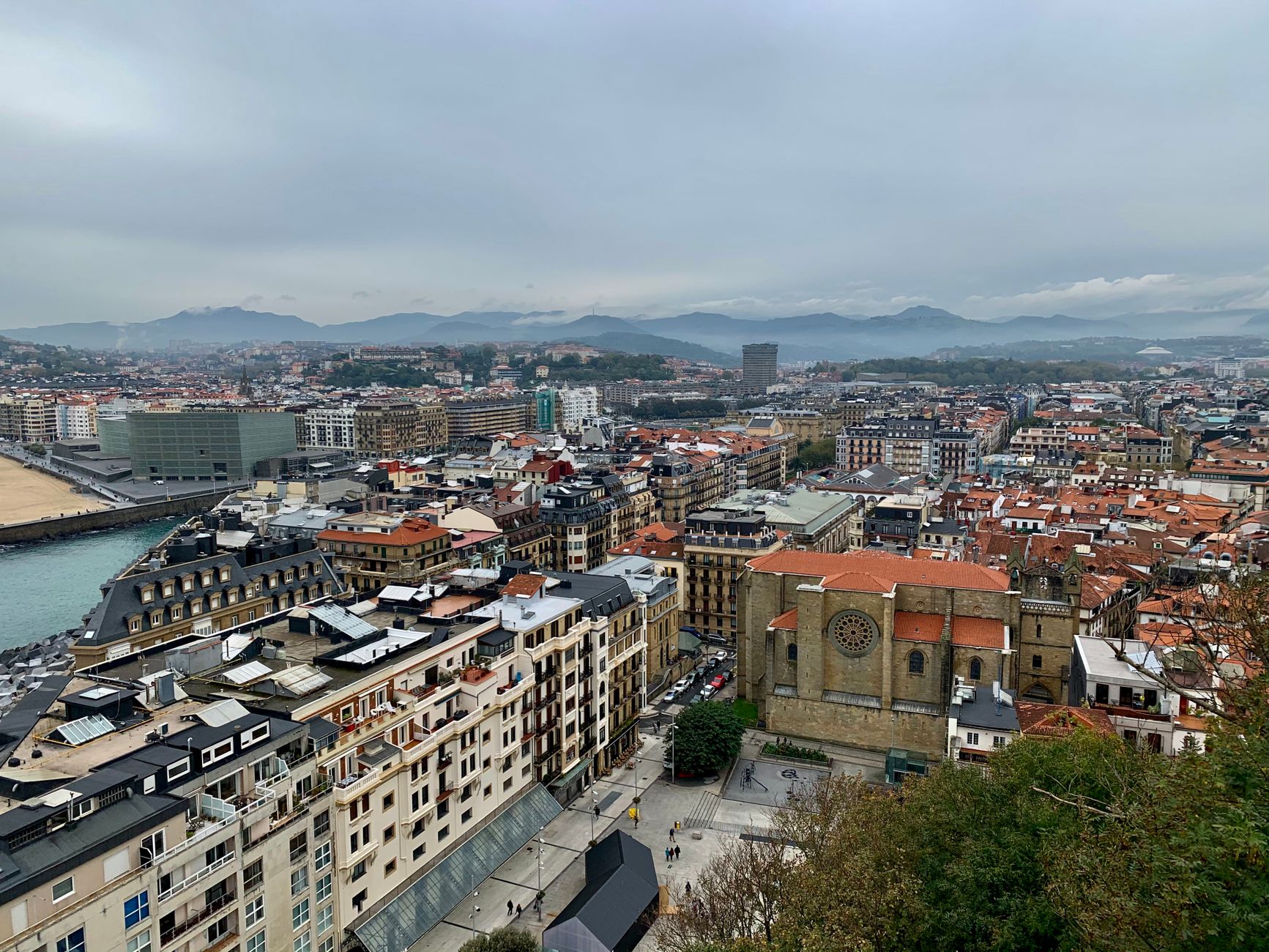
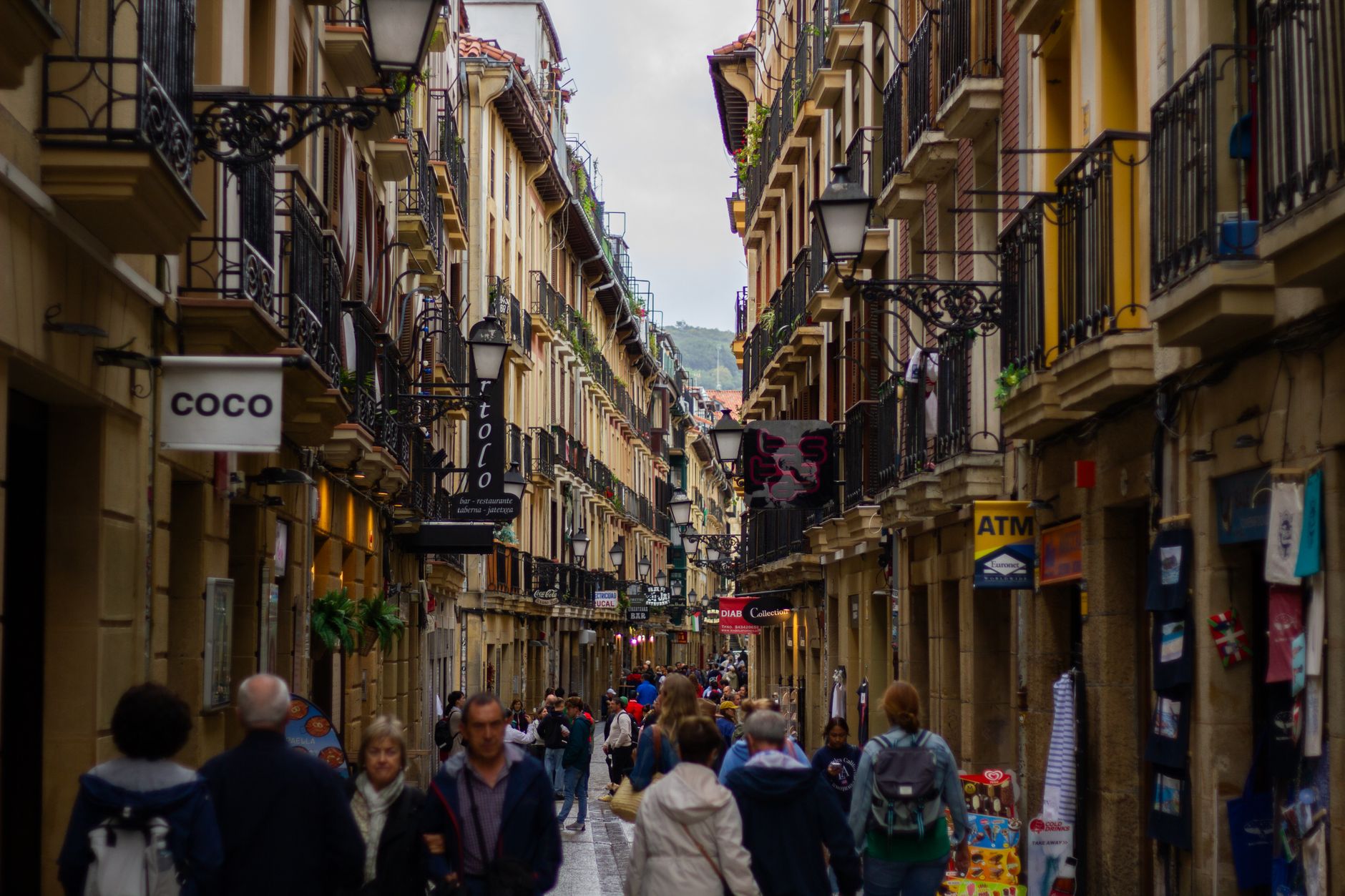
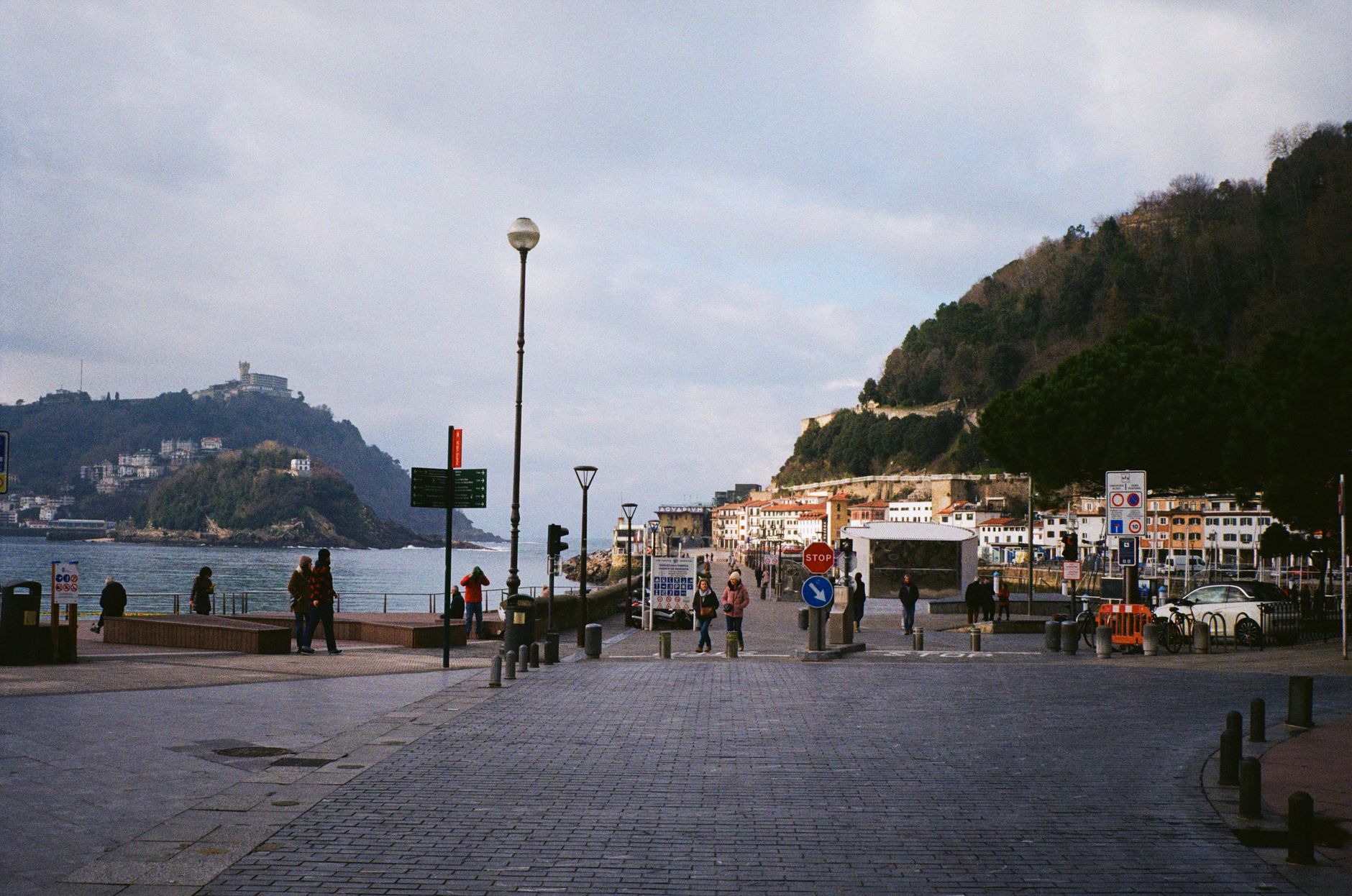
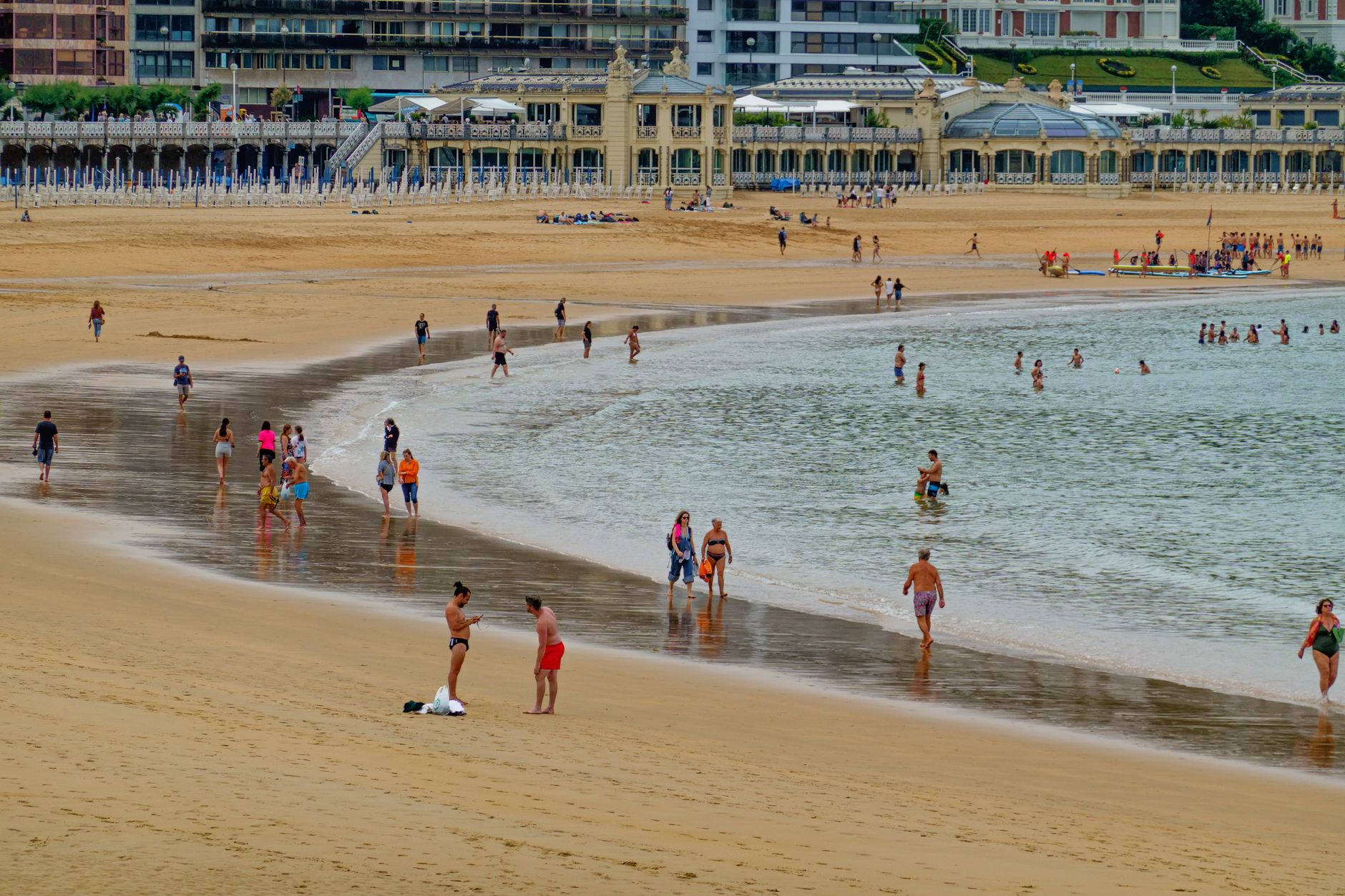
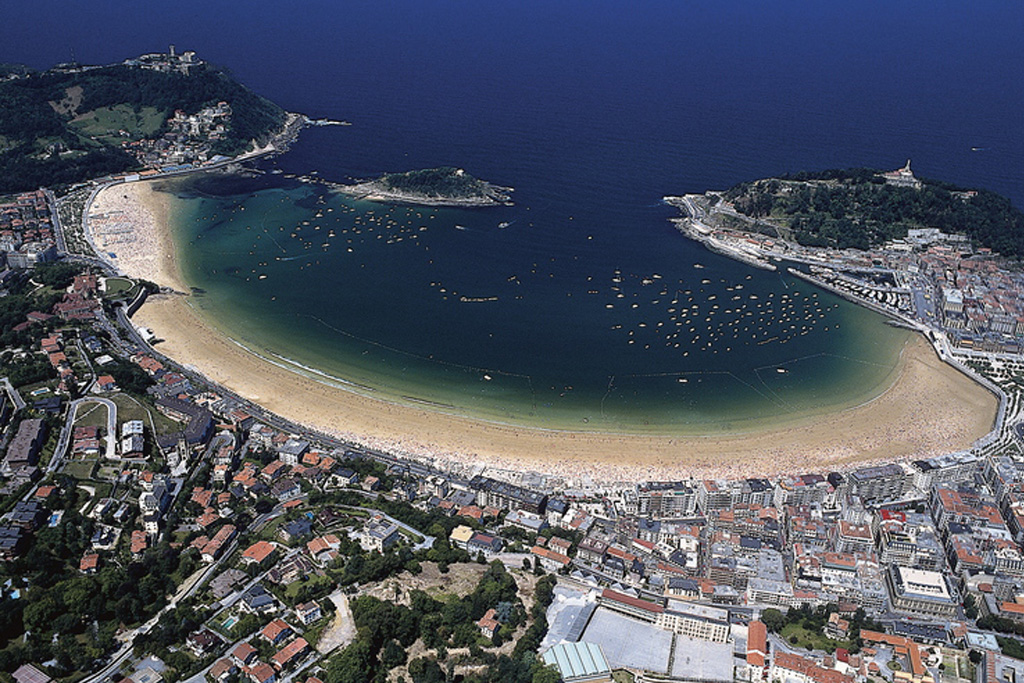
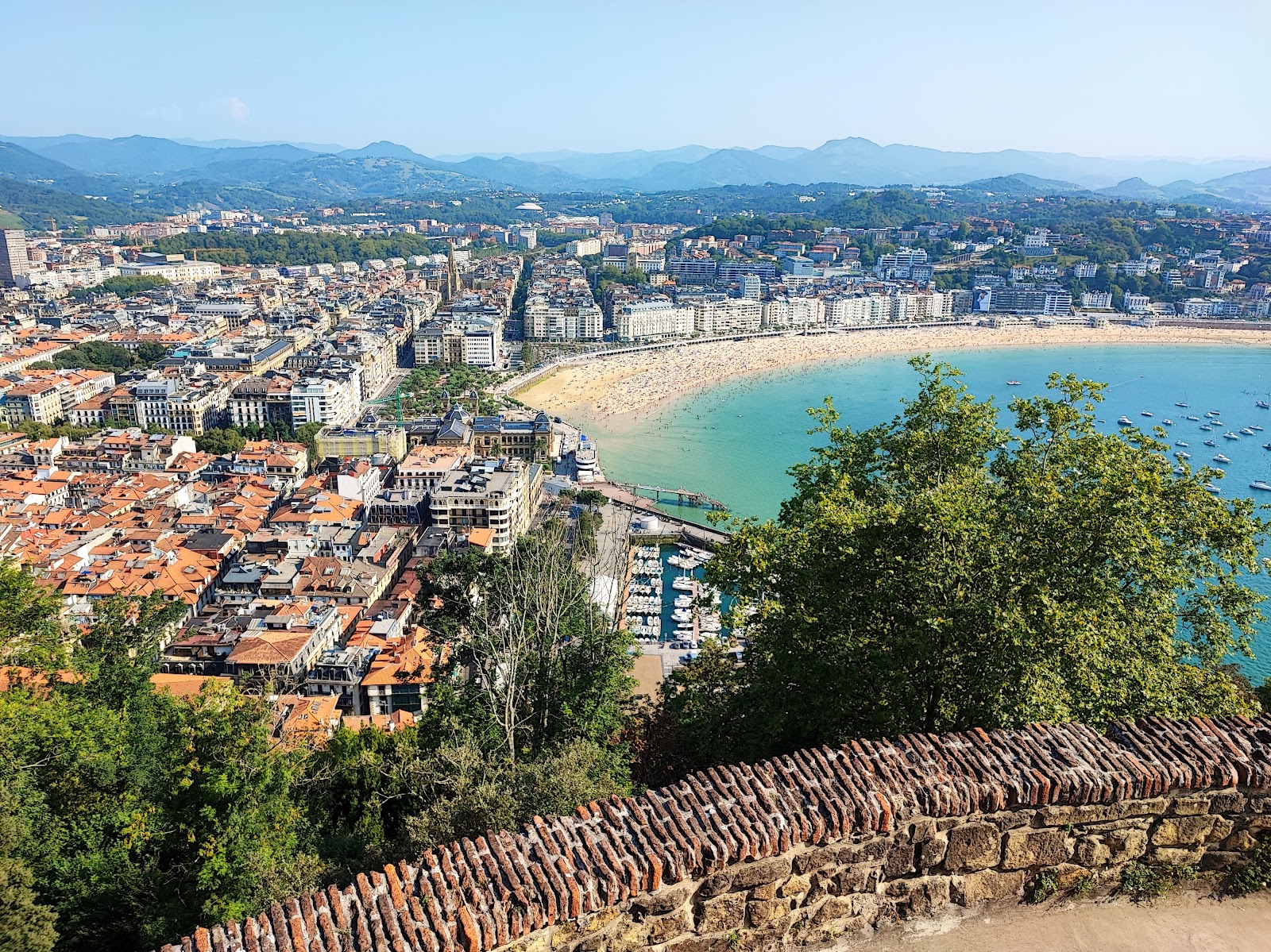
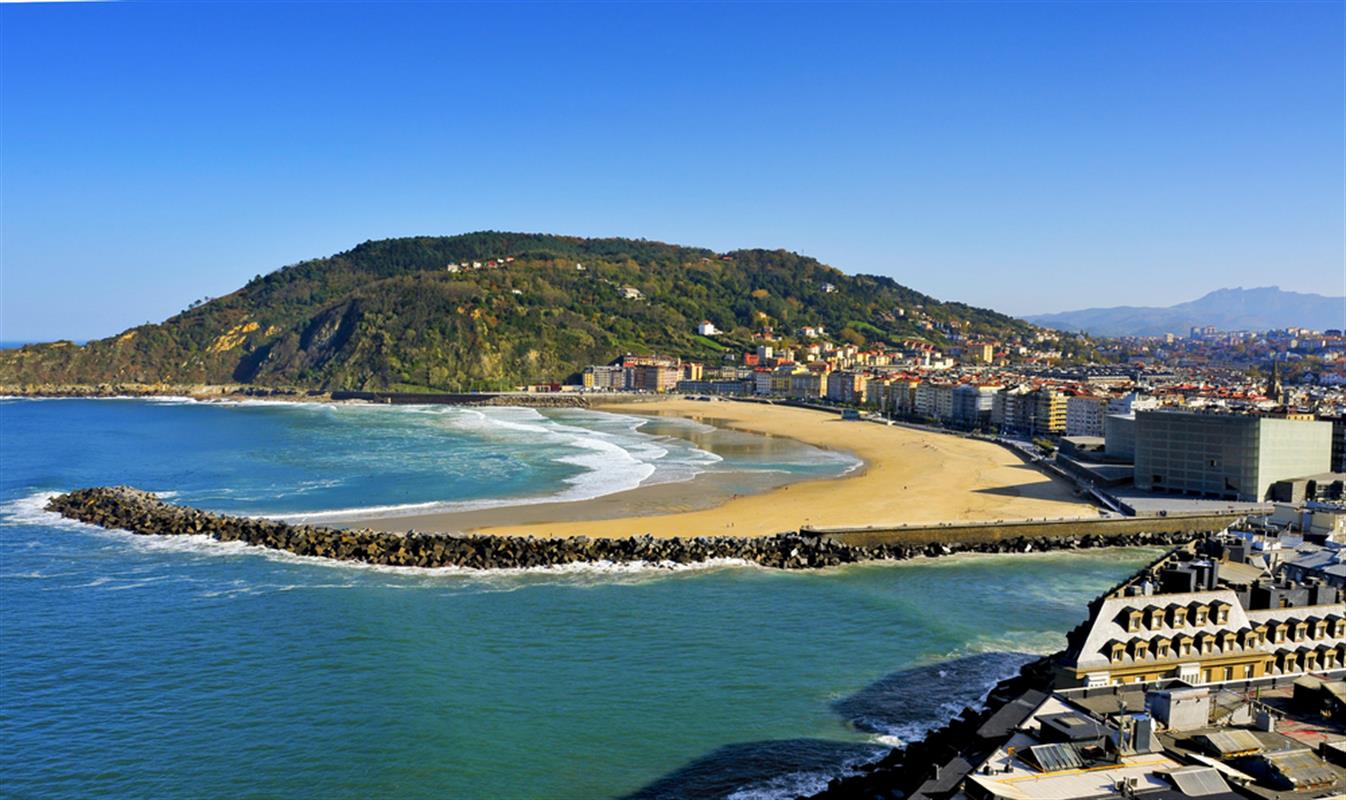
San Sebastián arranges itself around a near-perfect bay — La Concha, a crescent of sand that looks, from Mount Urgull, almost too composed to be real. The old city sits at the base of that hill, its narrow streets lined with pintxos bars where the counter is the whole point: small plates of anchovy, cured ham and salt cod stacked on bread, washed down with txakoli poured from a height to put a little fizz in the glass.
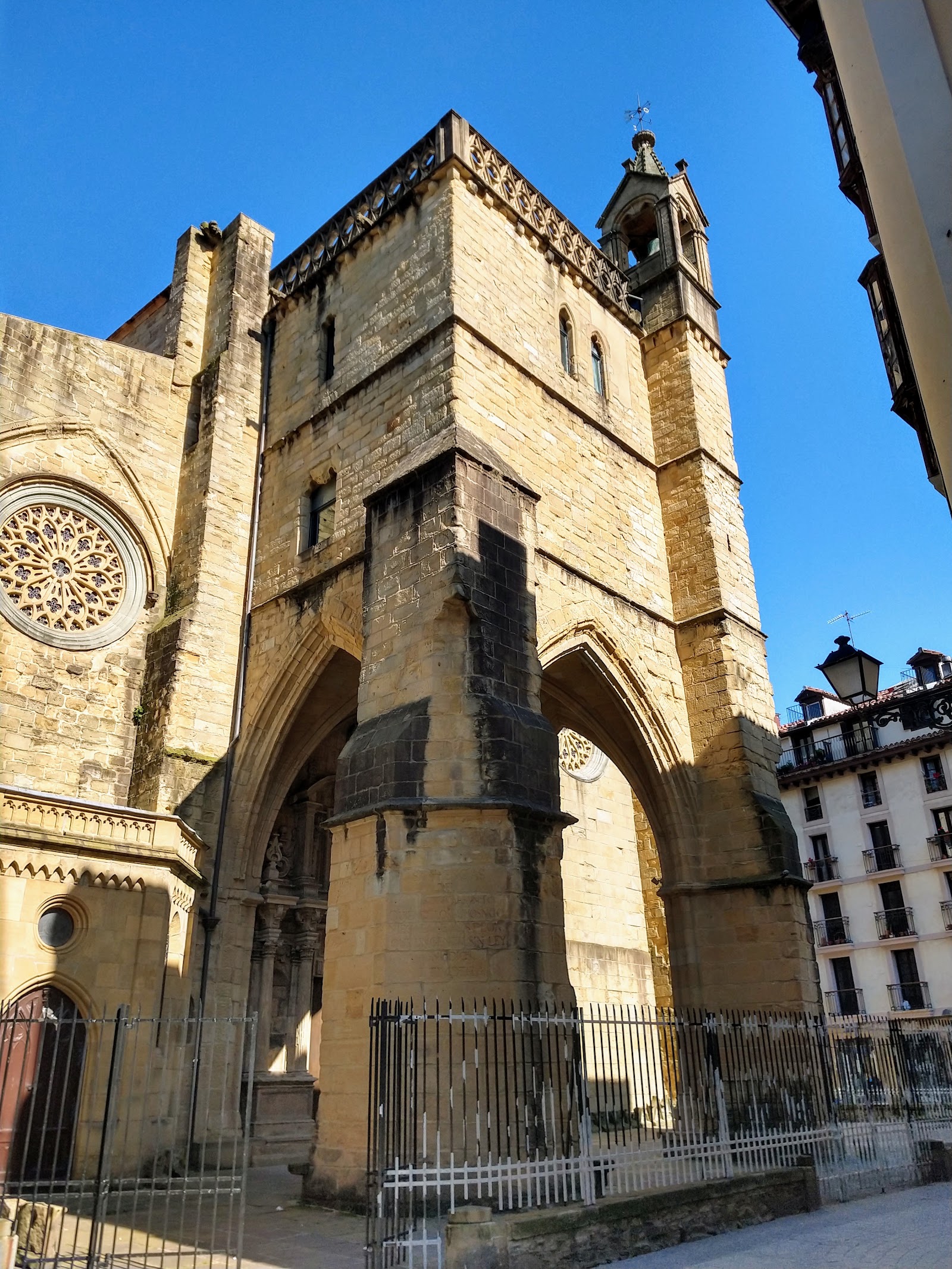
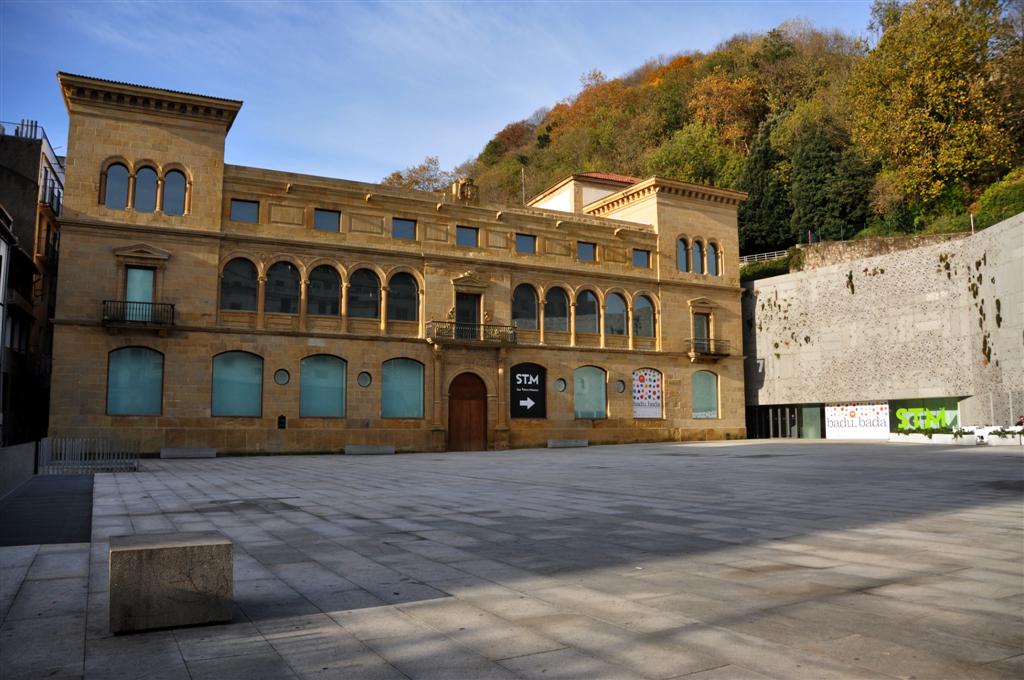
The city moves between registers with ease — Baroque church to Belle Époque seafront to two translucent glass cubes by Rafael Moneo that sit beside the Urumea river like rocks the tide left behind. You can walk most of it, and you should.
💛 What travellers fall for
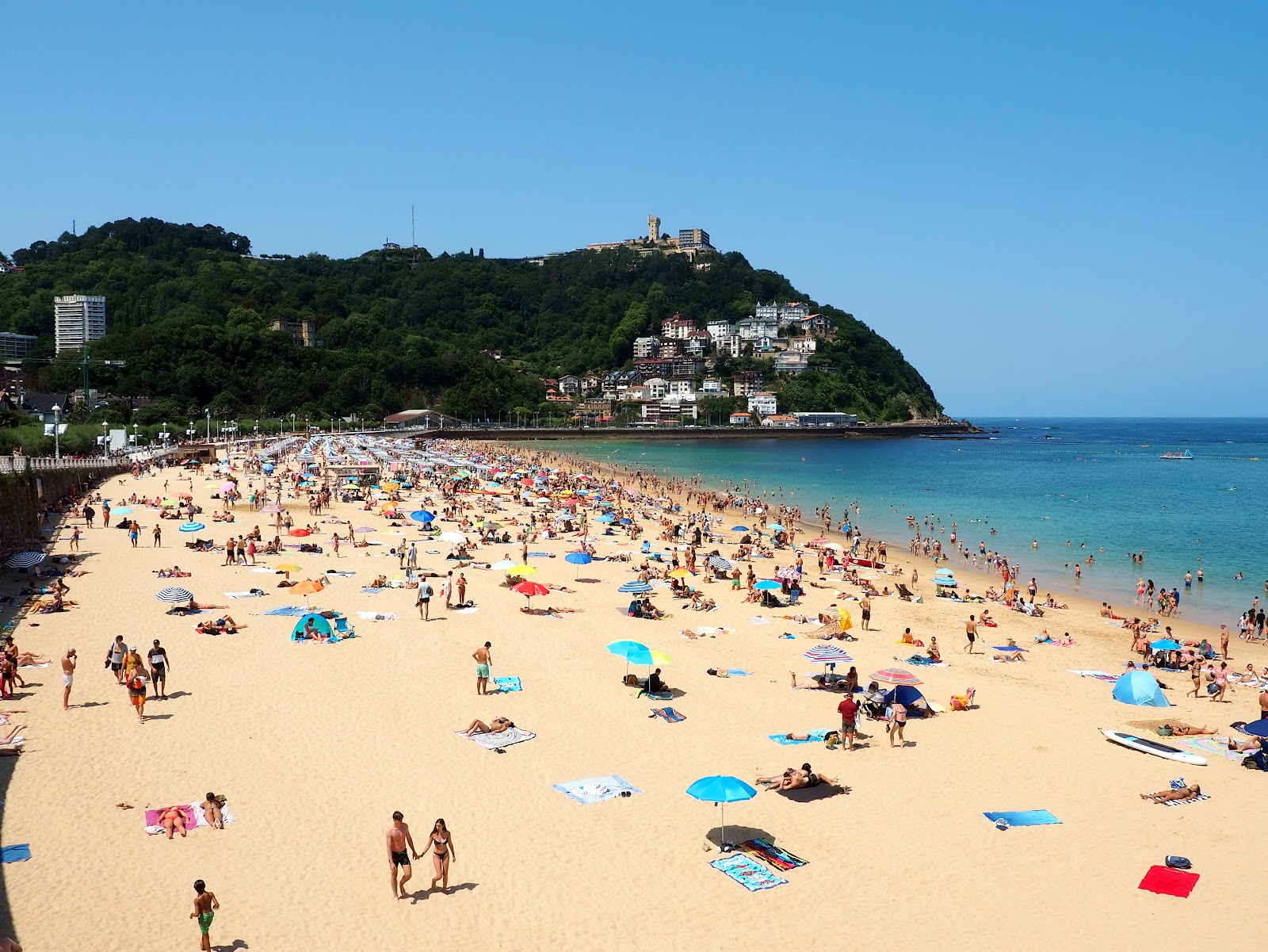
People who come back tend to mention the same things: arriving at dusk when the Kursaal catches the last light, walking the full length of La Concha before the crowds gather, and finding a bar in the old town where the pintxos are replenished at seven on the dot. Eduardo Chillida's Comb of the Wind, at the far end of the bay, is worth the walk twice.
Experiences you don't want to miss


Deals in San Sebastián
Book directly at the provider
How San Sebastián came to be
The city was founded in 1180 by Sancho the Strong, though a document from 1014 already mentions the site. Its position — a fortified hill, a sheltered bay, a river crossing near the French border — made it strategically valuable and repeatedly contested. In 1808, Napoleon's troops occupied San Sebastián; when Anglo-Portuguese forces under Wellington drove them out in 1813, the retreating army looted and burned most of the city. A single street, 31 de Agosto, is named to mark the date of that destruction.
Recovery came slowly, then grandly. In 1845, Queen Isabel II arrived on medical advice to take salt-water baths — a visit that started San Sebastián's transformation into a resort. Queen Regent Maria Christina of Austria went further, making it the summer capital of the kingdom. Miramar Palace went up on the bay, and the Belle Époque architecture that still frames the seafront followed.
Who and what shaped it
People who shaped it
Landmark buildings
See San Sebastián in motion
Plan your visit
On the map
When to go
Summers are mild and green — temperatures in the low-to-mid twenties Celsius — though the bay can pull in Atlantic rain at any time of year. Spring and early autumn are often the clearest, and the city is a little quieter than in July and August.
Right now
↡ Attractions


Background & history adapted from Wikipedia (CC BY-SA) · specs from Wikidata (CC0) · weather from Open-Meteo · map data © OpenStreetMap contributors · photos from Wikimedia Commons / Unsplash with per-image credit. No third-party reviews or social posts reproduced.