
San Telmo Museum
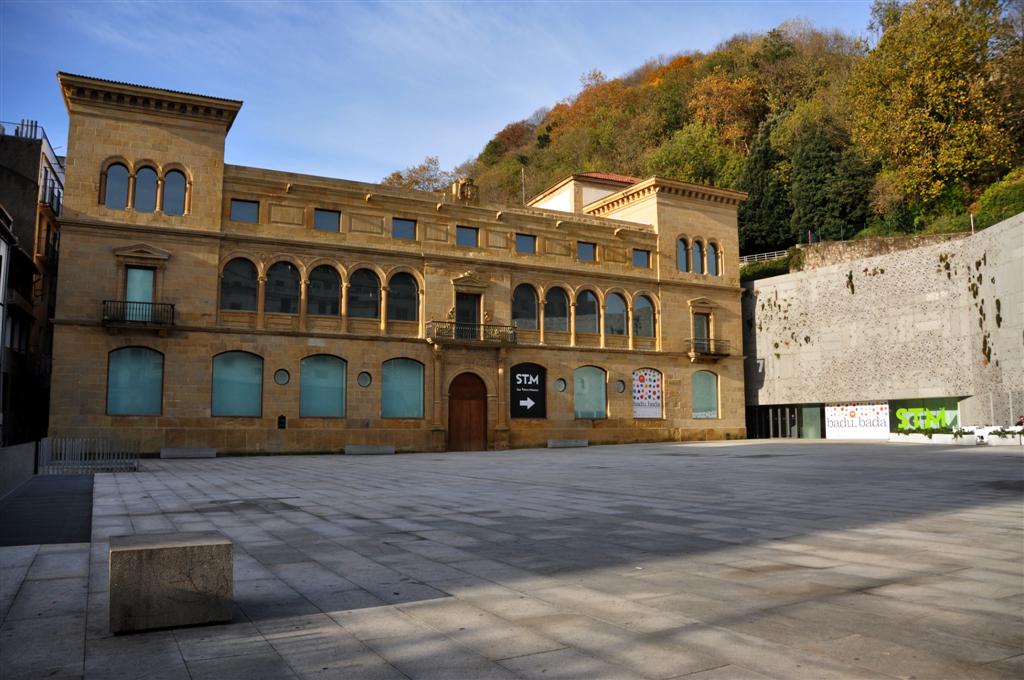
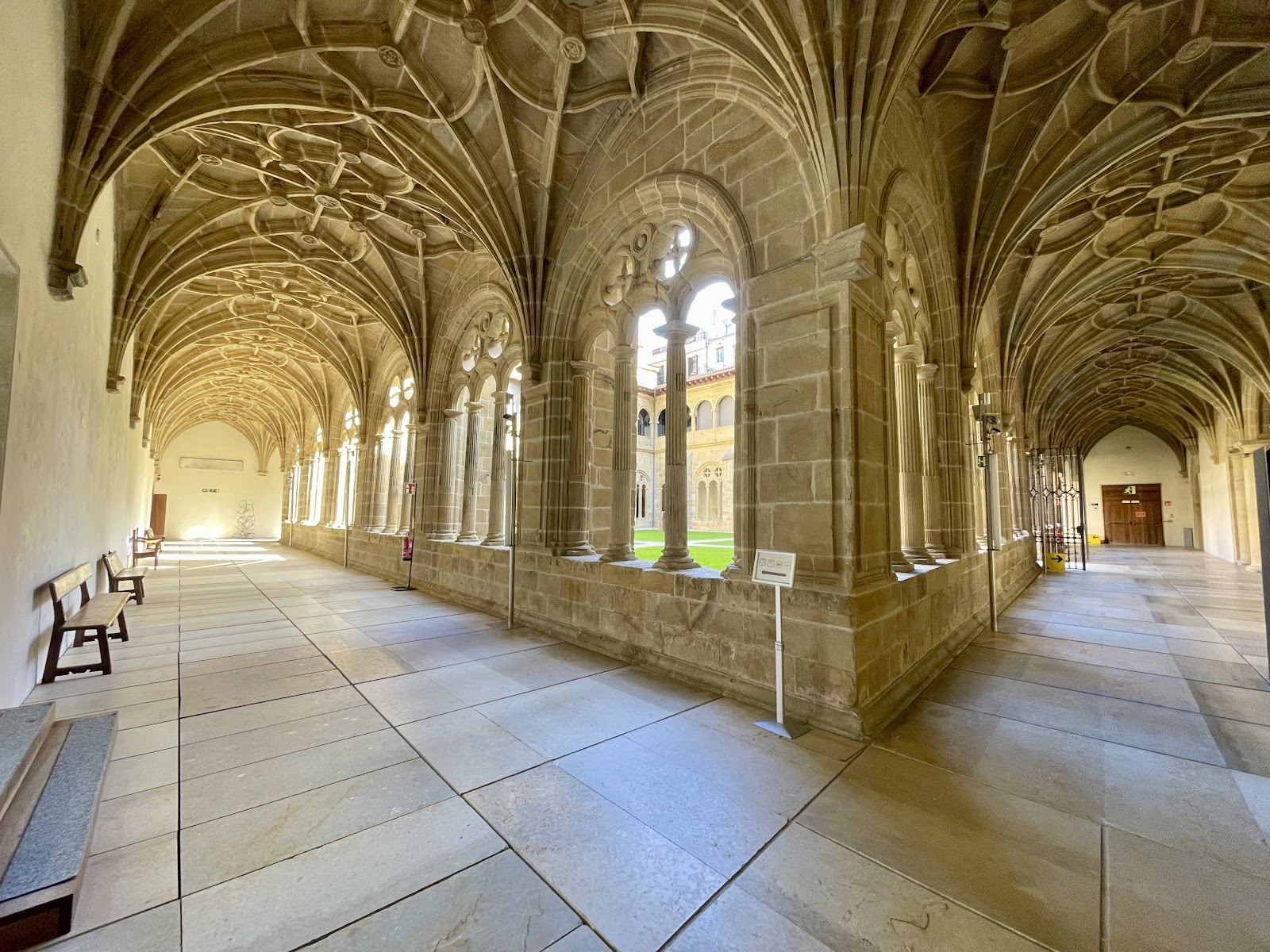
The first thing that stops you at San Telmo is the wall. The 2011 extension wraps itself in perforated aluminium, and through those holes grow moss and ferns — a living skin pressed against the foot of Monte Urgull, blurring the line between building and hillside. Step inside and the scale shifts again: you're standing in a 16th-century Dominican monastery, its Gothic-Renaissance church hung with eleven vast canvases by Josep Maria Sert.
This is the Basque Country's oldest museum, and its 35,600-piece collection moves from prehistoric Gipuzkoa through to Oteiza and Chillida. It sits at the edge of the Old Town on Plaza Zuloaga, quietly doing more than most buildings of its age.
💛 What travellers fall for
People who come back tend to linger in the church longer than they planned — Sert's monumental paintings reward slow looking. The free audio guide earns its use here. Afterwards, the ground-floor Zazpi bar is a genuine stop, not an afterthought. Saturday guided tours (Spanish at 17:30) are worth the extra €3 if your visit falls right.
The story behind San Telmo Museum
The museum began not with a building but with a habit of generosity. After a run of successful late-19th-century exhibitions, the Basque Society of Friends of the Country pushed for a permanent institution; locals donated enough to open the Historical, Artistic and Archaeological Museum on 5 October 1902, with King Alfonso XIII present. It moved twice before settling, in 1932, into the monastery it still occupies.
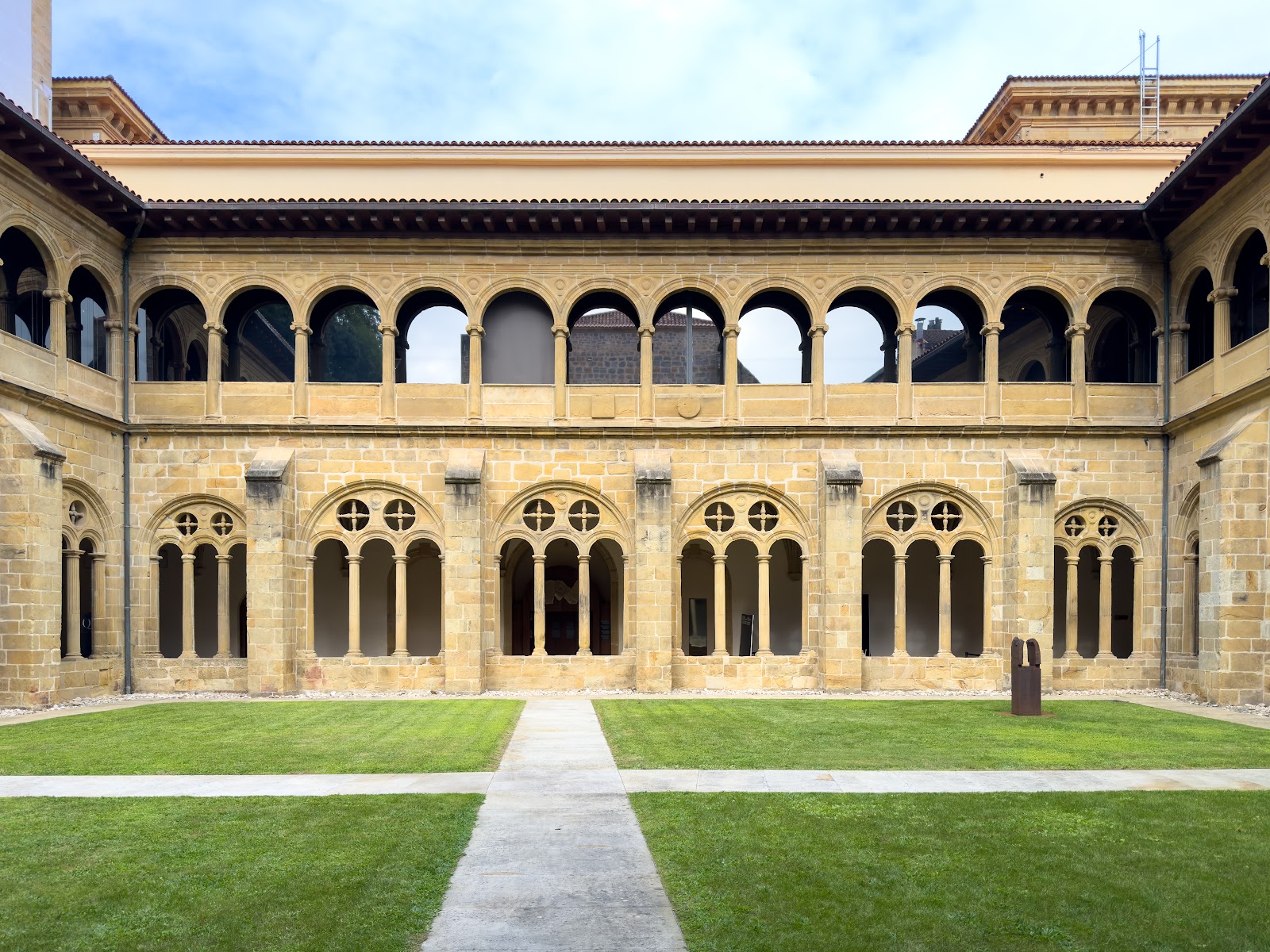
That monastery has its own long story. Built in the 16th century under the patronage of Alonso de Idiaquez — Secretary of State to Emperor Charles V — it was damaged when San Sebastián was besieged and burned in 1813, then stripped of its friars in 1836 when Prime Minister Juan Álvarez Mendizábal ordered ecclesiastical confiscations and converted it to an artillery barracks. The city bought it in 1929. A 28.5-million-euro renovation by Nieto Sobejano, completed in 2011, added the green-walled extension without disturbing what the centuries had already shaped.
Good to know
Closed Mondays except bank holidays; hours extend to 20:00 from April through October. General admission is €6, free for under-25s. The Old Town is pedestrian-only, so leave the car at Okendo or Boulevard car park. Budget two to three hours.
Where is San Telmo Museum?
More tickets & tours for San Telmo Museum
Book directly at the provider
What travellers say about San Telmo Museum
This place turned out to be a highlight of our day in San Sebastian. What an eclectic collection - you have beautiful art, hundreds of years of regional history, a very liberal view in an exhibit of the Amazon, and am entire medieval church with huge awe inspiring art filled walls detailing the Basque people - it was just amazing. We had planned to be in there for 30 minutes or so....four hours later we walked out of there, mainly because we were hungry. Just a fantastic place - highly highly recommend for your trip to this area!
Absolutely loved this museum. It was informative, engaging, and full of interesting history and culture. Highly recommend visiting!
Free on a Tuesday was a bonus! But what a lovely space, based around old church and cloisters. The church itself is stunningly decorated. Useful overview of Basque history. Well worth a visit.
STM is a must-visit, especially with the Amazon exhibition on. The space is beautifully structured and offers a rich, engaging insight into the history and culture of the region. One of the most unexpected highlights was discovering the giant behind the curtains — a memorable and slightly magical moment. It’s the perfect place to spend a rainy day: thoughtful, immersive, and very well put together.
Interesting museum of basque history. Lots of artifacts and good explanations. Most major exhibits were signposted in English and French, though some were only in Basque and Spanish.
More of San Sebastián
Discover where to stay, what to do and the best deals for your trip.
Explore San Sebastián →More attractions in San Sebastián
All of San Sebastián →

Background adapted from Wikipedia (CC BY-SA) · map data © OpenStreetMap contributors · ratings & place photos via Google · other photos with per-image credit. Ticket links may earn us a commission at no extra cost to you.