
Monte Igueldo
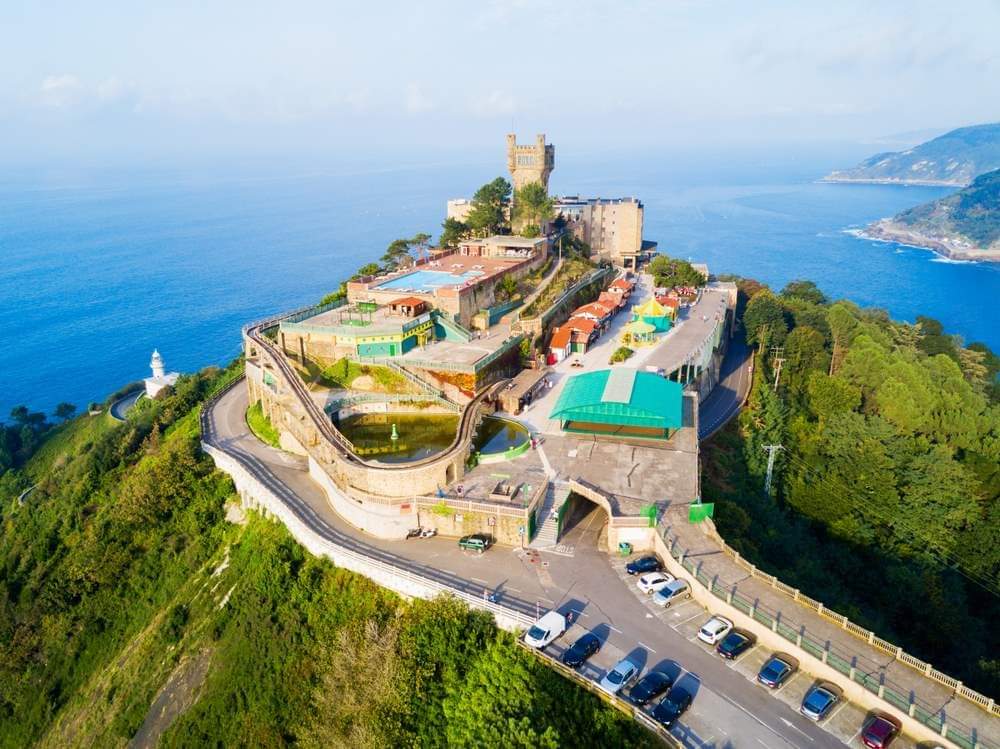
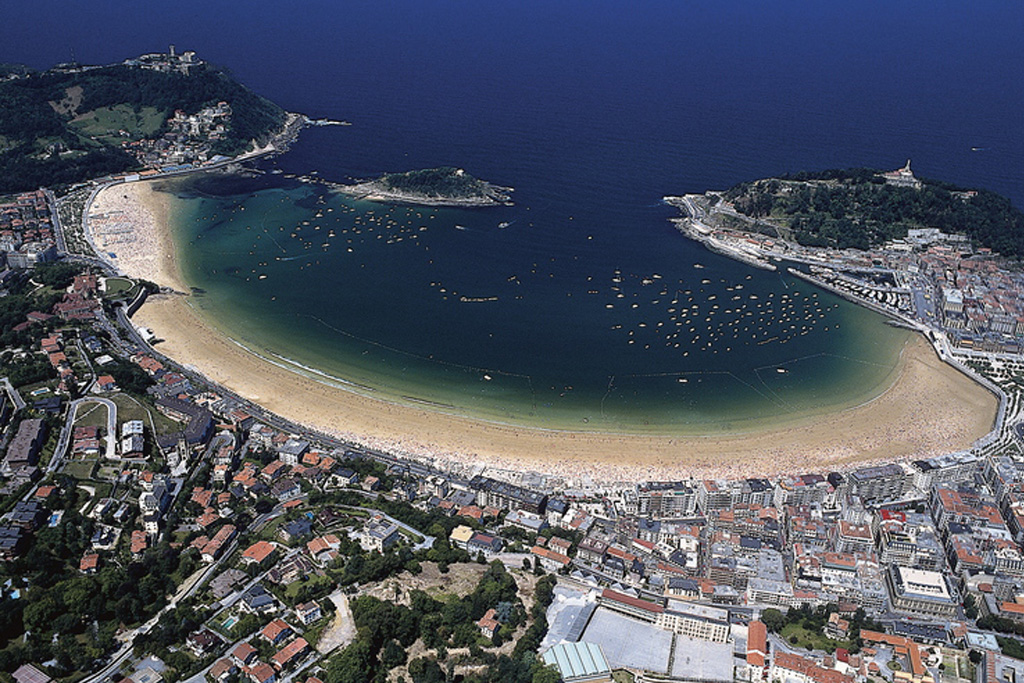
A three-minute funicular ride from the edge of Ondarreta Beach deposits you at a summit that has been drawing San Sebastián's residents since 1912 — first for casino nights, then for roller coasters, now for the view across La Concha Bay that stops most people mid-sentence. The Swiss Mountain roller coaster, which rattled into service in 1928, is the second oldest in the world. The carriages on the funicular still run on a single track with a passing loop at the midpoint, exactly as engineer Emilio Huizi designed them.
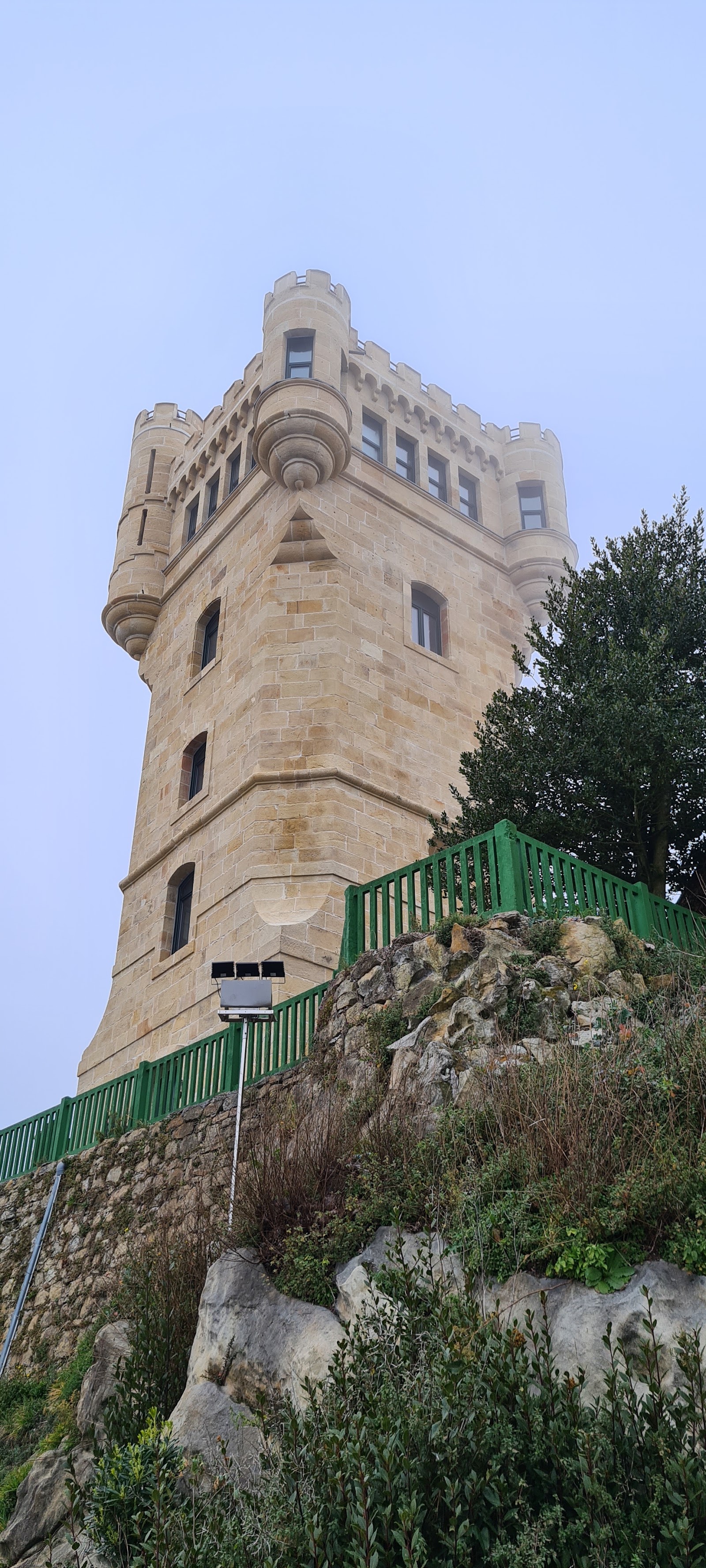
At the top, a 16th-century stone tower that once guided ships by wood fire stands alongside a whitewashed lighthouse 135 metres above sea level, its beam reaching 26 miles out into the Cantabrian. The whole ensemble — funicular, vintage fairground, tower, lighthouse, hotel — was declared a Monumental Site in 2014.
💛 What travellers fall for
People who come back tend to time the funicular for late afternoon, when the restaurant terraces beside the old Torreón catch the last western light over the bay. The Karrusel gastropub draws a local crowd for modern Basque plates. The funfair rides cost between one and five euros each — worth it for the Swiss Mountain, skip the rest if you're without children.
The story behind Monte Igueldo
The mountain's transformation began with a lawyer named Evaristo San Martín, who founded the Monte Igueldo Society in 1911 and bought the land. Within a year, engineers Emilio Huizi and Severiano Goñi had built the funicular — still the oldest in the Basque Country — while architect Luis Elizalde designed the stations and restaurant. Queen María Cristina opened it all on 25 August 1912.
A casino occupied the summit building from the start, but when Spain banned gambling in 1924 the owners pivoted to amusement park rides, adding the Swiss Mountain coaster in 1928. The original casino and restaurant were eventually demolished and replaced in 1967 by the four-star hotel that crowns the summit today. The 16th-century Torreón beside it had a longer arc: a functioning wood-fired lighthouse for four centuries until 1855, when the current Igueldo Lighthouse took over.
Good to know
The lower station is a short walk from Peine del Viento along the Ondarreta seafront. Return funicular tickets are four euros for adults. Buses run from central San Sebastián. Allow ninety minutes to two hours. Weekdays are quieter; March sees noticeably thinner crowds.
The Cantabrian coast is mild but reliably damp, with sea mist common in spring and autumn — the lighthouse sits at 135 metres precisely to clear the worst of it. Summer brings the clearest bay views and the longest queues; March and October offer quieter visits with unpredictable but often bright afternoons.
Where is Monte Igueldo?
Location
- In San Sebastián
- 43.3122, -2.0033
- Open in Google Maps
More tickets & tours for Monte Igueldo
Book directly at the provider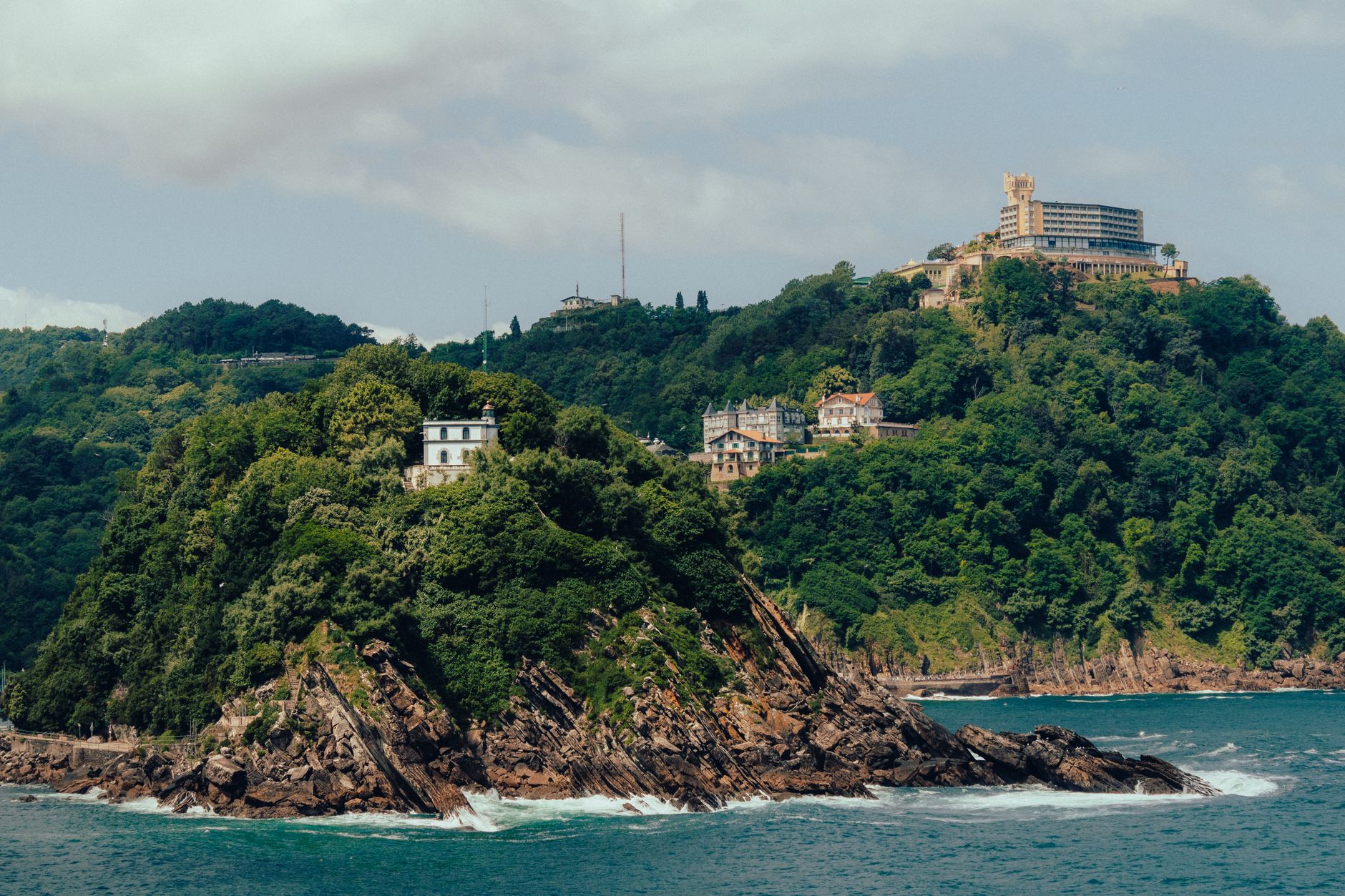
More of San Sebastián
Discover where to stay, what to do and the best deals for your trip.
Explore San Sebastián →More attractions in San Sebastián
All of San Sebastián →

Background adapted from Wikipedia (CC BY-SA) · map data © OpenStreetMap contributors · ratings & place photos via Google · other photos with per-image credit. Ticket links may earn us a commission at no extra cost to you.