
Zurriola Beach
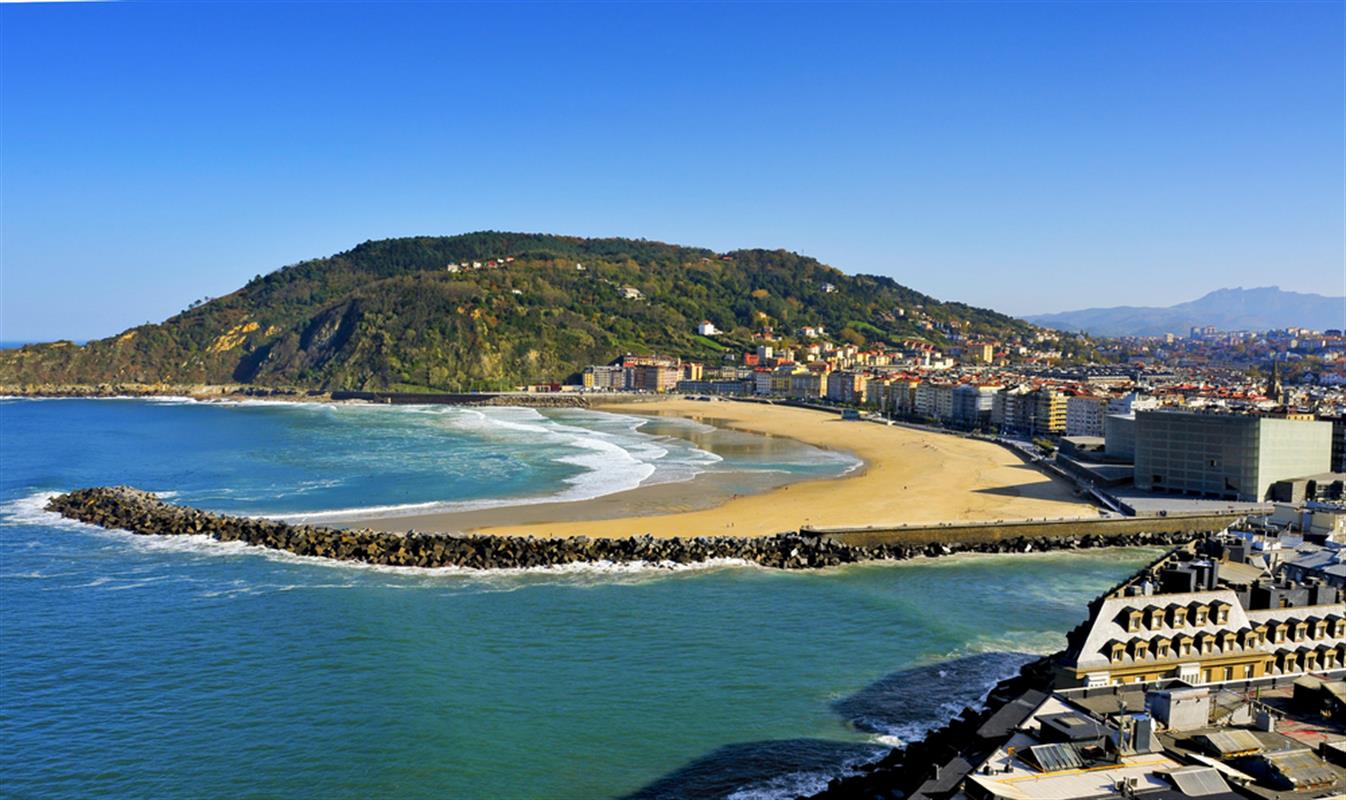
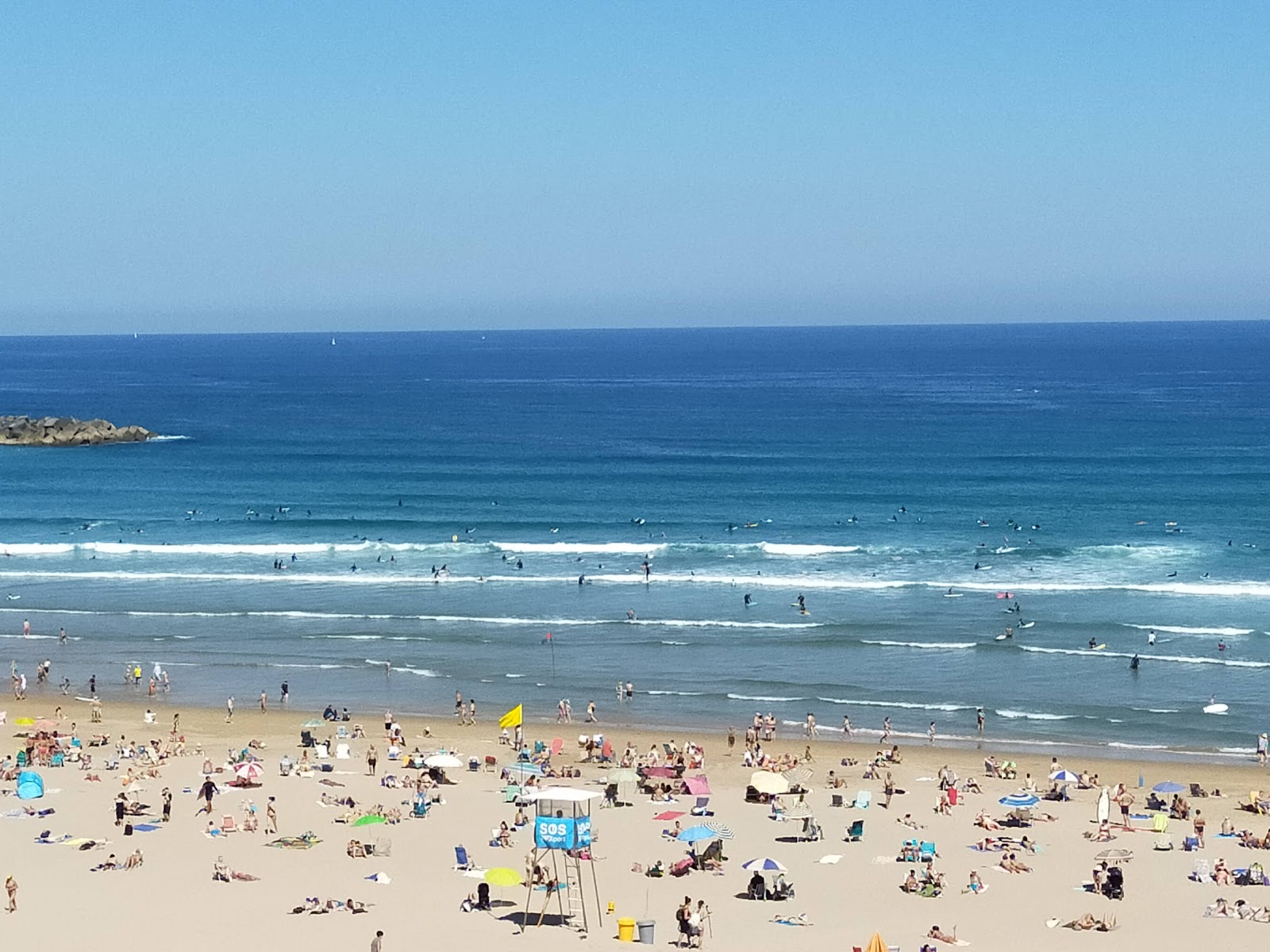
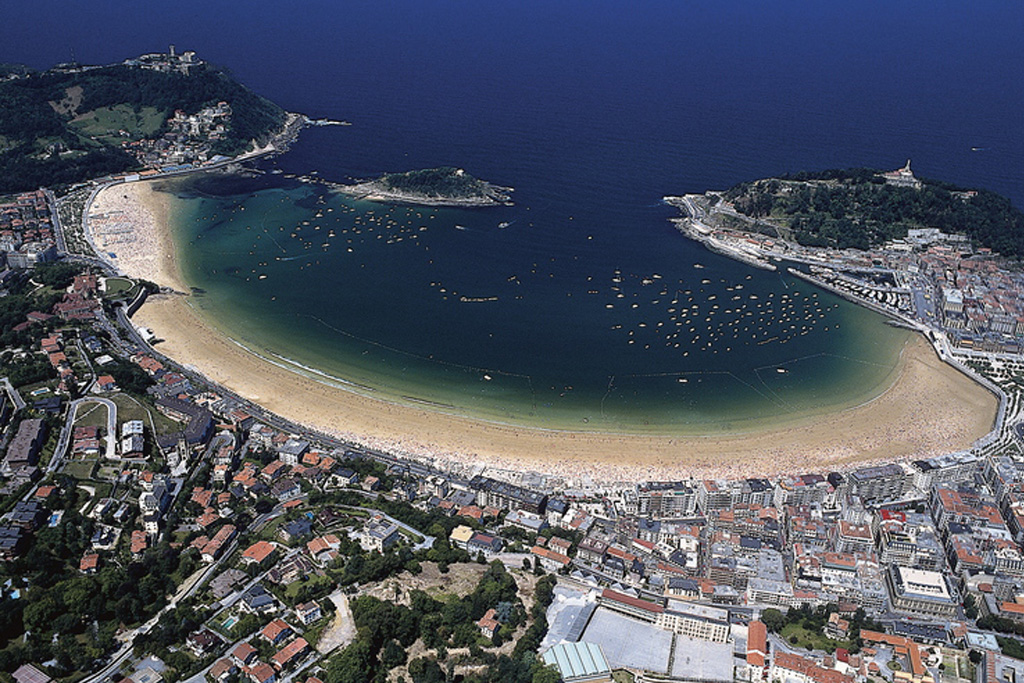
The locals call it La Zurri, and the name fits — casual, a little rough around the edges, entirely itself. Where La Concha curves in polished arcs behind its breakwater, Zurriola faces the Atlantic directly: 800 metres of sand where the Urumea River meets the open sea and the waves arrive with genuine force.
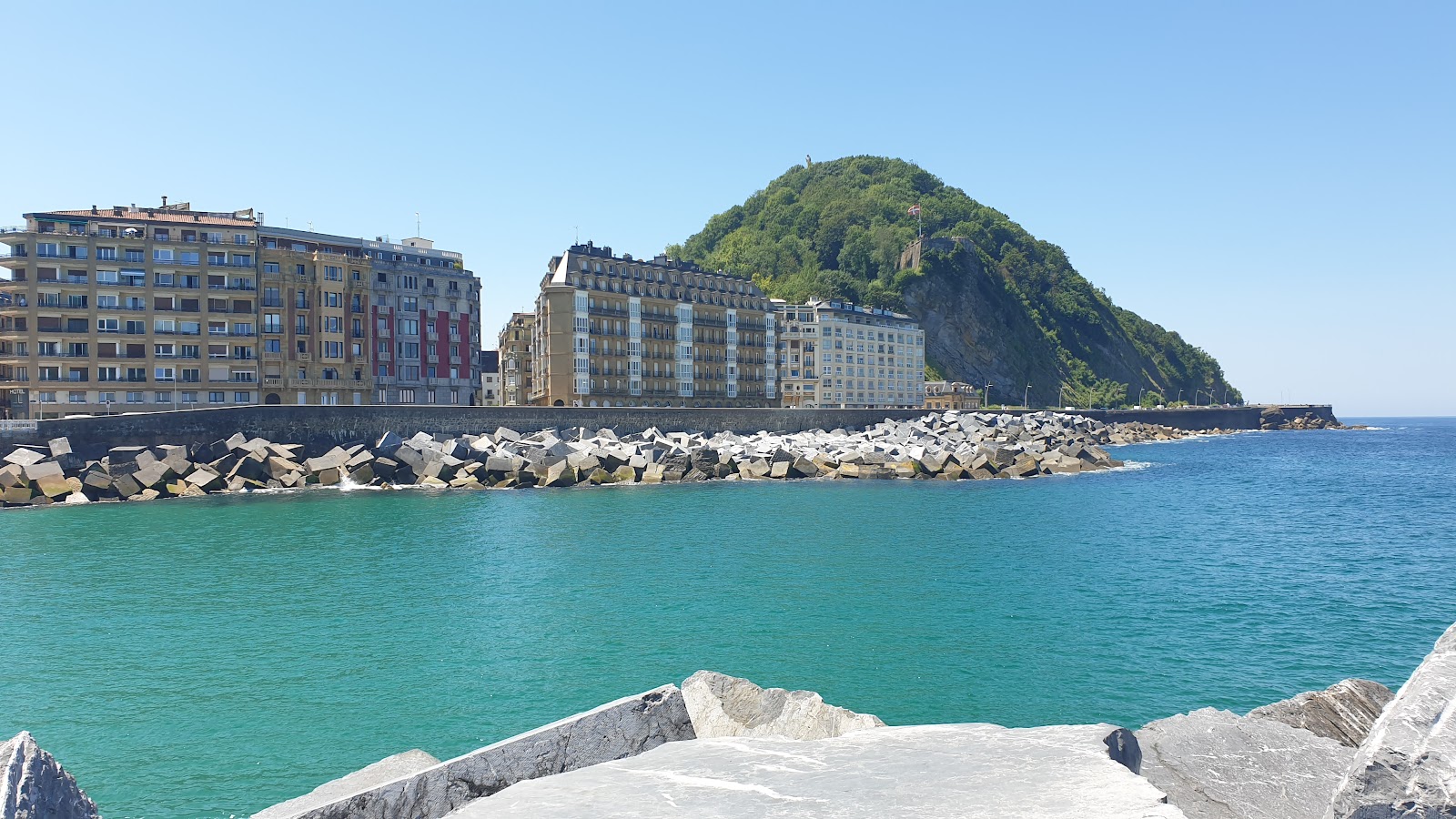
This is where the wetsuits outnumber the sunbathers on most mornings, where Rafael Moneo's twin glass cubes of the Kursaal sit at the western end like two boulders left by a receding tide, and where the Sagüés Wall at the foot of Monte Ulía catches the last of the evening light.
💛 What travellers fall for
People who come back tend to time the Sagüés end at dusk — Nestor Basterretxea's Dove of Peace sculpture reads differently once the beach empties. They also note that surf rental shops near the Kursaal parking fill fast on autumn weekends when the swells are running; arriving before 9am matters if you want gear and a lesson slot.
The story behind Zurriola Beach
Through the 19th century, Zurriola was essentially a sandbank — violent Atlantic swells made it too dangerous for swimming, and it sat largely unused while La Concha drew the tourists and the royalty. Early in the 20th century, hotel development pushed visitor interest eastward, but the waves remained the problem.
It took engineering to make the beach what it is today. In 1994 the sand was refurbished and remodelled; a nourishment project in the 1990s created the current beach body, and a breakwater added in 1995 finally made swimming viable. By 2004 nudism was officially permitted. The arrival of Rafael Moneo's Kursaal Congress Centre and Auditorium in 1999 anchored the western end architecturally and culturally, giving Zurriola a landmark that belongs to it alone.
Good to know
Bus 28 runs directly from the city centre, or walk across Zurriola Bridge — Art Deco streetlamps by Víctor Arana — in 15–20 minutes from the Old Town. No entry fee, open around the clock. Lifeguards and showers operate in summer daylight hours. Skip the beach in winter unless you're here to surf.
July and August offer the most reliable beach weather — sea temperatures reach 20–22°C and rain is least frequent, though a shower can arrive on any afternoon. Autumn and winter bring the swells surfers come for, with waves hitting 5–6 feet and the water turning cold; the beach stays open but the crowd shifts entirely to wetsuits.
Where is Zurriola Beach?
More tickets & tours for Zurriola Beach
Book directly at the provider
What travellers say about Zurriola Beach
Very Nice Second Beach of San Sebastian We really like this beach, it is a bit less popular than the one in town, also a bit smaller but that means there are less people too. That is somehow a positive point as it does not get so crowded.
What a nice beach to walk along , less crowded than La Concha, see a crab, pick some sea glasses, lots of ppl wave surfing!
Honestly I was underwhelmed at first but this is a great city beach… not as pretty as the city beaches in Biarritz… but certainly very usable, great facilities (maybe best public showers I’ve seen at a beach) , decent for swimming and fantastic for surfing.
What a beautiful beach!! Came here today and the view was perfect.
It's good! But I don't recommend go to late because last time I been there, there was HUGE Waves, it's like was tsunami! But so, my dad lost his sunglasses and it was cool 😎🆒
More of San Sebastián
Discover where to stay, what to do and the best deals for your trip.
Explore San Sebastián →More attractions in San Sebastián
All of San Sebastián →

Background adapted from Wikipedia (CC BY-SA) · map data © OpenStreetMap contributors · ratings & place photos via Google · other photos with per-image credit. Ticket links may earn us a commission at no extra cost to you.