
Monte Urgull
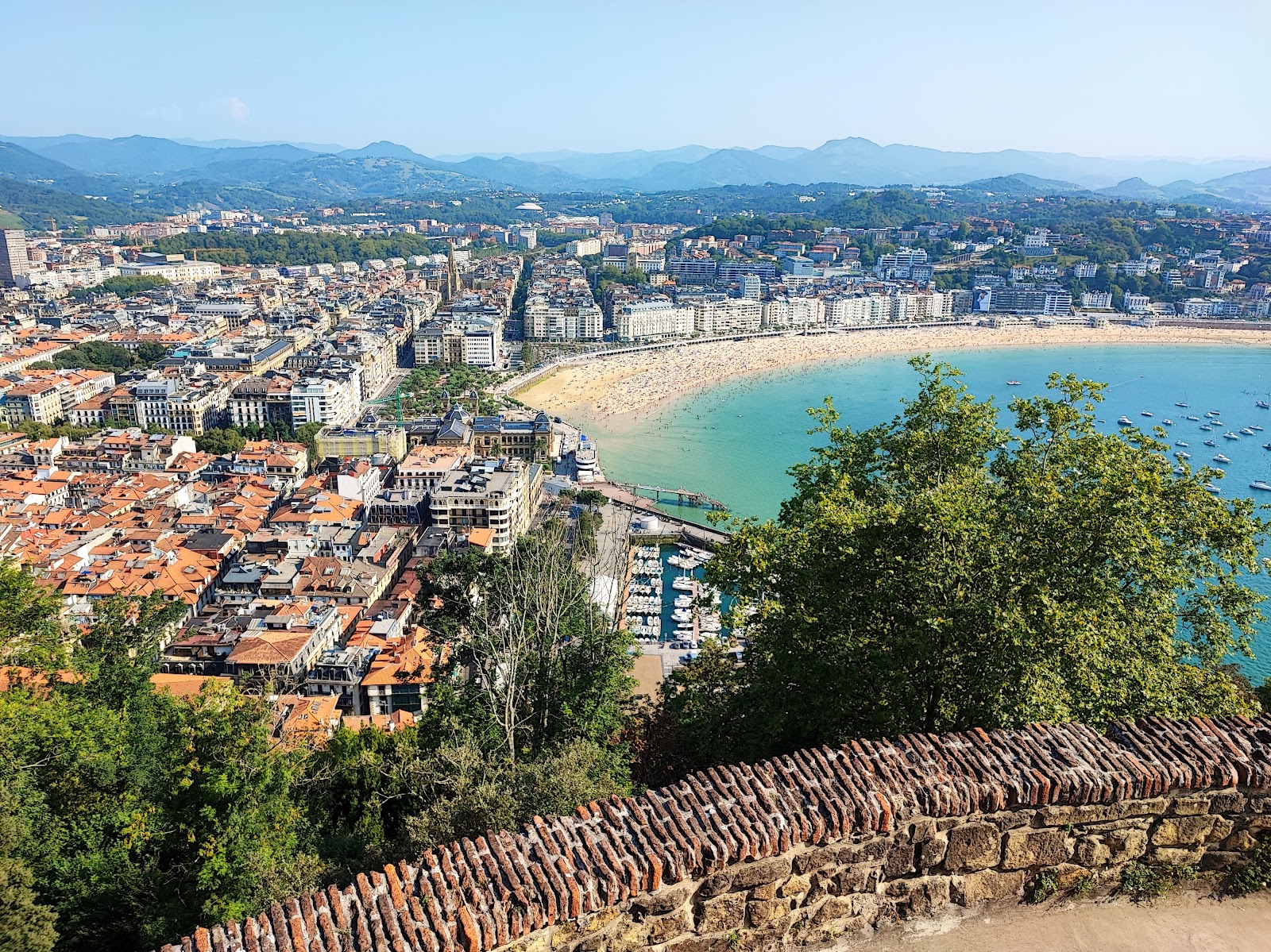
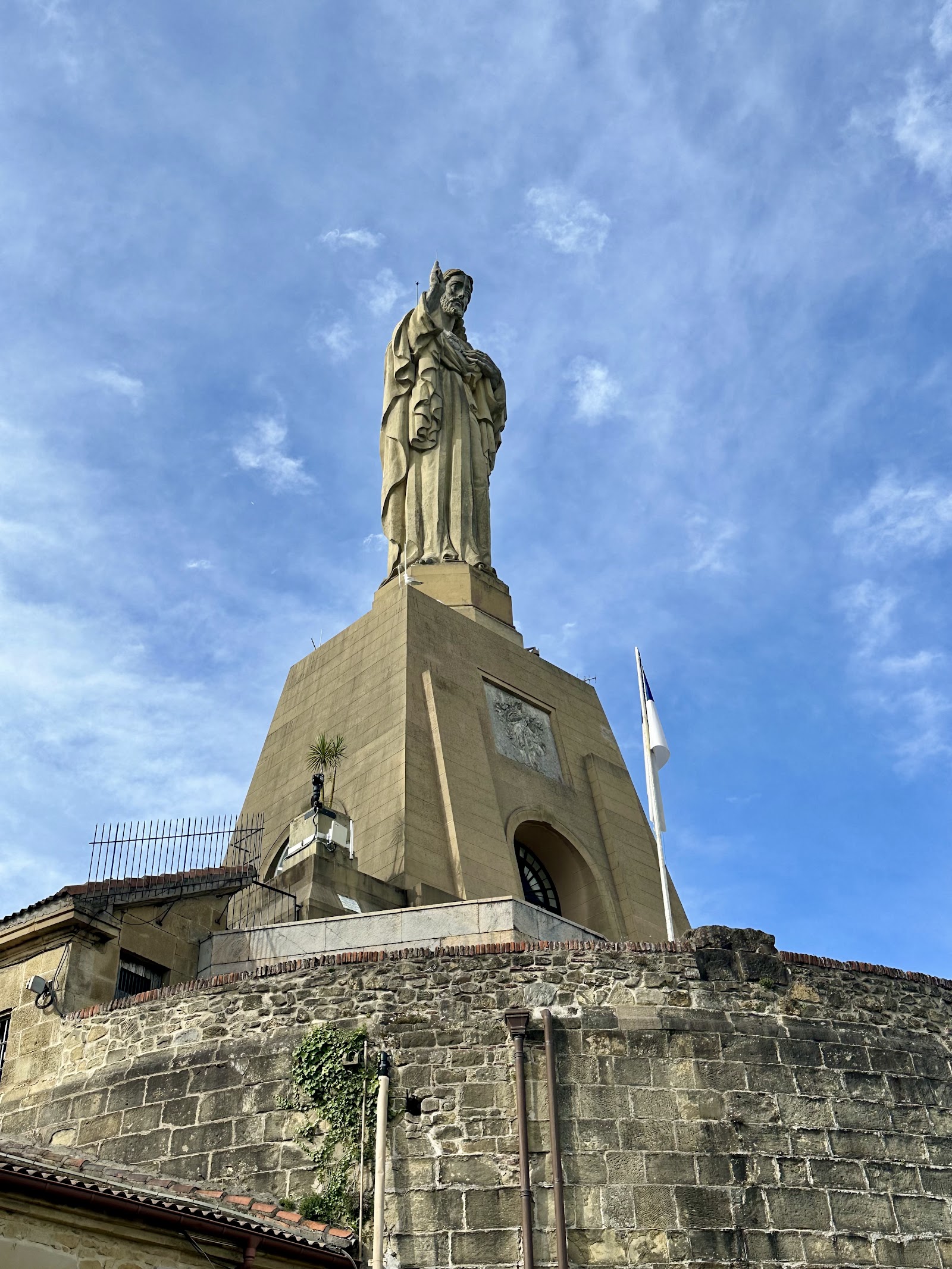
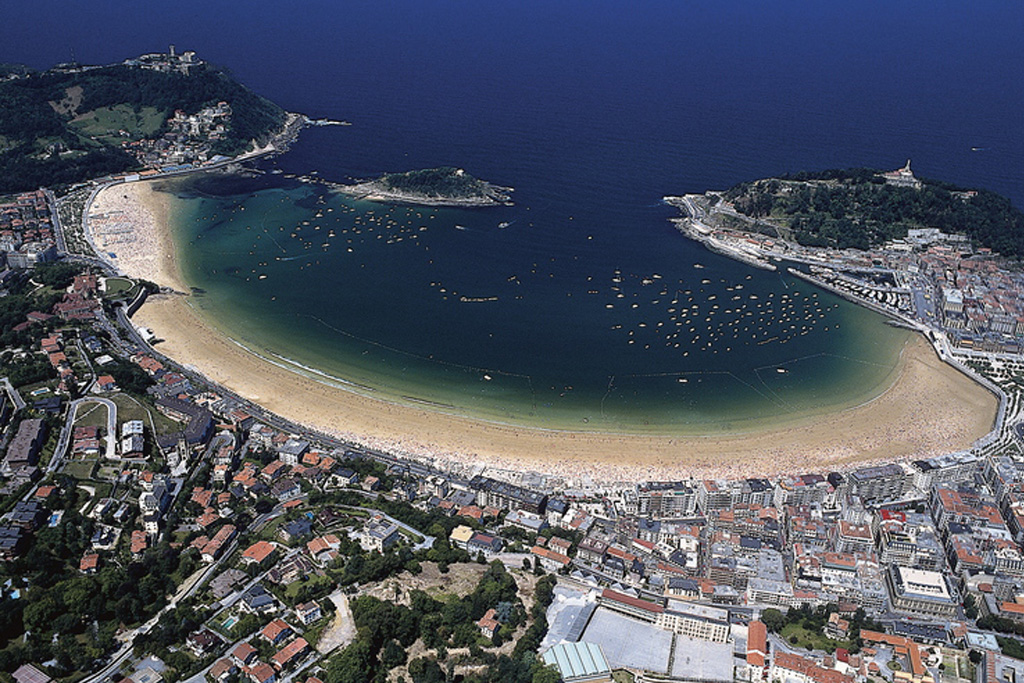
Monte Urgull rises straight out of the Old Quarter — a wooded hill with cannon batteries on its flanks and a twelve-metre Sacred Heart statue watching over the bay from the top. Four paths climb it, all free, all open to anyone who wants to trade the pintxos bars below for a quieter kind of afternoon.
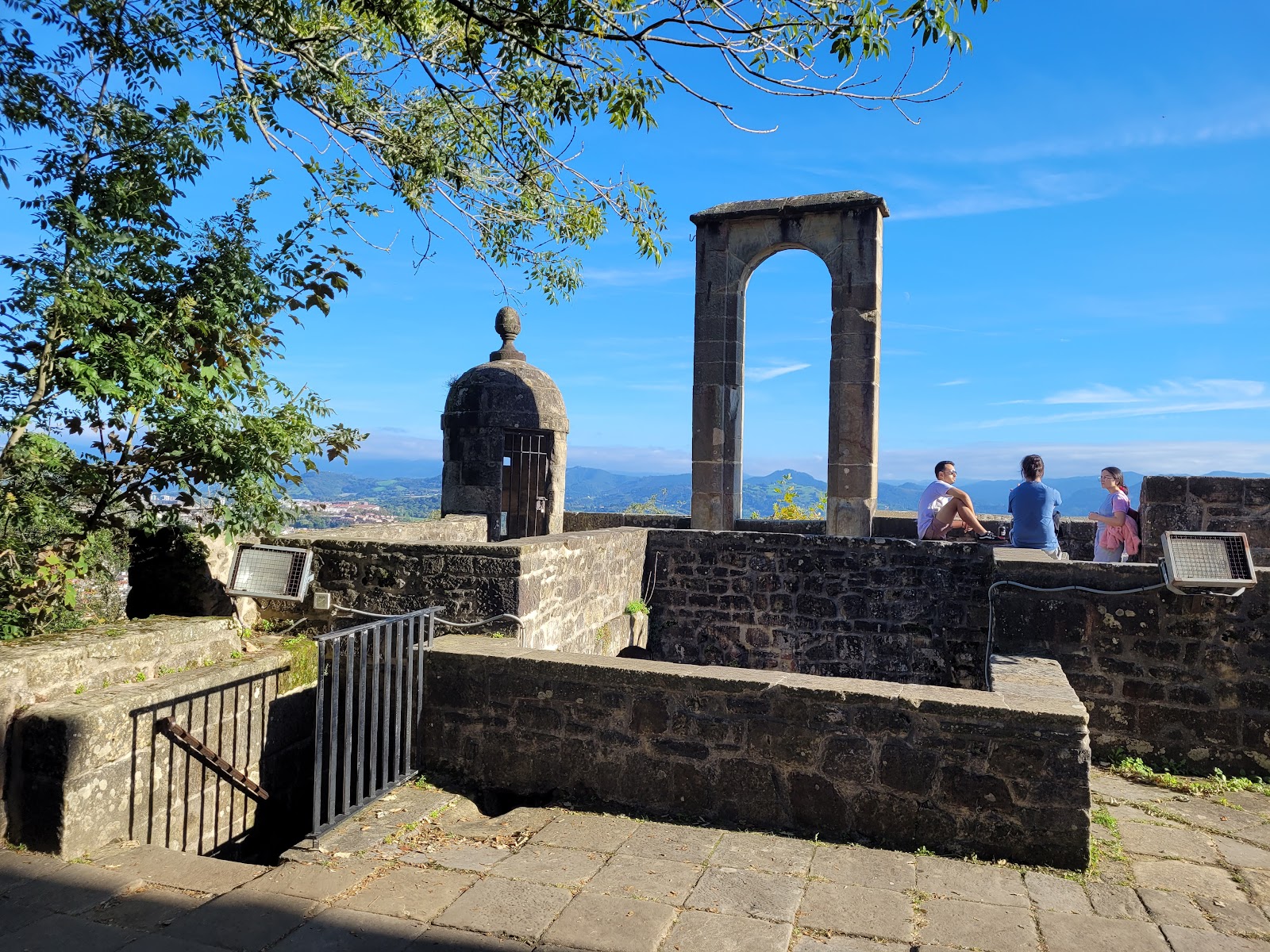
At the summit, the Castillo de la Mota has been defending this headland since the 12th century, and inside it a small museum — Casa de la Historia de Urgull — walks you through eight centuries of Donostian life without charging you a euro. At the base, Jorge Oteiza's steel sculpture opens like a gate toward the Atlantic.
💛 What travellers fall for
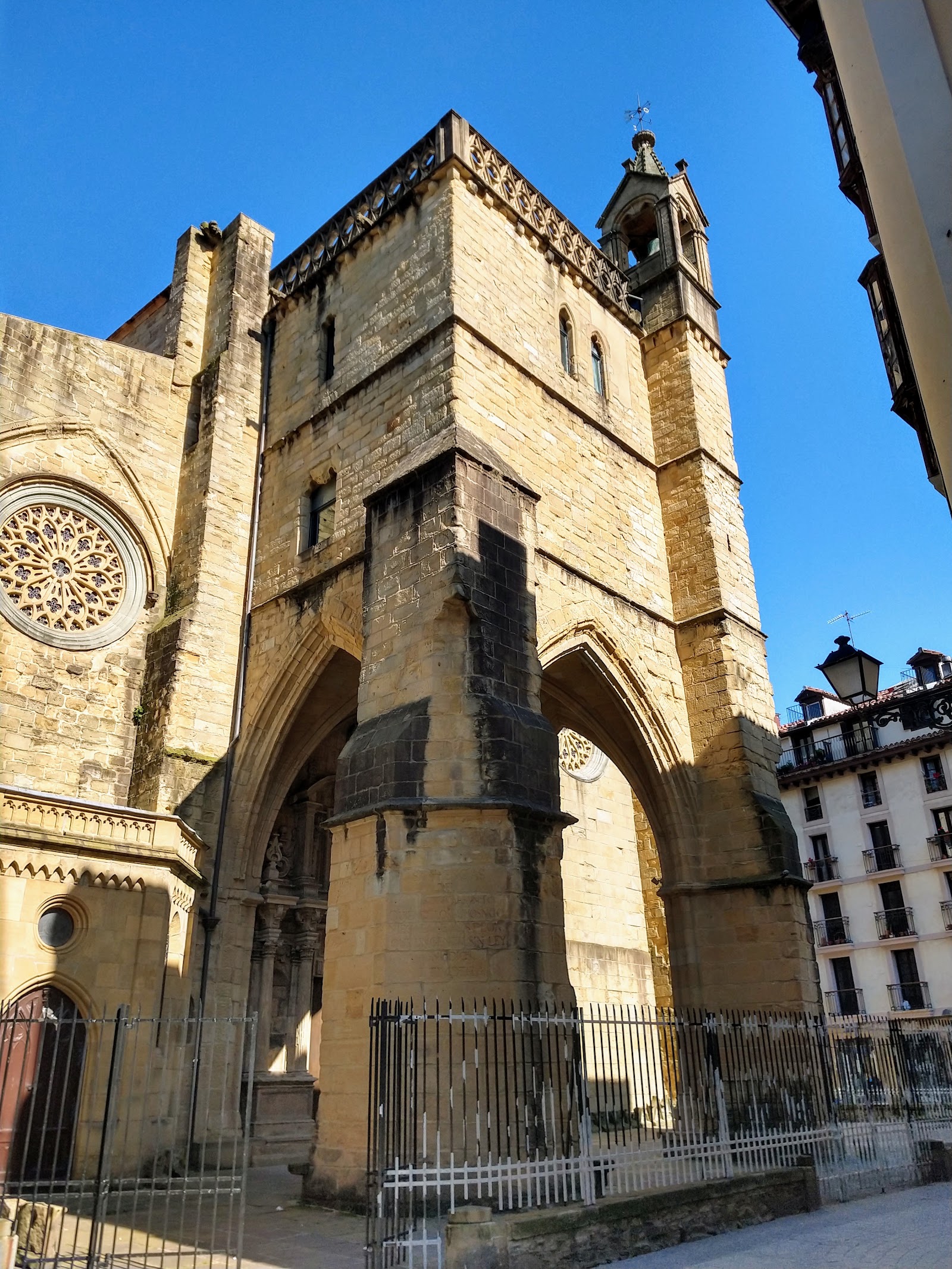
People who return tend to have a favourite path — the one beside the Basílica de Santa María is the oldest, and feels it. Most also find their way to the Batería de las Damas, where cannons still point out to sea and a library opens quietly each summer in the upper section. The English Cemetery, on the slope facing Paseo Nuevo, rewards those who read the stones.
The story behind Monte Urgull
The hill takes its name from a Gascon word for pride — a trace of the large Gascon community present when the city was founded in 1180. King Sancho VII of Navarre ordered the original fortifications in 1194, and the castle at the summit became San Sebastián's first line of defence. In 1794 French troops took the city here, and in 1813 the hill bore witness to the fire that destroyed much of what is now the Old Quarter during fighting between French and Anglo-Portuguese forces.
As the city reinvented itself as a resort town, the hill's military role faded. The city council purchased it in 1924 — the same year the English Cemetery below was formally dedicated to those who died in the 1813 siege. In 1955, sculptor Federico Coullaut-Valera's Sacred Heart statue was raised to the top of the castle, completing the silhouette the hill still wears today.
Good to know
Access is free and the hill opens at 8am year-round — until 9pm in summer (May–September), 7:30pm the rest of the year. A good starting point is Mari Street at the port end of the Old Quarter. Four paths reach the summit; none requires any special footwear.
San Sebastián's Atlantic weather means Monte Urgull is green all year but genuinely wet from autumn through spring. Summer mornings are the clearest for views across the bay; the hill catches wind even on warm days, so a layer is rarely wasted.
Where is Monte Urgull?
More tickets & tours for Monte Urgull
Book directly at the provider
What travellers say about Monte Urgull
This is at the top about a 20 minute hike. However, the map does not show the accurate location at times. However, the view from this view point is breathtaking.
Little controversial this review is not for walking all the way to the top it’s actually about the 1.5 mile walk around the Mount. We absolutely loved getting out early morning and join lots of others including locals on brisk walks. We taken it each morning from alternating angles - seeing the sea at different stages of the tides. Incredibly refreshing, beautifully maintained roads, artworks and footpaths. Was our highlight of our recent visit to San Sebastián.
Nice place for easy hike. It takes only 20 min to go to the top from the start which is right behind San Termo museum. The view could’ve been better if the weather was fine.
If you take the view alone as a yardstick it cannot quite compete with its counterpart on the other side of the bay (Monte Igueldo), but Urgull can be explored in a relaxed and peaceful manner. Fortunately there is no cable car but there are some nice hiking trails, the small castle is well preserved and if you didn't already have the impression of looking at a miniature version of Rio, the statue of Christ confirms this effect.
For fabulous views of San Sebastián it’s well worth the climb to the top. Steep steps in places or more windy route available. Make sure you take water with you, there’s nowhere to drink at the top but there is a very good bar half way up and worth a stop.
More of San Sebastián
Discover where to stay, what to do and the best deals for your trip.
Explore San Sebastián →More attractions in San Sebastián
All of San Sebastián →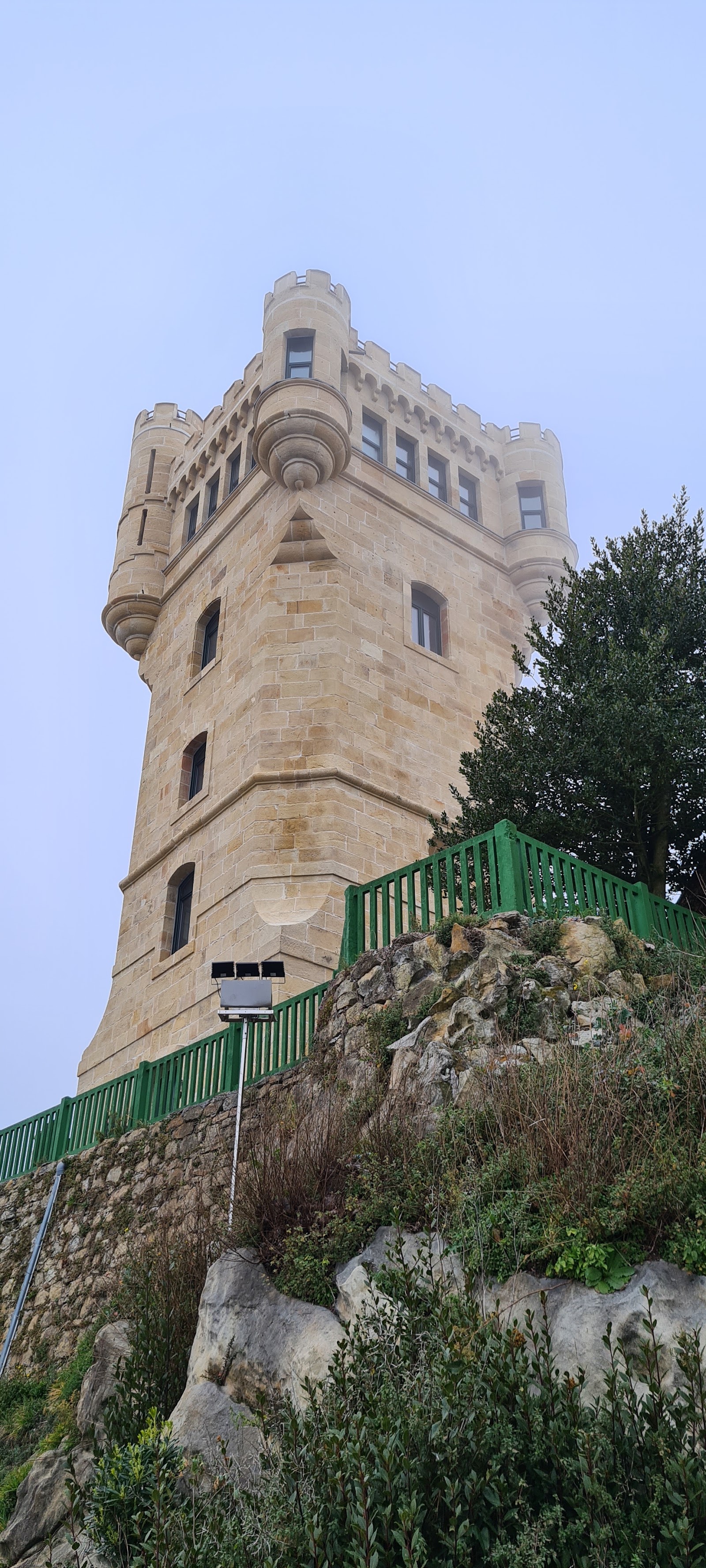

Background adapted from Wikipedia (CC BY-SA) · map data © OpenStreetMap contributors · ratings & place photos via Google · other photos with per-image credit. Ticket links may earn us a commission at no extra cost to you.