
Parte Vieja (Old Town)
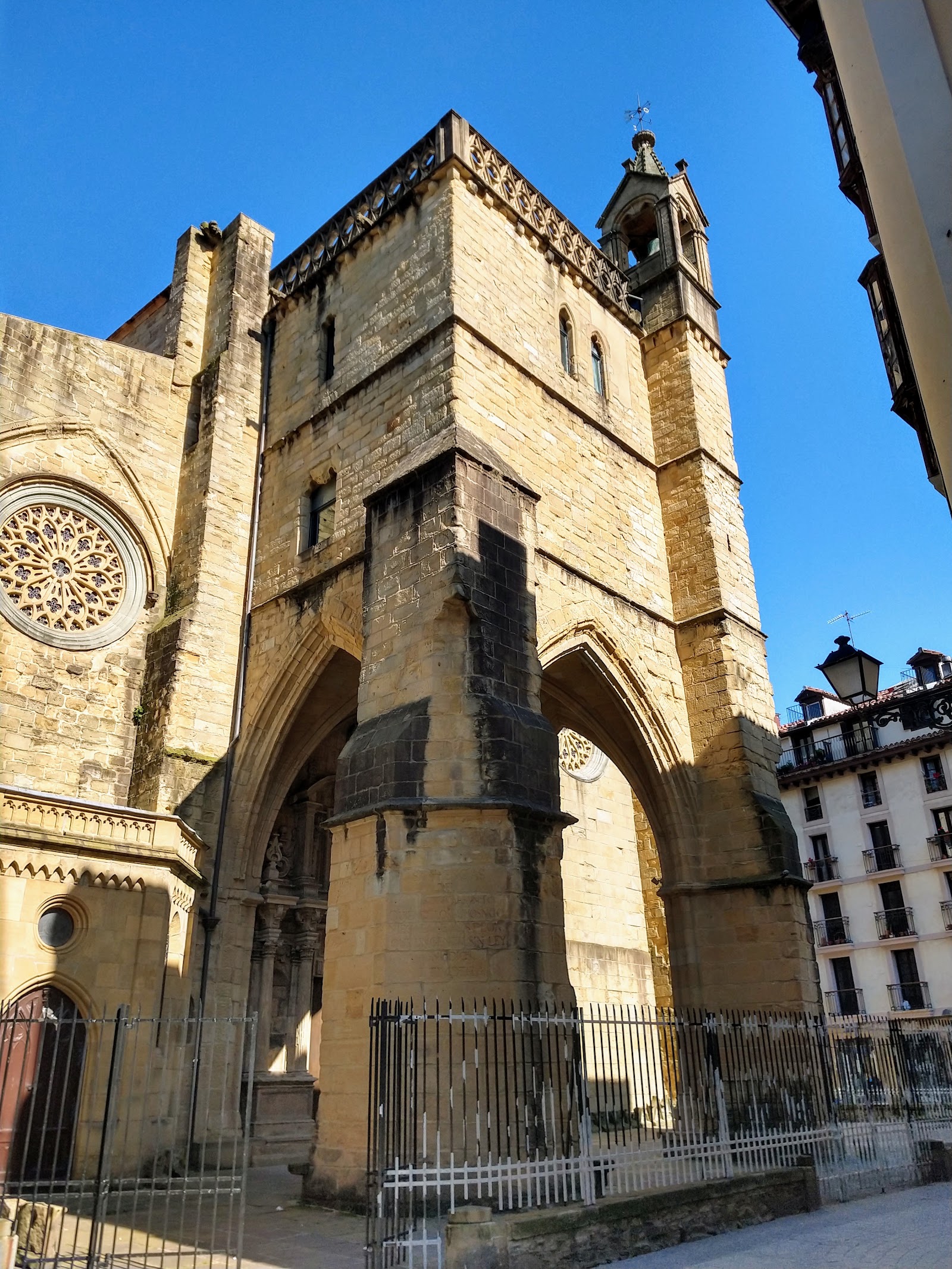
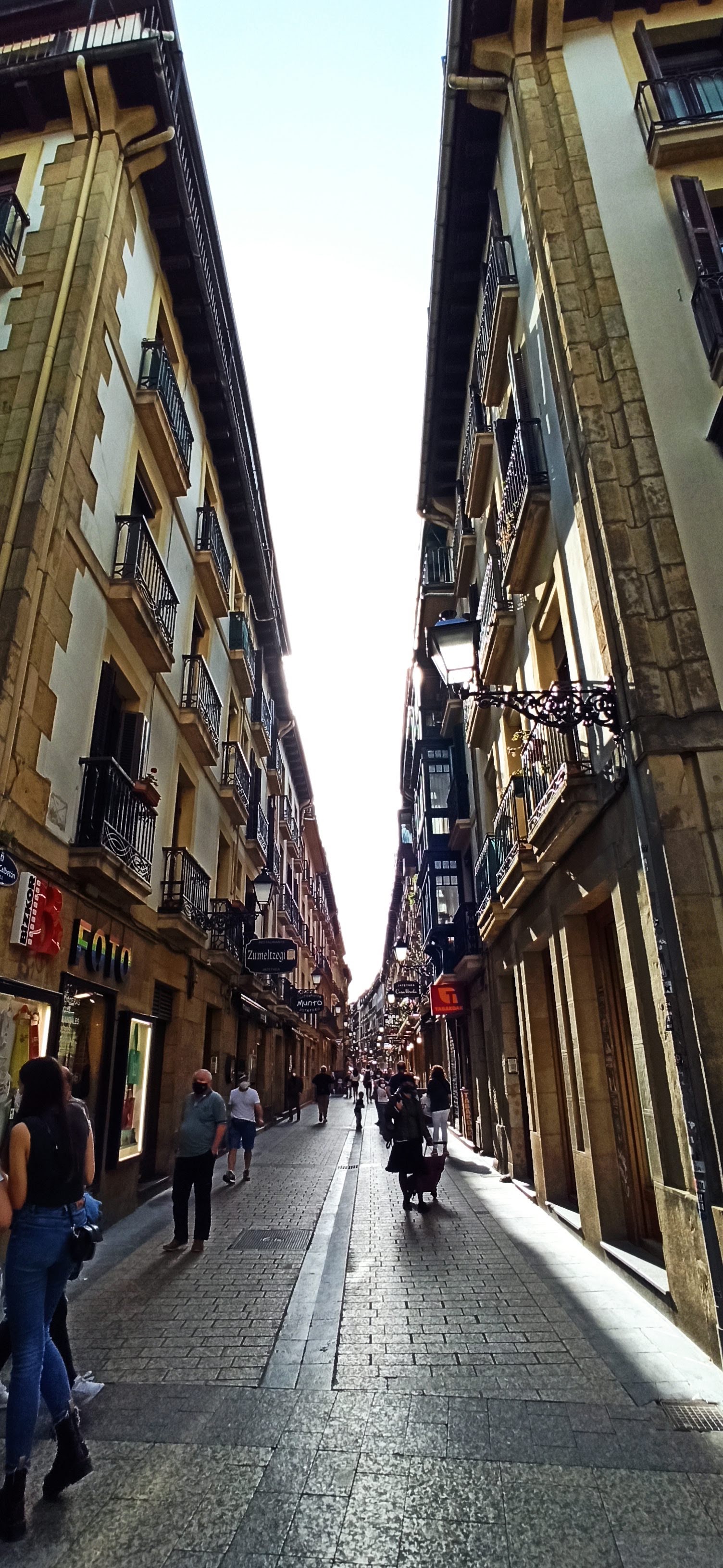
One street in the Parte Vieja tells the whole story before you even order a drink. Calle 31 de Agosto is named for the date in 1813 when British and Portuguese forces burned San Sebastián to the ground — and it survived, alone among the cobblestone lanes, because the wind happened to blow the other way. Walk it on any evening and you'll pass bars that have been frying the same anchovies for generations, bakeries whose signs haven't changed in decades, and a Baroque church facade that watched the rest of the city get rebuilt around it.
The Parte Vieja is small enough to cross in ten minutes, dense enough to occupy half a day. Everything is pedestrianised, the streets run on a 19th-century grid, and over a hundred pintxos bars occupy a handful of blocks.
💛 What travellers fall for
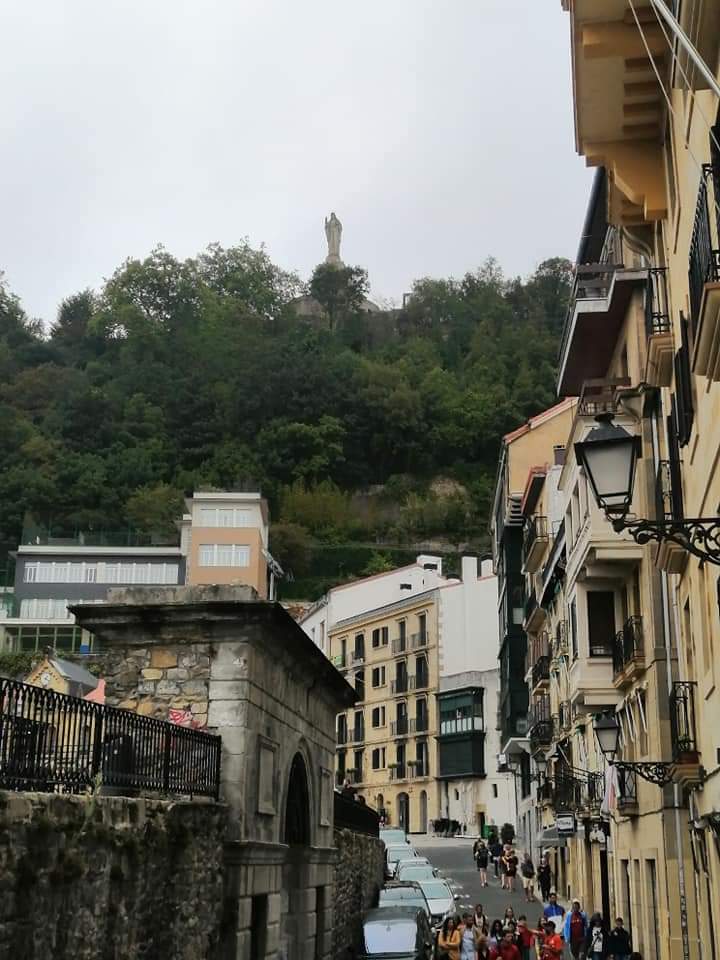
People who come back tend to pick a single street for their pintxos crawl — Calle 31 de Agosto or Calle Fermín Calbetón — rather than trying to cover everything. They also learn quickly that mornings belong to the churches and the market at La Bretxa, where the same chefs who run the serious restaurants are quietly buying anchovies by weight.
The story behind Parte Vieja (Old Town)
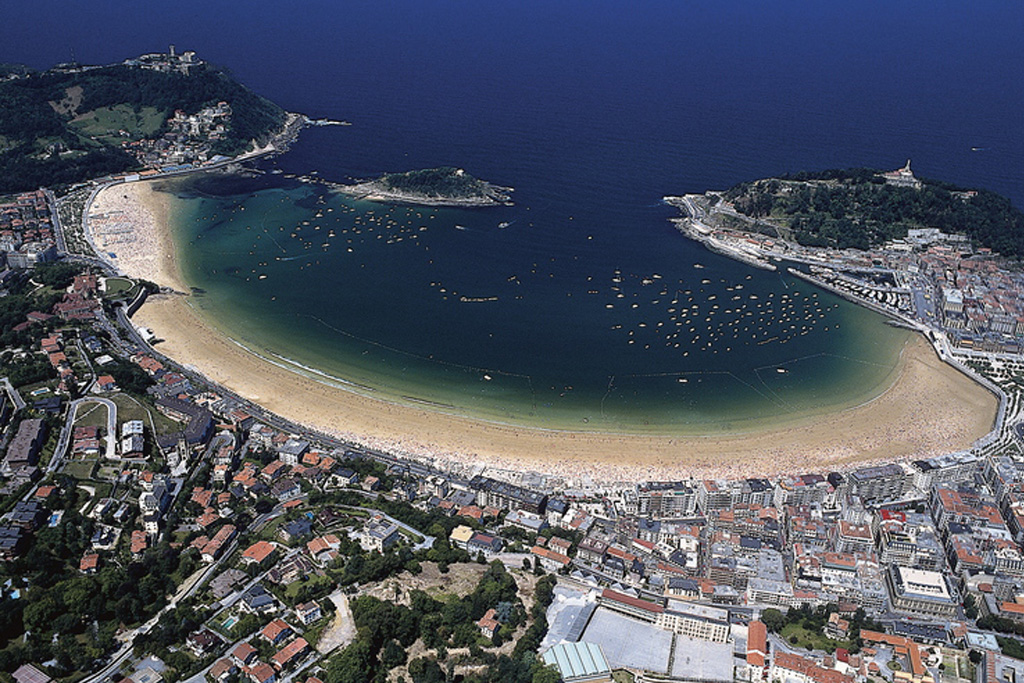
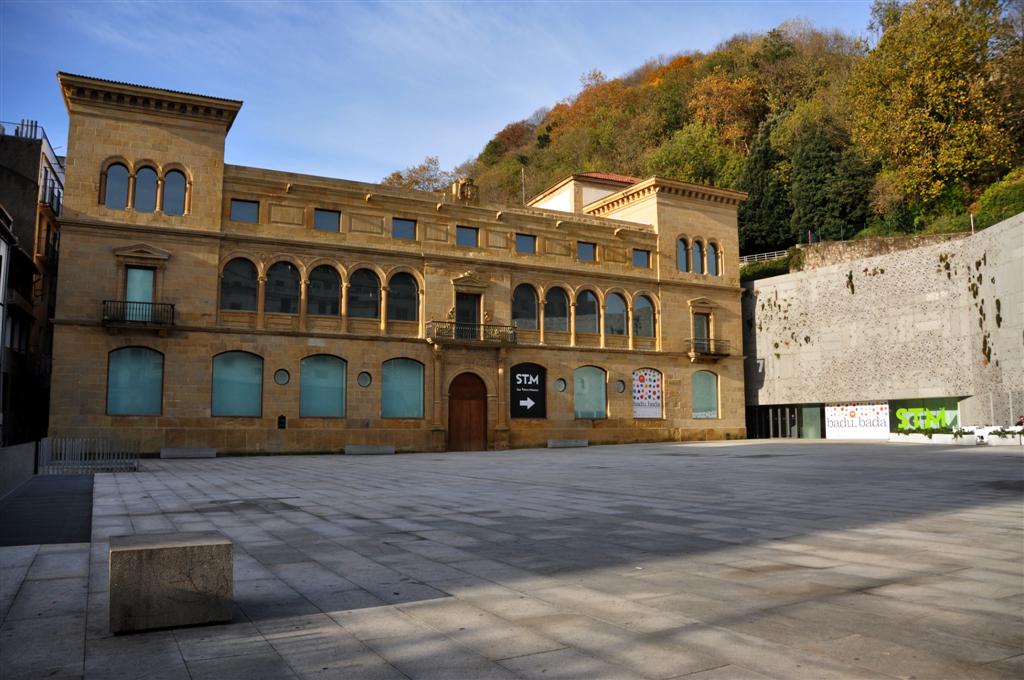
San Sebastián was founded in 1180, and a walled settlement occupied this same corner between Monte Urgull and the sea for centuries after. On 31 August 1813, during the campaign to end French occupation of the Iberian Peninsula, British and Portuguese troops set fire to the town. Almost everything burned. The Basilica of Santa María del Coro, the Church of San Vicente, the San Telmo convent, and a handful of buildings on what is now Calle 31 de Agosto came through. The rest was ash.
Rebuilding took more than thirty years. The city walls — which had defined the old town's edges since the medieval period — were declared redundant in 1863 and demolished, freeing the settlement to expand. The grid you walk today, and the fragments of wall still visible near the port, both date from that long 19th-century reconstruction.
Good to know
Both the Adif rail station and the Euskotren Amara station are a short walk away; the main bus station sits beside the Urumea river near Adif. The Boulevard separates the old town from the rest of the city and carries the main local bus lines. Free to enter at any hour; plan two to three hours minimum.
San Sebastián is a genuinely rainy city — over 1,500 mm a year — but the Parte Vieja is almost entirely walkable under eaves and awnings, which softens the blow. Summer (June to September) is the mildest stretch, with temperatures rarely above 24°C; November through January brings the heaviest rain and occasional strong ocean winds.
Where is Parte Vieja (Old Town)?
Location
- In San Sebastián
- 43.3242, -1.9736
- Open in Google Maps
More tickets & tours for Parte Vieja (Old Town)
Book directly at the provider
More of San Sebastián
Discover where to stay, what to do and the best deals for your trip.
Explore San Sebastián →More attractions in San Sebastián
All of San Sebastián →

Background adapted from Wikipedia (CC BY-SA) · map data © OpenStreetMap contributors · ratings & place photos via Google · other photos with per-image credit. Ticket links may earn us a commission at no extra cost to you.