
Galicia
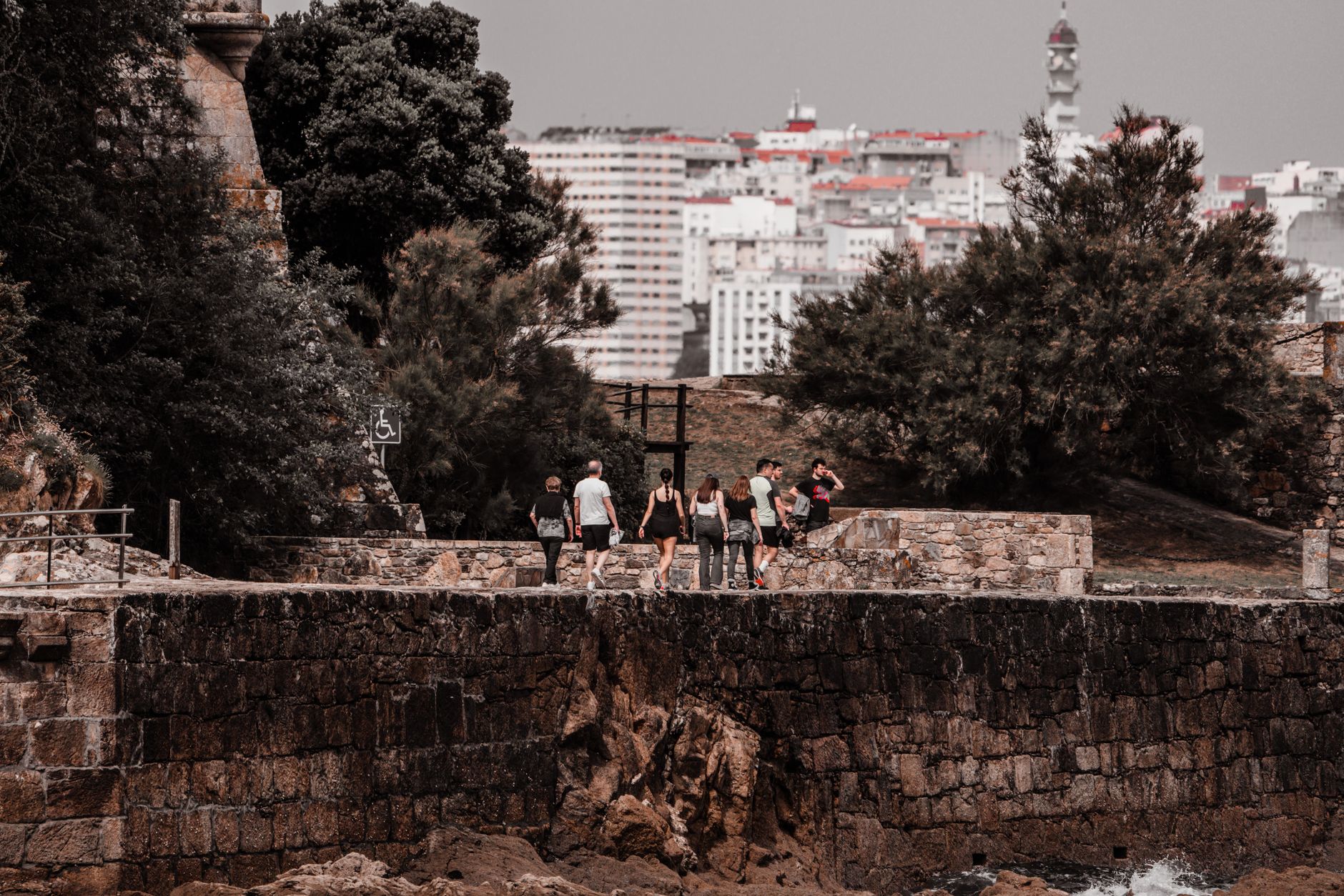
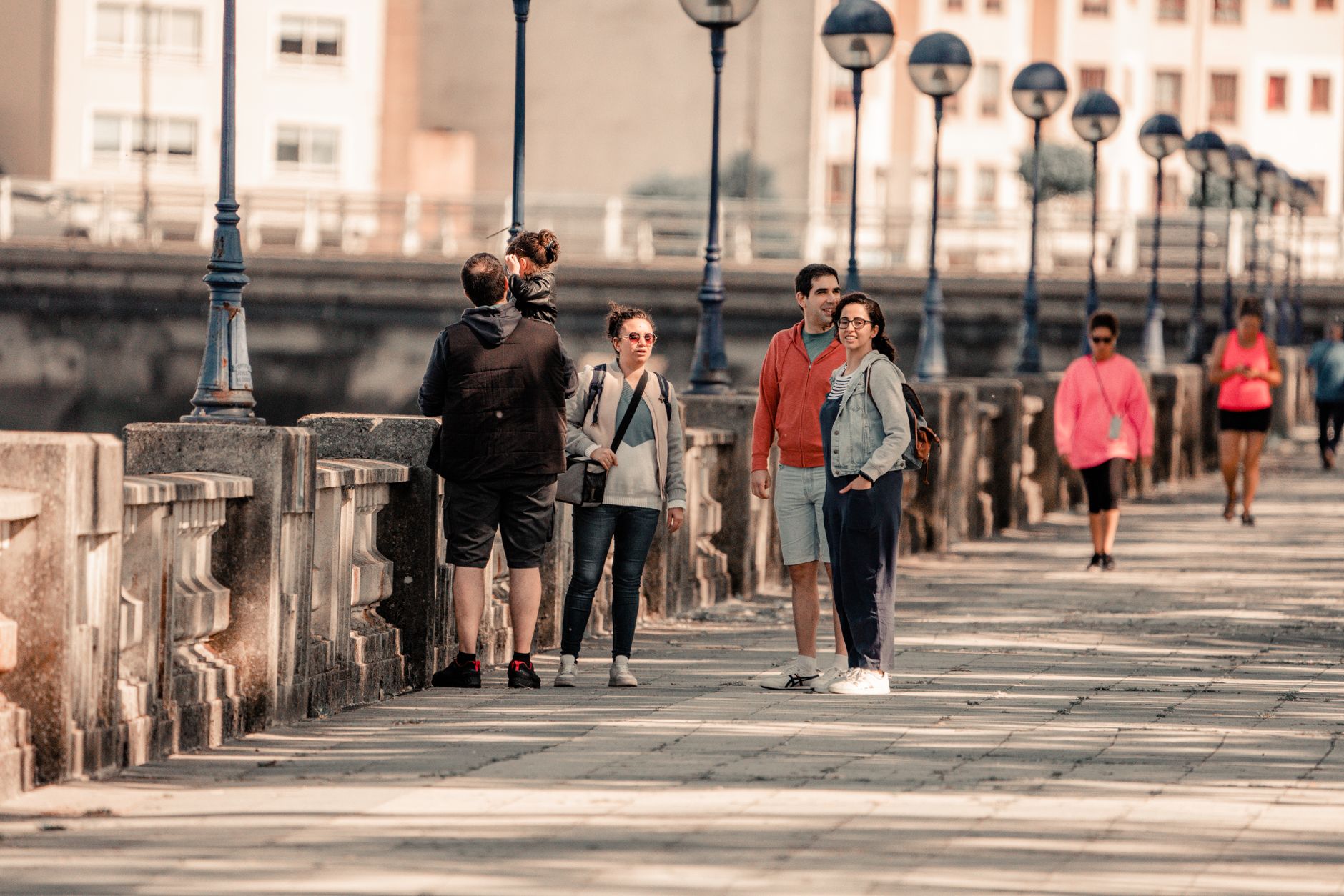
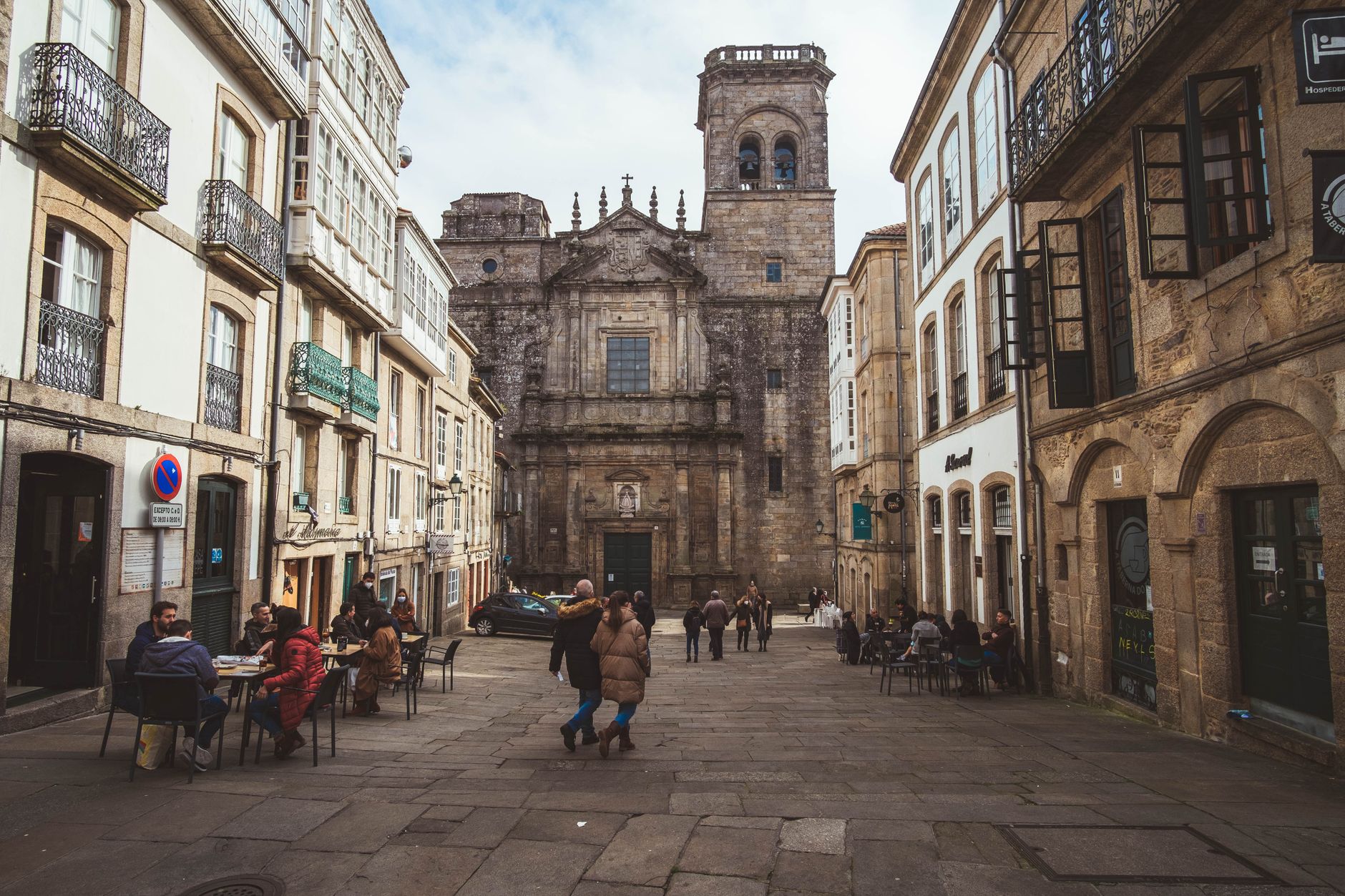
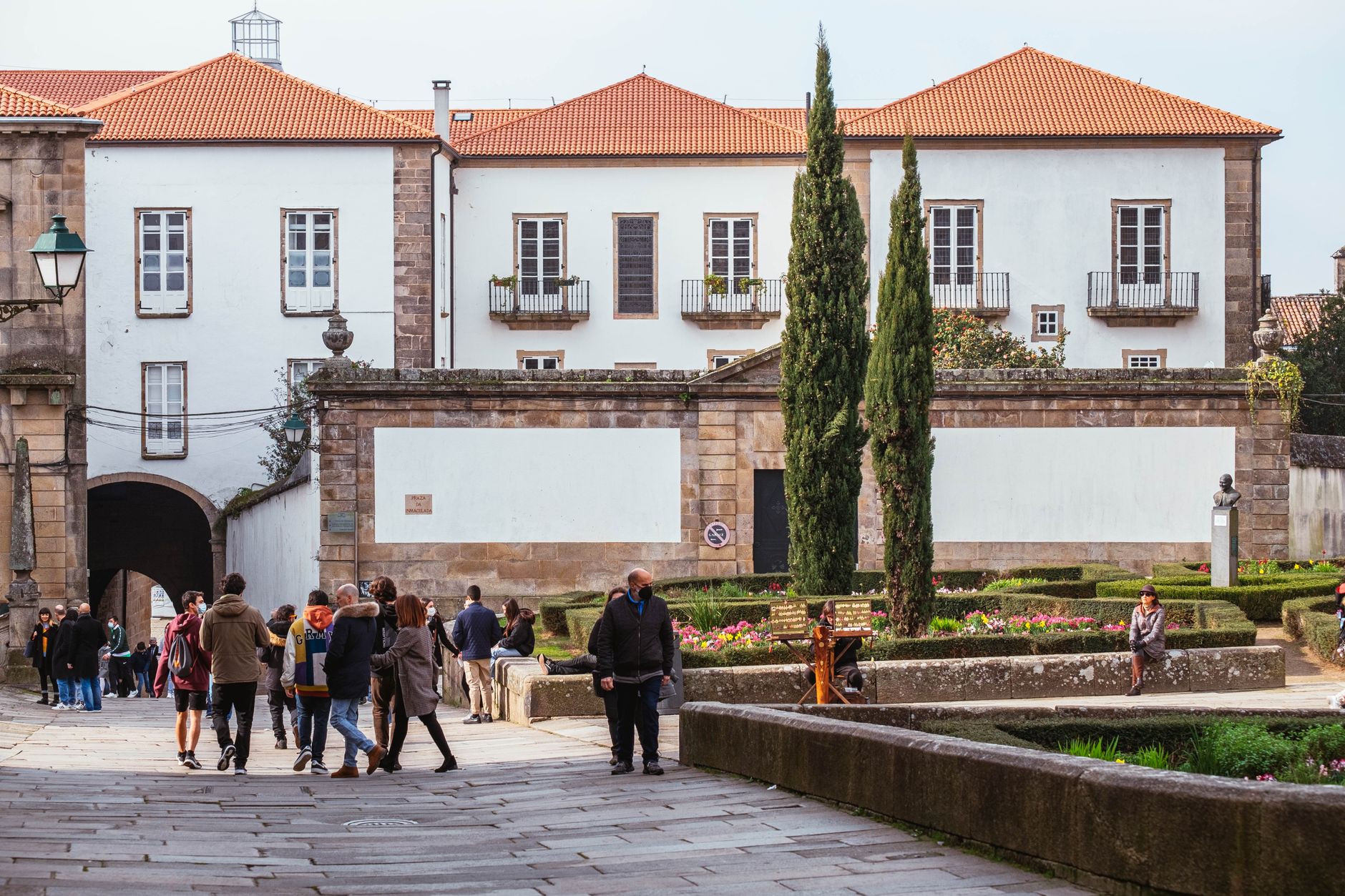
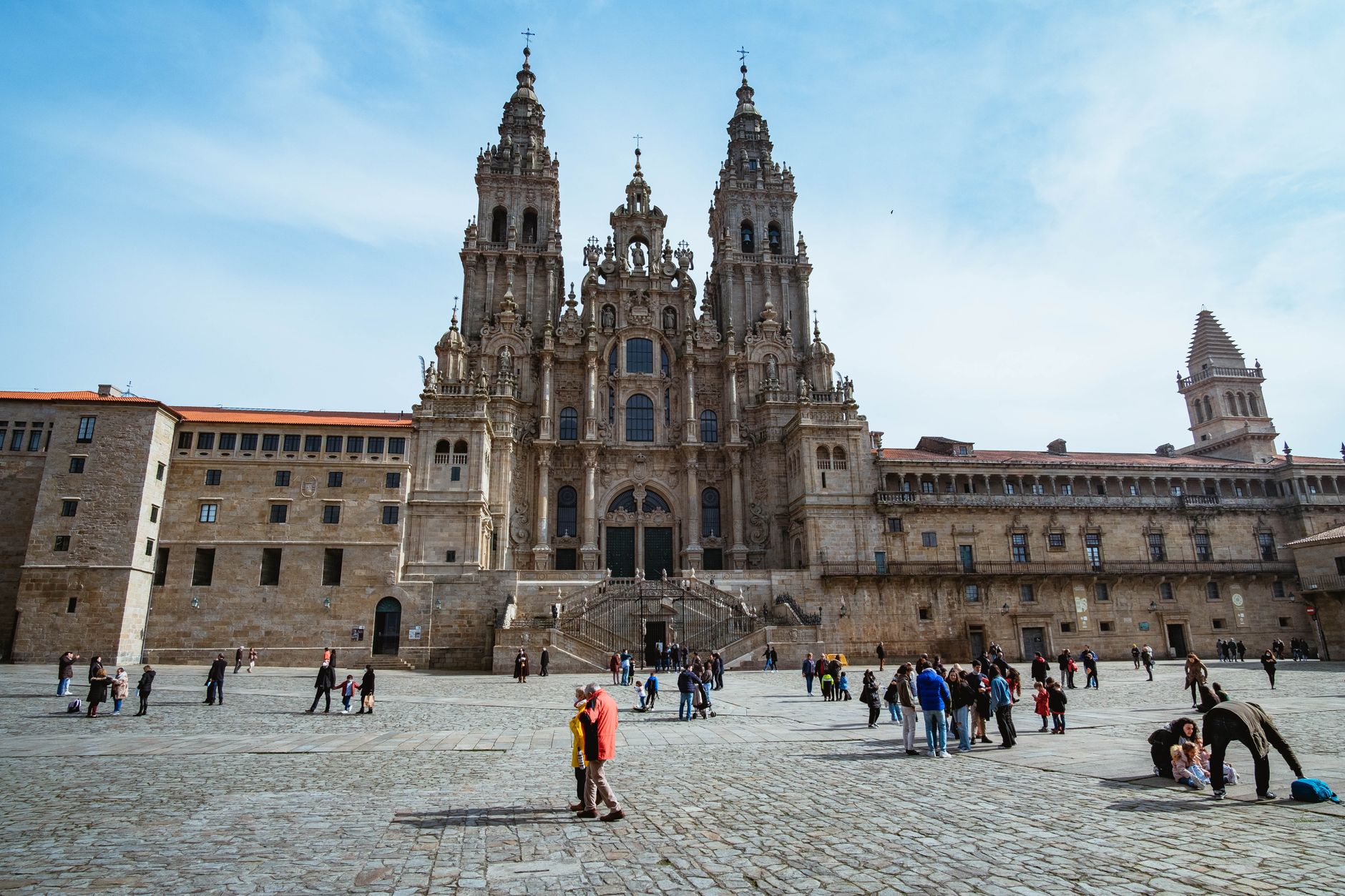
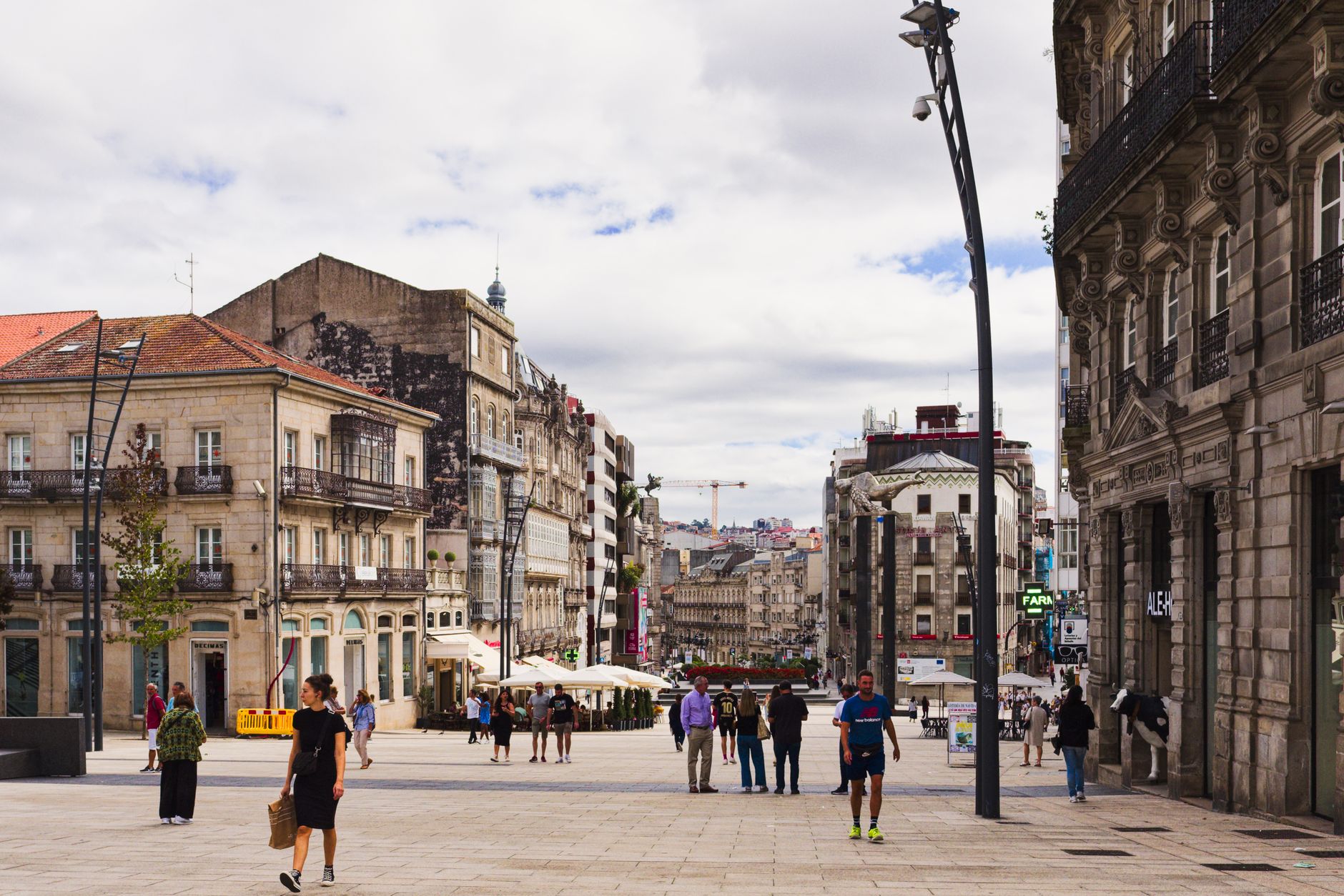
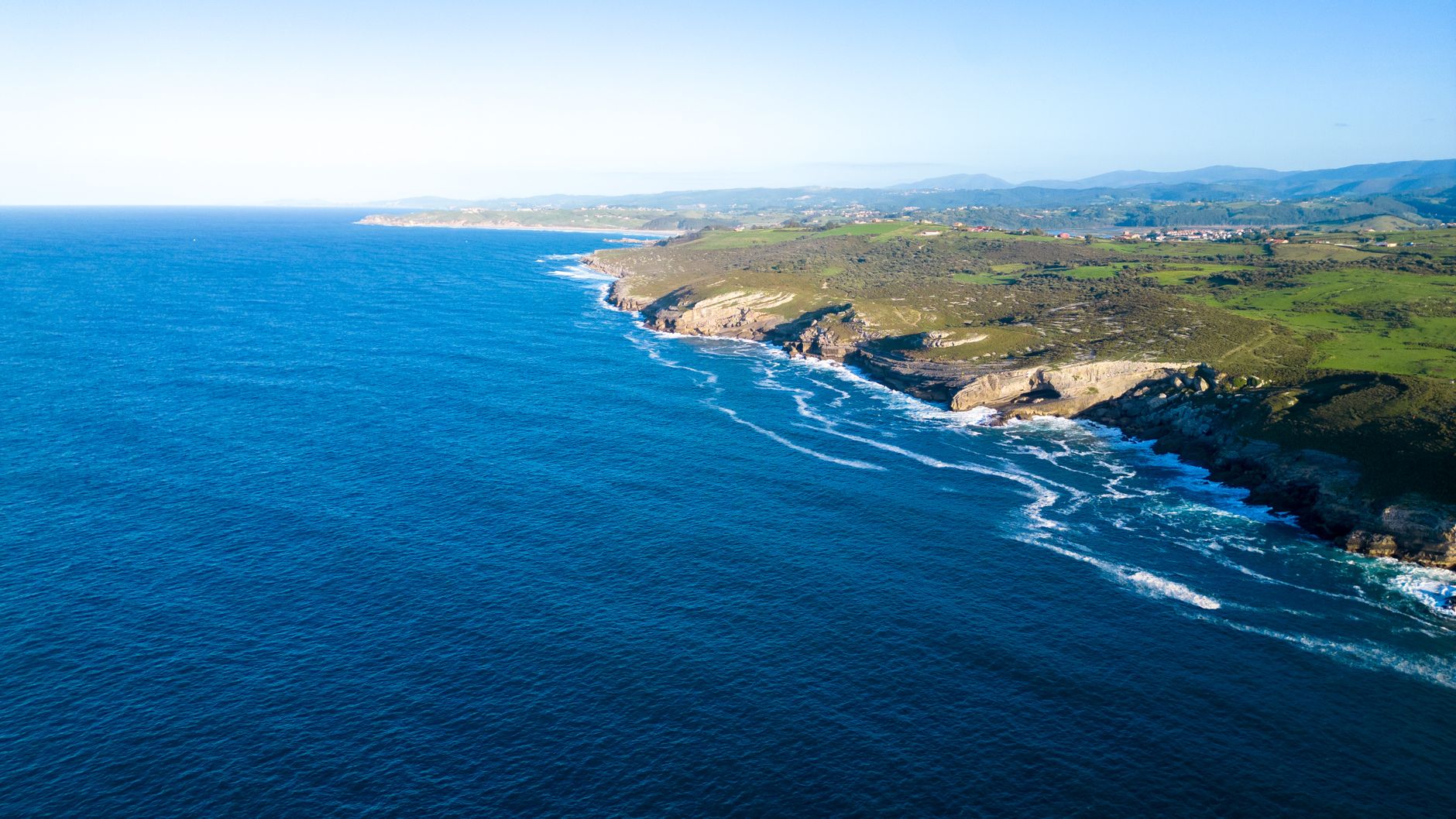
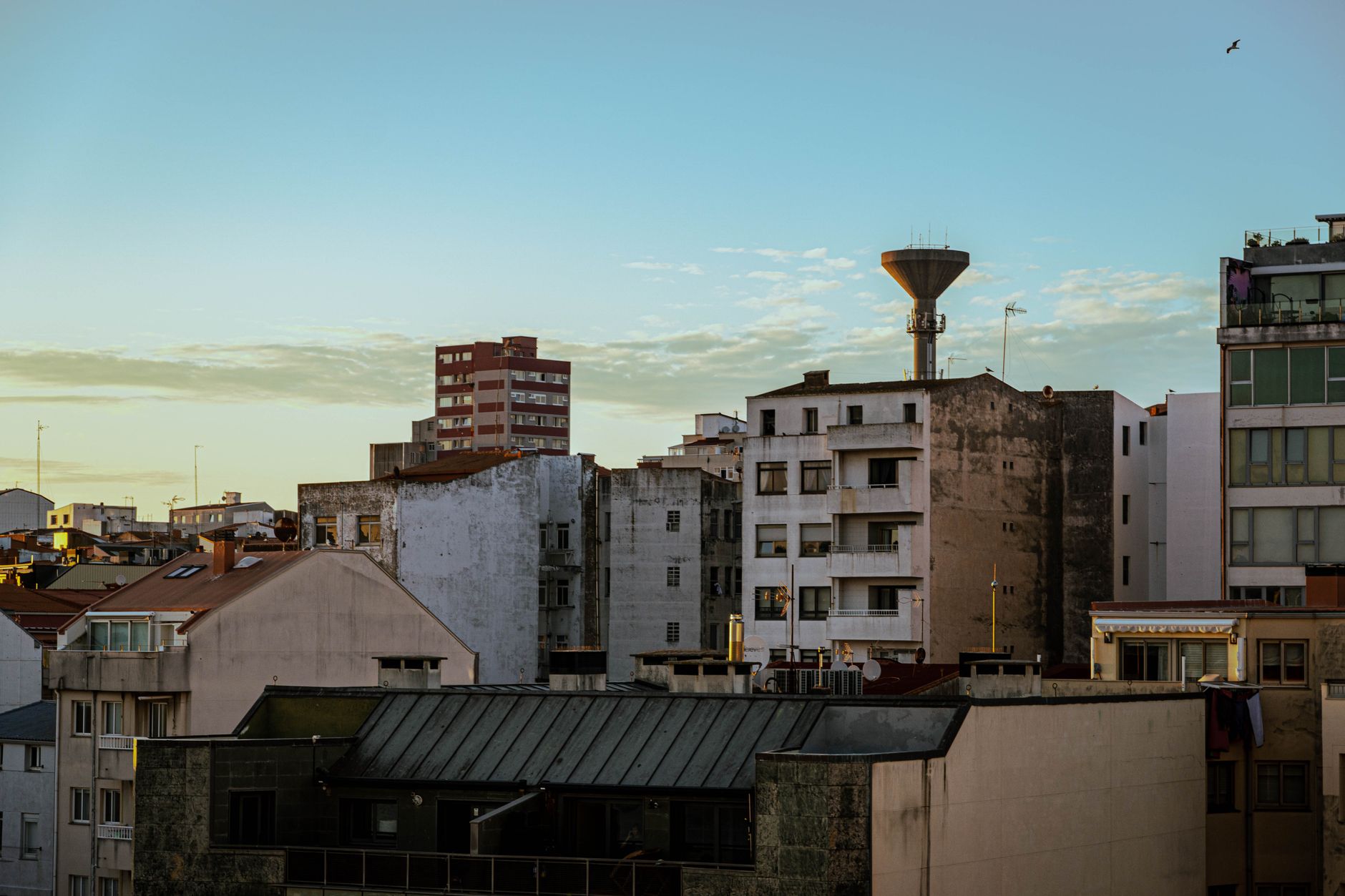
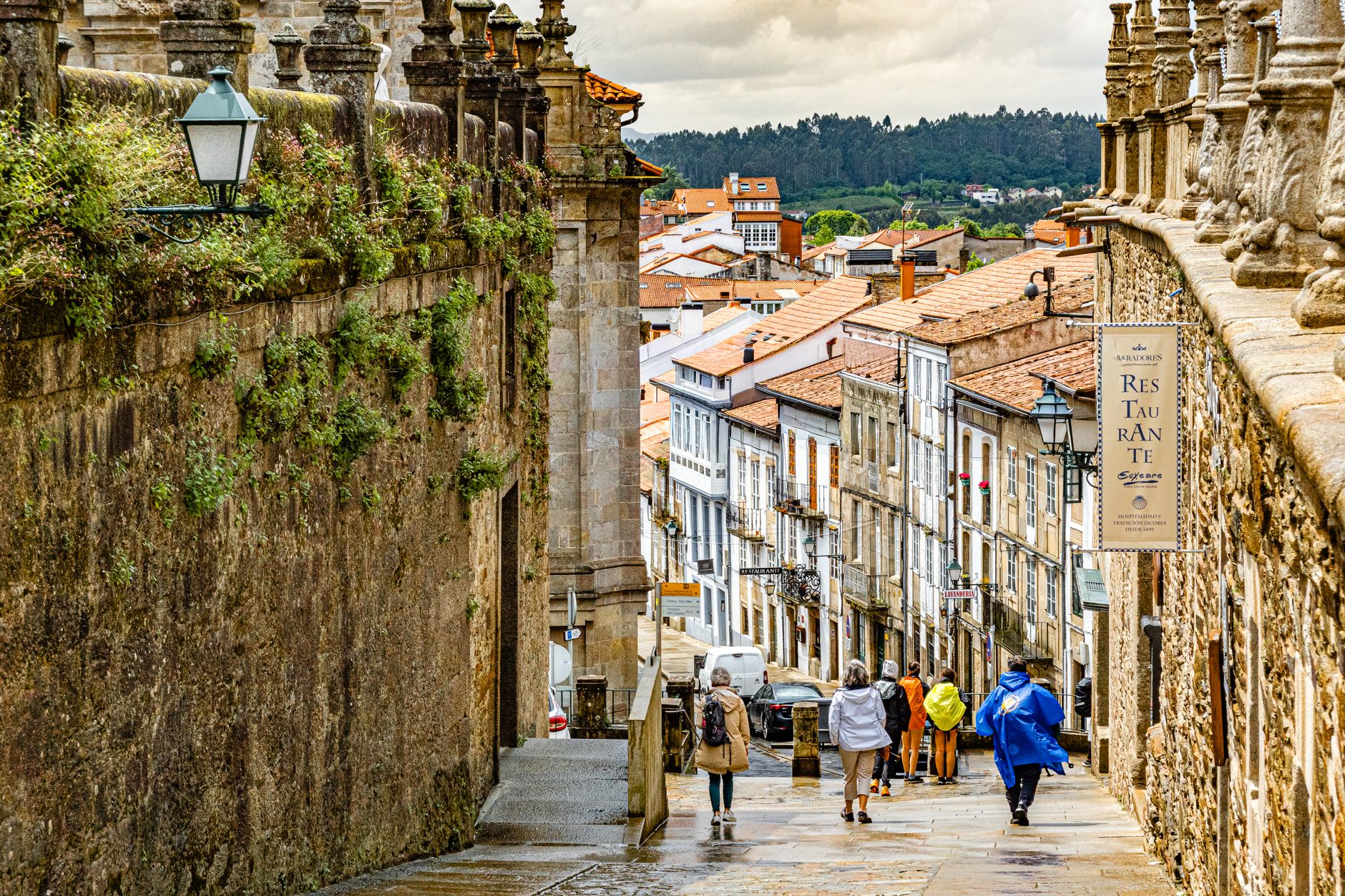
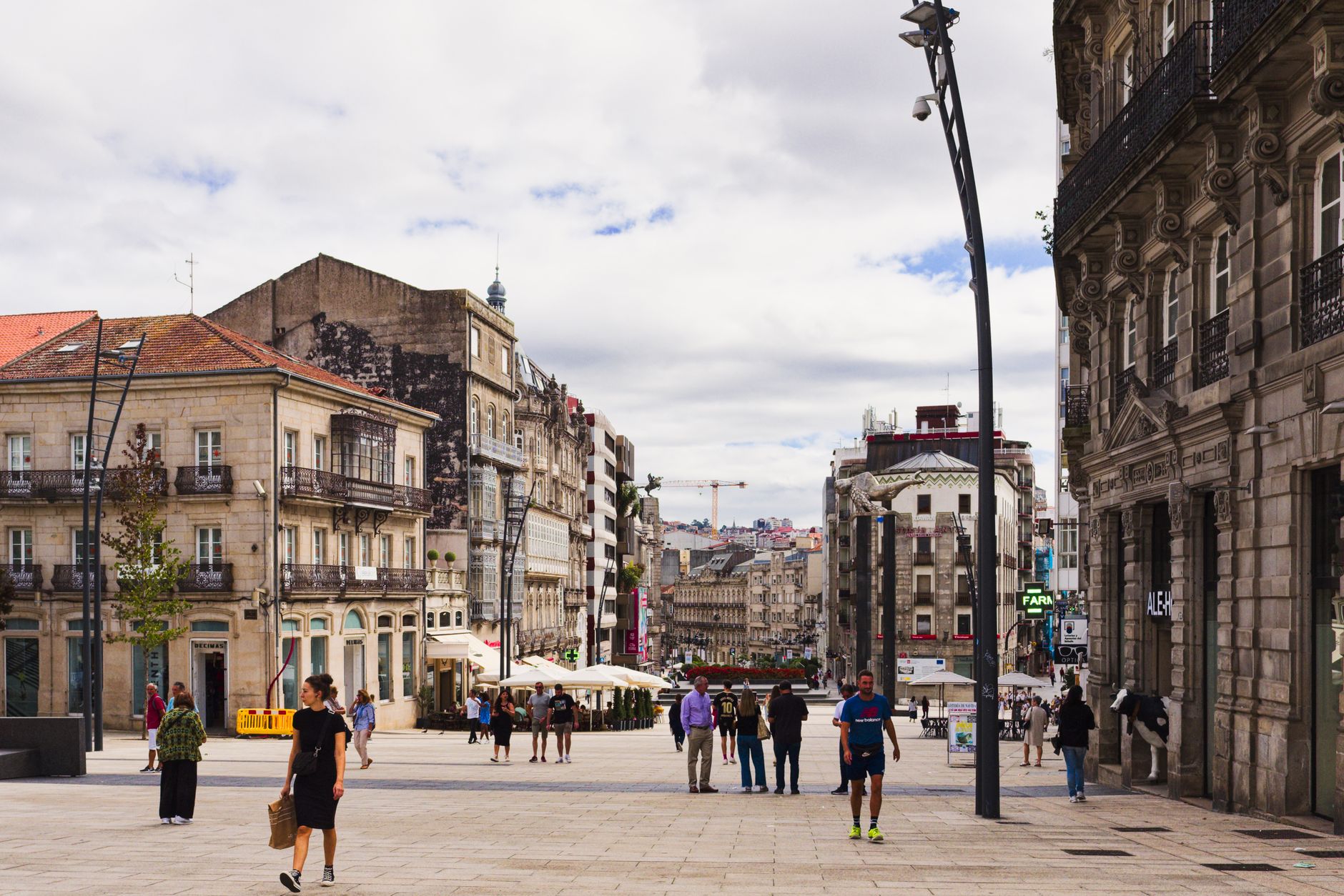
Galicia occupies Spain's wet, green northwest corner, where the Atlantic hammers a coastline of deep estuaries called rías and the interior rises into granite hills threaded with rivers. The food alone — octopus dusted with paprika, barnacles prised from sea rocks, Albariño poured cold — tells you this is not the Spain of the south.
Four provinces, four cities, and a pilgrimage route that has been drawing walkers for over a thousand years give the region enough to fill weeks. The hórreos — long stone grain stores raised on stilts against rats and damp — stand in almost every village, as ordinary here as a garden shed, and as quietly eloquent about the place as anything you'll find.
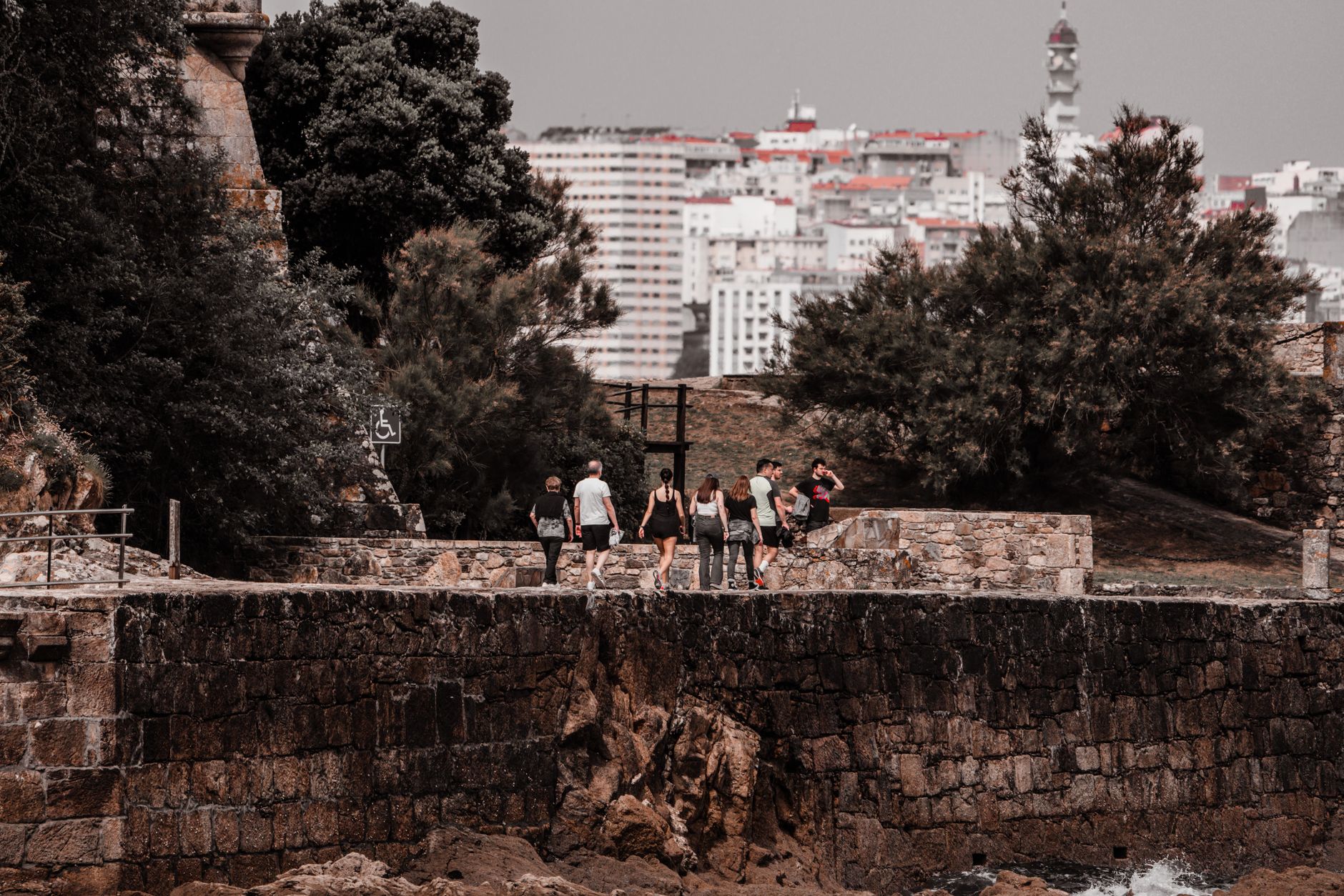
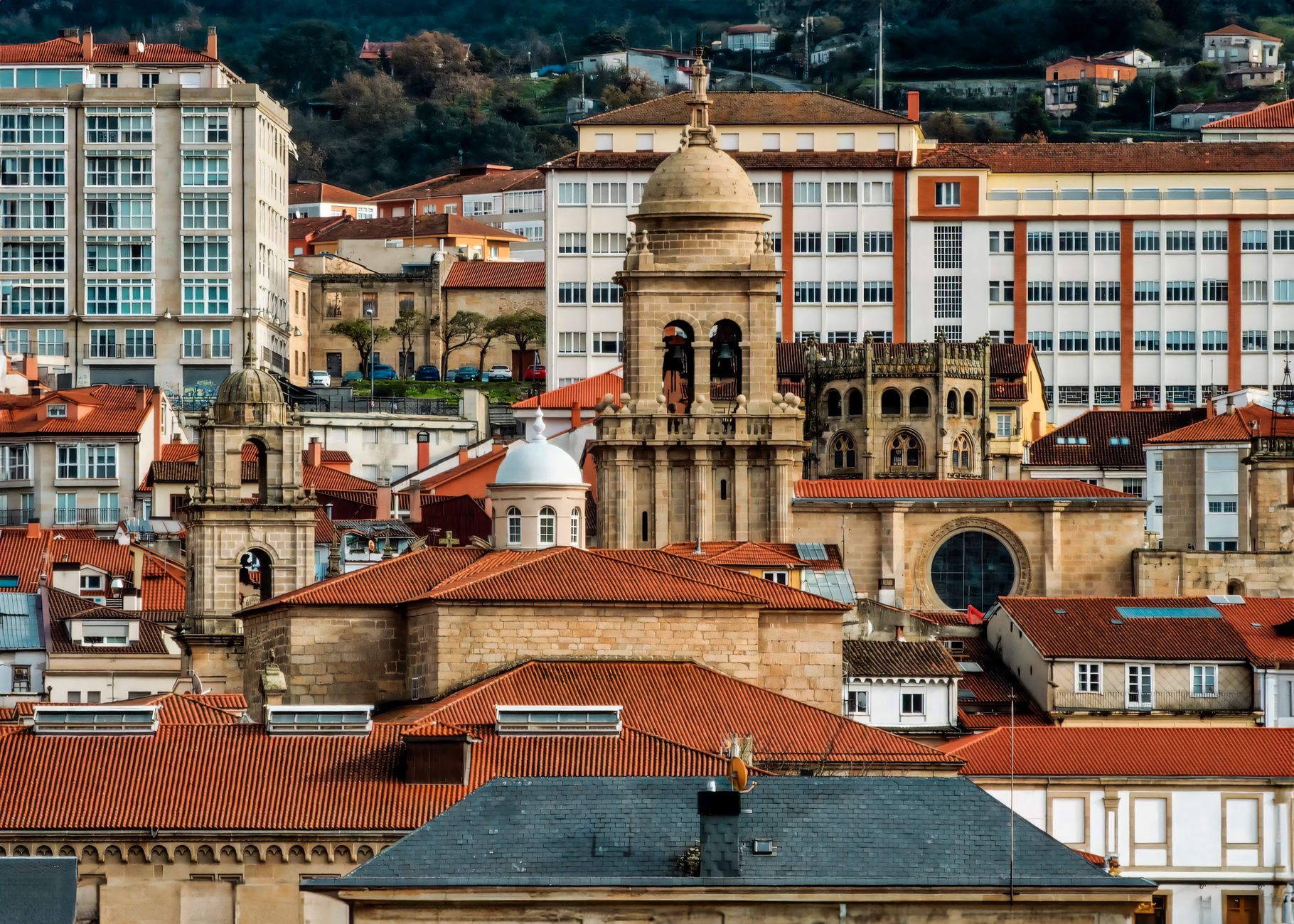
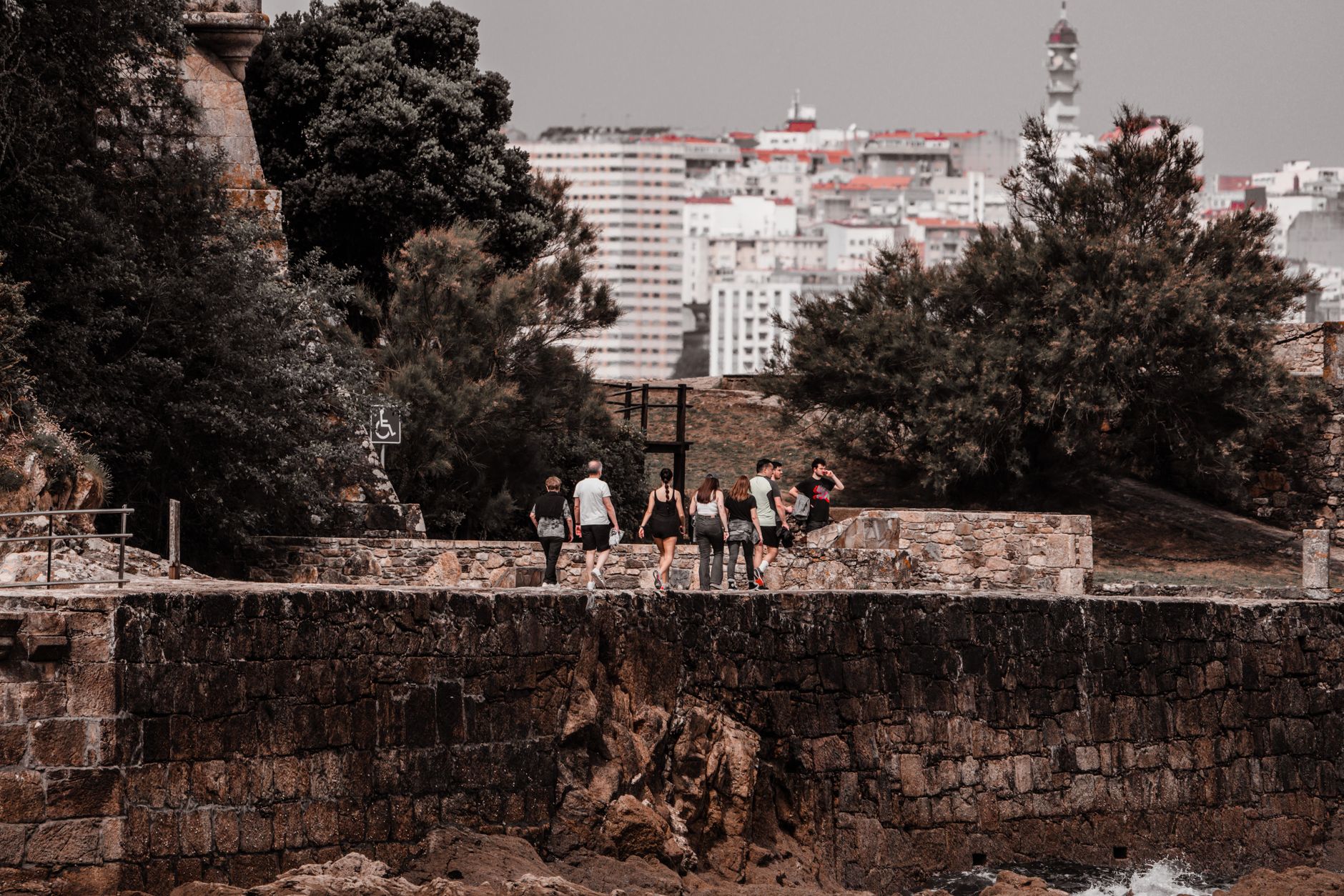
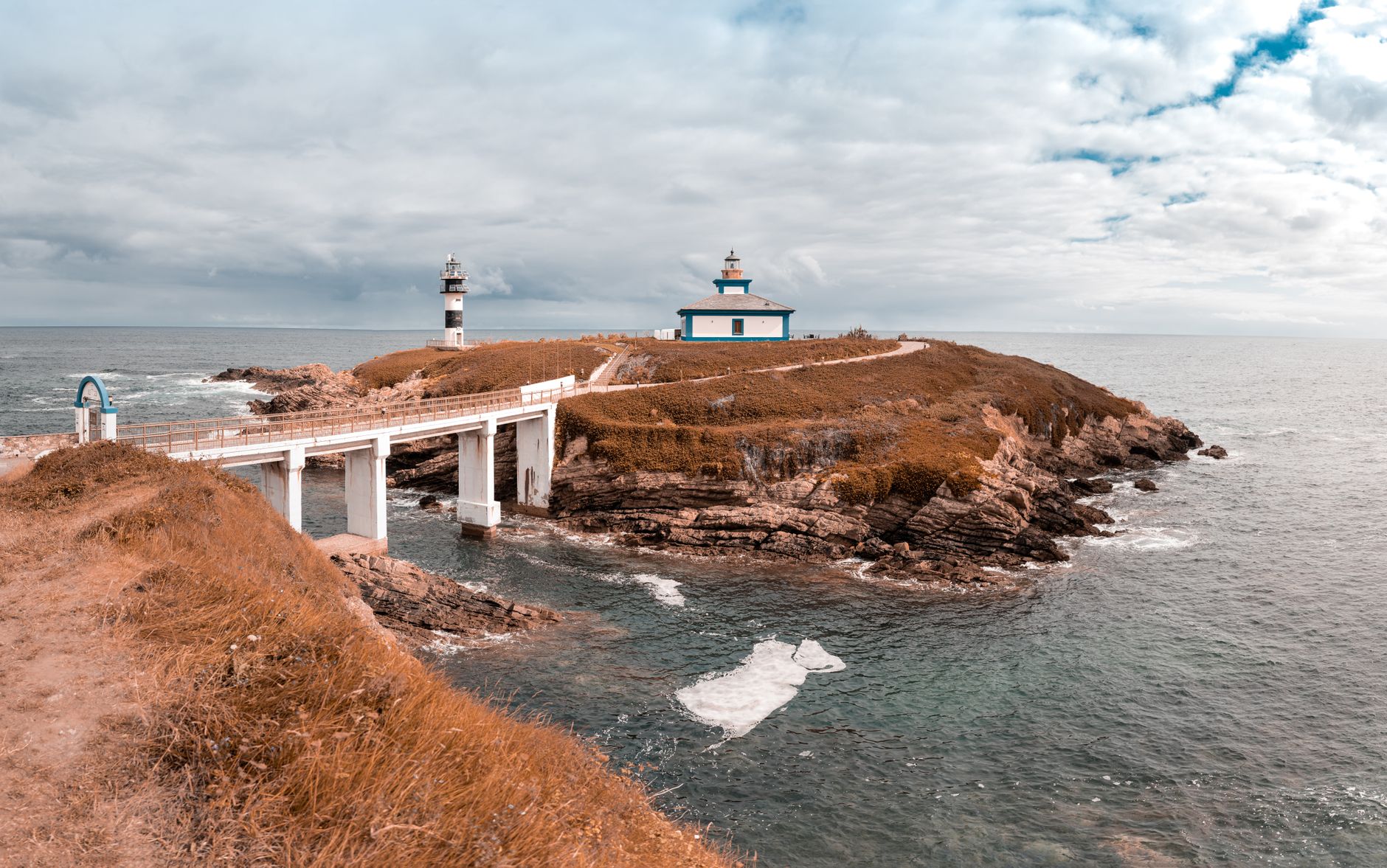
Popular cities in Galicia
Experiences you don't want to miss



How Galicia came to be
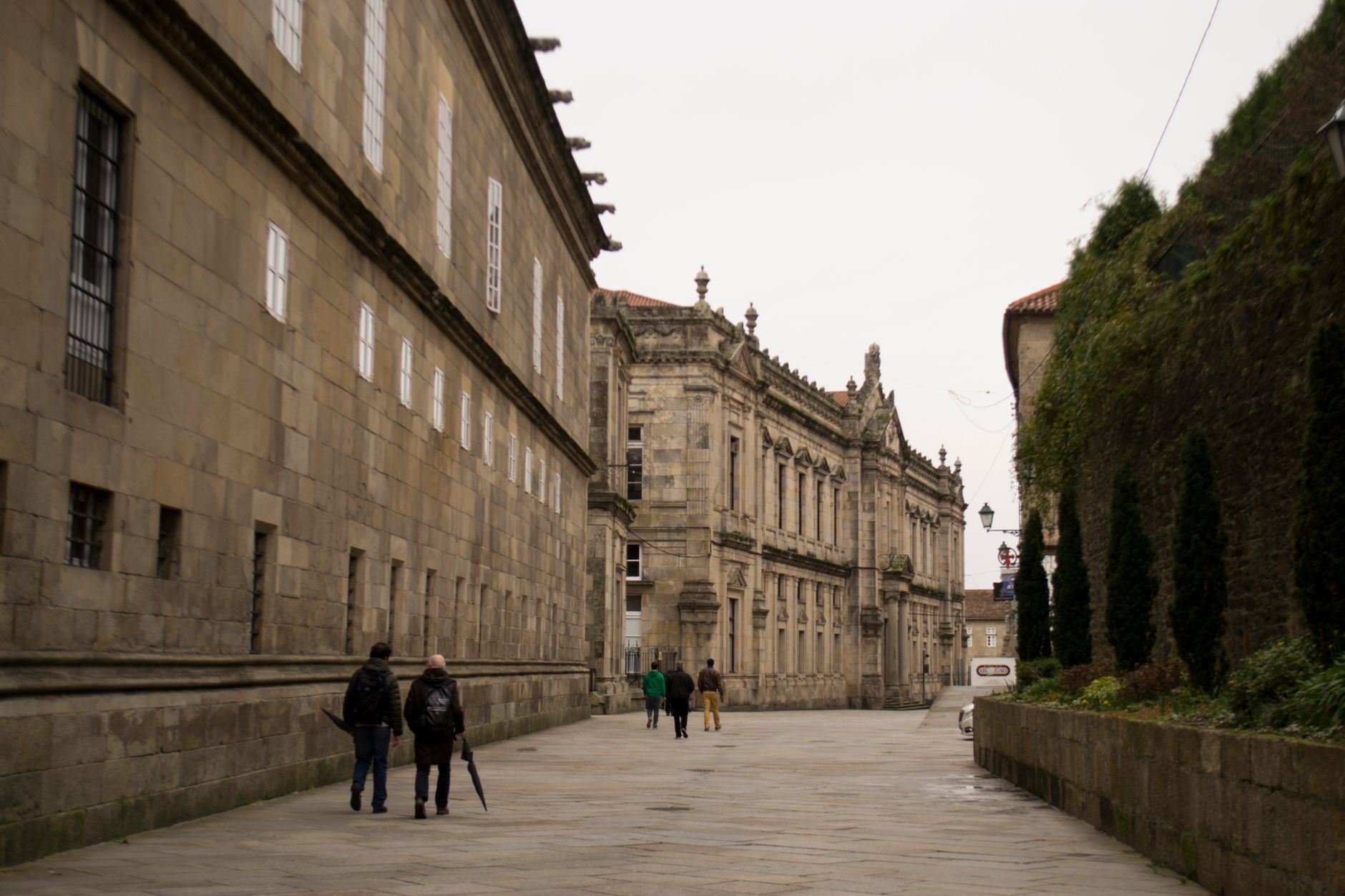
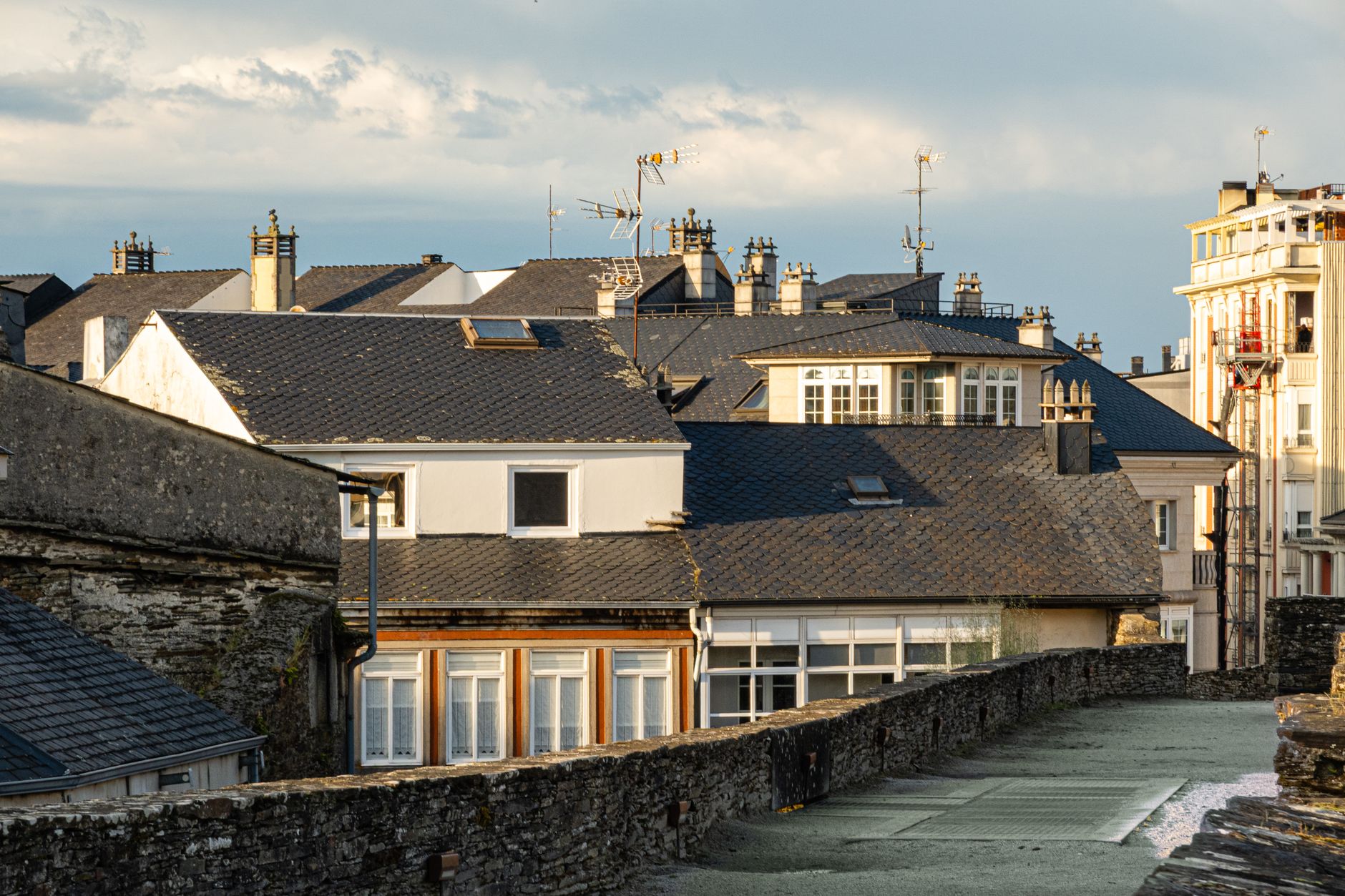
The Gallaeci, a Celtic people, held this corner of Iberia until Roman legions arrived in the first and second centuries AD, leaving behind a lighthouse at A Coruña — the Torre de Hércules, still functioning — and a walled city at Lugo whose perimeter still stands intact. After Rome's withdrawal, the Germanic Suebi established what historians consider the first medieval kingdom in Europe here, in 411.
The region's defining moment came in the 9th century, when remains believed to be those of Saint James were discovered and a church was raised over them — the origin of the Cathedral of Santiago de Compostela and the Camino de Santiago that feeds into it. The Kingdom of Galicia survived in various forms until the 1833 reorganisation of Spain broke it into four provinces. A 1936 vote for autonomy was crushed by Franco's dictatorship; Galicia finally became a recognised autonomous community on 6 April 1981.
Who and what shaped it
People who shaped it
Landmark buildings
See Galicia in motion
Plan your visit
On the map
When to go
The Atlantic keeps temperatures mild year-round — around 11°C in midwinter on the northwest coast, rarely above 23°C in summer — but it also brings rain, sometimes a great deal of it, especially from autumn through spring. June to early September is the driest window; July and August are the warmest, though even then an afternoon shower is not unusual inland.
Right now
↡ Cities
No places match these filters.
Background & history adapted from Wikipedia (CC BY-SA) · specs from Wikidata (CC0) · weather from Open-Meteo · map data © OpenStreetMap contributors · photos from Wikimedia Commons / Unsplash with per-image credit. No third-party reviews or social posts reproduced.