
Santiago de Compostela
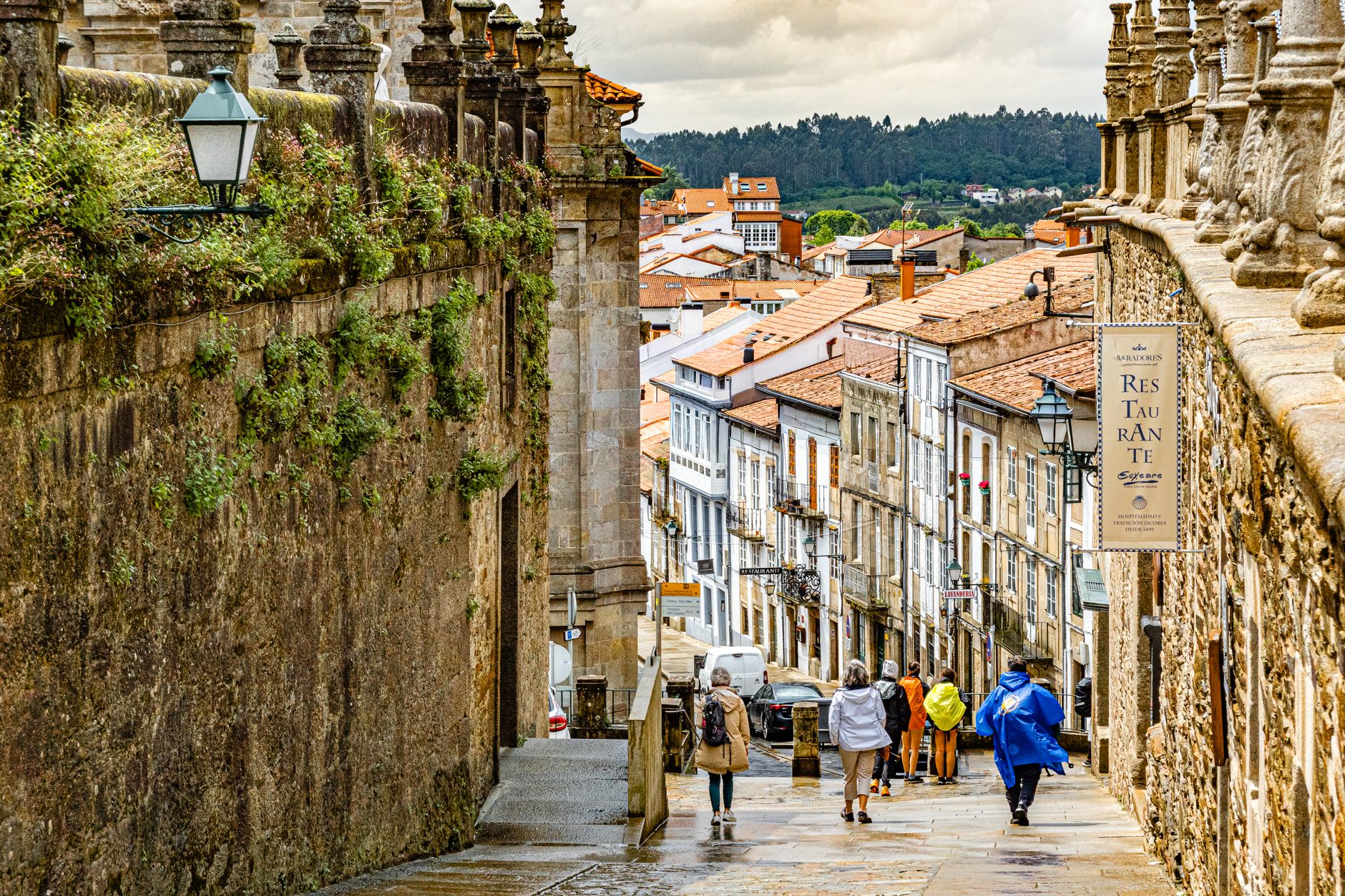
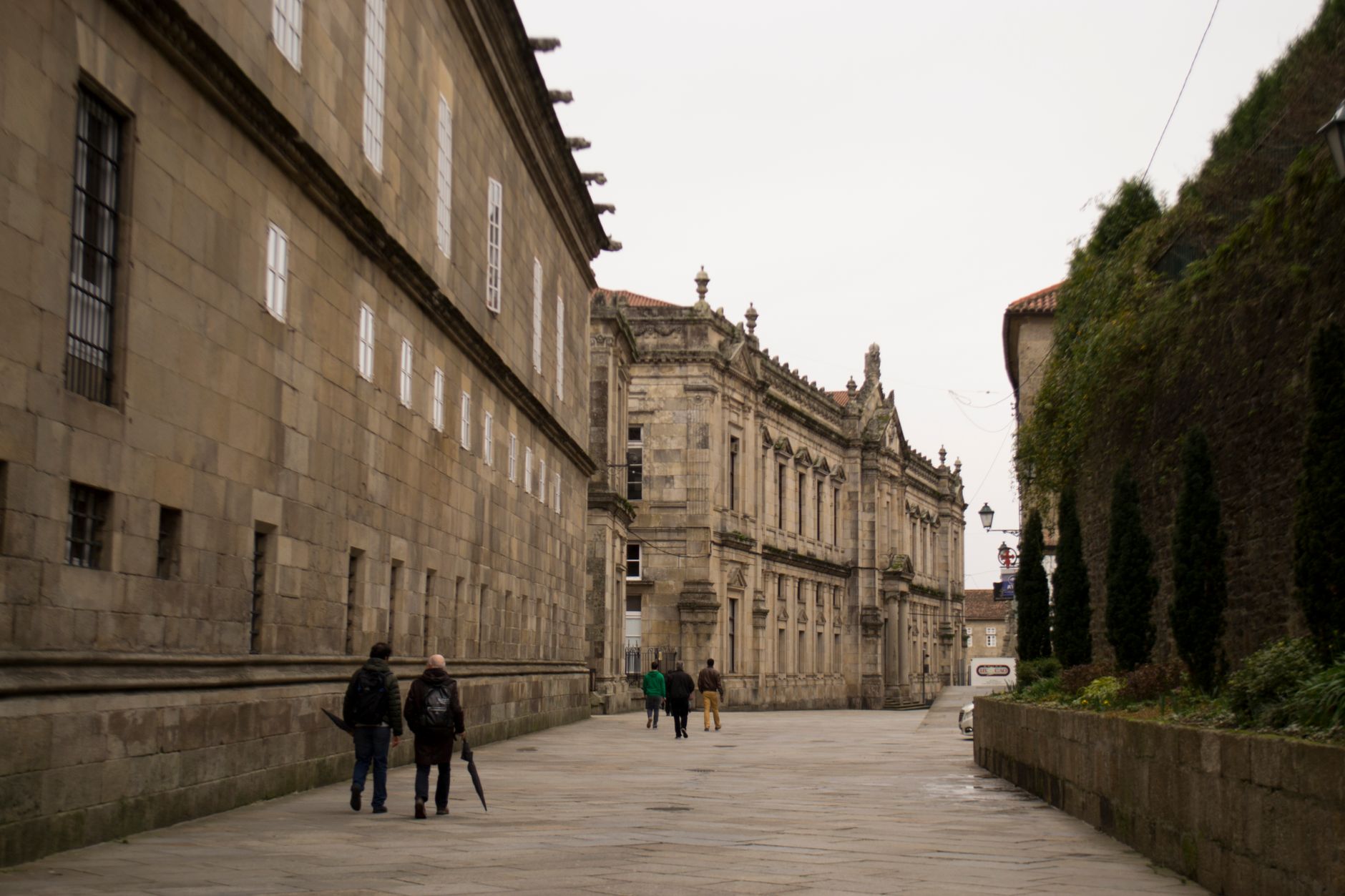
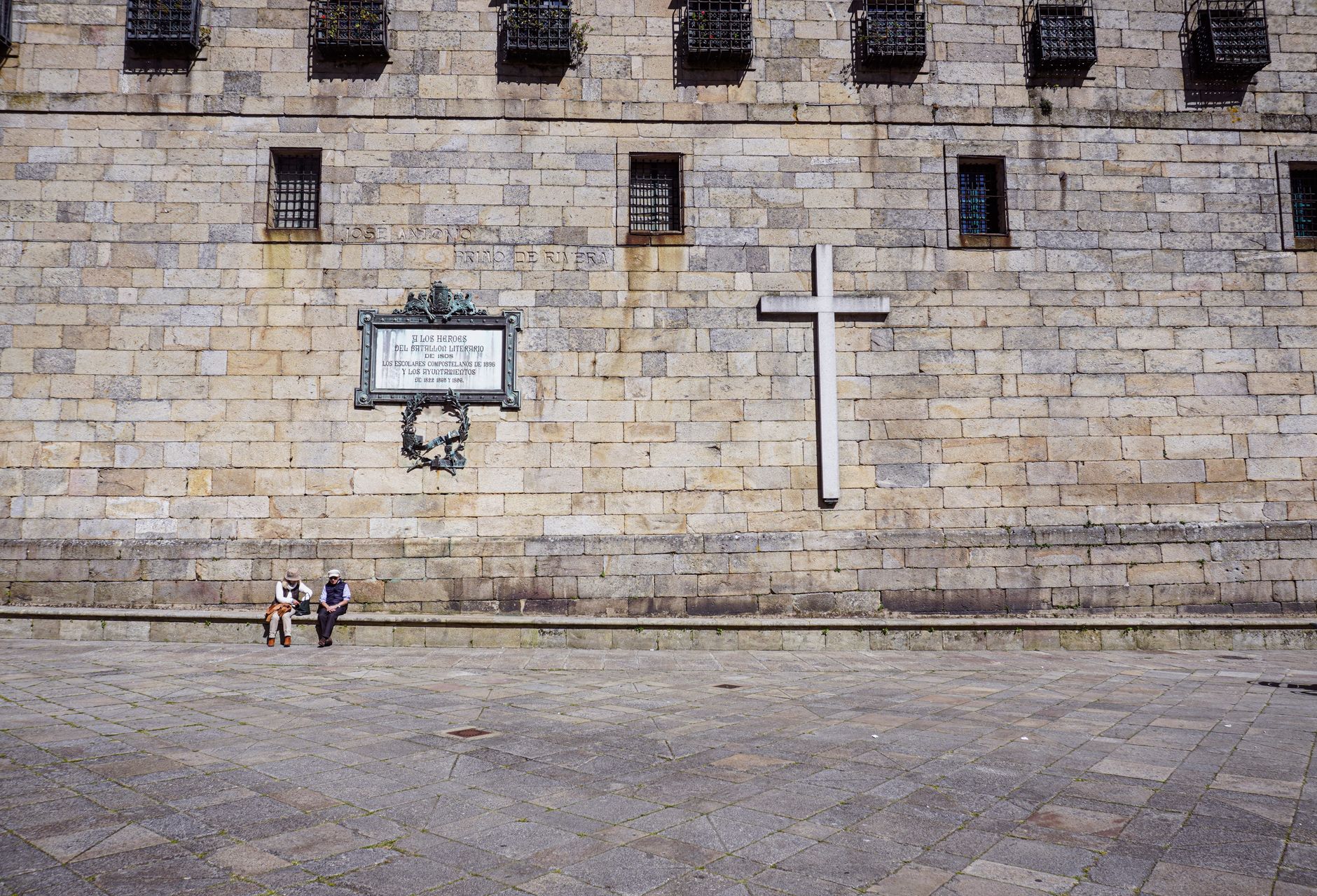
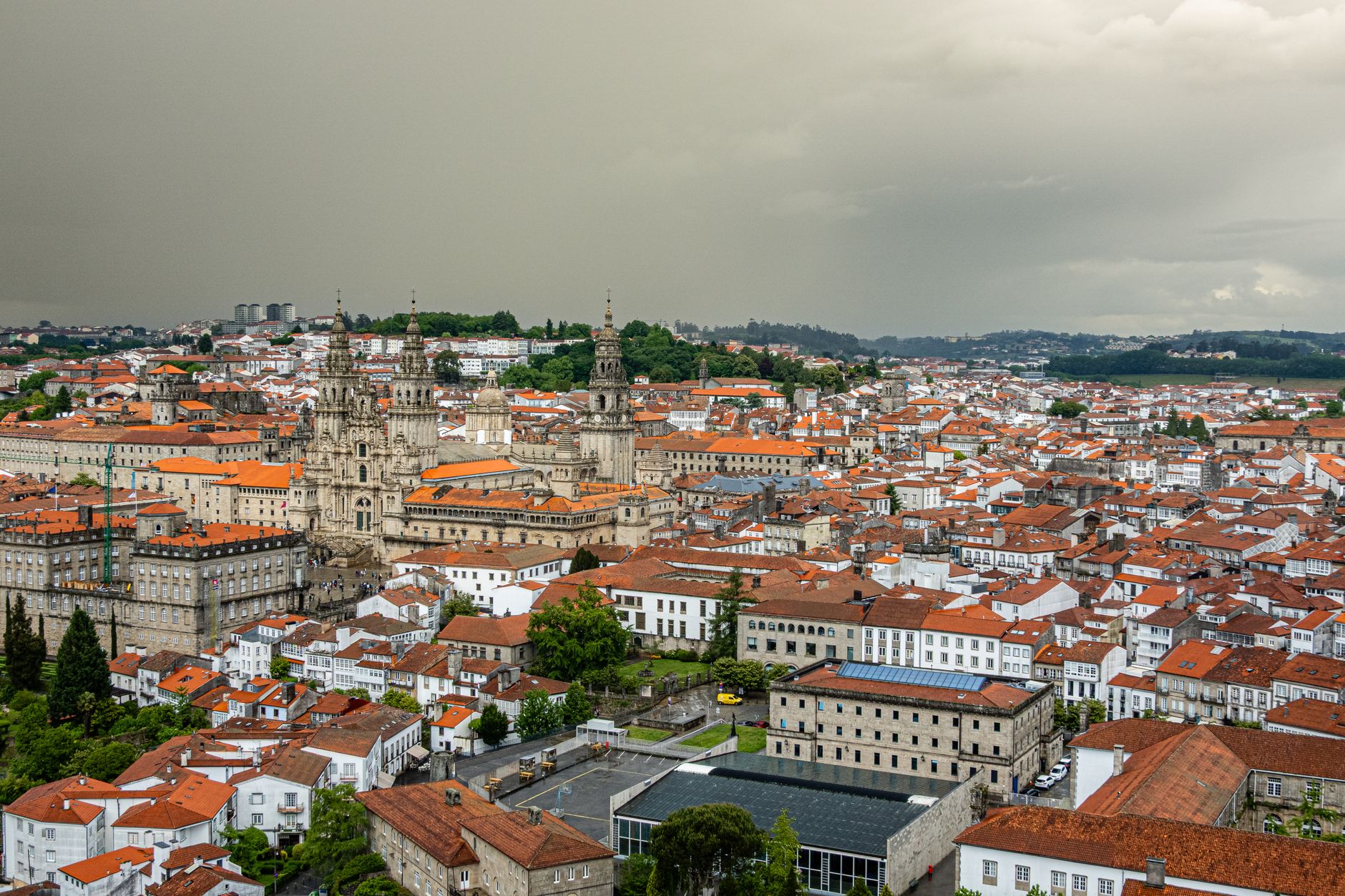
The stone slab at the centre of Praza do Obradoiro is marked as kilometre zero of the Camino de Santiago — and that detail tells you something about the city's logic. Everything orients toward the cathedral, whose Baroque twin towers you'll have been watching grow on the horizon for the last hour of any approach. The square's name translates as 'Square of the Workshop,' a reminder that this was a construction site for generations.
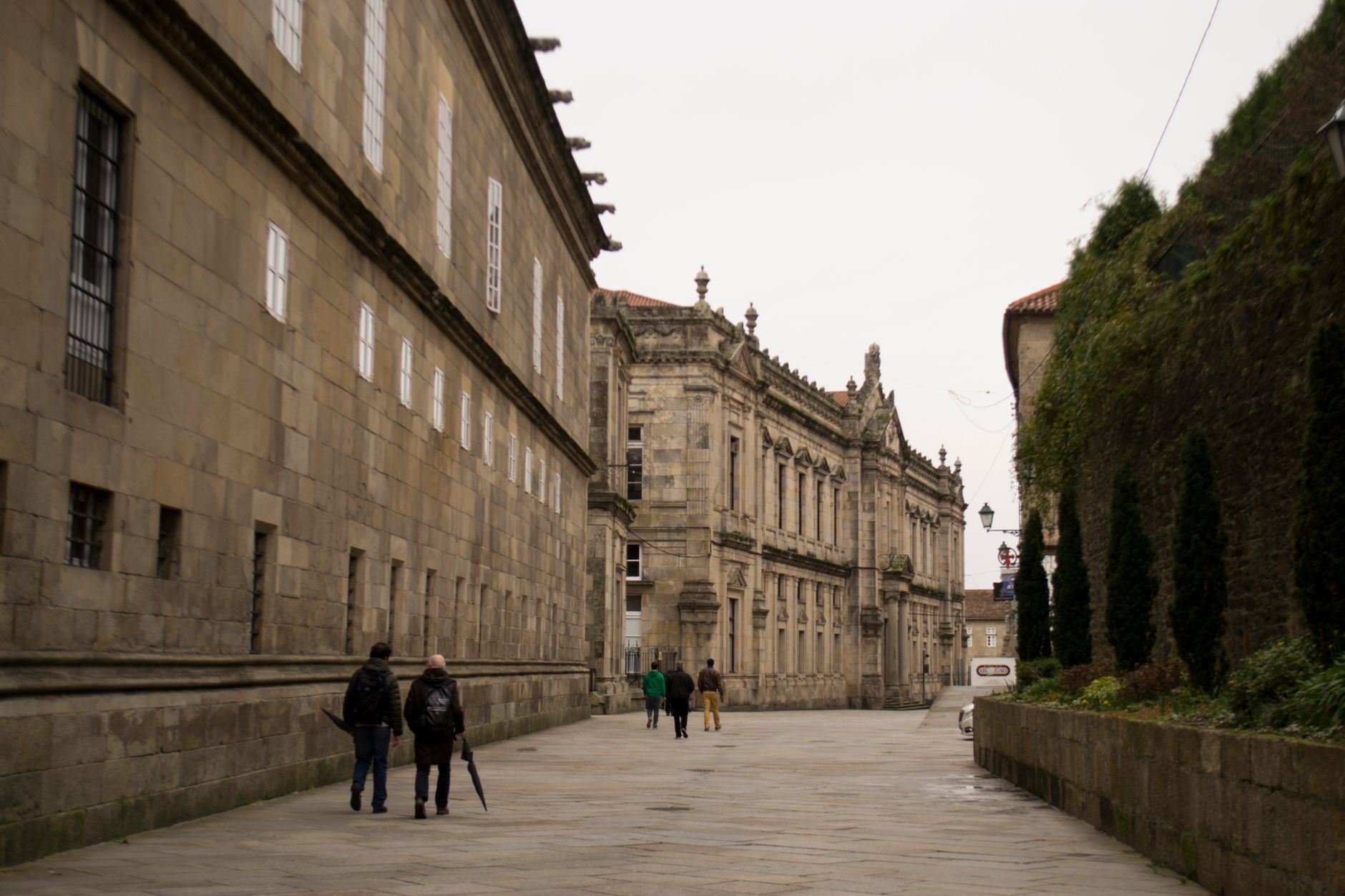
What surprises people who come expecting pure pilgrimage theatre is how lived-in the old town is: students from the university founded in the Pazo de Fonseca in 1544, residents doing their shopping under the granite arcades, the smell of octopus from the market. The UNESCO designation came in 1985, but the city didn't freeze.
💛 What travellers fall for
People who come back tend to time a return around a Holy Year — when St. James's Day falls on a Sunday and the Puerta Santa opens, the next being 2027. They also learn to arrive at the noon Pilgrims' Mass early enough to get a seat in the nave rather than standing in the transept, and they book the Pórtico de la Gloria visit separately, because the crowd dynamics are completely different once you're inside.
Experiences you don't want to miss



Deals in Santiago de Compostela
Book directly at the provider
How Santiago de Compostela came to be
In the early ninth century, Bishop Theodemir of Iria reported the discovery of remains he attributed to Saint James the Greater to King Alfonso II of Asturias. A primitive church was consecrated on the site in 834, and a larger temple followed under Alfonso III in 874. The city's early momentum was interrupted in 997, when the Moorish military leader Almanzor sacked and burned it — sparing, according to tradition, the tomb itself.
The cathedral as it stands today began rising in 1075 and was largely complete by 1128. Archbishop Diego Gelmírez, appointed 1093, drove much of that ambition, positioning Santiago alongside Rome and Jerusalem as a pilgrimage destination. The Pórtico de la Gloria — the sculpted portico by Master Mateo, commissioned by King Ferdinand II of León — was finished in 1188 and reopened after a decade of restoration in 2018. The Obradoiro façade, the Baroque face now depicted on Spanish euro coins, came centuries later, in the seventeenth and eighteenth centuries.
Who and what shaped it
People who shaped it
Landmark buildings
See Santiago de Compostela in motion
Plan your visit
On the map
When to go
Galicia's Atlantic position means Santiago is genuinely rainy — granite and moss are not accidental here. Summer is the driest window, though never guaranteed; spring brings green hills and manageable crowds; winter is mild but persistently wet.
Right now
Background & history adapted from Wikipedia (CC BY-SA) · specs from Wikidata (CC0) · weather from Open-Meteo · map data © OpenStreetMap contributors · photos from Wikimedia Commons / Unsplash with per-image credit. No third-party reviews or social posts reproduced.