
Baiona
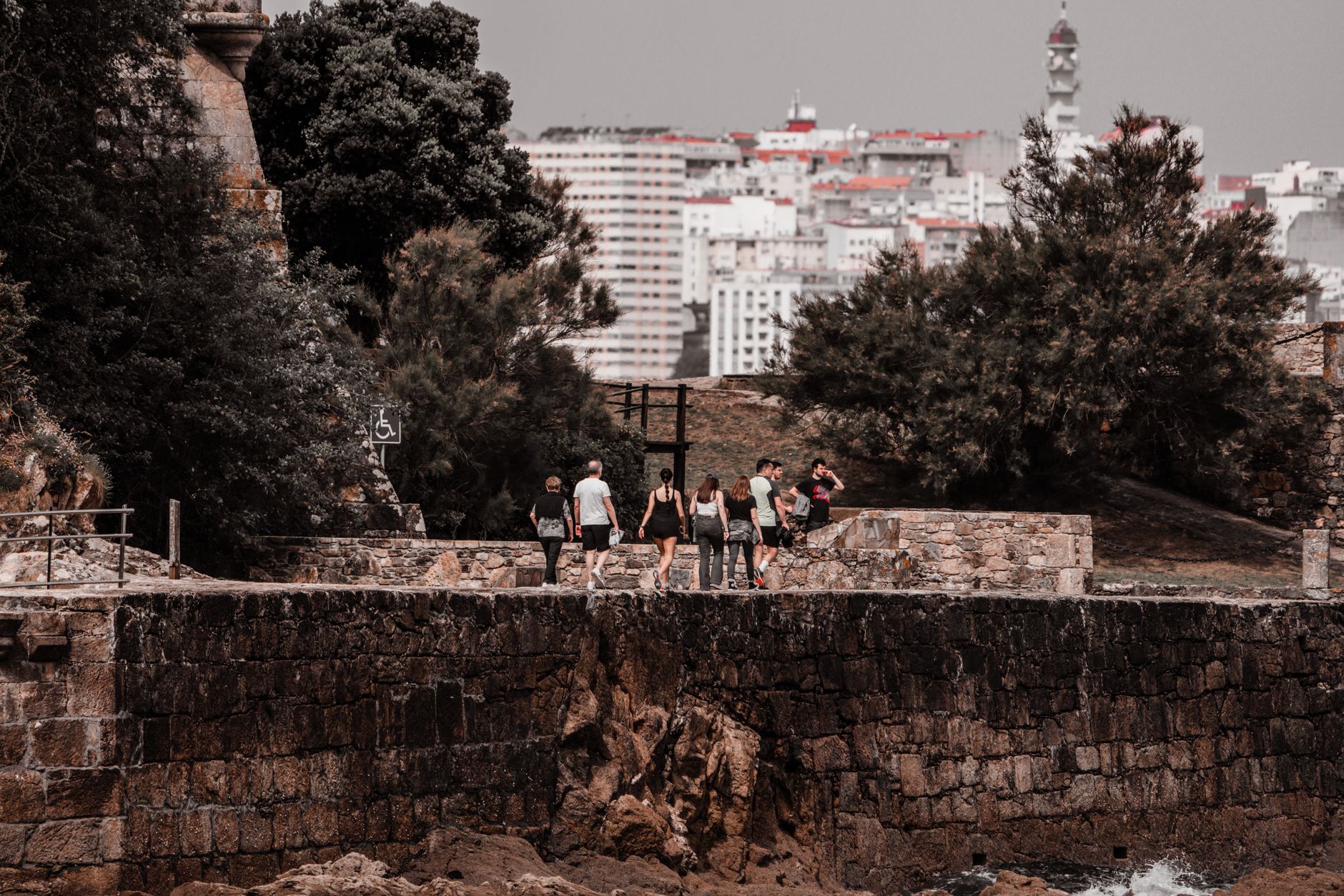
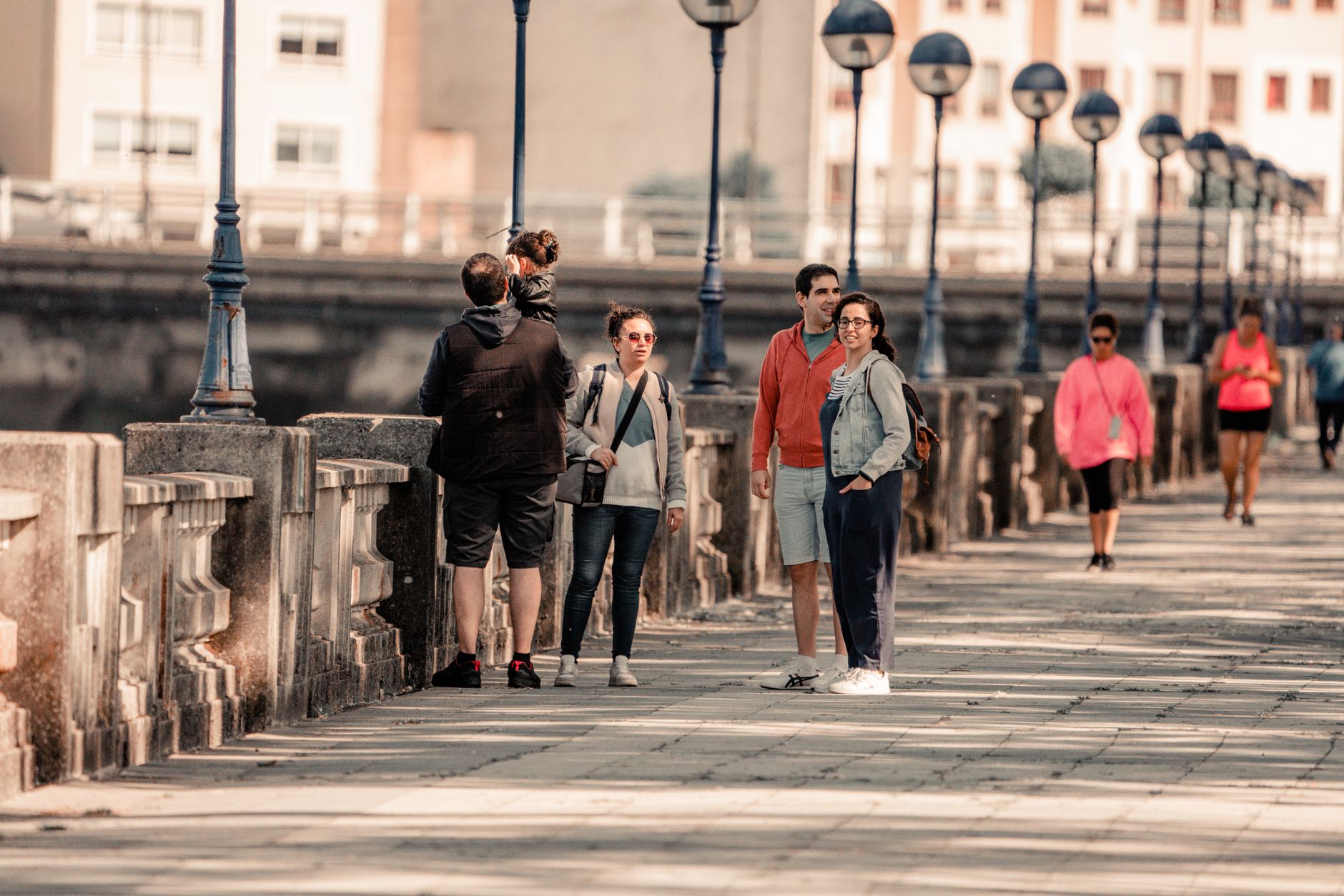
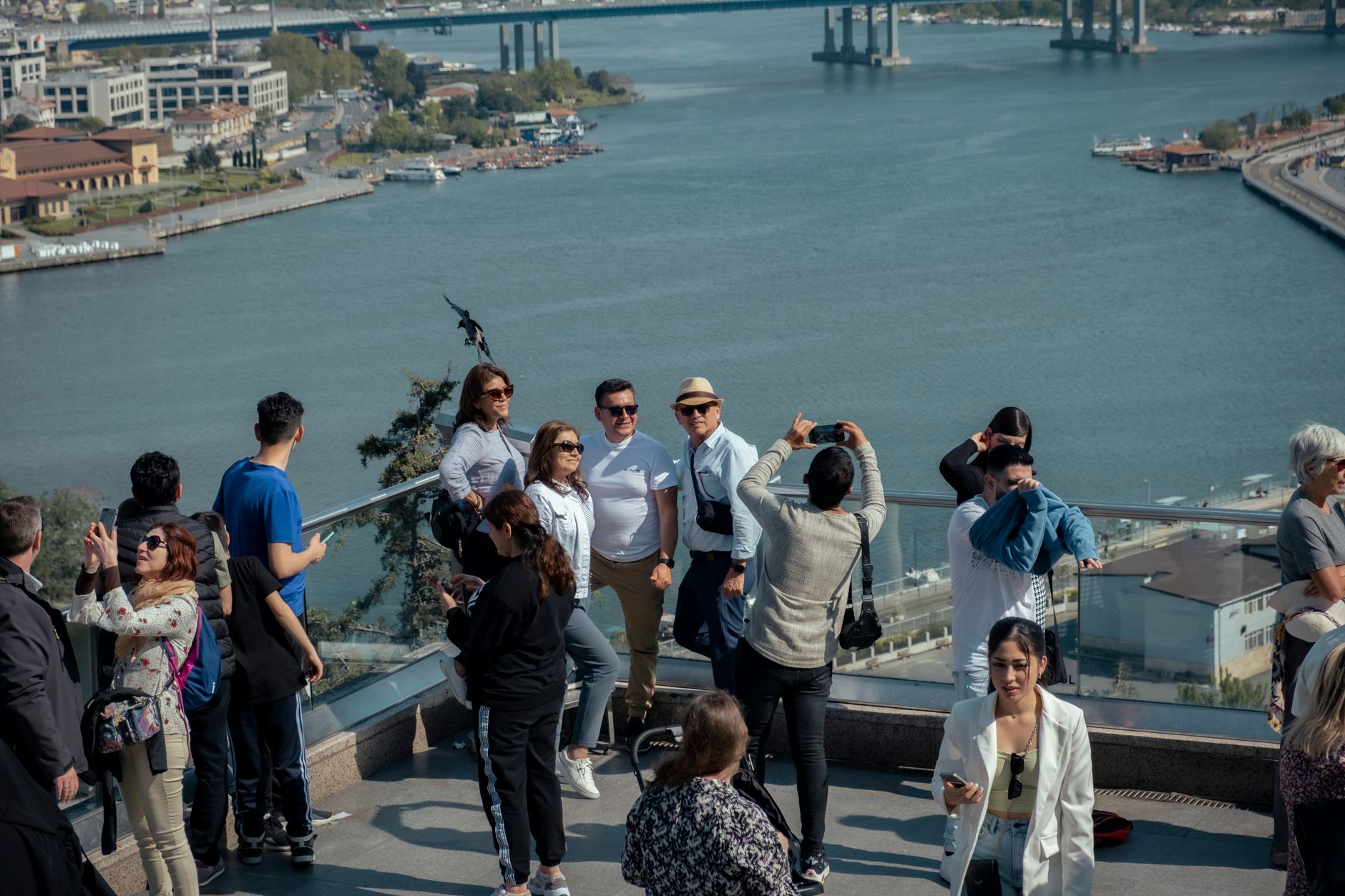
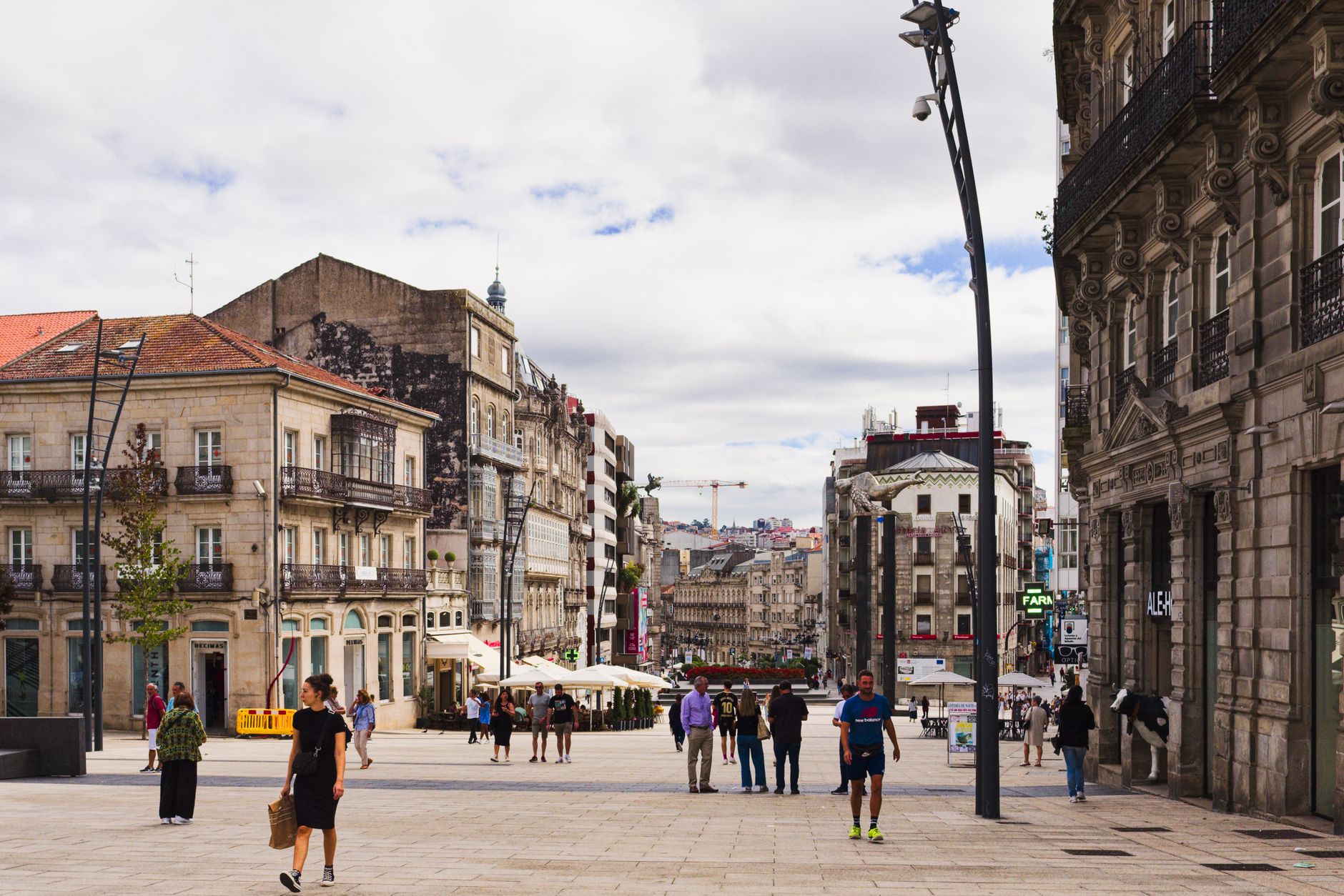
On 1 March 1493, a battered caravel called La Pinta rounded the headland here and made Baiona the first place in Europe to hear that Columbus had reached land across the Atlantic. The news arrived before Columbus himself. That timing — always slightly ahead of history — still defines the town.
Today you can walk the three kilometres of ramparts at Monterreal Castle for a single euro, looking out over the Rías Baixas toward the Atlantic on one side and the old stone town on the other. A replica of La Pinta sits in the harbour. The medieval collegiate church holds its ground at the centre. Baiona earns its past without shouting about it.
💛 What travellers fall for
People who come back tend to do the rampart walk early, before the day-trippers arrive from Vigo, then track down the baroque altarpiece inside the Dominican convent — it's easy to miss. The Chapel of San Juan is worth timing around Easter or St John's Feast Day if you can manage it; it stays closed the rest of the year.
Experiences you don't want to miss




Deals in Baiona
Book directly at the provider

How Baiona came to be
A Greek founder, Diomedes of Aetolia, is credited with establishing a settlement here around 140 BC, though the town cycled through names — Stuciana, Erizana, Balcagia — before settling into Baiona. Alfonso IX of León formalised its status with a royal charter in 1201, and in 1370 King Ferdinand I of Portugal briefly made it the seat of his claim to the Castilian throne.
The Catholic Monarchs Ferdinand II and Isabella I gave the fortified town its official founding in 1497, four years after La Pinta's return had already put it on Europe's map. In 1585 the townspeople turned back Francis Drake when he attempted to take the port — a fact the locals have not forgotten. The old town was designated a site of historical-artistic interest in 1993.
Who and what shaped it
People who shaped it
Landmark buildings
See Baiona in motion
Plan your visit
On the map
When to go
Baiona sits on the Atlantic coast of Galicia, which means mild temperatures year-round but genuine rain, especially in winter and autumn. Summer is warm and relatively dry — the best window for the rampart walk and the harbour — while spring brings green hills and manageable crowds.
Right now
Background & history adapted from Wikipedia (CC BY-SA) · specs from Wikidata (CC0) · weather from Open-Meteo · map data © OpenStreetMap contributors · photos from Wikimedia Commons / Unsplash with per-image credit. No third-party reviews or social posts reproduced.