
Pontevedra
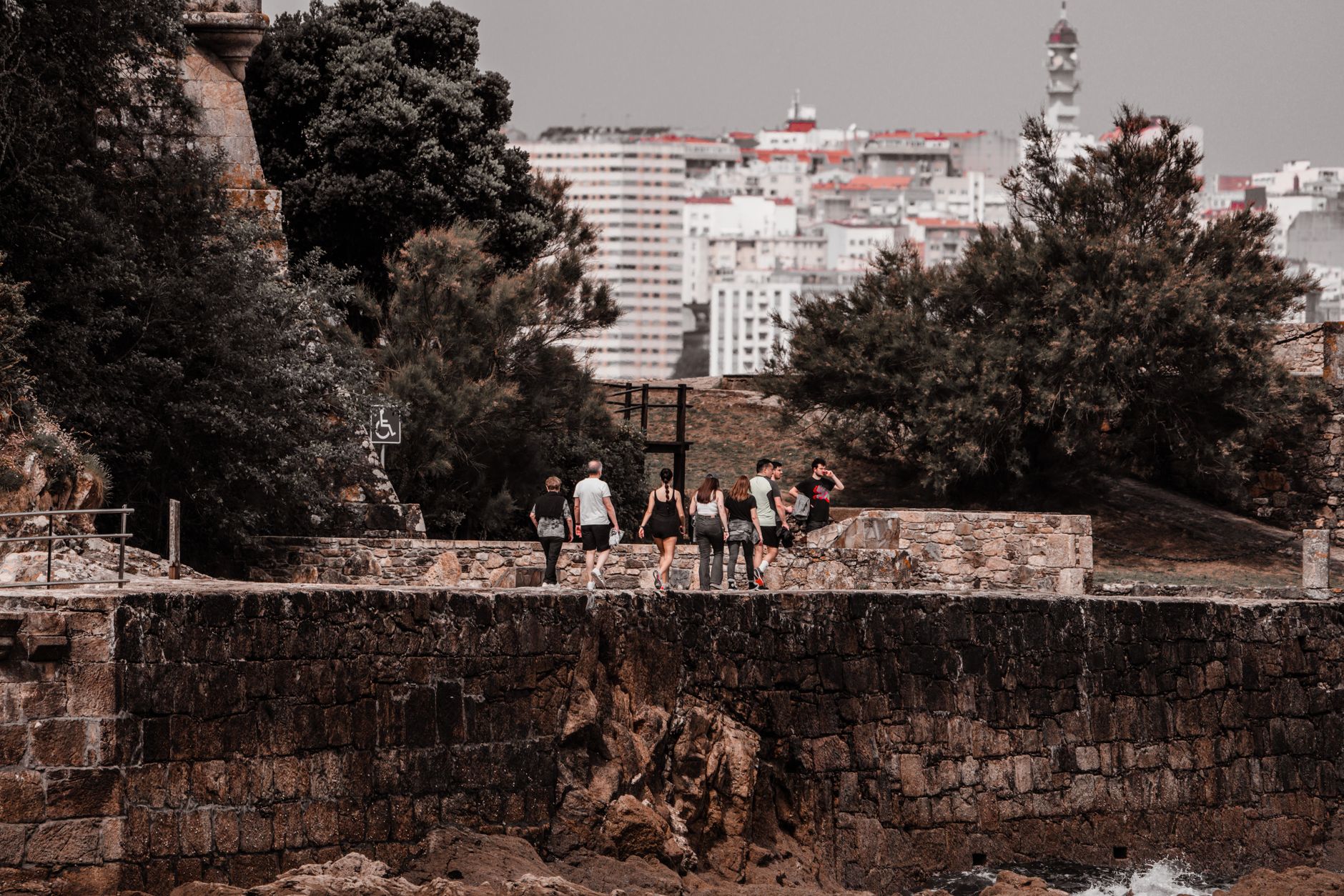
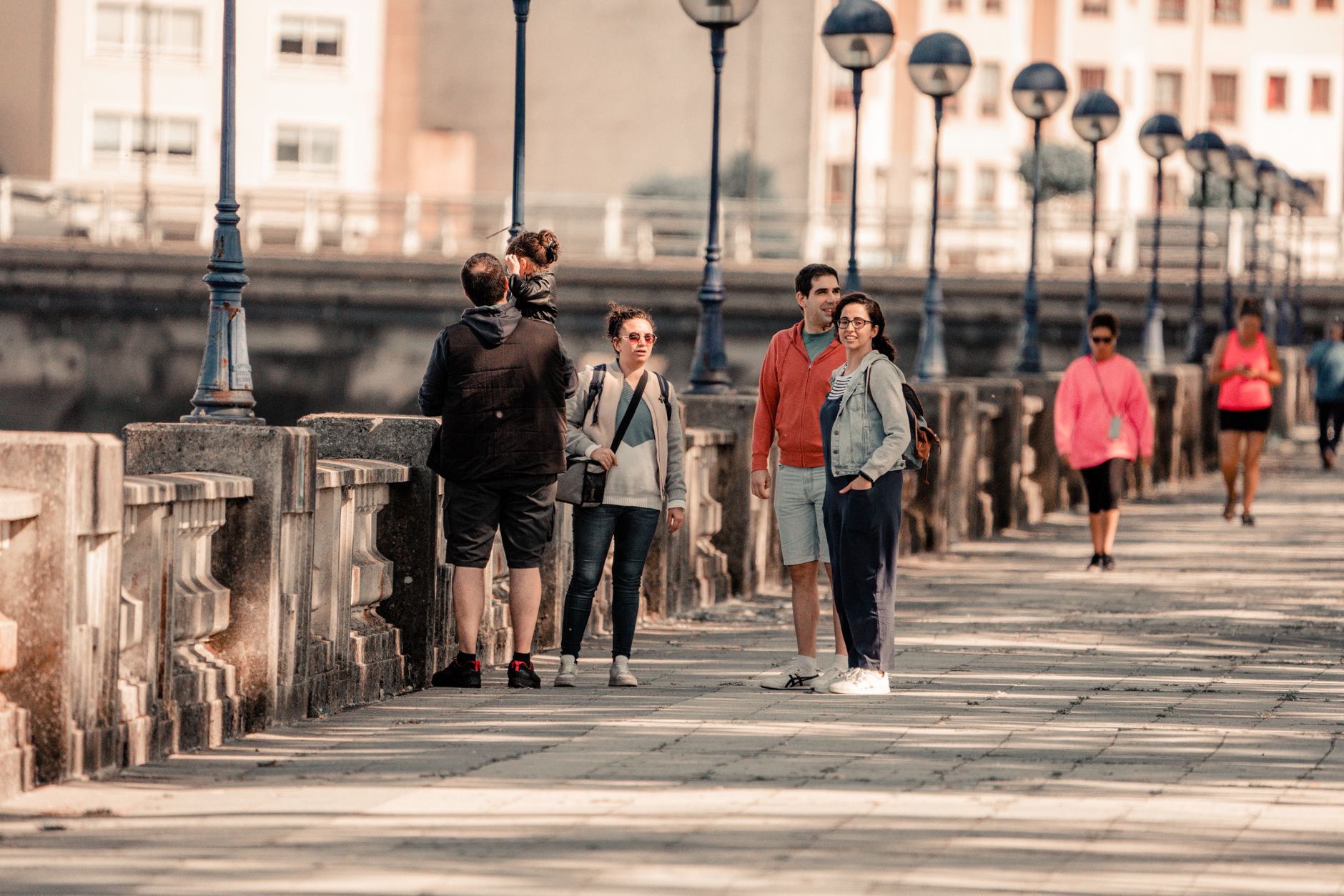
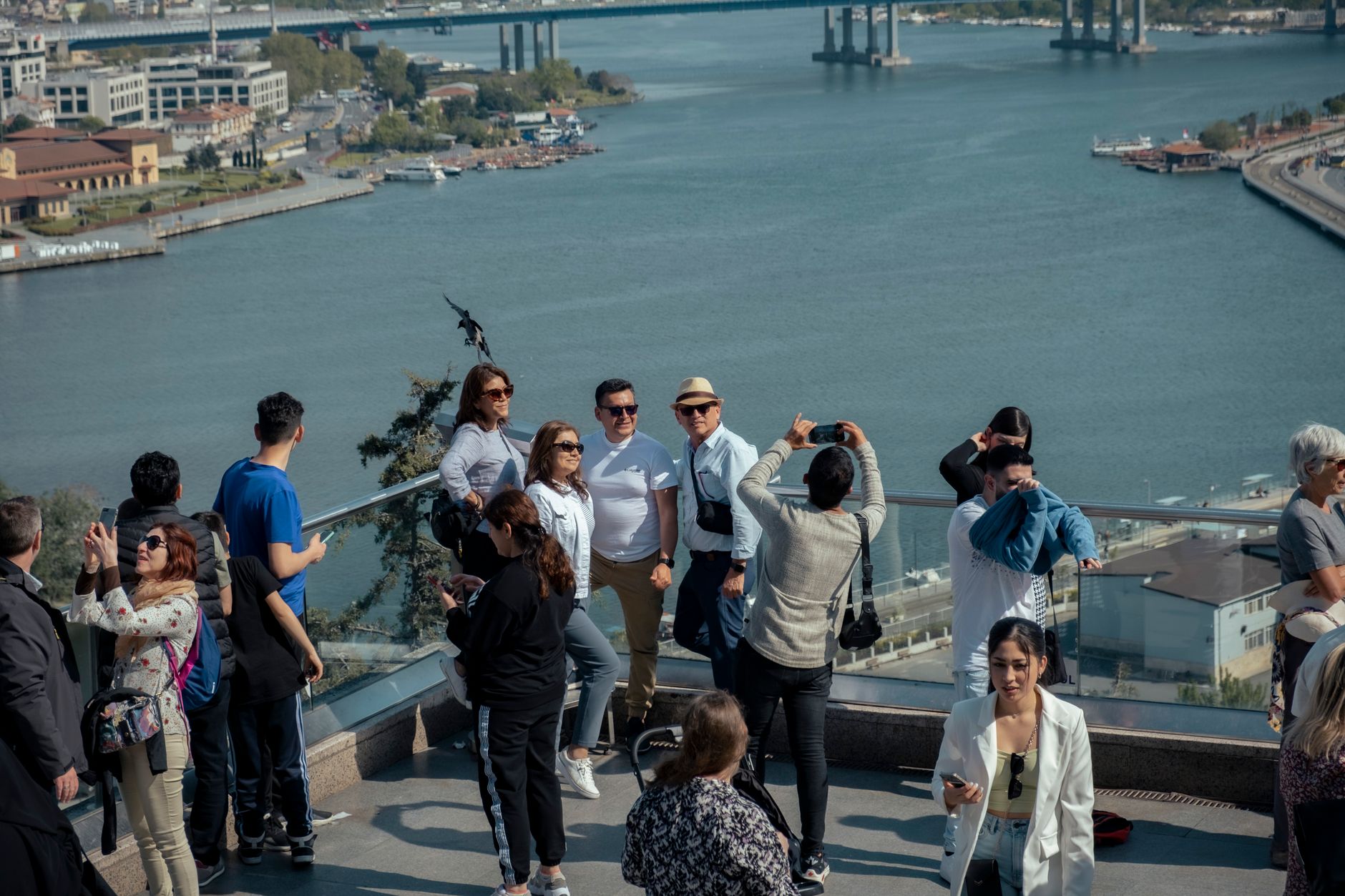
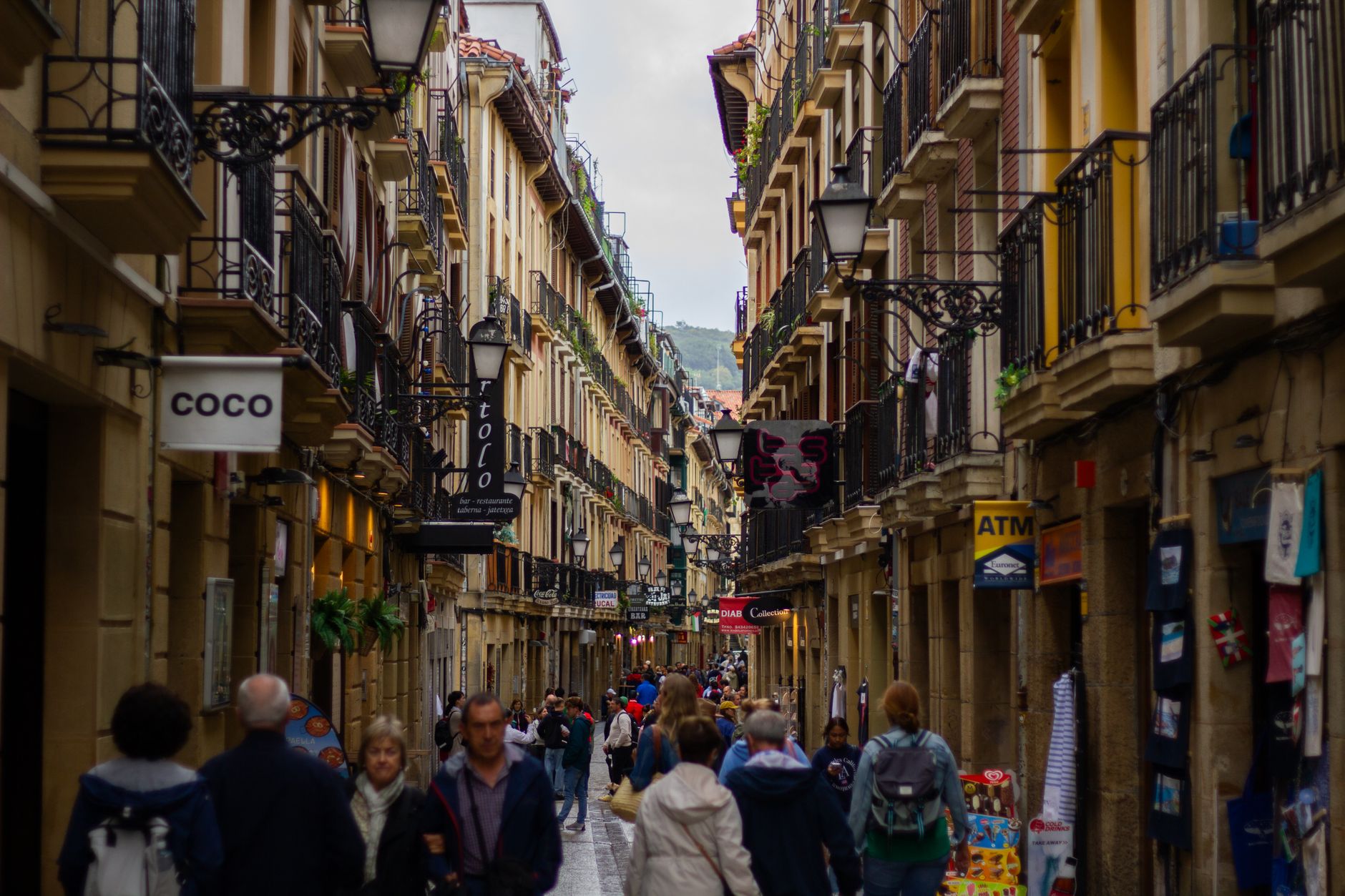
The name says it: pontem veteram, the old bridge. Romans built one here in the first century BC, and the city that grew around it spent the medieval centuries as Galicia's busiest port — salting fish, launching ships, and trading hard enough that King Ferdinand II granted it a royal charter in 1169. One of those ships, the Santa María, went on to cross the Atlantic with Columbus.
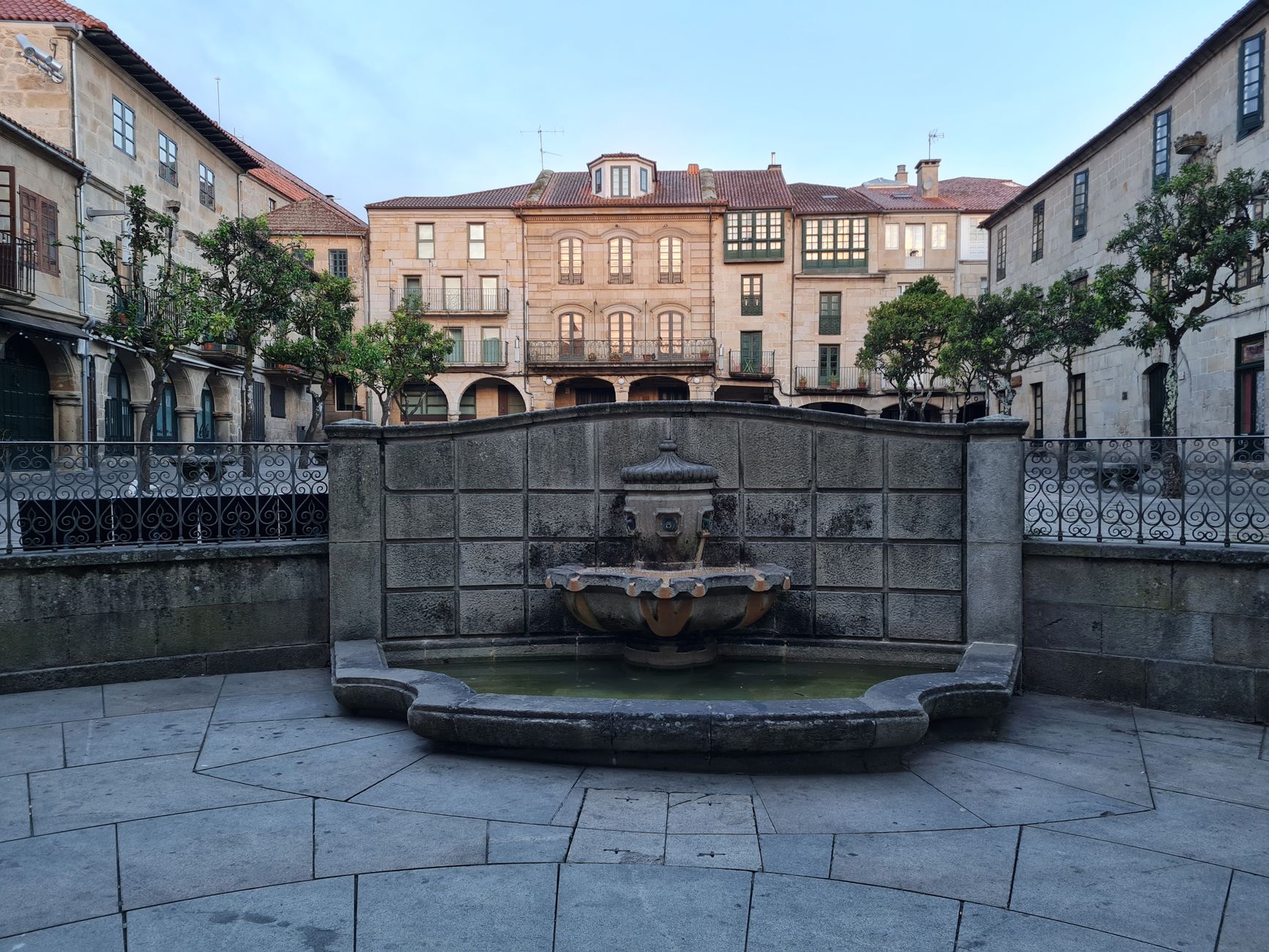
Then the estuary silted up, the trade moved south to Vigo, and Pontevedra did something unusual with its quieter fate: it kept its old town intact, pedestrianised it in 1999, and let the granite speak. The result is one of the most walkable historic centres in Spain, where the streets belong to people rather than cars.
💛 What travellers fall for
People who come back tend to have a favourite square — Leña or Verdura, usually — and a preferred hour to sit in it. They mention the Museum of Pontevedra in the same breath as much larger national collections, and they always note the Peregrina church's scallop-shell floor plan, which you only fully appreciate from above or on a map.
Experiences you don't want to miss


Deals in Pontevedra
Book directly at the provider
How Pontevedra came to be
Romans crossed the Lérez here and named the crossing; the medieval town that followed became Galicia's principal port, with royal trading rights confirmed in 1169. Its shipyards produced the Santa María, the flagship Columbus sailed in 1492. That peak didn't last — silt gradually closed the estuary, commerce contracted, and in 1822 Vigo took the provincial capital designation. Pontevedra recovered it in 1833 and found a quieter identity.
The city earned another distinction as the first in Galicia to install electric lighting, and was declared a historic-artistic complex in 1951. The 1999 pedestrianisation of the old centre — followed by successive expansions of the car-free zone — is now studied as a model of urban renewal, the kind that preserves a place without freezing it.
Who and what shaped it
People who shaped it
Landmark buildings
See Pontevedra in motion
Plan your visit
On the map
When to go
Winters are mild and genuinely wet — rain falls reliably from October through May, with January averaging around 10 °C. Summer brings warmth without excess heat, typically 20–21 °C in August, and the Azores high pressure system keeps the skies clearer from June onward.
Right now
Background & history adapted from Wikipedia (CC BY-SA) · specs from Wikidata (CC0) · weather from Open-Meteo · map data © OpenStreetMap contributors · photos from Wikimedia Commons / Unsplash with per-image credit. No third-party reviews or social posts reproduced.