
Cangas do Morrazo
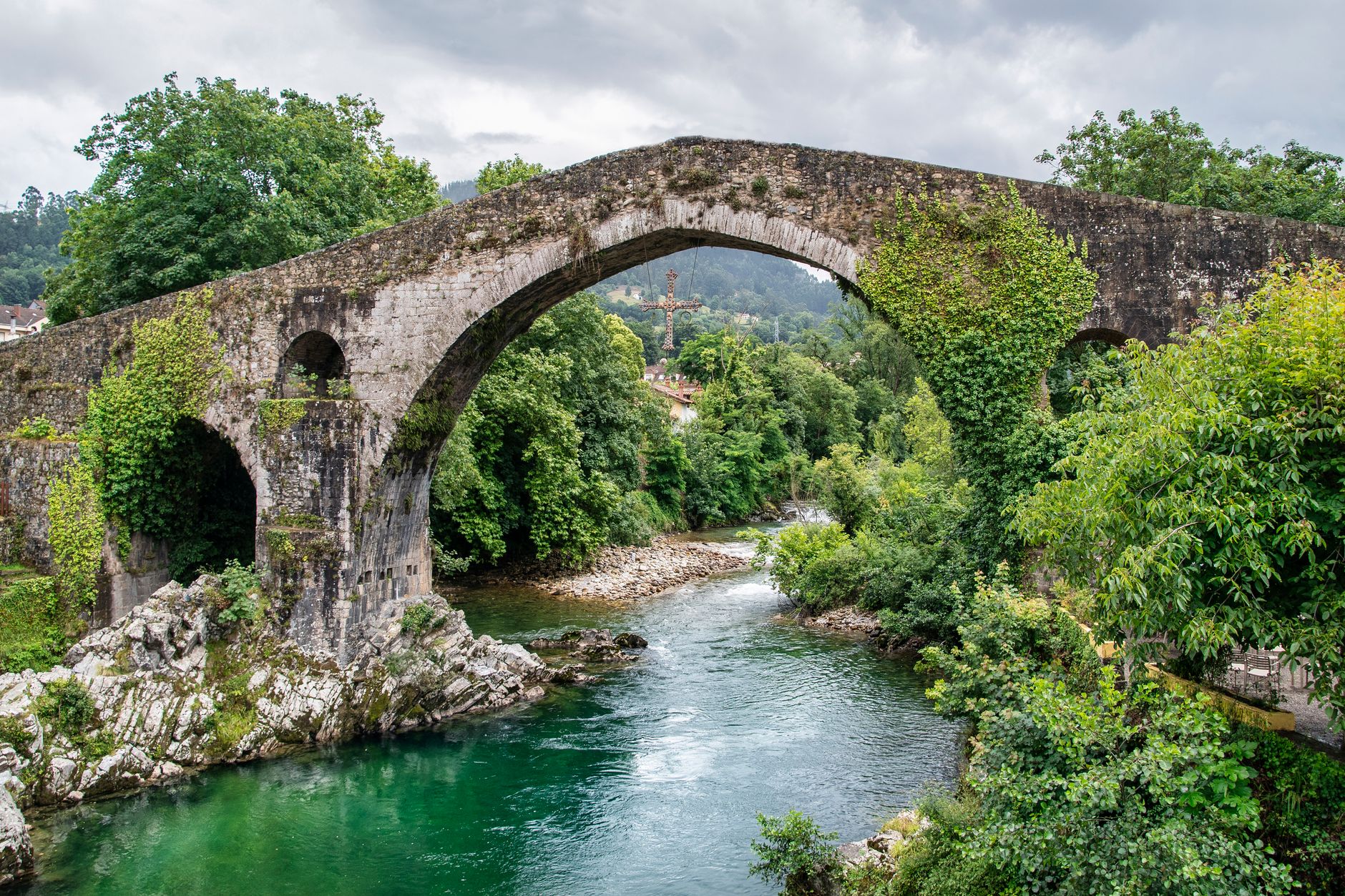
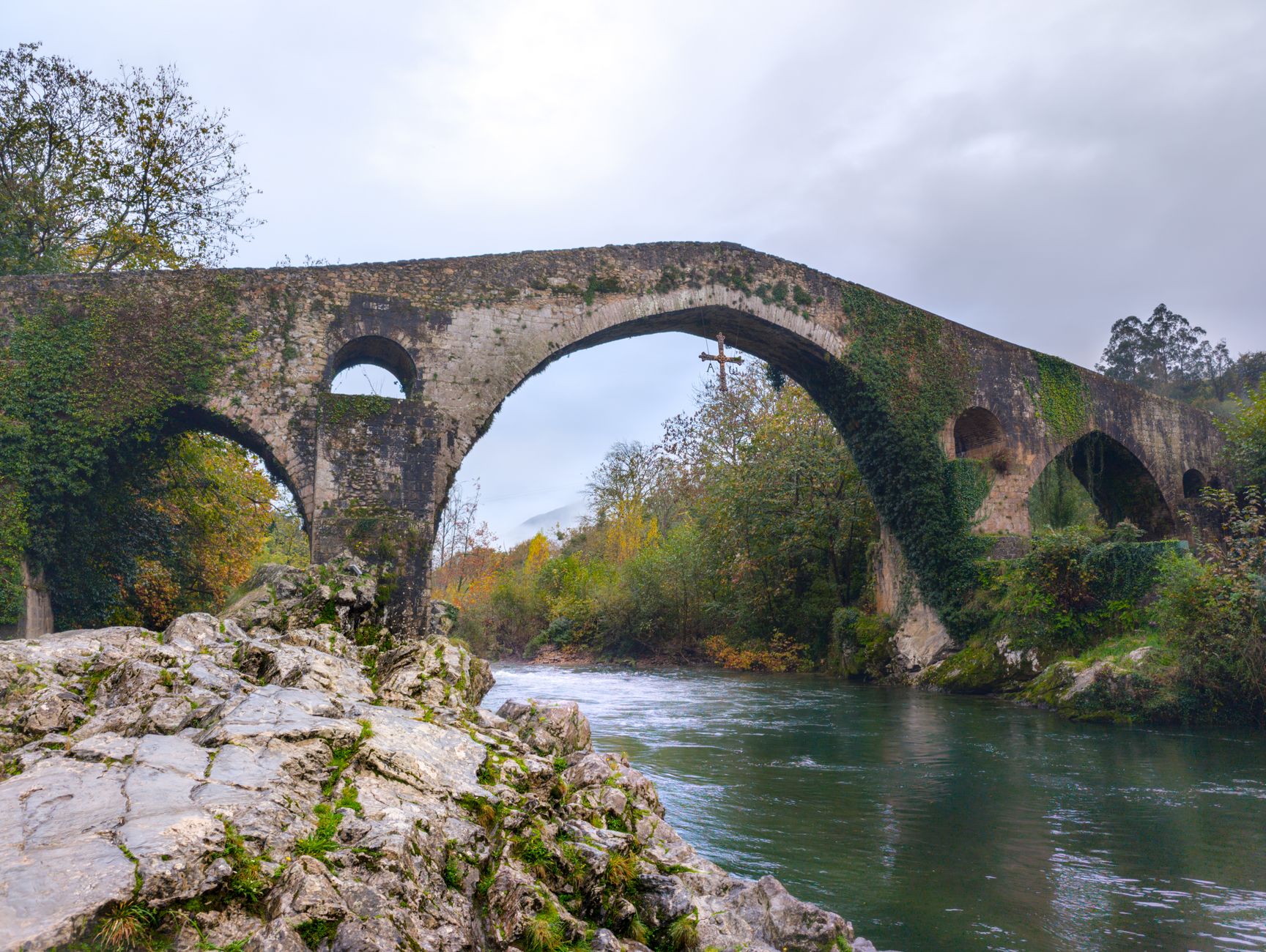

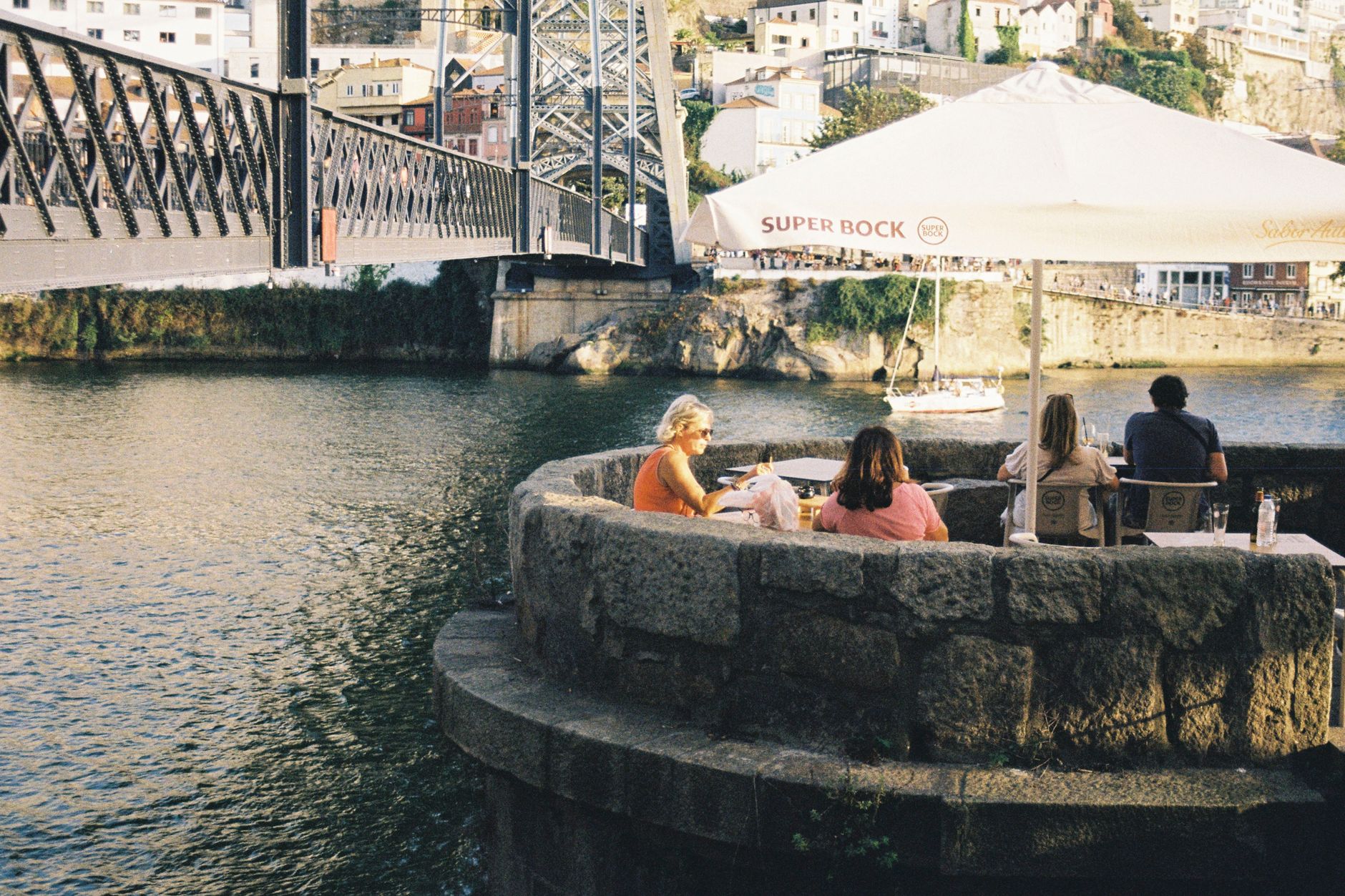
The twenty-minute ferry from Vigo is part of the experience: you watch the city recede and the Ría open up, and by the time you step off at Cangas do Morrazo's Estación Marítima, you're somewhere that operates at its own pace. The paseo marítimo runs from the fishing port through the Señal gardens to Playa de Rodeira, a clean kilometre of sand facing back across the water toward Vigo — a view that works in both directions.
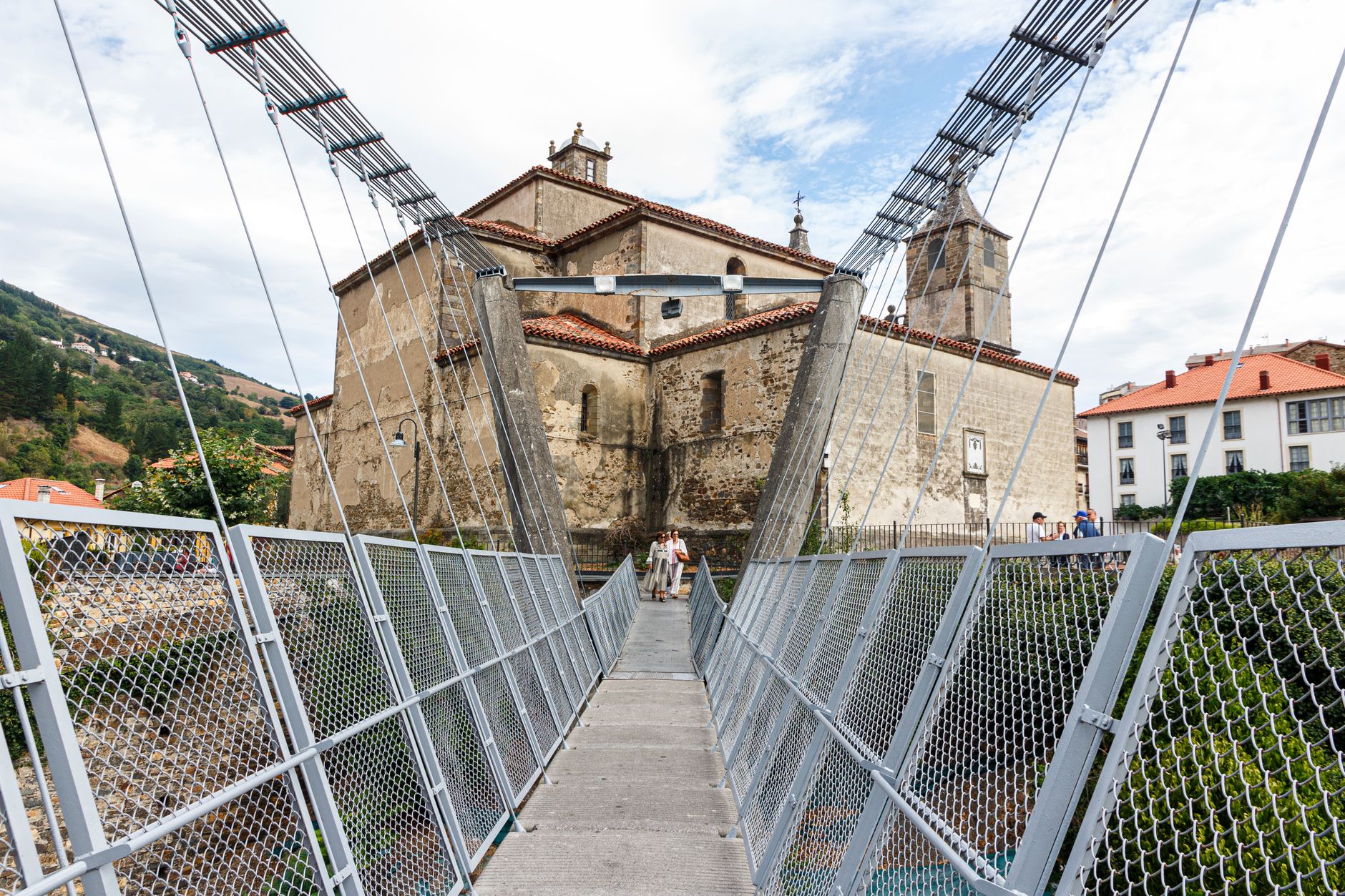
This is a working Galician town shaped by sardines, stone stairs, and the sea. The Casas de Patín — fishermen's houses with exterior stone staircases that once let boats tie up directly below — still line the waterfront. The Ex-Colegiata of Santiago anchors the centre with a Renaissance façade from 1585, and inside, a carved Christ that supposedly refused to burn during the 1617 pirate raid.
💛 What travellers fall for
People who come back tend to arrive on the first ferry, walk Rúa Real before the cafés fill, and spend time at O Facho de Donón — the headland archaeological site that runs from Bronze Age settlement through a Roman-era sanctuary to an 18th-century watchtower. The Mercado de Abastos, with its stone walls and red glass windows, is worth a look before noon.
Experiences you don't want to miss


Deals in Cangas do Morrazo
Book directly at the provider

How Cangas do Morrazo came to be
Cangas appears in the written record in 1160, when King Ferdinand II granted land here, but the town as a settled place took shape in the first half of the 15th century, when residents from the inland parishes of Darbo and Coiro moved to the waterfront and founded the neighbourhoods of O Sinal and O Costal. The church was elevated to Collegiate status in 1545, and in 1467 the town was drawn into the Irmandiña revolt that shook Galician feudal structures.
From the 16th century onward, sardine fishing defined the economy — fishermen were required to give a tenth of the catch's value to the church. The industry's industrial chapter arrived in 1816 when the Catalan Massó family established a canning factory that eventually employed over a thousand people, running until its closure in 1990. The 1617 Barbary pirate raid, which burned much of the town, left one famous survivor: the carved Christ inside the Colegiata that, according to local account, the fire would not take.
Who and what shaped it
People who shaped it
Landmark buildings
See Cangas do Morrazo in motion
Plan your visit
On the map
When to go
Galician Atlantic weather means real rain — nearly 1,750 mm a year, with November the worst of it and a distinct wet season running October through January. Summer is warm rather than hot (August averages around 23°C), and July delivers over ten hours of daily sun; May through September is when the town is easiest to be in.
Right now
Background & history adapted from Wikipedia (CC BY-SA) · specs from Wikidata (CC0) · weather from Open-Meteo · map data © OpenStreetMap contributors · photos from Wikimedia Commons / Unsplash with per-image credit. No third-party reviews or social posts reproduced.