
A Coruña
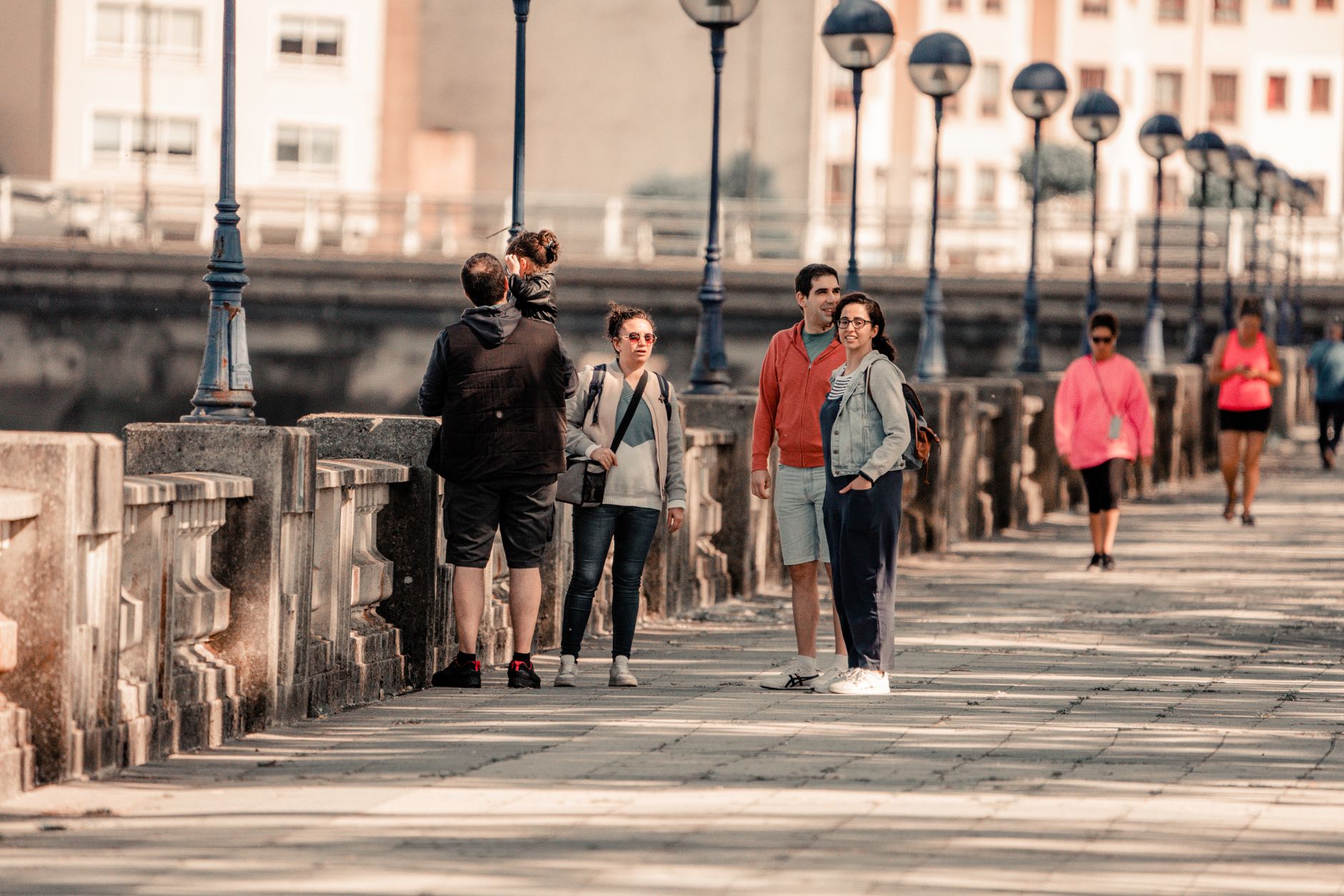
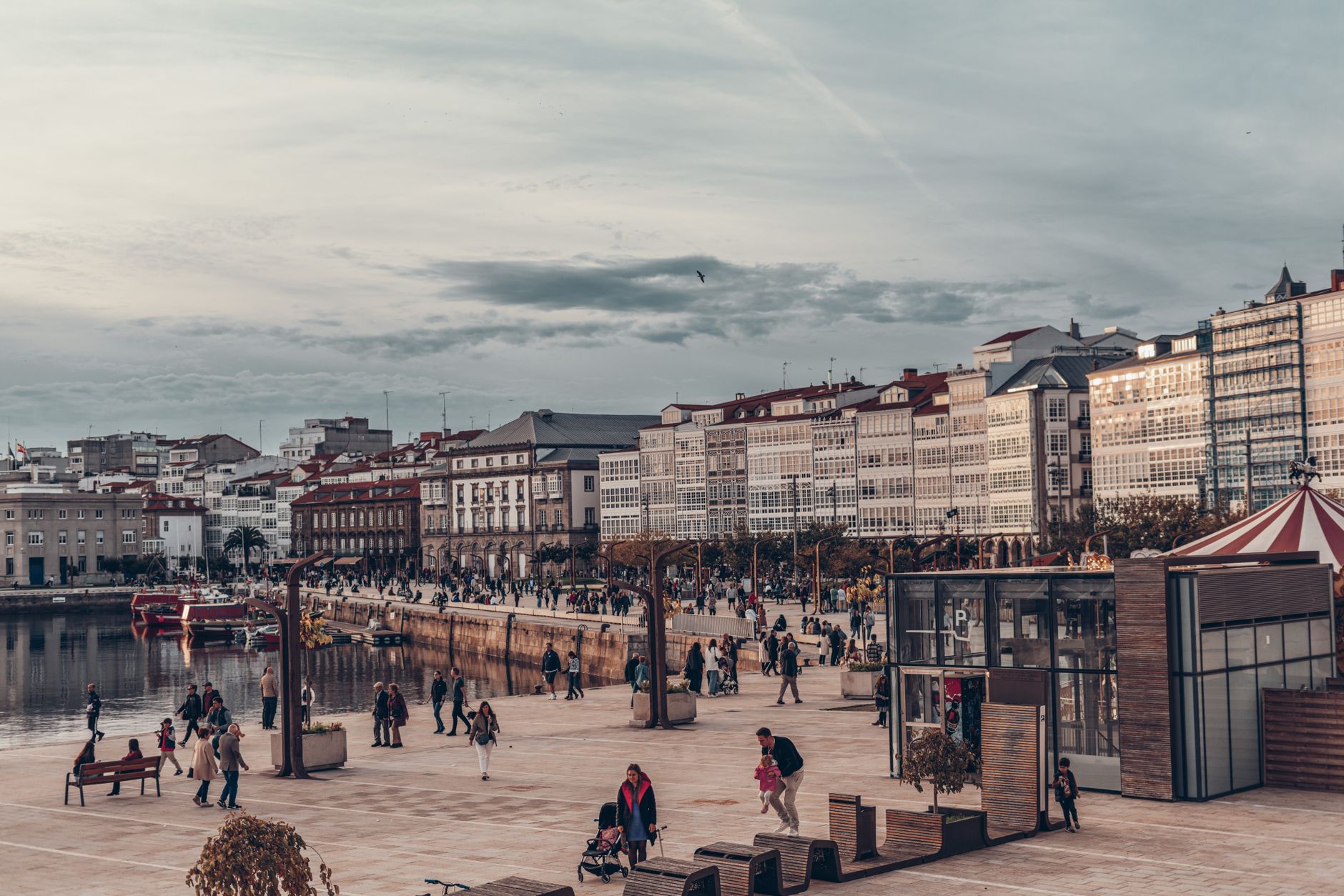
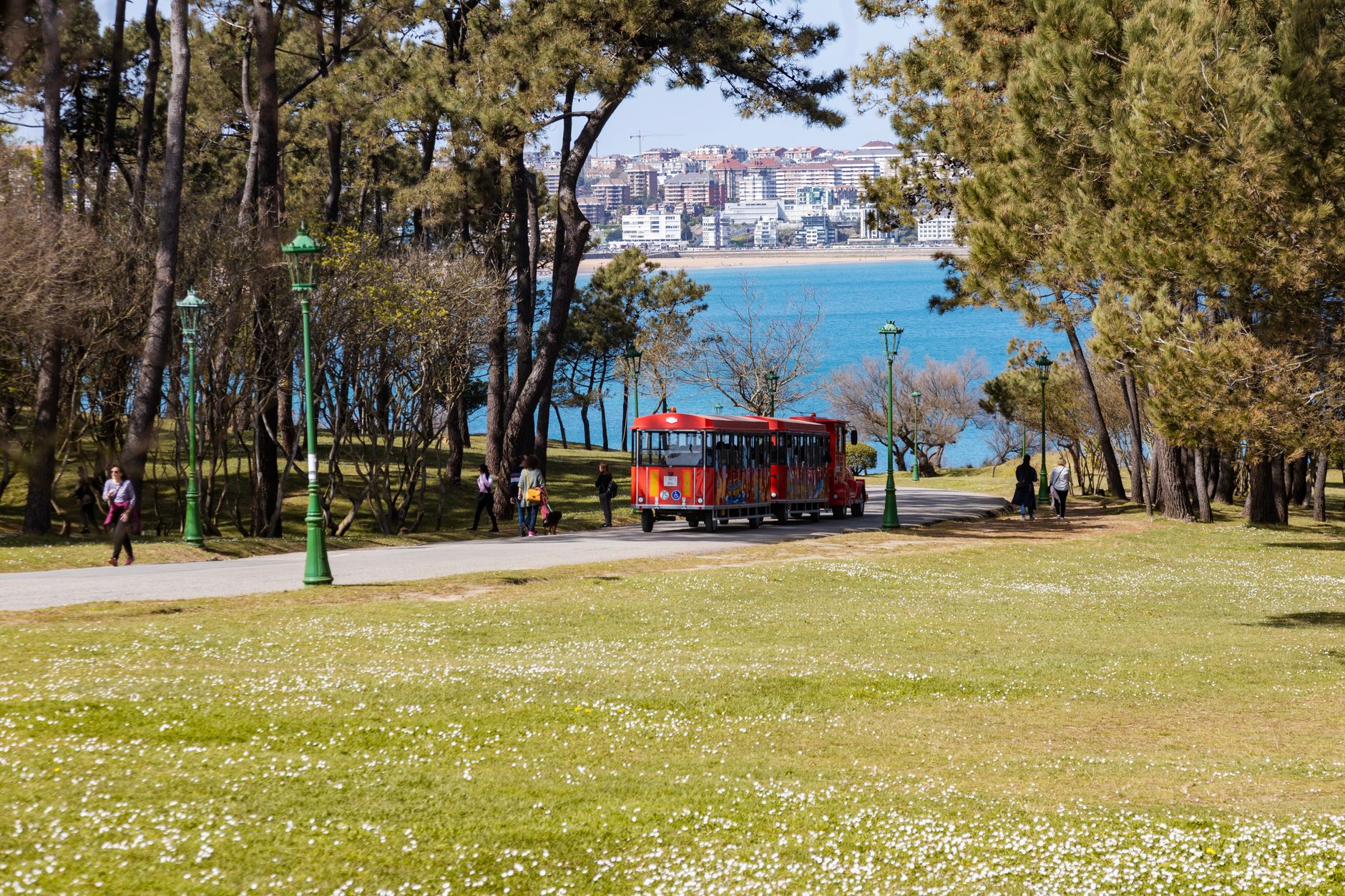
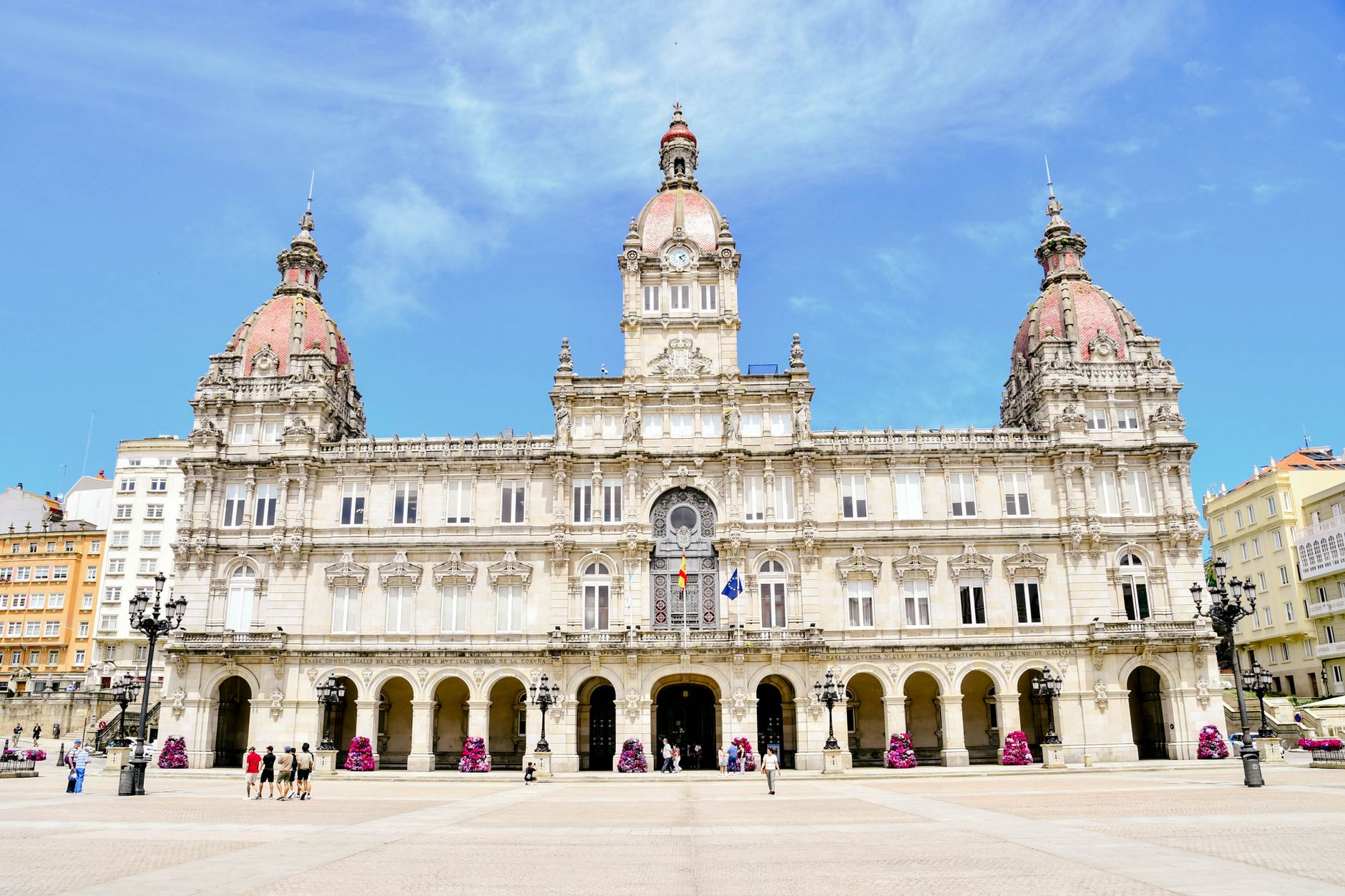
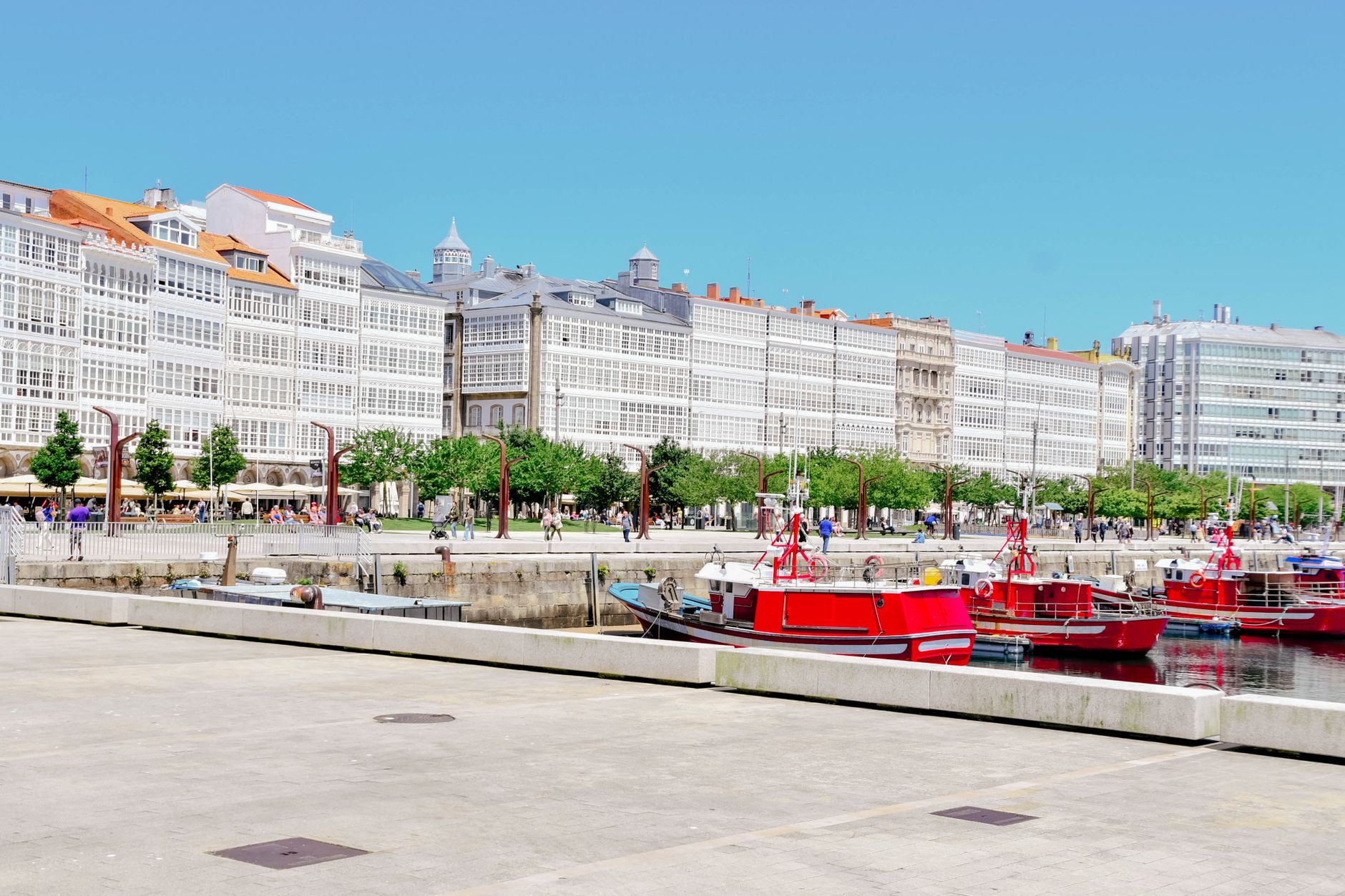
A Coruña sits on a narrow Atlantic peninsula where the wind comes in off the ocean hard enough to shape the architecture — the city's famous glazed gallery windows, stacked along the seafront, exist because residents needed to catch the light without taking the full force of the gale. The 13-kilometre promenade that rings the city is one of the longest urban seafronts in Europe, and walking it from the old town past Riazor beach to the Tower of Hercules gives you the city's whole geography in one long, salt-aired stretch.
The tower is the thing that fixes A Coruña in the imagination: a Roman lighthouse, built in the first century AD, still working. It guided ships into this harbour for nearly two millennia before anyone thought to call it a heritage site.
💛 What travellers fall for
People who come back tend to mention the same few things: coffee at the market before the tourists arrive, the view from Monte San Pedro at dusk when the whole peninsula lights up below you, and the particular satisfaction of the €0.85 airport bus — proof that a city can be practical and handsome at the same time.
Experiences you don't want to miss


Deals in A Coruña
Book directly at the provider
How A Coruña came to be
Before the Romans arrived, a Celtic hillfort occupied the headland from at least the third century BC. Julius Caesar put in here in 62 BC, when the place was called Brigantium. The Roman lighthouse — Farum Brigantium — went up in the late first century AD, built by an architect named Caius Sevius Lupus from what is now Coimbra, as a vow to Mars. Alfonso IX re-founded the city as Crunia in 1208; John II of Castile made it officially a city in 1446.
Later centuries added the Royal Audience of the Kingdom of Galicia, a National Cigarette Factory (founded 1804, and an early centre of labour organising), and a brief, violent chapter in January 1809 when British General Sir John Moore died here during the fighting retreat now known as the Battle of Corunna. His tomb is in the San Carlos gardens. In 1975, a shop called Zara opened on a city-centre street — the first outlet of what became Inditex.
Who and what shaped it
People who shaped it
Landmark buildings
See A Coruña in motion
Plan your visit
On the map
When to go
Summers are mild and reliably pleasant — August averages around 23°C in the day, with cool evenings. The rest of the year is green for a reason: rain is frequent from autumn through spring, and November in particular can deliver 160mm across 20 wet days, so a waterproof layer earns its place in your bag.
Right now
Background & history adapted from Wikipedia (CC BY-SA) · specs from Wikidata (CC0) · weather from Open-Meteo · map data © OpenStreetMap contributors · photos from Wikimedia Commons / Unsplash with per-image credit. No third-party reviews or social posts reproduced.