
Viveiro
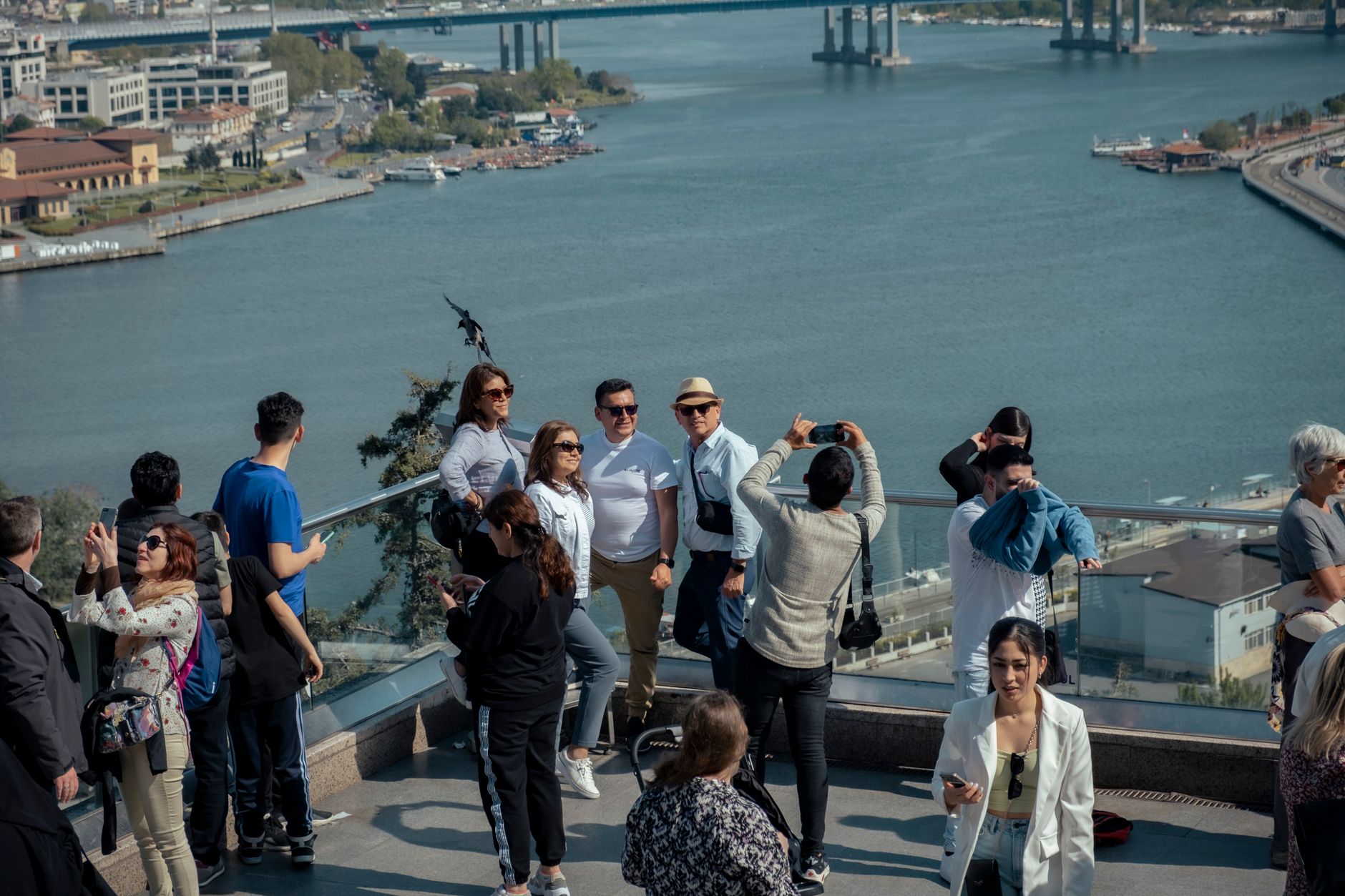
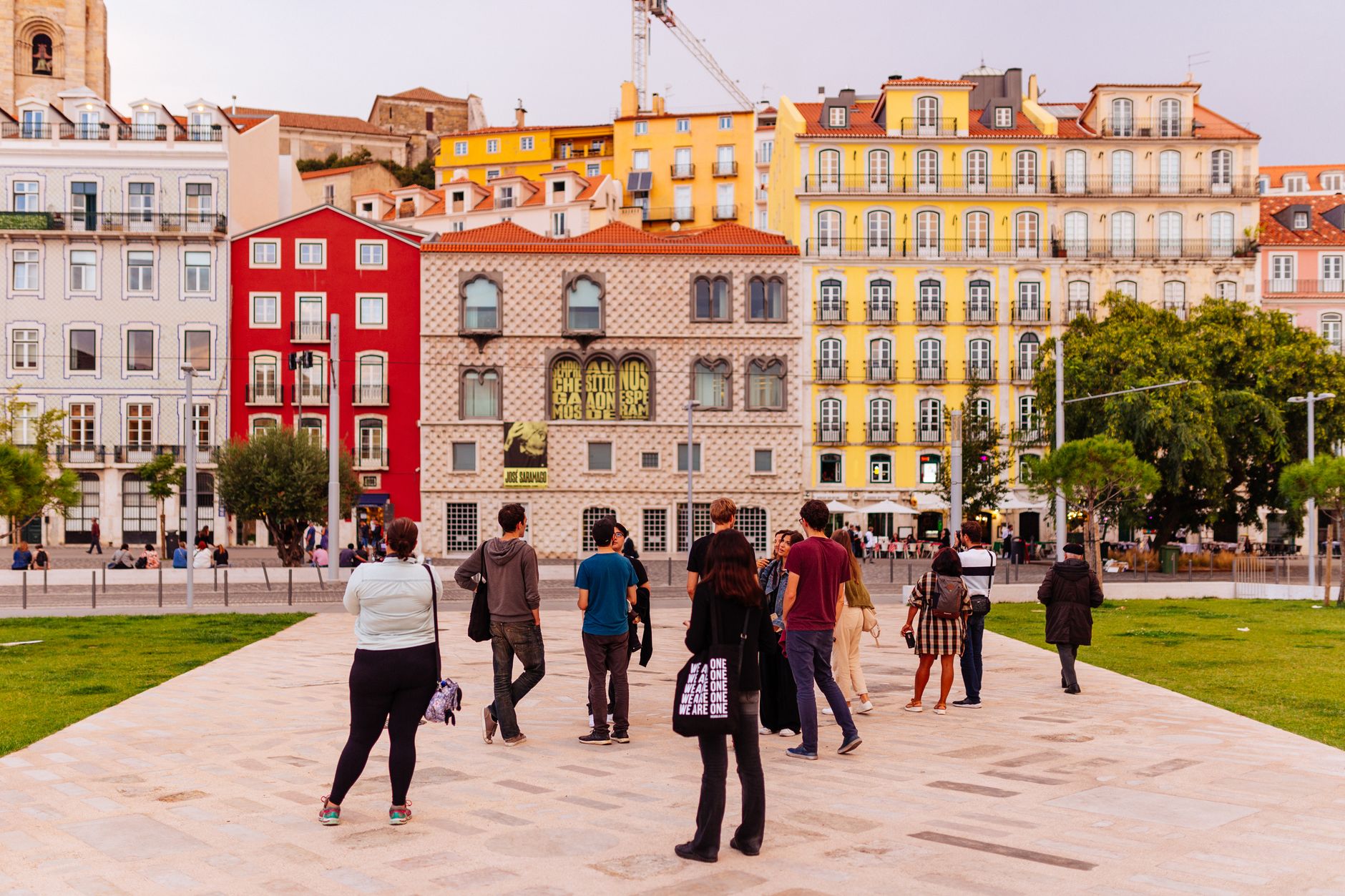
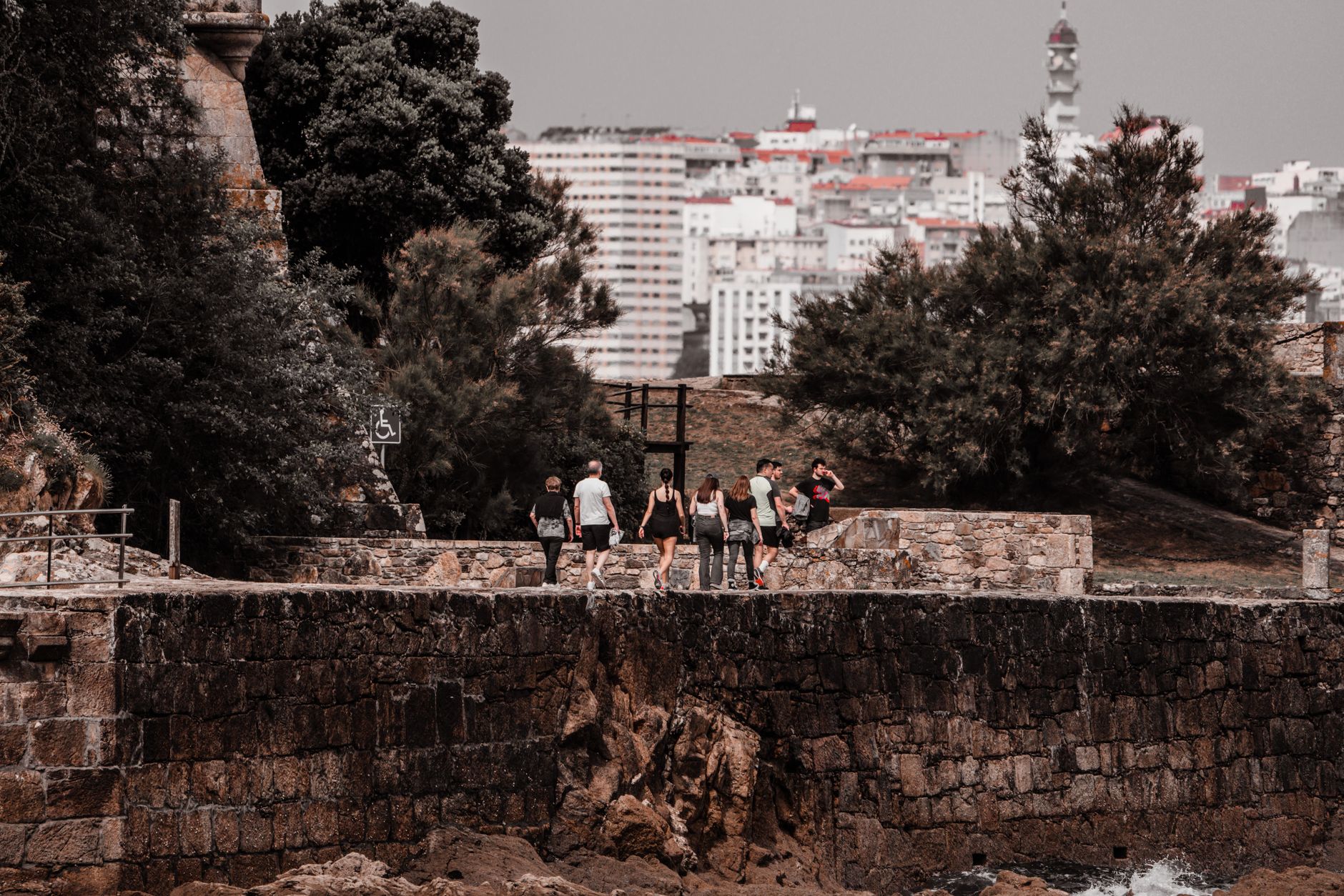
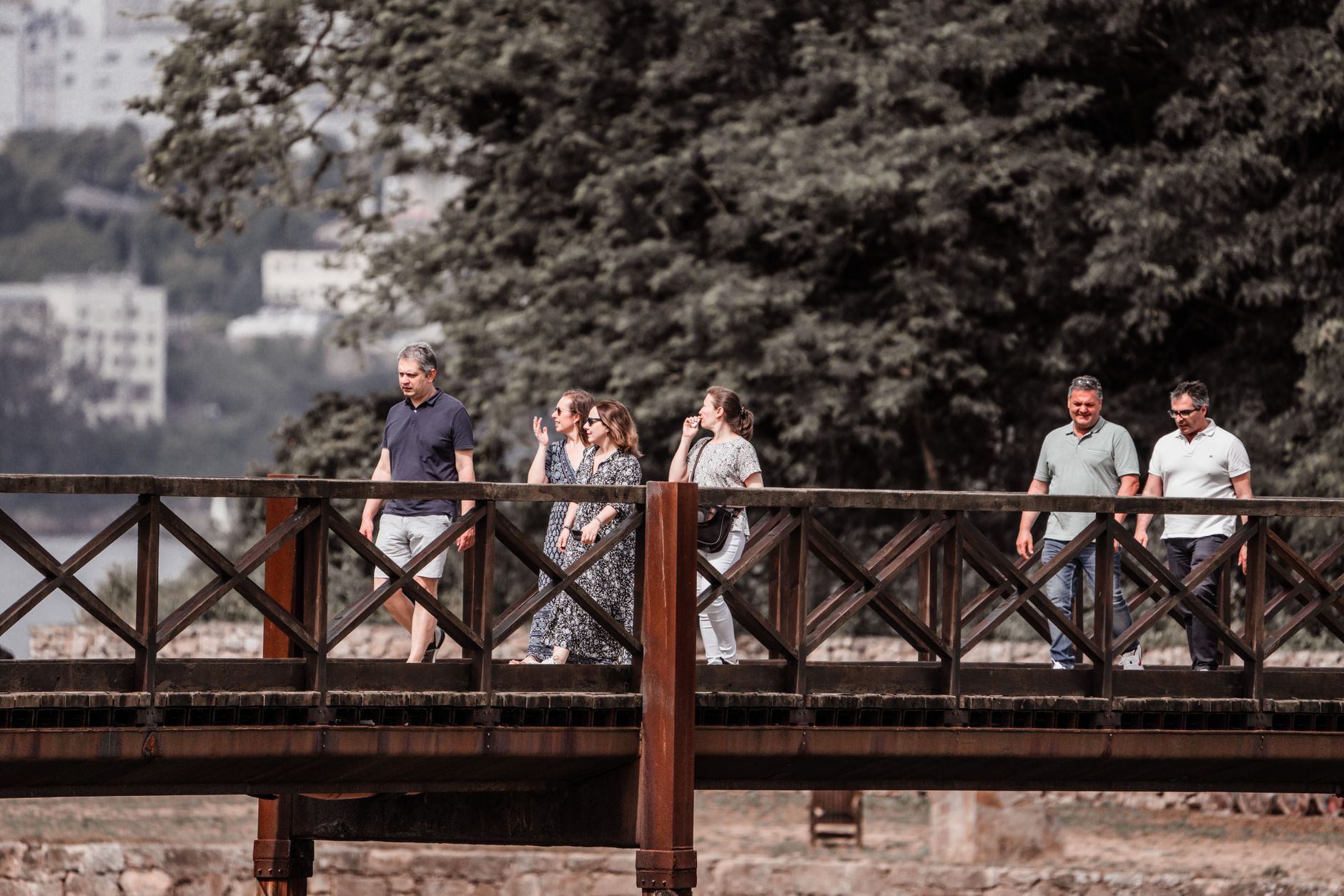
Viveiro sits at the mouth of the River Landro where it opens into a wide ría, its medieval walls still mostly intact and its stone gates still standing watch over streets that taper into plazas lined with glazed granite galleries. The oldest church here, San Pedro, has been in use since the sixth century. The bridge crossing the river — Ponte da Misericordia — was first documented in 1225, rebuilt under Enrique IV, and finished under Carlos V. You walk across it and the arithmetic of that timeline lands differently than any guidebook can prepare you for.
This is a small Galician town that has not dressed itself up for visitors, which is precisely why it holds your attention. The Plaza Mayor is framed by wrought-iron balconies and slate roofs; the Baroque monastery of La Concepción looks down from its hill; the town hall carries a sundial showing the bridge and the lion from the local coat of arms.
💛 What travellers fall for
People who come back tend to mention the Porta de Carlos V at different hours — the way the stone reads differently at dusk than at noon. They also flag the Souto da Retorta, the eucalyptus forest declared a Natural Monument and among the oldest of its kind in Europe, as the walk that earns the evening wine.
Experiences you don't want to miss



Deals in Viveiro
Book directly at the provider

How Viveiro came to be
The land around Viveiro has been occupied since the Iron Age, and the Romans left their mark in the name itself — the bridge they built was called Puente de Vivario, and the settlement grew around it. By 857 the place appears in documents as 'Vivarii.' Viking raids along the Atlantic coast pushed the town toward fortification, and between roughly 1190 and 1210 Viveiro consolidated as a military and commercial centre during the period of Atlantic trade revival.
The medieval walls went up in the 13th century; three of the original gates survive. The Ponte da Misericordia was rebuilt across multiple reigns, its twelve arches reduced to nine visible today. In 1601, Doña María de las Alas Pumariño founded the Monastery of La Concepción on the hill above the town — Baroque in style, still standing, still defining the skyline.
Who and what shaped it
People who shaped it
Landmark buildings
See Viveiro in motion
Plan your visit
On the map
When to go
May through October is the window when temperatures sit between 18°C and 23°C and rain pulls back noticeably. Winters here are long, wet, and cold — the Atlantic sees to that — so if you're choosing, lean toward late spring or early autumn when the light is lower and the town quieter than in August.
Right now
Background & history adapted from Wikipedia (CC BY-SA) · specs from Wikidata (CC0) · weather from Open-Meteo · map data © OpenStreetMap contributors · photos from Wikimedia Commons / Unsplash with per-image credit. No third-party reviews or social posts reproduced.