
Monforte de Lemos
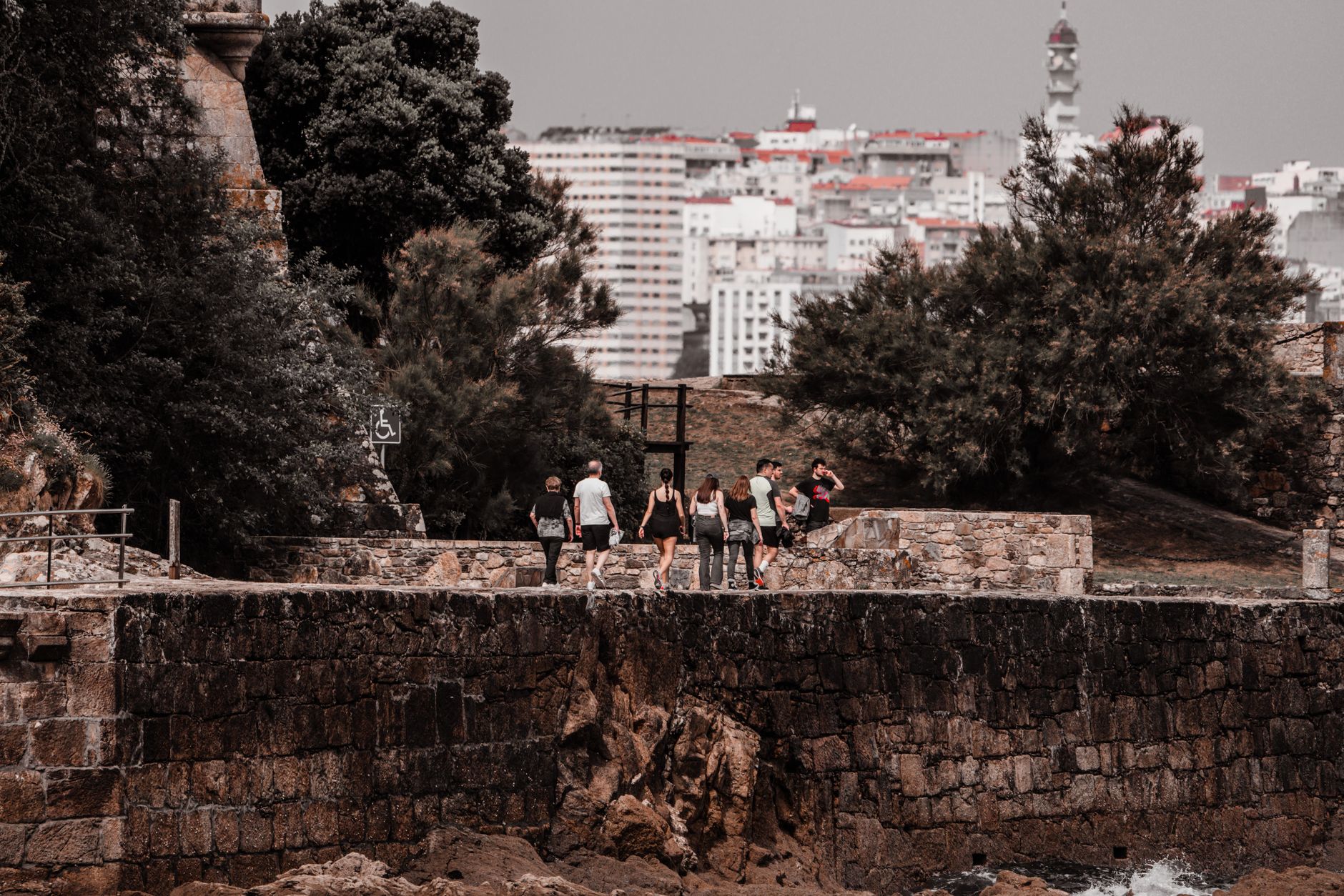
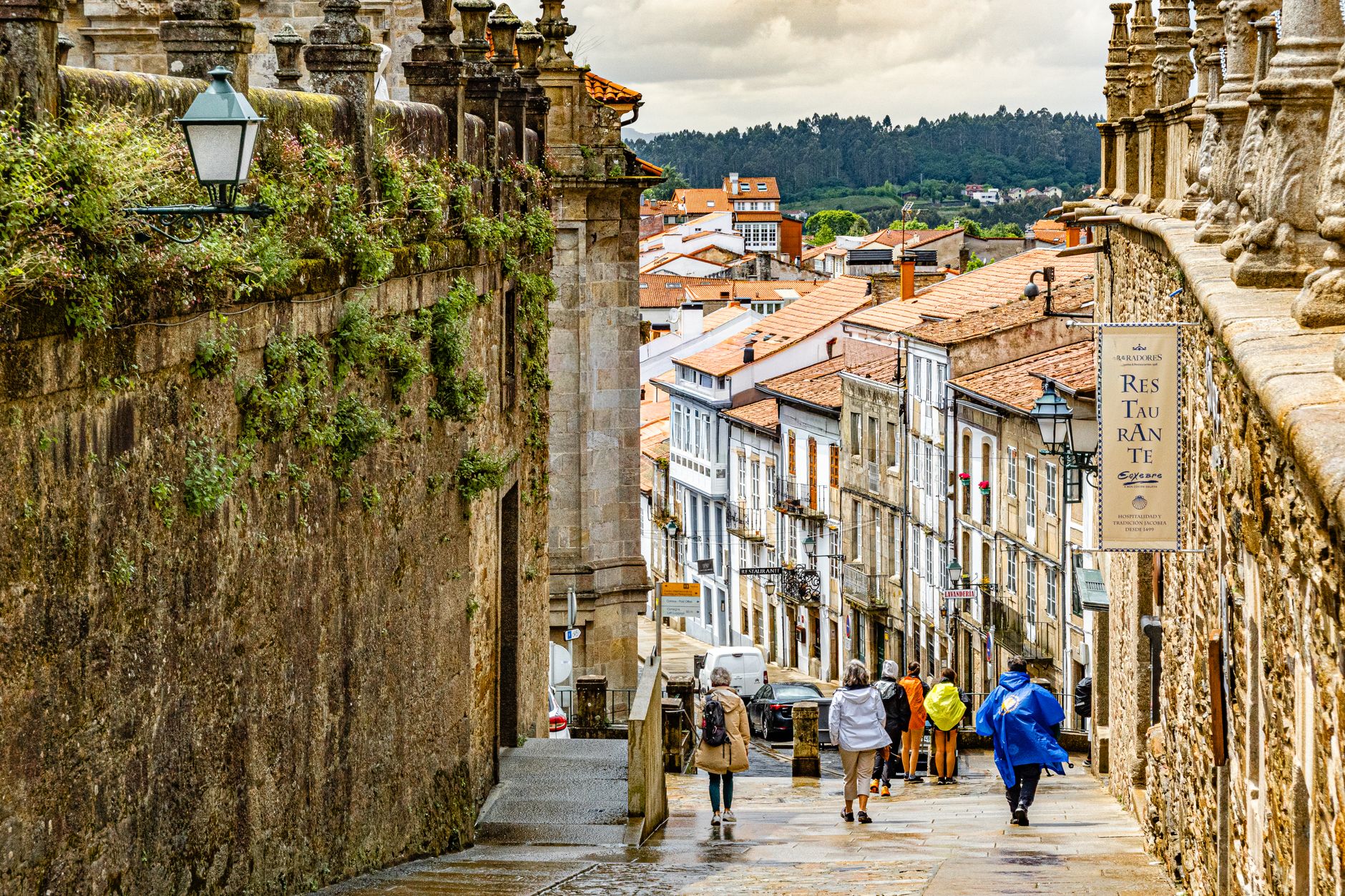
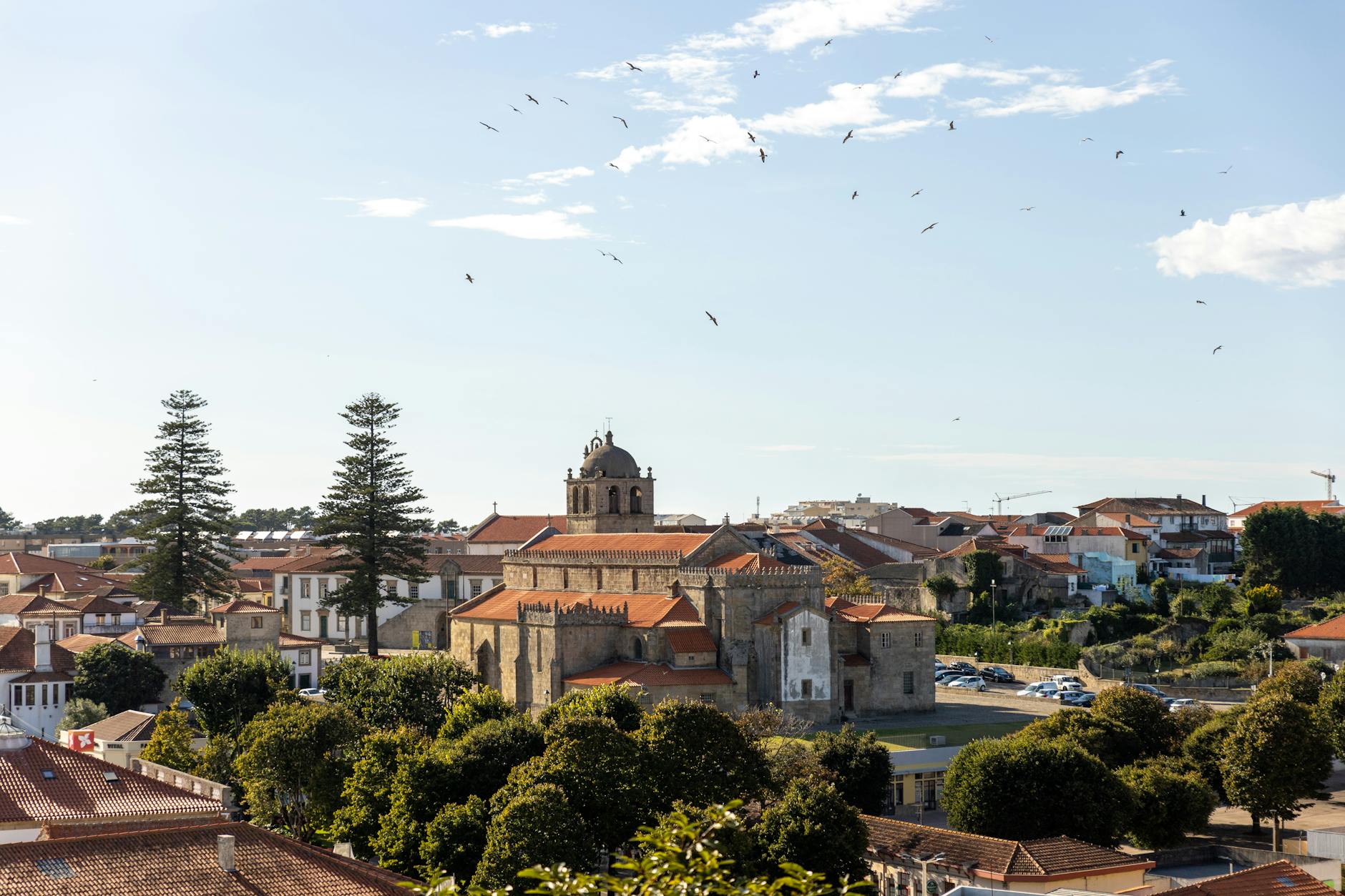
Stand on the hill above Monforte de Lemos and the geometry of the place makes immediate sense: a 30-metre tower rising from a Benedictine monastery, medieval walls threading down the slope, the Cabe River crossed by a bridge that has held roughly this shape since the 16th century. The town below grew up around a count's ambition and a cardinal's vanity, and both left stone behind.
Monforte is a Galician rail town that had its moment — Alfonso XII gave it city status in 1885 specifically because of the new line connecting A Coruña to Madrid — and then watched the trains reroute to Ourense. What remained is a compact, slightly melancholy historic centre with a Parador inside a monastery and an El Greco in a Herrerian college most visitors walk past.
💛 What travellers fall for
People who come back tend to eat near the Ponte Vella and spend longer than planned in the Colegio Nuestra Señora de la Antigua — the El Grecos catch you off guard. The MUFERGA railway museum earns its afternoon, especially the roundhouse, which is the largest in Spain and has the particular hush of a building that once ran on steam.
Experiences you don't want to miss


Deals in Monforte de Lemos
Book directly at the provider


How Monforte de Lemos came to be
The Lemavi people were here long before Rome — Pliny and Strabo both noted them — and the Latin name Mons Fortis, strong hill, stuck. The town as it stands traces to the early 12th century, when the Count of Galicia granted the territory to Fruela Díaz of the House of Lemos after Muslim forces had destroyed an earlier settlement. The Benedictines had already established San Vicente del Pino on the hill by the 10th century; it became the county's administrative capital in the 12th.
The Irmandiño revolt in the second half of the 15th century brought the walls and the capital tower down, though the defeated rebels were forced to rebuild them. The town's most culturally consequential figure arrived later: Pedro Fernández de Castro, 7th Count of Lemos, Viceroy of Naples and patron to Góngora, Quevedo, Lope de Vega, and Cervantes, who dedicated the second part of Don Quixote to him. His great-uncle, Cardinal Rodrigo de Castro, had already commissioned the Colegio Nuestra Señora de la Antigua in 1593 — the building Galicians still call the Escorial of Galicia.
Who and what shaped it
People who shaped it
Landmark buildings
See Monforte de Lemos in motion
Plan your visit
On the map
When to go
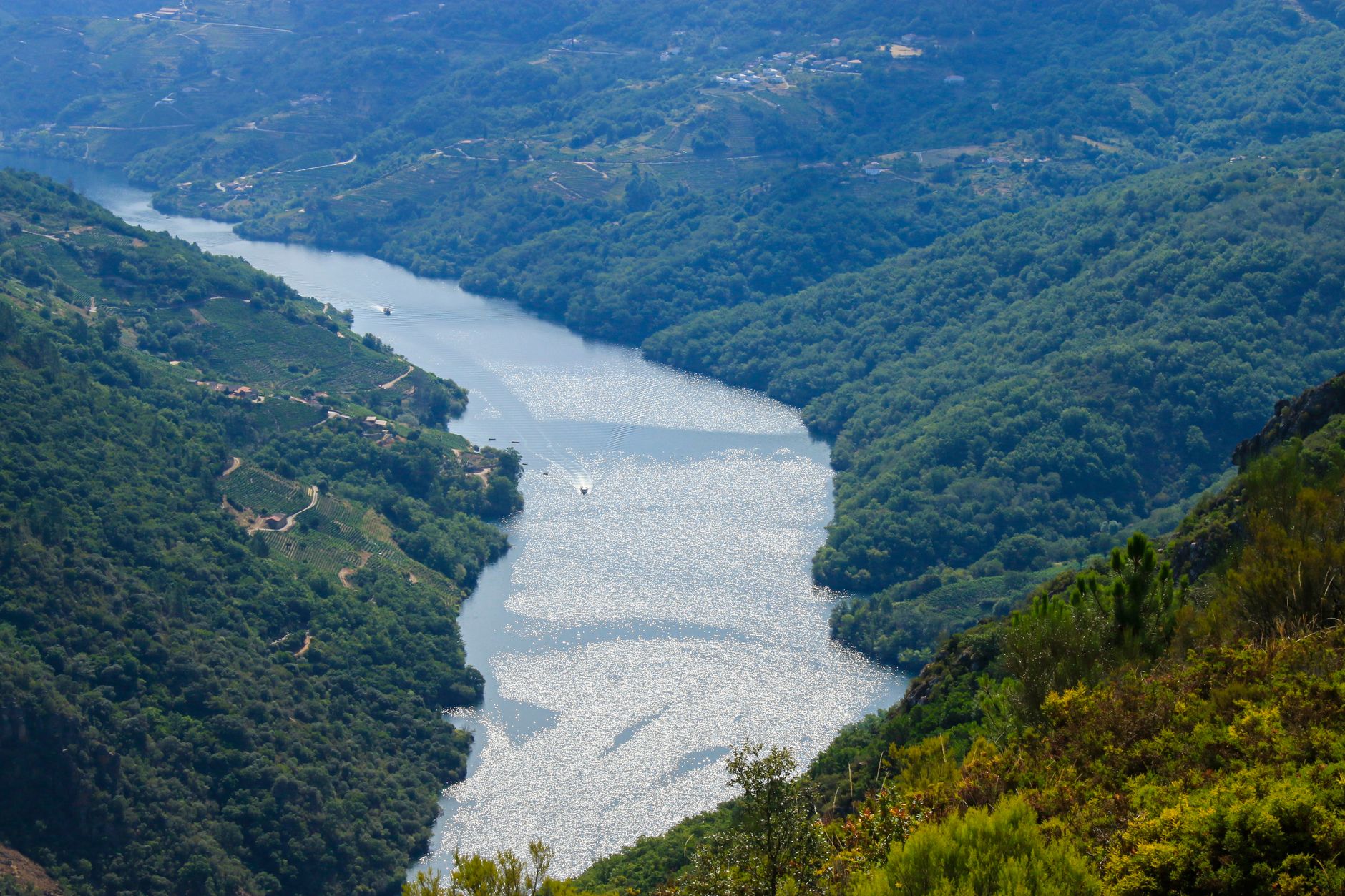
Galicia's interior is wetter and cooler than the coast; Monforte sits in a river valley that can trap mist in autumn and winter. Spring and early autumn are the most comfortable seasons for walking the hill — summers are warm but rarely punishing, and the light on the tower in late afternoon is worth timing your day around.
Right now
Background & history adapted from Wikipedia (CC BY-SA) · specs from Wikidata (CC0) · weather from Open-Meteo · map data © OpenStreetMap contributors · photos from Wikimedia Commons / Unsplash with per-image credit. No third-party reviews or social posts reproduced.