
Vigo
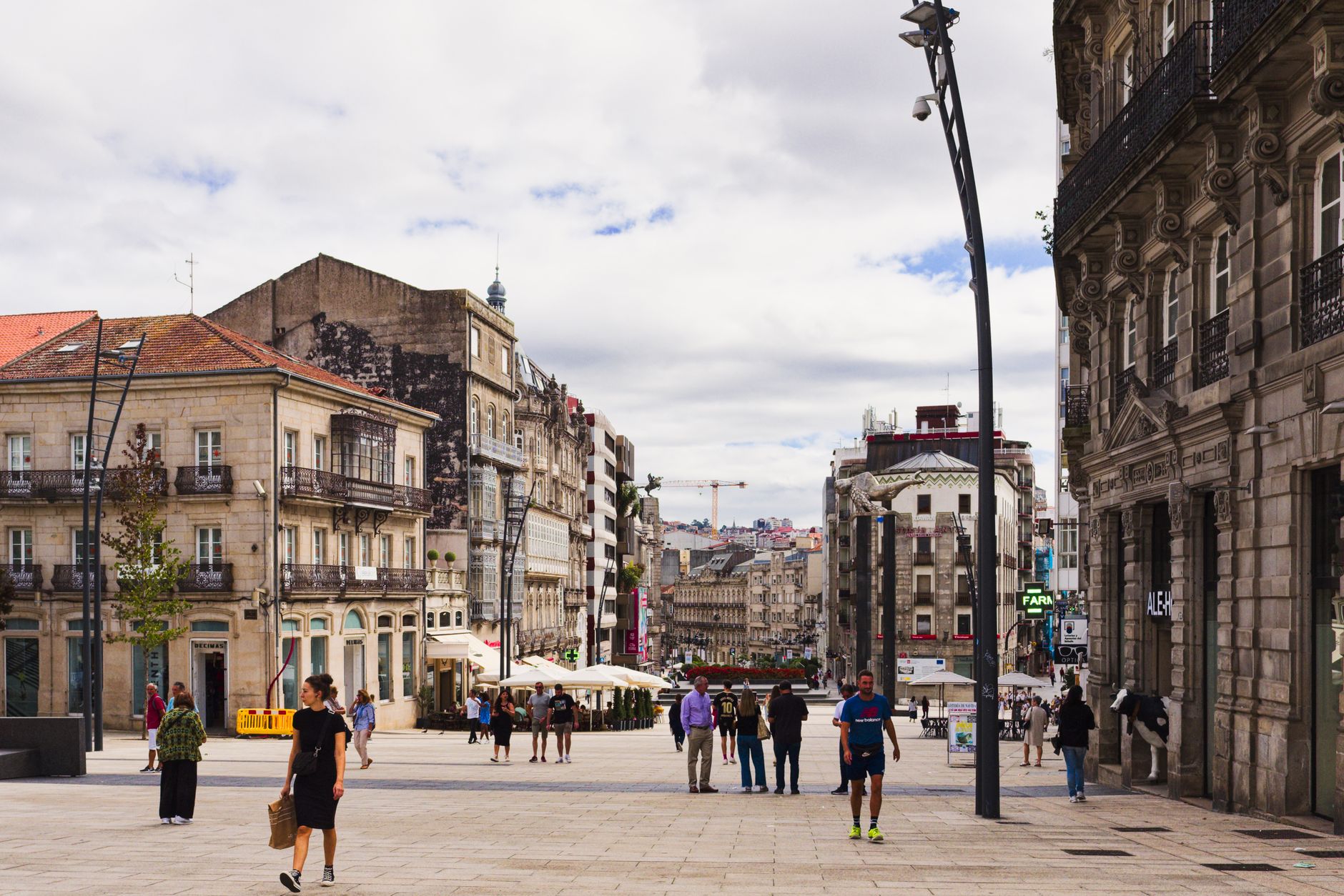
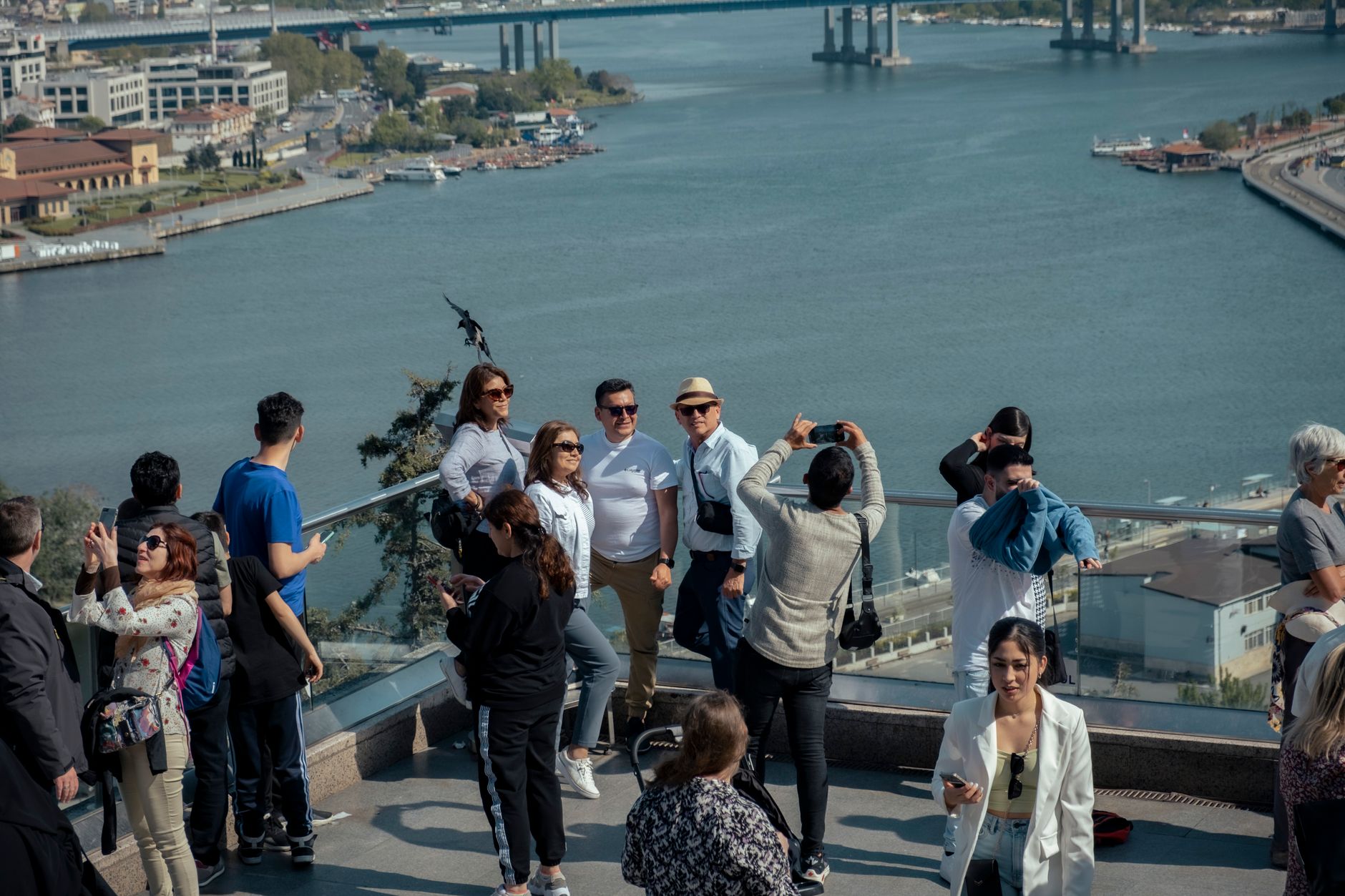
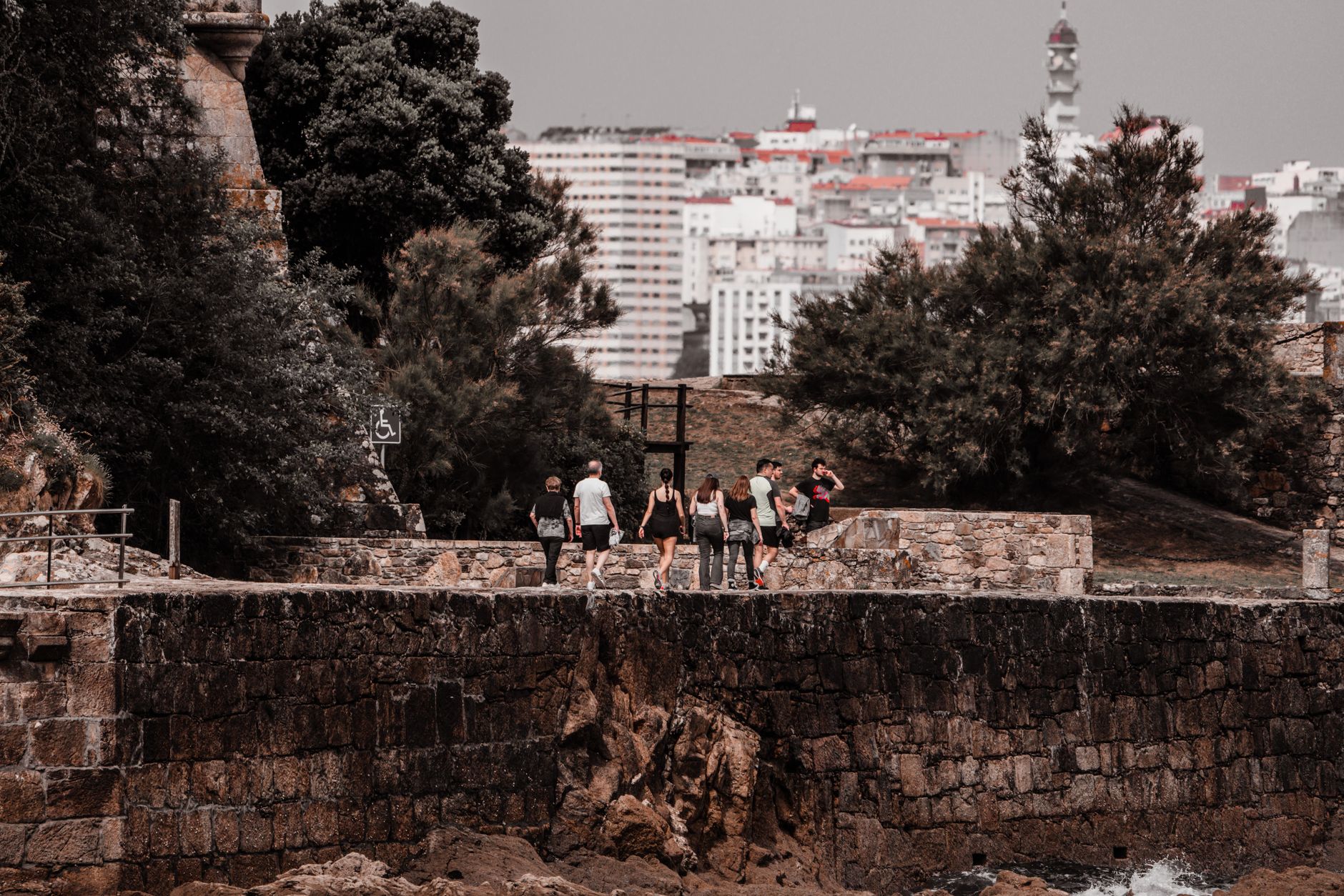
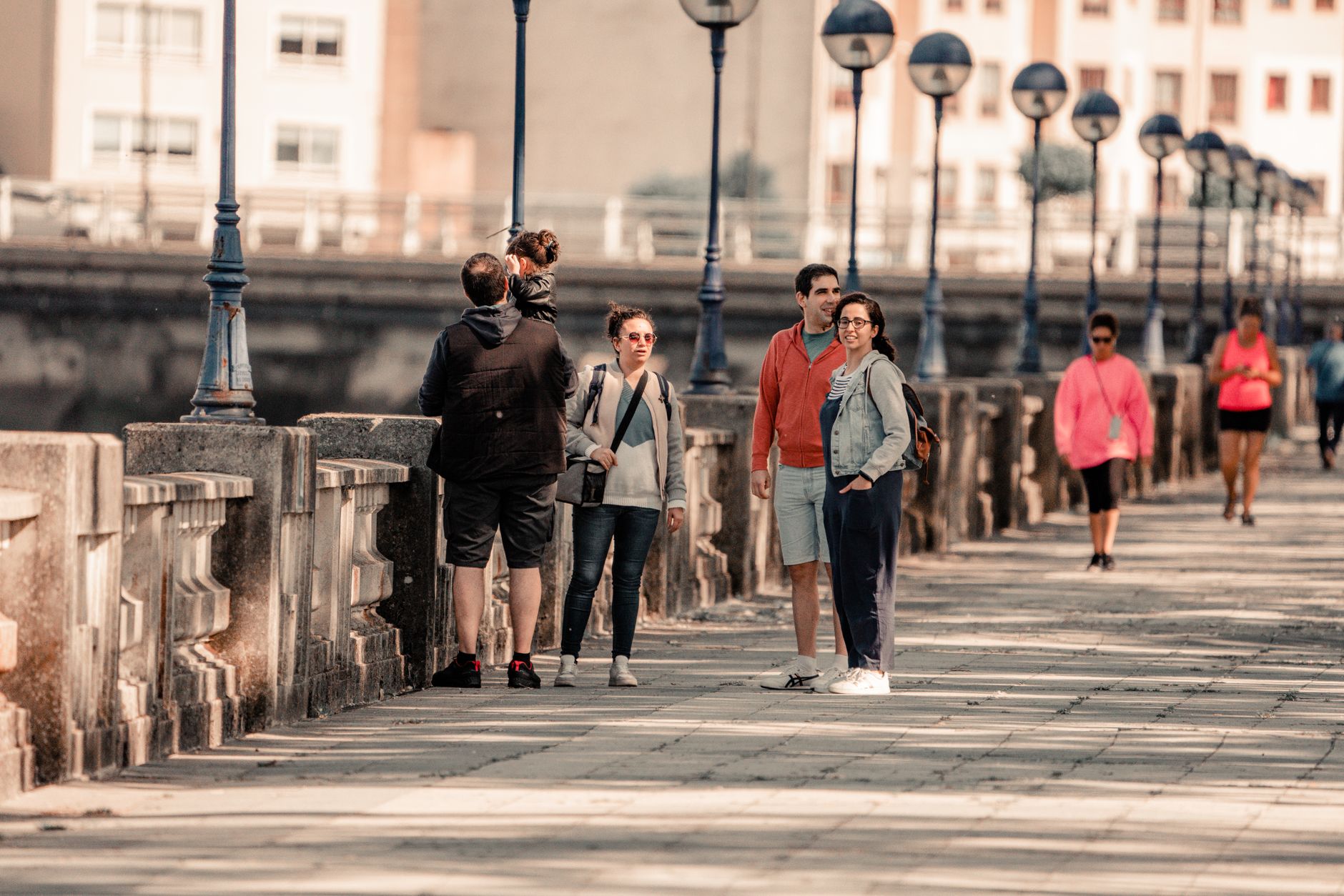
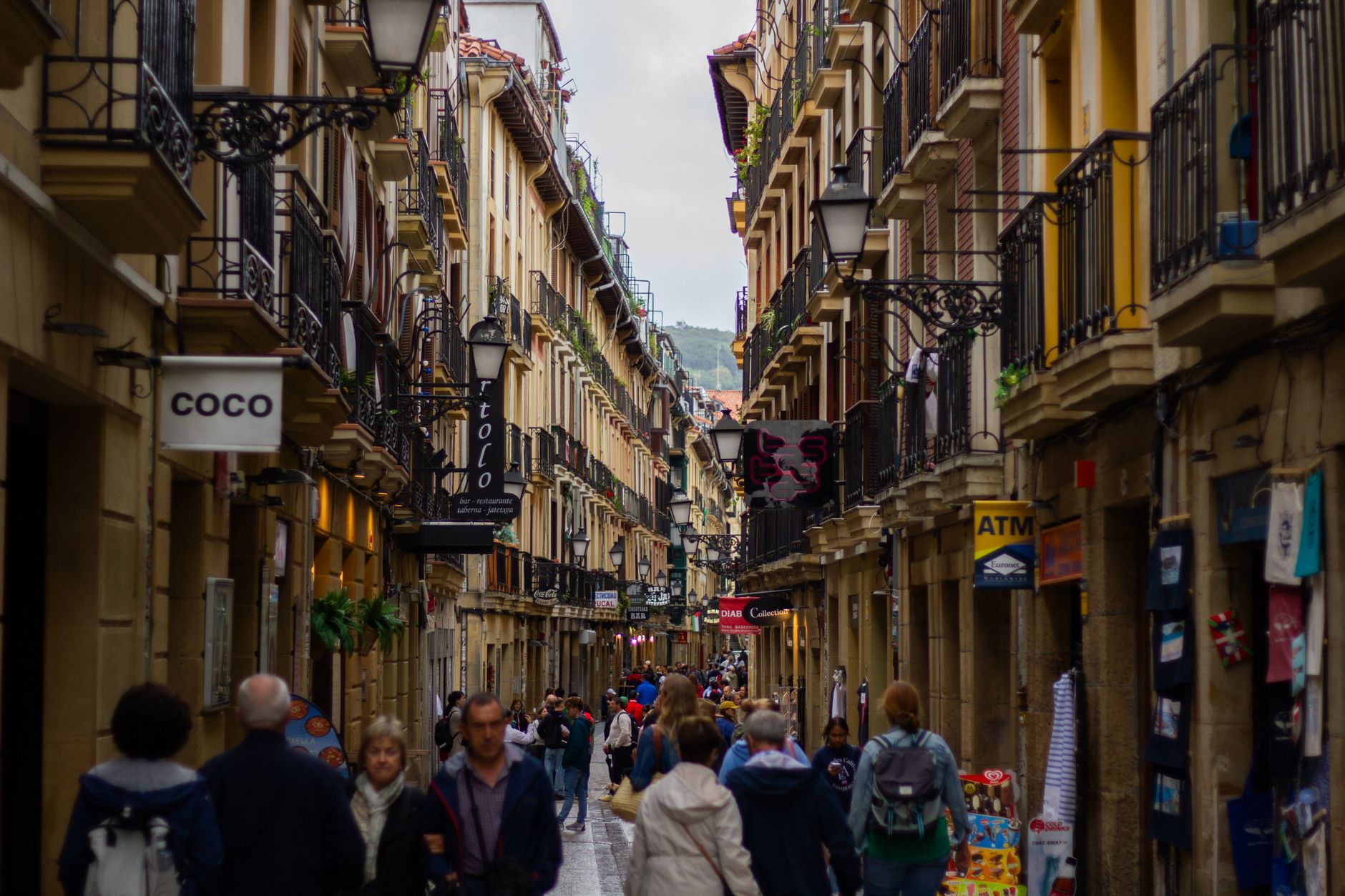
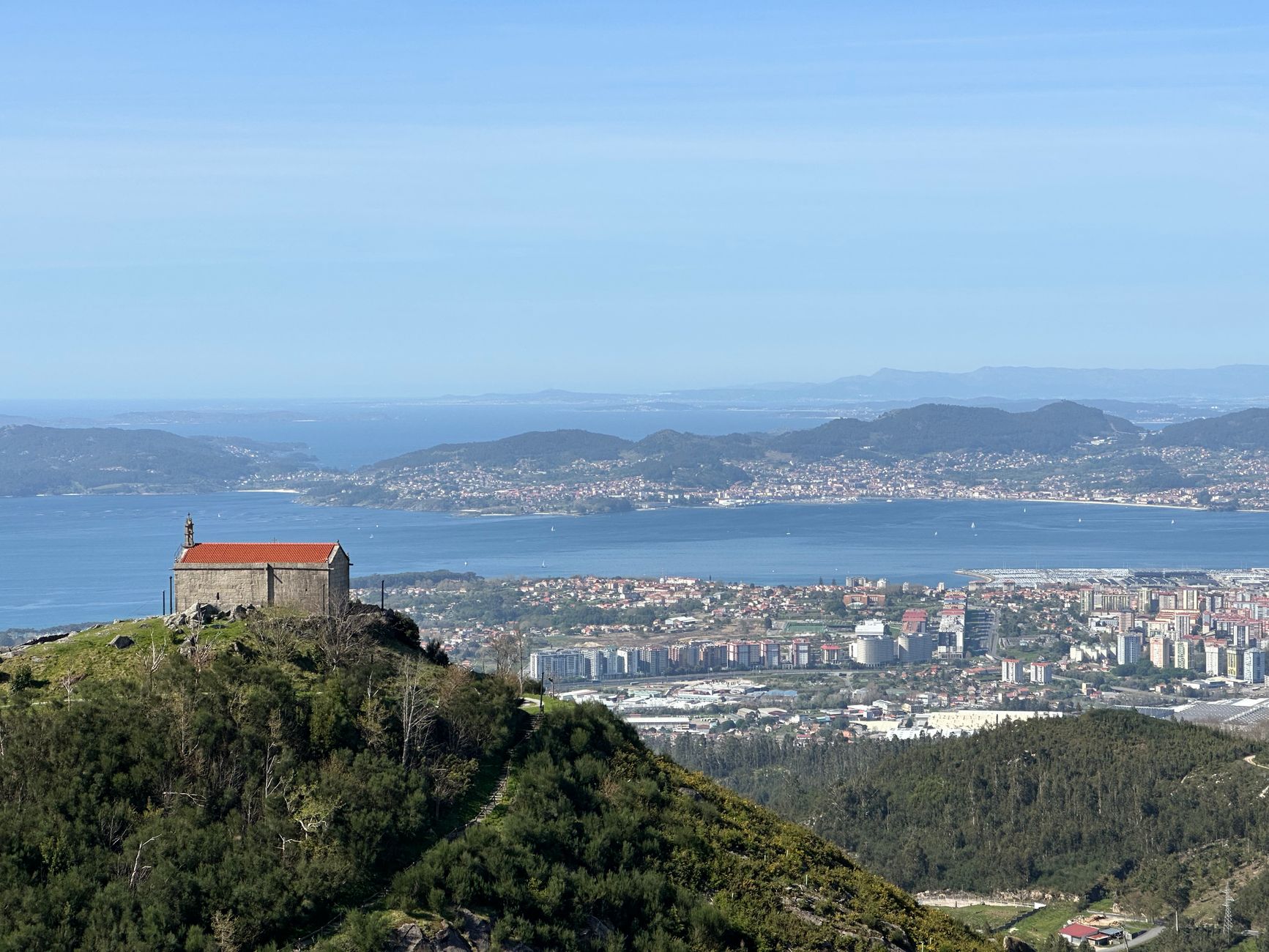
Vigo is built on granite, and the stone makes itself known early — underfoot on the Casco Vello's worn lanes, in the grey-gold walls of the old quarter, in the way afternoon light catches the cathedral's facade and turns it almost warm. This is Galicia's largest city, pressed against a wide Atlantic ría, and it carries its weight without fuss.
The port still works for a living: fishing trawlers, a car factory that has run since 1958, ferries threading across to Cangas. The medieval troubadour Martín Códax wrote his cantigas about these same waters in the 13th century. The sea here has always been the point.
💛 What travellers fall for
People who come back tend to take the ferry to Cangas just for the crossing — twenty minutes on the water gives you the whole city skyline at once. They also mention the sculpture 'O Sireno' by Francisco Leiro at Porta do Sol, which rewards a second look once you know what you're seeing, and the MARCO museum's rotating shows, which change the reason to return.
Experiences you don't want to miss



Deals in Vigo
Book directly at the provider

How Vigo came to be
Vigo spent much of the medieval period as a minor coastal village, raided by Vikings and largely overlooked until the 15th century, when the first real records of it as a town begin. Francis Drake changed that. He descended on the city in 1585, gathering supplies, and returned in 1589 to burn buildings during a failed English campaign. The response from Felipe IV was the construction of the Castelo de San Sebastián and the Fortaleza do Castro — the granite fortifications that still define the hillside today.
The War of the Spanish Succession brought another naval battle into Vigo's waters in the early 18th century; the French were repelled from the city in 1809. The 20th century arrived in the form of industry: a Free Trade Zone in 1947, then the Citroën plant in 1958, which became the region's largest employer and shaped the modern city as much as any fortress.
Who and what shaped it
People who shaped it
Landmark buildings
See Vigo in motion
Plan your visit
On the map
When to go
Vigo is genuinely rainy for much of the year — November alone can bring over 230 mm across 18 wet days — but summer, from June into early September, is reliably mild and often sunny, with August averaging around 20°C. If you visit outside that window, pack for Atlantic weather and expect the granite to look even greyer than usual.
Right now
Background & history adapted from Wikipedia (CC BY-SA) · specs from Wikidata (CC0) · weather from Open-Meteo · map data © OpenStreetMap contributors · photos from Wikimedia Commons / Unsplash with per-image credit. No third-party reviews or social posts reproduced.