
Cambados
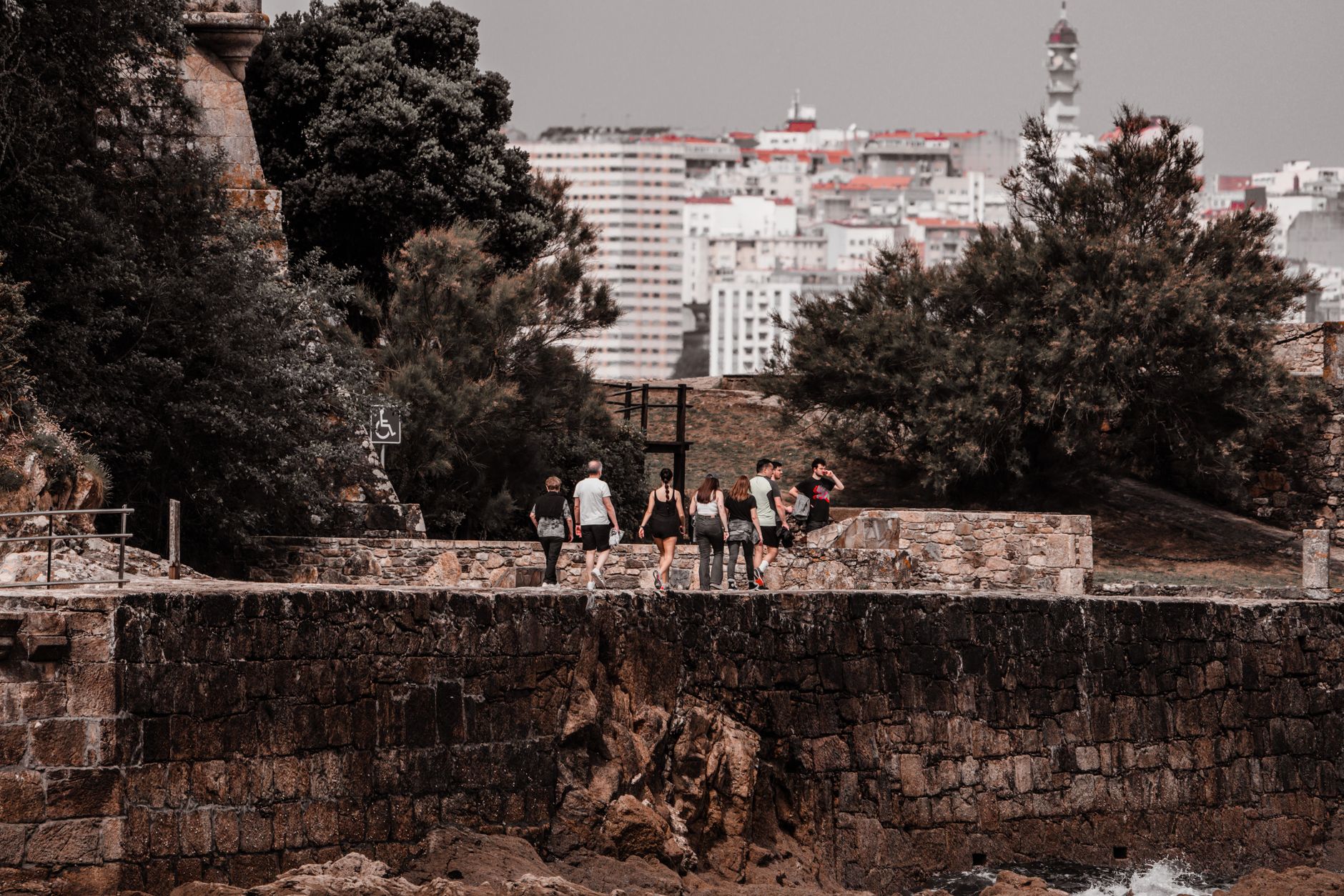
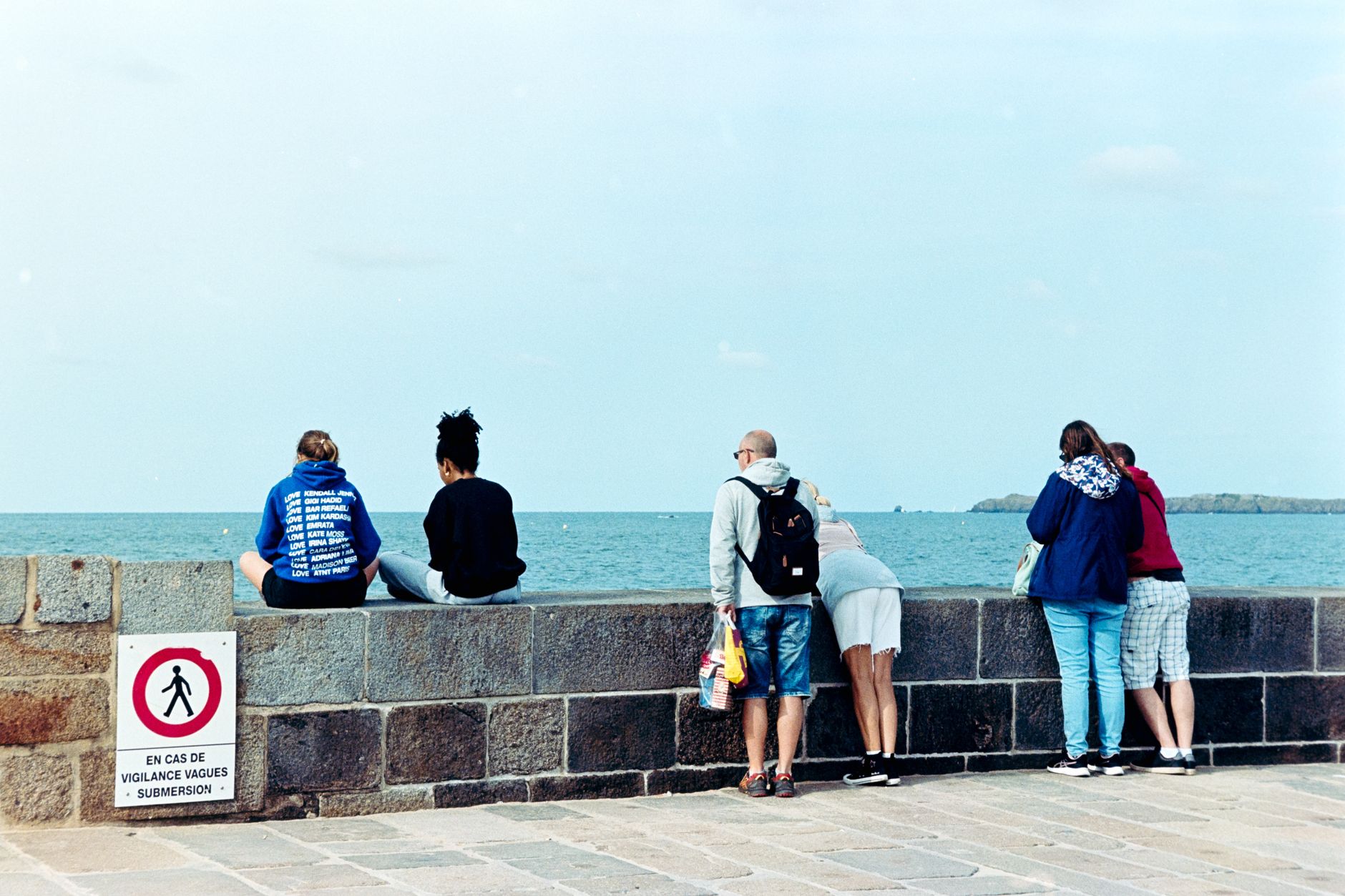
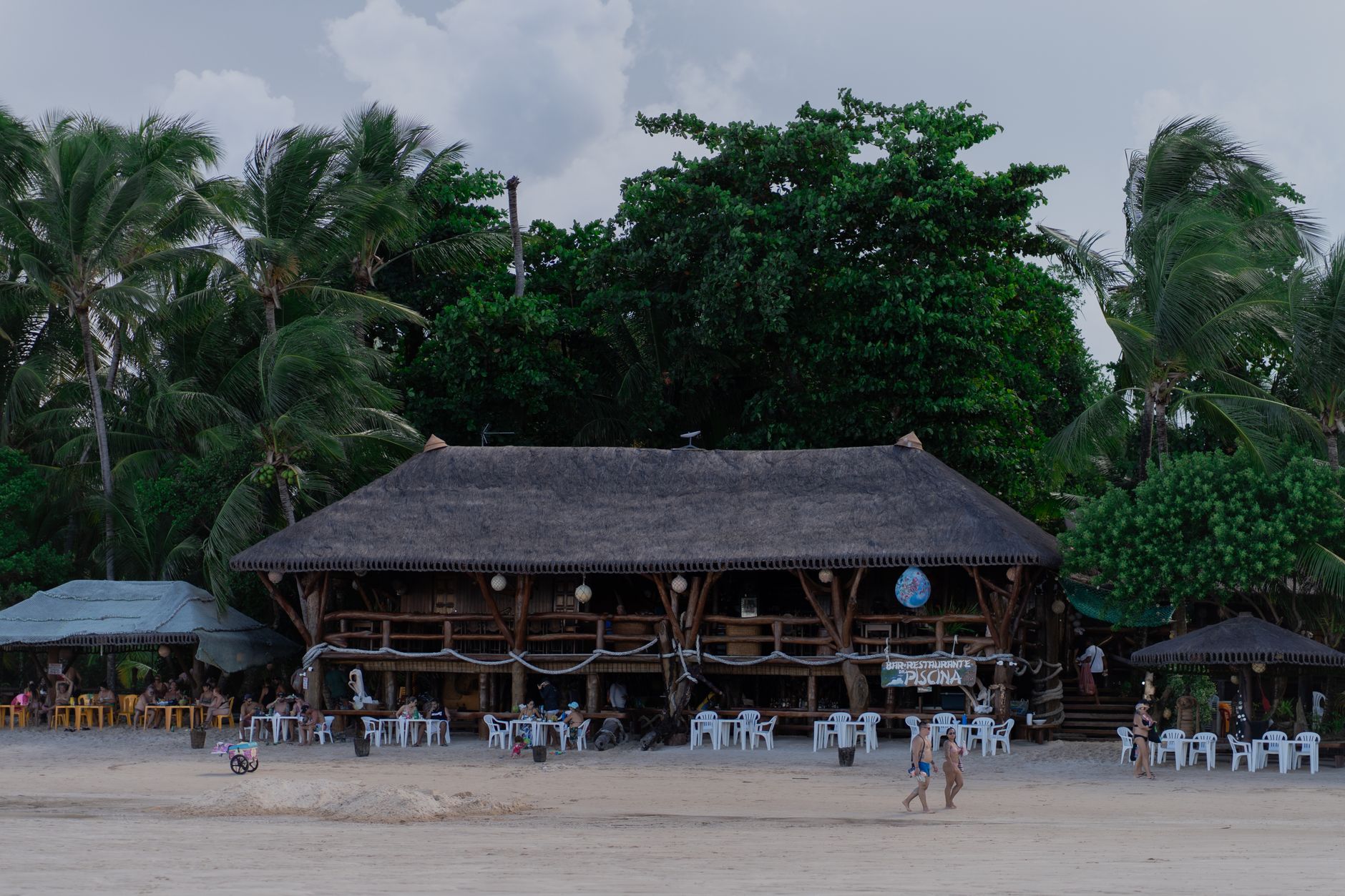
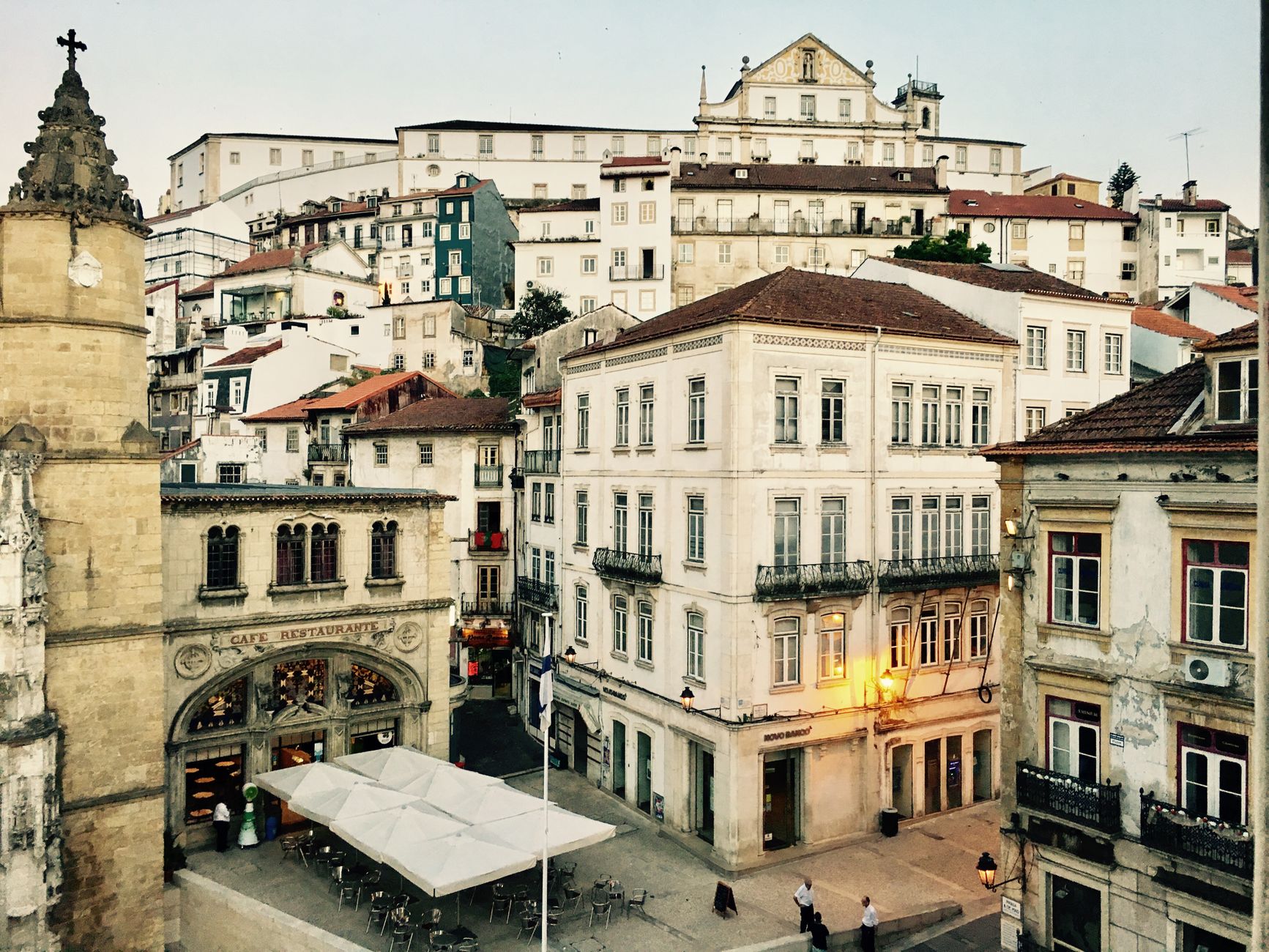
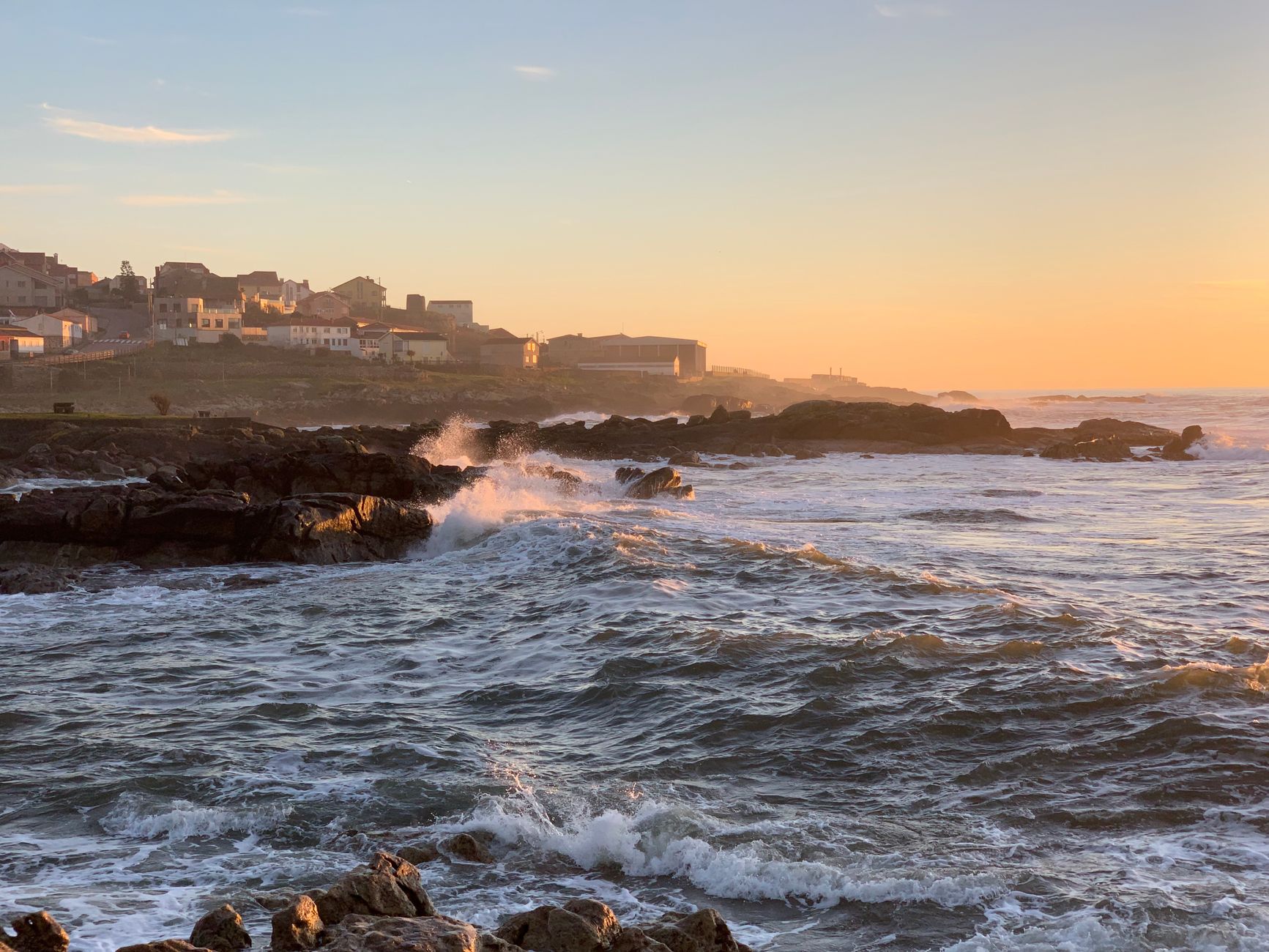
Cambados curves around a bay whose round shape likely gave the town its name — combado, bent, arched — and that geometry sets the mood. The streets of the old quarter run between granite pazos and the open sky of Plaza de Fefiñáns, more than 2,500 square metres of stone square flanked by a Baroque manor that has been making Albariño wine since 1905. This is the capital of Rías Baixas wine country, and the vines are never far from view.
The town holds its layers lightly. Roman amphora handles have come up from the soil beneath Plaza de San Gregorio. Gothic arches stand open to the rain in the ruins of Santa Mariña Dozo. And somewhere between the winery, the square, and the waterfront, a visit to Cambados tends to slow down in the best possible way.
💛 What travellers fall for
People who come back tend to agree: arrive on an ordinary weekday morning, when Plaza de Fefiñáns belongs to you and the pigeons. Walk up to the Santa Mariña Dozo ruins before lunch, and drink your Albariño in the afternoon at the pazo that produces it. The Ramón Cabanillas birthplace museum in Fefiñáns is small, specific, and worth the detour.
Experiences you don't want to miss



Deals in Cambados
Book directly at the provider

How Cambados came to be
Settlement here goes back well before any written record — Iron Age castro communities left traces at sites including A Pastora and Monte Rei, and Roman artifacts point to a small economic installation, possibly connected to fish salting, beneath what is now the main square. The medieval town took shape under ecclesiastical ambition: Diego Gelmírez, the first Archbishop of Santiago de Compostela, ordered the construction of the watchtower of San Sadurniño in the early 11th century to guard the coast against sea landings. In 1170, Fernando II of León granted Cambados the title of Muy Leal Villa, drawing noble families with fiscal privileges.
The Ulloa family built their pazo here in the early 16th century, and the same period saw the construction of Santa Mariña's Church, likely commissioned by María de Ulloa. The Baroque Pazo de Montesacro followed in the 18th century. Cambados was declared a Site of Cultural Interest in 2001 and named European City of Wine in 2017.
Who and what shaped it
People who shaped it
Landmark buildings
See Cambados in motion
Plan your visit
On the map
When to go
Galicia's Atlantic weather means Cambados is mild year-round but reliably wet — expect rain in any season, with the heaviest months running from October through February. Summer is warm and relatively dry, though sea mist can roll in without warning.
Right now
Background & history adapted from Wikipedia (CC BY-SA) · specs from Wikidata (CC0) · weather from Open-Meteo · map data © OpenStreetMap contributors · photos from Wikimedia Commons / Unsplash with per-image credit. No third-party reviews or social posts reproduced.