
Ourense
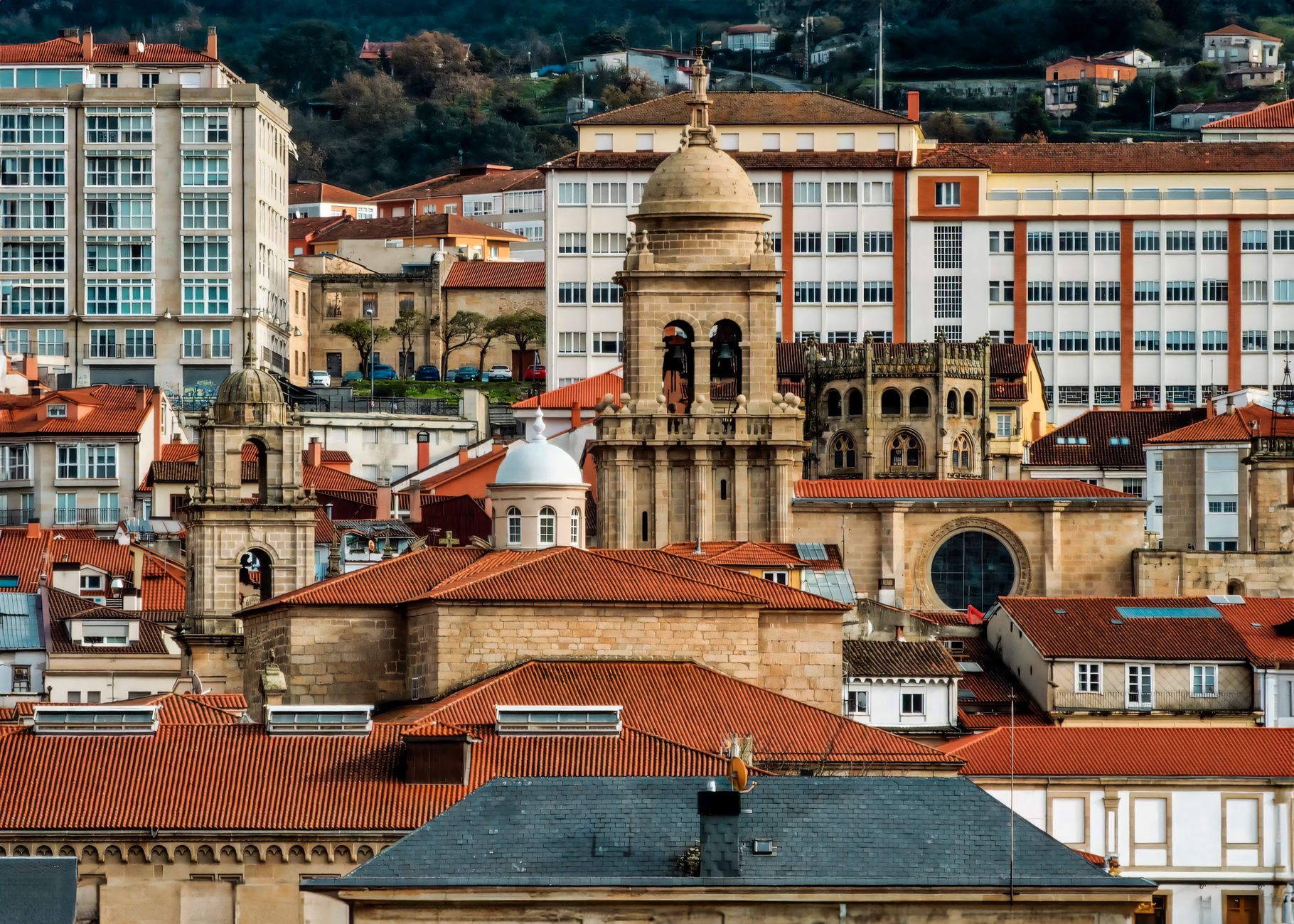
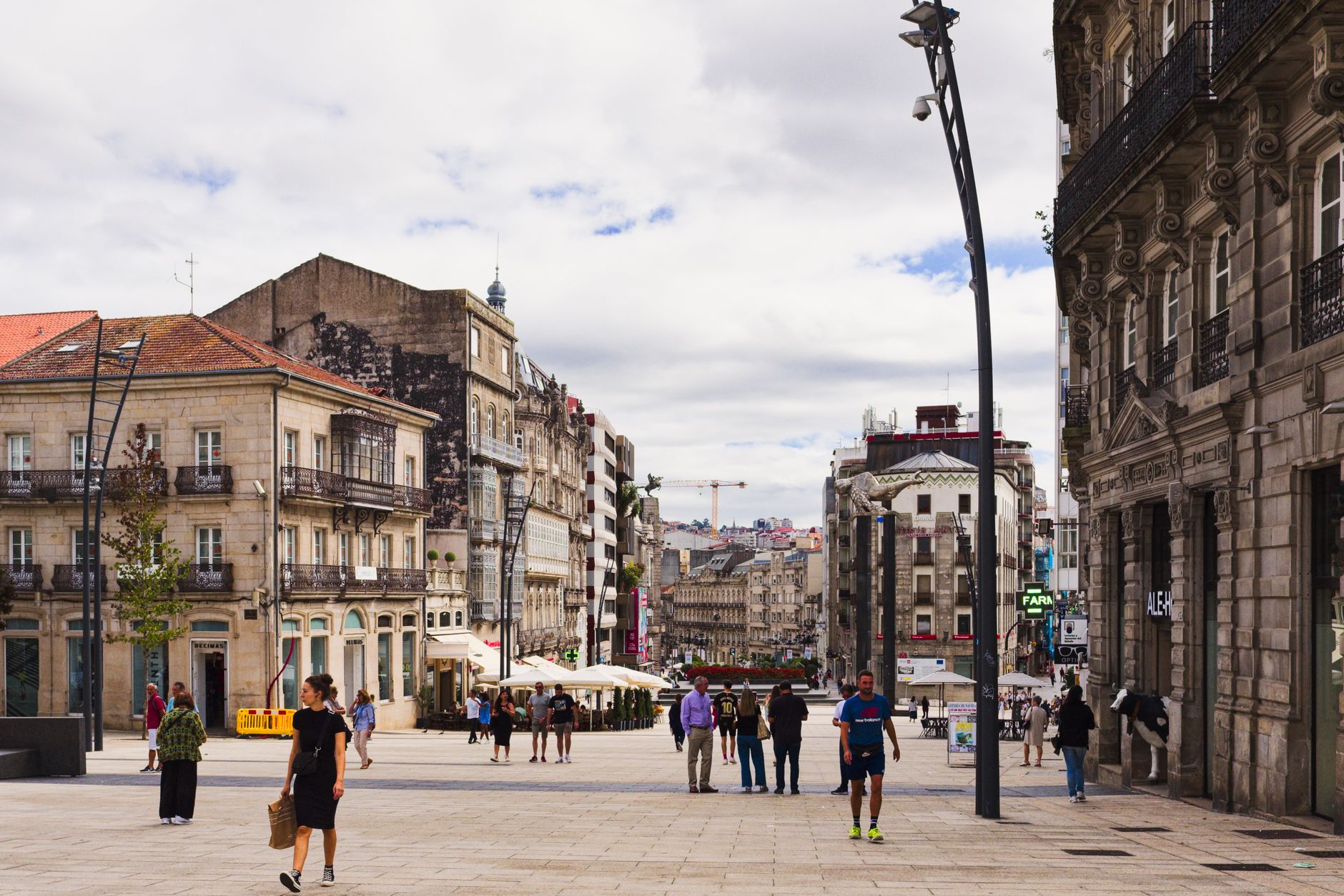
Stand over As Burgas on a cold morning and watch the steam rise from water that has been flowing at over 60°C for two thousand years. Ourense built itself around these springs — the Romans called the place Aquis Aurensis, waters of gold — and the thermal logic never left. The old town climbs above the Miño River in layers of granite, with a Romanesque cathedral, a Gothic cloister full of carved mythological creatures, and public baths where locals soak on their lunch break.
This is an inland Galician city with its own distinct rhythm, drier and warmer than the coast, less visited than Santiago, and quietly serious about its literary and intellectual history.
💛 What travellers fall for
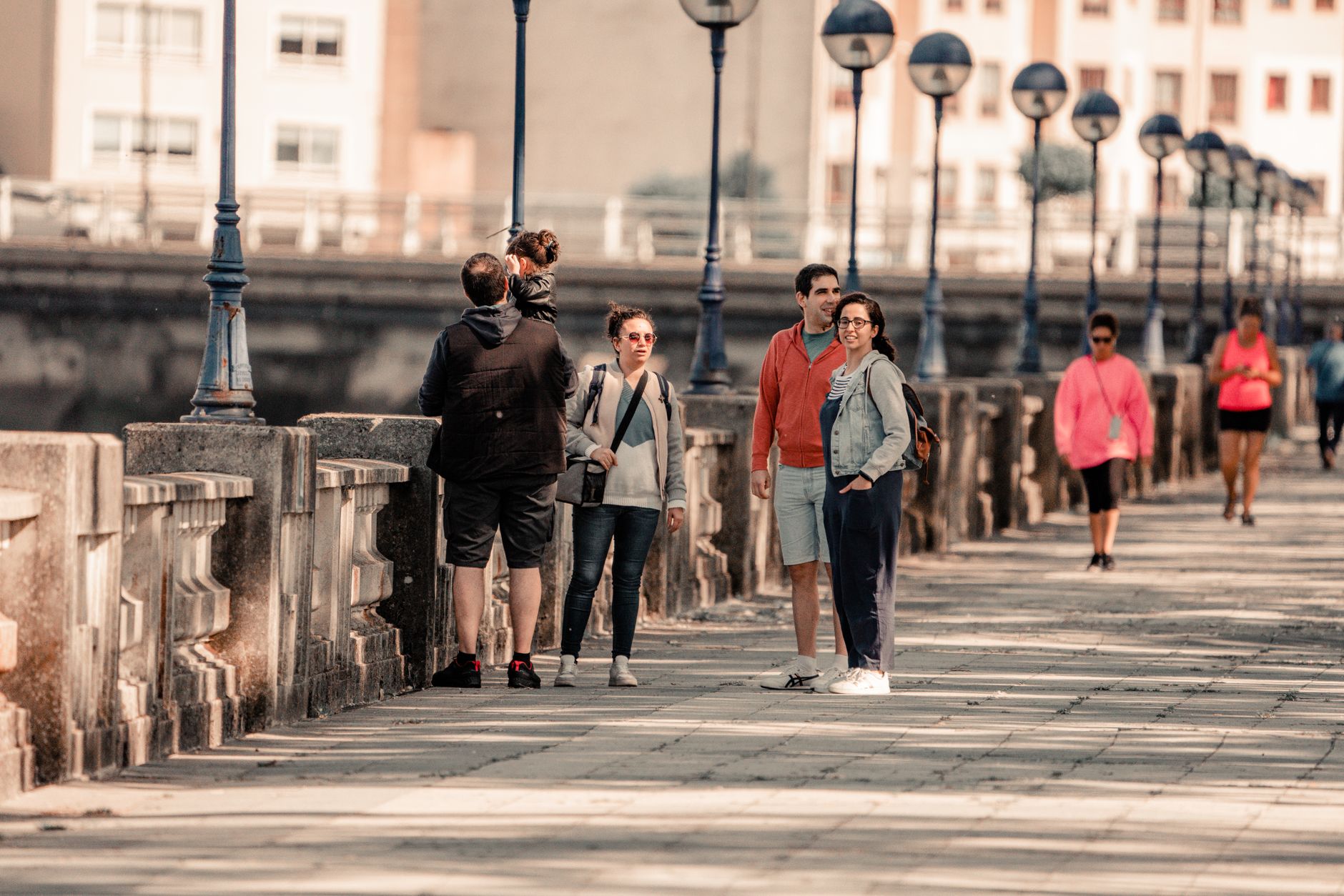
People who come back tend to map their own thermal circuit: As Burgas in the morning for convenience, then the walk along the river to Outariz in the afternoon, where the pools are larger and organised enough to stay a while. The Ponte Vella, crossing the Miño on its seven medieval arches, is the walk that bookends both.
Experiences you don't want to miss



Deals in Ourense
Book directly at the provider
How Ourense came to be
The Romans founded a settlement here around the hot springs roughly two thousand years ago, leaving bath infrastructure that still sits visible beneath the city. In 716 the Moors destroyed it; Alfonso III of Asturias rebuilt it around 877. The cathedral traces its founding to 572, though the structure standing today is largely 13th-century Romanesque, with a Gothic Door of Paradise and a 16th-century chapel holding a crucifix venerated across Galicia.
Ourense's intellectual weight came later. In the 19th and early 20th centuries the city produced Valentín Lamas Carvajal, who founded the first newspaper written entirely in Galician, and writers Vicente Risco and Ramón Otero Pedrayo, both central figures in Galician cultural nationalism. The railway arrived in 1881, and the old town was declared a Historic-Artistic Ensemble in 1975.
Who and what shaped it
People who shaped it
Landmark buildings
See Ourense in motion
Plan your visit
On the map
When to go
Ourense sits inland and runs notably warmer and drier than coastal Galicia — summers can be genuinely hot, making the thermal baths a counterintuitive pleasure. Spring and autumn bring mild temperatures and less rain, which is when the old town is easiest to walk.
Right now
Background & history adapted from Wikipedia (CC BY-SA) · specs from Wikidata (CC0) · weather from Open-Meteo · map data © OpenStreetMap contributors · photos from Wikimedia Commons / Unsplash with per-image credit. No third-party reviews or social posts reproduced.