
Lugo
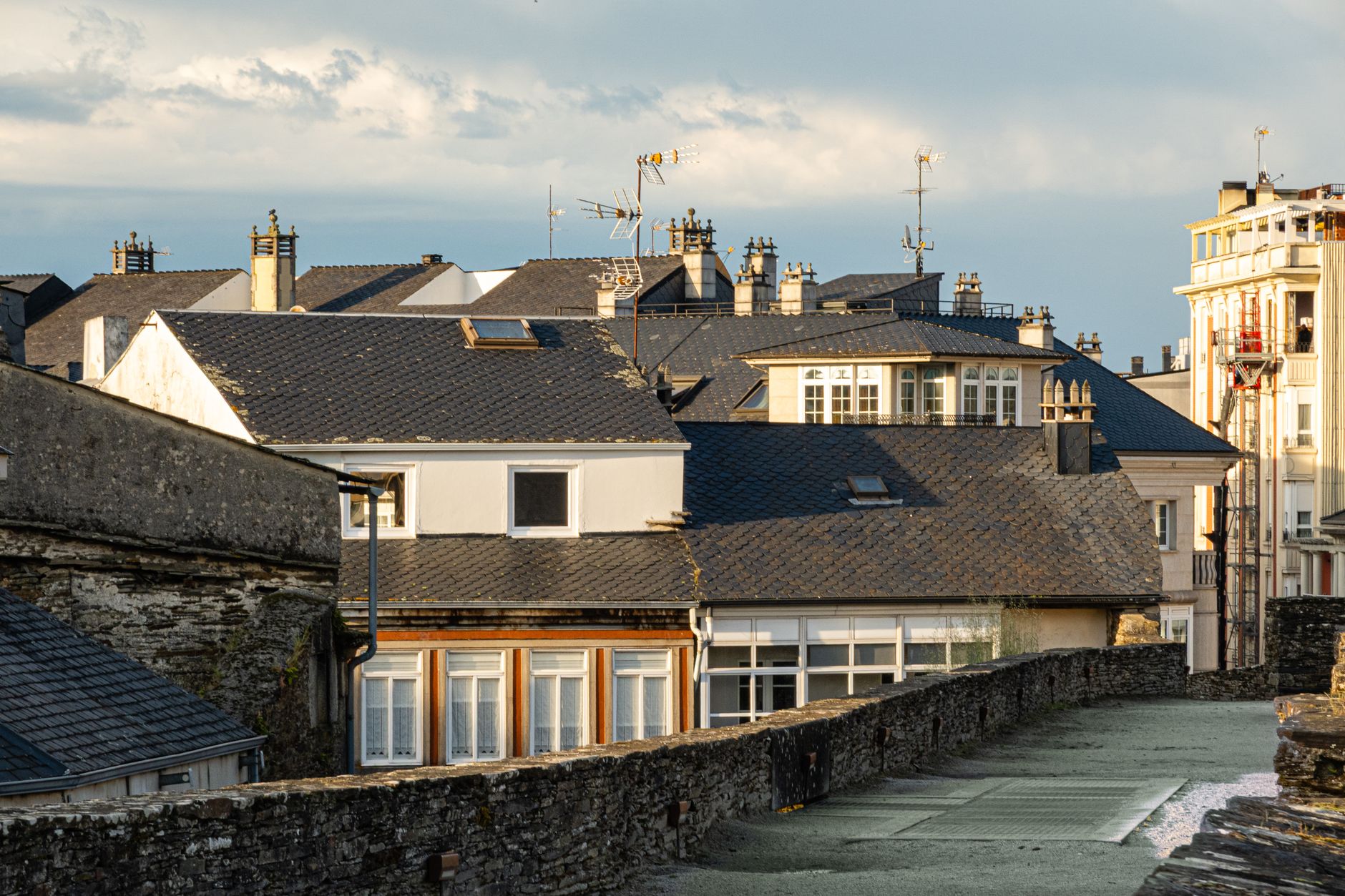
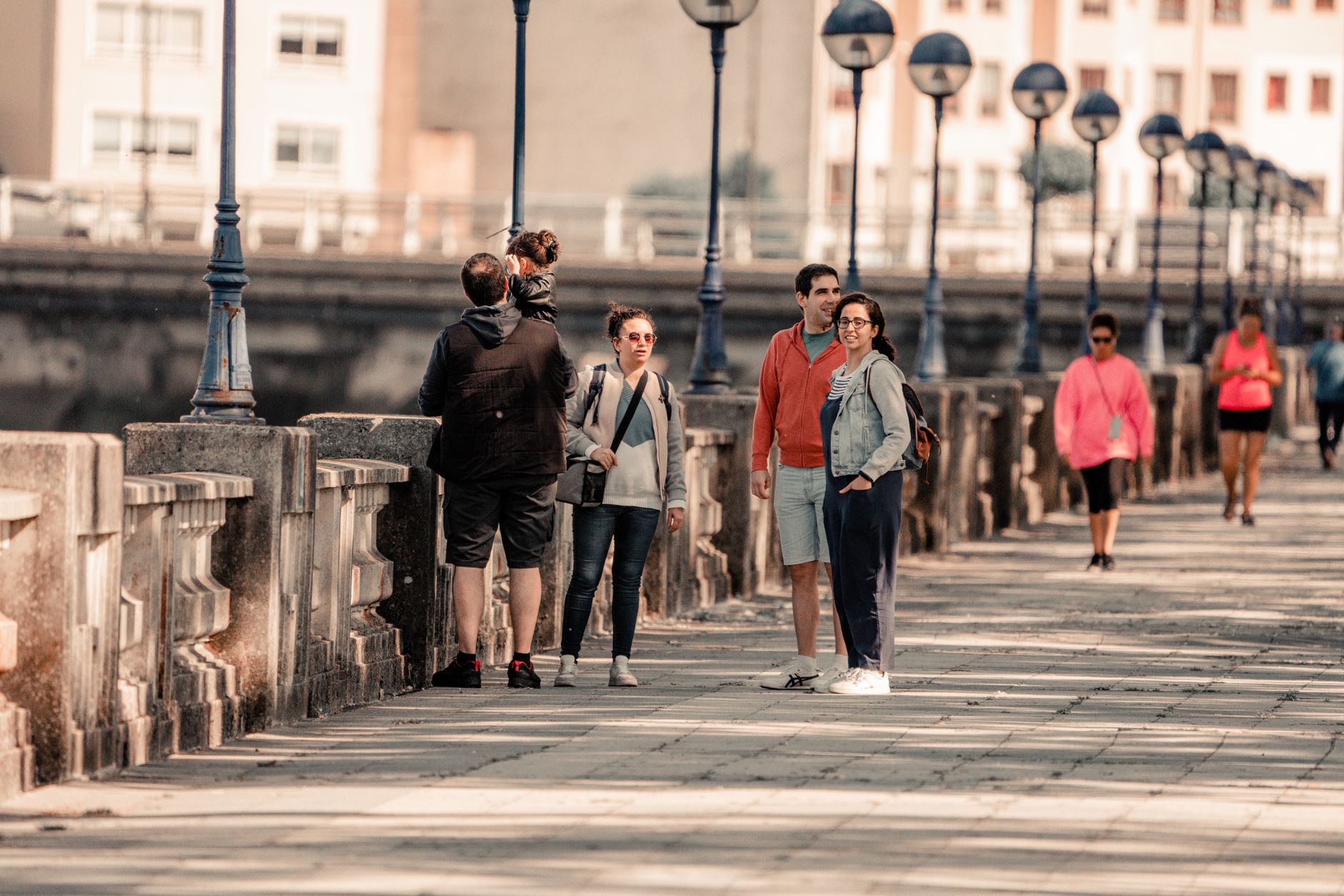
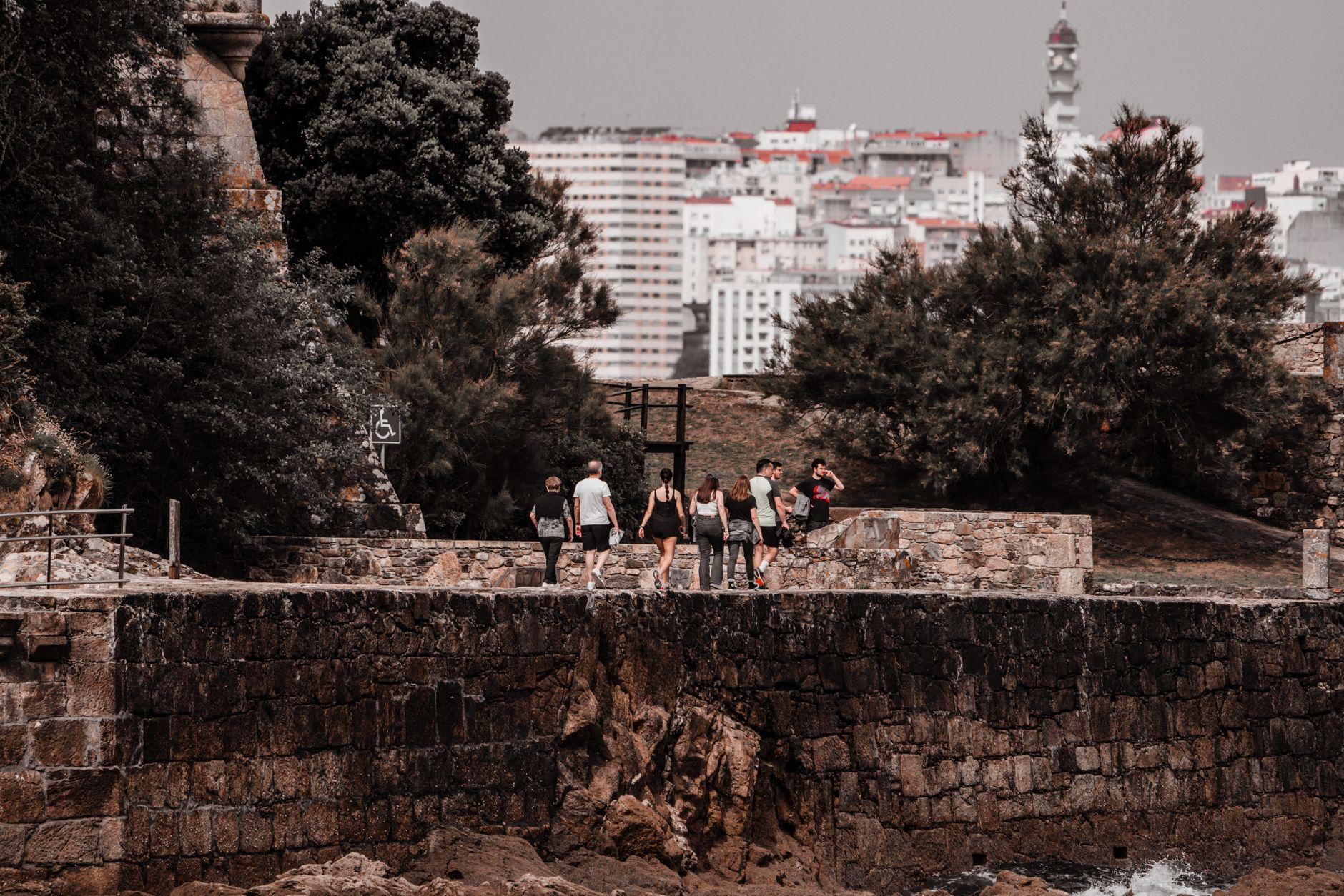
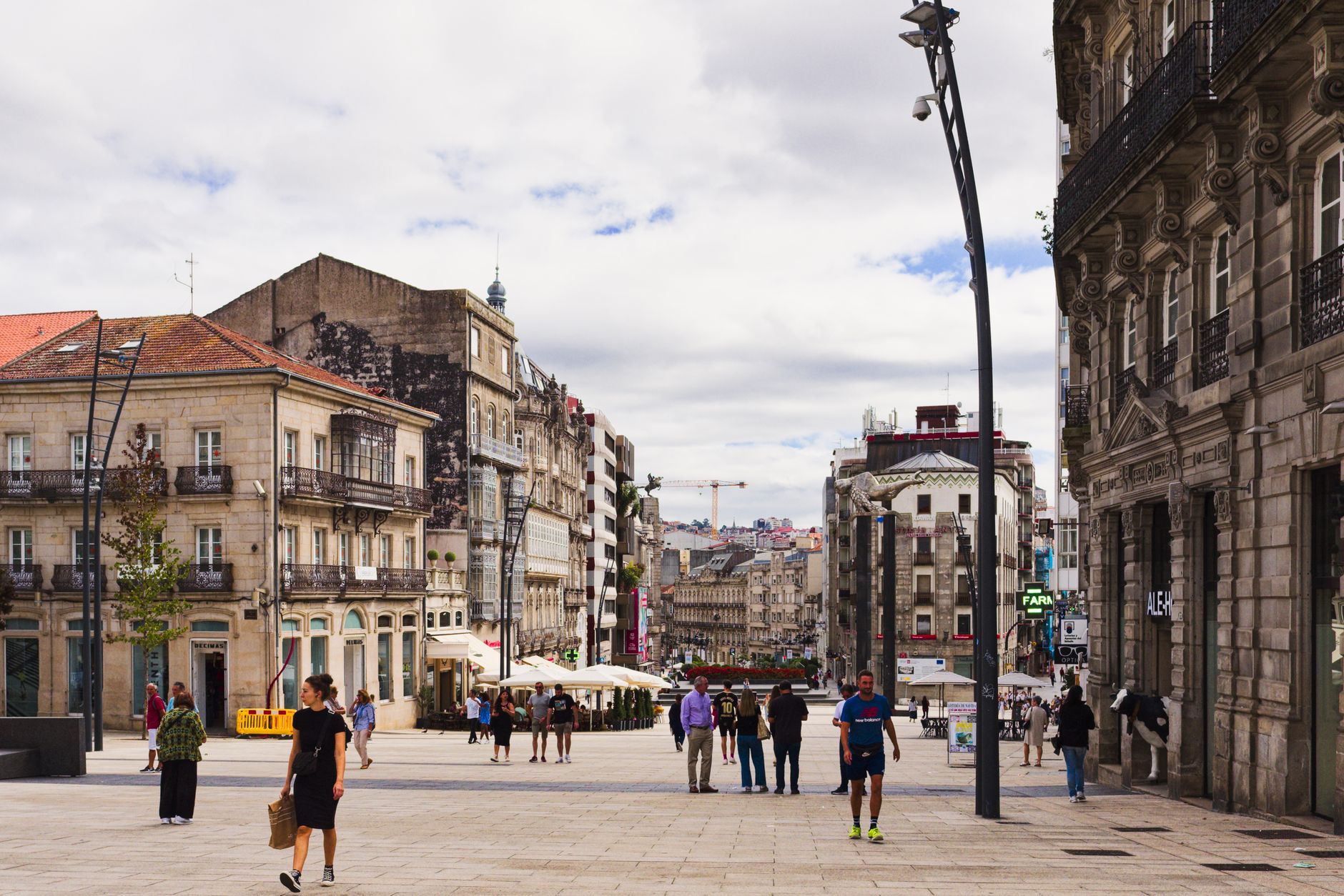
Lugo is the only city on earth where you can walk a complete circuit of intact Roman walls — 2,117 metres of stone, up to fifteen metres high, with seventy-one towers and ten gates, built between 263 and 276 AD and still doing exactly what walls do: defining where the city begins and ends. The walk takes under an hour and changes everything about how you read the streets below.
Inside the walls, the city moves at its own pace. The Plaza do Campo — almost certainly the old Roman forum — still draws people to its baroque fountain on market days, surrounded by houses whose stone coats of arms suggest centuries of families who considered this the centre of the world. They weren't wrong.
💛 What travellers fall for
People who come back tend to mention the same ritual: an early morning lap of the walls before the tour groups arrive, then coffee somewhere near the Cathedral. The sculpture inside — Nuestra Señora de los Ojos Grandes, Our Lady of the Big Eyes — stops most visitors cold. It's stranger and older-feeling than anything the Romanesque-Gothic exterior prepares you for.
Experiences you don't want to miss


Deals in Lugo
Book directly at the provider
How Lugo came to be
The Romans founded Lucus Augusti between 26 and 12 BC — the name honouring Emperor Augustus, though the root reaches further back to Lugos, the pan-Celtic god of light and oaths venerated by the people already living here. The legate Paulus Fabius Maximus established the settlement, which grew from a military camp into one of three administrative capitals of Roman Gallaecia. The walls went up in the third century, and they never came down.
The city became a provincial capital in 1833 when Spain reorganised into provinces, and the railroad arrived in 1875. The walls, after centuries of patchwork maintenance, received a full restoration in the 1970s. UNESCO added them to the World Heritage List in 2000.
Who and what shaped it
People who shaped it
Landmark buildings
See Lugo in motion
Plan your visit
On the map
When to go
Lugo sits inland from the Galician coast, which means it catches the region's Atlantic rain without the ocean's moderating effect — winters are cold and damp, summers warm but rarely brutal. April through June and September through October offer the clearest skies for wall-walking; July and August are drier but can draw crowds.
Right now
Background & history adapted from Wikipedia (CC BY-SA) · specs from Wikidata (CC0) · weather from Open-Meteo · map data © OpenStreetMap contributors · photos from Wikimedia Commons / Unsplash with per-image credit. No third-party reviews or social posts reproduced.