
Ferrol
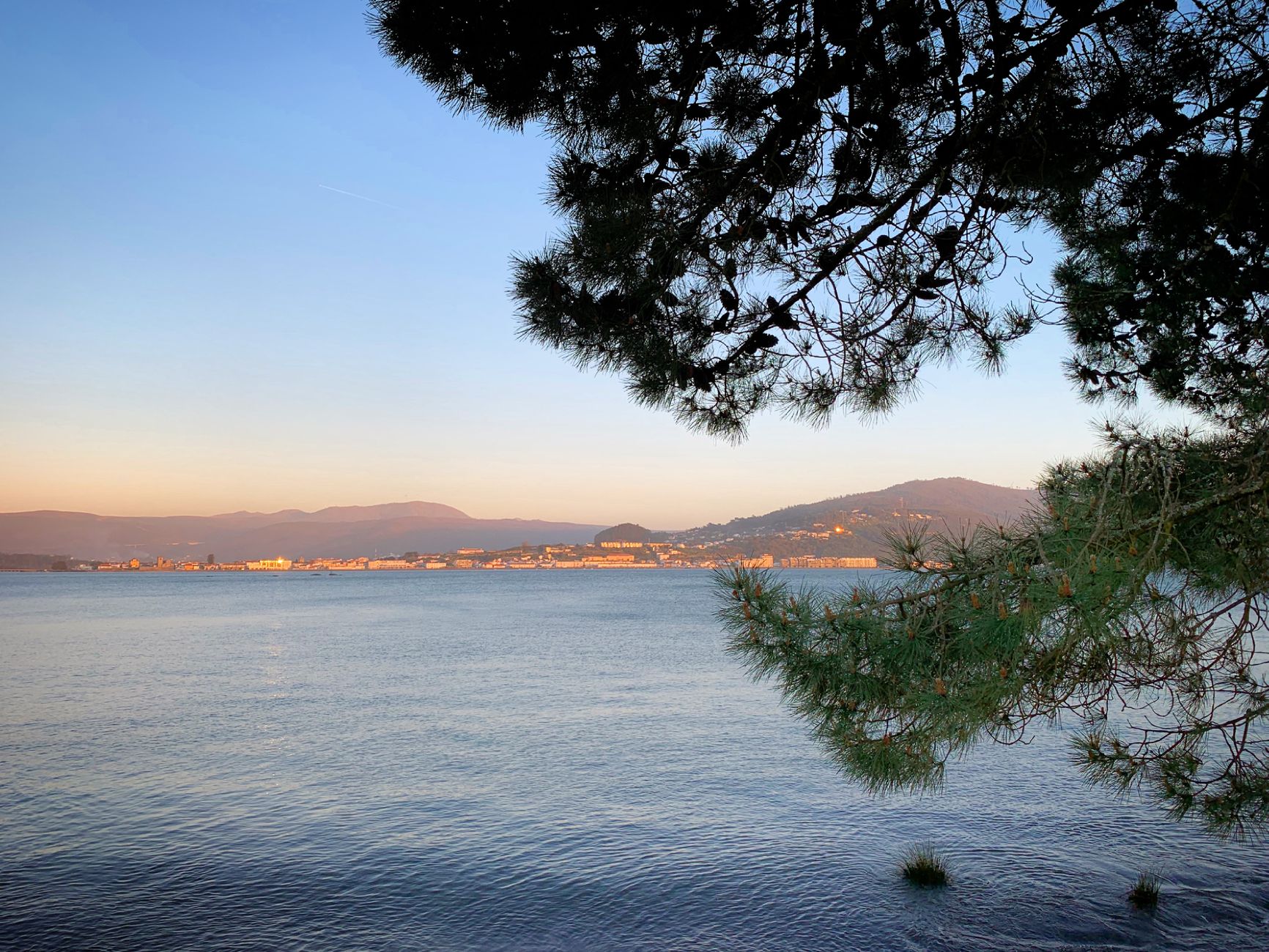
Ferrol sits at the mouth of its own ría on Galicia's Atlantic coast, a city shaped almost entirely by the sea and the state's need to control it. The grid of A Magdalena — six parallel streets approved by Carlos III in 1761, the only rationalist urban plan of its kind built in 18th-century Spain — tells you immediately that this was a place designed from above, with purpose.
The arsenal dominates the waterfront the way a cathedral dominates other cities. Built from 1750 to a design by Julián Sánchez Bort, it was once the largest in Europe. The city that grew around it is quieter now — 64,000 people, a long industrial memory — but the bones of that ambition are still very much standing.
💛 What travellers fall for
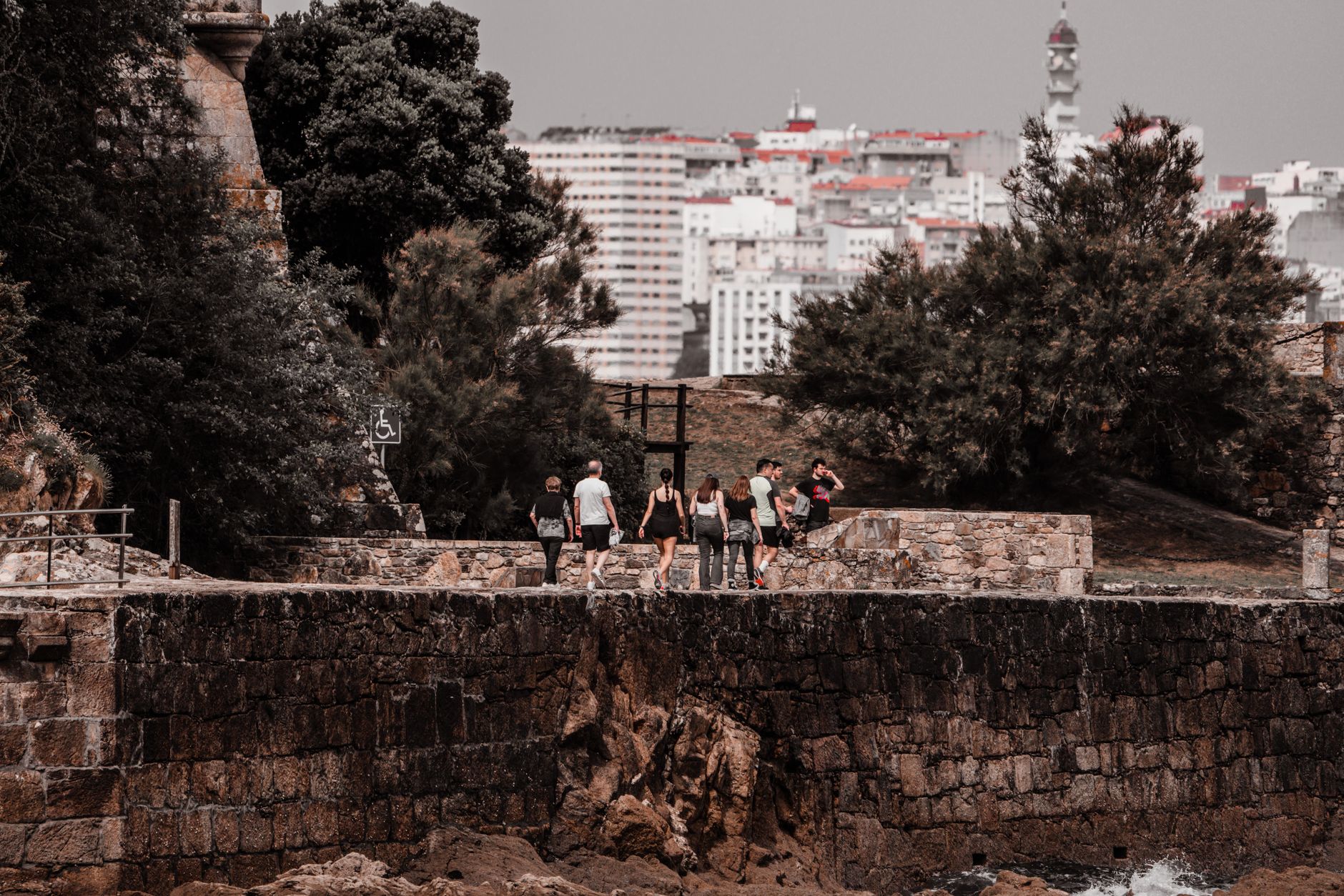
People who come back tend to spend an afternoon at Exponav, the naval construction museum inside the arsenal complex, longer than they planned. The Ferrol Vello waterfront at low tide, with its mix of restored buildings and honest ruins, rewards a slow walk. The Churruca Obelisk in the San Francisco Gardens — raised in 1813 for a man who died at Trafalgar — is easy to miss and worth finding.
Experiences you don't want to miss



Deals in Ferrol
Book directly at the providerHow Ferrol came to be
Pomponius Mela wrote of a Portus Magnus Artabrorum here in AD 43 — a great port of the Artabri people. The name Ferrol appears in a document from 1087, likely derived from the Latin name Ferreolus. But the city as it stands was essentially invented in 1726, when the Spanish crown chose the site as a naval base to anchor Atlantic power. The Royal Dockyards rose between 1726 and 1783; by 1772 the first naval engineering academy in Spain had opened here.
The 19th century was harder. Ferdinand VII moved the fleet to Cádiz, draining Ferrol of both work and population. The city's industrial weight returned grimly during the Franco years — the dictator, born here in 1892, made Ferrol a key repair and construction hub for the Nationalist navy, employing 20,000 workers at its postwar peak. The city received its formal title by Royal Decree in 1858, when Isabella II made the first royal visit.
Who and what shaped it
People who shaped it
Landmark buildings
See Ferrol in motion
Plan your visit
On the map
When to go
Ferrol is Atlantic Galicia: mild, damp and frequently overcast, with rain spread across the year rather than concentrated in one season. Summer brings the most reliable dry spells, though the coast stays cool enough that a layer is rarely unwanted.
Right now
Background & history adapted from Wikipedia (CC BY-SA) · specs from Wikidata (CC0) · weather from Open-Meteo · map data © OpenStreetMap contributors · photos from Wikimedia Commons / Unsplash with per-image credit. No third-party reviews or social posts reproduced.