
Ribadeo
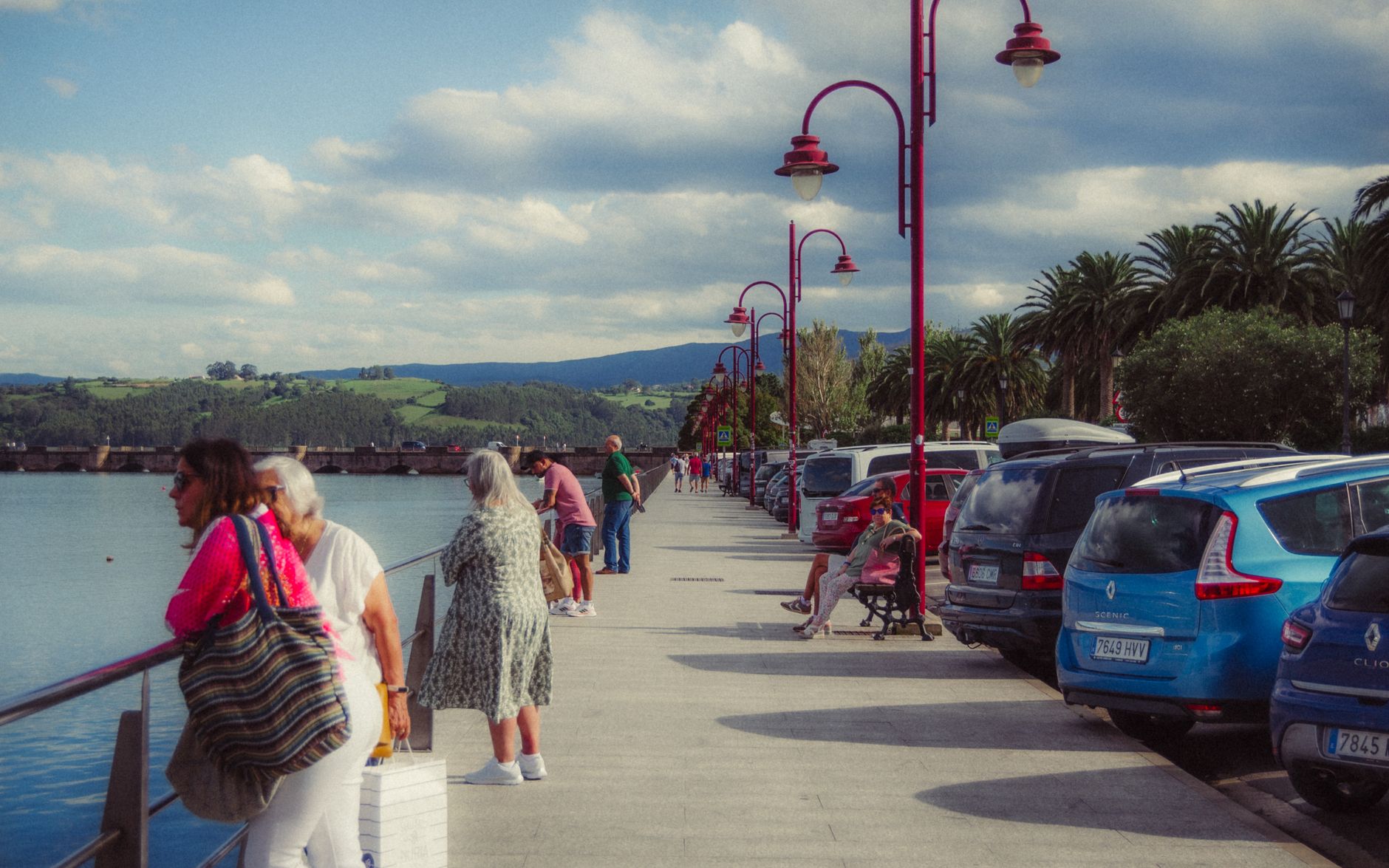
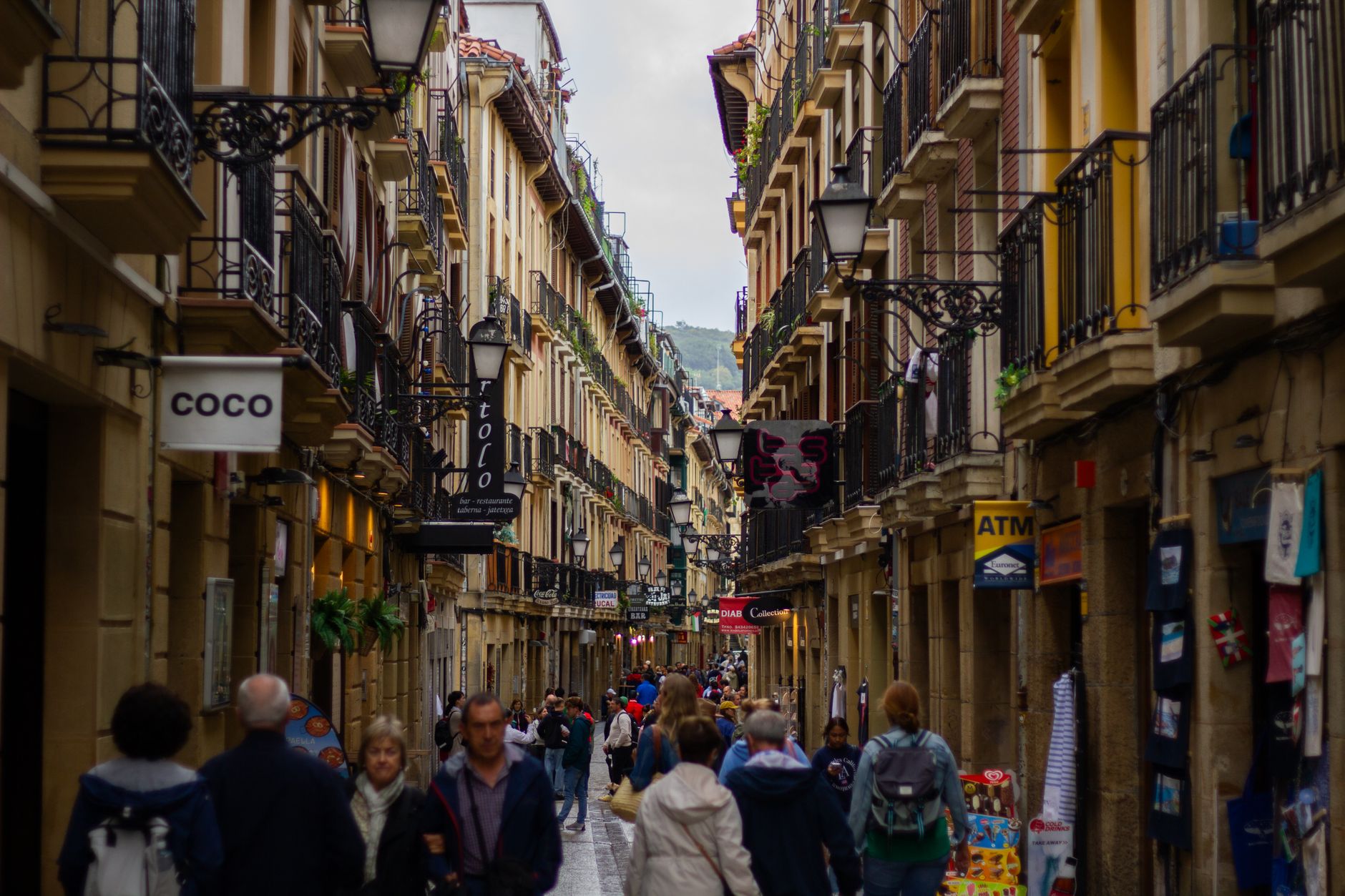
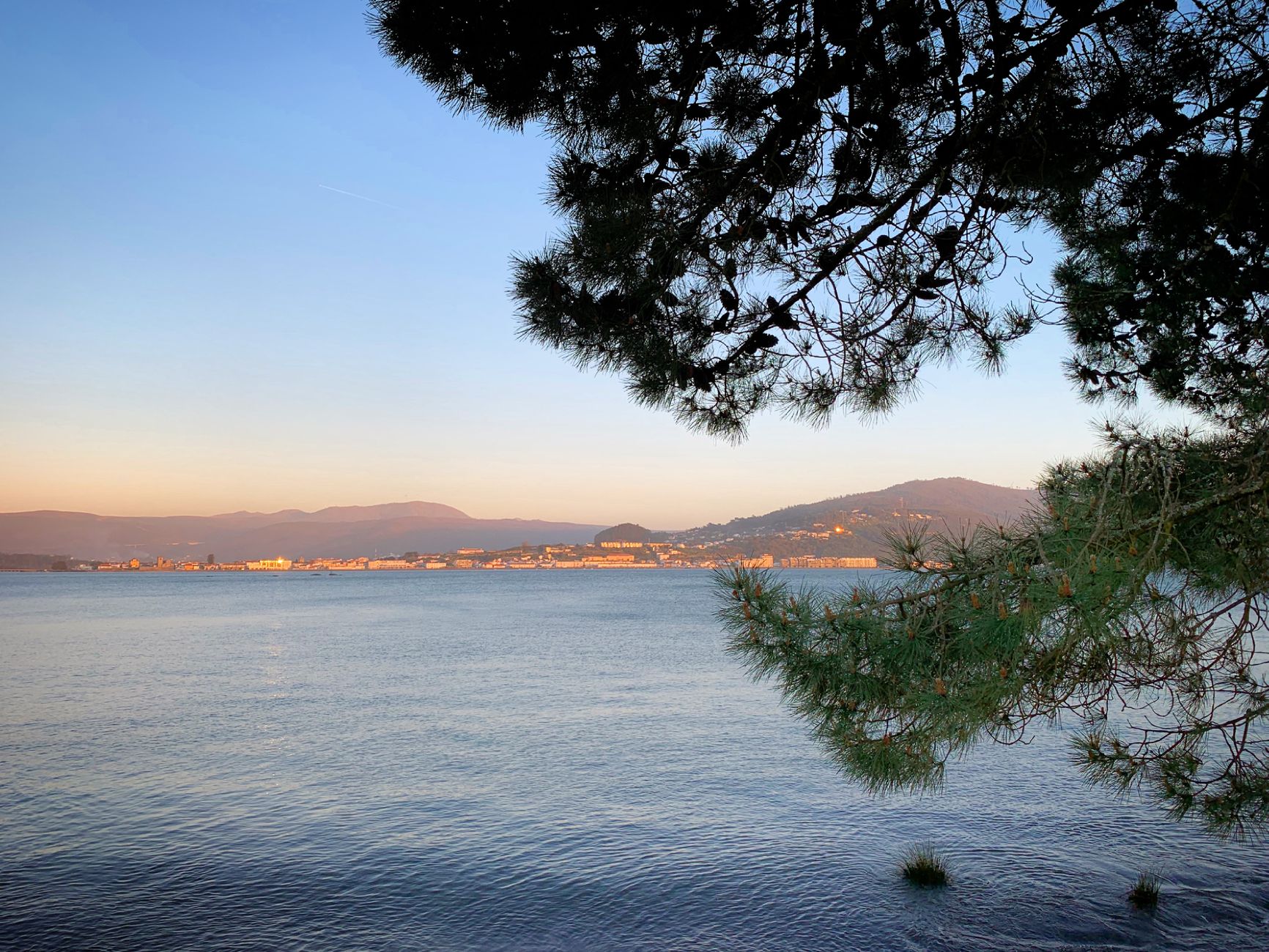
Stand on the Plaza de España in Ribadeo and you have the whole town's story in one frame: a modernist tower built on indiano money, a neoclassical pazo turned city hall, a convent, and a church, all sharing the same square. This small Galician port on the Eo estuary — the river marks the border with Asturias — has been accumulating layers since Alfonso X granted it town status in 1270.
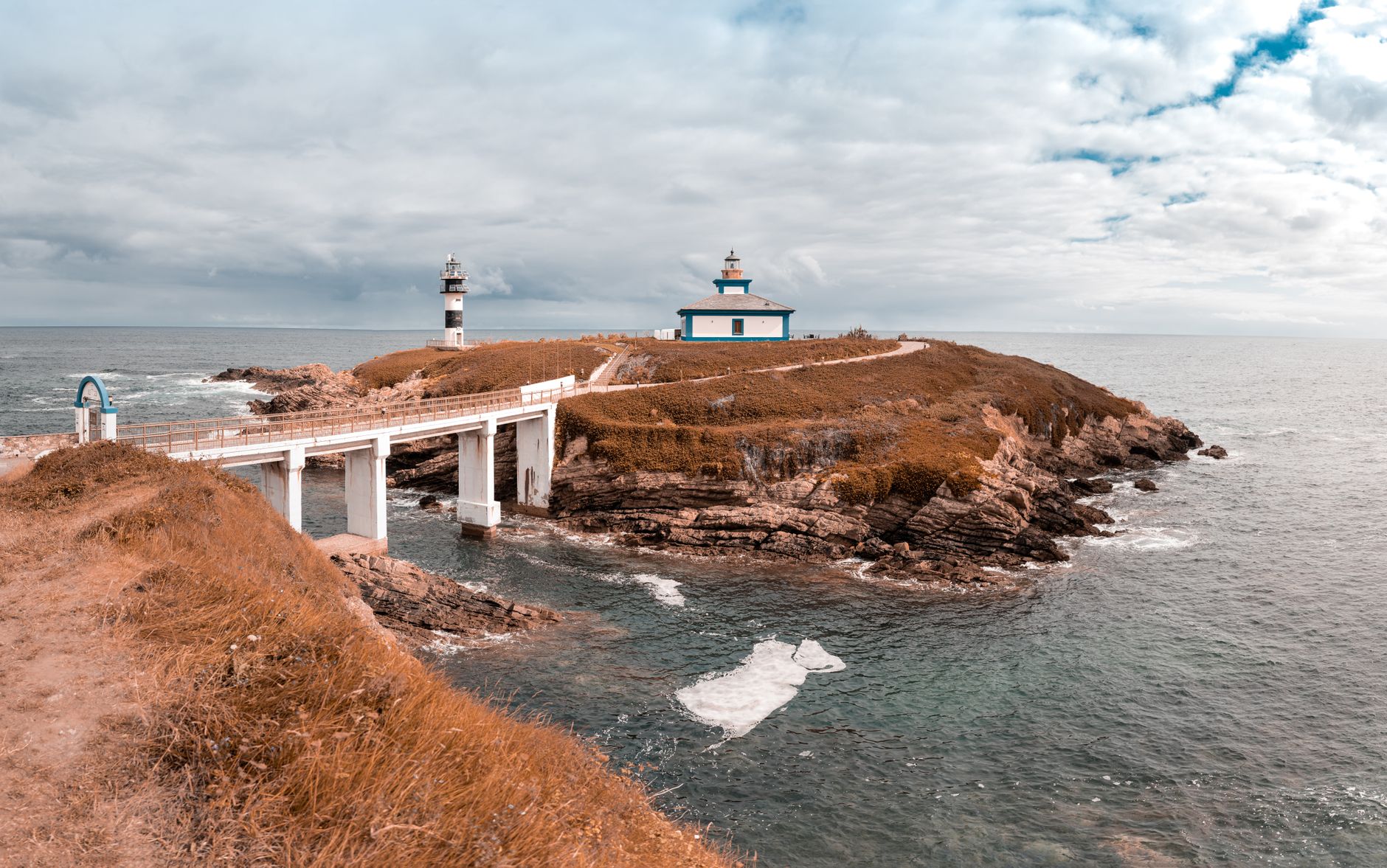
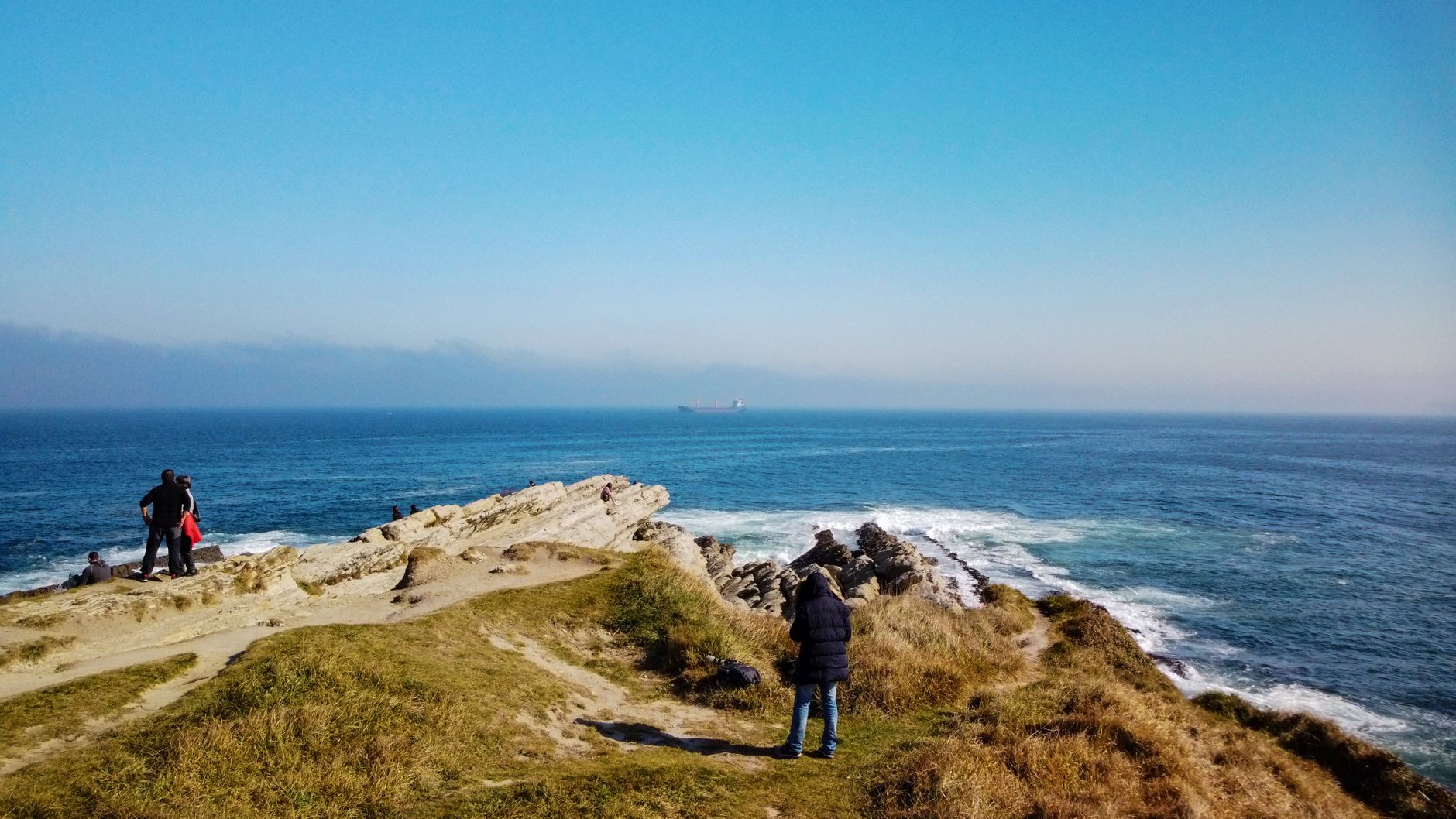
The port made Ribadeo. Linen merchants, Baltic traders, and emigrants who left for the Americas and came back wealthy enough to build mansions all left their mark on the streets. Ten kilometres down the coast, the Atlantic has been doing its own construction work at the Playa de las Catedrales, carving arches and sea caves up to thirty metres tall out of the cliffs.
💛 What travellers fall for
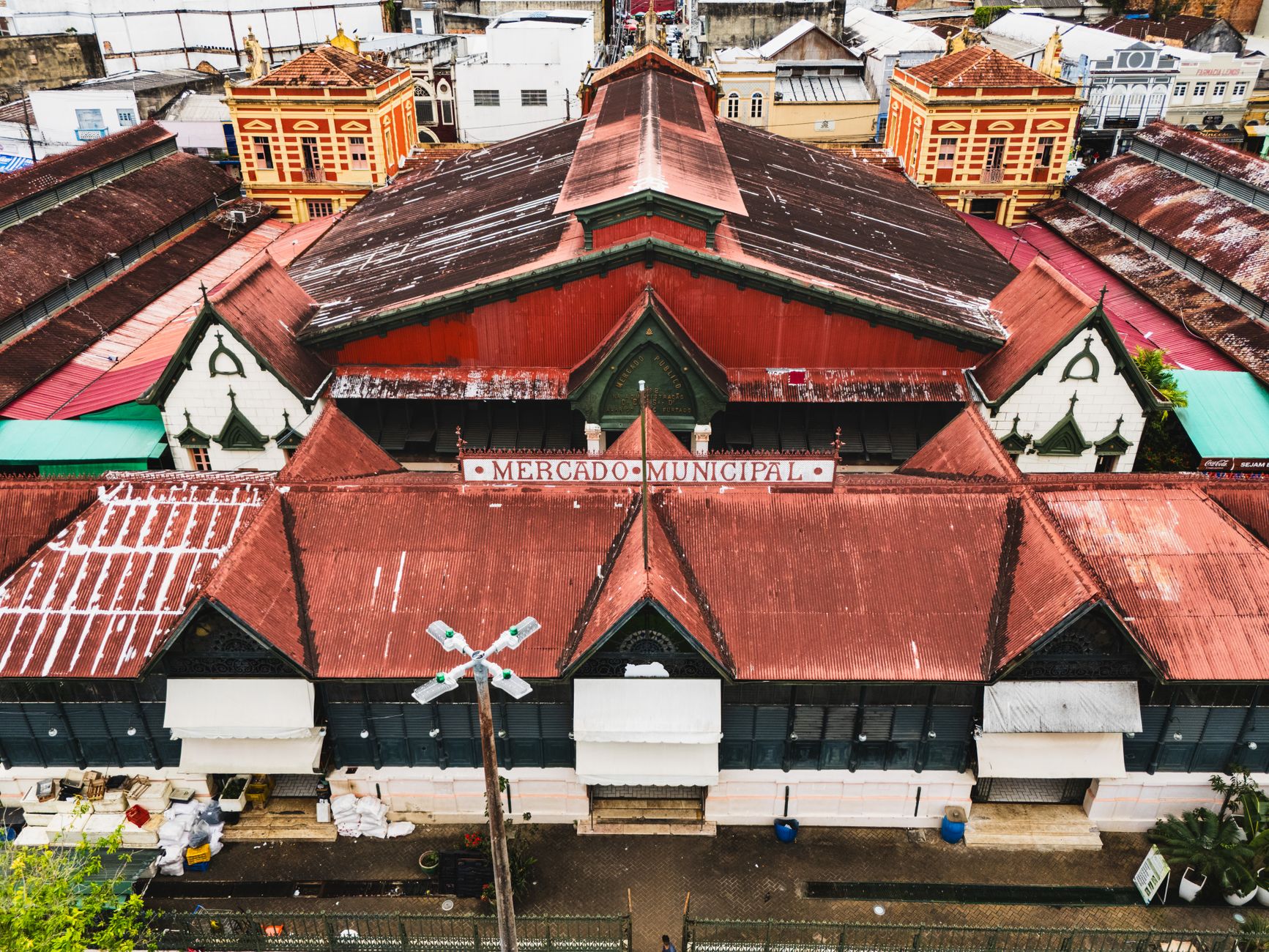
People who come back tend to time the Playa de las Catedrales for a spring morning — outside the July-to-September reservation window, when the rock arches are yours to walk under without a crowd. The market hall, donated by a returning emigrant in 1925, is worth an early stop for the seafood before the stalls thin out.
Experiences you don't want to miss

Deals in Ribadeo
Book directly at the providerHow Ribadeo came to be
Alfonso X of Castile gave Ribadeo its town charter in 1270, but people had been living on these hills since the Iron Age — the remains of several Gallaecian hillforts still mark the surrounding landscape. The town passed through royal hands before being granted to the French nobleman Pierre de Villeines as a reward for service to Enrique de Trastámara, and eventually became a possession of the House of Alba.
The port drove everything. By the seventeenth century, Ribadeo was one of the most active harbours on the Cantabrian coast, handling linen exports and — at one point — serving as the sole entry point for Kümmel liquor imported from Riga. That trade wealth built the manor houses you still see today. The port went into decline in the mid-nineteenth century, outcompeted by Gijón, but a second wave of prosperity arrived with the indianos — emigrants returned from Latin America — who funded buildings like the market hall and shaped the colourful San Roque district.
Who and what shaped it
People who shaped it
Landmark buildings
See Ribadeo in motion
Plan your visit
On the map
When to go
Ribadeo gets the full Atlantic treatment: mild summers rarely exceeding the mid-twenties, wet winters, and a spring that can feel genuinely warm by March. Rain is possible in any month, but July and August are reliably drier — which is also when the coast is at its most crowded.
Right now
Background & history adapted from Wikipedia (CC BY-SA) · specs from Wikidata (CC0) · weather from Open-Meteo · map data © OpenStreetMap contributors · photos from Wikimedia Commons / Unsplash with per-image credit. No third-party reviews or social posts reproduced.