
Valencia
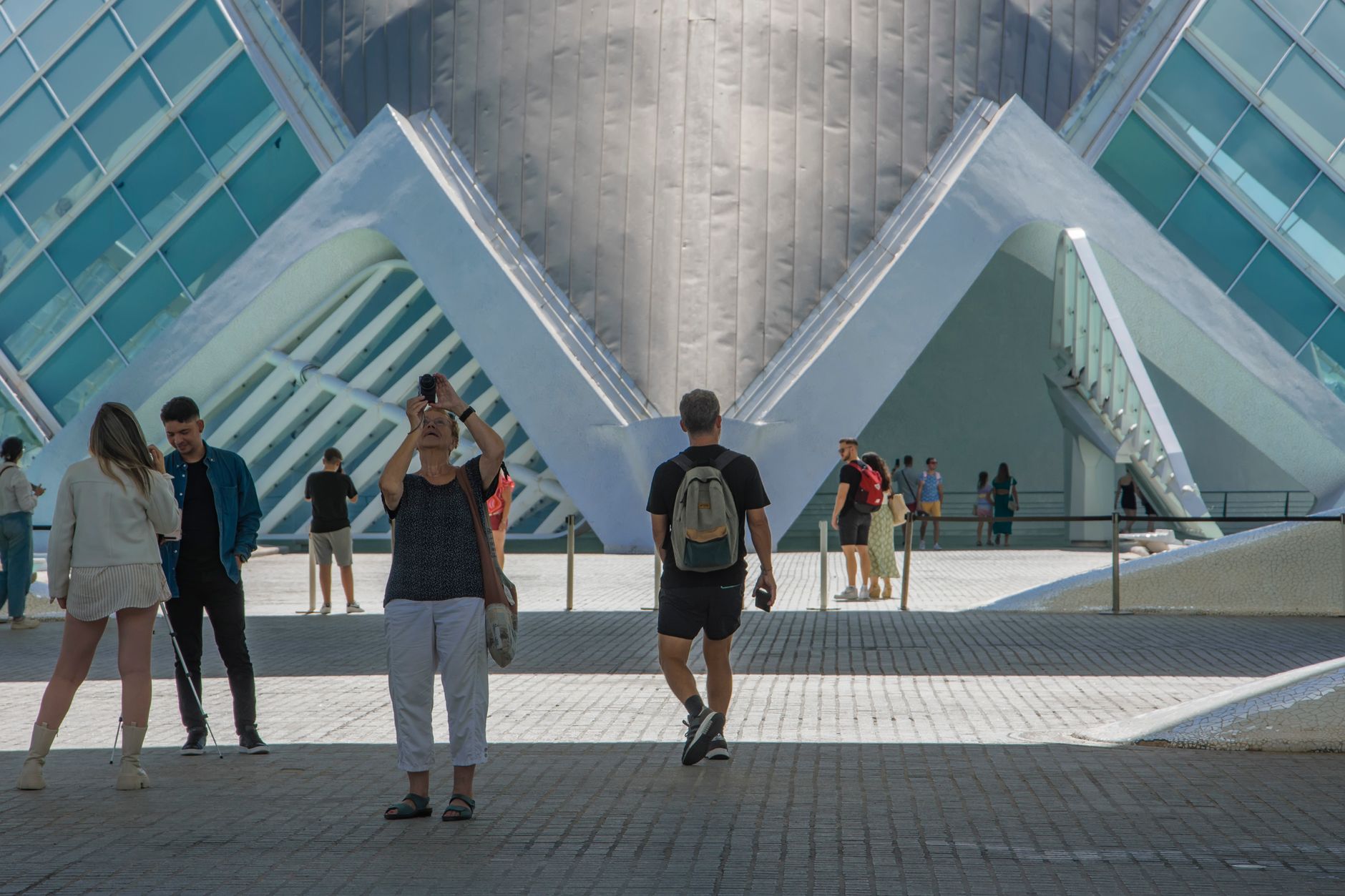
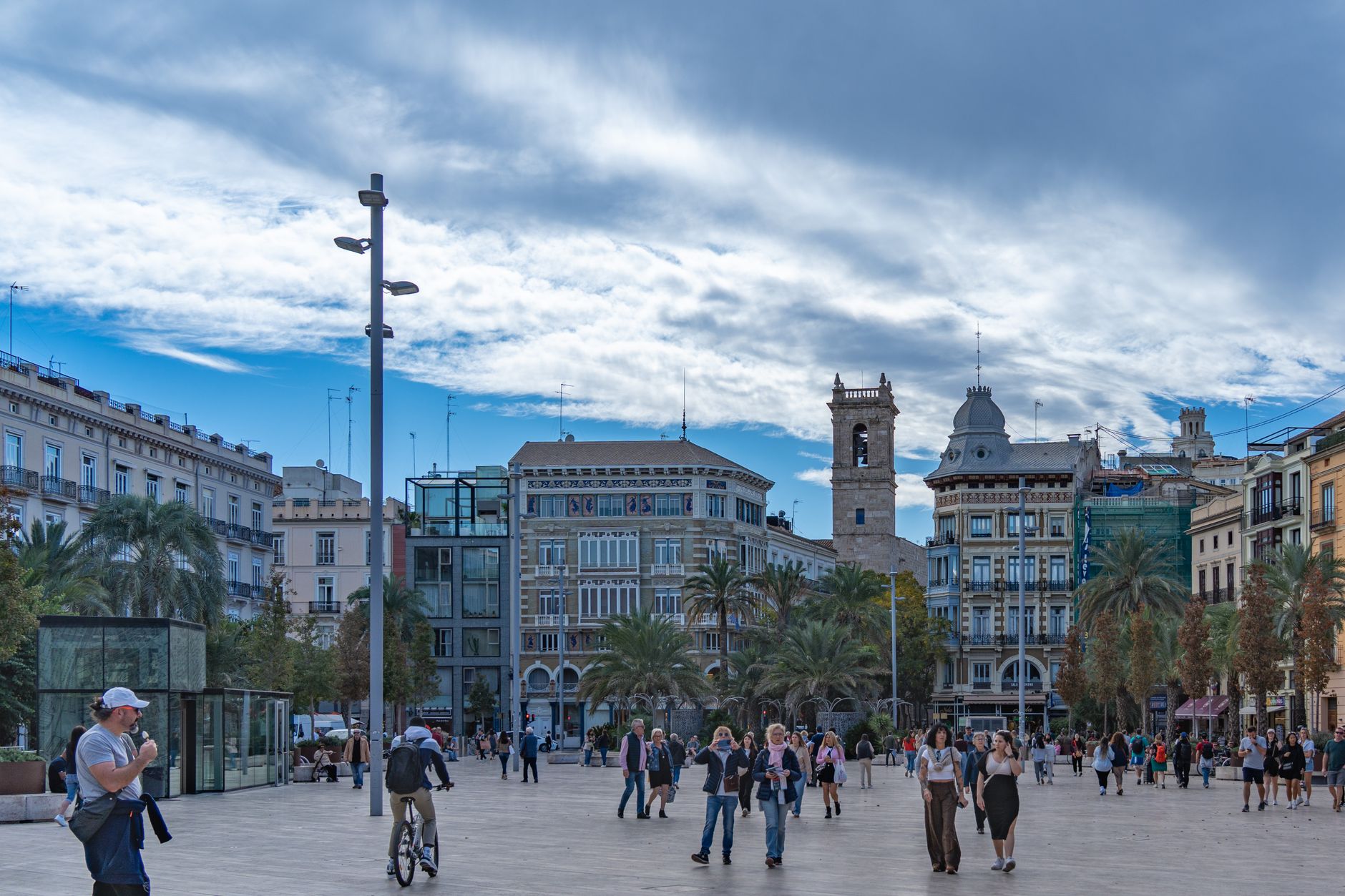
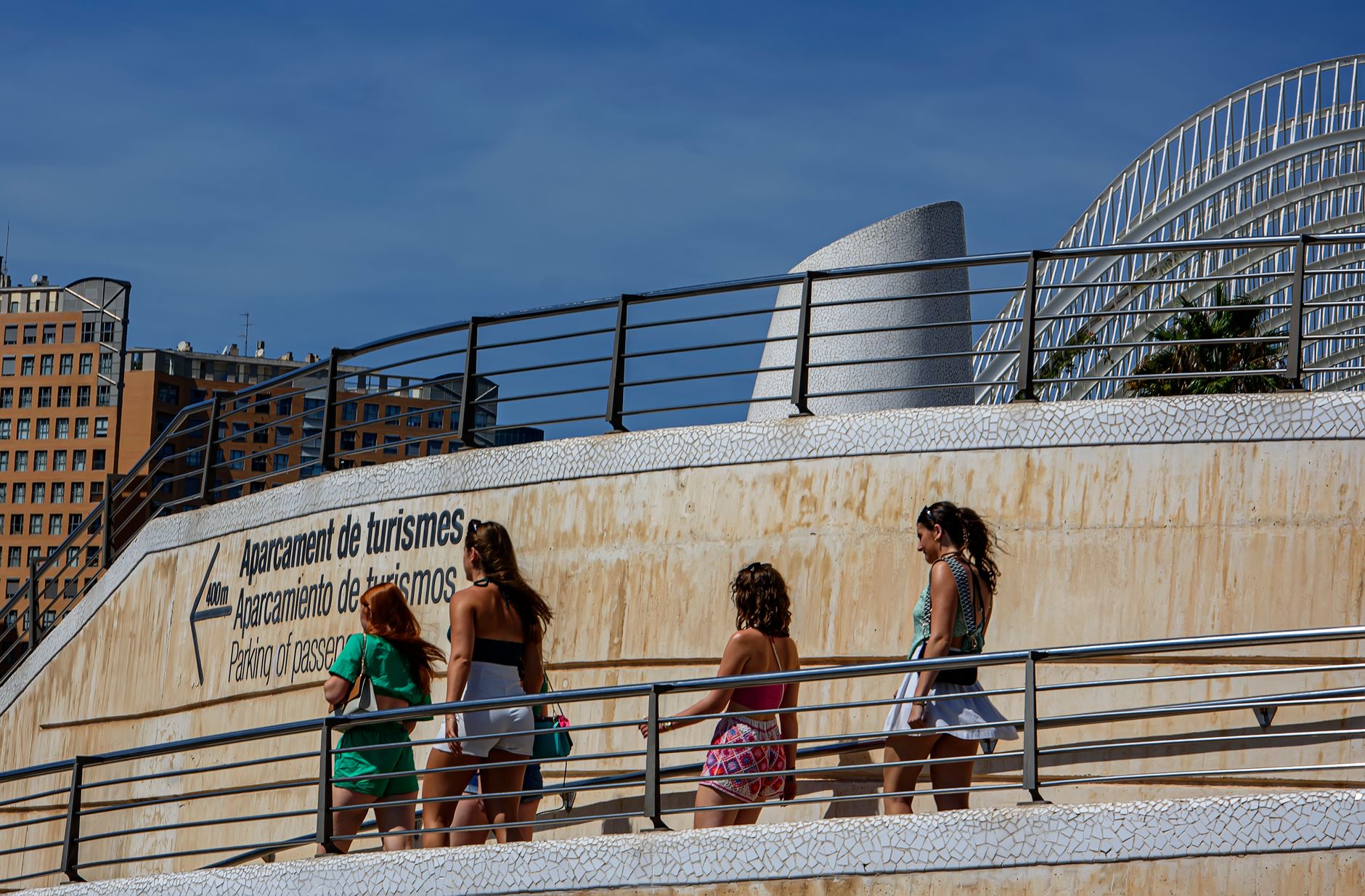
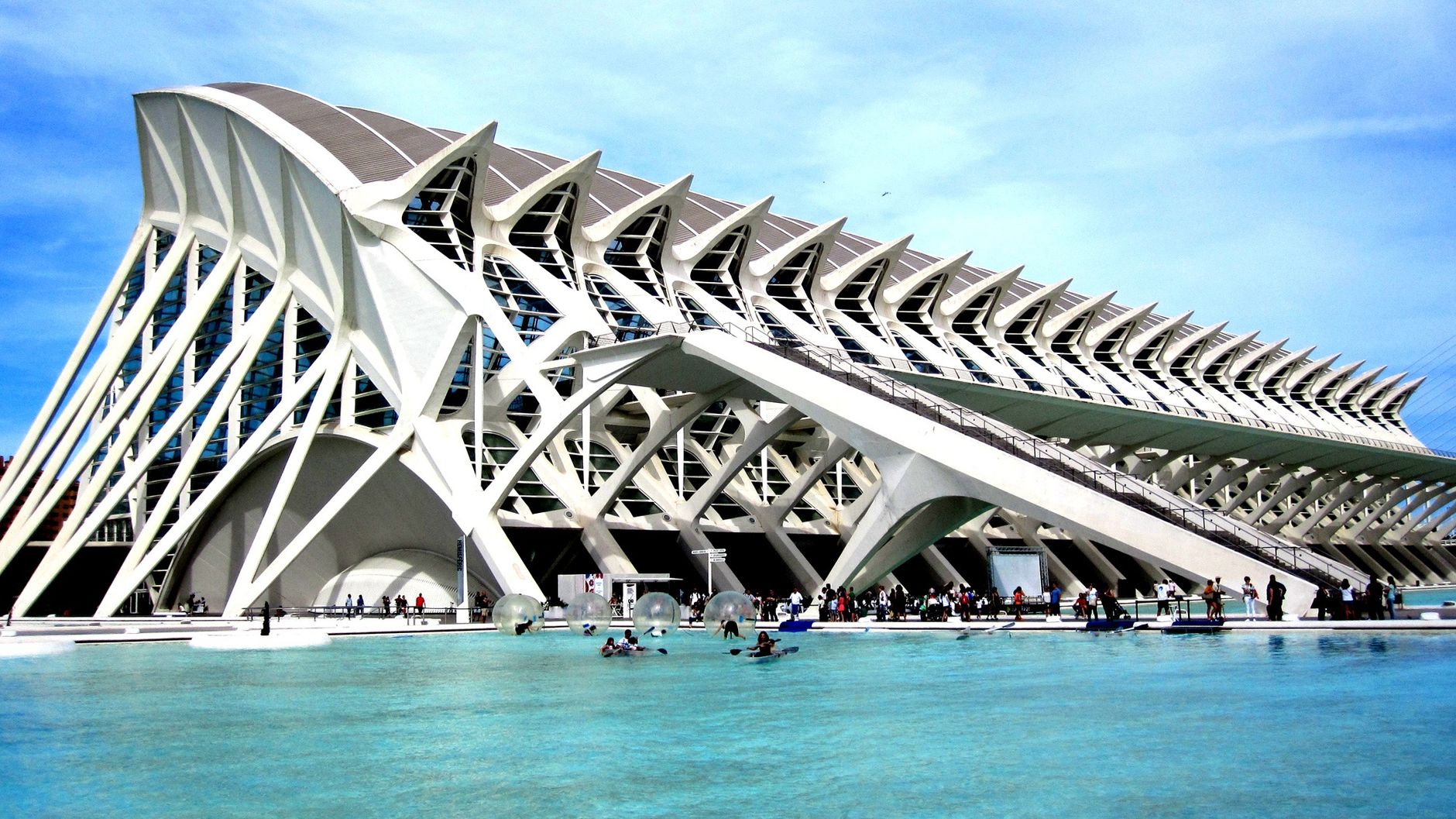
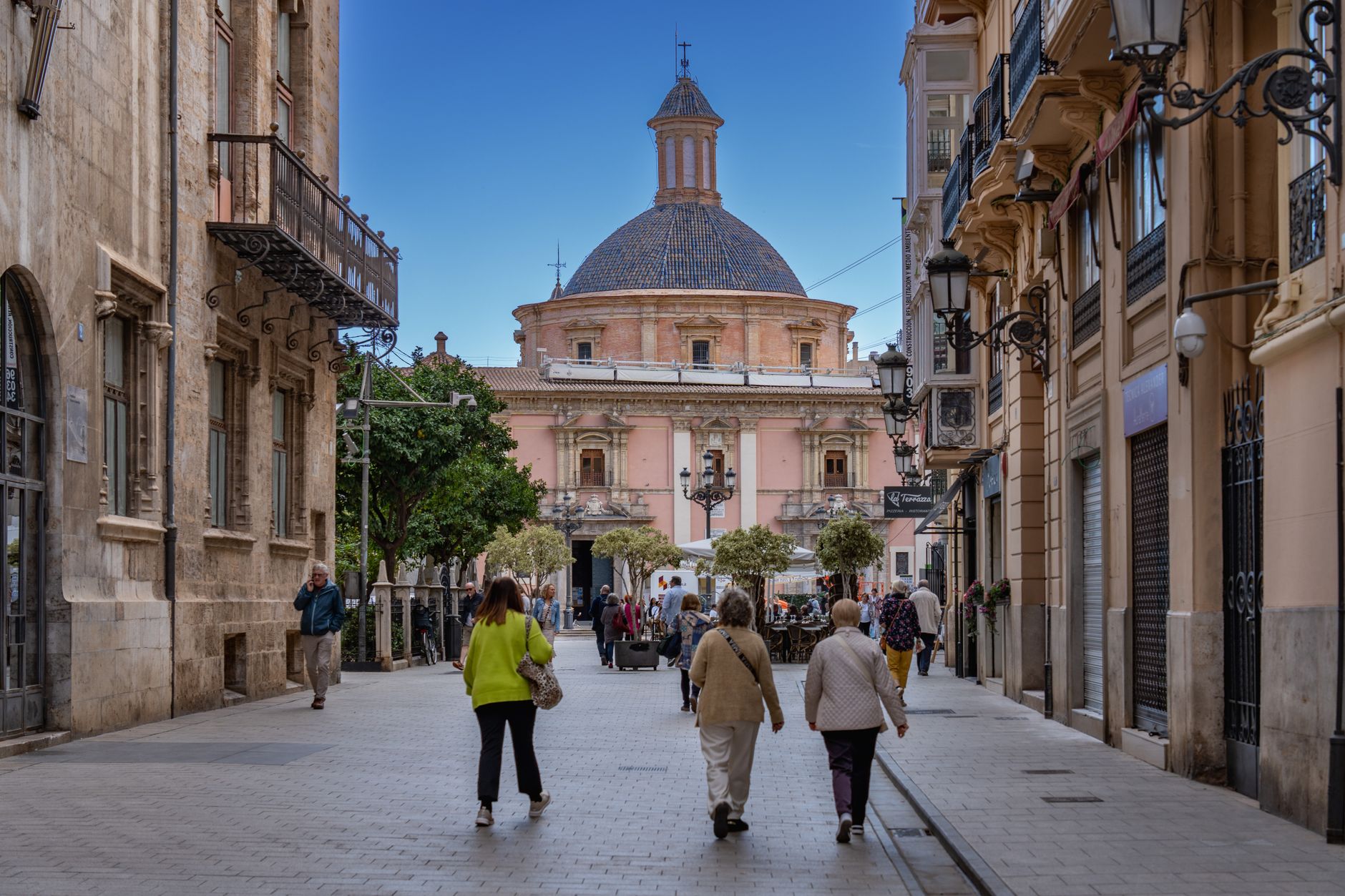
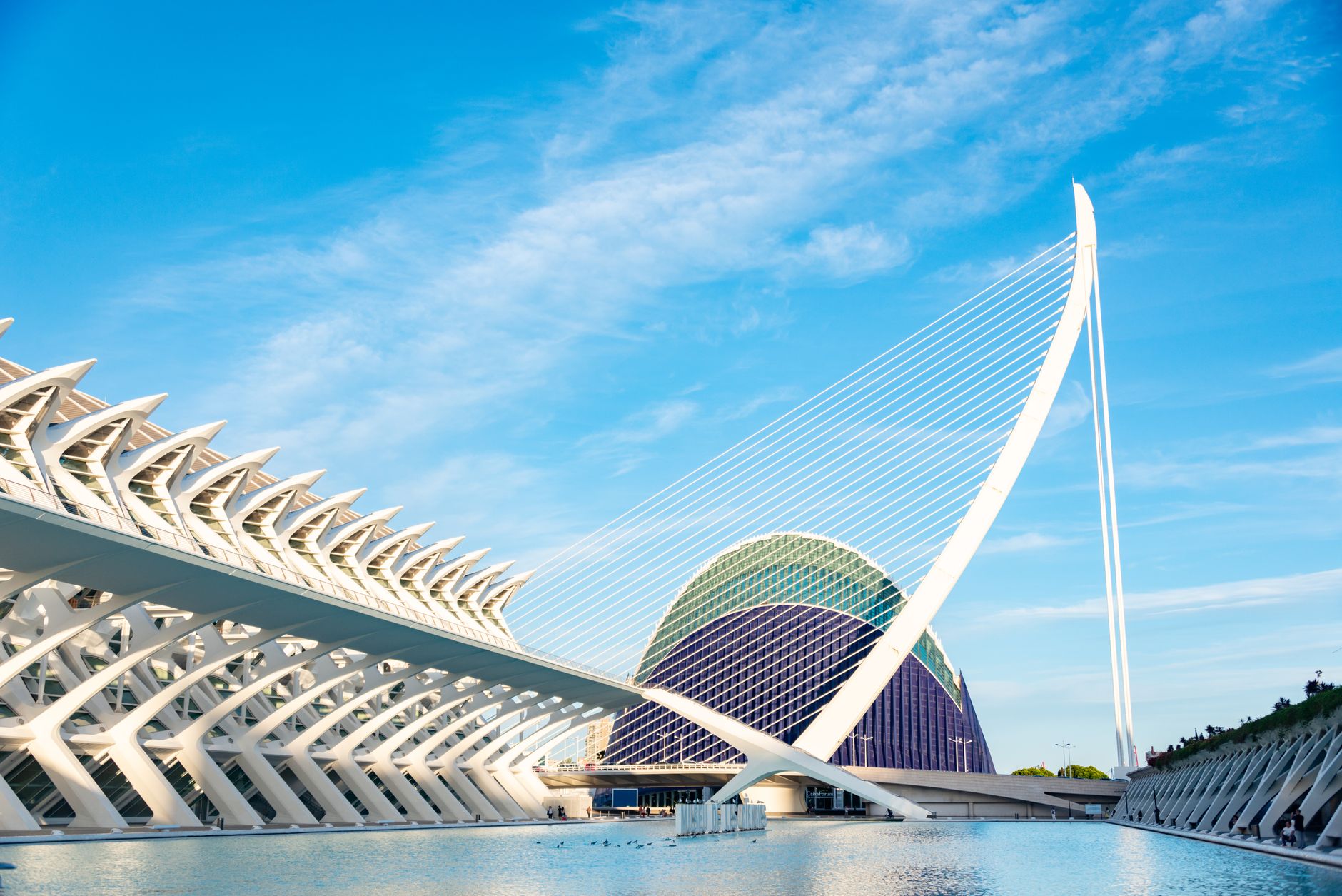
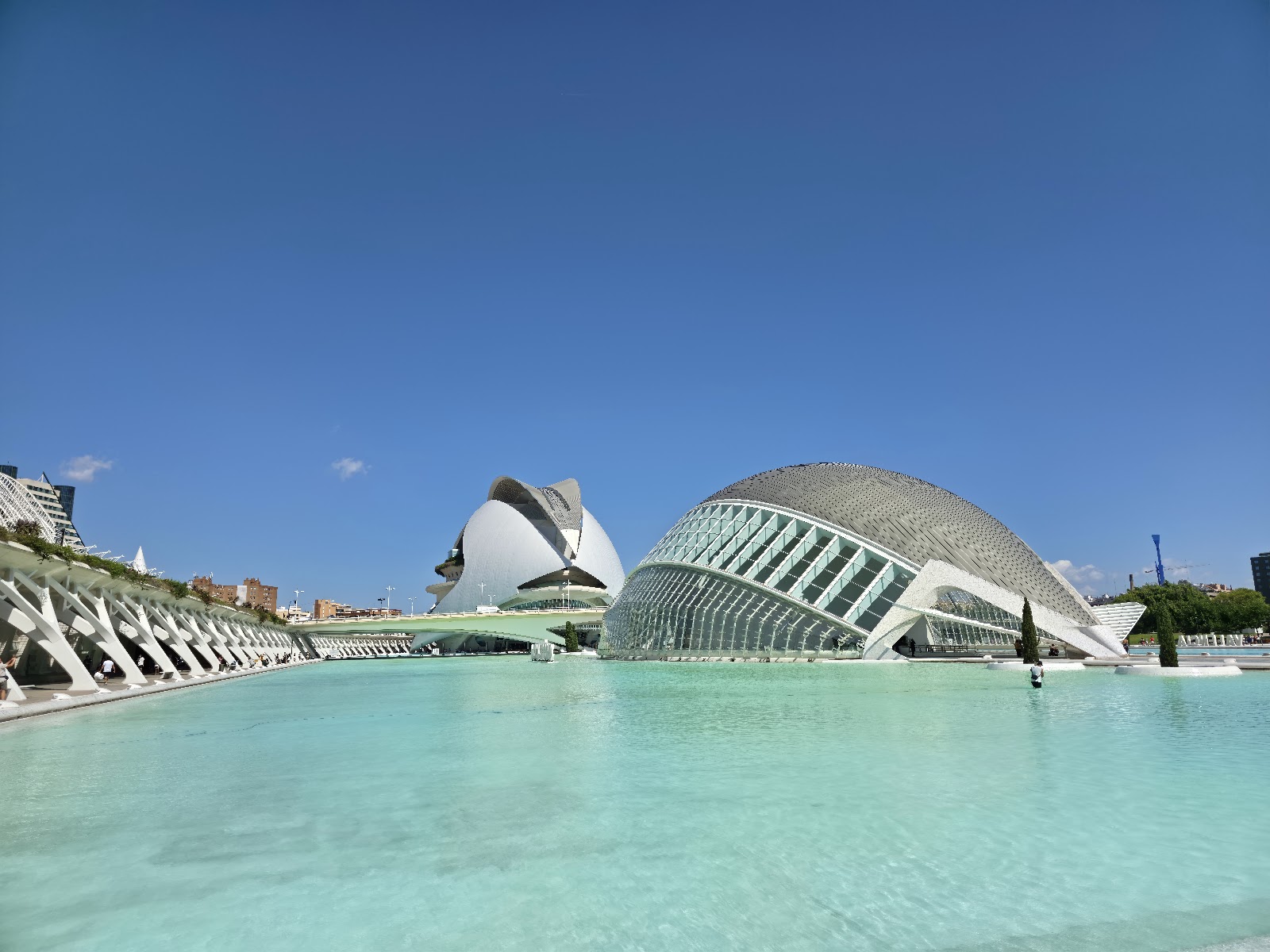
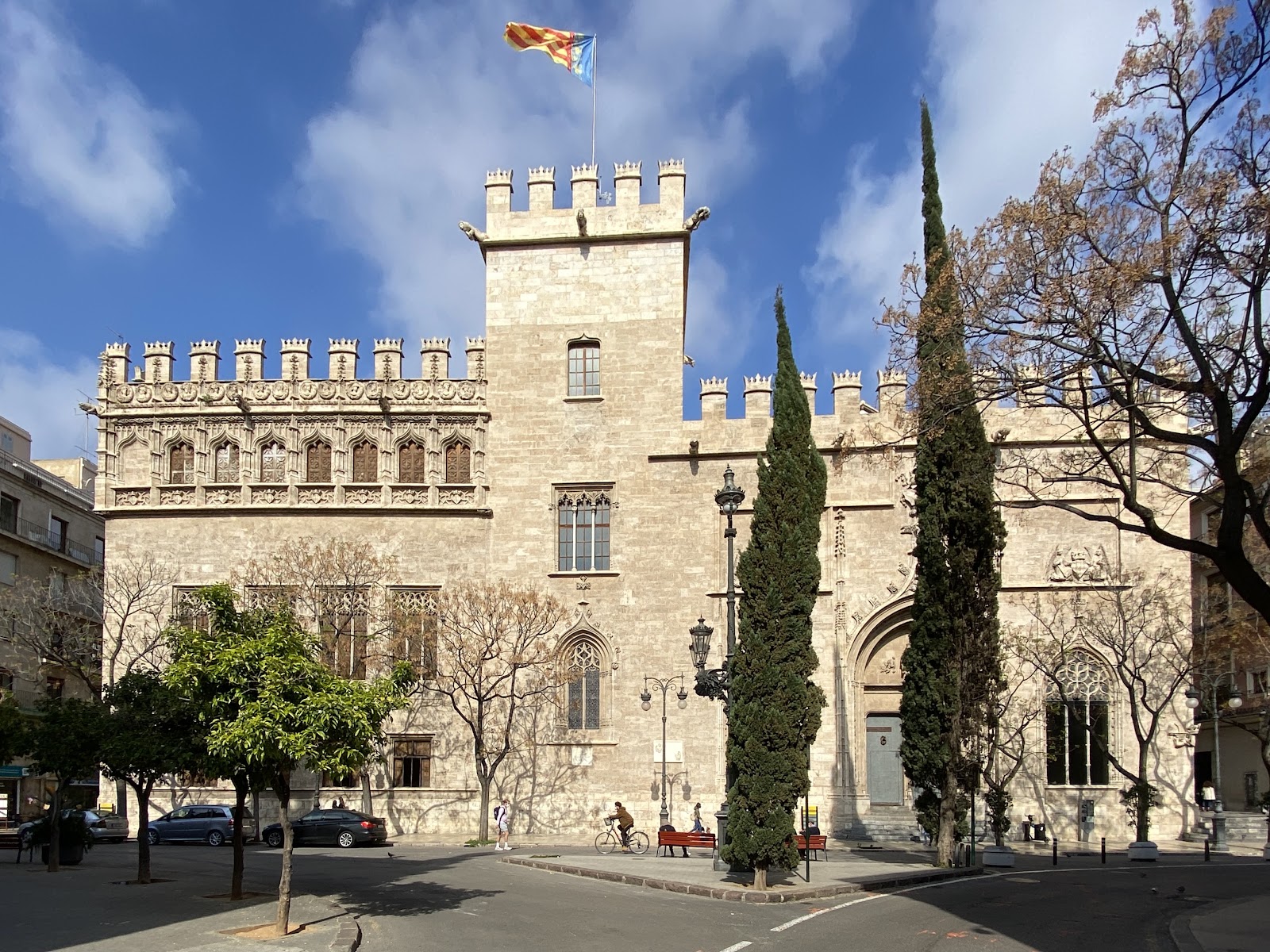
Valencia was founded by Roman veterans in 138 BC, and the city still carries that layered quality — stone on stone, era on era. Walk from the Gothic spiral columns of La Lonja de la Seda to the cracked-mosaic shells of Santiago Calatrava's opera house and you cover two millennia in an afternoon.
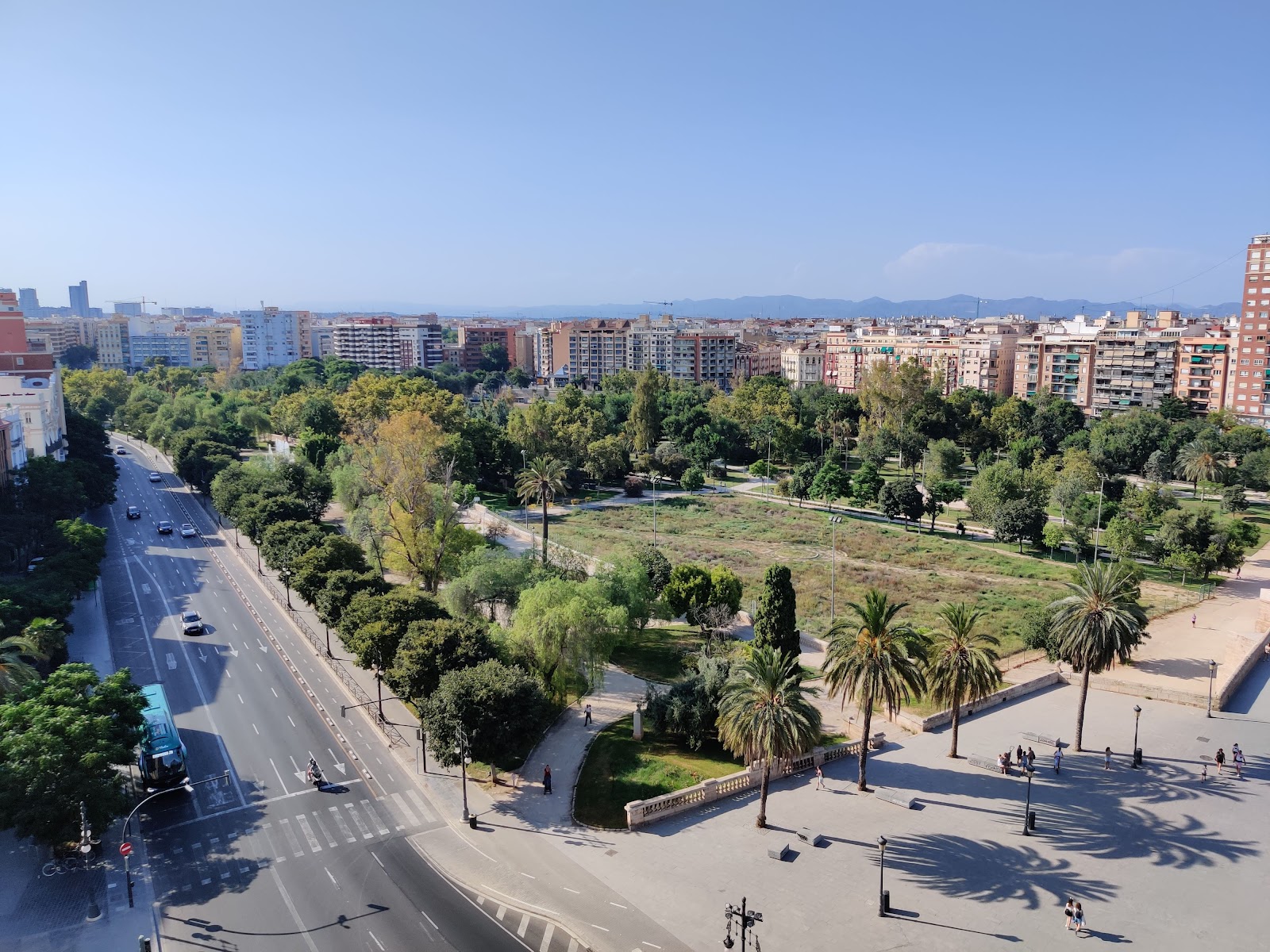
The old Turia riverbed, drained after catastrophic floods in 1957 and converted into a nine-kilometre park, is as good a way as any to read the city's character: pragmatic, unhurried, quietly confident in its own solutions.
💛 What travellers fall for
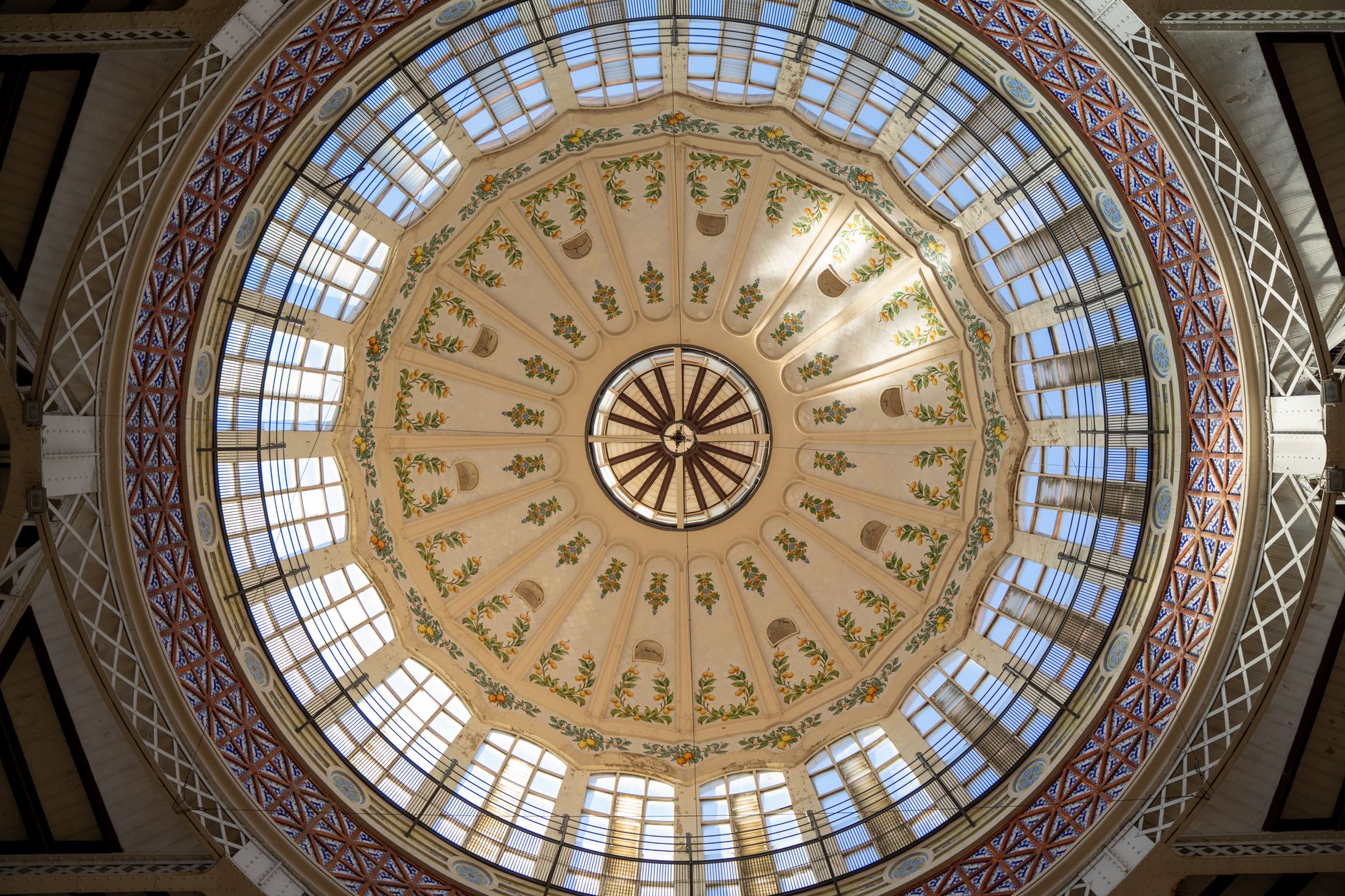
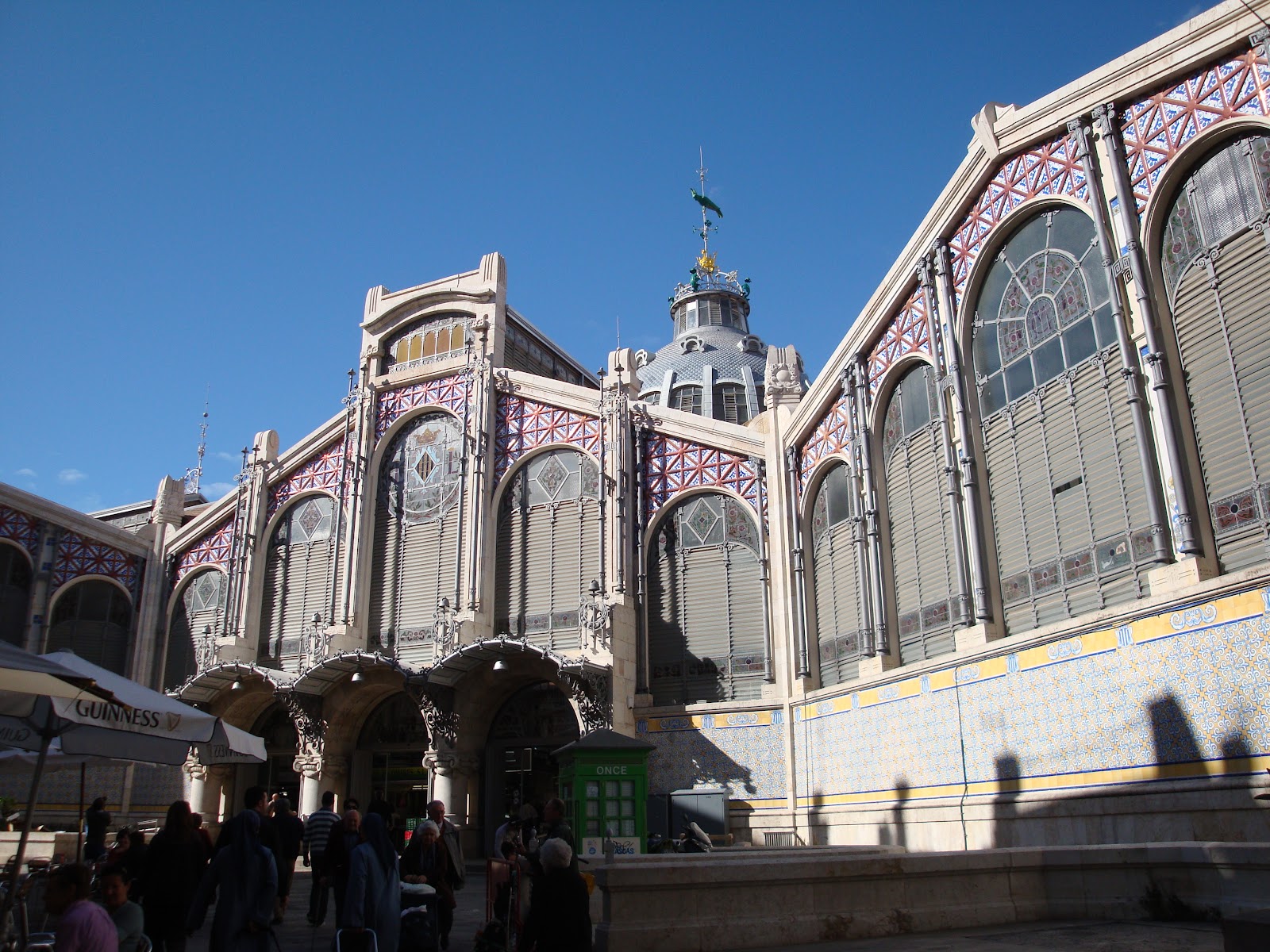
People who keep coming back tend to anchor their mornings at the Mercado de Colón — the 1917 Art Nouveau market hall — before the heat sets in, then use the Metrovalencia to skip the midday sun entirely. The Tourist Card pays for itself fast if you're moving between the historic centre and the City of Arts and Sciences more than once.
Experiences you don't want to miss


Deals in Valencia
Book directly at the provider
How Valencia came to be
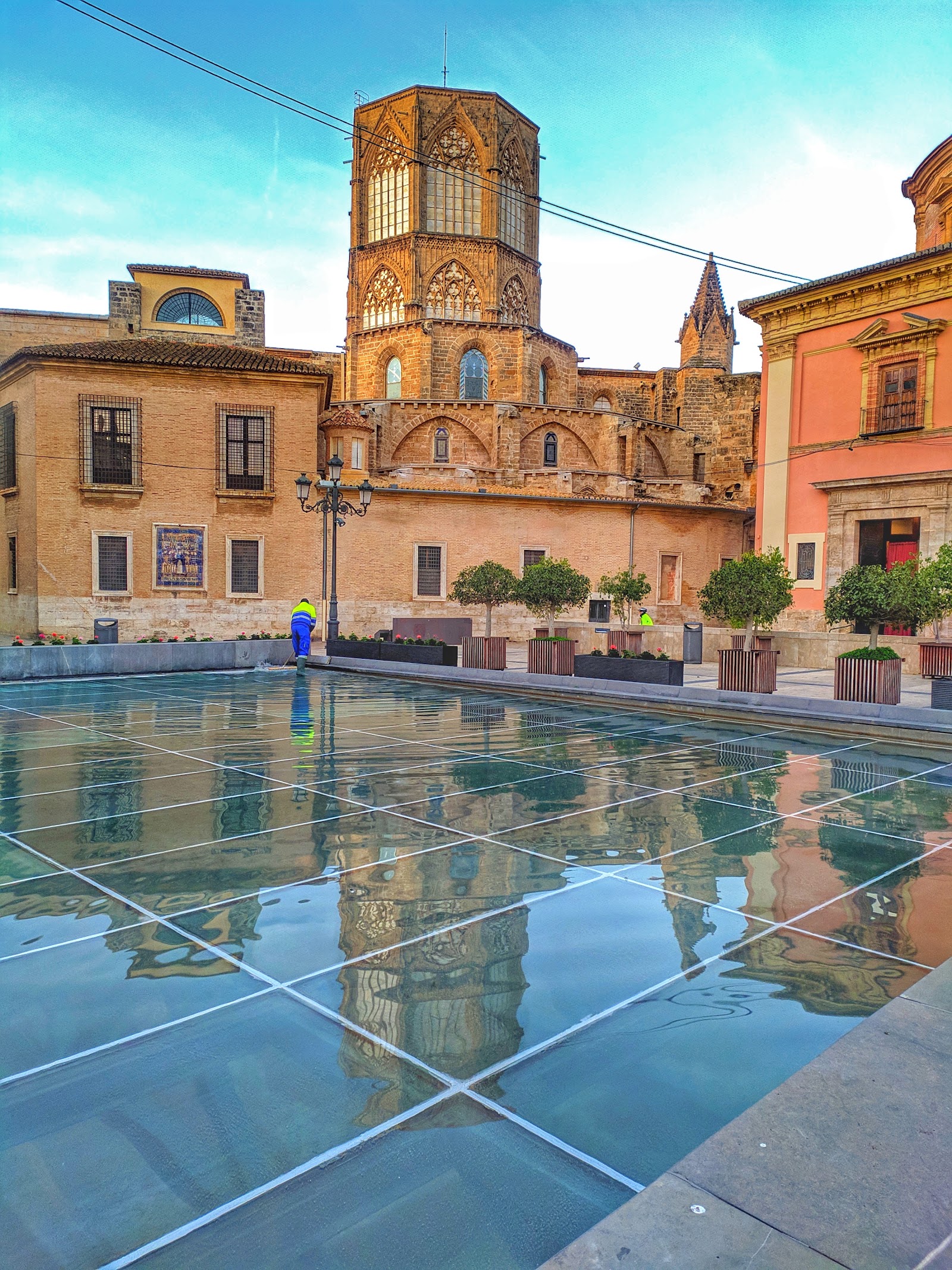
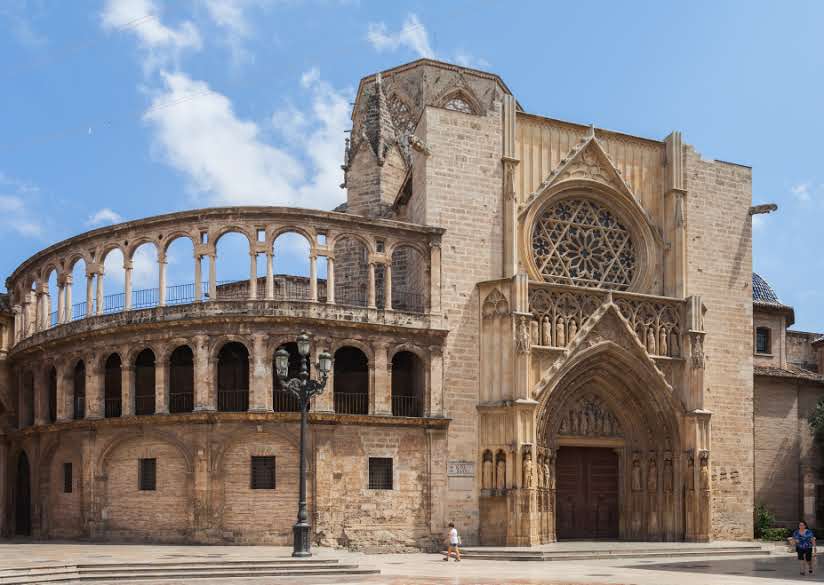
Rome planted the city in 138 BC when consul Decimus Junius Brutus Callaicus settled roughly 2,000 veteran soldiers here — the name Valentia meant strength or valour. Pompey razed it in 75 BC; it was rebuilt within a generation. Muslim rule began in 714 AD through a bloodless surrender, and the city absorbed five centuries of that culture before James I of Aragon rode in on October 9, 1238, consecrated the cathedral on the site of the main mosque, and established the Furs, a legal charter that would govern Valencian life for centuries.
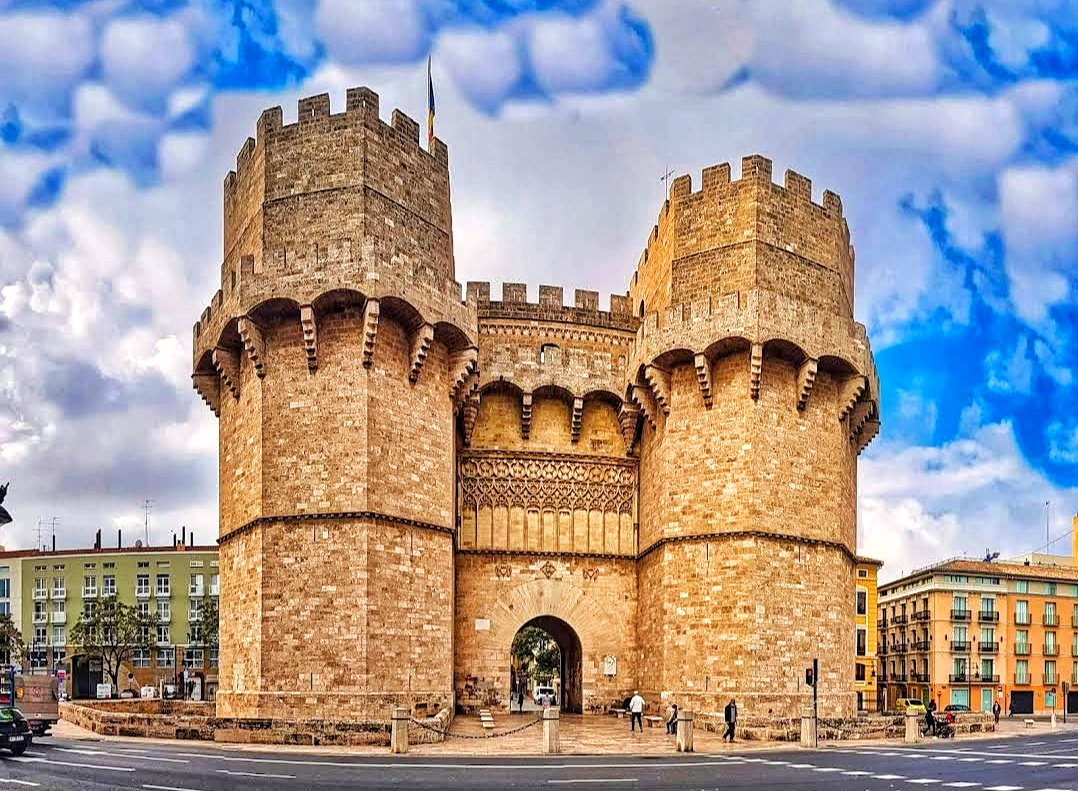
The 14th and 15th centuries were the city's commercial peak — maritime trade and silk made it one of the wealthiest ports in the Mediterranean, and that money built La Lonja. The expulsion of Jews and Moors in 1609 ended an era. Two Valencian-born popes, Calixtus III and Alexander VI of the Borgia family, had already carried the city's name to Rome long before then.
Who and what shaped it
People who shaped it
Landmark buildings
See Valencia in motion
Plan your visit
On the map
When to go
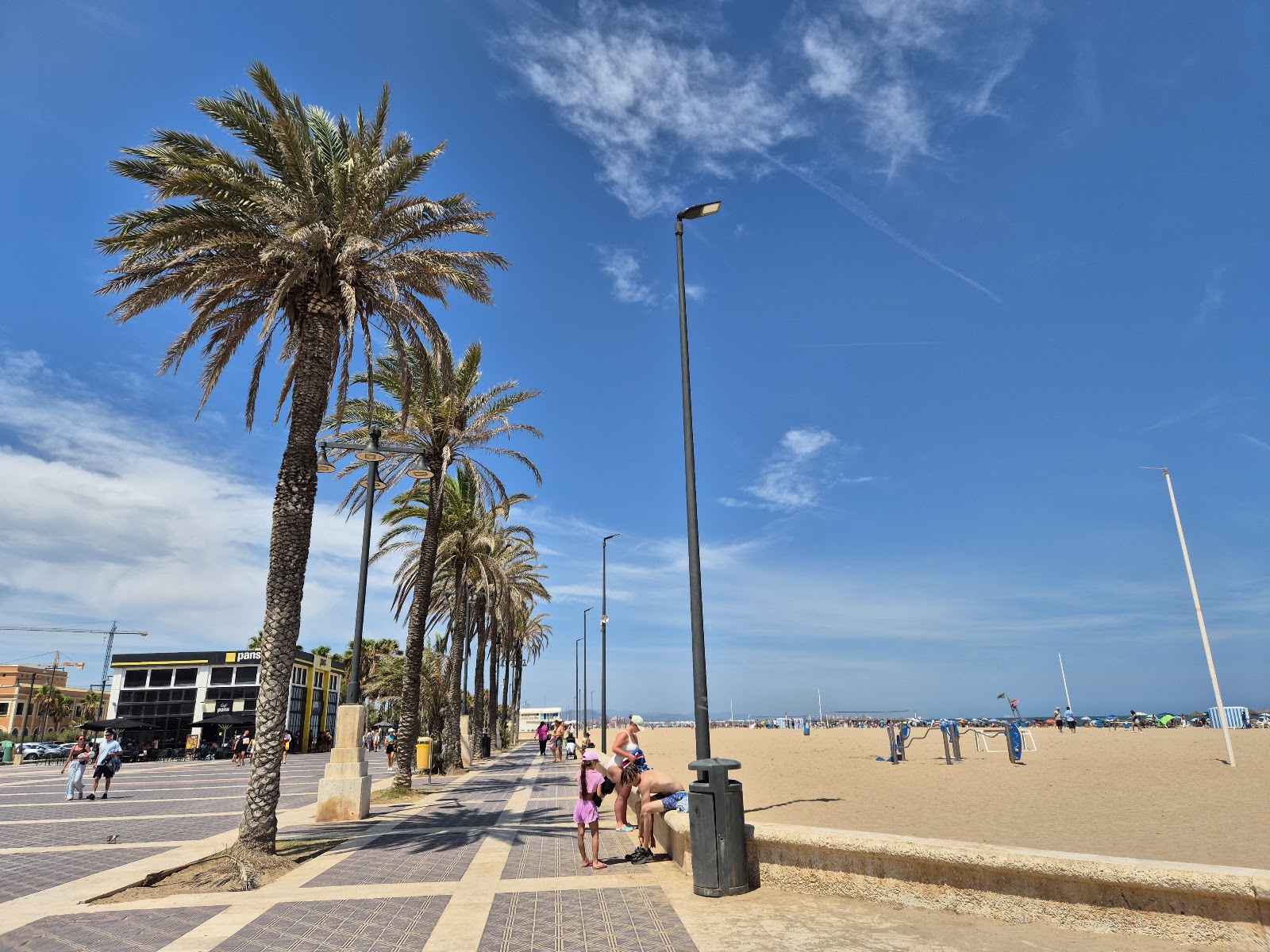
Summers run hot — 30 to 32°C through July and August — with reliable sun and warm sea. Winters are mild by day but cool at night, and autumn is the wettest season, occasionally dramatically so.
Right now
↡ Attractions
Background & history adapted from Wikipedia (CC BY-SA) · specs from Wikidata (CC0) · weather from Open-Meteo · map data © OpenStreetMap contributors · photos from Wikimedia Commons / Unsplash with per-image credit. No third-party reviews or social posts reproduced.