
La Lonja de la Seda
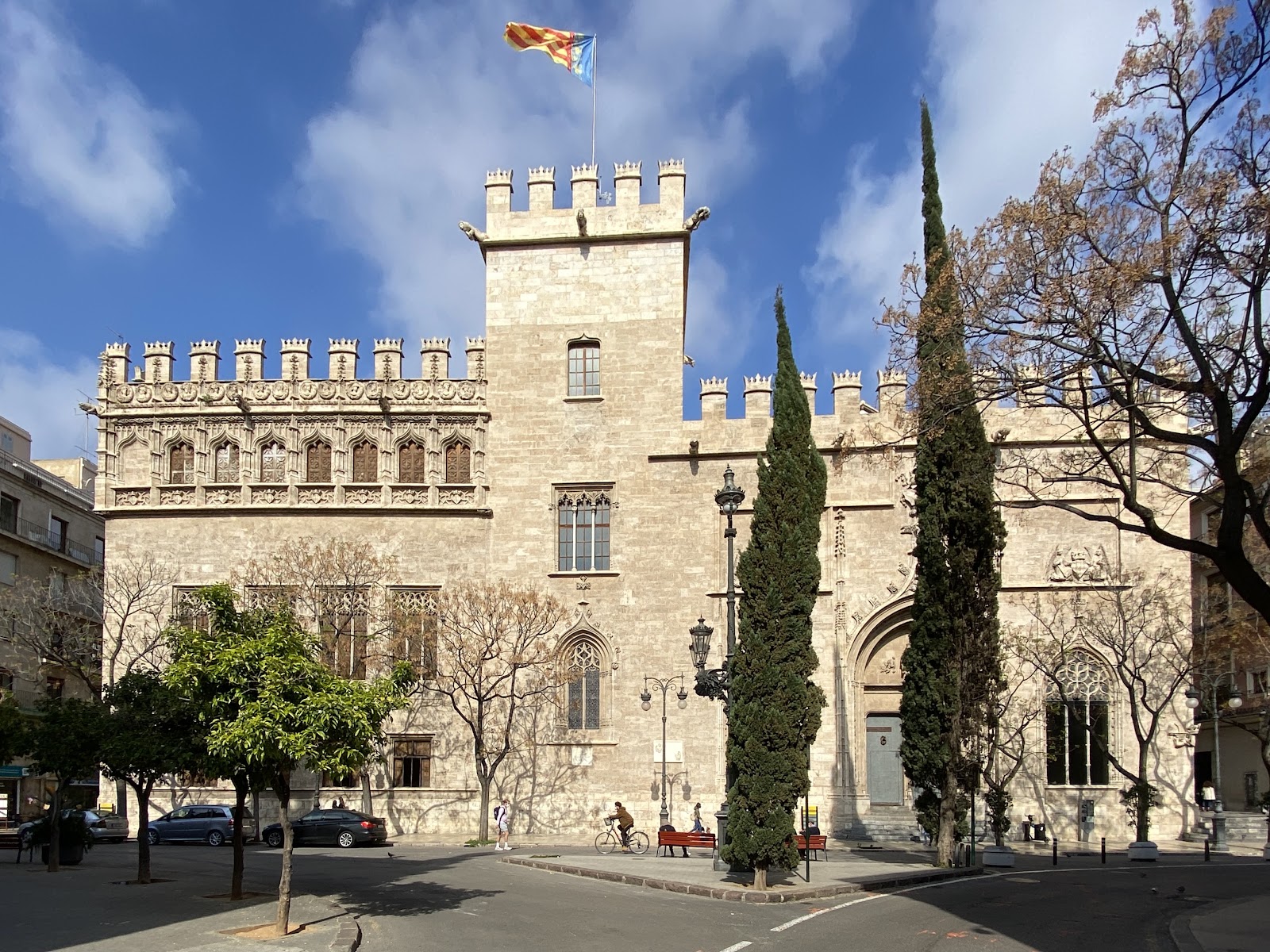
The first thing you notice inside the Sala de Contractació is the columns — eight helical stone shafts that spiral upward like something between architecture and rope-making, dividing the great hall into three long naves. This was a working room, built for merchants trading Valencian silk, and the inscription running in golden letters around the walls makes the building's moral position clear: honest dealing leads to eternal life, usury does not.
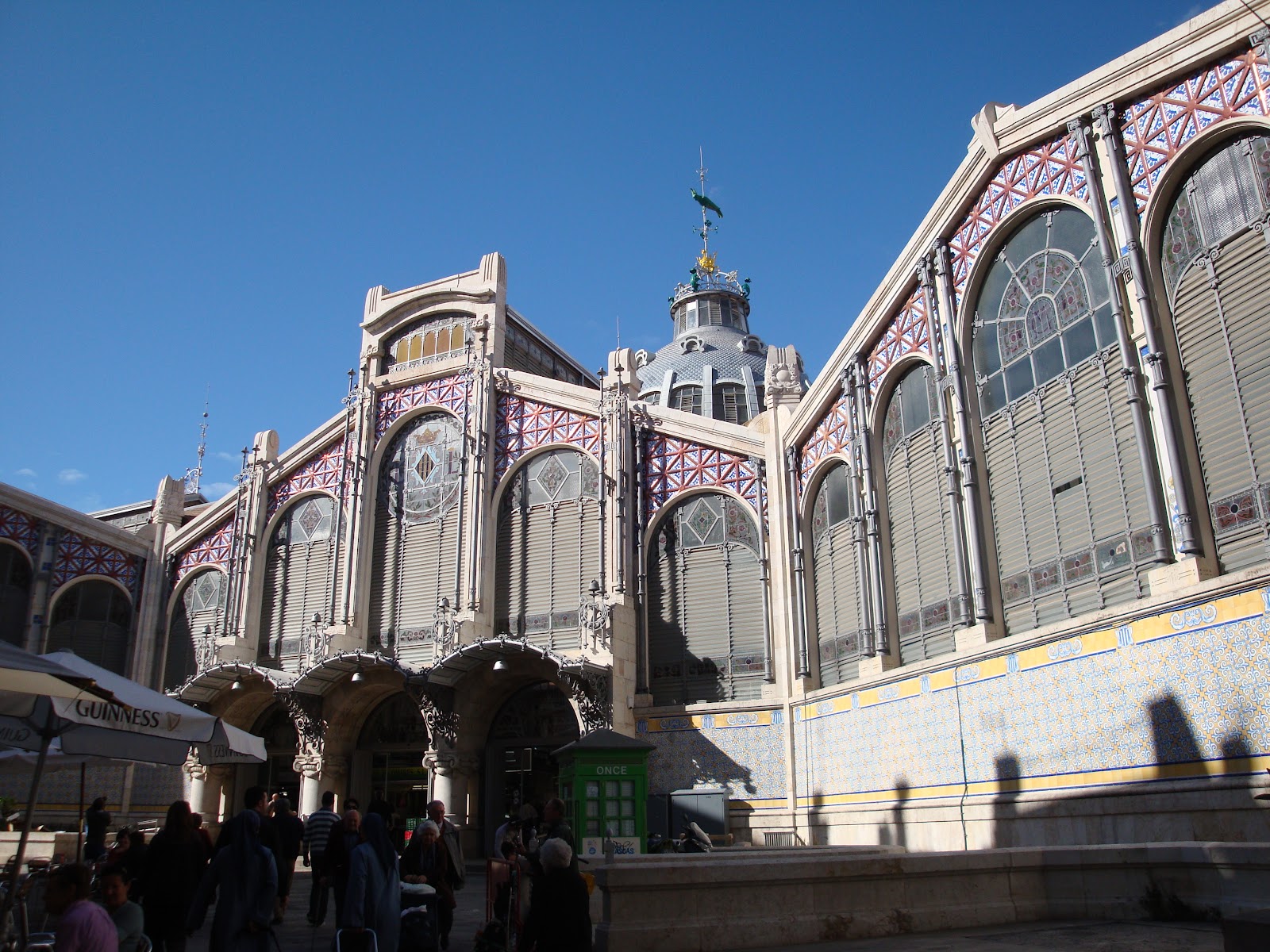
Standing on the same block as the Central Market, La Lonja de la Seda was raised between 1483 and 1548 and has been a UNESCO World Heritage Site since 1996. It covers more than 2,000 square metres, and almost every surface repays a slow look.
💛 What travellers fall for
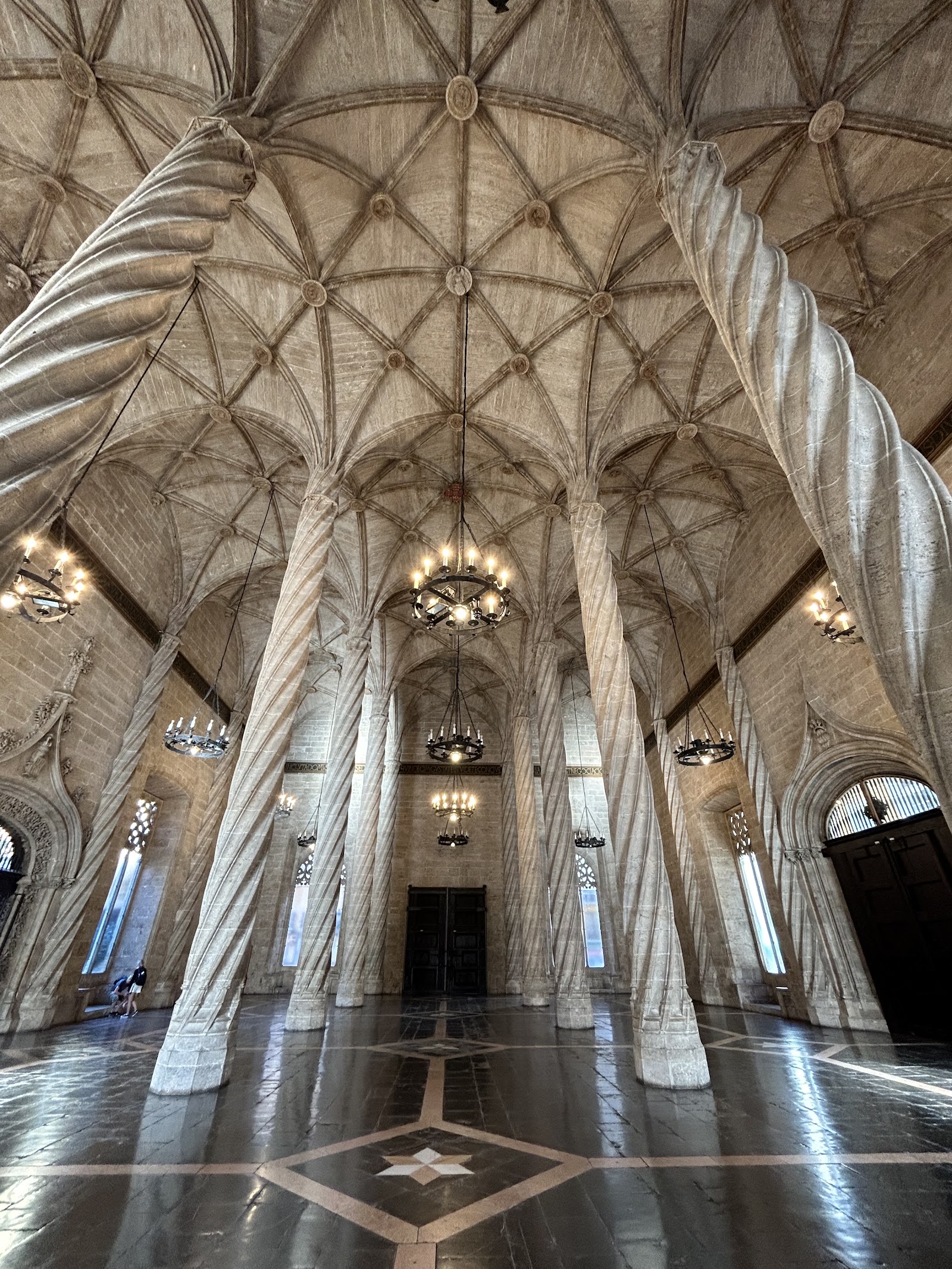
People who come back tend to linger longest in two places: the Patio de los Naranjos, where the orange trees offer a quieter register after the grandeur of the main hall, and the Consolat del Mar, where the coffered wooden ceiling is easy to walk past too quickly. The entry is around the back of the building — easy to miss if you approach from the market side.
The story behind La Lonja de la Seda
Before the current building, a 14th-century Oil Exchange occupied this site, used for trading agricultural goods including oils. The new Lonja was conceived by Francesc Baldomar, who developed the original project around 1470–71. After his death, his disciples Joan Ivarra and Pere Compte took over the commission in 1481. Compte built the core of what you see today — the Trading Hall with its famous spiral columns — in fifteen years, finishing in 1498.
The Renaissance Consolat del Mar, attached to the main structure, was completed by 1548, and the city's municipal bank, the Taula de Canvis, operated from within the Trading Hall. The ensemble was declared a National Historic and Artistic Monument in 1931, and UNESCO added it to the World Heritage List in 1996.
Good to know
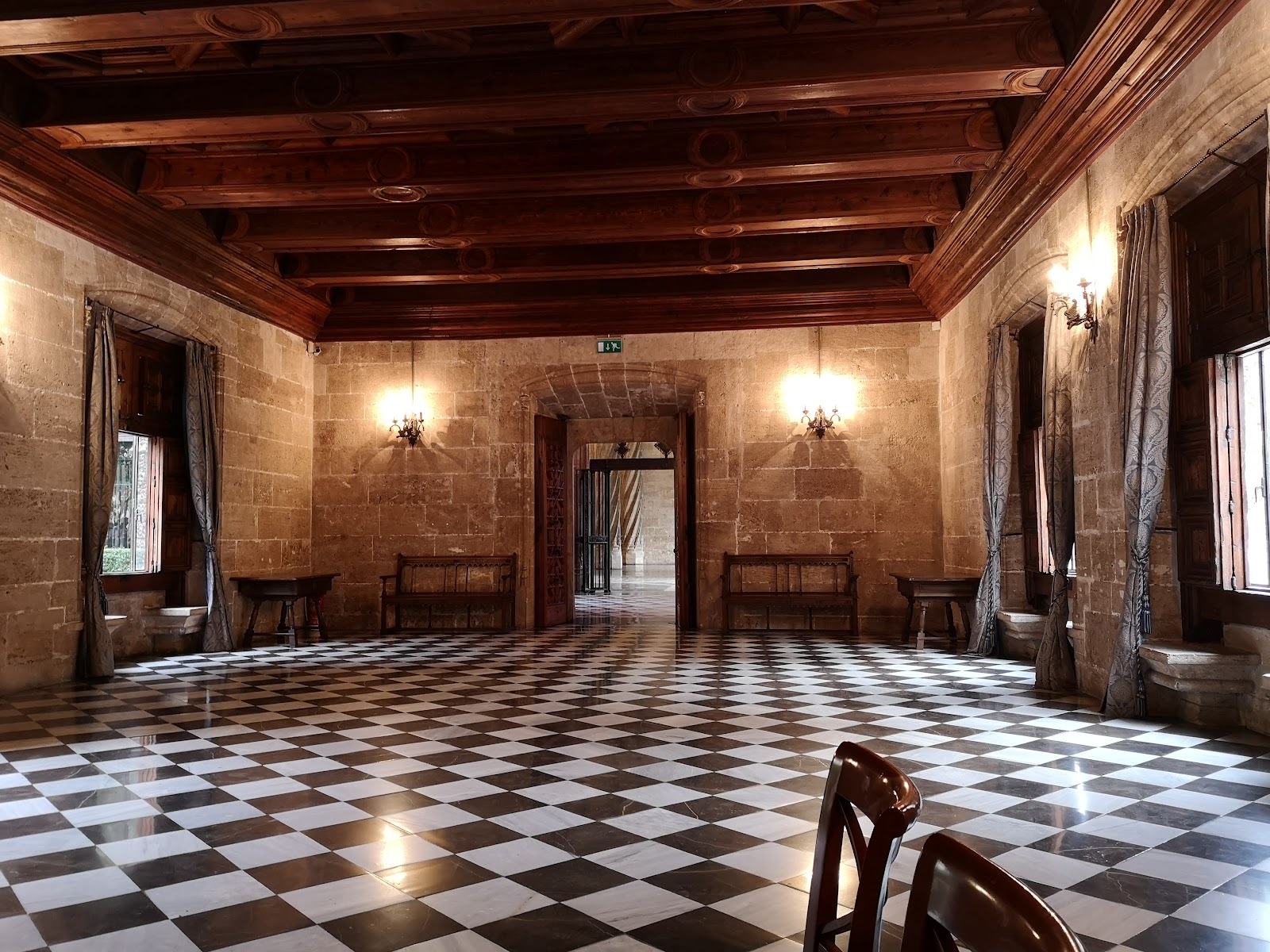
Admission is €2, though entry is free on Sundays and public holidays. Open Monday to Saturday 10:00–19:00, Sundays and holidays until 14:00. Closed Mondays. Buses 4, 7, 27, 73, 81 and C1 stop nearby; the nearest metro stations are Àngel Guimerà and Xàtiva. Thirty to sixty minutes is enough for a thorough visit.
Where is La Lonja de la Seda?
More tickets & tours for La Lonja de la Seda
Book directly at the provider
What travellers say about La Lonja de la Seda
A must see in Valencia. A heritage site only 2€ admission.lovely little garden. The architecture,ceiling work etc is fab. Allow about an hour to enjoy it. It's not huge but worth taking time
A must see in Valencia. 2€ per person, quick visit but the garden is adorably cute with orange trees and the column in the main room give Game of thrones vibes. Recommend doing this right after or before the Mercato.
An interesting blend of moorish and European architecture. The main hall is a wonderful airy hypostyle hall with beautiful light columns and fan vaulting. The other rooms have fantastic wooden ceilings. Look out for some of the details in the carvings. Some very skilled work with a sense of humour. The courtyard is highly influenced by moorish tradition. When we visited, it was not crowded and no queue to get in.
Beautiful building with most excellent examples of gargoyles. Beautiful marble floor tiles and ornate doors and handles. The courtyard with the orange and lemon trees are beautiful and now during the blossom season it smells delightful. Entry is just €2 justified by not that much to see. It’s not a place you will spend hours in. Nice place to visit for cultural experience. We were lucky to arrive and walk in, no more than 5 minute queue. Shortly after 10am opening time. We walked past at 13:00 and the queue was long. You can buy online tickets for specific time slots directly via their website and I would not pay more than €2 unless you want a guided tour. It’s worth reading up about the gargoyles and walk on the outside of the building identifying them, we found it a fun pastime.
The interior of this building is absolutely breathtaking and impressive. When you step into the main hall, the massive spiral columns and towering ceilings make you feel like you are walking through a stone forest. For a 2 Euro entrance fee, it’s an absolute bargain!
More of Valencia
Discover where to stay, what to do and the best deals for your trip.
Explore Valencia →More attractions in Valencia
All of Valencia →
Background adapted from Wikipedia (CC BY-SA) · map data © OpenStreetMap contributors · ratings & place photos via Google · other photos with per-image credit. Ticket links may earn us a commission at no extra cost to you.