
Valencian Community
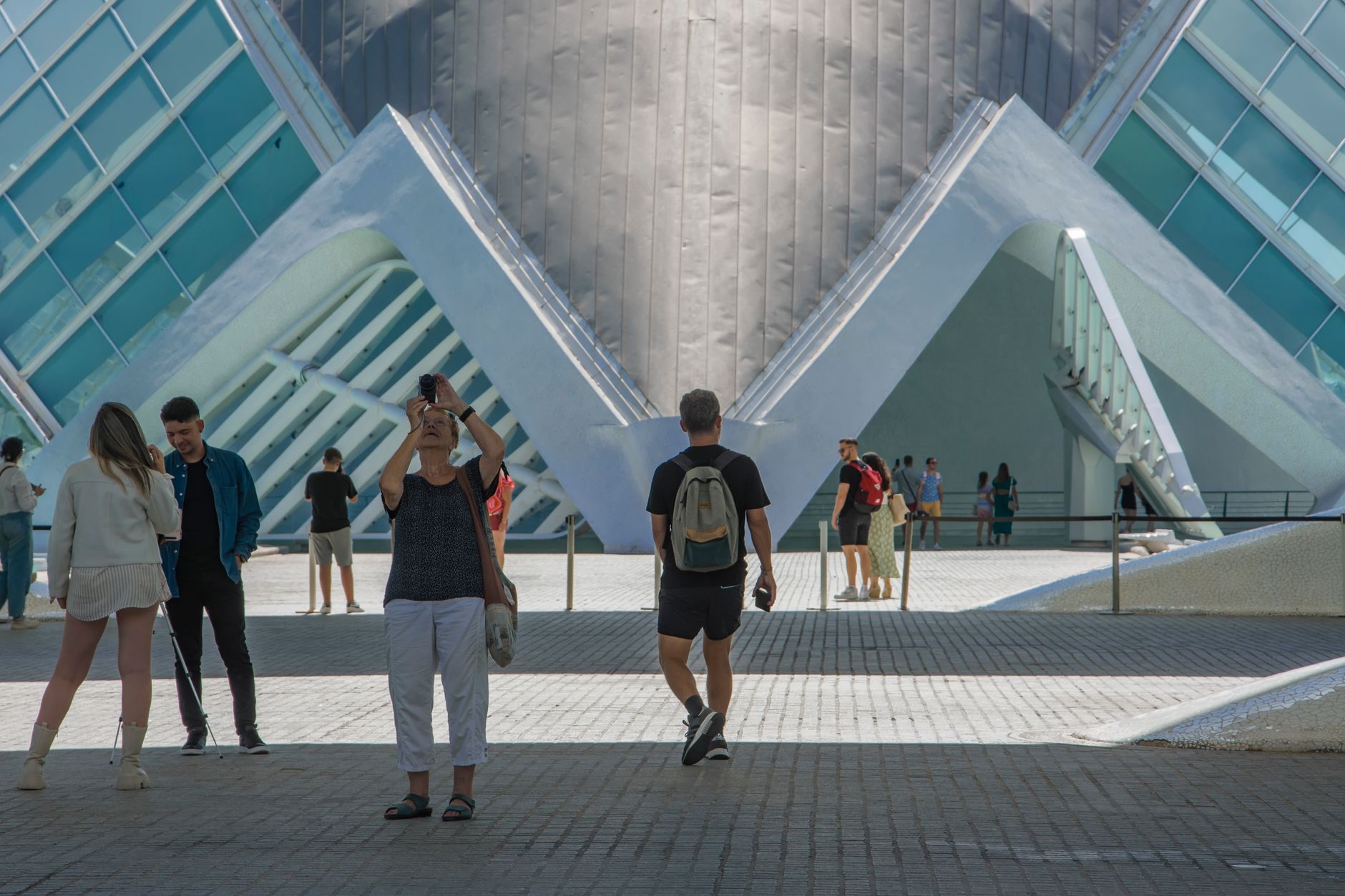
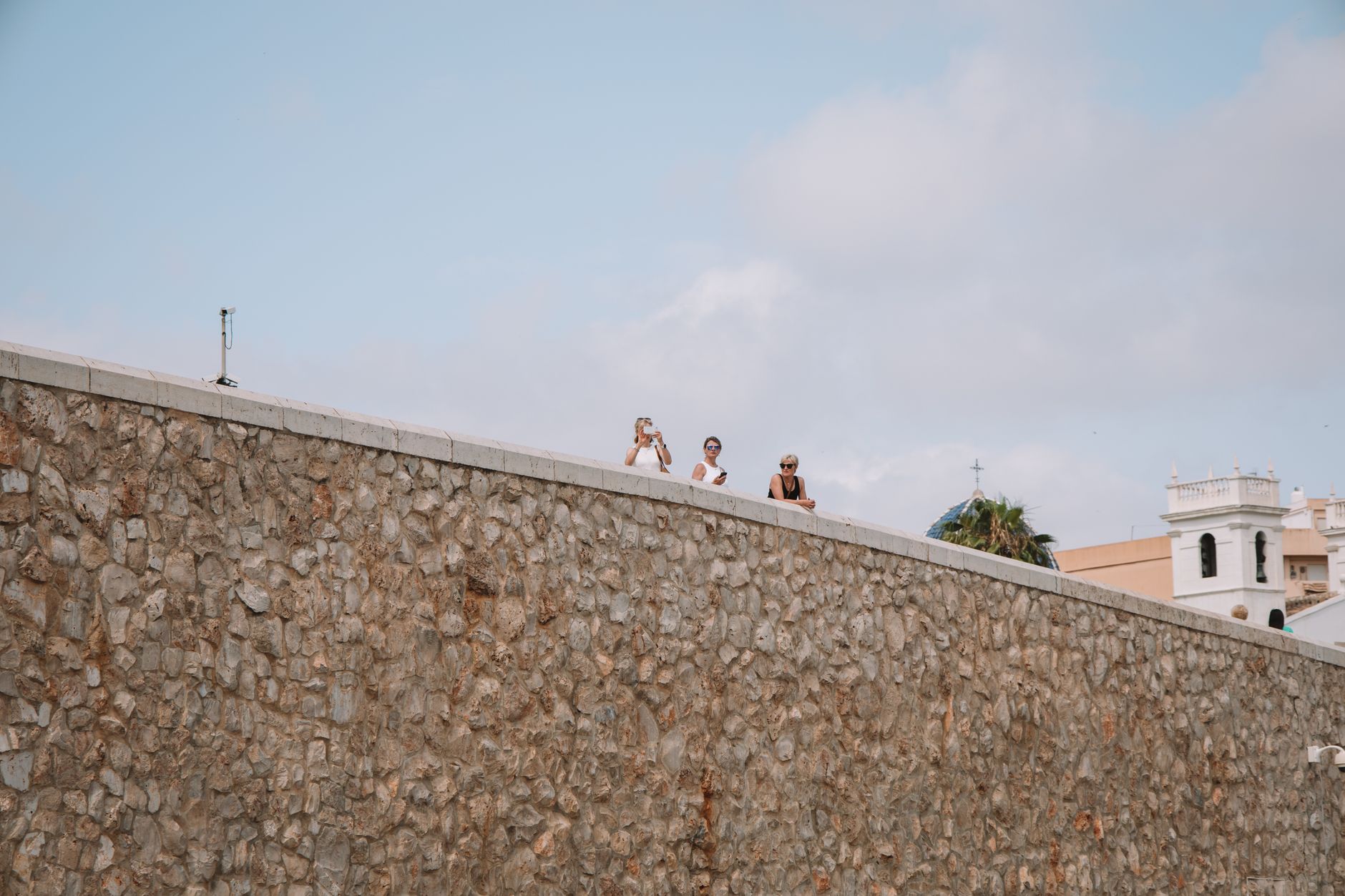
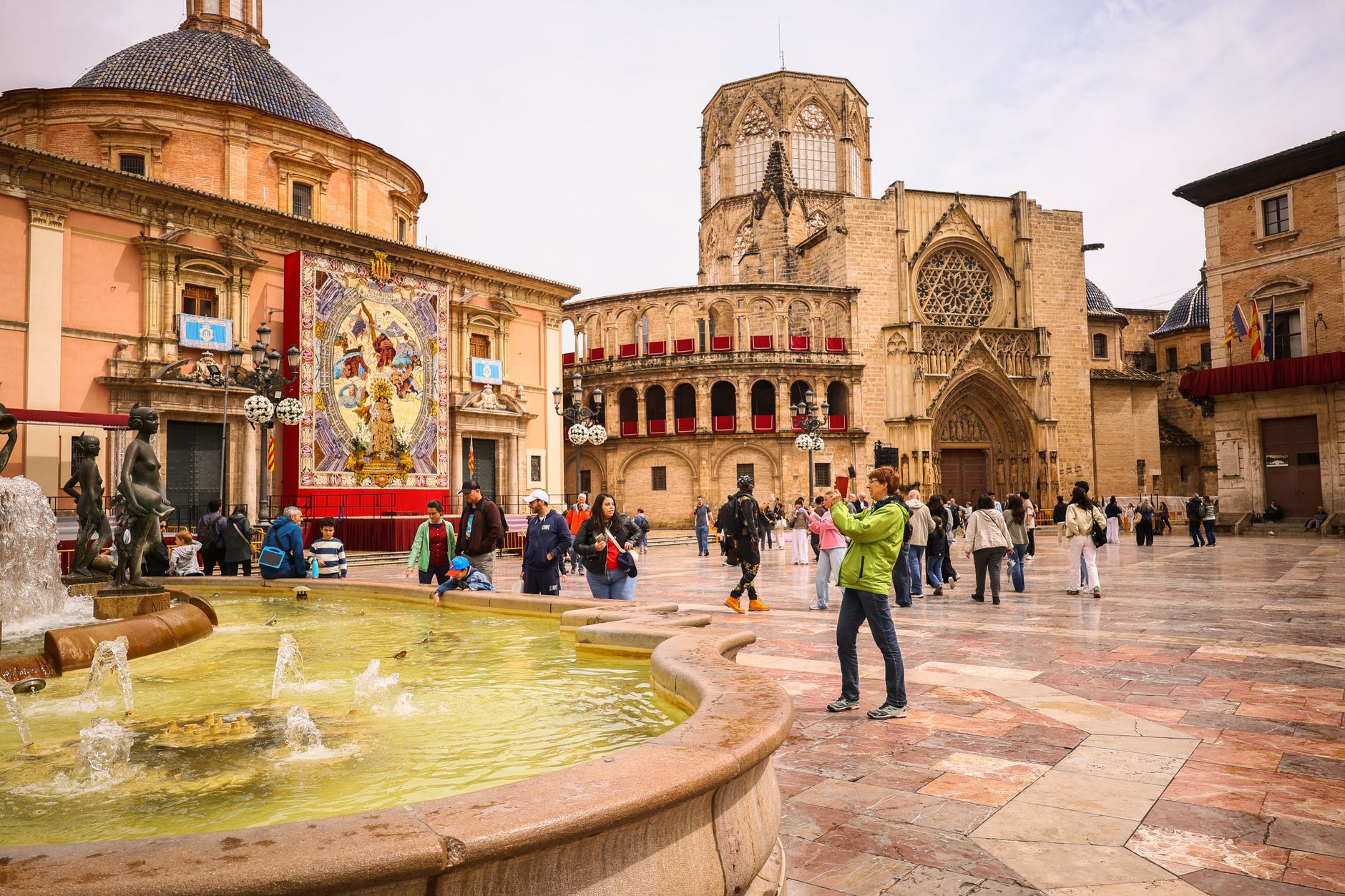
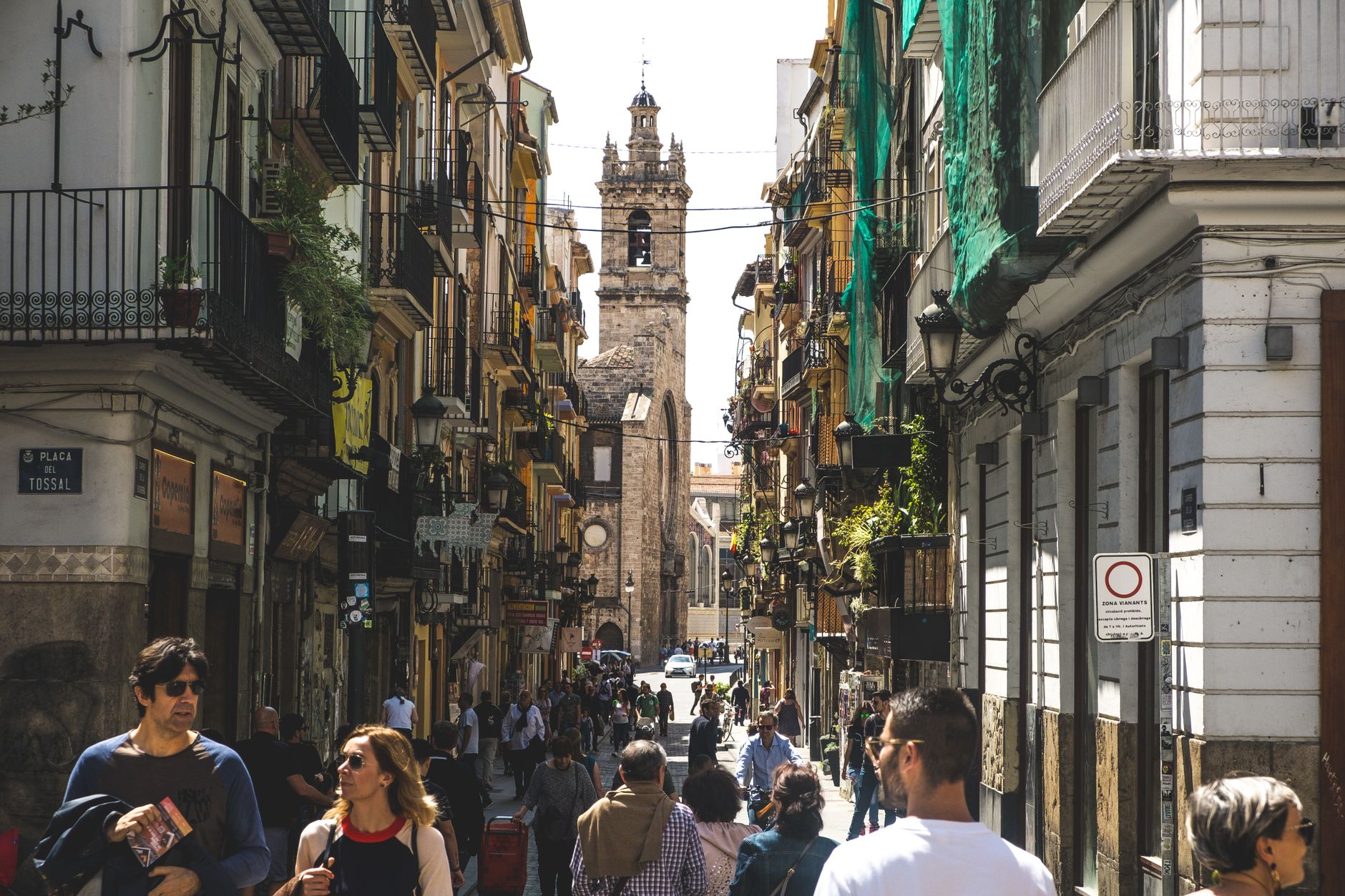
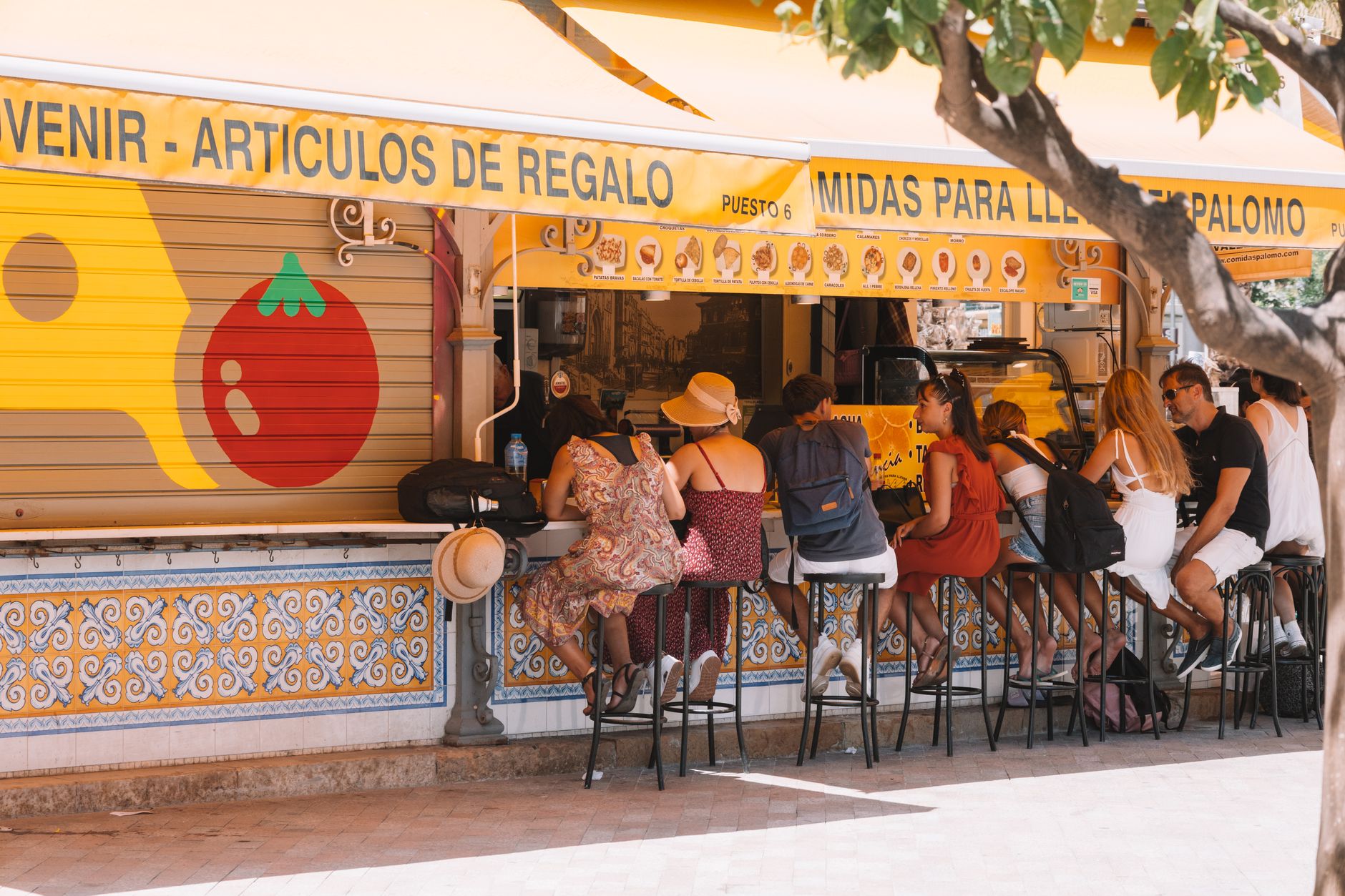
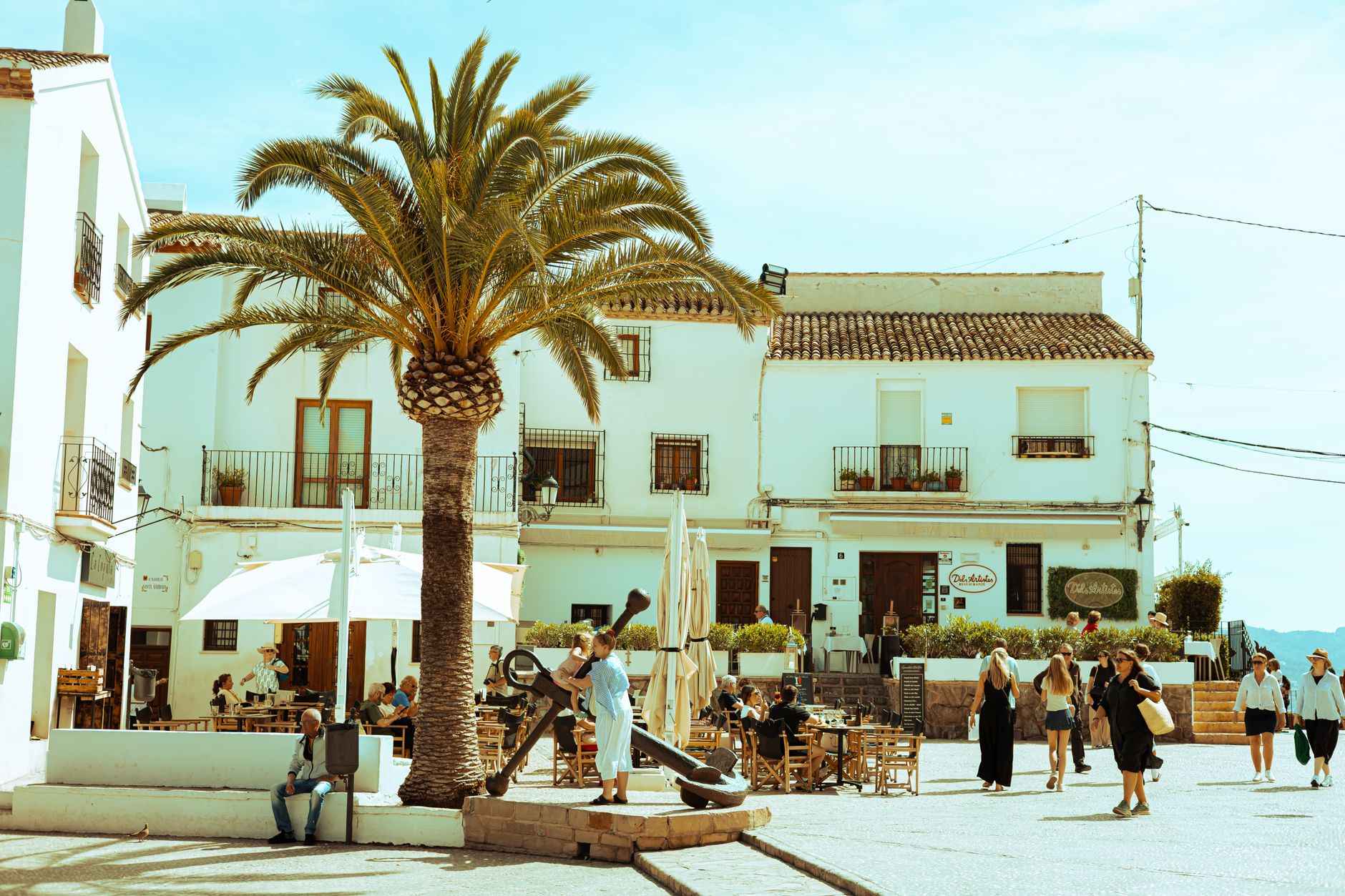
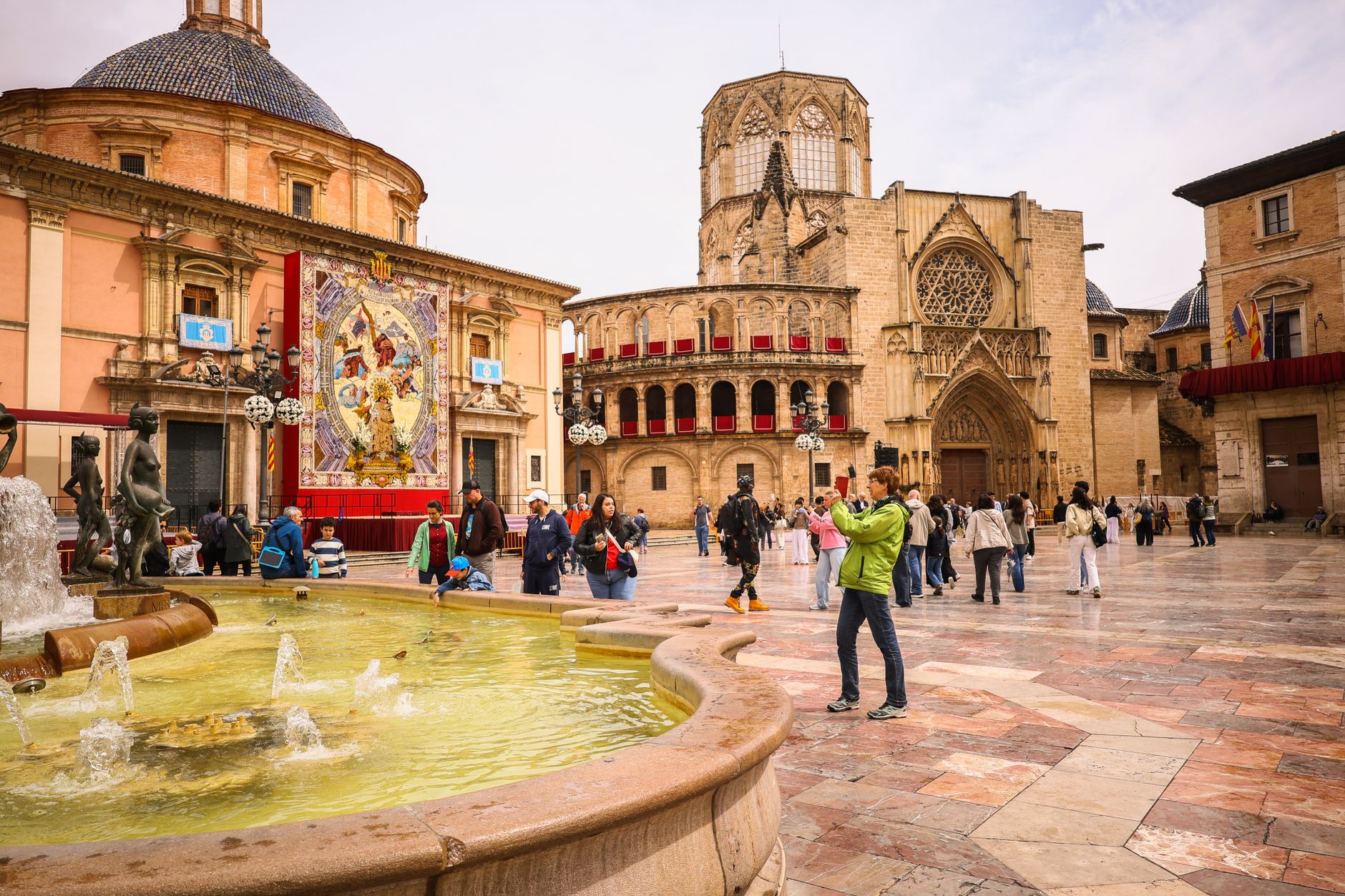
The Valencian Community stretches along Spain's eastern Mediterranean coast, and its defining tension is worth understanding before you arrive: this is a place where Roman foundations, Arab-era water systems, and Gothic trading halls all occupy the same city blocks, and where the old riverbed of the Turia — drained after a catastrophic 1957 flood — was turned into a nine-kilometre park rather than a motorway. That decision alone tells you something about how the region thinks.
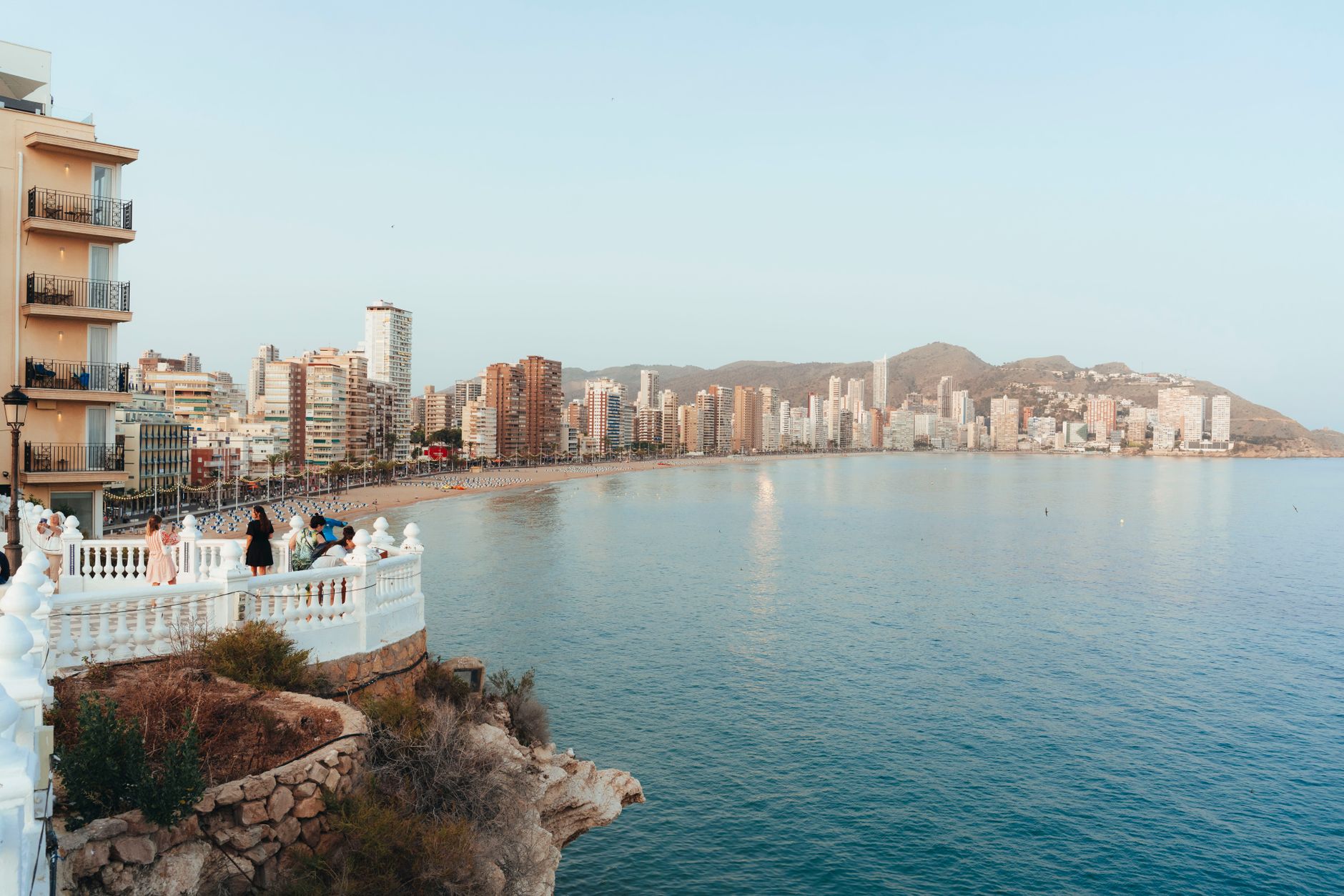
Valencia, the capital, anchors the community, but the region also takes in the rice-growing plains of the Albufera, the orange-grove lowlands, and a coastline that faces the Balearic Islands. Valencian, a Romance language related to Catalan, regained official status in 1982 and you'll see it on street signs alongside Spanish.
Experiences you don't want to miss


How Valencian Community came to be
Rome planted the city of Valentia here in 138 BC, and the region passed through Visigothic hands before Arab armies arrived in 711 AD. Nearly five centuries of Islamic rule reshaped irrigation, agriculture and the urban fabric in ways that outlasted the conquest itself.
In 1238, James I of Aragon took the Taifa of Valencia and established the Kingdom of Valencia as a distinct entity within the Crown of Aragon, governed by its own legal code, the Furs of Valencia. The Lonja de la Seda — the Silk Exchange, a UNESCO World Heritage Site whose construction began in 1482 — is the clearest surviving expression of the wealth that followed. The kingdom's separate institutions were eventually dismantled, but the language and much of the civic identity persisted, and both were formally recognised again when the region became an autonomous community in 1982.
Who and what shaped it
People who shaped it
Landmark buildings
See Valencian Community in motion
Plan your visit
On the map
When to go
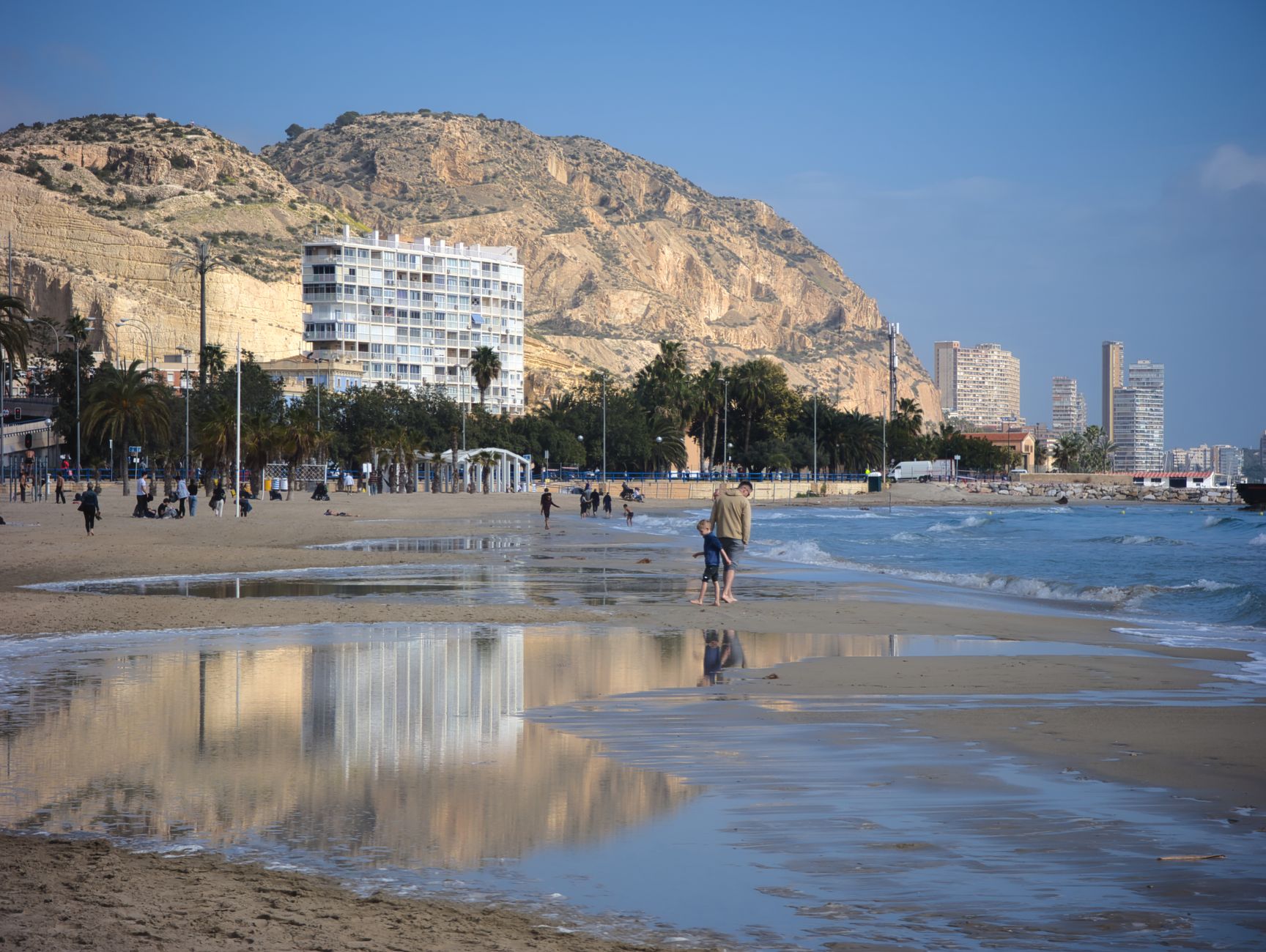
The Mediterranean climate means more than 2,800 hours of sunshine a year, with hot dry summers and mild winters — January days reach 15–20°C and snow is essentially unknown in the city. Rainfall clusters between September and April, with the heaviest downpours often arriving as sharp autumn storms rather than prolonged grey spells.
Right now
↡ Cities
No places match these filters.
Background & history adapted from Wikipedia (CC BY-SA) · specs from Wikidata (CC0) · weather from Open-Meteo · map data © OpenStreetMap contributors · photos from Wikimedia Commons / Unsplash with per-image credit. No third-party reviews or social posts reproduced.