
Castellón de la Plana
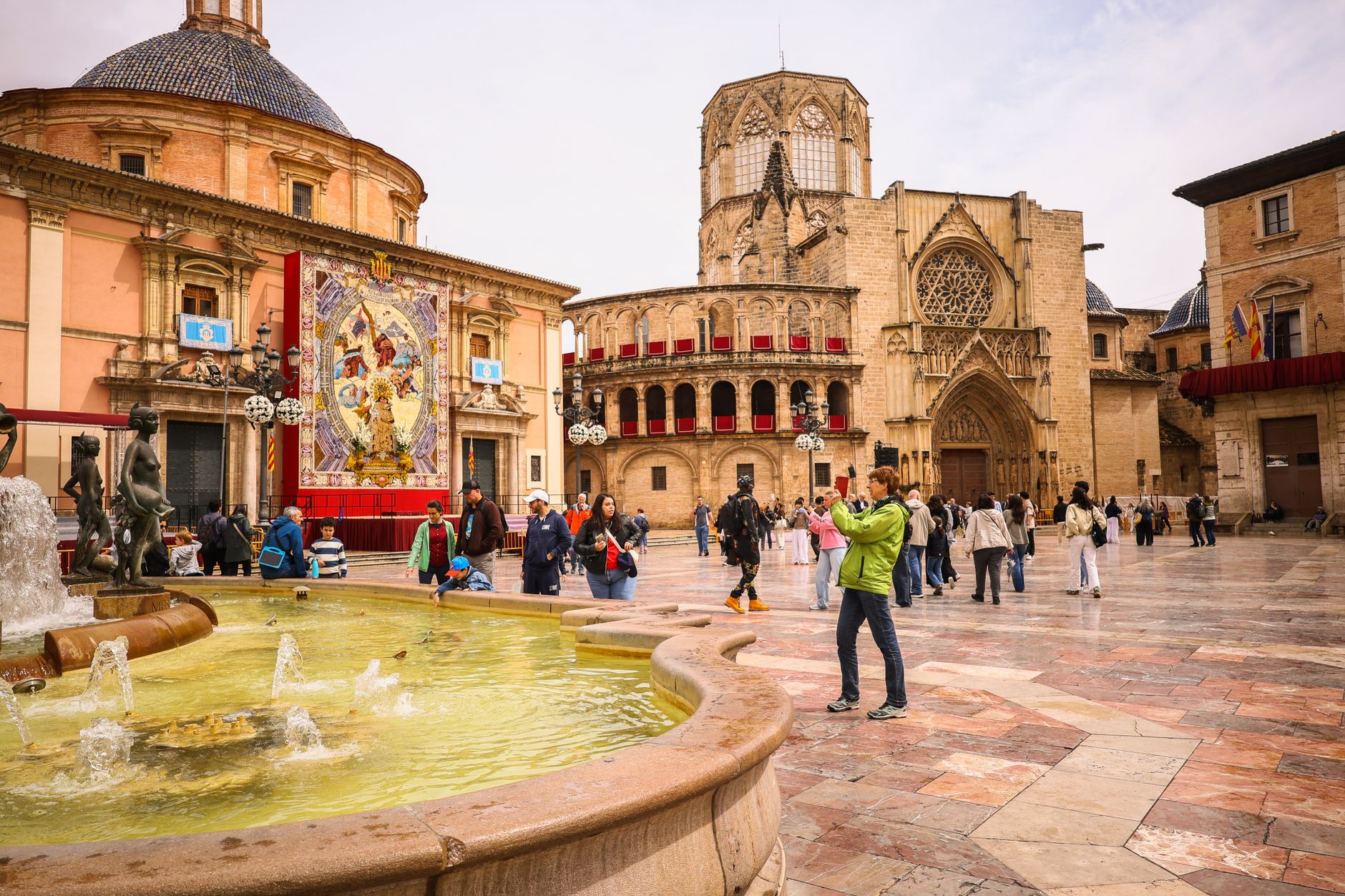
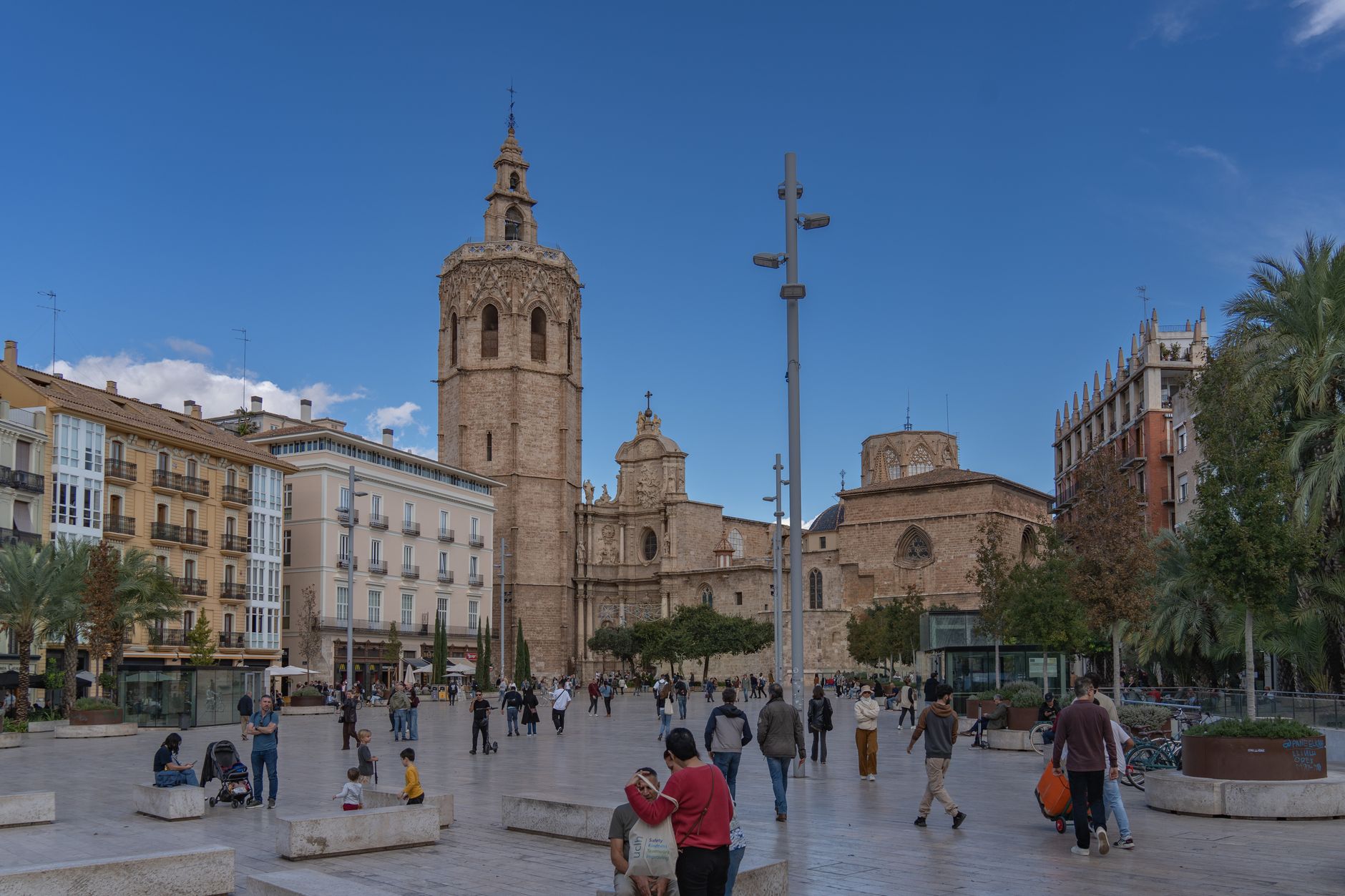
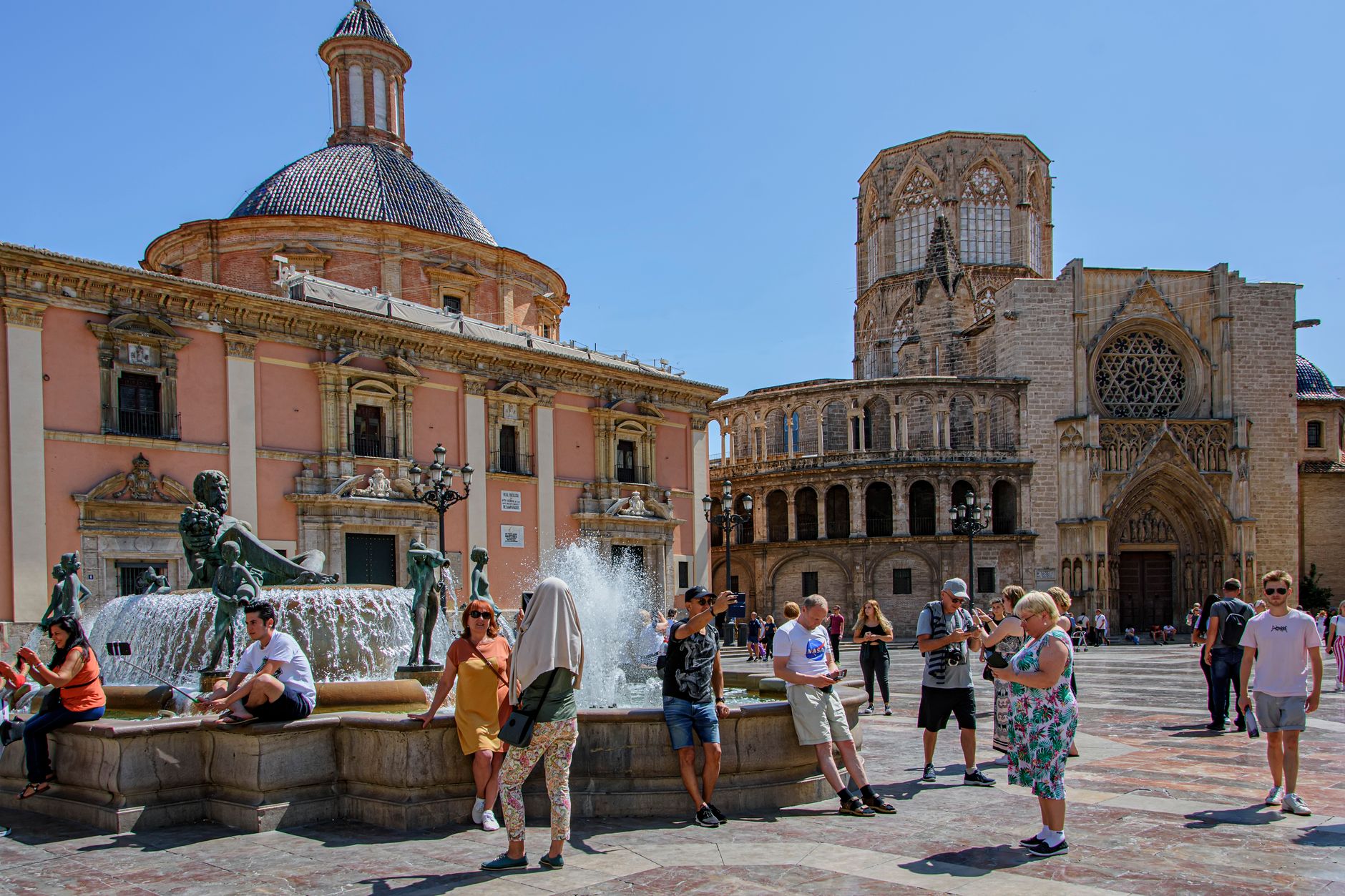
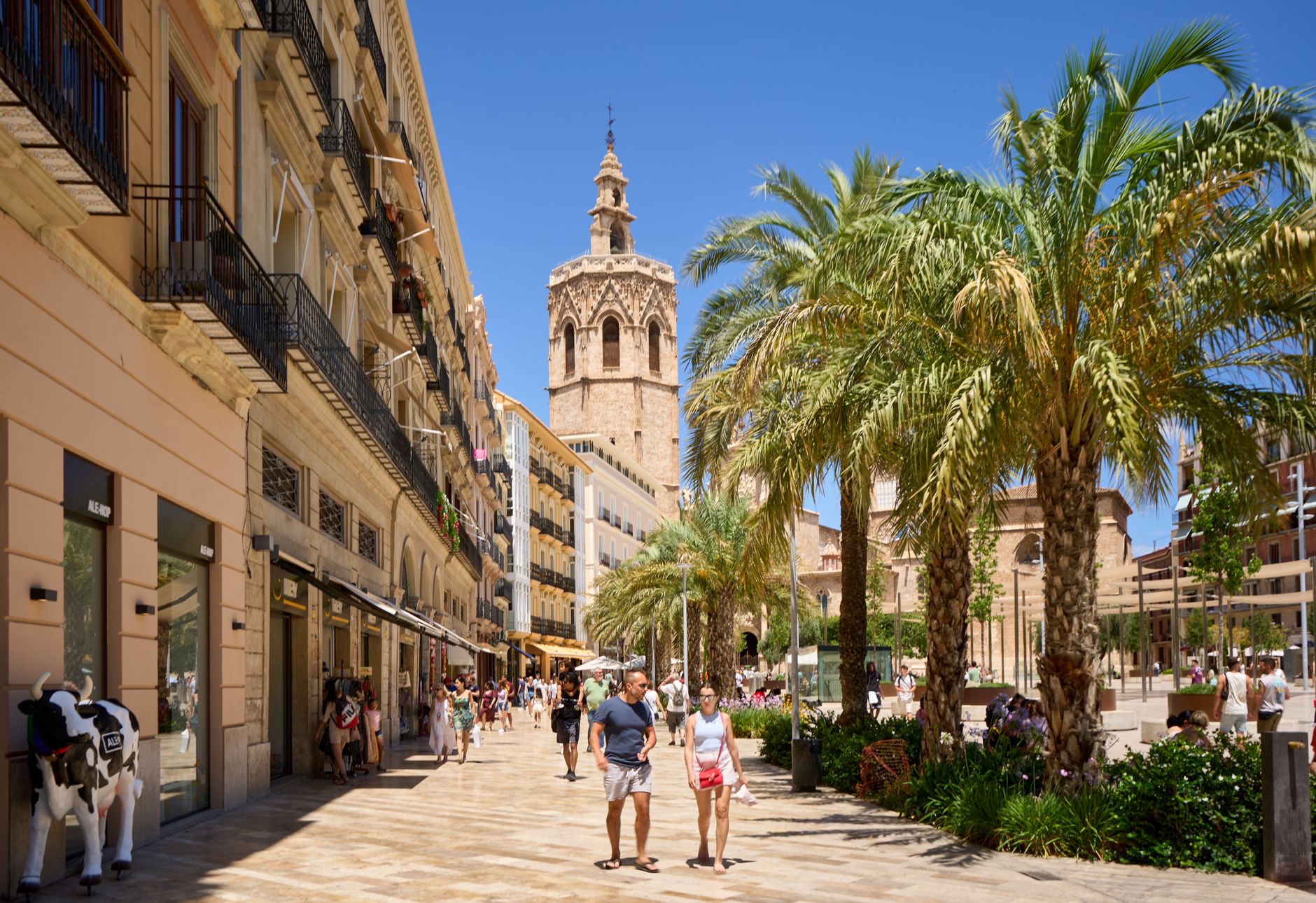
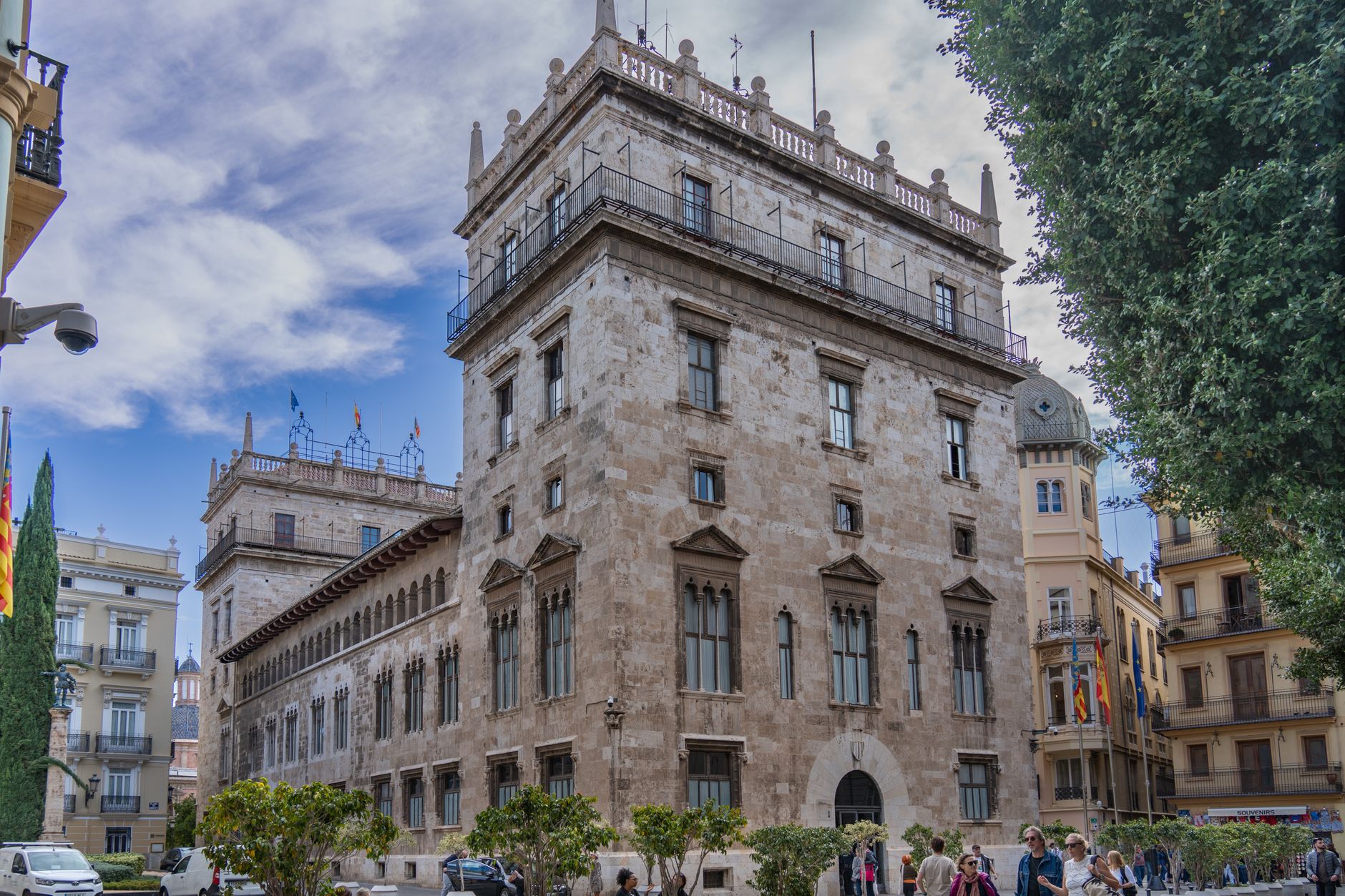
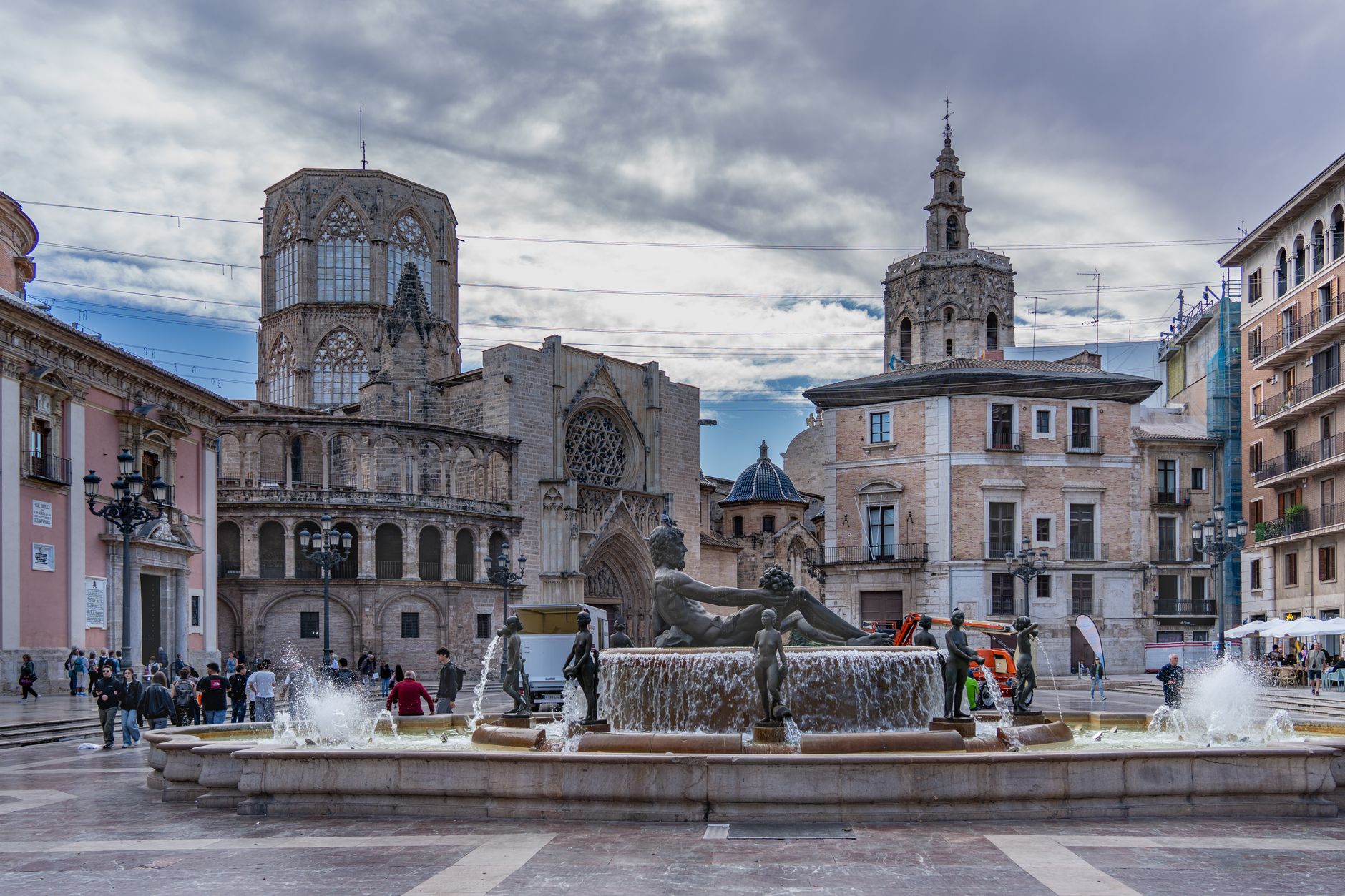
Castellón de la Plana is a city that made a deliberate choice: in 1252, it picked up and moved from a hilltop castle to the flat coastal plain below, and it has been a city of the plain ever since. That founding pragmatism still shows — this is a working provincial capital with a medieval bell tower standing octagonal and separate from its own cathedral, a post office dressed in Neo-Mudéjar turrets, and a park where a monolith marks the intersection of the Prime Meridian with the 40th parallel.
The historic centre is compact enough to read in a day, but the detail repays slowness. El Fadrí, the freestanding bell tower that took 136 years to build, gives you the whole city from its observation deck, and the 2001 Museum of Fine Arts holds canvases from the Zurbarán atelier alongside rooms of Valencian ceramics.
💛 What travellers fall for
People who return tend to mention the same ritual: coffee on Plaza Mayor before the Central Market fills up, then El Fadrí before the tour groups arrive. The Llotja del Cànem on Via Caballeros — the old hemp exchange with its allegorical ceiling paintings by Joaquín Oliette — gets skipped constantly, which means you can usually have it to yourself.
Experiences you don't want to miss






Deals in Castellón de la Plana
Book directly at the provider
How Castellón de la Plana came to be
The name Castellón comes from a Moorish castle on Magdalena Hill, above what is now the city. James I of Aragon took the area in 1233, but it was a mudéjar revolt and subsequent expulsion in 1248 that forced a rethink. On 8 September 1251, James I granted Ximén Pérez d'Arenós the authority to move the settlement from the castle to the plains below; the move was completed in 1252. The city has been growing on flat ground ever since.
It became a provincial capital in 1833 and received city status in 1873. The Co-Cathedral of Santa María la Mayor carries a layered history of its own: built in Gothic style in the 13th century, reconstructed after a fire, then demolished by council order during the Spanish Civil War in 1936 and rebuilt again. Jaume I University opened in 1991, bringing a significant student population to a city that had long been defined by trade and agriculture.
Who and what shaped it
People who shaped it
Landmark buildings
See Castellón de la Plana in motion
Plan your visit
On the map
When to go
Summers run hot and humid — August highs sit around 30°C — with very little rain, while winters are mild and sunny, rarely dropping below 6°C at night. Autumn is the wettest season, occasionally dramatically so, when cold-drop weather systems sweep in from the Mediterranean; spring offers the most balanced conditions for walking the centre.
Right now
Background & history adapted from Wikipedia (CC BY-SA) · specs from Wikidata (CC0) · weather from Open-Meteo · map data © OpenStreetMap contributors · photos from Wikimedia Commons / Unsplash with per-image credit. No third-party reviews or social posts reproduced.