
Torrevieja
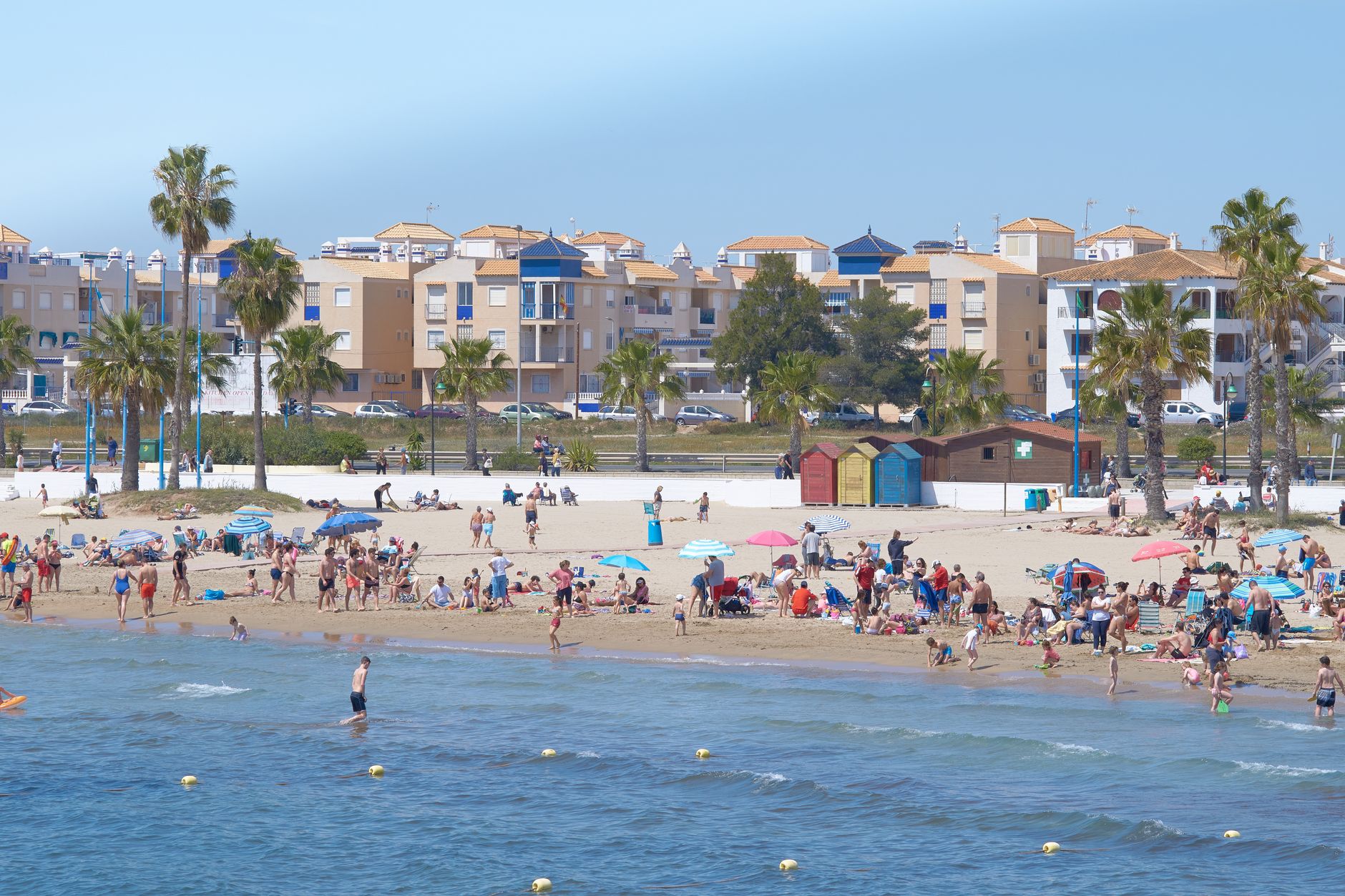
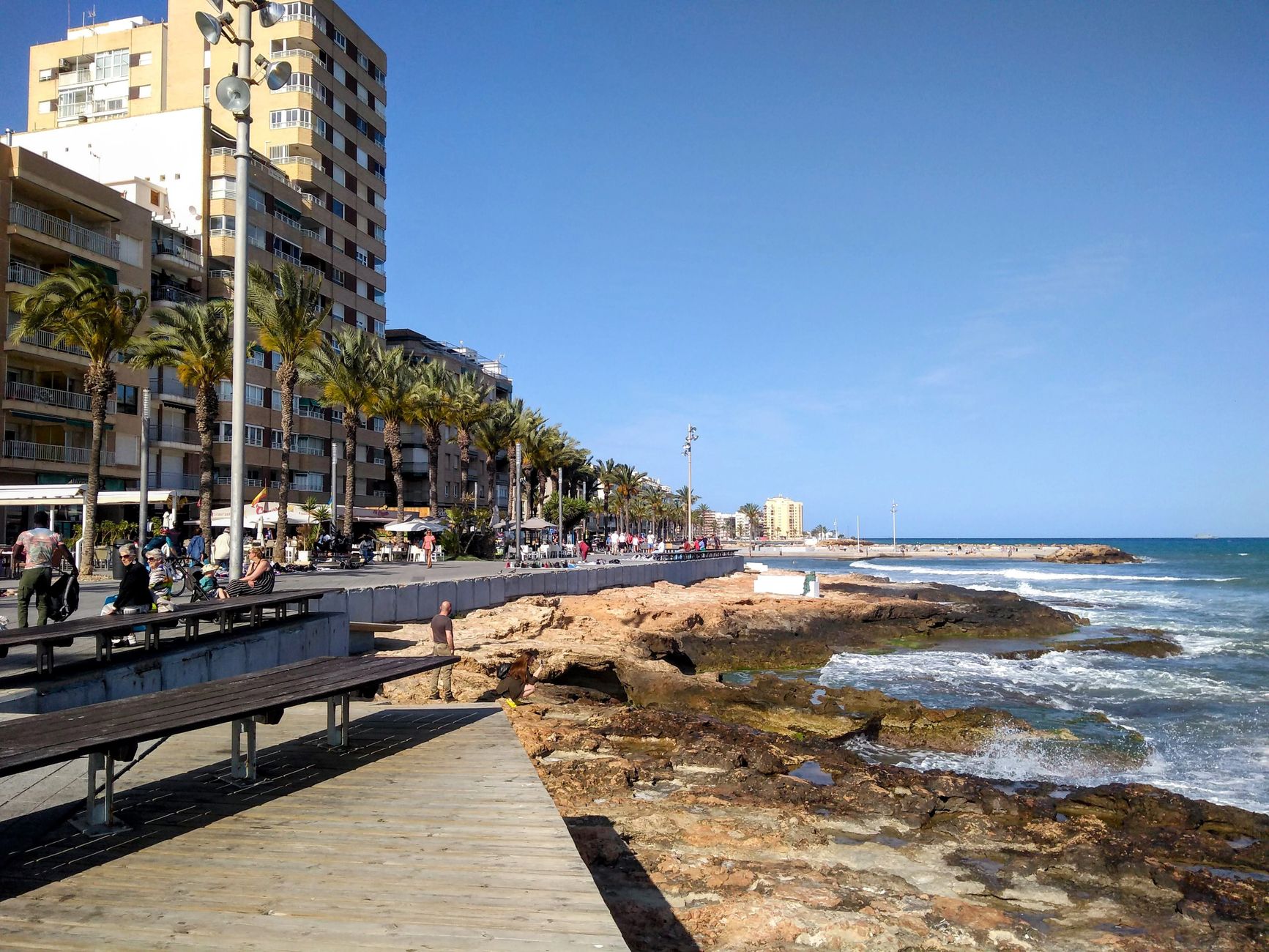
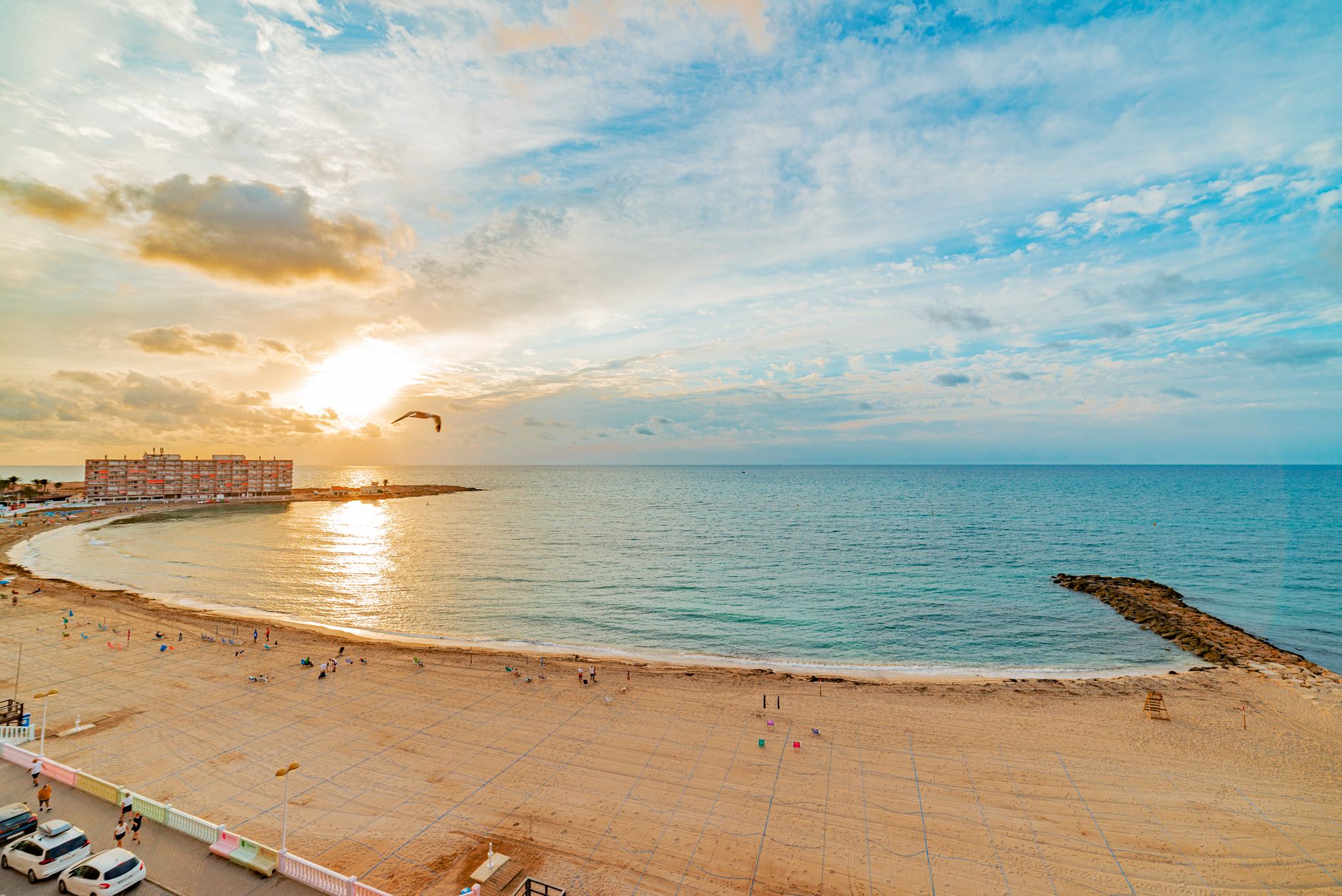
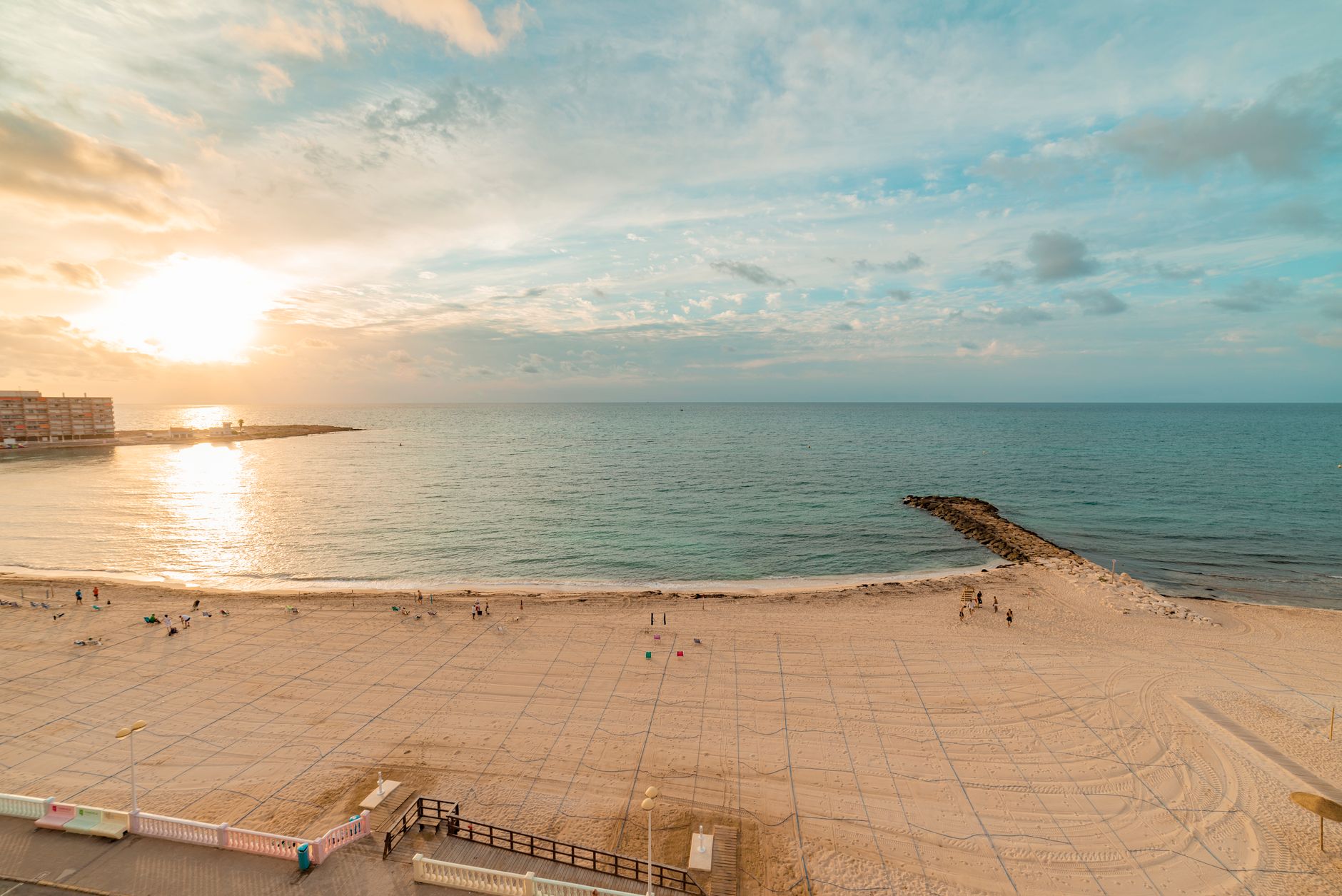
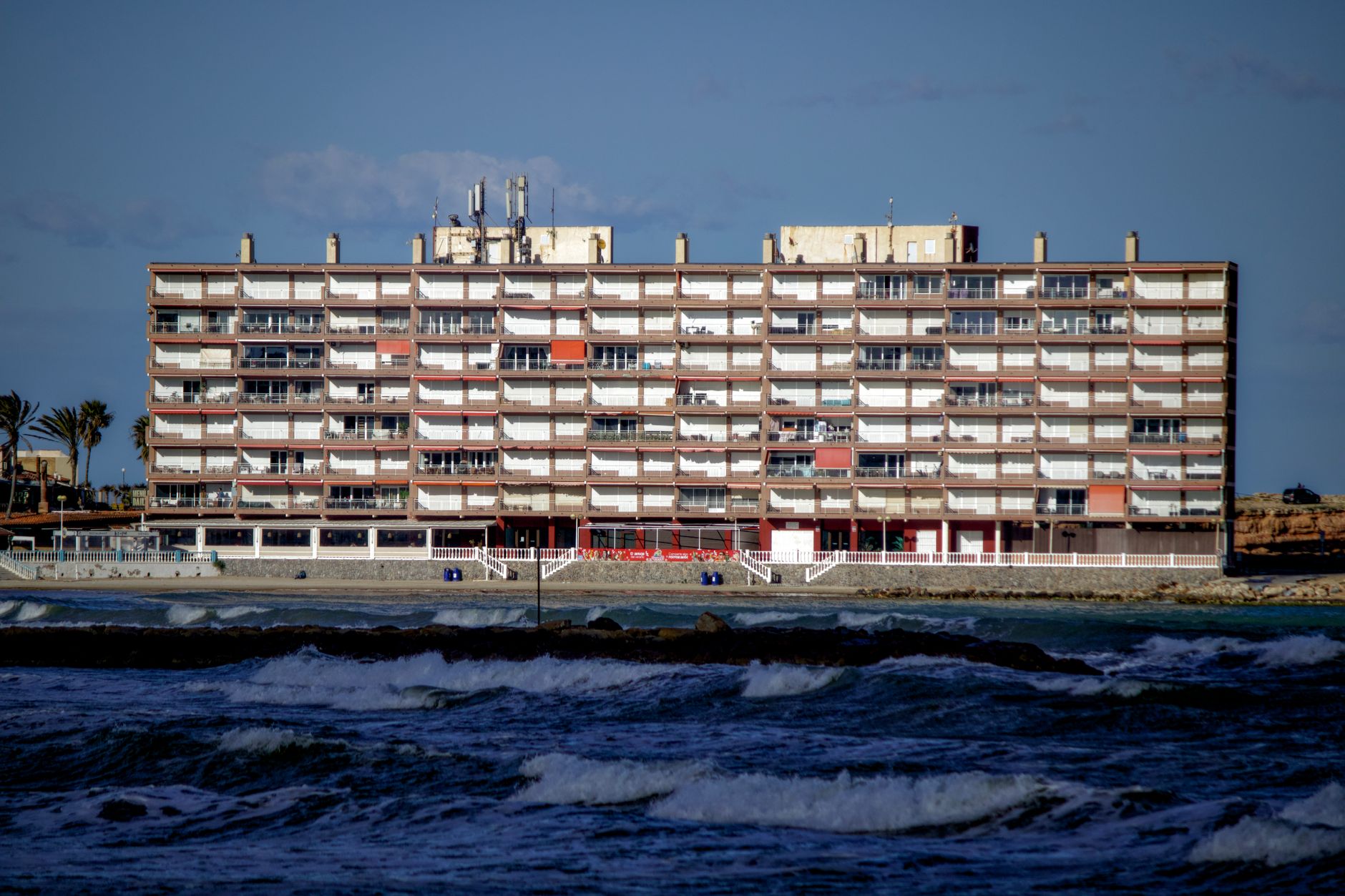
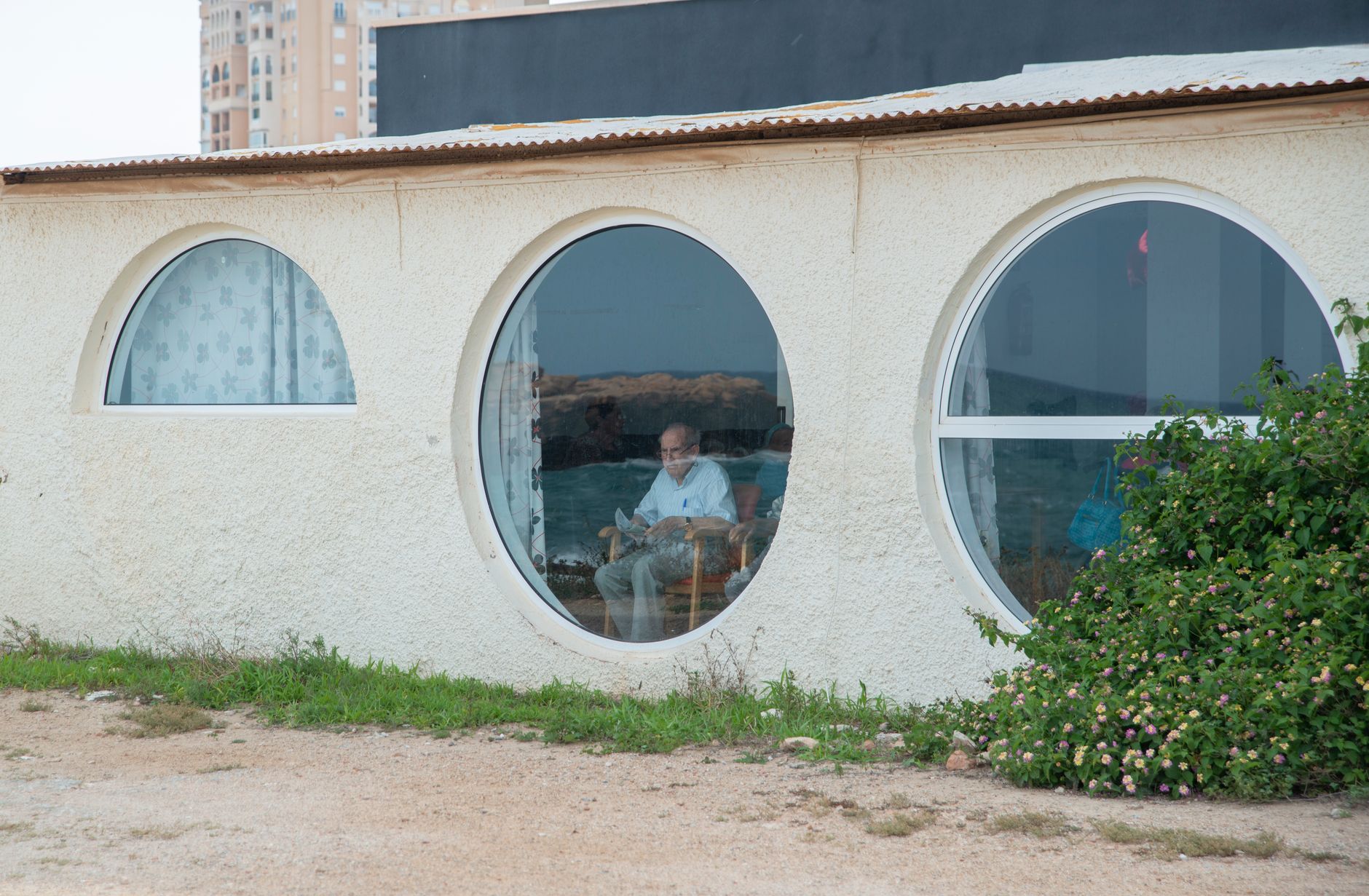
Two pink salt lakes flank Torrevieja on either side, and on certain mornings the water reads almost flamingo-red against a flat Mediterranean sky. The town takes its name from an old watchtower — torre vieja — that once stood watch over this stretch of coast, and that instinct for keeping an eye on things still feels present: in the salt-train that crawls along the lakeshore, in the Friday market that sprawls across half the centre, in the Casino's Moorish facade looking out over the marina.
This is a working city that happens to sit between sea and salt, and it wears that combination without any particular self-consciousness. The promenade, the neoclassical church on the main square, the free ethnological museum tucked near the waterfront — they tell a story of a place that rebuilt itself after catastrophe and kept going.
💛 What travellers fall for
People who come back tend to catch the Friday market early, before the heat builds, then walk south to Playa del Cura for the afternoon. The salt-train is worth the few euros — book it on a weekday if you can. And the Casino on Paseo Vista Alegre is worth a look from the outside even if you don't go in.
Experiences you don't want to miss




Deals in Torrevieja
Book directly at the provider


How Torrevieja came to be
Torrevieja's official existence dates to 3 March 1803, when Charles IV decreed that the Royal Salt Works administration would move here from nearby La Mata. Before that, the site was little more than scattered cottages gathered around an old coastal watchtower. The salt lakes had long made the location strategically useful, but settlement was sparse and provisional.
In 1829 an earthquake levelled much of what had been built, and the town was reconstructed almost from scratch under military architect Larramendi — which is why the street grid still feels deliberate, almost imposed. The main church on Plaza de la Constitución dates its current neoclassical form to 1880, its twin towers to 1907. Alfonso XIII granted city status in 1931. The salt industry — some 800,000 tons extracted annually from the larger lake alone — has never really stopped.
Who and what shaped it
People who shaped it
Landmark buildings
See Torrevieja in motion
Plan your visit
On the map
When to go
Torrevieja gets around 2,650 hours of sunshine a year and only 280 millimetres of rain, which puts it among the driest cities in Europe. Summers are hot, with August averaging nearly 27°C; January rarely drops below 12°C, and even midwinter days tend to be clear and mild.
Right now
Background & history adapted from Wikipedia (CC BY-SA) · specs from Wikidata (CC0) · weather from Open-Meteo · map data © OpenStreetMap contributors · photos from Wikimedia Commons / Unsplash with per-image credit. No third-party reviews or social posts reproduced.